

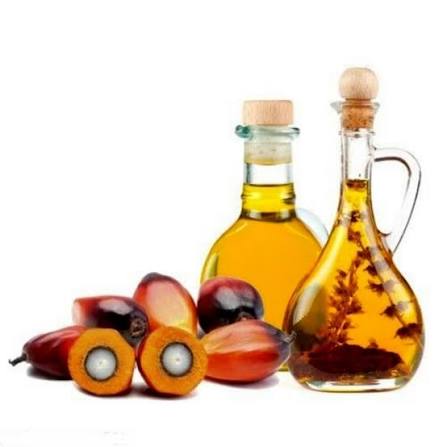
Buyers ask us the same question in almost every first call: how do we actually know the palm oil is halal, not just labeled that way. It’s a fair question, because a certificate on a website means nothing if the mill behind it can’t back it up with real documentation. As a Halal Certified Palm Oil Supplier shipping to food manufacturers, refiners, and distributors across the Middle East, Southeast Asia, Africa, and beyond, we’ve learned that buyers who ask the hardest questions upfront are usually the ones who never have a shipment rejected at the port.
This guide walks through what halal certification for palm oil actually means, which certification bodies carry real weight with importers and regulators, where the process most often breaks down, and what paperwork you should expect from any Halal Certified Palm Oil Supplier before you sign a contract.
What Halal Certification Actually Covers for Palm Oil
Palm oil starts out halal by nature. It’s a plant-based product with no meat, alcohol, or animal derivatives in the fruit itself. So why does certification matter at all? Because the halal status of a finished shipment depends on everything that happens to the oil after it leaves the tree, not on the fruit alone.
Certification verifies that the entire chain, from fresh fruit bunches through milling, refining, and packing, avoids contact with anything haram and avoids cross-contamination with non-certified material. That includes the processing aids used in refining, the equipment the oil passes through, and even the lubricants used on machinery that touches the product stream.
A proper halal audit looks at raw material sourcing, processing methods, storage tanks, transport vessels, and packaging lines. Auditors check whether shared equipment is cleaned and validated between halal and non-halal runs, whether any bleaching earth or citric acid used in refining carries its own halal documentation, and whether the facility has a documented halal assurance system rather than a one-time inspection.
The distinction between a one-time inspection and an ongoing assurance system matters more than most buyers realize when they first start sourcing. A single audit tells you the facility was compliant on the day the inspector visited. An assurance system, with internal checklists, staff training records, and periodic re-verification, tells you the facility stays compliant between audits. Ask any Halal Certified Palm Oil Supplier which type of system backs their certificate, because the difference shows up the moment something changes on the production floor and nobody outside catches it.
The Certification Bodies Buyers Should Actually Recognize
Not every halal logo carries the same weight, and this catches a lot of first-time buyers off guard. Some certificates are issued by small private bodies with no accreditation and no recognition outside their home country. Others come from government-linked authorities that most importing countries accept without additional scrutiny.
JAKIM (the Department of Islamic Development Malaysia) is generally considered the gold standard in Southeast Asia and is recognized by a long list of importing countries, including several in the Gulf. MUI, through its HAS 23000 standard in Indonesia, carries similar weight for oil sourced or processed there. In the Gulf itself, ESMA in the UAE and SFDA in Saudi Arabia maintain their own halal conformity requirements, and many buyers there specifically ask for certificates that are pre-approved or mutually recognized under GSO 2055 and SMIIC standards.
When you’re evaluating a Halal Certified Palm Oil Supplier, ask which specific body issued the certificate and whether that body is recognized in your destination market. A certificate issued by an unaccredited local agency in the country of origin may not clear customs in a country with stricter halal import rules, and that’s a costly mistake to discover after the vessel has already sailed. You can check current recognition lists through official bodies like JAKIM’s official halal portal, which publishes updated lists of internationally recognized certification partners.
There’s also a slow-moving effort under the Standards and Metrology Institute for Islamic Countries, or SMIIC, to harmonize halal standards across member states so a single certificate carries more weight across borders. It hasn’t fully replaced the patchwork of national requirements yet, and in practice most buyers still need to check recognition on a country-by-country basis, but it’s worth watching if you regularly ship to multiple halal markets and want to simplify your documentation over time.
Where Halal Status Most Often Breaks Down
Most halal compliance failures we’ve seen over the years don’t happen because someone deliberately mixed haram ingredients into palm oil. They happen because of gaps in process control that nobody was watching closely enough.
Shared refining lines are the most common issue. A refinery that processes both certified and non-certified oil on the same equipment needs a documented cleaning and changeover procedure, with records showing when each batch ran. Without that paper trail, a certifier has no way to confirm the halal batch wasn’t contaminated by residue from a prior run.
Processing aids are another frequent gap. Bleaching earth, phosphoric acid, and citric acid are standard in palm oil refining, and most are inherently halal, but the manufacturer of those inputs still needs to confirm no animal-derived processing agents were used in their own production. A supplier who can’t produce halal documentation for its processing aids has a weak link in the chain regardless of what the finished oil label says.
Storage and transport are the third common failure point. Palm oil moved through shared storage tanks or shipped in tankers that previously carried non-halal cargo, such as animal fats or certain industrial chemicals, can lose halal status even if everything upstream was clean. Reputable suppliers maintain dedicated or properly cleaned and certified tanks and require tank cleanliness certificates before loading.
Segregation and Chain of Custody From Mill to Port
This is where the RSPO-style supply chain thinking overlaps with halal assurance, and it’s worth understanding both together if sustainability certification matters to your buyers too. A Halal Certified Palm Oil Supplier needs a documented system tracking the oil from the mill that pressed it through every storage and transfer point until it reaches your terminal.
At the mill level, this means separate storage for certified fresh fruit bunches when the mill also processes non-certified fruit, with batch numbers that carry through to the crude palm oil produced. At the refinery, batch tracking continues through the neutralization, bleaching, and deodorizing stages, with halal status re-verified after each processing step rather than assumed to carry over automatically.
At the port, loading documentation should show the specific tank or silo the cargo came from, matched against a halal certificate that names that exact tank and batch, not a generic certificate for the facility as a whole. This level of traceability is what lets a Halal Certified Palm Oil Supplier stand behind a shipment if a buyer’s own auditor asks for verification after arrival.
Documentation You Should Receive With Every Certified Shipment
Before any container or vessel leaves port, you should have a complete documentation package in hand, not a promise that paperwork will follow. We send buyers the following as standard practice, and any Halal Certified Palm Oil Supplier worth working with should do the same.
| Document | What It Confirms |
|---|---|
| Halal Certificate | Issuing body, certificate number, validity dates, and specific product covered |
| Certificate of Analysis (COA) | Batch-specific quality parameters matching the shipment |
| Certificate of Origin | Country and, where required, specific mill of origin |
| Bill of Lading | Vessel, quantity, and shipment terms matching the contract |
| Tank/Storage Certificate | Confirms the loading tank was clean and free of non-halal residue |
| Halal Supply Chain Declaration | Signed statement covering segregation from mill to port |
Buyers importing into markets with strict halal enforcement, particularly Gulf countries and Malaysia, often need these documents pre-approved or apostilled before the shipment departs, so it’s worth confirming these requirements with your supplier weeks before loading, not the day the vessel is ready.
Common Mistakes Buyers Make When Sourcing Halal Palm Oil
The single biggest mistake is accepting a scanned certificate without checking whether it’s still valid or whether it covers the specific product grade being purchased. Halal certificates expire, usually annually, and a supplier sending an outdated certificate is either careless or hoping nobody checks the date.
The second mistake is assuming that because a country is majority Muslim, all its palm oil exports are automatically halal-compliant to export standard. Domestic supply chains in producing countries don’t always meet the documentation rigor that export markets require, especially markets with formal halal import regulations like the UAE or Saudi Arabia.
The third mistake is not asking about sub-suppliers. Many trading companies source from multiple mills and refineries, and a halal certificate issued to the trading company itself doesn’t automatically extend to every mill it buys from. Ask specifically which certified facility processed your batch, not just which company sold it to you.
A fourth mistake, less common but more damaging when it happens, is treating halal certification as a one-time checkbox rather than an ongoing requirement. We’ve had buyers switch suppliers mid-relationship without asking whether the new mill’s certificate had lapsed during a transition period. A gap of even a few weeks between certificate renewals can mean an entire production run falls outside coverage, so it pays to ask for the renewal date on every reorder, not just the first one.
Cost and Lead Time Considerations for Halal Certified Orders
Halal certification adds a modest cost to palm oil, generally reflecting the extra audits, segregated handling, and documentation rather than any change to the oil itself. Buyers new to halal sourcing sometimes expect a steep premium similar to organic or specialty food certifications, but in practice the gap over standard uncertified palm oil is usually smaller than that, particularly when ordering from a supplier who already runs halal-certified lines as standard practice rather than as a special request.
Lead times run close to standard orders as long as the certified facility has current stock and the paperwork is prepared in parallel with production, not after. Where delays happen is when a buyer requests a certification type the supplier doesn’t normally carry, since sourcing from a different certified mill or requesting a new document format from a certifying body can add one to two weeks. Confirming your exact certification and documentation requirements at the quotation stage, rather than after the contract is signed, keeps this from becoming a bottleneck later.
How We Certify and Audit Our Own Supply Chain
We work only with mills and refineries holding current, internationally recognized halal certification, and we require updated certificates before every contract renewal, not just at the start of a relationship. Every shipment we send out is tied to a specific batch number that traces back to a named, certified facility.
Before loading, we confirm tank cleanliness and request the storage certificate directly from the terminal operator rather than relying solely on the refinery’s own paperwork. This extra verification step has caught issues twice in the past few years, in both cases before the cargo ever left port, which is exactly when you want problems caught.
We also maintain relationships with certifying bodies directly, so if a buyer’s own compliance team wants to verify a certificate independently, we can put them in touch with the right contact rather than asking them to take our word for it. As a Halal Certified Palm Oil Supplier, transparency at that level isn’t optional, it’s the whole basis of the relationship.
We keep a running file on every certified facility we work with, including certificate renewal dates, the scope of products each certificate covers, and any changes in ownership or management that might affect compliance going forward. When a certificate is due to lapse within a shipping window, we flag it internally and either secure the renewal in advance or source that batch from an alternate certified facility so a buyer’s order is never caught mid-transition.
Halal Certification Alongside RSPO and Other Standards
Buyers increasingly want both halal and sustainability certification on the same shipment, and the good news is these standards aren’t in tension with each other. RSPO certification addresses environmental and social sourcing practices, while halal certification addresses processing purity and supply chain integrity from a religious compliance standpoint. A shipment can and often does carry both.
If sustainability documentation matters for your import requirements or your own customers, it’s worth reviewing how RSPO’s supply chain models work alongside halal assurance systems, since a Segregated RSPO shipment already has the kind of batch-level tracking that makes halal verification more straightforward too. We cover this in detail in our guide to RSPO certified sustainable palm oil.
Why Halal Certification Matters Beyond Religious Compliance
Even buyers who aren’t sourcing specifically for religious dietary requirements increasingly ask for halal certification, and there’s a practical reason for that beyond market access. The documentation and segregation discipline halal certification requires tends to correlate with tighter overall quality control, simply because a facility willing to track batches that closely for religious compliance usually applies the same rigor to food safety and consistency.
Retailers and food manufacturers in markets with large Muslim consumer populations, which now extends well beyond traditionally Muslim-majority countries given global migration and diaspora communities, often require halal certification as a baseline shelf requirement regardless of the end product’s positioning. A Halal Certified Palm Oil Supplier gives a manufacturer flexibility to sell into these markets without needing a separate non-certified supply chain, which simplifies procurement considerably when a single certified source can serve multiple end markets at once.
Specifications at a Glance
Halal certification applies across our full range of palm oil products. Here are the standard specifications for the grades most commonly ordered under halal certification.
| Product | FFA (%) | Moisture (%) | Iodine Value | Color (Lovibond) |
|---|---|---|---|---|
| RBD Palm Oil | Max 0.10 | Max 0.10 | 50-55 | 3.0 Red max |
| RBD Palm Olein | Max 0.10 | Max 0.10 | 56-60 | 3.0 Red max |
| RBD Palm Stearin | Max 0.20 | Max 0.15 | 32-40 | 3.0 Red max |
| Crude Palm Oil (Halal Cert.) | Max 5.0 | Max 0.25 | 50-55 | N/A |
All grades ship with matching halal certificates naming the specific certified facility, along with full COA and traceability documentation as outlined above.
Frequently Asked Questions
What makes palm oil halal certified rather than just naturally halal?
Certification verifies the entire processing and supply chain avoids contamination and haram inputs, not just the raw fruit itself. Palm oil is naturally halal as a plant product, but certification confirms nothing haram entered the process afterward.
Which halal certification should I ask for as an importer?
Ask for a certificate from a body recognized in your destination market. JAKIM and MUI/HAS 23000 are widely recognized across Southeast Asia and the Gulf, but always confirm mutual recognition with your own country’s import authority.
Does halal certification cost more per ton?
Certified halal palm oil typically carries a modest premium over uncertified product, reflecting the added documentation, auditing, and segregation costs in the supply chain. The premium is generally smaller than RSPO segregated premiums.
Can palm oil be both halal and RSPO certified?
Yes, the two certifications address different things and frequently appear together on the same shipment, especially from suppliers who maintain both systems as standard practice.
How do I verify a halal certificate is genuine?
Contact the issuing body directly using contact details from their official website, not from the certificate document itself, and ask them to confirm the certificate number and validity dates.
What happens if halal status is broken during shipping?
If a vessel or tank used for a halal shipment previously carried non-halal cargo without proper cleaning and certification, the halal status of that shipment can be voided, which is why tank cleanliness certificates matter.
Do all your palm oil products carry halal certification?
Yes, our full palm oil range ships under current halal certification from recognized facilities, and we provide the supporting documentation with every contract.
How far in advance should I request halal documentation?
We recommend requesting certificate copies and confirming recognition in your destination market before finalizing a contract, ideally several weeks before your planned loading date.
If you’re sourcing palm oil for a market with halal import requirements, we can walk you through exactly which certifications apply to your destination and get you the documentation package before you commit to an order. Our team also handles buyers comparing halal requirements against palm kernel oil versus palm oil specifications, or looking into red palm oil for nutritional product lines. Reach out through our contact page and we’ll get you a quote along with full certification details for your specific market.
One thought on “Halal Certified Palm Oil Supplier: What Buyers Need to Verify”