

People email us this question in about a dozen different phrasings, but it always comes down to the same thing: how refined palm oil is made, in plain terms, without the marketing gloss. We’re a Thailand-based manufacturer and exporter, so this isn’t secondhand knowledge for us, it’s what happens on our own production floor every day. This is the walkthrough we’d give a new buyer standing next to us at the plant, not a textbook chapter.
We’ll go from the palm fruit itself through to the finished RBD oil that ends up in a drum, a flexitank, or a bottle, and we’ll point out where quality actually gets decided along the way, since that’s usually the part buyers care about most once they understand the basics.
How Refined Palm Oil Is Made: It Starts With the Fruit, Not the Factory
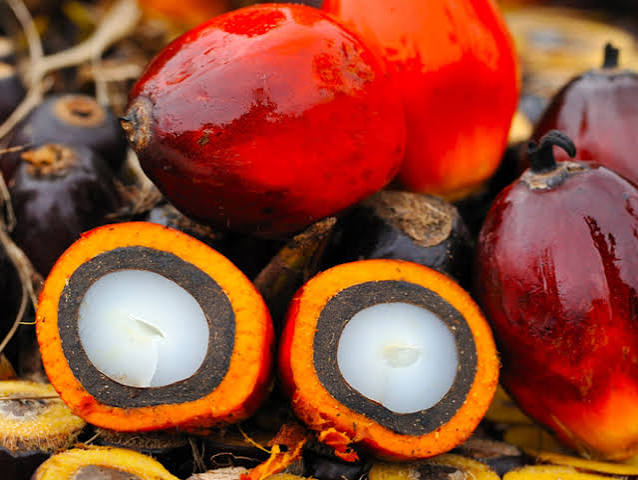
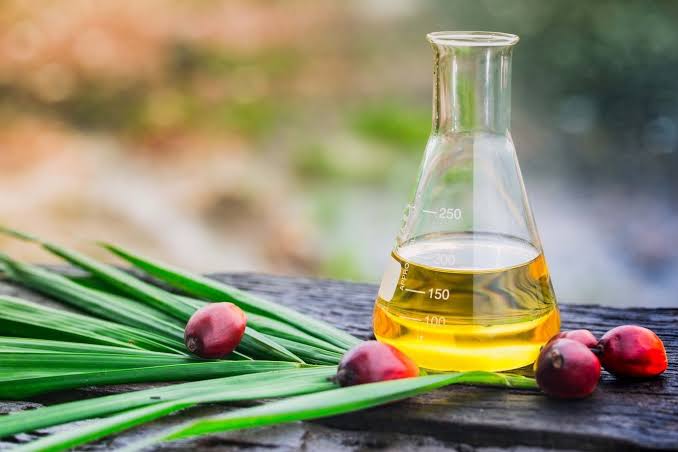
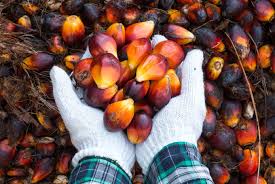
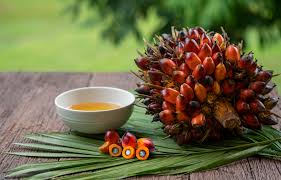
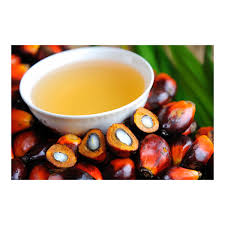
The oil palm produces bunches of reddish-orange fruit, and each fruit has two oils in it: palm oil from the flesh (the mesocarp) and palm kernel oil from the seed inside. Everything in this article is about the first one, since that’s what most buyers mean when they ask about refined palm oil.
Fresh fruit bunches get cut and trucked to a mill fast, usually within a day or two of harvest, because the fruit starts breaking down chemically the moment it’s off the tree. Free fatty acids build up quickly in fruit that sits around, and that’s the first quality variable in the entire chain, decided before the fruit even reaches a factory gate.
Oil palm trees bear fruit almost year-round in the tropical climates where they’re grown, which is part of why palm oil supply doesn’t have the sharp seasonal swings that some other vegetable oil crops do. A single tree keeps producing for roughly 20 to 25 years, with yield ramping up over the first several years and then holding fairly steady, so a mill’s supply base is built from plantations at many different points in that cycle rather than one uniform harvest. That steadier supply is one of the practical reasons palm oil stays price-competitive against seasonal oilseed crops, though it’s not the only factor.
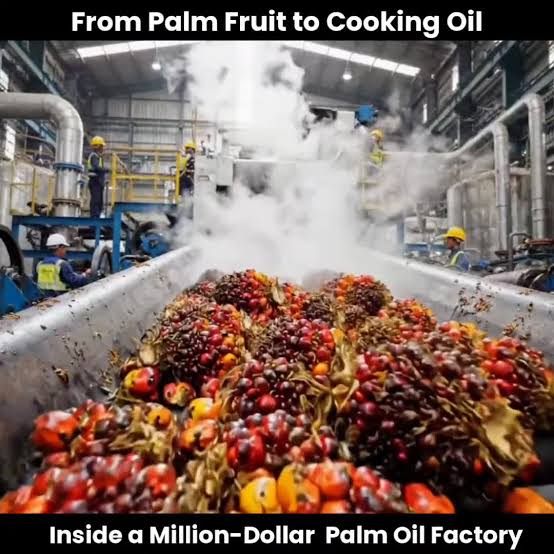
At the mill, the bunches go through steam sterilization first, partly to loosen the fruit from the bunch and partly to deactivate the enzyme that would otherwise keep breaking the oil down. Once sterilized, the fruit is stripped off, then digested (softened with heat and mechanical action) and pressed. That pressing step is where crude palm oil actually comes out, mixed with water and solid fruit fiber that gets separated out in clarification tanks afterward.
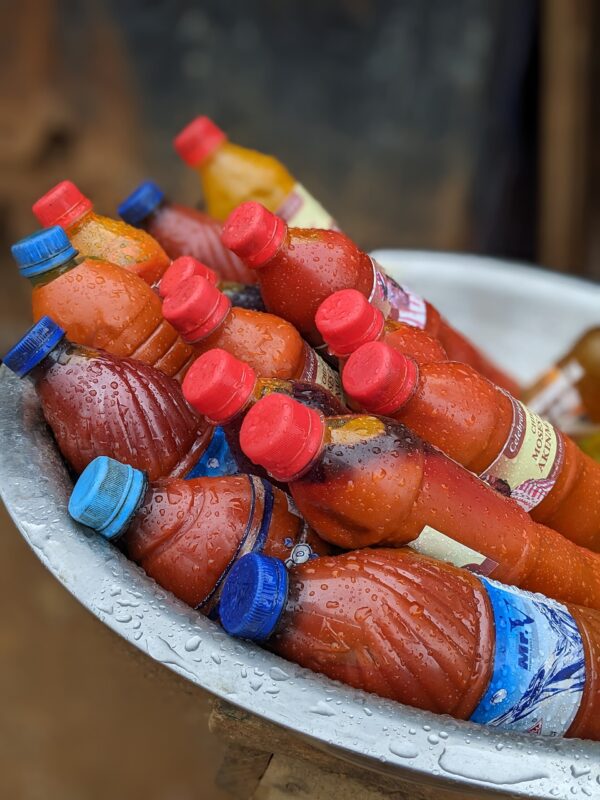
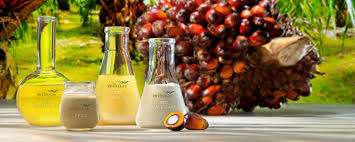
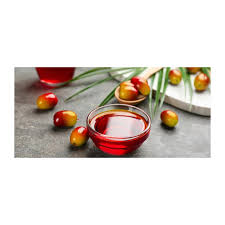
What you get at the end of that stage is crude palm oil, or CPO: a thick, deep red-orange liquid loaded with natural carotenes and vitamin E, but also carrying gums, trace metals, moisture, and a fairly strong smell. It’s a genuine food ingredient in some traditional cooking, but it’s not what most commercial buyers are asking for when they say “palm oil.” That’s where refining comes in, and it’s really the answer to how refined palm oil is made, since everything before this point is just getting the raw material ready.
How Refined Palm Oil Is Made Once the Crude Oil Leaves the Mill
Refining is a sequence of physical steps, not a chemical transformation of the fat itself. Nobody is changing the oil’s basic composition, they’re removing the stuff that doesn’t belong: gums, free fatty acids, color compounds, and odor. Most modern plants, ours included, do this through physical refining rather than the older caustic (chemical neutralization) method, mainly because it suits palm oil’s fatty acid makeup and produces less waste.
Degumming comes first. A small, carefully measured dose of phosphoric acid is mixed into the crude oil to convert the gums (phospholipids) into a form that can be filtered out. Skip this step or get the dosing wrong, and the next stage suffers, since leftover gums clog up the bleaching earth faster than it should.
Bleaching is next, and it’s not about chemical bleach. The oil is mixed with an activated clay called bleaching earth under vacuum and heat, then filtered. The clay adsorbs the carotenes that give crude oil its deep color, along with trace metals and oxidation products. This is the step where the oil visibly changes from red-orange to a much lighter yellow, and it’s also where a lot of the oil’s flavor precursors get pulled out.
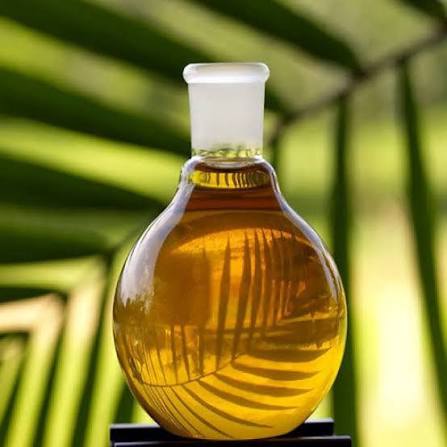
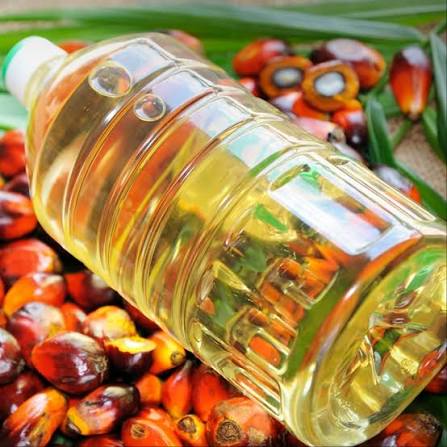
Deodorization finishes the job. The bleached oil is heated to somewhere in the 240 to 270°C range under high vacuum, and steam is injected through it. This is steam distillation, and it does two things at once: it strips out the volatile compounds responsible for smell and taste, and it pulls the free fatty acid level down to the low numbers you see on a spec sheet. What comes out is RBD palm oil, meaning Refined, Bleached, and Deodorized, which is the actual product behind the CP8 and CP10 grades most buyers are shopping for.
None of these three steps is optional, and none of them can really be rushed. Deodorization especially is time-and-temperature dependent, so a plant trying to cut corners on cycle time usually shows it in the finished FFA and peroxide numbers. If you’re comparing suppliers, that’s one of the more useful questions to ask: not just what the spec sheet says, but how consistent it is week to week.
Refining also produces byproducts worth mentioning, since they’re part of what makes the process reasonably efficient rather than wasteful. Spent bleaching earth, once it’s absorbed as much color and impurity as it can hold, gets removed and typically sent for further processing rather than dumped, since it still retains a meaningful amount of residual oil. The material stripped out during deodorization, called palm fatty acid distillate, isn’t waste either. It’s a real commodity in its own right, used in oleochemicals, soap making, and animal feed, and it’s one of the reasons physical refining tends to be more economical than it might sound from the process description alone.
Fractionation: Splitting the Oil Into Olein and Stearin
RBD palm oil on its own is semi-solid at room temperature, which is fine for a lot of uses but not ideal for others. Fractionation solves that by splitting the oil into two fractions through controlled cooling and crystallization: palm olein, the liquid fraction that stays clear at room temperature and is what most people picture as bottled cooking oil, and palm stearin, the higher-melting solid fraction used in margarine, shortening, and bakery fat blends.
The process is mechanical, not chemical. The oil is cooled slowly under controlled conditions until stearin crystals form, and those crystals are then filtered out from the still-liquid olein. How slowly it’s cooled and how it’s filtered both affect the yield and the sharpness of the split, which is part of why fractionation quality varies more between suppliers than people expect.
Not every order needs fractionated oil. Plenty of buyers want RBD palm oil in its unfractionated form, and we supply it both ways depending on what the end use calls for. Our CP8 and CP10 product pages note which form applies to each grade if you’re trying to match this to a formulation you already run.
Some buyers need something more specific than a single split, and that’s where double fractionation comes in: running the olein through a second, colder crystallization step to produce super olein, a version that stays clear even in refrigeration and is popular for cold-climate markets or products that get chilled during distribution. It’s an extra processing step with an extra cost attached, so it’s worth asking for only when the application actually calls for that level of cold stability rather than as a default.
How We Make Sure Every Batch Turns Out the Same
Understanding how refined palm oil is made only gets a buyer halfway there, because the real question behind it is usually “how do I know I’ll get the same thing next time.” We pull samples at multiple points, not just at the very end: after degumming, after bleaching, after deodorization, and again before loading. Catching a problem after deodorization costs us a few hours. Catching it after the container’s already at port costs everyone a lot more.
We check free fatty acid, moisture, peroxide value, iodine value, and color on every batch, and we keep records tied to production date and tank, so if a buyer ever has a question about a specific shipment, we can trace it back rather than guessing. We go into a lot more depth on the actual numbers and what they mean for buyers in our separate piece on refined palm oil quality standards, since that’s really its own topic once you’re past the “how is it made” question.
It’s worth being honest about what goes wrong when refining is rushed, since it explains why we run the process the way we do. A degumming step that’s underdosed leaves gums in the oil that foul the bleaching earth and leave the finished product with poor color stability over time. A bleaching stage that’s cut short leaves residual carotenes and metals behind, which shows up later as the oil darkening faster than it should during storage.
A deodorization run at too low a temperature or for too short a time leaves free fatty acid and odor compounds behind, the exact defect a buyer notices as an off smell when a drum is opened months after shipping. None of these show up on a same-day visual check, which is exactly why lab testing at each stage matters more than looking at the oil and deciding it looks fine.
This is also where sourcing starts to matter, not just processing. Because the finished product is only as consistent as the crude oil going into it, we work with mills that can guarantee fruit is processed within the short window before quality starts slipping, and we track RSPO-aligned sourcing for buyers whose markets or brand standards require it. The Roundtable on Sustainable Palm Oil sets the certification framework most international buyers now recognize, and we can supply documentation against it on request rather than just claiming it on a spec sheet.
From Our Refinery to Your Order
Once refined oil passes our internal checks, it moves to storage tanks held at a controlled temperature until it’s ready to load, which matters more than people expect for a semi-solid product like this. We’ve written separately about the specifics of refined palm oil storage and handling, including the temperature ranges and packaging formats we use, if you want the deeper version of that part.
For a quick summary here: we export CP8 and CP10 RBD palm oil, along with crude palm oil for buyers who refine in-house, in flexitanks, ISO tanks, drums, and smaller packaging depending on order size. Every shipment comes with a certificate of analysis, and RSPO-aligned, HACCP, ISO 22000, Halal, and Kosher documentation are available depending on what your market requires.
- Flexitanks – the most cost-efficient option for a full container load of bulk oil
- ISO tanks – reusable, better suited to buyers who ship regularly on the same lanes
- Steel drums and IBC totes – practical for smaller or mixed orders that don’t fill a container
- Private label bottling – available for buyers who want finished retail packaging under their own brand
If palm oil is one of several oils you’re sourcing, our full product catalog covers the rest of what we manufacture, and our palm oil overview page compares CP8, CP10, and CPO side by side.
We also put together a broader guide on the full refined palm oil manufacturing process with a complete specifications table, if you want every parameter laid out in one place alongside the process explanation. Sourcing questions from buyers often start with “how is this actually made” and end with “what exactly am I buying,” so between the two guides you should have both sides covered.
Is Refined Palm Oil Made the Same Way Everywhere?
Broadly, yes. Degumming, bleaching, and deodorization are standard steps regardless of which country a refinery sits in, because they’re solving the same chemistry problem: pull the impurities out of crude oil without altering the fat itself. What varies between refineries is equipment age, process control, and how tightly a plant holds its parameters, not the fundamental sequence.
That’s actually good news for buyers, because it means the process itself isn’t a mystery or a trade secret worth paying a premium for. What you’re really paying for when you choose a supplier is consistency, documentation, and the ability to prove what’s in the drum matches what’s on the spec sheet, not a proprietary method. We’d rather compete on that than on vague claims about a “special” refining process, since there isn’t really such a thing once you’re talking about standard RBD palm oil.
Where suppliers genuinely differ is in the things that don’t show up in a marketing pitch: how often equipment is maintained, how strictly sampling schedules are actually followed versus written down, and whether a plant will show a buyer real production and lab records or just a template certificate. Those differences compound over dozens of shipments even when every batch technically passes spec, which is why we’d rather a new buyer ask us pointed questions up front than find out the hard way three orders in.
Palm oil refining follows the same basic sequence worldwide, whether the finished oil is headed to a bakery in Europe, a food manufacturer in the Middle East, or a distributor in the Americas. What changes between orders is grade, packaging, and paperwork, not the underlying process, and we’re happy to walk a first-time buyer through exactly what applies to their shipment before anything gets booked.
Frequently Asked Questions
Is crude palm oil the same thing as refined palm oil?
No. Crude palm oil is the raw, unprocessed oil straight from the mill. Refined palm oil has been through degumming, bleaching, and deodorization to remove impurities, color, and smell, which is the whole process behind how refined palm oil is made.
Does refining remove nutrients from the oil?
Some of the natural carotenes and a portion of the vitamin E are reduced during bleaching and deodorization, since those steps are specifically designed to strip out color and volatile compounds. What’s left is a stable, neutral oil suited to food and industrial use, which is the trade-off refining is built around.
Why is physical refining used instead of chemical refining?
Physical refining suits palm oil’s fatty acid profile well, uses fewer chemical inputs, and produces less wastewater than the older caustic neutralization method, which is why most of the industry, us included, has moved toward it.
How long does the whole process take from fruit to finished oil?
Milling happens within a day or two of harvest, and refining a batch of crude oil through degumming, bleaching, and deodorization typically takes several hours per batch, not counting the time oil spends in storage tanks before and after. The full chain from fresh fruit to a loaded shipment is usually measured in days to a few weeks depending on order volume and packaging.
Can I buy directly from the refinery instead of a trading company?
Yes, that’s exactly what we are. We manufacture and export directly, so you’re not adding a trading markup on top of production cost, and you get direct access to our documentation and QC team rather than going through an intermediary.
What’s the difference between CP8 and CP10 if they’re made the same way?
Both go through identical degumming, bleaching, and deodorization steps. CP8 and CP10 refer to color and specification grades within RBD palm oil, not different manufacturing routes, so the difference shows up on the spec sheet rather than in how each one is produced.
Is palm olein made differently from regular refined palm oil?
No, it’s made from the same RBD palm oil, just carried one step further through fractionation to separate out the liquid fraction. If a buyer only needs oil that stays liquid at room temperature, olein is usually what they actually want rather than unfractionated RBD oil.
Does the country of origin change how refined palm oil is made?
The refining chemistry is the same everywhere, but sourcing practices, certification availability, and logistics do vary by origin. That’s usually a bigger factor in supplier selection than any difference in the refining process itself.
What happens to the byproducts of refining, like spent bleaching earth?
Spent bleaching earth still holds residual oil and is typically processed further rather than discarded outright, and the fatty acid distillate captured during deodorization is sold on as a raw material for oleochemicals and soap. Reputable refiners account for these streams as part of running an efficient plant, not as an afterthought.
If you’ve read this far and want to talk specifics, grade, volume, and destination port are all we need to put together a real quote, not a placeholder.
3 thoughts on “How Refined Palm Oil Is Made: From Fresh Fruit to RBD Oil”