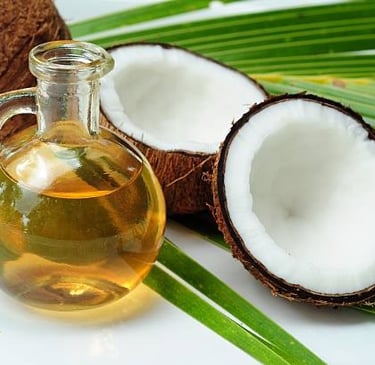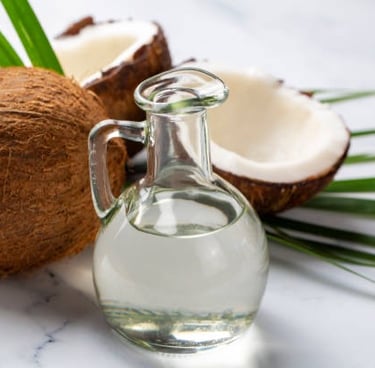

MCT oil vs coconut oil is one of those comparisons where people talk past each other. Supplement shops sell MCT oil as a sort of super-charged coconut oil. Cooks wonder why it won’t set in the fridge. Factory buyers want to know which one they should actually put in their product, and what each one costs. The short version: MCT oil is made from coconut or palm kernel oil, but it’s a different product with a different fatty acid make-up, a different price and different jobs.
We sell coconut oil, crude, RBD and virgin, to food, cosmetic, supplement and soap makers worldwide, and some of our customers turn it into MCT oil themselves. So we look at MCT oil vs coconut oil from both sides: as the raw material and as the finished product. This guide explains what each oil is, how MCT oil is made, how they differ in fatty acids, melting point, cooking, cosmetics, soap and price, and when coconut oil is the better buy.
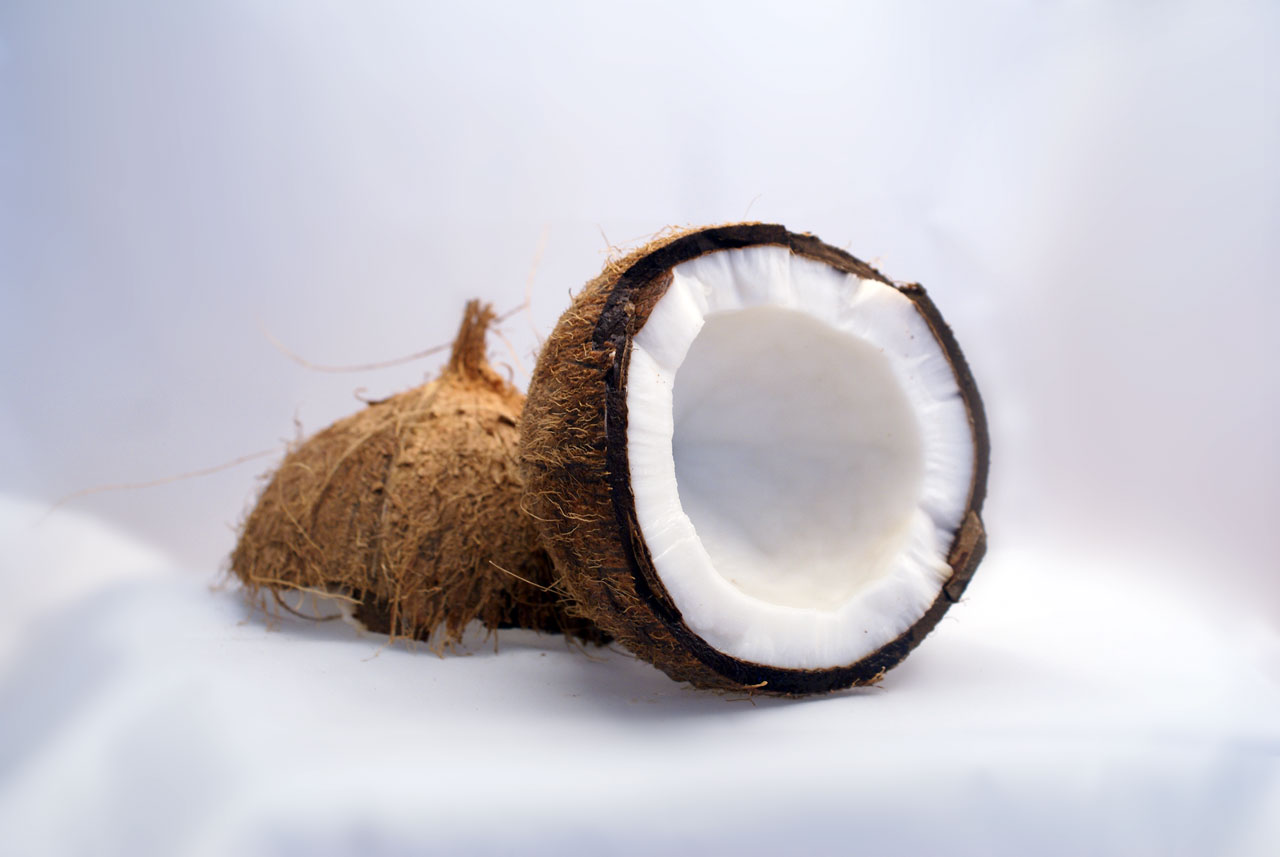
Table of Contents
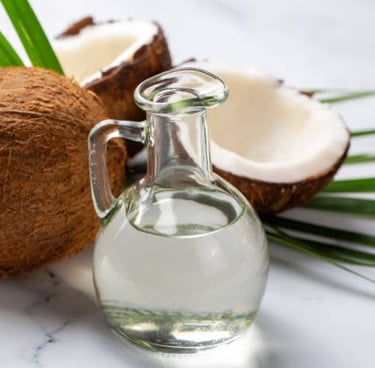
What Coconut Oil Is
Coconut oil is the natural fat pressed from coconut meat. It comes in three main grades:
- Crude coconut oil, pressed from copra and used for refining and industry.
- RBD coconut oil, crude oil that has been refined, bleached and deodorized. Neutral and white.
- Virgin coconut oil, pressed from fresh coconut meat and not refined. Keeps the coconut aroma.
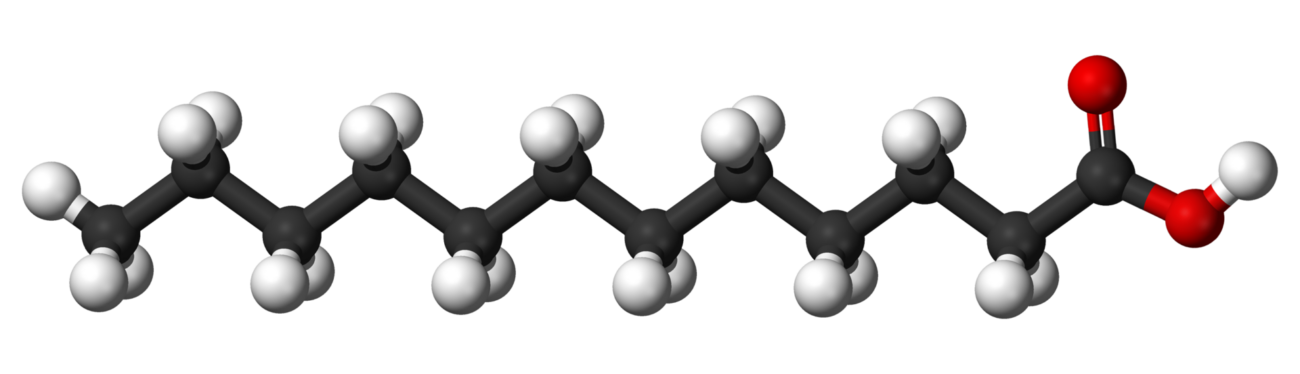
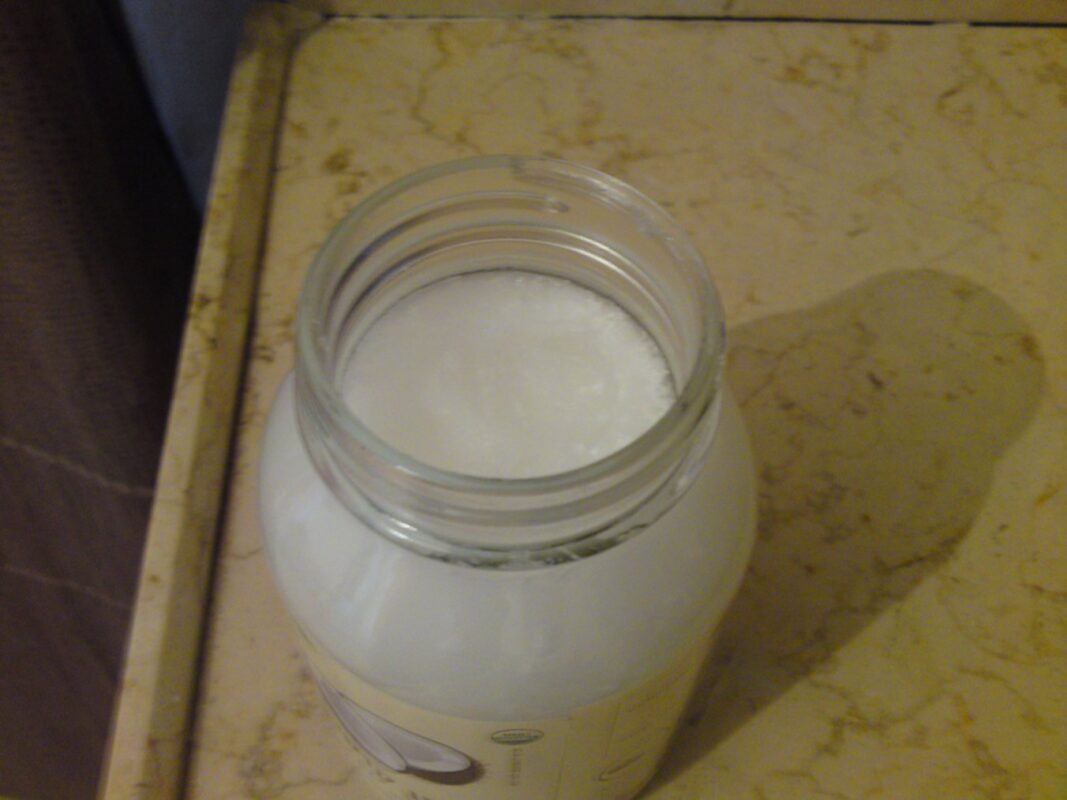
All three have roughly the same fatty acid make-up. About half is lauric acid (C12). Then comes myristic acid (C14) at around 17 to 21%, palmitic at 8 to 10%, caprylic (C8) at 5 to 10%, capric (C10) at 5 to 8%, and small amounts of stearic, oleic and linoleic. It melts at about 24 to 26°C, so it’s solid in a cool room and liquid in a warm one.
What MCT Oil Is
MCT stands for medium-chain triglycerides. In practice, commercial MCT oil is a fat made almost entirely of two fatty acids: caprylic acid (C8) and capric acid (C10). Typical blends are around 60% C8 and 40% C10, or close to 100% C8 for premium products. Lauric acid is mostly or completely taken out.
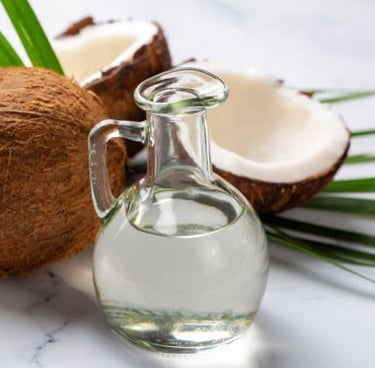
It’s a clear, thin, almost tasteless liquid that stays liquid in the fridge. You’ll see it sold as MCT oil, caprylic/capric triglyceride on cosmetic labels, and sometimes as “fractionated coconut oil”. For general background, Wikipedia’s page on medium-chain triglycerides is a decent summary.
How MCT Oil Is Made From Coconut Oil
This is the part that explains most of the MCT oil vs coconut oil differences. MCT oil isn’t squeezed out of a coconut. It’s manufactured from coconut or palm kernel oil in several steps.
- Splitting. The oil is split with water at high temperature and pressure into free fatty acids and glycerol.
- Distillation. The fatty acids are distilled to separate the short ones, C8 and C10, from lauric and the longer ones.
- Re-esterification. The C8 and C10 acids are joined back onto glycerol to make new triglycerides.
- Refining. The result is refined and deodorized to a clean, neutral oil.
Since coconut oil only contains roughly 10 to 15% caprylic and capric acid combined, it takes a lot of coconut oil to make a ton of MCT oil. The lauric acid and longer fatty acids that are left over go to soap, surfactant and oleochemical makers. That’s a big part of why MCT oil costs much more than the coconut oil it came from.
The name “fractionated coconut oil” is a bit misleading, by the way. True fractionation just cools oil and filters out the harder part. Most MCT oil goes through chemical splitting and rebuilding, which is a different process and gives a different product.
MCT Oil vs Coconut Oil: The Fatty Acid Difference
| Fatty acid | Chain | Coconut oil (%) | Typical MCT oil (%) |
|---|---|---|---|
| Caproic | C6 | Up to 0.7 | Under 2 |
| Caprylic | C8 | 5 to 10 | 50 to 100 |
| Capric | C10 | 5 to 8 | 0 to 50 |
| Lauric | C12 | 45 to 53 | Under 3 |
| Myristic | C14 | 17 to 21 | Trace |
| Palmitic and longer | C16+ | 15 to 25 | Trace |
So the MCT oil vs coconut oil question is really about lauric acid. Coconut oil is mostly lauric. MCT oil has almost none. Lauric acid is technically a medium-chain fatty acid by most definitions, but in the body it behaves partly like a long-chain fat, and that’s where a lot of the marketing argument lives. Our guide to lauric acid in coconut oil goes into that in detail.
Side-by-Side Comparison
| Property | Coconut oil | MCT oil |
|---|---|---|
| Source | Pressed from coconut meat | Made from coconut or palm kernel oil by chemical processing |
| Main fatty acids | Lauric, myristic | Caprylic, capric |
| State at 20°C | Solid | Liquid |
| Melting point | About 24 to 26°C | Well below 0°C |
| Taste and smell | Neutral (RBD) or coconut (virgin) | Neutral |
| Smoke point | About 175°C virgin, 200 to 230°C RBD | Around 160°C, varies |
| Use in soap | Excellent | Poor |
| Use in baking | Very good | Limited |
| Use in supplements | Some | Main use |
| Use in cosmetics | Creams, balms, soaps, hair oil | Light carrier oil, serums |
| HS code | 1513.11 or 1513.19 | Usually 1516.20 or Chapter 38 |
| Price | Lower | Several times higher |
MCT Oil vs Coconut Oil in Food and Cooking
Frying and cooking
Coconut oil wins here. RBD coconut oil is a stable, saturated frying fat with a smoke point above 200°C. MCT oil has a lower smoke point and is too expensive to fry with. Nobody serious deep-fries in MCT oil. Our cooking oil smoke point chart has the numbers.
Baking and confectionery
Again coconut oil. Bakers and confectioners use it because it’s solid at room temperature and melts cleanly in the mouth. MCT oil is liquid and can’t give structure to a biscuit filling or a coating. Our guide to coconut oil for bakery and confectionery explains the uses.
Drinks, dressings and supplements
This is where MCT oil does its job. It mixes into coffee and shakes without solidifying, it’s tasteless, and it’s sold as a fast energy source in sports and ketogenic products. MCT powders are also used in nutrition formulas and some medical foods.
Health claims
We sell oil, not medical advice, so we’ll keep this short. Medium-chain fats are absorbed and used a bit differently from long-chain fats, and there’s real research on MCT in clinical nutrition. Many of the bolder claims about both coconut and MCT oil, for weight loss for instance, are much less settled. If you’re making a health claim on a label, check what your market’s food regulator allows. The Codex Alimentarius sets general food standards that most national rules build on.
MCT Oil vs Coconut Oil in Cosmetics
Both have a place. Coconut oil is used in creams, body butters, lip balms, hair oils and of course soap. It’s solid in the jar and melts on the skin, which feels rich. Virgin coconut oil is popular in natural brands.
MCT oil, listed as caprylic/capric triglyceride, is a light, non-greasy, very stable carrier oil. It’s used in serums, massage oils, perfume oils and as a solvent for actives. It doesn’t go rancid easily and doesn’t solidify, which makes it easy to work with in liquid products.
Plenty of cosmetic makers use both: coconut oil for body and texture, MCT oil to keep a product light and pourable.
MCT Oil vs Coconut Oil in Soap
This one isn’t close. Coconut oil is one of the best soap oils there is, thanks to its lauric acid. It makes hard bars with big lather. MCT oil has had the lauric acid removed, so it gives soft soap with little foam. If someone tells you to swap coconut oil for MCT oil in a soap recipe, don’t. Our guide to coconut oil for soap making covers how much to use and which grade to buy.
MCT Oil vs Coconut Oil: Price and Value
Coconut oil is a bulk commodity. The crude benchmark has moved between roughly $1,000 and $2,800 per ton over the last few years, and RBD and virgin grades are priced on top of that. Our guide to the coconut oil price per ton shows the recent history.
MCT oil is a manufactured specialty product. It’s usually several times the price of coconut oil per ton, depending on the C8:C10 ratio, the purity and the certifications. High-C8 grades cost the most.
So when you compare MCT oil vs coconut oil on value, the question is simple: does your product actually need the properties that only MCT oil has, staying liquid, being tasteless in drinks, the specific C8 and C10 content? If yes, MCT is worth it. If you need hardness, lather, frying stability, structure or a coconut taste, coconut oil does the job better and costs far less.
Which One Should You Buy?
| If you make… | Choose |
|---|---|
| Soap, bar or liquid | Coconut oil (RBD, virgin or crude) |
| Biscuits, fillings, coatings, creamers | RBD coconut oil |
| Frying oil or snacks | RBD coconut oil |
| Retail cooking oil with coconut flavour | Virgin coconut oil |
| Body butters, balms, hair oil | Virgin or RBD coconut oil |
| Keto coffee, sports drinks, supplements | MCT oil |
| Light serums and massage oils | MCT oil, sometimes blended with coconut oil |
| MCT oil production | Crude or RBD coconut oil as raw material |
Buying Coconut Oil as a Raw Material for MCT Production
If you make MCT oil or caprylic/capric triglyceride, coconut oil is your feedstock, and its quality matters. A few points we discuss with oleochemical buyers:
- C8 and C10 content. Coconut oil varies a little by origin and season. Ask for a fatty acid profile so you can predict yield.
- Free fatty acids. Crude oil with very high FFA has already started splitting, which can affect your process and yield calculations.
- Moisture and impurities. Keep them low to protect your equipment.
- Consistency. Regular supply from the same source makes your process easier to run.
We supply crude and RBD coconut oil in flexitanks and ISO tanks for this kind of use. See our crude coconut oil specification and RBD coconut oil specification guides for the numbers.
Labelling and Customs: Don’t Mix Them Up
On paper, MCT oil vs coconut oil is a different classification. Coconut oil goes under HS 1513.11 for crude or 1513.19 for refined and virgin. MCT oil, because it’s chemically rebuilt, usually goes under 1516.20 or somewhere in Chapter 38, depending on the country and the process. Our guide to the coconut oil HS code explains this.
On a food label, calling MCT oil “coconut oil” is generally misleading. “MCT oil from coconut” is the more honest wording. On cosmetic labels, MCT is listed as caprylic/capric triglyceride and coconut oil as cocos nucifera oil.
Common Myths About MCT Oil vs Coconut Oil
“MCT oil is just liquid coconut oil.”
No. It’s a manufactured oil with a very different fatty acid profile. Liquid coconut oil is just coconut oil that’s warmer than 25°C.
“Coconut oil is mostly MCT.”
Only if you count lauric acid as MCT. C8 and C10, the fatty acids in MCT oil, make up just 10 to 15% of coconut oil.
“You can swap them one for one.”
Not in soap, baking or frying. They behave very differently.
“Fractionated coconut oil and MCT oil are different things.”
In everyday trade they’re usually the same product sold under two names. Check the spec sheet for the C8 and C10 content.
MCT Oil vs Coconut Oil for Food and Supplement Brands
If you’re building a product, the choice between MCT oil vs coconut oil usually comes down to format and label.
- Liquid shots and drink mixes: MCT oil, because it stays liquid and has no taste.
- Powders: MCT powder, made by spray-drying MCT oil on a carrier.
- Softgel capsules: both are used. Coconut oil capsules sell on the “virgin coconut oil” claim. MCT capsules sell on C8 and C10 content.
- Spreads, nut butters and bars: coconut oil, because it gives body and sets.
- Retail cooking oil: coconut oil, in RBD or virgin form.
Some brands sell both side by side: a coconut oil jar for cooking and a bottle of MCT for coffee. That’s sensible, because they really are different products for different jobs.
MCT Oil vs Coconut Oil: Shelf Life and Stability
Both are very stable. Coconut oil is about 90% saturated and resists oxidation well, with a shelf life of 18 to 24 months in sealed packing. MCT oil is fully saturated and even more stable against oxidation, which is one reason cosmetic makers like it as a carrier.
Where coconut oil can go wrong is hydrolysis: water and enzymes split the fat and release free lauric acid, which tastes soapy. That’s why we keep moisture and free fatty acids low in our oil. MCT oil can also hydrolyse and release caprylic acid, which smells goaty, but well-made MCT oil rarely does in normal storage.
MCT Oil vs Coconut Oil in Hot and Cold Climates
Climate is a practical point people forget. Coconut oil melts at about 24 to 26°C. In a cold warehouse it’s a solid block, and in a tropical shop it’s liquid. Customers sometimes think liquid coconut oil has gone bad. It hasn’t. Our article on the coconut oil melting point explains this.
MCT oil stays liquid in almost any climate, which is part of its appeal for drinks and serums. For bulk shipping, coconut oil going to cold ports needs heating to unload. MCT oil doesn’t. That’s another small difference in the MCT oil vs coconut oil comparison, and it affects handling costs for factories.
Blending MCT Oil and Coconut Oil
You don’t always have to choose. Blends are common.
- Cosmetic body oils: a little coconut oil for richness, MCT oil to keep it light and liquid.
- Hair oils: virgin coconut oil blended with MCT stays pourable in cool weather.
- Food products: some coffee creamers and nutrition blends use both for texture and fat profile.
If you blend, label it honestly. A blend of MCT oil vs coconut oil isn’t “100% coconut oil”.
Questions to Ask Your Supplier
Whether you’re buying MCT oil, coconut oil or both, these questions save trouble later.
- What’s the full fatty acid profile, by gas chromatography, for this lot?
- For MCT oil: what’s the C8 to C10 ratio, and how much lauric acid is left?
- For coconut oil: is it RBD, virgin or crude, and how was it made?
- What are FFA, peroxide value and moisture?
- What source oil was used, coconut or palm kernel?
- Which certifications apply: Halal, organic, Kosher, food safety?
- What HS code will be on the documents?
A supplier who can’t answer these quickly isn’t one you want for either side of the MCT oil vs coconut oil decision. If something looks off, our guide to spotting a fake vegetable oil supplier is worth a read.
Quick Guide for Cosmetic Formulators
Cosmetic chemists weigh MCT oil vs coconut oil almost every time they build a skin or hair product. Here’s the short version we give customers.
| Need | Better choice |
|---|---|
| Rich, cushiony body butter | Coconut oil |
| Light, fast-absorbing serum | MCT oil |
| Lip balm that melts on contact | Coconut oil |
| Clear oil that stays liquid in winter | MCT oil |
| Soap or cleansing bar | Coconut oil |
| Solvent for oil-soluble actives | MCT oil |
| “Natural” or “virgin” label story | Virgin coconut oil |
Many formulas use both. Coconut oil gives the texture, MCT oil thins it and keeps it pourable. If you’re a brand weighing MCT oil vs coconut oil for a new line, send us your formula idea and we’ll suggest which grade of coconut oil fits the coconut side of it.
The Coconut Oil We Supply
| Product | Key specs | Good for | Packing |
|---|---|---|---|
| RBD coconut oil | FFA 0.1% max, PV 1.0 max, IV 6 to 11 | Food, frying, bakery, soap, cosmetics, MCT feedstock | Flexitank, ISO tank, drums, IBC, jerrycans, tins |
| Virgin coconut oil | FFA 0.2% max, moisture 0.1% max, PV 3.0 max | Retail, natural cosmetics, health food | Bottles, jerrycans, drums, IBC |
| Crude coconut oil | For refining and industry | Oleochemicals, soap, MCT feedstock | Flexitank, ISO tank, drums |
We don’t sell MCT oil itself. We supply the coconut oil that goes into it and into the many products where coconut oil is the better choice. Every lot comes with a certificate of analysis, and we can include a fatty acid profile on request.
Order Coconut Oil From Us
If you’ve weighed up MCT oil vs coconut oil and coconut oil fits your product, tell us the grade, quantity, packing and destination. We’ll send a price, a spec sheet and a sample. See the products on our RBD coconut oil, virgin coconut oil and crude coconut oil pages, or browse our coconut oil range.
Email info@dthcompanyltd.com, WhatsApp +66 91 765 9104, or use our contact page.
MCT Oil vs Coconut Oil: Common Questions
Is MCT oil made from coconut oil?
Often, yes, though it can also come from palm kernel oil. It’s made by splitting the oil, separating out the C8 and C10 fatty acids and rebuilding them into new triglycerides.
Why is MCT oil liquid and coconut oil solid?
MCT oil has only short C8 and C10 chains, which melt far below room temperature. Coconut oil has lauric and myristic acid, which make it solid below about 24°C.
Which is cheaper, MCT oil or coconut oil?
Coconut oil, by a wide margin. MCT oil needs extra processing and uses only a small part of the starting oil.
Can I use MCT oil instead of coconut oil in soap?
No. Without lauric acid you won’t get a hard bar or good lather.
Is fractionated coconut oil the same as MCT oil?
In most trade usage, yes. Always check the spec for the actual C8 and C10 content.
Which is better for cooking?
Coconut oil, especially RBD for high-heat frying. MCT oil is mostly used cold or in drinks.
Do you sell MCT oil?
No. We sell crude, RBD and virgin coconut oil, including coconut oil for MCT producers.