

If you ask ten soap makers which oil they can’t do without, most of them will say coconut. Coconut oil for soap making gives you a hard bar, big fluffy bubbles and real cleaning power, and it does it at a fair price. It’s in Marseille-style bars, in hotel soaps, in laundry bars, in liquid hand wash and in almost every handmade soap recipe you’ll find. Use too much, though, and your soap strips the skin. Use the wrong grade and you get a bar that smells of copra or goes orange on the shelf.
We supply coconut oil for soap making to handmade soap brands, cosmetic factories, soap noodle plants and laundry soap makers around the world. This guide covers why coconut oil behaves the way it does in soap, how much to use, the lye numbers you need, which grade to buy for which kind of soap, and how to handle bulk oil in a soap plant. You’ll also find the specs of the coconut oil we sell and how to order.
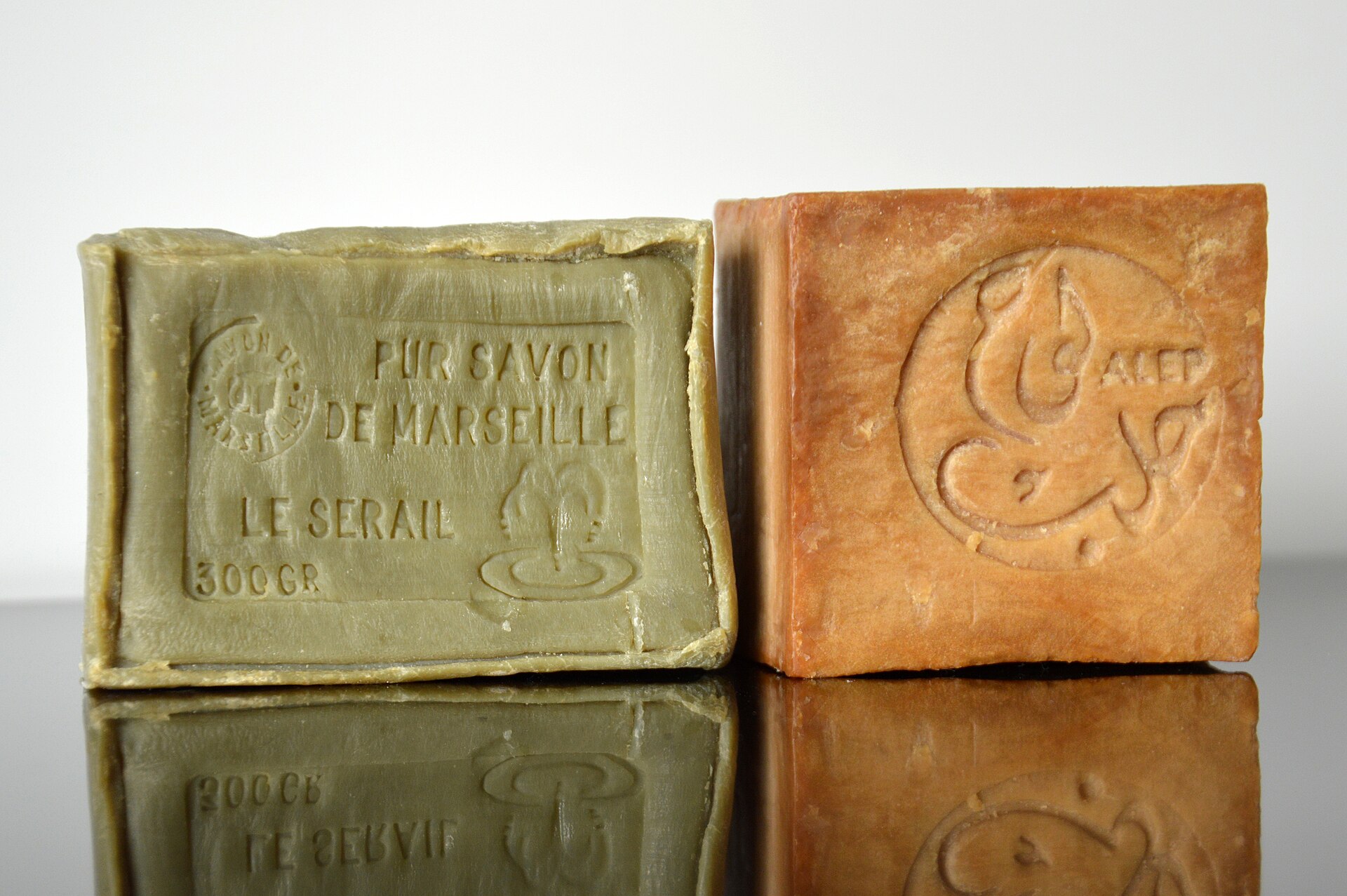
Table of Contents
Why Coconut Oil Works So Well in Soap
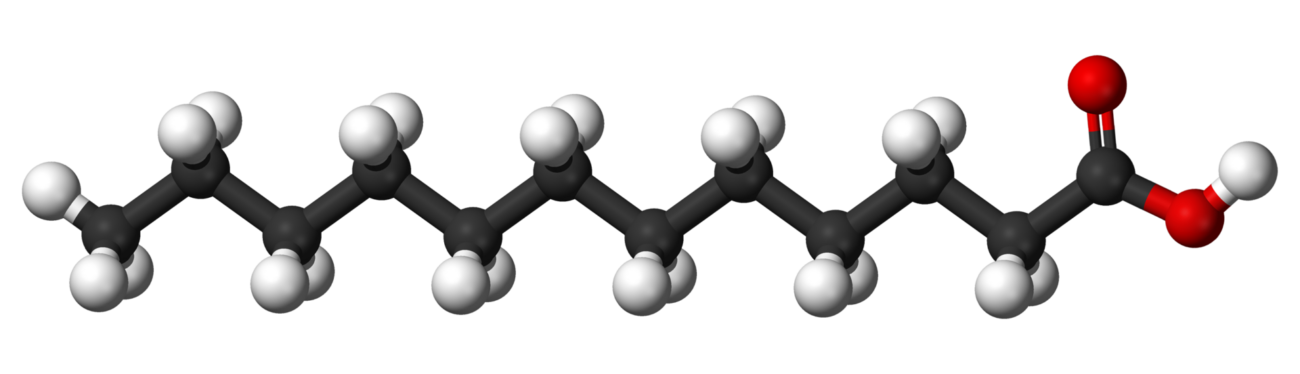
It comes down to the fatty acids. About half of coconut oil is lauric acid, a 12-carbon saturated fatty acid, and another 15 to 20% is myristic acid with 14 carbons. Short saturated fatty acids like these make soaps that dissolve quickly in water, even cold or hard water, and that foam up straight away into big, open bubbles. They also make a hard bar.
Compare that with olive oil, which is mostly oleic acid. Olive oil soap is gentle but soft, slow to lather, and the lather is small and creamy. That’s why most soap recipes mix the two: coconut oil for soap making brings the bubbles and the hardness, softer oils bring the mildness. If you want the chemistry in more detail, our guide to lauric acid in coconut oil explains it.
There’s one more reason. Coconut oil is very saturated, with an iodine value of only 6 to 11. Saturated oils don’t oxidize easily, so soaps with plenty of coconut in them are less likely to develop the orange spots and rancid smell that soap makers call DOS. A bar made with good coconut oil keeps its colour and smell for a long time.
What Coconut Oil Does to a Bar of Soap
| Property | Effect of coconut oil |
|---|---|
| Hardness | High. Bars set firm and unmould quickly |
| Lather | Big, fast, bubbly, works in cold and hard water |
| Cleansing | Strong. Removes oil and dirt well, can be drying at high levels |
| Conditioning | Low on its own. Needs softer oils or a higher superfat |
| Shelf life | Good. Low iodine value means low risk of rancidity |
| Trace speed | Moderate. Faster than olive, slower than some butters |
| Cost | Middle range. Cheaper than shea or cocoa butter |
How Much Coconut Oil for Soap Making?
This is the question we hear most from small soap makers, and the honest answer is: it depends on the soap.
Everyday bar soap: 15 to 30%
Most handmade bar recipes use coconut oil for soap making at 15 to 30% of the total oils. That gives you good lather and a hard bar without drying the skin. 25% is a very common starting point. Many makers pair it with olive oil, palm oil or a butter, plus a little castor oil for extra lather.
Facial and sensitive skin soap: 10 to 20%
For gentle bars, people cut the coconut back and push up the olive, shea or avocado. You lose some bubbles, but the soap feels softer on dry skin.
100% coconut soap
Yes, you can make soap with only coconut oil. It’s very hard, lathers even in salt water, and cleans aggressively. To keep it from stripping your skin, makers raise the superfat, often to 15 to 20%. Salt bars, beach soaps and laundry bars are usually made this way.
Liquid soap
Liquid soap uses potassium hydroxide instead of sodium hydroxide, and coconut oil is the backbone of most recipes, often 30 to 70%. It gives a clear paste and good foam. Many liquid castile-style soaps are really coconut and olive blends.
Laundry and industrial soap
Laundry bars and industrial soaps often use crude coconut oil or coconut fatty acids at high levels, sometimes blended with palm oil or tallow. Here cleaning power and cost matter more than skin feel.
Lye Numbers: The SAP Value of Coconut Oil
Every oil needs a different amount of lye to turn into soap. Coconut oil needs more than most, because its short fatty acids mean there are more molecules per gram. This is measured as the saponification value, or SAP value.
| Measure | Coconut oil (typical) | Olive oil (for comparison) |
|---|---|---|
| Saponification value (mg KOH per g) | 248 to 265 | 184 to 196 |
| NaOH per gram of oil (bar soap) | About 0.178 to 0.184 g | About 0.134 to 0.136 g |
| KOH per gram of oil (liquid soap) | About 0.25 to 0.26 g | About 0.19 g |
Always run your recipe through a lye calculator and use the SAP value from your supplier’s certificate if you have it. A batch of coconut oil for soap making with a saponification value at the top of the range needs slightly more lye than one at the bottom. For a small batch that’s a rounding error. For a 2-ton kettle it isn’t. Our RBD coconut oil specification guide explains how saponification value is tested. If you’re new to the term, Wikipedia’s page on saponification value is a good quick read.
Which Grade of Coconut Oil for Soap Making?
There are three main grades, and each fits a different kind of soap.
RBD coconut oil
Refined, bleached and deodorized coconut oil is the standard choice for most cosmetic soap. It’s white when solid, nearly odourless, and very consistent from batch to batch. That means your fragrance comes through clean and your white bars stay white. Most toilet soap factories and handmade brands use RBD. See our RBD coconut oil for sale page.
Virgin coconut oil
Virgin coconut oil is unrefined and keeps a light coconut smell. It works the same in the soap pot, the fatty acids are identical, but it costs more. Natural and organic soap brands use it so they can say “virgin” or “cold-pressed” on the label. Some of the coconut scent can survive saponification, which some makers like and some don’t. Details are in our virgin coconut oil specification guide.
Crude coconut oil
Crude coconut oil, also called CNO or copra oil, is cheaper and works fine for laundry bars, industrial soaps and soap noodles where colour and smell matter less. It’s yellow and smells of copra, and it carries more free fatty acids, which speed up trace. Our crude coconut oil specification guide lists the numbers.
| Soap type | Best grade | Why |
|---|---|---|
| Handmade cold process bars | RBD | Neutral smell, white colour, consistent SAP |
| Natural or organic soap brands | Virgin | Label claims, light coconut scent |
| Hotel and toilet soap factories | RBD | Clean colour, consistent results at scale |
| Liquid soap | RBD | Clear paste, no off-smell |
| Laundry bars | Crude or RBD | Cost matters most |
| Soap noodle plants | Crude, RBD or fatty acids | Depends on noodle grade |
The Spec That Matters to Soap Makers
When you buy coconut oil for soap making, a few lines on the certificate deserve a closer look.
- Saponification value. Tells you how much lye to use. Should sit between 248 and 265.
- Iodine value. Should be 6 to 11. A higher figure suggests a blend and a soap that may go rancid sooner.
- Free fatty acids. Low FFA, 0.1% for RBD, gives more predictable trace. High FFA can make batter seize.
- Peroxide value. Low PV means fresh oil and less risk of DOS later.
- Colour. Matters for white and pastel soaps.
- Odour. Copra smell will fight your fragrance.
Our guide to free fatty acid and peroxide value explains both tests in plain terms.
Coconut Oil and Palm Kernel Oil: The Two Lauric Soap Oils
Palm kernel oil is coconut oil’s closest cousin in soap. It’s also rich in lauric acid and does a similar job. Big soap plants often switch between them depending on price. Coconut oil usually gives slightly fluffier lather and a cleaner smell, while palm kernel oil is often a little cheaper. Many industrial recipes use 80% palm oil or tallow and 20% lauric oil, and the lauric part can be either.
If you’re thinking about switching, remember that the SAP values differ slightly, so recalculate your lye. For the bigger picture on palm-based oils, see palm kernel oil vs palm oil and coconut oil vs palm oil.
A Few Sample Recipes
These are starting points that show how coconut oil for soap making fits into real formulas. Always run them through a lye calculator with your own SAP values before you make them.
| Soap | Coconut oil | Other oils | Superfat |
|---|---|---|---|
| Classic all-round bar | 25% | Olive 40%, palm or shea 30%, castor 5% | 5% |
| Palm-free bar | 30% | Olive 40%, shea 25%, castor 5% | 5 to 6% |
| Gentle facial bar | 15% | Olive 50%, shea 25%, avocado 10% | 6 to 8% |
| Salt bar | 80 to 100% | Castor or shea for the rest | 15 to 20% |
| Laundry bar | 100% | None | 0 to 2% |
| Liquid soap (KOH) | 50% | Olive 30%, castor 20% | 0 to 3% |
A word on superfat: it’s the share of oil left unsaponified on purpose to make the soap milder. Because coconut oil cleans so hard, recipes heavy in coconut need more superfat than average.
Handling Coconut Oil in a Soap Kitchen or Factory
It’s solid when cool
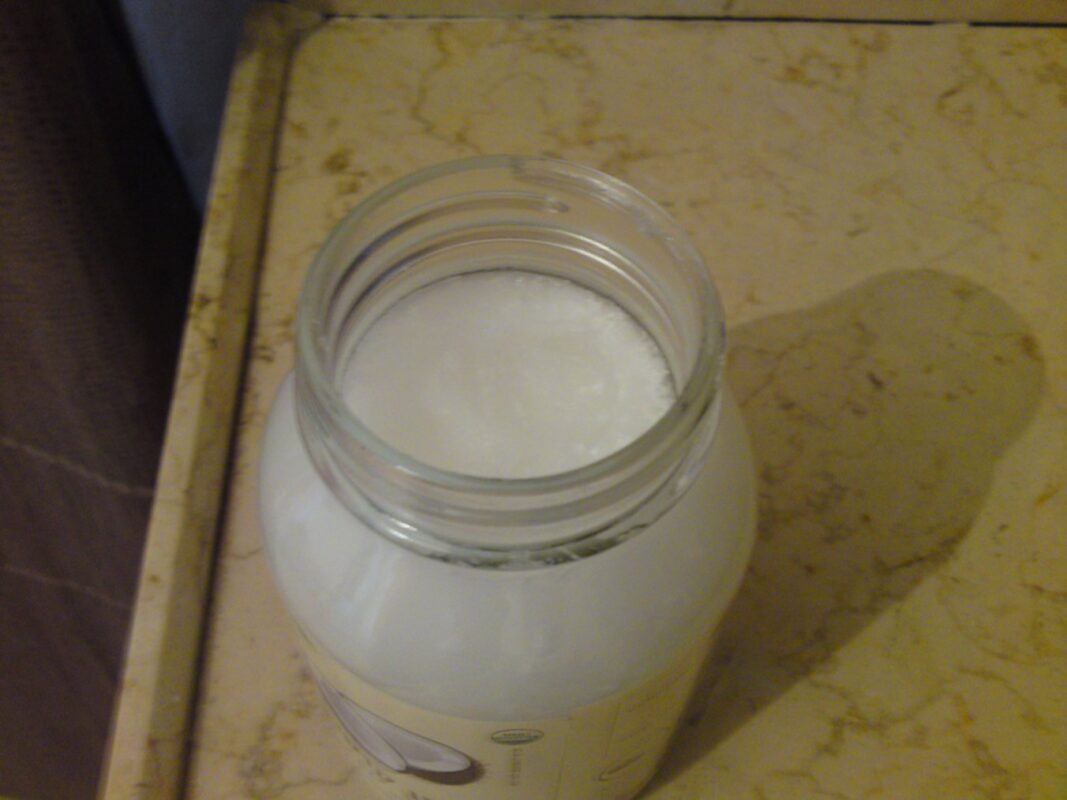
Coconut oil melts at about 24 to 26°C. In a cool workshop it’ll be a solid white block. Melt it completely and stir before you weigh it, because partly melted oil can separate and your measurements will be off. Our article on the coconut oil melting point explains why.
Don’t overheat it
For cold process soap you only need the oil just liquid, around 30 to 40°C. There’s no need to cook it. Long heating at high temperatures doesn’t help and can push up free fatty acids.
Bulk handling
Factories buying coconut oil for soap making in flexitanks or ISO tanks need heating at the receiving end in cooler climates. Store bulk oil in stainless steel or lined tanks, keep it covered, and keep water out. Drums need a warm room or a drum heater before use. Our guide to flexitank vs ISO tank covers the bulk options.
Safety
The oil itself is safe to handle. The lye isn’t. Wear gloves and eye protection when you mix lye solution, and add lye to water, never the other way round. Groups such as the Handcrafted Soap and Cosmetic Guild publish good safety and labelling guidance for small makers.
Common Problems and How to Fix Them
Soap feels drying
Too much coconut, too little superfat. Drop coconut oil for soap making to 20 to 25% or raise the superfat.
Bar cracks or crumbles
Very high coconut recipes get hard fast. Cut bars sooner, sometimes within a few hours, especially salt bars.
Batter seizes
High free fatty acids in the oil, or a fragrance that accelerates trace. Use fresh RBD oil with low FFA and test new fragrances in small batches.
Orange spots after a few months
That’s DOS, usually from rancid oils. Coconut itself is rarely the cause, but old or high-PV oil can be. Check the peroxide value and store oils cool and closed.
Soap smells of copra
You’ve used crude oil, or a poorly deodorized refined oil. Switch to RBD from a supplier who tests odour.
White soap looks yellow
Same cause, more or less. Crude oil or dark RBD. Check the colour line on the certificate.
Buying Coconut Oil for Soap Making in Bulk
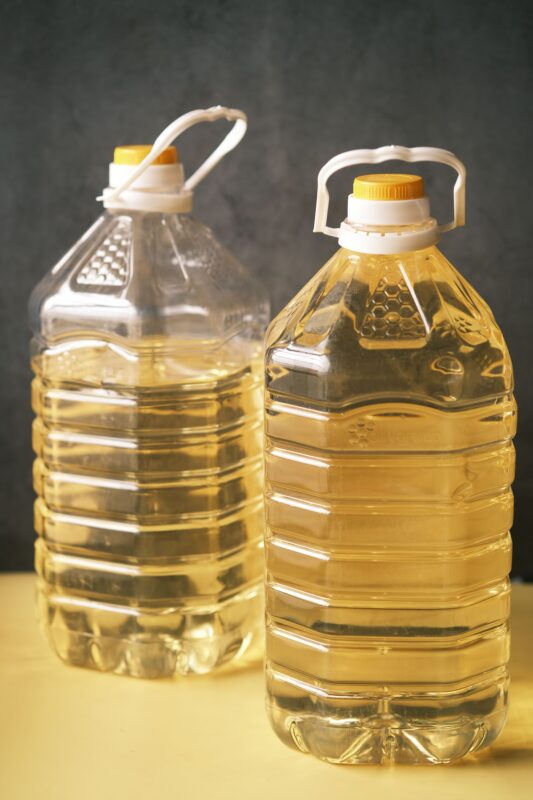
If you’re moving from supermarket tubs to a real supplier, here’s what changes. You’ll buy by the drum, IBC or container, you’ll get a certificate of analysis with every lot, and your price per kilo will drop a lot. You’ll also need storage and, in cold places, a way to melt the oil.
- Small brands usually start with jerrycans or a few drums.
- Growing brands move to IBC totes, which are easier to heat and pump.
- Factories take flexitanks or ISO tanks of 20 tons or more.
For prices, our guide to the coconut oil price per ton shows how the market has moved and what goes into a delivered price. For customs, coconut oil ships under HS code 1513.11 or 1513.19, explained in our coconut oil HS code guide.
One warning. If you find coconut oil for soap making offered far below the market, be careful. Fake vegetable oil sellers target small businesses with prices that look too good. Read how to spot a fake vegetable oil supplier before you send a deposit.
Cold Process, Hot Process and Melt and Pour
The way you make soap changes how you handle coconut oil for soap making, though not how much of it you need.
Cold process
This is how most handmade bars are made. Oils and lye solution are mixed at around 30 to 45°C, poured into moulds and left to saponify and cure for four to six weeks. Coconut oil for soap making works perfectly here. Melt it fully, let it cool a little, then mix. High-coconut recipes can heat up a lot in the mould, so watch for cracking and keep salt bars and laundry bars uninsulated.
Hot process
The soap batter is cooked until saponification is complete, then spooned into moulds. Coconut-heavy batters cook quickly and can get stiff, so some makers add a little extra water or yogurt at the end to keep them workable.
Melt and pour
If you buy melt and pour base, coconut oil is usually already in it as sodium cocoate. You don’t add raw oil, or only a tiny amount for skin feel. Too much free oil makes the bars sweat.
Scaling Up: Coconut Oil for Soap Making in a Factory
Industrial soap plants use coconut oil for soap making in very different volumes, but the reasons are the same: lather, hardness and solubility.
Most toilet soap is made from soap noodles, small pellets of finished soap that are then milled with fragrance and colour and pressed into bars. The standard noodle grades are named by their fat blend: 80/20 means 80% palm oil or tallow and 20% lauric oil, 70/30 means more lauric oil and more lather. Premium noodles push the lauric share higher. The lauric part is coconut or palm kernel oil, depending on price.
Plants make noodles in two main ways. Some saponify the oils directly in kettles or continuous reactors. Others split the oils into fatty acids first, distil them and then neutralize them, which gives a cleaner, lighter soap. Either way, buying consistent coconut oil for soap making matters, because a change in saponification value or colour shows up across tons of product.
For factories, we supply crude and RBD coconut oil in flexitanks and ISO tanks, with a fatty acid profile available for every lot. If you run a noodle or toilet soap line, tell us your current spec and monthly volume and we’ll match it.
The Coconut Oil We Sell for Soap Making
| Parameter | RBD coconut oil | Virgin coconut oil | Crude coconut oil |
|---|---|---|---|
| Best for | Toilet soap, handmade bars, liquid soap | Natural and organic soap | Laundry and industrial soap |
| Saponification value | 248 to 265 | 250 to 265 | 248 to 265 |
| Iodine value | 6 to 11 | 6 to 11 | 7 to 11 |
| Free fatty acids (as lauric) | 0.1% max | 0.2% max | Per contract |
| Peroxide value | 1.0 max | 3.0 max | Per contract |
| Colour and odour | White solid, neutral | White solid, fresh coconut | Yellow, copra odour |
| Packing | Flexitank, ISO tank, drums, IBC, jerrycans, tins | Jerrycans, drums, IBC, bottles | Flexitank, ISO tank, drums |
Every lot comes with a certificate of analysis showing the saponification value, so you can set your lye exactly. Halal is standard, and organic virgin oil is available on request.
Storing Coconut Oil for Soap Making
Coconut oil for soap making keeps well, but a few habits protect it. Keep drums and buckets closed, out of the sun and off a damp floor. If you buy in bulk, use the oldest stock first. Don’t scoop oil with a wet jug, because water speeds up the breakdown of the fat and can push free fatty acids up, which makes trace less predictable. Stored this way, RBD coconut oil for soap making easily lasts 18 months or more.
Order Coconut Oil for Soap Making From Us
Tell us what kind of soap you make, how much oil you use a month, the packing you want and your destination. We’ll recommend a grade, send a spec sheet and a sample, and quote a delivered price. Whether you need a few drums of coconut oil for soap making or a regular flexitank supply for a soap noodle line, we can set it up.
See our products on the RBD coconut oil, virgin coconut oil and crude coconut oil pages, or browse the full coconut oil range. We also supply palm oil if you blend it into your soap. Email info@dthcompanyltd.com, WhatsApp +66 91 765 9104, or use our contact page.
Coconut Oil for Soap Making: Common Questions
What percentage of coconut oil should I use in soap?
15 to 30% for most bar soaps. Up to 100% for salt bars and laundry soap, with a higher superfat for skin use.
Is refined or virgin coconut oil better for soap making?
They behave the same in the pot. RBD is cheaper and neutral, so it suits most soaps. Virgin oil is mainly chosen for label claims and a light coconut scent.
Why does my coconut oil soap dry out my skin?
Coconut cleans strongly. Lower the coconut oil for soap making in your recipe, or raise the superfat.
How much lye does coconut oil need?
About 0.178 to 0.184 g of sodium hydroxide per gram of oil for bar soap, before superfat. Use your supplier’s SAP value for accuracy.
Can I use crude coconut oil for soap?
Yes, for laundry and industrial soap. For cosmetic bars it can leave a copra smell and a yellow colour.
Is fractionated coconut oil good for soap?
No. Fractionated coconut oil, or MCT oil, has had the lauric acid removed, so it won’t give the hardness or lather. Our guide to MCT oil vs coconut oil explains the difference.
Do you sell small quantities of coconut oil for soap making?
Yes. Jerrycans and drums are available for smaller makers, and we can discuss trial orders.
One thought on “Coconut Oil for Soap Making: Best 2026 Guide for Soap Makers”