

If you’re weighing flexitank vs ISO tank for your next vegetable oil order, you’re asking the right question early. Most buyers don’t. They sign the contract, the supplier picks whatever is cheapest on the day, and the first time anyone thinks about the container is when 21 tonnes of sunflower oil is sitting at the port with a leak stain under the door.
We ship bulk sunflower, palm, soybean, canola and coconut oil out of Thailand every month, and we load both flexitanks and ISO tanks. So this isn’t a theory piece. It’s what we tell buyers on the phone when they ask us about flexitank vs ISO tank and which one they should book.
Short version: flexitanks win on price for most edible oil runs. ISO tanks win when the oil is sensitive, the route is long and rough, or you need to heat the product on arrival. The rest of this article explains why, with real numbers, so you can make the flexitank vs ISO tank call yourself instead of taking someone’s word for it.
Table of Contents
What a flexitank actually is
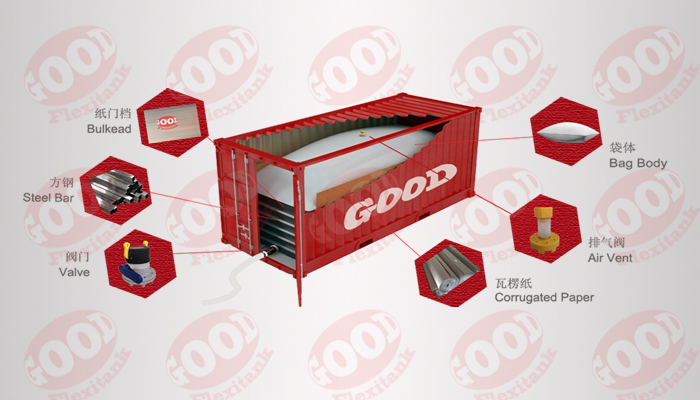
A flexitank is a big single-use bag. It sits inside a normal 20-foot dry container, gets filled through a valve at the door end, and is thrown away (or recycled) after unloading. The good ones have several layers of polyethylene with a woven polypropylene outer jacket. A bulkhead of steel bars and cardboard or timber is fitted across the door so the bag can’t push against it.
Typical capacity is 16,000 to 24,000 litres. For refined sunflower oil that works out to roughly 20 to 22 metric tonnes per container, depending on the bag size and the weight limits on the road at both ends.
Because the container is a standard dry box, you can book it with pretty much any shipping line, from any decent port, at normal dry freight rates. That’s the main reason flexitanks took over so much of the edible oil trade.
What an ISO tank is
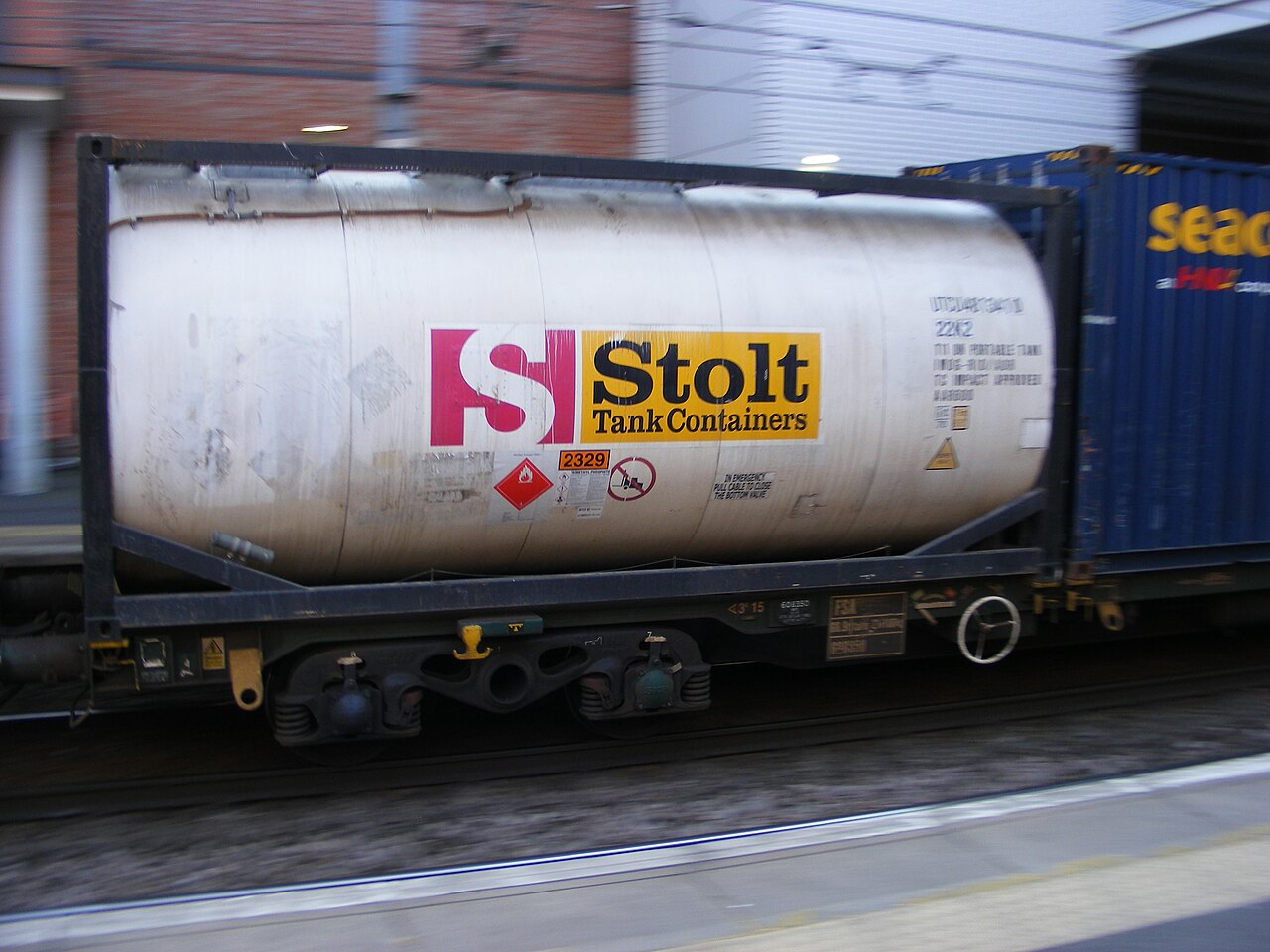
An ISO tank is a stainless steel tank held inside a steel frame the size of a 20-foot container. It’s built to international standards, pressure tested, cleaned between loads and reused for years. Most food-grade tanks hold 21,000 to 26,000 litres. Many have steam coils or electric heating, which matters a lot for palm oil and coconut oil, because both go solid at normal temperatures.
The tank is owned by a leasing company or an operator, not by you. You pay for the trip, the cleaning, and the time the tank is away from its owner. If the tank sits at your warehouse for three weeks because customs is slow, you pay for that too.
Flexitank vs ISO tank: cost per tonne
This is where most buyers start with flexitank vs ISO tank, so let’s get it out of the way.
A flexitank costs a few hundred US dollars for the bag and fitting. Freight is charged at dry container rates. On most lanes from Southeast Asia, the all-in cost per tonne for flexitank vs ISO tank comes out clearly in favour of the flexitank, often by a wide margin.
An ISO tank has a daily lease rate, a cleaning charge before loading, a cleaning charge after unloading, and a repositioning cost because the empty tank has to go somewhere afterwards. On routes where tanks are scarce, that repositioning cost can be bigger than the freight.
Rates move every month, so we won’t pretend there’s one fixed number. When you ask us for a CIF price, we can quote both options side by side and you’ll see the gap for your own port.
Flexitank vs ISO tank: how much oil you actually get
Payload is the second thing people miss when they compare flexitank vs ISO tank.
| Point | Flexitank (20ft) | ISO tank (20ft) |
|---|---|---|
| Usual volume | 16,000 – 24,000 L | 21,000 – 26,000 L |
| Refined sunflower oil, approx. | 20 – 22 MT | 20 – 23 MT |
| Container type | Standard dry box | Stainless steel tank in frame |
| Reusable | No, single use | Yes |
| Heating on arrival | Heating pad, slower | Built-in coils on many tanks |
| Cleaning certificate | Not needed, new bag | Needed before every load |
| Booking availability | Very wide | Depends on tank supply |
On paper the ISO tank can carry a little more. In practice road weight limits at the destination often cap both at about the same figure. If your country allows heavier loads, ask us to check the numbers, because an extra tonne per container adds up over a year of shipments.
Product safety: where the ISO tank earns its price
A stainless tank is sealed metal. Nothing gets in, nothing breathes. For high-value oils, like cold-pressed or virgin coconut oil, some buyers simply won’t use anything else. The same goes for oils that go into baby food or pharma, where the customer’s own audit asks for a tank with a cleaning history.
A flexitank is food safe when it comes from a proper manufacturer and is fitted correctly. The weak points are the fitting and the handling. If the bulkhead is badly installed, if the container floor has a nail sticking up, or if the truck driver brakes hard with a half-full bag, you can get a leak. Good loaders check the container first, line the floor and walls, and fill to the correct level so the oil doesn’t surge.
So on safety, flexitank vs ISO tank isn’t black and white. A well-loaded flexitank is fine for refined sunflower, soybean and canola oil. A badly loaded one is a risk no matter what’s inside it.
Heating palm oil and coconut oil at the other end
This is the part of the flexitank vs ISO tank question that catches new importers out.
Crude palm oil (CP0) melts somewhere around 33 to 39°C. RBD coconut oil goes solid below about 24°C. If either one arrives in a cold port in winter, it’s a solid block. You can’t pump it out until you warm it up.
ISO tanks with steam coils are made for this. Hook up steam, wait some hours, discharge. Flexitanks can be fitted with a heating pad under the bag, but it takes longer and you need power or steam at the unloading site. For refined palm oil like CP8 or CP10, the cloud point is lower, so it’s less of a problem, but it still thickens in cold weather.
If you buy palm or coconut oil for a cold country, tell us before we book. It changes the flexitank vs ISO tank answer. Our notes on refined palm oil storage and handling cover the temperature side in more detail.
Contamination and the cleaning certificate
Every ISO tank used for food should come with a cleaning certificate showing what was carried last and how the tank was washed. Ask to see it. If the previous cargo was something that isn’t food grade, you want to know. The industry keeps banned previous cargo lists for exactly this reason, and trade bodies like FOSFA publish rules that many oil contracts follow.
With a flexitank, the bag is new, so previous cargo isn’t a question. The container itself is a dry box that may have carried anything, but the oil never touches it. That’s actually one of the arguments for flexitanks in the flexitank vs ISO tank debate: every load starts clean.
Loading and unloading time
On timing, flexitank vs ISO tank is closer than you’d think. At our loading side, a flexitank takes a bit longer to prepare (checking the box, fitting the bulkhead, lining) but fills quickly. An ISO tank just needs connecting.
At your side, flexitank discharge usually takes one to three hours with a pump, if the oil is liquid. You’ll need a way to dispose of the empty bag. ISO tank discharge is similar in time, but the tank then has to be returned to the depot, and that return is on the clock.
If your warehouse is slow to receive, the flexitank is more forgiving, and that alone settles flexitank vs ISO tank for some buyers. A dry container costs less per day in detention than an ISO tank does.
Which one we recommend for each oil
Here’s what we usually suggest when buyers ask us to choose between flexitank vs ISO tank. Treat it as a starting point, not a rule, because flexitank vs ISO tank also depends on your port and season.
- Refined sunflower oil: flexitank for most routes. It stays liquid, it isn’t fragile, and the savings are real.
- Crude sunflower oil: flexitank, heading to a refinery.
- Refined soybean oil: flexitank.
- Refined canola oil: flexitank.
- Refined palm oil CP8 / CP10: flexitank for warm destinations, ISO tank or flexitank with heating pad for cold ones.
- Crude palm oil CP0: ISO tank with coils if the receiver has no heating setup.
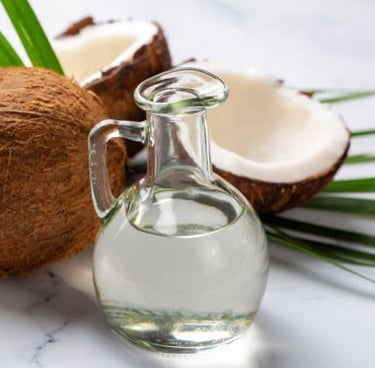
- RBD and virgin coconut oil: ISO tank for high-value orders; flexitank with heating for price-driven orders to warm ports.
The specifications we ship to
Whatever you decide on flexitank vs ISO tank, the oil inside has to meet spec on arrival, not only at loading. These are the numbers on our refined sunflower oil, which is our most common flexitank cargo:
| Parameter | Refined sunflower oil |
|---|---|
| Colour | Clear, light golden yellow |
| Odour / taste | Neutral, bland |
| Free fatty acids (as oleic) | Max 0.1% |
| Moisture and volatile matter | Max 0.1% |
| Peroxide value | Max 10 meq/kg |
| Iodine value | 118 – 144 |
| Saponification value | 188 – 194 |
| Unsaponifiable matter | Max 1.5% |
| Smoke point | Approx. 232°C |
And for refined soybean oil, the other big flexitank product:
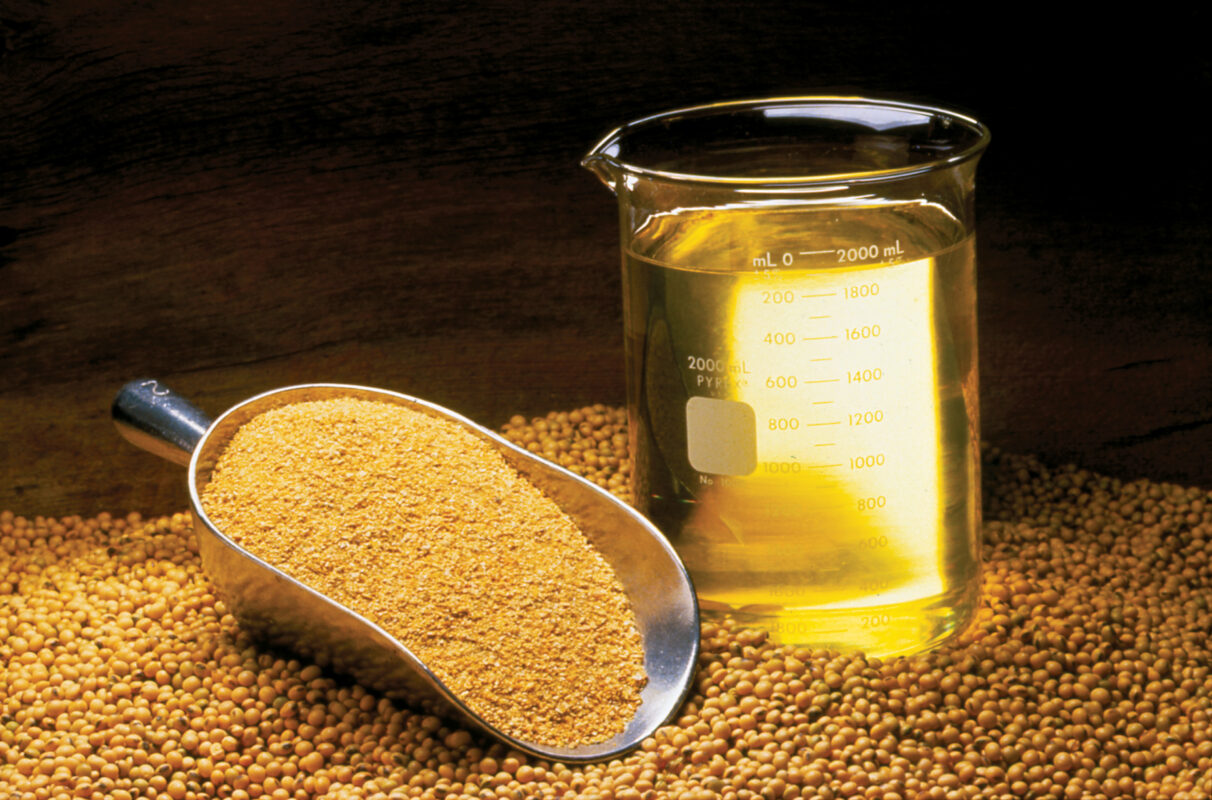
| Parameter | Refined soybean oil |
|---|---|
| Appearance | Clear, light yellow |
| Free fatty acids | ≤ 0.1% |
| Moisture and volatile matter | ≤ 0.10% |
| Insoluble impurities | ≤ 0.05% |
| Peroxide value | ≤ 10 meq O₂/kg (typical ≤ 5) |
| Iodine value (Wijs) | 120 – 141 |
| Colour (Lovibond 5.25″) | 2.0 red max |
| Shelf life | 12 – 18 months, cool and dry |
If peroxide value creeps up in transit, that’s a sign of heat or air getting to the oil. A tight flexitank fill and a sealed ISO tank both help keep it down. We send a certificate of analysis with every shipment so you can compare the arrival test with the loading test.

Incoterms and who picks the container
Under FOB, you (the buyer) book the freight, so the flexitank vs ISO tank decision is yours and you tell us. Under CFR or CIF, we book it, and we’ll ask what you want. The Incoterms rules from the ICC set out who carries what risk and cost at each point, and it’s worth reading the one your contract uses, because it decides who pays if a bag leaks on the quay.
Most of our buyers go CIF and leave the flexitank vs ISO tank choice to us, usually ending up with flexitanks. It’s simple, and it puts the loading quality in our hands, which is where it should be.
A worked example with round numbers
Say you buy 200 tonnes of refined sunflower oil a month. That’s about ten containers.
With flexitanks, you’re paying ten bags, ten fittings and ten dry container freights. Your supplier books whatever sailing fits, because nearly every vessel carries dry boxes. If a ship is delayed, there’s usually another one within days.
With ISO tanks, you need ten food-grade tanks free at the same time near the loading port. On a busy month that alone can push your shipment back a week. Then there are ten lots of cleaning before loading, ten lots after, and ten tanks to send somewhere empty.
On most lanes, over a year, the flexitank vs ISO tank difference on that volume is big enough to pay for a person’s salary. That’s why refined oil buyers mostly go with bags. The buyers who stick with tanks usually have a specific reason, like heating needs or a strict customer, and they build the cost into their selling price.
Seasons, routes and transit time
Transit time changes the flexitank vs ISO tank picture more than people expect. A two-week run in warm weather is easy on any container. A six-week run with transhipment, stacked in a hot port, then shipped into winter is harder on the oil and on the bag.
On long, hot routes, we pay extra attention to fill level and to sealing the valve area, and we may suggest ISO tanks for sensitive grades. On routes that end somewhere cold in winter, we flag palm and coconut oil early, before the booking is made. It’s much cheaper to plan for heating than to scramble for it when the container is already on the quay.
Common mistakes we see
A few that come up again and again when buyers look at flexitank vs ISO tank for the first time:
- Not checking the weight limit on the destination roads. A 24,000-litre bag can be legal at sea and illegal on your highway.
- Booking a flexitank for crude palm oil going to a cold port with no heating. You’ll end up renting heating gear at short notice.
- Forgetting the empty bag. Someone has to take it away. Sort that out before the container arrives.
- Not asking for the ISO tank cleaning certificate. It takes one email and it protects you.
- Leaving the choice to whoever’s cheapest. The cheapest flexitank loader isn’t always the best one.
If you’re also sorting out the paperwork, have a look at our guide to the documents required to import vegetable oil. And if you want an independent check before the container closes, read about pre-shipment inspection for edible oil.
How we load a flexitank at our end
Since the loading is where flexitanks go right or wrong, here’s what actually happens on our side.
First the empty dry container is checked. We look for holes, rust on the floor, nails, splinters and bad smells. A box that fails gets sent back. Then the floor and walls are lined with cardboard, the bag is laid out flat, and the bulkhead goes in at the door end. The valve is positioned so it can be reached when the right-hand door opens.
The oil is pumped in through a filter at a controlled rate. We fill to the bag’s rated volume, not beyond. An overfilled bag is under stress the whole trip, and an underfilled one lets the oil slosh, which is worse. Samples are taken during loading for the certificate of analysis, and the container is sealed with a numbered seal that goes on the bill of lading.
We photograph each step. If you ever want those photos for a shipment, just ask. It’s the simplest proof that the flexitank vs ISO tank choice was carried out properly.

Insurance, claims and who pays for a leak
In any flexitank vs ISO tank comparison, leaks come up. They’re rare when loading is done right, but they happen, and you should know who pays before one does.
Most flexitank manufacturers carry liability insurance that covers product loss from a faulty bag. That cover usually doesn’t apply if the leak was caused by bad fitting, a damaged container, or rough handling. That’s why the loading photos matter.
Your cargo insurance is the other layer. Under CIF, we arrange a basic policy. Many buyers top it up with their own. When comparing flexitank vs ISO tank, check your policy wording, because some insurers price the two differently, and a few ask for extra conditions on flexitank cargo.
With ISO tanks, leaks are very unusual. Contamination claims are more common, and that’s where the cleaning certificate protects you again.
Questions buyers ask us about flexitank vs ISO tank
Is a flexitank food grade? Yes, when it’s from a certified maker and the inner layer is food-grade polyethylene. Ask your supplier for the bag’s certificate. We send ours with the shipping documents.
Can I reuse a flexitank? No. It’s built for one trip. Some ports and countries have rules on how the empty bag is disposed of, so check locally.
Does oil taste different after a flexitank trip? Not if the bag is new, fitted properly and the oil is kept away from heat. Refined oils come out the same as they went in. Comparing the arrival test with the loading COA is the easiest way to confirm it.
Is flexitank vs ISO tank a different price per tonne on your quote? Yes. Container type changes the freight and the handling, so the CIF price changes. We show both if you ask.
What about smaller orders? If you need less than a full container, flexitank vs ISO tank isn’t really the question. Drums, jerrycans or bottled oil on pallets will suit you better, and we can mix grades in one container.
Which is better for organic or high oleic oil? For high oleic sunflower oil and organic grades, both work. Buyers who pay a premium often choose the ISO tank for the extra peace of mind.
So, flexitank vs ISO tank: which should you book?
For most buyers of refined edible oil, the flexitank vs ISO tank answer is the flexitank. It’s the sensible default. It’s cheaper, easy to book, and every load starts with a fresh bag. Pick the ISO tank when the product needs heat, when the product is expensive enough that the extra cost doesn’t matter, or when your own customer insists on it.
If you’re still not sure, tell us the oil, the grade, the tonnage and the port. We’ll price flexitank vs ISO tank side by side and send you both numbers. That’s usually the fastest way to decide.
Order bulk vegetable oil from DTH Company Ltd
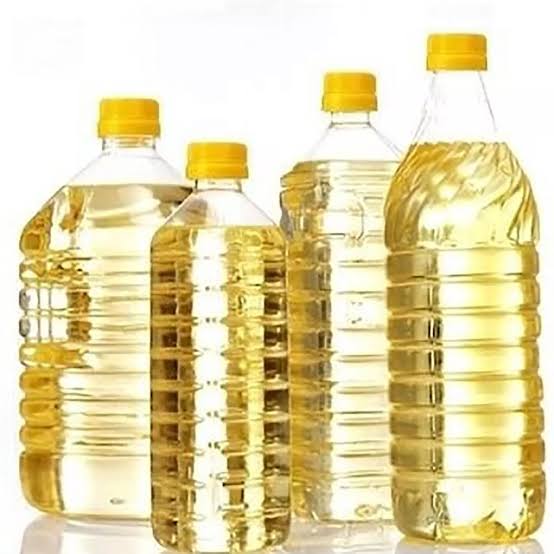
We’re a Thai exporter supplying sunflower oil, palm oil, soybean oil, canola oil and coconut oil to buyers worldwide. We load flexitanks and ISO tanks, and we also pack in 1 L to 10 L PET bottles, 18 L tins, 25 L jerrycans and 180 to 200 kg drums for buyers who don’t need bulk.
Browse the full range on our products page, read a bit about who we are, or go straight to our contact page with your quantity and destination. We’ll come back with specs, packing options and a price, in whichever container suits your oil.
Image credits: Photo: Sludge G, CC BY-SA 2.0, Wikimedia Commons; Diagram: GOODflexitank, CC BY-SA 4.0, Wikimedia Commons.






7 thoughts on “Flexitank vs ISO Tank: 7 Essential Differences to Avoid Costly Mistakes”