
Ask most people what vitamin E looks like in a bottle and they’ll picture the alpha-tocopherol capsules sold at any pharmacy. That’s only half the vitamin E story, and it’s the half palm oil barely bothers with. Palm oil’s vitamin E complex runs mostly the other direction, tocotrienols, the less common and, by a lot of current research interest, more actively studied form of the vitamin.
Palm oil vitamin E and tocotrienol content is the reason a specific slice of our buyers order from us at all, supplement manufacturers, functional food brands, and skincare formulators who specifically want the tocotrienol-rich fraction rather than plain cooking oil. Here’s what’s actually in the oil, how much of it survives processing, and which grade to order depending on what you’re extracting or formulating.
What Palm Oil’s Vitamin E Actually Contains
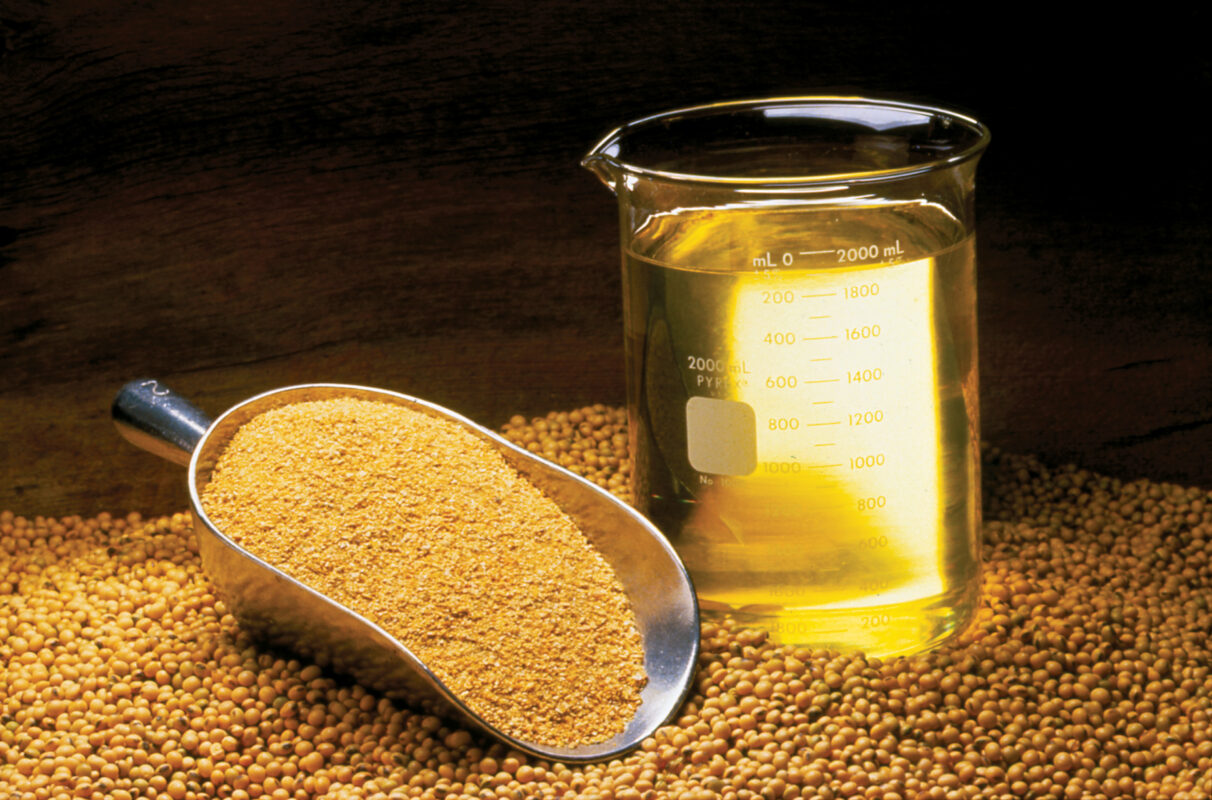
Vitamin E isn’t one molecule, it’s a family of eight related compounds: four tocopherols (alpha, beta, gamma, delta) and four tocotrienols (the same four Greek-letter variants). Most dietary vitamin E, and nearly every supplement on a pharmacy shelf, is alpha-tocopherol, because that’s the dominant form in soybean, sunflower, and most other seed oils.
Palm oil flips that ratio almost completely. Its vitamin E complex is roughly 70 to 80% tocotrienols rather than tocopherols, which makes it one of the very few commercially significant vegetable oils where tocotrienols are the majority form rather than a minor trace. That distinction matters because tocotrienols and tocopherols aren’t interchangeable in the body or in a formulation, they have different absorption profiles and different antioxidant behavior, and a growing body of nutrition research treats them as functionally distinct nutrients worth measuring separately rather than lumping together as one “vitamin E” number.
Palm Oil Vitamin E and Tocotrienol Content: The Numbers
In a well-preserved red palm olein, total vitamin E typically runs 717 to 863 ppm, broken down roughly as 19% alpha-tocopherol, 29% alpha-tocotrienol, 41% gamma-tocotrienol, and 10% delta-tocotrienol. Add the three tocotrienol fractions together and they account for around 80% of the total vitamin E complex, with tocotrienols outweighing tocopherols by roughly four to one.
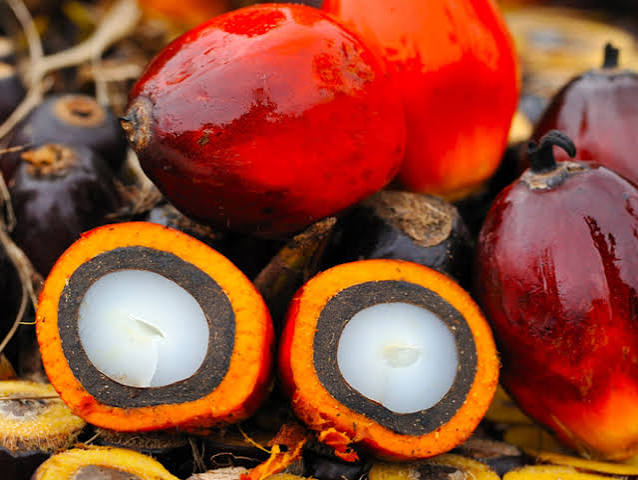
Gamma-tocotrienol is consistently the largest single fraction, which is worth knowing if you’re formulating toward a specific isomer ratio rather than just a total vitamin E number, since gamma-tocotrienol is the isomer most frequently referenced in current tocotrienol research. Carotenoid content runs alongside this, averaging around 665 ppm in commercial red palm olein, mostly alpha- and beta-carotene, which is what gives red palm oil its distinctive deep orange-red color and its secondary reputation as a provitamin A source.
These figures shift with how the oil is processed, which is the single biggest variable buyers underestimate when they’re sourcing specifically for vitamin E content, covered in more detail below.
Why Palm Oil Is the Richest Dietary Source of Tocotrienols
Among commercially traded vegetable oils, palm oil is generally recognized as the richest natural dietary source of tocotrienols by concentration. Rice bran oil and annatto oil also carry meaningful tocotrienol content and get used as alternative sourcing for tocotrienol concentrates, but palm oil’s combination of tocotrienol concentration and production volume is what’s made it the dominant commercial feedstock for tocotrienol extraction worldwide.
That distinction is specifically about tocotrienols, not vitamin E in general. Wheat germ oil and sunflower oil both carry higher total vitamin E than palm oil in some comparisons, but almost all of it is alpha-tocopherol. If your interest is total vitamin E as a generic number, several oils compete with palm oil. If your interest is tocotrienols specifically, which is increasingly the case for supplement and nutraceutical buyers, palm oil is the default commercial source, full stop.
Refining’s Effect on Vitamin E Retention
This is the part that trips up buyers who assume “palm oil” is a single, consistent vitamin E number regardless of grade. It isn’t. Crude palm oil straight from the mill carries the highest vitamin E and carotenoid content, since nothing has been bleached or heat-treated out of it yet.
Standard RBD (refined, bleached, deodorized) palm oil, the grade used in most food manufacturing, loses a meaningful share of both carotenoids and vitamin E during bleaching and the high-heat deodorization step, and loses essentially all of its red color, since bleaching is specifically what strips the carotenoids that give crude oil its color. Some vitamin E survives standard RBD processing, but if vitamin E or tocotrienol content is the actual reason you’re buying the oil, standard RBD is not the grade to specify.
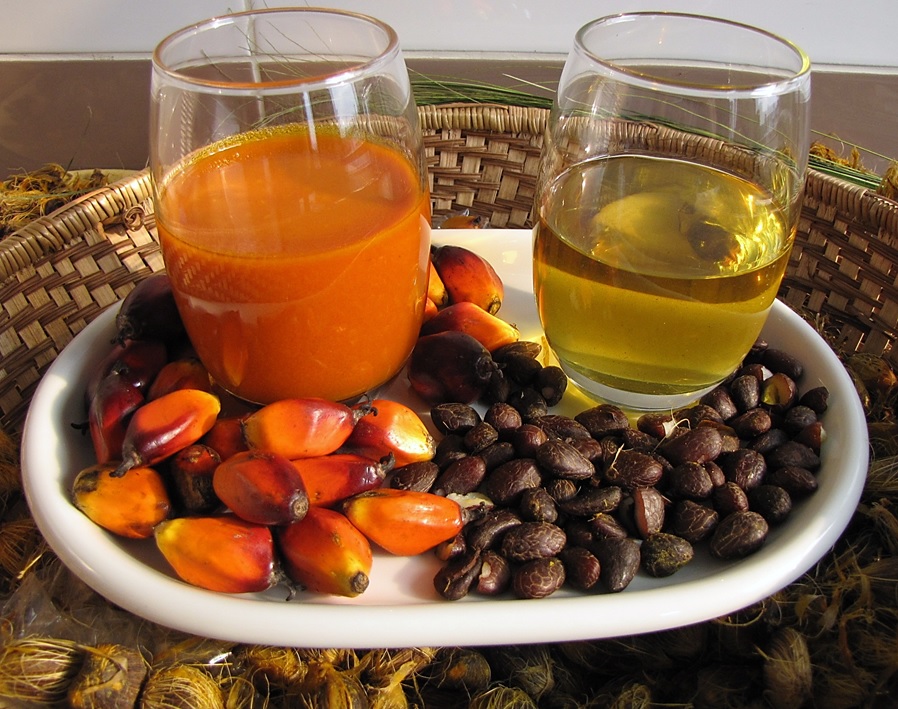
Red palm oil and red palm olein are processed under gentler conditions, physical refining at lower deodorization temperatures, specifically to preserve carotenoids and vitamin E rather than maximize shelf clarity and neutral color, distinct from how standard grades like palm stearin and palm olein are fractionated for texture rather than nutrient retention. That’s a deliberate tradeoff: red palm oil costs more to produce and looks different on a shelf than clear cooking oil, but it retains dramatically more of the nutrients this article is actually about. If your specification just says “palm oil” without naming the grade, you’ll very likely receive standard RBD, not the vitamin-E-preserved version.
Tocotrienol Extraction and Concentrates
Beyond whole red palm oil, a meaningful share of commercial tocotrienol supply comes from concentrated extracts rather than the whole oil. Palm fatty acid distillate (PFAD), a byproduct of the physical refining process, carries a concentrated vitamin E fraction that’s further purified through molecular distillation and chromatographic separation into tocotrienol-rich concentrates used in supplement capsules and cosmetic actives.
These concentrates run vastly higher in vitamin E per gram than whole red palm oil, often reaching tocotrienol purities in the tens of percent by weight rather than the parts-per-million range of the crude oil, which is why supplement manufacturers work with concentrate rather than whole oil for capsule formulations. If you’re formulating a supplement or a concentrated cosmetic active rather than a food product, tell us that upfront, since it’s a completely different grade and supply chain than red palm oil sold for culinary or general formulation use.
Research Interest in Tocotrienols
Tocotrienols have drawn a steady stream of nutrition research over the past two decades, mostly centered on their antioxidant activity and a molecular structure that lets them move through cell membranes differently than tocopherols do. Published research has looked at tocotrienols in the context of cardiovascular health, skin protection against UV-driven oxidative stress, and general antioxidant supplementation, though this remains an active research area rather than settled clinical consensus, and none of it should be read as a claim that tocotrienols treat or prevent any specific condition.
What that research interest has done commercially is create steady, growing demand from supplement brands and functional food manufacturers who want their vitamin E sourced specifically as a tocotrienol-rich complex rather than generic alpha-tocopherol, which is exactly the demand our red palm oil and tocotrienol concentrate customers are responding to.
We’re not in a position to make health claims on your behalf, and we’d caution any brand against overstating what the research does or doesn’t establish on a product label. What we can do is supply raw material with an accurate, tested vitamin E and isomer profile, so whatever claims your regulatory and marketing teams decide to make are at least built on real numbers rather than an assumption about what “palm oil” generically contains.
Who Buys Vitamin-E-Rich Palm Oil
Supplement manufacturers are the most straightforward buyer, sourcing tocotrienol concentrate for capsule and softgel production, usually specifying a minimum tocotrienol percentage and isomer breakdown rather than a general vitamin E number. Functional food and beverage brands use red palm oil or milder concentrates as an ingredient-level fortification, particularly in markets where red palm oil already has culinary tradition, like parts of West Africa and Southeast Asia, which makes the fortification story easier to market.
Cosmetic and skincare formulators, which we cover in more depth in our guide to palm oil in cosmetics and personal care manufacturing, use red palm oil or tocotrienol extract directly as an antioxidant active in serums and after-sun products, leaning on the same UV-oxidative-stress research interest mentioned above. And a smaller set of buyers, mostly specialty food manufacturers, use red palm olein specifically for its natural orange-red color as a substitute for synthetic dyes in select product categories.
We also see steady interest from contract manufacturers and private-label supplement brands who want to launch a tocotrienol product but don’t want to manage the extraction and purification step themselves. For that group, we can point toward concentrate-grade material with the isomer profile and purity documentation already in hand, so the finished capsule formulation is the only remaining step on their end.
Common Sourcing Mistakes
The most common mistake is ordering standard RBD palm oil and expecting red-palm-oil-level vitamin E content. Standard RBD processing removes most of the color and a real share of the vitamin E specifically because bleaching and high-heat deodorization are built to strip out exactly those compounds; if vitamin E content matters to your product, specify red palm oil or a named tocotrienol concentrate on the purchase order, not generic “palm oil.”
The second is not requesting an actual vitamin E assay on the certificate of analysis. Vitamin E content varies by fruit freshness, processing conditions, and storage time before shipment, so a supplier who can’t hand you a specific ppm figure and isomer breakdown for the batch you’re buying isn’t giving you the information you actually need to formulate or label accurately.
The third is underestimating storage sensitivity. Tocotrienols and carotenoids both degrade with heat, light, and oxygen exposure over time, faster than the base oil itself goes rancid, so a red palm oil shipment that sat in a hot, sun-exposed warehouse for months before reaching you may test meaningfully lower in vitamin E than the same oil tested fresh off the production line, even if the FFA and other bulk quality numbers still look fine.
Packaging and Shipping for Vitamin-E-Sensitive Grades
Because tocotrienols and carotenoids degrade with heat, light, and oxygen, red palm oil and tocotrienol concentrate need different handling than a standard commodity cooking oil shipment. We pack red palm oil in opaque or UV-protected containers rather than clear ones, and we minimize headspace in drums and totes to limit oxygen exposure during transit and storage.
Tocotrienol concentrates are more sensitive still, and typically ship in smaller, nitrogen-flushed containers with tighter temperature control than bulk oil requires. If your production schedule allows it, ordering closer to when you’ll actually use the material, rather than holding a large inventory for months, preserves more of the vitamin E content you’re paying for in the first place.
We also time shipments where possible to avoid long transit through extreme heat, since a container sitting in a hot port yard for weeks can meaningfully degrade a vitamin-E-sensitive product even before it reaches your facility. If your route runs through a particularly hot corridor, flag it when you book and we can discuss insulated or refrigerated container options.
Testing Methods We Use to Confirm Vitamin E Content
We test vitamin E content using HPLC (high-performance liquid chromatography), the standard analytical method for separating and quantifying individual tocopherol and tocotrienol isomers rather than reporting a single lumped vitamin E number. That level of detail matters if your formulation or label claim depends on a specific isomer, gamma-tocotrienol content for a nutraceutical claim, for instance, rather than total vitamin E generally.
Carotenoid content gets tested separately, typically by spectrophotometric assay, since that’s what actually correlates with the visible red-orange color buyers are often also specifying alongside the vitamin E number. We report both figures on the certificate of analysis for every red palm oil and red palm olein batch, not just on request, since we’ve found most buyers in this category want to see the numbers without having to ask.
How We Test and Certify Every Batch
Every batch of red palm oil, red palm olein, or tocotrienol concentrate we ship carries a certificate of analysis with an actual vitamin E assay, total tocopherols and tocotrienols in ppm, broken down by isomer where the grade calls for it, alongside carotenoid content, free fatty acid, and moisture. We don’t ship vitamin-E-marketed products without the number to back the claim on the certificate.
If your formulation or labeling depends on a specific ppm threshold, tell us the number you need to hit and we’ll confirm which grade and, if relevant, which harvest season’s production meets it, since fruit freshness and processing conditions do shift the figure batch to batch.
Specifications at a Glance
Typical vitamin E and carotenoid figures across the grades we supply.
| Product | Total Vitamin E | Tocotrienol Share | Carotenoids |
|---|---|---|---|
| Standard RBD Palm Oil | Reduced (post-bleaching) | ~70–80% of remaining E | Largely removed |
| Red Palm Oil (unrefined) | 600–1000+ ppm | ~70–80% | 500–700+ ppm |
| Red Palm Olein | 717–863 ppm | ~80% | ~665 ppm avg. |
| Tocotrienol Concentrate | Tens of % by weight | Purified, isomer-specific | Variable by process |
We supply the full range worldwide, from culinary-grade red palm olein to distillate-derived tocotrienol concentrate, and if palm oil vitamin E and tocotrienol content is the actual spec driving your order, tell us the ppm or isomer target and we’ll confirm the right grade rather than quoting standard RBD by default.
Frequently Asked Questions
What’s the difference between tocopherols and tocotrienols?
Both are forms of vitamin E, but they differ in their chemical side chain structure, tocotrienols have an unsaturated tail, tocopherols a saturated one, which affects how each moves through cell membranes. Most common vegetable oils and supplements are tocopherol-dominant; palm oil is one of the few major commercial sources where tocotrienols make up the majority of the vitamin E content.
Does cooking with palm oil destroy its vitamin E content?
Some loss occurs with heat exposure during cooking, as it does with most heat-sensitive nutrients, but the bigger loss happens during industrial refining and deodorization before the oil ever reaches a kitchen. If vitamin E retention through cooking matters to your product, starting with a less-refined red palm oil preserves more to begin with.
Is red palm oil the same thing as palm oil with food coloring added?
No. Red palm oil’s color comes entirely from its natural carotenoid content, the same compounds responsible for its vitamin A precursor activity, not from any added coloring. Standard RBD palm oil loses that color during bleaching; red palm oil is processed specifically to keep it.
Can you supply a tocotrienol concentrate with a specific isomer ratio?
Yes, we work with buyers who need a defined alpha- to gamma- to delta-tocotrienol ratio for a specific formulation, and we’ll confirm sourcing and lead time once we know your target specification.
How should red palm oil be stored to preserve its vitamin E content?
Cool, dark storage away from oxygen exposure preserves tocotrienols and carotenoids longest; avoid prolonged heat exposure and try to minimize the time between production and use. We can advise on storage handling specific to the grade you order.
Is palm oil vitamin E content relevant for people managing their diet, not just formulators?
Some consumers do seek out red palm oil specifically for its tocotrienol and carotenoid content as part of a broader diet, and it’s worth noting this is nutritional information rather than medical advice, so anyone with specific health goals or conditions should talk to a qualified professional rather than relying on ingredient sourcing alone.
Do you sell red palm oil in food-service quantities, not just industrial bulk?
Yes, we can package red palm oil and red palm olein in smaller food-service or retail-ready quantities in addition to bulk drums and flexitanks, depending on your volume needs.
Does the tocotrienol content vary between harvest seasons?
Yes, to a meaningful degree. Fruit ripeness, growing conditions, and time between harvest and processing all influence the final vitamin E and carotenoid figures, which is why we test and report actual batch numbers rather than quoting a single fixed specification across the year. If your formulation needs a guaranteed minimum, tell us the threshold and we’ll confirm which batches qualify.
Is there a difference between “tocotrienol-rich fraction” and “tocotrienol concentrate” on a supplier’s product list?
Often yes, though terminology varies by supplier. A tocotrienol-rich fraction is typically a less-processed intermediate with a moderate vitamin E boost over whole oil, while a tocotrienol concentrate has gone through additional purification steps to reach a much higher, more defined tocotrienol percentage. Always ask for the actual assay rather than relying on the product name alone.
If vitamin E or tocotrienol content is the actual reason you’re sourcing palm oil, tell us the application, supplement, functional food, or skincare active, and we’ll confirm the grade, ppm target, and documentation you need rather than defaulting to a standard cooking-oil spec.
Palm oil vitamin E and tocotrienol content is a genuinely specialized corner of the broader palm oil trade, and it’s easy for a buyer new to the category to end up with the wrong grade simply because “palm oil” sounds like one product rather than a spectrum from stripped-down commodity oil to a carefully preserved nutraceutical feedstock.
According to research published by the Malaysian Palm Oil Board, commercial red palm olein carries a genuinely distinct vitamin E and carotenoid profile compared to standard refined vegetable oils, which is exactly why buyers in this category specify the grade so carefully. We ship red palm oil, red palm olein, and tocotrienol concentrate worldwide with a vitamin E assay on every certificate of analysis; see our guide to palm oil in cosmetics and personal care manufacturing for how tocotrienols get used in skincare formulation. Reach our team here to get a quote started.