

Every wholesale buyer who’s negotiated a palm oil contract has had the same experience: you get a quote, wait a week to confirm volume, and the number’s already moved by the time you come back. That’s not a supplier playing games with you. Palm oil is one of the more actively traded soft commodities in the world, and the price you’re quoted on any given day reflects a specific set of moving parts, not a static number someone picked out of the air.
This is a rundown of the actual palm oil wholesale price factors that move your quote, written by people who requote this product every day, not a commodities course.
Understanding palm oil wholesale price factors matters just as much when you’re comparing suppliers as when you’re trying to time an order, since two quotes that look similar on paper can be built from very different assumptions about freight, grade and market timing.
In this guide:
- What You’re Actually Buying: Palm Oil Specs at a Glance
- Bursa Malaysia CPO Futures: The Global Benchmark
- MPOB Stock Data and Production Cycles
- Biodiesel Mandates and Their Effect on Price
- Weather and Yield Disruptions
- Currency Movements and Landed Cost
- Freight Rates and Shipping Disruptions
- Import Duties and Country-Specific Tariffs
- Demand-Side Swings: India, China and Major Importers
- Crude vs Refined: Different Price Sensitivities
- Substitution: How Soybean and Sunflower Oil Prices Pull on Palm
- How We Actually Price a Wholesale Quote
- Common Pricing Mistakes Buyers Make
- What to Ask a Supplier Before Locking In a Price
- Frequently Asked Questions
- Getting Started
What You’re Actually Buying: Palm Oil Specs at a Glance
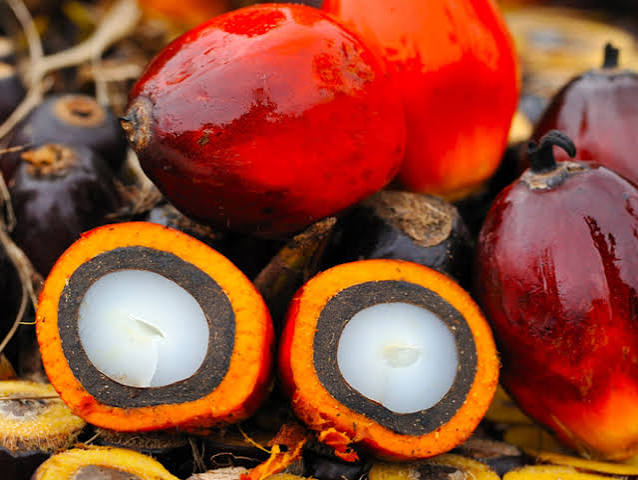
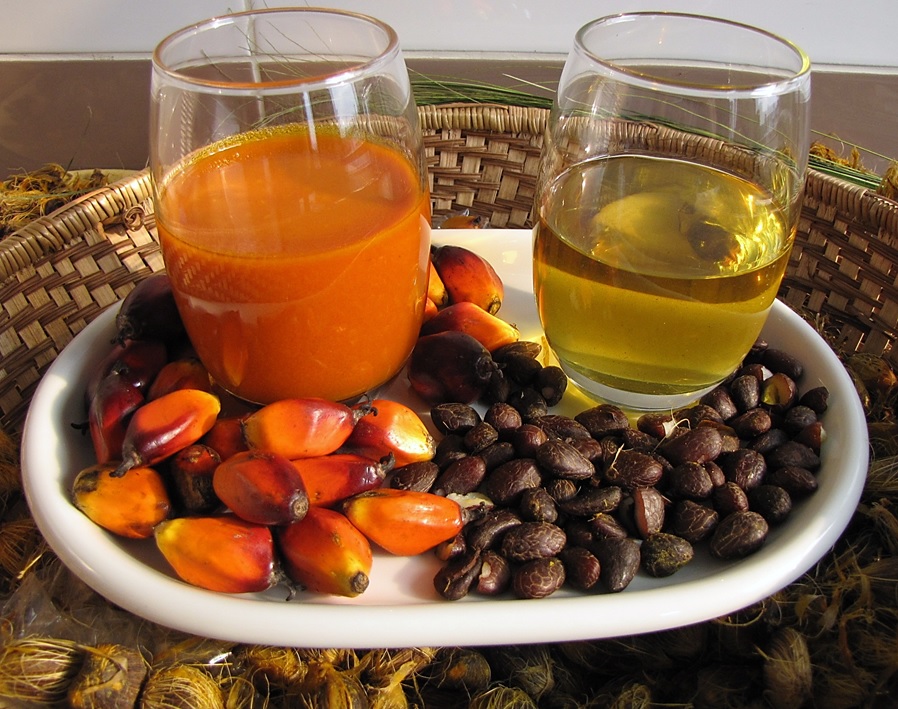
Before getting into what moves the price, it’s worth being clear about what’s actually priced. We supply crude palm oil (CPO) as well as refined grades CP8 and CP10, and each carries its own spec sheet that a legitimate quote should be built against. Crude palm oil typically runs free fatty acid in the 3 to 5 percent range and an iodine value between 50 and 55. Refined CP8 and CP10 differ mainly in cloud point and slip melting point rather than FFA, since both are refined, bleached and deodorized to under 0.1 percent FFA; CP8 has a lower cloud point suited to cooler climates where the oil needs to stay liquid longer, while CP10 is the standard food service and retail grade. Every batch ships with a Certificate of Analysis specific to that shipment, along with ISO 22000, HACCP and Halal certification where applicable. None of the pricing discussion below means anything if the underlying product spec isn’t solid first, so that’s always the starting point of any quote we send.
Bursa Malaysia CPO Futures: The Global Benchmark
Nearly every wholesale palm oil quote in the world traces back, directly or indirectly, to crude palm oil futures traded on Bursa Malaysia. This is the single biggest of the palm oil wholesale price factors and the one suppliers watch most closely intraday. When Bursa CPO futures move, wholesale quotes worldwide adjust within hours, sometimes faster, since traders and refiners are hedging against the same benchmark regardless of where the physical oil is loading from.
A quote you receive is essentially the Bursa benchmark on that day, plus a premium or discount reflecting grade, origin, freight and the specific relationship you have with your supplier. That’s why asking a supplier to “hold” a quoted price for more than 24 to 48 hours without a deposit is usually a non-starter; the underlying futures price simply doesn’t sit still long enough for most suppliers to absorb that risk on your behalf.
MPOB Stock Data and Production Cycles
The Malaysian Palm Oil Board publishes monthly stock, production and export data that the entire trade watches closely, and it’s one of the more predictable palm oil wholesale price factors in terms of timing, since the release schedule is public and known in advance. Rising ending stocks generally pressure prices downward, since it signals supply outpacing demand; falling stocks tend to push prices up. Production itself follows a seasonal curve too, typically peaking in the second half of the calendar year as the harvest cycle in Malaysia and Indonesia ramps up, then tapering into the first quarter.
A buyer placing large orders around the low-production months, roughly December through February, should expect firmer pricing than during peak harvest season, all else being equal. This isn’t a hard rule every year, since weather and demand shifts can override the seasonal pattern, but it’s a real tendency worth building into your ordering calendar if your volumes are large enough that timing meaningfully affects your landed cost.
Biodiesel Mandates and Their Effect on Price
This is a factor a lot of first-time buyers underestimate. Indonesia and Malaysia both run biodiesel blending mandates that divert a meaningful share of domestic crude palm oil production into fuel rather than food and industrial exports. When a mandate percentage increases, or when crude oil prices rise and make palm-based biodiesel more economically attractive relative to fossil diesel, more crude palm oil gets pulled toward the biodiesel sector, tightening the supply available for export and pushing wholesale prices up.
Policy announcements around mandate changes can move the market meaningfully even before any physical barrel changes hands, purely on the expectation of future supply tightening. It’s one of the more headline-driven of the palm oil wholesale price factors, and it’s worth asking your supplier whether current mandate policy in the origin countries is expected to shift in the near term before locking in a large order.
Weather and Yield Disruptions
Palm trees are perennial crops with multi-year planting and yield cycles, which means weather disruptions don’t hit the market instantly the way an annual crop failure might; the effect shows up with a lag, sometimes six to eighteen months after a drought or flood event, as tree stress translates into lower fresh fruit bunch yields. El Niño-linked dry periods in Southeast Asia have historically been associated with meaningful yield reductions the following year, and that lagged effect is part of why palm oil prices can seem to move on weather news that happened well over a year earlier.
This is genuinely one of the harder palm oil wholesale price factors for a buyer to plan around, since the timing and magnitude of weather effects are inherently uncertain. The practical takeaway is that a supplier who tracks regional weather patterns in Malaysia and Indonesia, not just current spot prices, is giving you a more complete picture than one who only quotes off the day’s futures print.
Currency Movements and Landed Cost
Crude palm oil is priced in Malaysian ringgit on Bursa Malaysia even though most international trade settles in US dollars, which means ringgit-to-dollar movements are baked into every wholesale quote whether a buyer notices it or not. A weaker ringgit relative to the dollar tends to make Malaysian palm oil more price-competitive internationally, which can either lower your dollar-denominated quote or increase export volume pressure that eventually firms prices back up, depending on how demand responds.
For a buyer whose own currency isn’t the US dollar, there’s a second layer on top of that: your own currency’s movement against the dollar affects your landed cost independently of what’s happening to the underlying commodity price at all. A palm oil price that looks flat in dollar terms can still get meaningfully more or less expensive for you specifically depending on your own currency’s recent performance, which is worth flagging to your finance team before assuming a “stable” quote means a stable actual cost.
Freight Rates and Shipping Disruptions
Container and tanker freight rates move independently of the underlying oil price, and they’re a real component of your landed cost even though they don’t show up in the Bursa futures number at all. Port congestion, canal disruptions, fuel surcharges and general shipping capacity all factor in here. A palm oil quote that looks attractive on the commodity price alone can still land expensive if freight rates have spiked on your specific route, which is why we always quote CFR or CIF pricing with the freight component broken out separately, so you can see exactly what’s moving your number.
Import Duties and Country-Specific Tariffs
Beyond the FOB or CIF price itself, your own country’s import duty structure on edible oils is one of the palm oil wholesale price factors entirely outside a supplier’s control but squarely inside your total cost calculation. Many countries apply tiered duties that themselves respond to global reference prices, meaning your effective landed cost can shift even when the FOB quote from your supplier hasn’t moved at all. It’s worth checking your own customs authority’s current duty schedule for edible palm oil before finalizing a large order, since this variable is easy to overlook when you’re focused on the headline commodity price.
Demand-Side Swings: India, China and Major Importers
Supply-side factors get most of the attention, but demand shifts from the world’s largest importers move the market just as much. India is consistently among the largest palm oil importers globally, and Indian buying patterns, driven by festival season stocking, domestic edible oil policy, and its own import duty adjustments, create real, trackable demand swings that show up in wholesale pricing worldwide, not just in the Indian market itself. China’s demand, tied to its own vegetable oil consumption trends and periodic stockpiling decisions, plays a similar role.
When a major importer signals a buying spree, whether through confirmed large purchase tenders or policy changes that make palm oil more attractive relative to other oils in their market, wholesale prices elsewhere often firm up within days, even before any of that specific cargo has shipped. This is one of the palm oil wholesale price factors that’s genuinely hard for a smaller buyer to track independently, which is another reason working with a supplier who monitors these markets actively, rather than reactively, is worth something real.
Crude vs Refined: Different Price Sensitivities
Crude palm oil, CPO, tracks the Bursa benchmark most directly, since that’s literally what’s traded on the exchange. Refined palm oil, whether CP8, CP10 or other refined fractions, carries the crude price plus a refining margin that reflects processing costs, energy prices at the refinery, and demand for refined product specifically. That refining margin isn’t fixed; it widens and narrows based on refining capacity utilization and demand for the finished product independent of what crude is doing. A buyer comparing crude and refined quotes should understand these move somewhat independently, and a refined premium that looks unusually wide or narrow compared to historical norms is worth asking your supplier to explain.
Substitution: How Soybean and Sunflower Oil Prices Pull on Palm
Palm oil doesn’t trade in isolation from other vegetable oils. Buyers, particularly in food manufacturing, can substitute between palm, soybean and sunflower oil depending on relative pricing, and that substitution demand links the markets together even though they’re grown on different continents under completely different conditions. When soybean or sunflower oil prices spike, relative to palm, demand often shifts toward palm oil, pushing its price up too. This cross-commodity relationship is one of the less obvious palm oil wholesale price factors, but it’s real, and it’s part of why palm oil prices sometimes move on news that, on the surface, has nothing to do with palm trees at all.
Buyers who source more than one oil type from us sometimes ask whether it’s worth switching part of a blend from palm to sunflower or back depending on which is cheaper that month. It can make sense for some formulations, though switching costs, reformulation testing, and consumer-facing label changes usually mean it’s not something to do reactively on short-term price swings alone. If you’re weighing that kind of substitution decision, our breakdown of crude versus refined sunflower oil grades and specs is a useful companion piece to this one.
How We Actually Price a Wholesale Quote
When we quote wholesale palm oil, we start from the current Bursa Malaysia benchmark, add or subtract based on grade, CP0 crude versus CP8 or CP10 refined, and layer in freight to your specific destination port based on current rates, not a stale freight table. We factor in current MPOB stock trends and any known near-term mandate or weather developments that might affect near-term availability. The result is a number that reflects the real market on the day you ask, not a marked-up guess. That’s also why we recommend confirming orders quickly once a quote is issued, since holding a quote open for days against a moving benchmark isn’t something any legitimate supplier can sustainably offer.
We also break out every component of the quote on request, benchmark price, grade premium, freight, and any known near-term factors we’re watching, so you’re never just trusting a single number without understanding what built it. Buyers who’ve worked with us for a while generally stop asking for this breakdown after the first couple of orders, simply because they’ve seen it hold up consistently against what actually moved in the market, but we’ll always provide it for anyone placing their first order with us.
Common Pricing Mistakes Buyers Make
The most frequent mistake is comparing quotes from different suppliers without confirming they’re built against the same date and Bursa contract month. A quote from Monday and a quote from Thursday can differ meaningfully purely on benchmark movement, with neither supplier doing anything wrong. Always ask for the pricing date explicitly before comparing numbers side by side.
A second common mistake is treating a CIF quote and an FOB quote as directly comparable without adding your own freight estimate to the FOB number first. They’re structured differently, and comparing them at face value almost always makes the FOB quote look artificially cheaper than it actually is once you add real freight costs on top.
A third mistake, specific to palm oil wholesale price factors, is ignoring the refining margin when comparing crude and refined quotes across suppliers. If one supplier’s refined price looks unusually cheap relative to their own crude price, it’s worth asking directly what’s different about their refining cost structure or the actual grade being quoted, rather than assuming it’s simply a better deal.
For background on how palm oil is produced and traded globally, general reference material on palm oil covers the wider supply chain context behind the pricing factors above.
What to Ask a Supplier Before Locking In a Price
A few direct questions help separate a supplier who actually understands palm oil wholesale price factors from one just reading a number off a screen. Ask what the quote is based against, specifically which Bursa contract month and date. Ask whether freight is included or separate, and get the breakdown either way. Ask how long the quote is valid and what happens if the benchmark moves before you confirm. And ask whether current MPOB stock data or known mandate changes are factored into the number, since a supplier who can’t answer that is probably just marking up a generic reference price rather than actively managing your quote.
For buyers who want to track the underlying data themselves, the Malaysian Palm Oil Board publishes monthly production and stock statistics, and the Malaysian Palm Oil Council covers broader market and trade context.
Frequently Asked Questions
How often does the palm oil wholesale price actually change?
Bursa CPO futures move every trading day, sometimes significantly intraday, which means wholesale quotes can shift daily or even within the same day on volatile news. This is why we quote against a specific date and time rather than a general “current price.”
Can I lock in a palm oil price for future delivery?
Yes, forward pricing arrangements are available for buyers with predictable, recurring volume, though the further out you lock, the more the price reflects market expectations for that future period rather than today’s spot number.
Why does refined palm oil sometimes cost proportionally more than crude, and sometimes less?
The refining margin between crude and refined grades widens and narrows based on refinery capacity utilization and refined product demand, independent of the crude price itself. It’s not a fixed percentage markup.
Does the exchange rate really matter that much on a palm oil order?
For non-dollar buyers, yes, often more than people expect. Your own currency’s movement against the US dollar affects your landed cost independently of whatever the underlying commodity price is doing.
Is Indonesian palm oil priced the same as Malaysian palm oil?
They track closely since both compete in the same export markets, but Indonesian domestic policy, including its own biodiesel mandate and export levy structure, can create price differentials from the Malaysian Bursa benchmark at times.
Should I buy now or wait if I think prices will drop?
We can share current market context, but we don’t give timing advice as a supplier with a financial interest in the sale, and any buyer trying to time commodity markets should treat that as a genuinely uncertain bet rather than a sure thing either way.
Getting Started
If you’re ready for a current wholesale palm oil quote reflecting today’s actual palm oil wholesale price factors, reach out through our contact page with your grade, volume and destination port, and we’ll walk you through exactly what’s built into the number. Check current specs on our palm oil page, or compare it against our other product lines if you’re sourcing more than one oil type. For buyers newer to bulk purchasing generally, our guide to buying vegetable oil in bulk covers packaging, minimum order quantities and supplier vetting, and our guide to sourcing from Thailand covers the shipping and documentation side in more depth.
Palm oil pricing isn’t random, and it isn’t simple either. It’s a real number built from a specific, trackable set of inputs, and a supplier who can walk you through exactly which ones moved your quote today is worth more to your business long-term than one who just sends a price and expects you not to ask.
Buyers who take the time to understand the actual palm oil wholesale price factors behind a quote tend to negotiate better long-term contracts, catch bad quotes faster, and build steadier relationships with suppliers who’d rather explain a number than hide behind one. That’s the kind of relationship worth building before your volumes get large enough that a pricing mistake actually costs you something.

4 thoughts on “Palm Oil Wholesale Price Factors: 8 Things That Move It”