

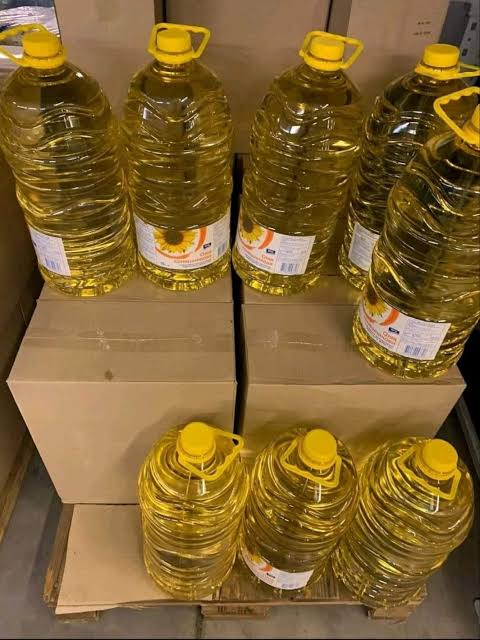
We get some version of this question on almost every sunflower oil inquiry: what’s actually different between the crude stuff and the refined stuff, besides price? It’s a fair question, and it deserves a real answer instead of a marketing paragraph, because the difference between crude and refined sunflower oil determines what you can legally sell it as, how it performs in your process, and how much you should be paying for it.
This is a practical breakdown of crude vs refined sunflower oil, written by people who ship both grades every week, not a lab textbook.
People searching for information on crude vs refined sunflower oil are usually trying to solve one of two problems: either they’ve been quoted both grades and don’t know why the prices are so far apart, or they’re not sure which grade actually fits what they’re building or selling. Both questions have real answers, and neither one is answered well by a generic ingredient glossary.
In this guide:
- What Crude Sunflower Oil Actually Is
- What Refined Sunflower Oil Actually Is
- The Specification Differences That Actually Matter
- Why the Price Gap Exists
- Which Grade You Should Actually Be Buying
- High Oleic Sunflower Oil: A Separate Variable
- Packaging and Shipping: Does the Grade Change Anything?
- Certification and Documentation by Grade
- How Testing Standards Keep Both Grades Honest
- Common Mistakes Buyers Make Comparing Quotes
- Storage and Handling After You Receive It
- What a Typical Order Looks Like
- What a Buyer New to This Should Ask a Supplier
- Frequently Asked Questions
- Getting Started

What Crude Sunflower Oil Actually Is
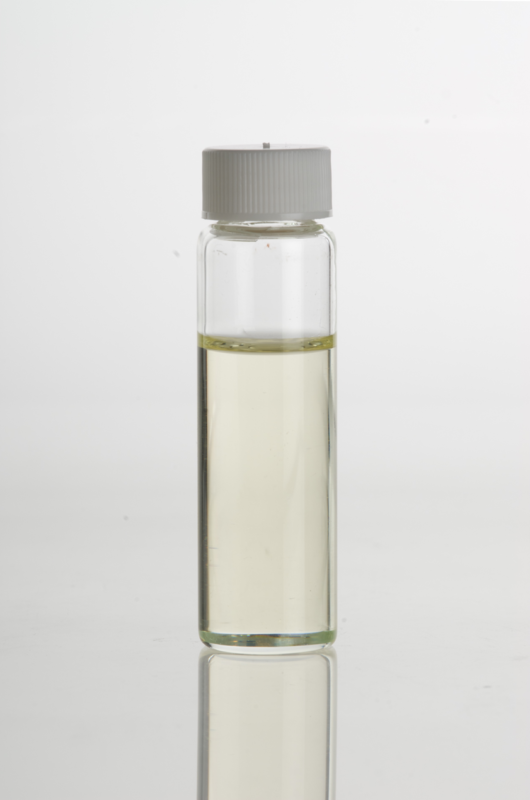
Crude sunflower oil is what comes straight out of the seed after mechanical pressing or solvent extraction, with nothing else done to it. It’s dark, sometimes almost amber or reddish-brown, has a strong seed smell, and carries a load of natural impurities: free fatty acids, phospholipids (the stuff called “gums”), waxes, trace pigments and a bit of moisture. None of that makes it a bad product. It just makes it an unfinished one.
Most crude oil doesn’t go anywhere near a dinner table. It’s a feedstock, bought by refineries, biodiesel producers, and some industrial buyers who process it further themselves. Free fatty acid content in crude sunflower oil typically runs somewhere between 0.5 and 3 percent depending on seed quality and how it was extracted, and that number matters a lot to a buyer, since it tells you almost immediately how much refining loss to expect and how much the oil has degraded before you even bought it.
What Refined Sunflower Oil Actually Is
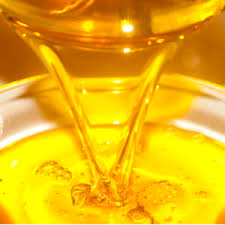
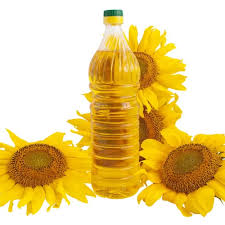
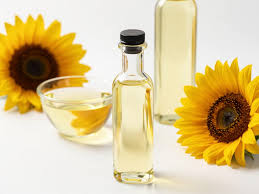
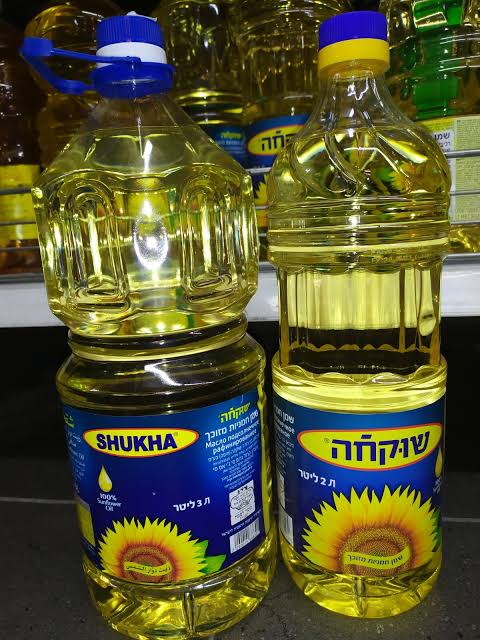
Refined sunflower oil has been through a real process: degumming to strip out the phospholipids, neutralizing to knock down free fatty acids, bleaching to pull out pigments and remaining impurities, and deodorizing under vacuum and high heat to remove odor compounds. What comes out the other end is the pale gold, essentially flavorless oil that shows up in bottles on grocery shelves and in food service kitchens worldwide. The industry shorthand for this is RBD, refined, bleached and deodorized, and it’s the grade most buyers actually mean when they just say “sunflower oil” without qualifying it.
The whole point of the crude vs refined sunflower oil distinction is that refining isn’t cosmetic. It changes the oil’s free fatty acid level down to under 0.3 percent, drops moisture and impurities to a fraction of a percent, and gives you a shelf-stable, food-safe product with a smoke point around 225°C, well above what most frying and baking applications need.
The Specification Differences That Actually Matter
Buyers comparing crude vs refined sunflower oil quotes side by side sometimes get confused when the numbers look wildly different for what they assumed was “the same oil.” They’re not the same oil, and here’s where the gap actually shows up.
Free fatty acid is the clearest marker. Crude sits in the 0.5 to 3 percent range; refined should come in under 0.3 percent, and a supplier quoting refined oil above that number is either cutting corners on neutralization or blending in something you weren’t told about. Moisture and impurities follow the same pattern: crude can run as high as 0.5 to 1 percent combined, while refined oil should sit under 0.1 percent. Color is measured on the Lovibond scale in most spec sheets, and crude oil’s red and yellow values run noticeably higher than refined, which is bleached specifically to bring that number down. Peroxide value, which tells you how oxidized the oil already is, should be under 5 meq/kg for fresh refined oil; crude oil doesn’t always carry a tight peroxide spec at all, since it’s expected to be processed further before it reaches an end consumer.
Iodine value, which measures the degree of unsaturation, stays roughly the same between crude and refined sunflower oil, generally in the 118 to 141 range, since refining doesn’t meaningfully change the fatty acid profile itself. That’s worth knowing because it means the nutritional character of the oil, in terms of its fat composition, isn’t really what changes in refining. What changes is purity, stability, color, smell and food safety.
Why the Price Gap Exists
Refined sunflower oil costs more than crude, and the gap isn’t arbitrary markup. Refining is an actual industrial process with real inputs: energy for the deodorizing step, bleaching earth that gets used up and discarded, caustic soda for neutralization, and processing losses, since you lose a percentage of the oil’s weight at each stage as gums, soapstock and distillate get removed. A refinery running crude down to RBD grade typically loses somewhere between 3 and 6 percent of the original oil weight in the process, and that loss gets built into the refined price.
There’s also a supply chain reality behind the crude vs refined sunflower oil price gap. Crude oil trades closer to a raw commodity, tracking Black Sea sunflower seed crush margins fairly directly. Refined oil carries the added cost of processing capacity, quality control testing at each stage, and the certifications that come with a finished, retail-ready product. A buyer who’s quoted a refined price that’s barely above crude should ask hard questions about what corners got cut.
Which Grade You Should Actually Be Buying
This depends entirely on what you’re doing with the oil, and getting it wrong either wastes money or gets you a product that fails your own quality checks downstream.
Buy crude sunflower oil if you’re a refinery buying feedstock to process yourself, a biodiesel producer, or an industrial buyer with your own refining or further-processing capability. There’s no reason to pay for refining you’re going to redo anyway.
Buy refined sunflower oil if you’re a food manufacturer, food service operator, bottler, or distributor selling directly to consumers or restaurants. You need the shelf stability, the neutral flavor, the food-safety documentation and the consistent smoke point that only RBD grade delivers. Trying to save money by buying crude and skipping proper refining is not a shortcut worth taking in a food product; it’s a recall waiting to happen.
There’s a middle option worth knowing about too: semi-refined oil, which has been through degumming and neutralizing but not full bleaching and deodorizing. Some industrial food applications use semi-refined oil as an input where color and odor matter less than cost, but it’s a smaller slice of the market and worth specifically asking your supplier about if it might fit your use case.
High Oleic Sunflower Oil: A Separate Variable
High oleic sunflower oil deserves its own mention because it crosses the crude vs refined sunflower oil distinction rather than fitting neatly on one side of it. High oleic refers to the seed variety, not the processing grade, bred to produce oil with 80 percent or more oleic acid content instead of the standard 20 to 40 percent range. You can buy high oleic sunflower oil crude or refined, the same way you’d buy standard sunflower oil either way.
What makes high oleic worth the premium buyers pay for it is oxidative stability. It resists rancidity and holds up to repeated high-heat frying far better than standard sunflower oil, which is why it’s become the preferred choice for snack food manufacturers and food service operations running high-volume fryers. If your application involves extended frying life or long shelf storage, it’s worth asking specifically for high oleic refined oil rather than assuming standard refined will perform the same way.
Packaging and Shipping: Does the Grade Change Anything?
Both crude and refined sunflower oil ship the same way in bulk: flexitanks inside standard containers for most orders in the 20 to 24 metric ton range, ISO tank containers for buyers running repeat routes, and drums or IBC totes for smaller test quantities. The grade itself doesn’t change the packaging options, though crude oil sometimes ships in slightly less specialized tank linings since it’s headed for further processing rather than direct food use.
Where the grade does matter is temperature and handling during transit. Refined oil, being more purity-sensitive, gets more attention paid to tank cleanliness and prior-cargo history, since even trace contamination in a shared tank can compromise a food-grade product in a way that matters less for oil headed into further industrial refining.
Certification and Documentation by Grade
Refined sunflower oil destined for food use should always travel with a full documentation package: Certificate of Analysis specific to the batch, ISO 22000 and HACCP certification covering the production facility, Halal certification where relevant to your market, and a certificate of origin. Any supplier offering food-grade refined oil without being able to produce current certificate numbers on request isn’t one worth building a relationship with.
Crude oil destined for industrial refining still travels with a Certificate of Analysis, since the buyer needs to know exactly what they’re working with, but the full food-safety certification package matters less at this stage, since the buyer’s own refining process is what ultimately determines food safety compliance for the finished product.
How Testing Standards Keep Both Grades Honest
None of the numbers in a crude vs refined sunflower oil spec sheet mean much if they’re not measured against a consistent method. Free fatty acid, peroxide value, iodine value and moisture are all tested using standardized methods published by bodies like the American Oil Chemists’ Society, and the general compositional limits for edible sunflower oil trace back to international references like the Codex Alimentarius standard for named vegetable oils. A supplier who tests against recognized methods and can name which one they used for a given number is telling you something real; one who just hands you a figure with no method attached is asking you to take it on faith.
This matters more for refined oil than crude, simply because refined oil is closer to the end consumer and the tolerance for error is smaller. But it’s worth asking about testing methodology on crude orders too, especially if you’re buying crude specifically because your own downstream process is calibrated to a particular starting spec.
Common Mistakes Buyers Make Comparing Quotes
The single most common mistake we see is a buyer comparing a crude sunflower oil price against a refined sunflower oil price as if they’re interchangeable numbers, then wondering why one supplier’s quote looks so much cheaper. It usually isn’t a better deal; it’s a different product. Always confirm the grade explicitly in writing before comparing price across suppliers.
A second mistake is assuming “refined” always means fully RBD. Some suppliers use “refined” loosely to describe semi-refined oil that’s been degummed and neutralized but not bleached or deodorized. If full RBD grade matters for your application, ask for that specific term and the processing steps involved, not just the word “refined” on its own.
A third mistake, more relevant on the crude side, is not asking how fresh the crude oil is. Crude sunflower oil that’s sat in storage for months before you buy it will have higher free fatty acid and peroxide values than freshly extracted crude, even if it was originally decent quality. Ask for production or extraction dates, not just a spec sheet, when you’re buying crude specifically to refine yourself.
Storage and Handling After You Receive It
Whichever grade you order, how you store it after arrival affects how long the specs on your Certificate of Analysis stay accurate. Refined sunflower oil should be kept in sealed, food-grade containers away from direct light and heat, ideally below 25°C, since both light and warmth accelerate oxidation and push peroxide value up over time. Crude oil is somewhat more forgiving given it’s headed for further processing anyway, but it still degrades faster in poor storage conditions, and a buyer who lets crude oil sit too long before refining it is effectively paying to buy a worse starting material than what shipped.
Nitrogen blanketing during storage, where feasible, meaningfully slows oxidation for both grades, and it’s a detail worth asking your own storage facility about if you’re holding significant volume between receipt and use.
What a Typical Order Looks Like
Once you’ve settled on crude vs refined sunflower oil for your specific need, the order process itself is straightforward. You confirm grade, standard or high oleic, volume and destination port, and get a quote reflecting current market pricing. A pre-shipment sample lets you verify the actual batch before committing to a full container, which we’d recommend for any first-time order regardless of grade. Once specs and pricing are confirmed, a deposit secures the order, production or stock allocation follows, and a Certificate of Analysis specific to that batch gets issued alongside the export documentation. Loading, vessel departure and transit typically bring the whole cycle in at two to four weeks before departure, with total transit time depending on your destination — the same shipping fundamentals covered in our guide to sourcing vegetable oil from Thailand.
What a Buyer New to This Should Ask a Supplier
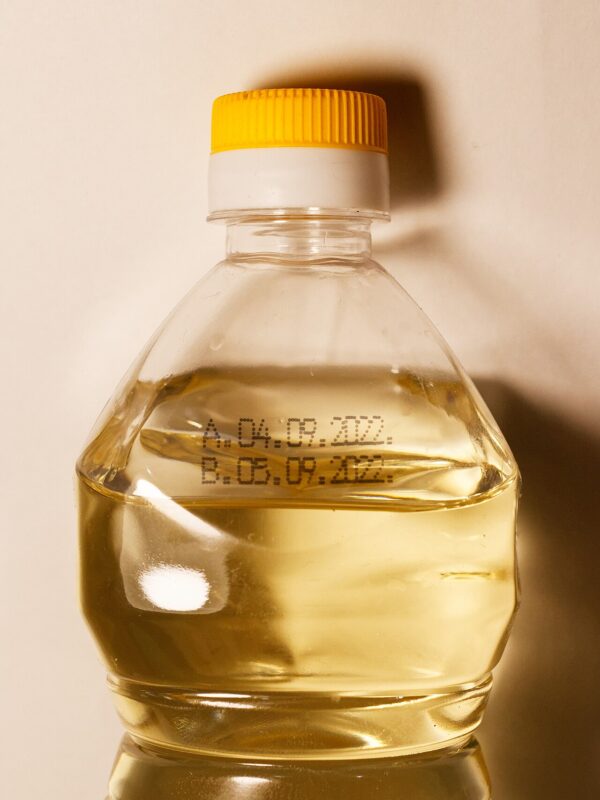
A few direct questions separate a supplier who actually understands the crude vs refined sunflower oil distinction from one just reading off a price sheet. Ask for the specific free fatty acid, moisture and peroxide value numbers for the exact batch you’re buying, not a generic spec sheet. Ask whether the refined oil is fully RBD or semi-refined, since the difference matters and isn’t always volunteered upfront. Ask whether it’s standard or high oleic, since that changes both the price and the performance. And ask how recently it was refined, since even properly processed refined oil has a shelf life and older stock, even if technically within spec, performs worse in extended frying applications than fresh production.
According to general reference material on sunflower oil production, the crude-to-refined process is broadly standardized across the industry, but execution quality varies significantly between suppliers, which is exactly why asking these specific questions matters more than trusting a generic spec sheet.
Frequently Asked Questions
Is refined sunflower oil healthier than crude?
Not in terms of fat composition, since the fatty acid profile barely changes during refining. Refined oil is safer and more consistent for food use because refining removes impurities, reduces free fatty acids, and eliminates compounds that can cause off-flavors or spoilage faster. Crude oil isn’t unhealthy; it’s simply not processed to food-grade purity and stability standards.
Can I buy crude sunflower oil for cooking?
Generally no. Crude oil hasn’t been through the food-safety processing steps that make refined oil suitable for direct consumption, and most food safety regulations in destination markets require refined, bleached and deodorized oil for retail and food service use.
What’s the shelf life difference between crude and refined sunflower oil?
Refined oil, properly stored, typically holds quality for 12 to 18 months. Crude oil has a shorter effective window before its higher free fatty acid and moisture content start accelerating degradation, which is another reason it’s usually processed relatively soon after production rather than held in long-term storage.
Does high oleic always cost more than standard sunflower oil?
Yes, generally, in both crude and refined grades, since the seed variety itself commands a premium and the oxidative stability it delivers is worth paying for in applications with high-heat or extended-shelf-life requirements.
How do I verify the free fatty acid number a supplier quotes me?
Ask for the Certificate of Analysis from the specific batch, not a reference document, and consider requesting an independent lab test on a pre-shipment sample for larger orders. A supplier confident in their numbers won’t hesitate to support either request.
Is semi-refined sunflower oil the same as crude?
No. Semi-refined has been degummed and neutralized, which lowers free fatty acid content meaningfully compared to crude, but it hasn’t been bleached or deodorized, so it still carries more color and odor than fully refined RBD oil.
Can a supplier switch me between crude and refined sunflower oil mid-contract?
Not without your explicit agreement, and any supplier proposing it should explain exactly why and adjust pricing accordingly. Grade should be locked into your purchase agreement in writing, precisely because the crude vs refined sunflower oil distinction has such a direct effect on what you can legally do with the product once it arrives.
Getting Started
If you’re weighing crude vs refined sunflower oil for your next order, the fastest way to get clarity is to tell us your end use and volume, and we’ll recommend the grade that actually fits rather than just quoting whatever’s cheapest. Check current specs on our sunflower oil page, compare it against our other product lines if you’re sourcing more than one oil type, and reach out through our contact page with your destination port and target volume. For buyers newer to bulk sourcing generally, our guide to buying vegetable oil in bulk covers packaging, minimum order quantities and supplier vetting in more depth, and our about us page has more on our certifications and production background.
The grade you choose isn’t a minor detail buried in a spec sheet. It determines what you can legally do with the oil, how it performs, and whether you’re paying a fair price for what you’re actually getting. Knowing the real difference between crude and refined sunflower oil before you place an order is worth more than any price comparison alone, and it’s a conversation we’d rather have with you upfront than after a shipment arrives and doesn’t match what your process actually needed.
Whether you land on crude or refined, standard or high oleic, the underlying question is the same one every serious buyer eventually asks about crude vs refined sunflower oil: does this grade actually match what I’m building, or am I just buying whatever number looked best on a price list. Get that answer right and everything downstream, testing, storage, shelf life, regulatory compliance, gets a lot easier.



4 thoughts on “Crude vs Refined Sunflower Oil: 6 Differences That Matter”