

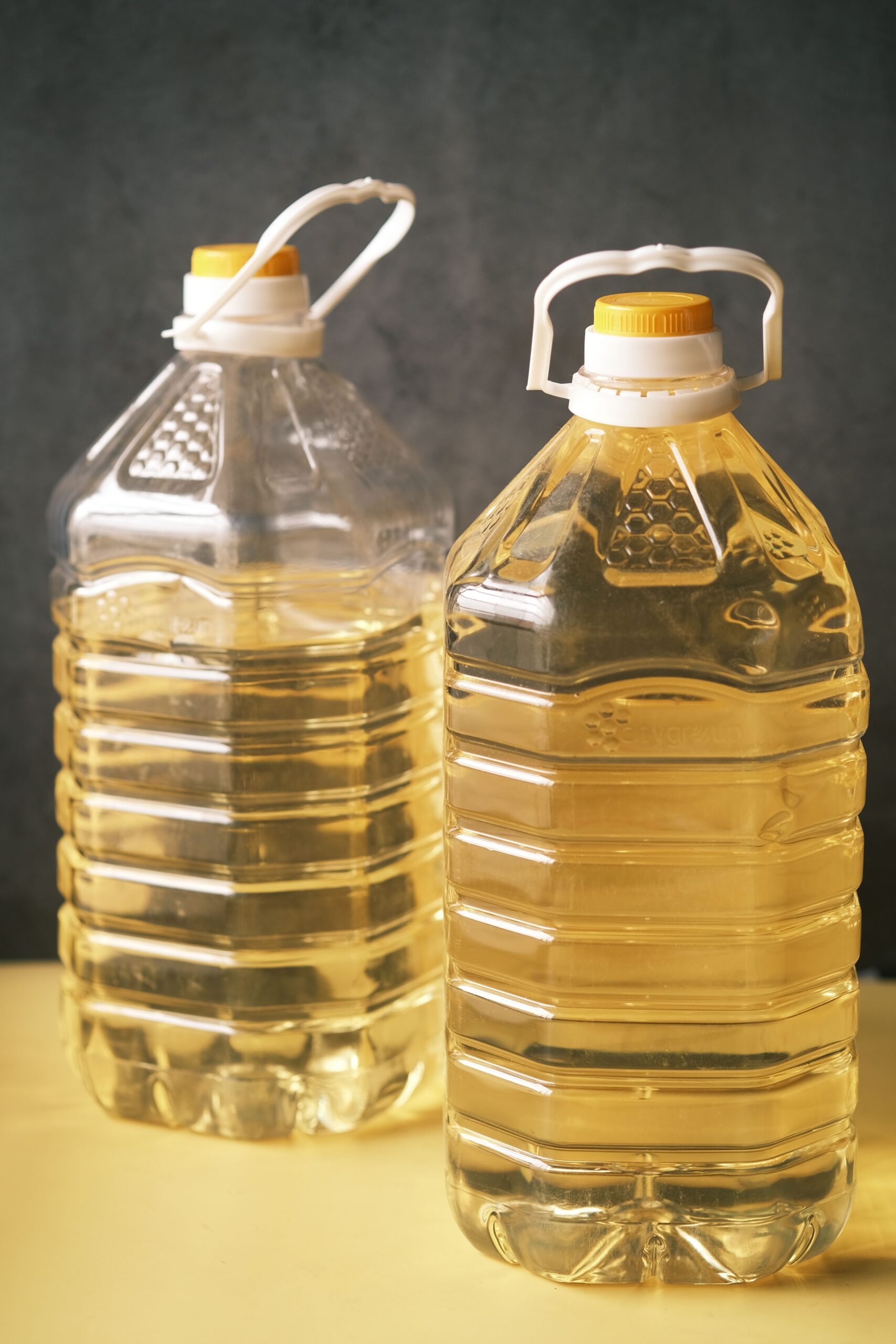
If you’ve ever tried to buy vegetable oil by the container instead of the bottle, you already know the process looks nothing like walking into a grocery store. Pricing isn’t posted anywhere. Specs come as a page of numbers instead of a nutrition label. And the person you’re emailing might be quoting you crude oil loaded at a port you’ve never heard of, headed for a flexitank you’ve never seen a photo of. Working with a bulk vegetable oil supplier means learning a slightly different language, and this guide is meant to get you fluent enough to order with confidence, not just hope the container shows up looking like what you paid for.
We supply sunflower, palm, soybean, canola and coconut oil out of Thailand to food manufacturers, repackers, distributors and HoReCa buyers around the world, so most of what’s below comes from questions we actually get asked on calls, not from a textbook.
In this guide:
- What "Bulk" Actually Means in This Trade
- The Oils We're Talking About
- The Specifications You Should Actually Ask For
- Crude vs Refined, and Why It Changes Your Order
- Packaging and Shipping: What Actually Shows Up at Your Port
- Storage and Shelf Life After Delivery
- Certifications Worth Actually Checking
- MOQ, Lead Time and Incoterms, What to Actually Expect
- How to Vet a Bulk Vegetable Oil Supplier Before You Wire Any Money
- Mistakes We See Buyers Make Most Often
- Why So Many Buyers Source From Thailand
- Questions Buyers Ask Us Most Often
- Getting Started
What “Bulk” Actually Means in This Trade
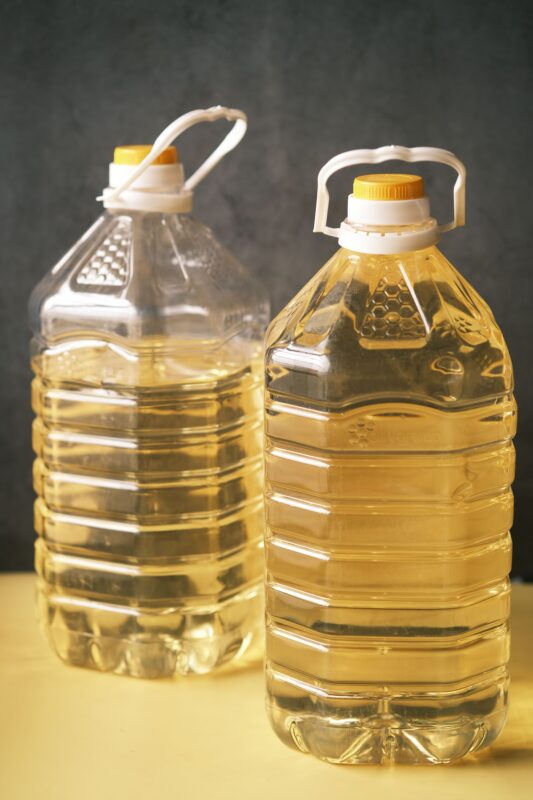
Bulk doesn’t have one fixed number attached to it. For a small repacker testing a new market, bulk might mean a single 20-foot flexitank holding around 20 to 24 metric tons. For a food manufacturer running a production line, it might mean multiple ISO tank containers a month, or a part-cargo booking on a chemical tanker. What separates a bulk vegetable oil supplier from a retail brand isn’t really the volume threshold, it’s that pricing, packaging and documentation are all negotiated per shipment rather than fixed on a shelf.
That negotiation is where most of the confusion happens. Buyers coming from a retail or small-import background sometimes assume “bulk” automatically means cheaper and simpler. It’s usually cheaper per liter, yes, but it’s rarely simpler. There’s a Certificate of Analysis to review, a packaging decision to make, and often a customs classification question specific to your country’s import rules.
The Oils We’re Talking About
“Vegetable oil” gets used as a catch-all term, but buyers sourcing in bulk are almost always asking about one of five oils, each with its own trade characteristics:
- Sunflower oil – crude, refined, high oleic, or organic. The most requested oil from us by a wide margin, mostly because it works across cooking, baking and food processing without much reformulation on the buyer’s end.
- Palm oil – sold as crude (CP0) or refined at different melting-point grades (CP8, CP10). Palm is the one oil on this list where the grade name alone tells you almost nothing without the spec sheet.
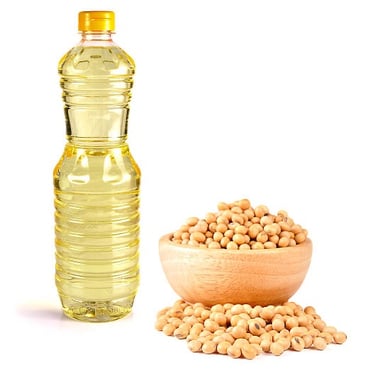
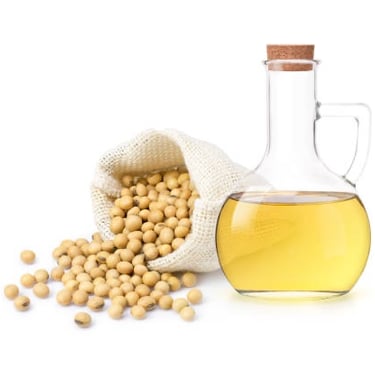
- Soybean oil – crude, refined, or high oleic. Common in snack food and industrial frying applications where oxidative stability matters.
- Canola oil – crude, refined, or RBD. Popular with buyers who need a neutral flavor profile and a lighter color than palm or soy.
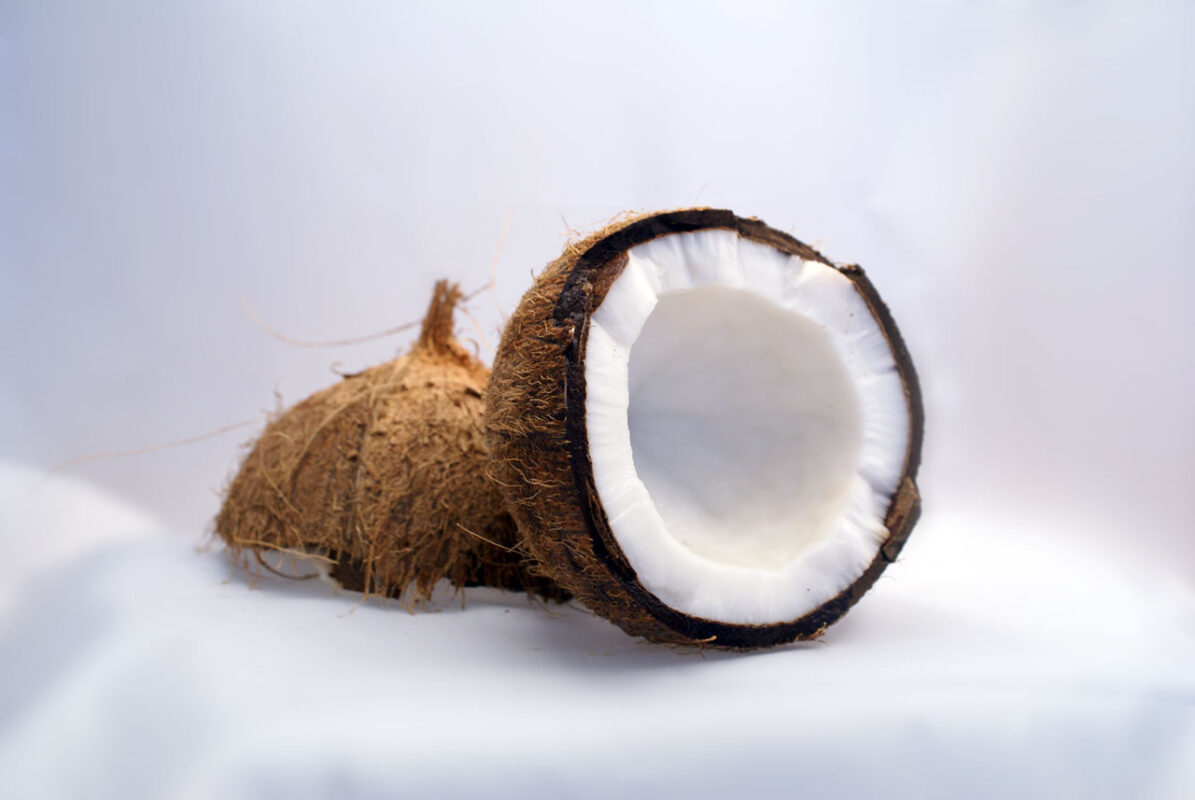
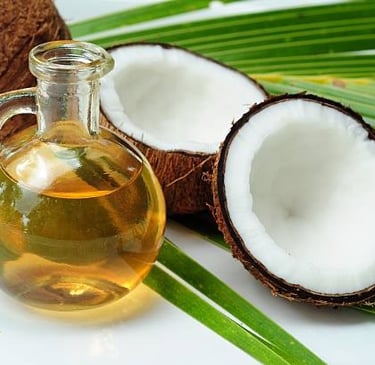
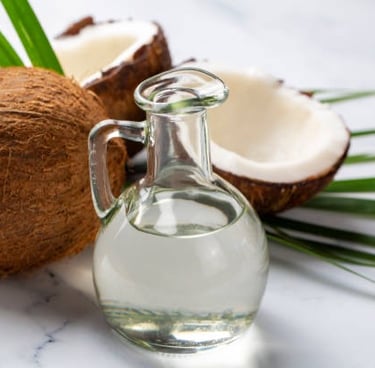
- Coconut oil – crude, RBD, or virgin. This one splits into food-grade and cosmetic-grade buyers, so it’s worth being specific about which you need when you first reach out.
Most of what follows applies to all five, but where the specs diverge sharply, and palm oil is the biggest example, we’ll call it out.
The Specifications You Should Actually Ask For
Every serious bulk vegetable oil supplier will hand you a Certificate of Analysis (COA) before shipment, and every serious buyer should know what’s on it well enough to catch a problem before the container leaves port. Here’s what actually matters, translated out of lab language:
| Spec | What It Tells You | Typical Range (Refined Oil) |
|---|---|---|
| Free Fatty Acid (FFA) | How much the oil has broken down. Lower is fresher and more stable | 0.05% – 0.3% |
| Moisture & Impurities (M&I) | Water and solid particles left in the oil | Below 0.1% |
| Peroxide Value (PV) | Early sign of oxidation, how close the oil is to going rancid | Under 5 meq/kg |
| Iodine Value (IV) | Degree of unsaturation, which affects shelf life and behavior in frying | Varies by oil type |
| Color (Lovibond) | Visual clarity, mostly a buyer preference rather than a safety marker | Oil-specific |
| Melting Point | Critical for palm oil grades (CP8 vs CP10), irrelevant for liquid oils | Grade-dependent |
None of these numbers mean much in isolation. What you’re really doing when you review a COA is comparing it against what your process needs. A bakery running a high-heat process cares more about oxidative stability than a bottler filling retail jugs for a market where the oil turns over fast. If a supplier can’t explain why their FFA or PV number is what it is, that’s worth more attention than the number itself.
One thing we tell every new buyer: ask for a pre-shipment sample before you commit to a full container. It costs a supplier almost nothing to send one, and it costs a buyer a lot to discover a mismatch after the oil has already cleared customs.
How Specs Differ by Oil Type
Iodine value is where the five oils really split from each other, and it’s worth knowing roughly where each one lands so a quote doesn’t sound like a foreign language:
- Sunflower oil usually runs an IV between 118 and 141, on the higher end of the group. High oleic sunflower is the exception, formulated specifically to bring that number down for buyers who need better frying stability.
- Soybean oil sits close to sunflower, typically 120 to 141, and high oleic soybean exists for the same reason as its sunflower counterpart.
- Canola oil falls a bit lower, generally 110 to 126, which is part of why buyers looking for a lighter, more neutral oil tend to land here.
- Palm oil is a different animal entirely, with an IV around 50 to 55. That’s what makes it semi-solid at room temperature and why the CP8 and CP10 grades exist to define exactly how solid.
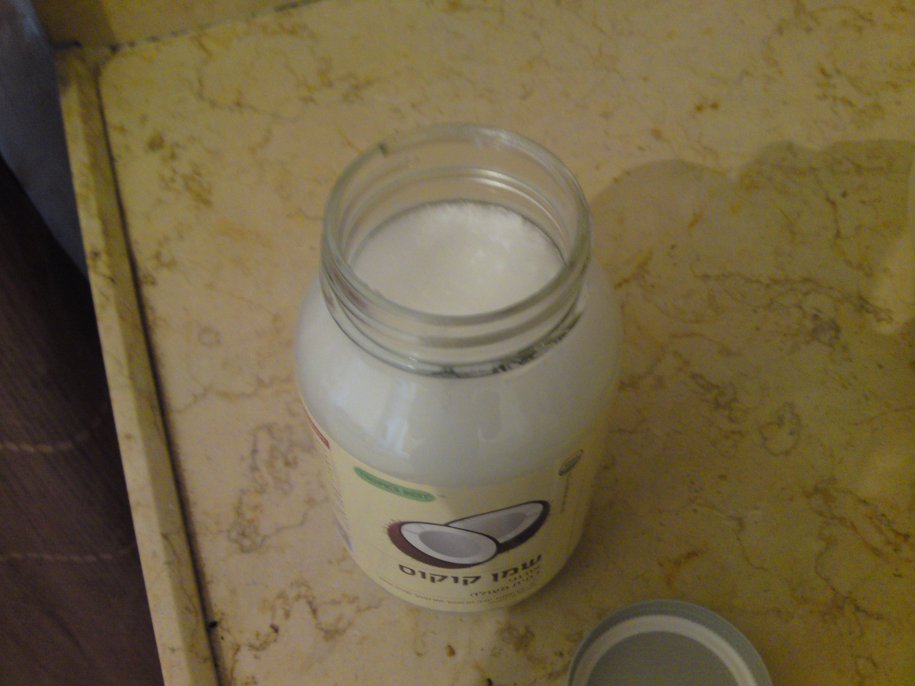
- Coconut oil sits lowest of all, roughly 6 to 11, which explains why it solidifies below about 24°C and why buyers ordering it in cooler climates need to plan for that in transit and storage.
None of this is trivia for its own sake. If a supplier quotes you sunflower oil with an IV in the 50s, something’s wrong with the paperwork, and it’s the kind of thing you can only catch if you know roughly what number to expect.
Crude vs Refined, and Why It Changes Your Order
Crude oil is the oil straight after extraction, unbleached, undeodorized, with the FFA and impurity levels still relatively high. It’s cheaper, and it’s what most refineries and large-scale food manufacturers actually want, because they’re going to process it further on their own end anyway. Refined oil has already gone through degumming, bleaching and deodorizing, so it’s ready to bottle, cook with, or use in food production without further work.
The mistake we see most often is a buyer requesting crude oil because it’s cheaper on paper, without having the refining capacity to actually use it. Crude oil sitting in a warehouse without a refining line behind it isn’t a bargain, it’s a liability, because FFA keeps rising the longer it sits. If you’re not set up to refine, RBD (refined, bleached, deodorized) oil is almost always the better buy even at the higher price. We carry both across most of our range, from crude sunflower and refined sunflower through to crude palm (CP0) and the refined CP8 and CP10 grades, so it’s worth telling us which side of that line you actually need before we send a quote.
Packaging and Shipping: What Actually Shows Up at Your Port
How your oil travels affects both cost and quality on arrival, and it’s one of the first things worth agreeing with any bulk vegetable oil supplier before you ask for a quote rather than after.
Flexitanks are the most common format for buyers ordering 20 to 24 metric tons at a time. A flexible bladder is fitted inside a standard 20-foot container, filled with oil, and shipped like any other container cargo. It’s cost-efficient and doesn’t require specialized port handling on the receiving end, which is why it’s the default choice for most first-time bulk buyers.
ISO tank containers are the stainless-steel option, more expensive to book, but reusable, better sealed, and preferred by buyers who ship the same route repeatedly or who have concerns about flexitank puncture risk during transit.
Drums, usually 180 to 200 kg each, suit buyers who need smaller, more flexible quantities, or whose warehouse isn’t set up to decant from a flexitank. They cost more per liter but remove the need for bulk storage tanks on arrival.
IBC totes, roughly 1,000 liters, sit between drums and full containers, and work well for buyers testing a new oil or supplier relationship before committing to full container volumes.
For very large recurring volumes, think food manufacturers buying hundreds of tons a month, part-cargo or full-cargo shipment on a chemical tanker becomes worth discussing, though that’s a conversation that happens after a few smaller orders have built trust on both sides, not on a first inquiry.
Storage and Shelf Life After Delivery
Getting the oil to your port is only half the job. What happens in your own warehouse in the weeks after determines whether the spec sheet you paid for still holds true when the oil goes into production.
Refined oils generally hold up for 9 to 12 months when kept cool, out of direct light, and sealed against air exposure. Crude oils have a shorter practical window because their higher FFA content means oxidation starts from a less stable baseline. Palm oil brings its own wrinkle: at cooler ambient temperatures it can partially solidify, so tanks and drums may need gentle warming before decanting, not aggressive heat, which can push FFA up faster than the oil would otherwise degrade on its own. Coconut oil is the most temperature-sensitive of the group and will solidify well within a typical warehouse’s cooler months, which is completely normal and reverses with mild warming.
If you’re storing in bulk tanks rather than drums, nitrogen blanketing is worth asking your facility about. It’s a simple step, and it meaningfully slows oxidation for oil that’s going to sit for more than a few weeks before use.
Certifications Worth Actually Checking
ISO 22000, HACCP, GMP and Halal certifications get listed on almost every supplier’s website, ours included, but a logo on a page proves very little on its own. Ask for the certificate number and the certifying body’s name, and check that the certificate hasn’t lapsed. These all need periodic renewal, and a supplier still displaying an expired badge is a bigger red flag than one with no badge at all.
If you want to understand what these standards are actually verifying rather than take a supplier’s word for it, the Codex Alimentarius standard for named vegetable oils, jointly maintained by the FAO and WHO, is the reference point most national food safety regulations are built on. Buyers trading under standard international sale terms also frequently reference the contract forms published by FOSFA International, the industry body most edible oil trade contracts are modeled after.
MOQ, Lead Time and Incoterms, What to Actually Expect
Minimum order quantities for bulk vegetable oil typically start around one flexitank, roughly 20 metric tons, though some suppliers will work with a partial container or IBC-quantity order for a first-time buyer willing to pay a bit more per unit. Lead time from confirmed order to vessel departure usually runs two to four weeks, depending on production scheduling and port availability, longer around regional holidays, which is worth asking about directly rather than assuming.
Most quotes come in as FOB (Free On Board) from the origin port, CFR (Cost and Freight) to your destination port, or CIF (Cost, Insurance and Freight), which adds insurance coverage on top of CFR. FOB gives you the most control over freight booking but also the most responsibility if something goes wrong in transit. CIF is simpler for a first-time buyer, even though it usually costs slightly more. The extra cost is often worth it until you’ve built your own freight relationships.
How to Vet a Bulk Vegetable Oil Supplier Before You Wire Any Money
A few checks go a long way toward avoiding the horror stories that circulate in import forums:
- Ask for a recent COA from an actual shipment, not a generic spec sheet pulled from a brochure. Compare the date against when it was issued.
- Request a pre-shipment sample and test it yourself, or send it to a third-party lab, before confirming the full order.
- Ask about third-party inspection at loading. SGS, Intertek, and similar inspection firms are commonly used, and a supplier who’s comfortable with an independent inspector present is usually a supplier confident in what they’re shipping.
- Check the export history, even informally. A supplier who can name the ports and countries they’ve shipped to recently is a very different proposition from one who’s vague about past shipments.
- Get payment terms in writing before you commit, including what happens if a shipment fails inspection on arrival.
None of this is about assuming bad faith. Most suppliers in this trade are straightforward to work with. It’s about building a paper trail so that if something does go wrong, and in international trade, something eventually does, you’re not relying on memory or goodwill to sort it out.
Mistakes We See Buyers Make Most Often
The most common one, across almost every bulk vegetable oil supplier relationship we’ve watched go wrong, is ordering on price alone without asking why one quote is cheaper than another. A lower price sometimes means a thinner margin from an efficient supplier, and sometimes means a lower grade, older stock, or a spec that technically meets the minimum but not what you actually need.
The second is skipping the sample stage to save a week or two of lead time, then discovering a mismatch once the full container has already landed and customs duties are paid. The sample step almost always pays for itself.
The third is not asking about packaging until after price is agreed, then finding out the supplier’s default flexitank setup doesn’t match the buyer’s unloading equipment. That’s a conversation worth having in the first email, not the last one.
Why So Many Buyers Source From Thailand
Thailand sits close to major palm and coconut growing regions, has deep-water port infrastructure at Laem Chabang and Bangkok, and has built up decades of experience exporting edible oils to markets across the Middle East, Europe, the Americas and Asia. That combination of raw material access, port logistics and export experience is why a lot of buyers who start out sourcing from a single-oil supplier eventually consolidate multiple oils, sunflower, palm, soybean, canola, coconut, under one Thai supplier relationship instead of managing five separate ones.
It’s not the only viable sourcing region for a bulk vegetable oil supplier, and buyers with specific origin requirements sometimes need to look elsewhere. But for buyers who want one relationship, one set of documentation standards, and access to more than one oil type without starting from scratch each time, it’s a pattern that shows up often enough to be worth mentioning.
Questions Buyers Ask Us Most Often
What’s the smallest order a bulk vegetable oil supplier will typically accept?
Most suppliers, us included, set the practical floor around one flexitank, about 20 metric tons. Smaller quantities are possible through drums or IBC totes, usually at a higher per-liter cost, and can be a sensible way to test an oil or a relationship before scaling up.
How long does a first order usually take from inquiry to delivery?
Expect somewhere between four and eight weeks total once you account for quoting, sampling, production or loading scheduling, and ocean freight to your port. That timeline shortens on repeat orders once documentation and specs are already agreed.
Can I mix oil types in a single container?
Not in a flexitank or ISO tank, since those are single-product loads. Mixed orders are possible using drums or IBC totes within the same shipment, which is a common approach for buyers who need small volumes of several oils rather than a full container of one.
Do I need a licensed importer to bring in bulk vegetable oil?
Requirements vary by country, and food-grade oil imports usually involve some form of food safety registration on the receiving end. We’re happy to share what documentation we typically provide, but your local customs broker or food safety authority is the right source for what’s required in your specific market.
What happens if the oil that arrives doesn’t match the COA?
This is exactly why a pre-shipment sample and, ideally, a third-party inspection at loading matter. Reputable suppliers will have a process for this already built into their sales terms, and it’s worth asking to see that process in writing before you place a first order.
Getting Started
If you’re evaluating us as a bulk vegetable oil supplier, the easiest next step is to look at the specific oil and grade you need on our products page, then reach out through our contact page with your target volume, destination port and packaging preference. We’ll send a current COA and a quote based on what you actually need, not a generic price list. You can also read more about who we are and how we operate on our about us page before reaching out.
Buying oil by the container is a different skill than buying it by the bottle, but it’s not a hard one to pick up. Ask for the numbers, ask for the sample, and ask why. Most of the rest sorts itself out from there.






4 thoughts on “Bulk Vegetable Oil Supplier – Specifications & Buyer’s Guide”