

A crude degummed soybean oil specification tells you how clean, fresh and refinable a lot of CDSO really is. The key lines are free fatty acids, moisture and volatile matter, insoluble impurities, phosphorus, flash point, colour and the usual identity numbers like iodine value. Get them in writing and you know what your refinery yield will be, whether the oil will leave sludge in your tanks, and whether it fits a biodiesel or renewable diesel plant. Skip them and you find out the hard way.
We export soybean oil from Thailand in crude, crude degummed, refined and high oleic grades. This guide goes through the crude degummed soybean oil specification line by line, explains what degumming does, compares degummed with non-degummed crude, and sets out the spec, packing and documents you get when you buy from us.
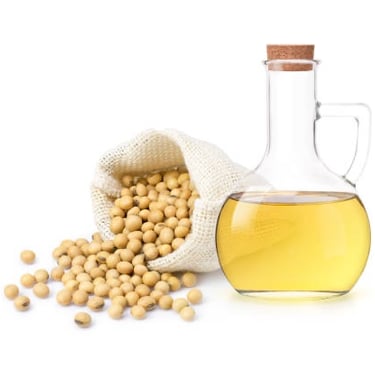
Table of Contents
What Is Crude Degummed Soybean Oil?
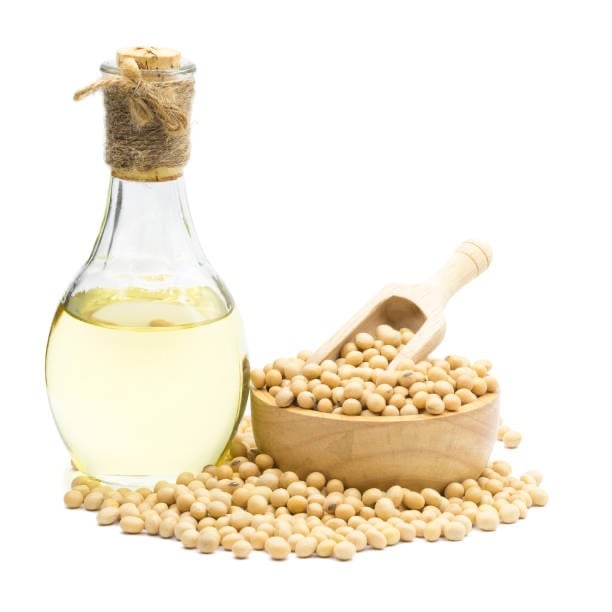
When soybeans are crushed, usually by solvent extraction, the oil that comes out is crude soybean oil. It contains around 2 to 3% phosphatides, often called gums. Left in the oil, these gums absorb water, swell and settle out as a sticky sludge in tanks, pipes and flexitanks.
Degumming removes most of them. In the simplest version, water degumming, hot water is mixed into the crude oil, the gums hydrate and swell, and a centrifuge separates them. The wet gums are often dried and sold as soybean lecithin. What’s left is crude degummed soybean oil, or CDSO, the standard form in which crude soybean oil moves in world trade.
CDSO is still crude oil. It hasn’t been neutralised, bleached or deodorised, so it carries free fatty acids, colour and a beany smell. It goes to:
- Edible oil refineries, to be made into refined soybean oil
- Biodiesel and renewable diesel plants
- Some animal feed and industrial uses
If you want refined oil instead, see our refined soybean oil. For background on soybean oil generally, the soybean oil article on Wikipedia is a good overview.
How Degumming Is Done
Not all degumming is the same, and the method shows up in the phosphorus figure on your crude degummed soybean oil specification.
- Water degumming: the most common for CDSO. Hot water is mixed in, hydratable phosphatides swell and are spun out by centrifuge. It removes most of the gums and gives lecithin as a by-product, but leaves the non-hydratable phosphatides behind. Typical result: about 200 ppm phosphorus or less.
- Acid degumming: a small amount of phosphoric or citric acid is added first to convert non-hydratable phosphatides so they can be removed too. Lower phosphorus, but no food-grade lecithin.
- Enzymatic degumming: enzymes break down the phosphatides, giving very low phosphorus and often better oil yield. Used by some modern plants, especially those making feedstock for biodiesel and renewable diesel or running physical refining.
Most traded CDSO is water degummed. If you need lower phosphorus than standard, ask, because it may need acid or enzymatic treatment and that affects price.
Our Crude Degummed Soybean Oil Specification
Here’s the crude degummed soybean oil specification we offer for export, next to our standard crude (non-degummed) soybean oil so you can see the difference.
| Parameter | Crude degummed soybean oil (CDSO) | Crude soybean oil (non-degummed) |
|---|---|---|
| Appearance | Clear to slightly hazy, yellow to amber liquid | Yellow to amber liquid, may be hazy |
| Odour | Characteristic, slightly beany, free from rancidity | Characteristic, slightly beany, free from rancidity |
| Free fatty acids (as oleic) | 0.75% max | 2.0% max |
| Moisture and volatile matter | 0.20% max | 0.30% max |
| Insoluble impurities | 0.10% max | 0.20% max |
| Phosphorus | 200 ppm max | Not specified (gums 2.5 to 3.0%) |
| Iodine value (Wijs) | 120 to 141 | 120 to 141 |
| Saponification value | 189 to 195 | 189 to 195 |
| Unsaponifiable matter | 1.5% max | 1.5% max |
| Flash point | 121°C min | Not specified |
| Colour (Lovibond 5.25″) | 35 yellow / 3 red max | 35 yellow / 3 red max |
| Shelf life | 6 months, cool and dry | 6 months, cool and dry |
We can tighten any of these on request, for example a lower phosphorus or FFA limit for biodiesel or a premium refinery contract. Our standard crude product is listed at crude soybean oil for sale.
Now let’s go through what each line of the crude degummed soybean oil specification means in practice.
Free Fatty Acids (FFA)
FFA measures fatty acids that have broken off the oil. For soybean oil it’s expressed as oleic acid. In good, fresh CDSO it’s low, typically well under 1%.
Why it matters:
- Refining loss. Every bit of FFA is removed in refining, and some neutral oil goes with it. Lower FFA means better yield.
- Freshness. FFA rises when beans were damaged, wet or stored badly, or when the oil sat warm for a long time.
- Biodiesel. High FFA needs extra pre-treatment before transesterification, which adds cost.
Our limit is 0.75% max. Our post on free fatty acid and peroxide value explains how FFA is tested.
Moisture and Volatile Matter
This is water plus any light volatile compounds, mostly leftover hexane from extraction. A crude degummed soybean oil specification usually caps it at 0.2 to 0.3%.
Why it matters:
- Water drives hydrolysis, which raises FFA during the voyage.
- You pay for oil, not water.
- High volatile matter can point to poor solvent stripping, which is also a safety issue. That’s what the flash point line checks.
Insoluble Impurities
These are solids that don’t dissolve in solvent: fine meal particles, dirt, fibre. In CDSO they should be low, around 0.1% max. High impurities cause sludge, block filters and add to refining losses.
Many contracts combine moisture, volatile matter and impurities into one MIU figure. Ask which way your supplier reports it, so you’re comparing like with like.
Phosphorus
This is the line that really separates a crude degummed soybean oil specification from a plain crude oil spec. Phosphorus is a direct measure of the gums left in the oil. Water degummed CDSO typically comes in at or below about 200 ppm phosphorus. Non-degummed crude is many times higher.
Why it matters:
- Tank and flexitank sludge. Gums settle out, and you pay to clean them.
- Refining. Lower phosphorus means less chemical use, less bleaching earth and better yield, especially for physical refining.
- Biodiesel and renewable diesel. These plants have very tight phosphorus limits on their feedstock, because phosphorus poisons catalysts and affects fuel quality. They often want far lower levels, which means extra degumming or pre-treatment.
If your use is fuel rather than food, tell us your phosphorus limit before we quote.
Iodine Value
Iodine value measures how unsaturated the oil is. Regular soybean oil sits at about 120 to 141, because it’s rich in linoleic acid. It’s mainly an identity check. An IV well outside that range points to blending with another oil, or to a different type of soybean oil, like high oleic, which runs at 85 to 100. See high oleic soybean oil vs regular soybean oil for why.
Saponification Value
The amount of potassium hydroxide needed to saponify a gram of oil. For soybean oil it’s about 189 to 195. Like IV, it confirms identity and helps soap and oleochemical users with their calculations.
Unsaponifiable Matter
The part that doesn’t turn into soap: sterols, tocopherols, squalene and hydrocarbons. Soybean oil is naturally a bit higher than some oils, so a 1.5% limit is normal. A much higher figure can mean contamination with mineral oil.
Flash Point
Flash point is the lowest temperature at which vapour from the oil can ignite. Pure soybean oil has a very high flash point. A low reading means leftover hexane from extraction, which is a safety risk in tanks and during transport. A crude degummed soybean oil specification usually sets a minimum around 121°C. Some contracts set it higher.
Colour
Crude soybean oil is yellow to amber. Colour is measured on the Lovibond scale and tells refiners how much bleaching the oil will need. Dark oil can point to heat damage or damaged beans. Our limit is 35 yellow / 3 red max on a 5.25 inch cell.
Other Parameters You Can Add
Depending on your use, you may want to add:
- Peroxide value, as a freshness check
- Fatty acid profile by GC, to confirm it’s regular, not high oleic, soybean oil
- Chlorophyll, for refineries running physical refining
- Metals like iron and copper, which speed up oxidation
- Sulphur and other limits for renewable diesel feedstock
- GMO status and traceability documents
- Pesticide residues for some food markets
Tell us what you need and we’ll test before loading.
Crude Degummed Soybean Oil Specification for Different Buyers
Different buyers care about different lines. Here’s what we usually see.
| Buyer | Most important lines | Often flexible on |
|---|---|---|
| Edible oil refiners | FFA, phosphorus, colour, moisture | Small changes in unsaponifiables |
| Physical refining plants | Phosphorus, chlorophyll, iron | Slightly higher FFA |
| Biodiesel plants | Phosphorus, FFA, moisture, sulphur | Colour, odour |
| Renewable diesel (HVO) plants | Phosphorus, metals, contaminants | Colour |
| Animal feed users | Moisture, impurities, price | Colour, phosphorus |
| Traders | All standard lines, flash point | Depends on their buyer |
So before you agree a crude degummed soybean oil specification, think about where the oil will end up. A biodiesel buyer should push hard on phosphorus and FFA. A refiner should look closely at colour and chlorophyll too.
Degummed vs Non-Degummed: Which Should You Buy?
| Crude degummed soybean oil | Non-degummed crude soybean oil | |
|---|---|---|
| Gums / phosphorus | Low (about 200 ppm P or less) | High (2.5 to 3.0% gums) |
| Tank sludge | Little | Significant |
| Shipping in flexitanks | Preferred | Risky without care |
| Refining cost | Lower | Higher |
| Suits biodiesel | Yes, with extra pre-treatment for tight limits | Needs full degumming first |
| Price | Higher | Lower |
| Who buys it | Refiners, biodiesel plants, traders | Buyers with their own degumming plant |
For most importers, CDSO is the better buy. Unless you run your own degumming and want the lecithin, paying a little more for degummed oil saves money in sludge, cleaning and refining.
How Crude Degummed Soybean Oil Is Traded
Soybean oil is one of the most traded vegetable oils. Argentina has long been the biggest exporter, with Brazil and the United States also major sellers. Most of it moves as CDSO, either in bulk vessels or in flexitanks and ISO tanks for smaller lots.
Trading rules vary. In the US, the National Oilseed Processors Association publishes trading rules that set out a standard CDSO specification. Internationally, contracts often follow trade association rules covering sampling, analysis and arbitration. Prices move with soybean crops in the Americas, crush margins, biofuel policies and palm oil prices.
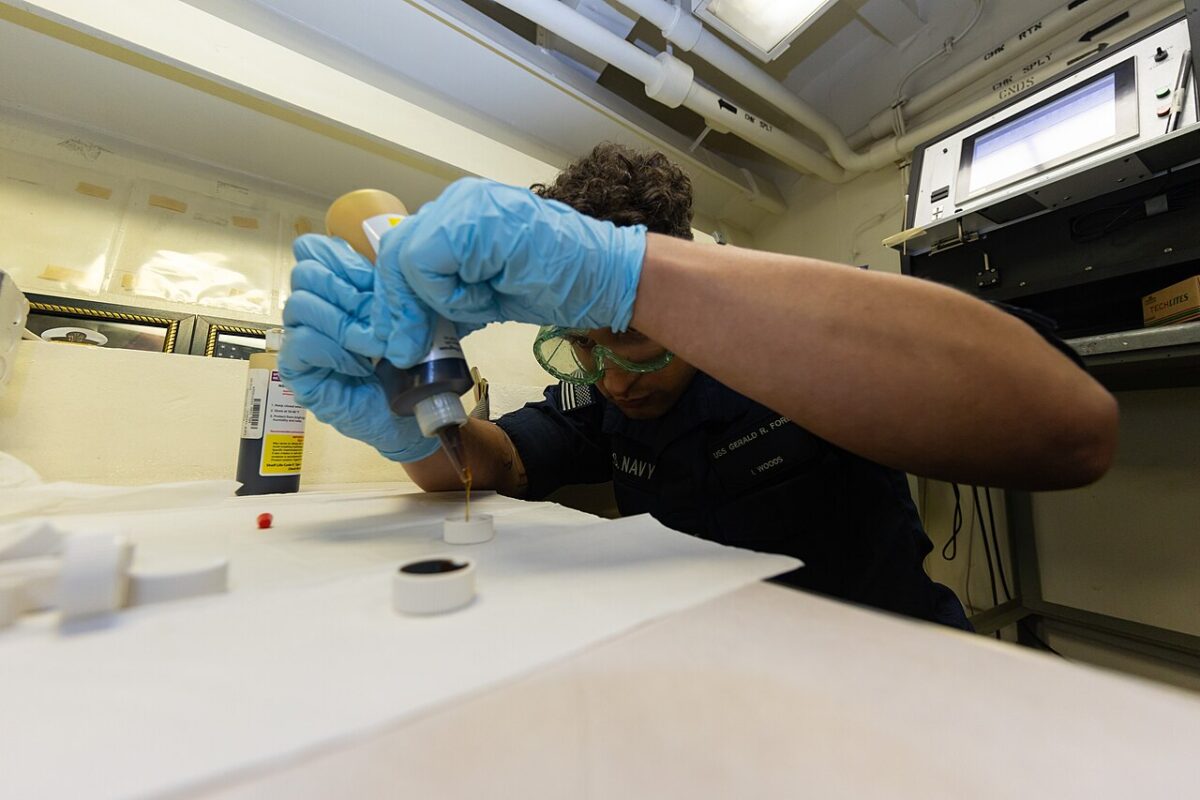
Sampling and Testing
Most disputes over crude oils come from sampling. Gums and water settle to the bottom of tanks, so a top sample looks better than the real lot. Good practice:
- Sample during loading, or at several depths in the tank.
- Mix into a composite, split into sealed samples for buyer, seller and surveyor.
- Keep retained samples for a few months.
- Use standard test methods (AOCS or ISO) and name them in the contract.
For larger orders, book an independent surveyor. See our guide to pre-shipment inspection for edible oil.
Storage and Shipping
CDSO is liquid at normal temperatures, so it doesn’t need heating like palm or coconut oil. It does need:
- Clean, dry, sealed tanks or flexitanks
- Protection from heat and light, ideally below about 30 to 35°C
- Short storage times. Six months is a sensible limit for crude oil.
- No mixing with other oils in the same tank
We ship crude degummed soybean oil in flexitanks (about 20 to 22 tonnes per 20ft container), ISO tanks and 180 to 200 kg steel drums, with custom packing on request. For the pros and cons of each, read flexitank vs ISO tank.
Documents
A typical CDSO shipment from us includes:
- Commercial invoice and packing list
- Bill of lading
- Certificate of origin
- Certificate of analysis against the crude degummed soybean oil specification
- Quality and weight certificate from an independent surveyor, if booked
- Any extra certificates your country requires, such as non-GMO or sustainability documents
For customs, crude soybean oil, whether or not degummed, normally falls under HS 1507.10. See our full list of documents required to import vegetable oil.
What Moves the Price of CDSO
The price of crude degummed soybean oil moves with:
- Soybean harvests in Argentina, Brazil and the United States
- Crush margins, which depend on demand for soybean meal as well as oil
- Biofuel mandates, especially in the US, Brazil and Argentina, which pull large volumes of soybean oil into fuel
- Palm oil prices, since buyers switch between the two when the gap is wide
- Export taxes and policy changes in producing countries
- Freight and the exchange rate
Quality also moves the price of a specific lot. Low FFA, low phosphorus and good colour earn a premium. Lots outside the crude degummed soybean oil specification are usually discounted on a scale written into the contract. For a comparison with palm, see palm oil vs soybean oil.
How to Read a CDSO Certificate of Analysis
A good certificate of analysis should list:
- Contract or order number, product name, lot number and quantity
- Date and place of sampling, and date of analysis
- Each parameter on the crude degummed soybean oil specification, with the test method, the result and the limit
- The lab name and, ideally, its accreditation
- A signature or stamp
Check that every line in your contract appears with a real number. “Complies” alone isn’t enough. If phosphorus is missing from a COA for degummed oil, ask for it before you pay.
Contract Checklist
Before you sign for CDSO, make sure the contract covers:
- Product: crude degummed soybean oil, origin
- The full specification with numbers: FFA, moisture and volatile matter, impurities, phosphorus, flash point, IV, colour and anything else you need
- GMO status, if it matters to you
- Quantity and tolerance
- Packing and delivery terms (FOB, CFR or CIF), and port
- Sampling, analysis and surveyor arrangements
- Discount scale or rejection terms if the oil is out of spec
- Payment terms. Our guide on letter of credit vs TT payment explains the options.
Red Flags
When you compare offers, be careful if you see:
- No phosphorus figure on a product sold as “degummed”
- FFA above 1% with no price discount
- Moisture and impurities combined into one vague “MIU” with no breakdown
- Low or missing flash point
- IV outside 120 to 141 for regular soybean oil
- A seller who won’t allow independent sampling
- A price far below the market. Our post on spotting a fake vegetable oil supplier lists more warning signs.
Why Buy From Thailand
Thailand runs a large soybean crushing and refining industry to supply its own food sector, so refining skills, food safety systems and export logistics are well established. For importers in Asia, the Middle East and Africa, Thai supply means short transit times and the option to combine crude degummed soybean oil with palm, sunflower, canola and coconut oil in one order, under one set of documents.
It’s also a useful second source. When supply from South America gets tight because of weather, export policy or port problems, buyers with a Thai supplier already set up have options. Read more in our guide to vegetable oil export from Thailand.
Our Quality Process for CDSO
Every lot of crude degummed soybean oil we ship goes through the same steps:
- Incoming oil tested for FFA, moisture, phosphorus and colour before it’s accepted into our tanks
- Separate, clean tanks for soybean oil, never shared with other oils without full cleaning
- Composite sampling during loading, with sealed retained samples
- Final COA against the crude degummed soybean oil specification in your contract
- Independent surveyor on request, at your cost or shared, as agreed
Frequently Asked Questions
What is the phosphorus limit for crude degummed soybean oil?
Water degummed CDSO is usually traded at about 200 ppm phosphorus or less. Biodiesel and renewable diesel plants often want much lower, which needs extra treatment.
What is the difference between crude and crude degummed soybean oil?
Crude degummed soybean oil has had most of its gums (phosphatides) removed. Non-degummed crude still carries 2 to 3% gums.
Is crude degummed soybean oil edible?
Not as it is. It needs refining before food use.
What is the shelf life of CDSO?
About 6 months in cool, clean, dry storage. Sooner is better.
What HS code is used for crude degummed soybean oil?
Usually 1507.10, which covers crude soybean oil whether or not degummed. Always check with your customs broker.
Why is CDSO preferred for shipping?
Because the gums are mostly out. Non-degummed crude oil drops sticky sludge in flexitanks and tanks, which is hard to discharge and costs money to clean.
Can I get a lower FFA than 0.75%?
Often, yes. Fresh oil from good beans can run well below that. Tell us your target and we’ll confirm whether the current lot meets it.
Do you test for GMO status?
We can supply GMO status documents and arrange testing if your market requires it. Ask before we quote.
Can you supply CDSO for biodiesel?
Yes. Tell us your phosphorus, FFA, moisture and any other feedstock limits and we’ll quote to them.
Buy Crude Degummed Soybean Oil From Us
If you want a supplier who puts a clear crude degummed soybean oil specification in the contract and lets your surveyor check it, talk to us. We export crude, crude degummed, refined and high oleic soybean oil from Thailand worldwide, in flexitanks, ISO tanks or drums, with full documents and independent inspection on request. All our oils are produced under ISO 22000, HACCP, GMP and Halal.
Send your quantity, packing, destination port and any extra spec points you need. We’ll reply with a price, a full specification sheet and a sample.
Email info@dthcompanyltd.com, WhatsApp +66 91 765 9104, or use our contact page. You can also see our high oleic soybean oil and all our products.


One thought on “Crude Degummed Soybean Oil Specification: Best 2026 Guide”