

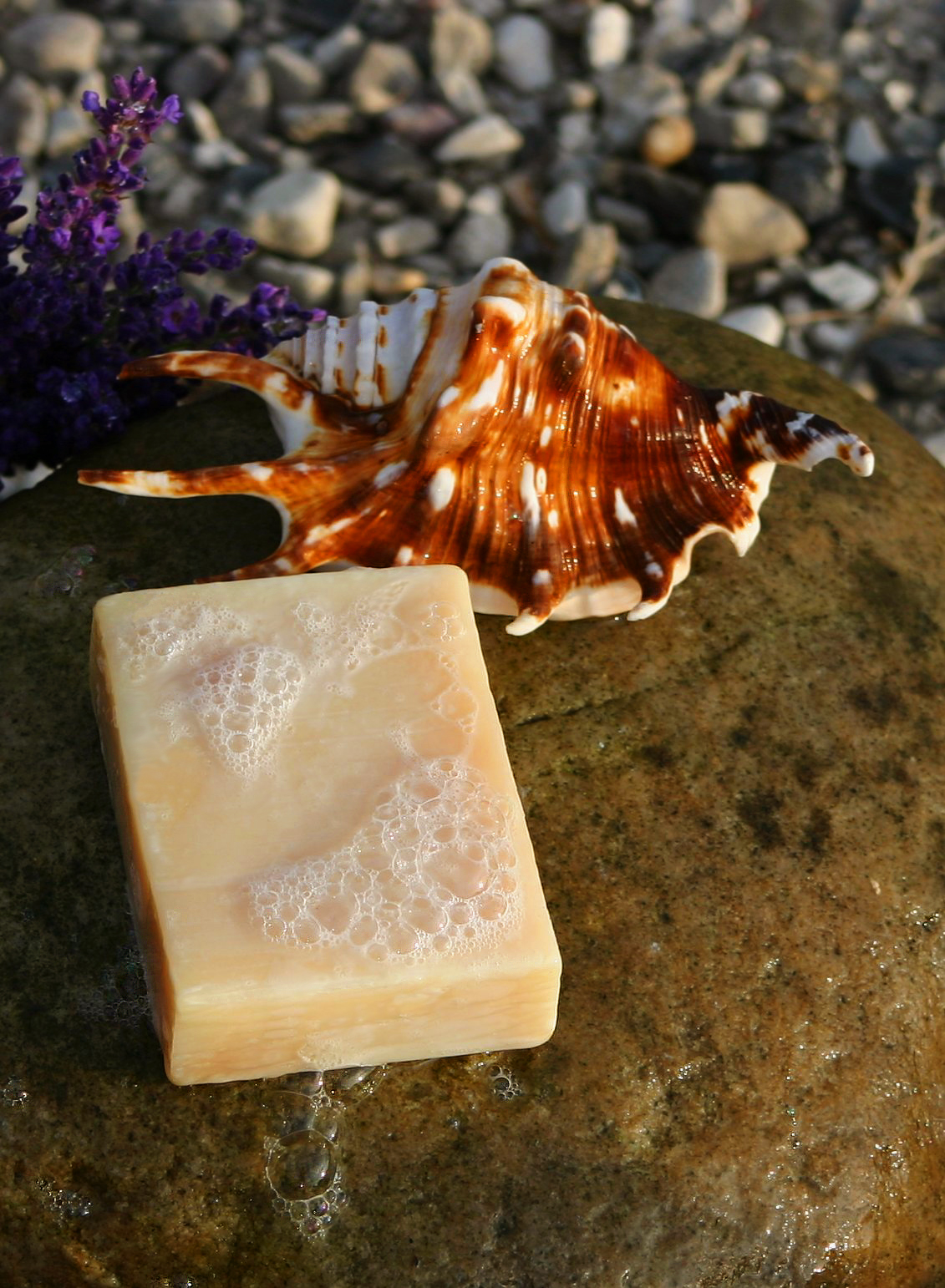
Most people picking up a bar of soap or a tube of lotion have no idea how much of what’s inside started life as a palm fruit. It’s not an ingredient formulators talk about on packaging, mostly because it doesn’t show up as “palm oil” on the label at all, it shows up as a dozen different derivative names that most shoppers wouldn’t connect back to the source.
Palm oil in cosmetics and personal care manufacturing is genuinely everywhere, by most industry estimates it’s an input in the majority of personal care products sold worldwide, from lipstick to shampoo to sunscreen. If you’re formulating or sourcing for a personal care line, this is the rundown of what palm oil actually becomes once it leaves our tanks and enters your process, and which grade you should be asking for.
Table of Contents
Why Formulators Reach for Palm Oil and Its Derivatives
Palm oil isn’t used in cosmetics because it’s cheap, though it usually is cheaper than the alternatives. It’s used because its fatty acid profile, roughly half saturated fat, split mainly between palmitic and stearic acid, happens to match almost exactly what a formulator needs for texture, stability, and skin feel in a huge range of product types.
Stearic acid gives a lotion its body and a bar soap its hardness. Palmitic acid contributes to a creamy, non-greasy skin feel. Glycerol, the backbone that gets split off during processing, becomes glycerin, one of the most widely used humectants in skincare, pulling moisture into the skin and keeping formulas from drying out on the shelf. You get all three from one raw material, which is exactly why palm oil became the oleochemical industry’s default feedstock over the past several decades.
Palm Oil in Cosmetics and Personal Care Manufacturing: The Core Derivatives
When palm oil arrives at an oleochemical plant, it’s split into fatty acids, fatty alcohols, and glycerol through a process called hydrolysis, and each of those three building blocks becomes dozens of downstream ingredients. Understanding a handful of the common ones tells you almost everything about how palm oil in cosmetics and personal care manufacturing actually works on an ingredient list.
Glycerin (also labeled glycerol or vegetable glycerin) is the humectant workhorse, showing up in moisturizers, cleansers, and hair care at concentrations anywhere from trace amounts to double digits. Cosmetic-grade glycerin typically runs 99.5% or higher purity, refined well past the crude glycerin that comes out as a biodiesel co-product.
Stearic acid, usually sold as double- or triple-pressed for cosmetic use, thickens creams and lotions and acts as an emulsifier stabilizer and an opacifying agent in soap bars and shampoo. Cetyl alcohol and stearyl alcohol, both fatty alcohols derived from palm, function as emollients and thickeners; despite the name, they’re waxy solids, not drying alcohols, and they’re what gives a lotion its smooth glide rather than a sticky feel.
Glyceryl stearate, made by combining glycerin with stearic acid, is one of the most common emulsifiers in the industry, holding oil and water phases together in creams and lotions. And sodium palmate, palm oil that’s been saponified directly, is the primary hardening agent in a huge share of the world’s bar soap, giving a bar its structure and a dense, long-lasting lather.
Emulsifiers, Emollients, and Surfactants Explained
These three categories cover most of what palm-derived ingredients actually do in a finished formula, and it’s worth knowing the difference if you’re writing a spec sheet.
Emulsifiers keep oil and water phases from separating, which matters in essentially every cream, lotion, and liquid foundation on the market. Palm-derived glyceryl stearate, PEG-100 stearate, and sorbitan stearate are all common choices, prized for being mild, reliably food-and-cosmetic-safe, and inexpensive relative to synthetic alternatives.
Emollients are what make a product feel smooth and non-greasy on skin. Cetyl palmitate, isopropyl palmitate, and palm-derived triglycerides all fall in this category, and they’re chosen specifically for how they spread and absorb, which varies meaningfully between grades, so a formulator testing a new supplier’s palmitate ester should always run a real skin-feel panel rather than trusting the spec sheet alone.
Surfactants are the cleansing and foaming agents, and this is where palm kernel oil, rather than palm oil itself, does most of the work. Sodium lauryl sulfate and sodium laureth sulfate, the workhorse cleansing agents in shampoo and body wash, are typically derived from lauric acid, which comes overwhelmingly from palm kernel oil and coconut oil rather than the mesocarp oil most people mean when they say “palm oil.”
Where You’ll Find It on a Finished Label
Because palm derivatives rarely appear as “palm oil” on an ingredient list, it’s worth knowing what to look for. Sodium Palmate, Sodium Palm Kernelate, Elaeis Guineensis (the botanical name), Glyceryl Stearate, Cetyl Alcohol, Stearyl Alcohol, Cetyl Palmitate, Stearic Acid, Sodium Lauryl Sulfate, and plain Glycerin can all trace back to palm oil or palm kernel oil, though several of these can also come from other vegetable sources depending on the supplier.
That ambiguity is exactly why regulators in several markets, including the EU under its deforestation-linked commodity rules, have pushed for clearer sourcing disclosure on palm-derived cosmetic ingredients. If your finished product needs to carry a documented palm oil origin, whether for regulatory compliance or a sustainability claim, that traceability needs to be built into your raw material sourcing from the start, not bolted on after the fact.
This is also where a lot of private-label and contract manufacturing relationships get tripped up. A brand owner might assume their co-packer is sourcing a specific plant origin for an ingredient like glycerin or stearic acid, when the co-packer’s own supplier has quietly substituted a cheaper source without flagging the change. If country-of-origin or plant-of-origin matters to your brand’s claims, put it in writing in your manufacturing agreement, not just your raw material purchase order.
Red Palm Oil and Tocotrienols in Skincare
Unrefined red palm oil, left uncolored and unbleached, carries a genuinely notable concentration of carotenoids and vitamin E, specifically tocotrienols, which has made it an increasingly common active ingredient in its own right rather than just a feedstock for derivatives. A well-preserved crude or minimally refined red palm oil can carry 500 to 800-plus ppm of mixed tocopherols and tocotrienols, a vitamin E profile that’s genuinely distinct from the alpha-tocopherol-dominant vitamin E most skincare brands have used historically.
Tocotrienols are getting attention in skincare formulation specifically for their antioxidant activity against UV-driven free radical damage, and a small but growing number of anti-aging serums and after-sun products now list red palm oil or palm tocotrienol extract directly on the ingredient panel as a functional active rather than a background emollient. If you’re formulating in that space, we can supply red palm oil graded specifically for its carotenoid and tocotrienol retention, which is a different sourcing and handling spec than standard RBD palm oil.
Sustainability, RSPO, and “Palm Oil Free” Claims
Palm oil’s land-use footprint gets more scrutiny in personal care than in almost any other category, partly because consumer-facing beauty brands are more exposed to sustainability messaging than industrial food manufacturers. RSPO (Roundtable on Sustainable Palm Oil) certification, covering everything from Identity Preserved to Mass Balance supply chains, is increasingly a baseline requirement for personal care brands selling in Europe and a growing part of North America.
A “palm oil free” claim on a finished cosmetic is trickier than it looks, since so many derivative ingredient names don’t obviously trace back to palm. A brand claiming palm oil free status needs verified alternative sourcing for every derivative on this page’s list, glycerin, stearic acid, the surfactants, not just an absence of “palm oil” as a literal ingredient name. We can supply RSPO-certified palm oil, palm kernel oil, and their major derivatives for brands that need documented, traceable sourcing rather than working around the question.
How Grade Affects Cost
A question we get from smaller or newer brands is why cosmetic-grade stearic acid or glycerin costs noticeably more than the same-sounding ingredient sold into industrial or soap-making channels. The answer is almost always purity and consistency. Cosmetic-grade material is refined to tighter color, odor, and impurity limits, tested batch to batch rather than sampled occasionally, and packaged to avoid any cross-contamination with industrial products, all of which adds cost through the supply chain.
It’s tempting for a startup brand to source the cheaper industrial-grade version of an ingredient to save money on an early production run, but that usually shows up as an odor or stability problem in the finished product within a few months, right around the time you’re trying to build repeat customers rather than field complaints. We stock both grades separately for exactly this reason, and we’ll tell you plainly if an order looks like it’s specifying the wrong one for a leave-on skin product.
Buying in larger volumes does bring the price down meaningfully, and if you’re scaling from a pilot batch to a full production run, it’s worth discussing your volume trajectory with us upfront so we can quote pricing tiers that make sense for where your business is headed, not just where it is today.
Common Sourcing Mistakes in Personal Care
The most frequent mistake we see is a formulator specifying “vegetable glycerin” or “vegetable-derived stearic acid” without confirming the actual plant source, then discovering during a sustainability audit or a customer inquiry that it traces to palm rather than the coconut or soy they assumed. Confirm your source crop in writing at the time of order, not after a customer or auditor asks.
The second is assuming all grades of a derivative are interchangeable. Cosmetic-grade stearic acid, for instance, is refined and pressed to a tighter specification than industrial or soap-grade stearic acid, with lower odor and color for use in leave-on skin products. Ordering the wrong grade to save a small amount per kilogram can show up as an odor or color problem in a finished cream months later.
The third is skipping documentation on a first order. If your brand needs RSPO chain-of-custody paperwork, a certificate of analysis, or allergen and heavy metal testing for a cosmetic-grade raw material, ask for it before the purchase order is placed, not after the shipment lands and your regulatory team needs it for a filing.
Waxes and Specialty Esters Worth Knowing
Beyond the core derivatives, a smaller set of palm-based specialty ingredients shows up in more premium or performance-driven formulations. Palm wax, a fully hydrogenated palm oil fraction, is increasingly used as a plant-based alternative to carnauba or beeswax in lip products, stick formulations, and natural cosmetic lines, prized for a similar hardness and melt profile without an animal-derived or heavily imported source.
Isopropyl palmitate and isopropyl myristate, both palm-derived esters, are common in lighter lotions, sunscreens, and makeup removers specifically because they absorb quickly without the heavier feel of straight triglyceride oils. Polyglyceryl esters, built from palm-derived glycerin chains, are turning up more often in “clean beauty” formulations as a gentler, more naturally derived emulsifier alternative to older PEG-based systems, which some brands are moving away from due to consumer preference rather than any established safety concern.
None of these specialty derivatives are exotic to source, but they usually carry tighter purity and odor specifications than the bulk derivatives used in soap or industrial applications, so it’s worth flagging the finished product category when you request a quote so we send the right grade the first time.
Packaging and Documentation for Cosmetic-Grade Orders
Cosmetic and personal care buyers generally order in smaller volumes than food manufacturers, so packaging skews toward drums and totes rather than flexitanks or ISO tanks, though we can still arrange bulk shipment for larger production runs. Solid derivatives like stearic acid, cetyl alcohol, and palm wax ship as flake, pastille, or block form in fiber drums or bags, while liquids like glycerin and red palm oil ship in food-and-cosmetic-grade drums or totes to avoid any contamination risk from industrial packaging.
Documentation tends to matter more in this category than in bulk food oil trading, since a cosmetic formulator’s regulatory file typically needs a full paper trail: certificate of analysis, safety data sheet, allergen declaration, and often a specific country-of-origin or RSPO chain-of-custody statement depending on where the finished product will be sold. We prepare this documentation set as standard for cosmetic-grade orders rather than treating it as a special request, since we know it’s expected on essentially every order in this category.
How We Test and Certify Every Batch
Every batch of palm oil, palm kernel oil, glycerin, or stearic acid we ship for cosmetic and personal care use carries a certificate of analysis covering purity, free fatty acid, color, odor, and moisture, tested against the cosmetic-grade specification rather than a generic industrial standard. For red palm oil, we additionally confirm carotenoid and vitamin E content on request, since that’s the figure formulators actually care about for an active-ingredient claim.
RSPO documentation, halal certification, and allergen statements are available on request for every product line. If your formulation team wants a sample sized for bench testing before committing to a full order, we’re glad to send one, that’s a completely normal step before a first purchase order in this industry.
Specifications at a Glance
Typical cosmetic-grade specifications for the raw materials we supply into personal care manufacturing.
| Product | Purity / FFA | Color | Typical Use |
|---|---|---|---|
| Cosmetic-Grade RBD Palm Oil | FFA ≤ 0.1% | ≤ 3 Lovibond red | Soap base, emollient feedstock |
| Refined Glycerin (Vegetable) | ≥ 99.5% purity | Water white | Humectant in creams, cleansers |
| Stearic Acid, Triple Pressed | ≥ 90% stearic + palmitic | White flake | Emulsifier stabilizer, soap opacifier |
| Cetyl Alcohol | ≥ 95% purity | White flake/pastille | Emollient, thickener |
| Red Palm Oil (unrefined) | 500–800+ ppm vitamin E | Deep red-orange | Antioxidant active, serums |
We supply all of these worldwide with cosmetic-grade documentation, and if you’re sourcing palm oil in cosmetics and personal care manufacturing for a new formulation, send us your target INCI listing and we’ll confirm exactly which grade and derivative fits.
Frequently Asked Questions
Is palm oil safe to use in skincare products?
Yes. Palm oil and its major derivatives have a long safety record in cosmetic use and are reviewed by bodies like the Cosmetic Ingredient Review panel in the US. As with any raw material, the finished formulation still needs standard safety and stability testing, but palm-derived ingredients themselves aren’t a known irritant class.
Why doesn’t “palm oil” appear on most cosmetic ingredient lists?
Because it’s almost always processed into a derivative before it reaches a formula, glycerin, stearic acid, sodium palmate, and so on, and those derivatives are what get listed by their own INCI names. The botanical name Elaeis Guineensis does appear directly when a formula uses the oil in a less processed form.
What’s the difference between palm oil and palm kernel oil derivatives in cosmetics?
Palm oil derivatives, stearic acid, glycerin, palmitates, mostly show up as emollients and emulsifiers. Palm kernel oil derivatives, built from its lauric acid content, mostly show up as surfactants and foaming agents, like sodium lauryl sulfate. They serve different functional roles in a formula even though both trace back to the same fruit.
Can you supply RSPO-certified raw materials for a “sustainably sourced” claim?
Yes. We supply RSPO-certified palm oil, palm kernel oil, glycerin, and stearic acid under Mass Balance or Identity Preserved chain-of-custody models depending on what your brand’s sustainability claim requires, with the certification paperwork included.
What purity should I request for cosmetic-grade glycerin?
99.5% or higher is standard for leave-on and rinse-off personal care formulations. Lower-purity technical or industrial grades exist but aren’t appropriate for skin-contact products, so always specify cosmetic or USP grade explicitly on your purchase order.
How is red palm oil different from the RBD palm oil used in soap?
Red palm oil is minimally refined, or refined with the carotenoids and vitamin E deliberately preserved, which keeps its deep red-orange color and antioxidant content intact. Standard RBD palm oil used in soap and emollient manufacturing is bleached and deodorized, removing that color and much of the carotenoid content along with it.
Do you supply small batch sizes for R&D and formulation testing?
Yes, we can arrange sample and small-batch quantities for bench testing and formulation development before you commit to a full production order, across palm oil, palm kernel oil, glycerin, and stearic acid.
Is palm-derived glycerin different from glycerin made from other plant oils?
Chemically, refined glycerin is essentially identical regardless of its plant source, since the glycerol molecule itself doesn’t carry traces of the parent oil once refined to cosmetic-grade purity. The distinction matters mainly for sourcing documentation and sustainability claims, not for how the ingredient performs in a formula.
What lead time should I expect for cosmetic-grade orders?
It depends on the derivative and your packaging requirements, but expect longer lead times than a straight commodity palm oil order, since cosmetic-grade materials often require dedicated production runs and additional testing before release. We’ll give you a specific timeline once we know the product, grade, and volume you need.
If you’re building out a personal care line and need to lock down your palm-derived raw materials, tell us your target INCI names and volumes and we’ll confirm grade, documentation, and lead time.
Palm oil in cosmetics and personal care manufacturing isn’t going away anytime soon, given how well its fatty acid profile matches what formulators actually need, so getting your sourcing right from the first order saves a lot of reformulation headaches later.
According to the Wikipedia overview of palm oil, its derivatives are used across an enormous range of personal care and household products worldwide, which matches exactly what we see in the order volumes moving through this category. We ship cosmetic-grade palm oil, palm kernel oil, glycerin, and stearic acid worldwide with full documentation; see our guide to RSPO certified sustainable palm oil for certification details, and our halal certified palm oil supplier guide if that documentation applies to your brand. Reach our team here to get a quote started.
One thought on “Palm Oil in Cosmetics and Personal Care Manufacturing: 7 Essential Facts”