

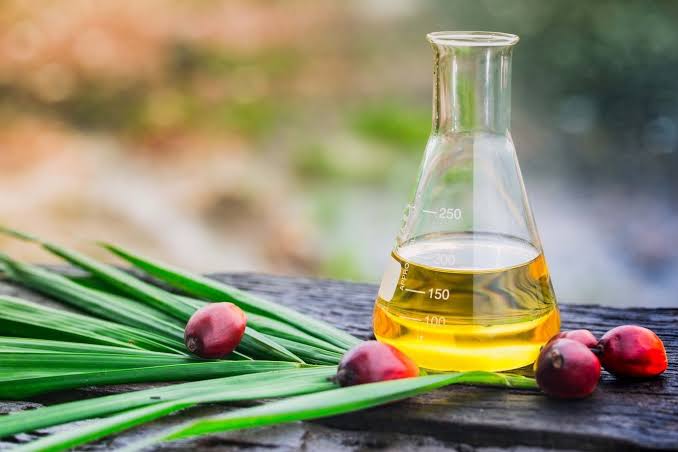
Every buyer eventually asks some version of the same question: how do I know the drum I receive actually matches the spec sheet I was quoted? Refined palm oil quality standards are the answer to that, and they’re not vague marketing language, they’re a specific set of lab numbers, certifications, and testing routines that either back up a claim or don’t. We’re a Thailand-based manufacturer and exporter, and this is the same rundown we walk new buyers through before they place a first order.
This covers the actual parameters that define what a good spec sheet looks like, what each number means for how the oil performs, the certifications that back them up, and how we test and document every batch we ship, wherever in the world it’s headed.

Refined Palm Oil Quality Standards: The Core Parameters
Every legitimate spec sheet starts with the same handful of numbers, because these are what actually predict how the oil will behave in storage, in a fryer, or in a finished formulation. Free fatty acid (FFA) comes first, usually reported as a percentage, and it tells you how much the oil has broken down through hydrolysis. RBD palm oil typically runs 0.1% or lower, and CP8 and CP10 grades are named for approximate FFA-related color and quality bands within that range.
Moisture and impurities matter almost as much, since even small amounts of water left in the oil accelerate hydrolysis during storage and shipping, quietly pushing FFA up over the weeks a container spends at sea. A properly deodorized batch should show moisture and impurities below 0.1%, and we test for it before any drum gets sealed.
Peroxide value (PV) measures early-stage oxidation, the kind that happens before the oil smells or tastes off. A fresh, well-refined batch usually reads under 2 meq/kg, and it’s one of the more sensitive early-warning numbers on a spec sheet, since it moves before anything is visibly wrong with the oil. Iodine value (IV) measures the degree of unsaturation in the fat and stays fairly constant for a given grade, generally in the 50 to 55 range for standard RBD palm oil, so it’s more useful for confirming you’re getting the grade you ordered than for tracking freshness.
Color, measured on a Lovibond scale using red and yellow units, rounds out the core set. This is what CP8 and CP10 actually name: the maximum red color reading allowed for that grade, with CP8 sitting at a lighter, more heavily bleached color band than CP10. Melting point and slip point show up on spec sheets too, particularly for stearin and olein fractions, since they determine how a fat behaves in a specific application like margarine or frying.
What These Numbers Actually Mean for Buyers
None of these numbers exist in isolation, and understanding them really means understanding what each one predicts about the oil’s future, not just its condition on the day it’s tested. FFA and moisture together are the best predictors of shelf life. An oil that starts low on both will hold its spec through a long ocean voyage and months of onward storage, while an oil that starts marginal on either one can drift out of spec before it ever reaches the end user, even if it passed inspection when it left our tanks.
Peroxide value is the number that matters most to a buyer worried about rancidity complaints down the line, since it catches oxidation before it becomes a smell or flavor problem a customer notices. Iodine value matters most to a buyer trying to match a formulation, since a shift in IV outside the expected band usually means the oil isn’t the grade it was sold as, or that it’s been blended.
Color matters for reasons that go beyond appearance in a bottle. A darker-than-spec oil in a food application often signals incomplete bleaching, which usually travels with leftover trace metals and carotenoid breakdown products that shorten shelf life even if the FFA number looks fine on its own. That’s why we don’t treat color as a cosmetic spec, it’s read alongside the other numbers, not instead of them.
Certifications Behind Refined Palm Oil Quality Standards
Lab numbers tell you about a specific batch. Certifications tell you about the system that produced it, and both matter when you’re evaluating a supplier’s overall quality program rather than one shipment at a time. HACCP and ISO 22000 certification confirm that food safety hazards are identified and controlled throughout production, not just checked for at the end. RSPO certification addresses sourcing, confirming that the crude oil feeding into our refinery comes from plantations meeting recognized sustainability criteria.
Halal and Kosher certification matter for specific markets and specific buyers, and we hold both because a meaningful share of our order book depends on them. On the standards-setting side, the Codex Alimentarius commission, run jointly by the FAO and WHO, publishes the international reference standard for edible fats and oils that most national food safety regulations are built on or harmonized against, and it’s the baseline we test against even when a specific buyer’s market has its own additional requirements layered on top.
We can provide documentation for any of these certifications alongside a shipment, and we’d rather a buyer ask to see the actual certificate than take a claim on a spec sheet at face value. If a supplier can’t produce current documentation on request, that’s worth noticing before an order is placed, not after.
Reading a Refined Palm Oil Spec Sheet Line by Line
A lot of buyers, especially on a first order, aren’t quite sure what to actually look for on a spec sheet beyond checking that the numbers exist. These figures are only useful if you know how to read them, so it’s worth walking through a typical sheet the way we’d read one ourselves. Start at the top with product identification: grade (CP8, CP10, olein, stearin), production or batch date, and the standard the oil is tested against. If a sheet doesn’t identify the specific batch, treat that as a red flag rather than a formality.
Next come the core chemistry numbers in order of how much they matter for shelf life: FFA, moisture and impurities, then peroxide value. Compare each figure against your contract’s maximum, not against a generic industry range, since your contract is the number that’s actually enforceable. Iodine value and color come next, and these are mainly about confirming you got the grade you paid for rather than tracking freshness.
The bottom of a proper spec sheet should list the test method used for each parameter (AOCS methods are the common reference) and be signed or stamped by whoever ran the tests, whether that’s an in-house lab or a third-party inspector. A sheet with numbers but no method reference and no accountable signer is easy to produce and hard to trust, and it’s worth asking a supplier directly why that information is missing if you come across one.
How We Test and Document Every Batch
Meeting the standard on paper is one thing. Proving it batch after batch is a different, harder problem, and it’s the one we spend the most operational effort on. We sample at multiple points in the process, not only at the finished-goods stage, so a problem gets caught while it’s still cheap to fix rather than after a container is already loaded.
Every batch is tested for FFA, moisture and impurities, peroxide value, iodine value, and color before it’s approved for loading, and results are logged against production date and storage tank so any shipment can be traced back to its actual test data rather than a generic template. A certificate of analysis (COA) accompanies every shipment, showing the real numbers for that specific batch, not a static reference sheet reused across orders. We go deeper into the exact process behind these numbers, including sampling frequency and what we do when a batch is borderline, in our companion guide on how refined palm oil is manufactured.
If you’re new to reading a COA, the short version is: check that the FFA, moisture, PV, and IV figures fall within the range your contract specifies, confirm the color reading matches the grade you ordered, and check the batch or lot number against your shipping documents so you know the certificate actually belongs to your container and not a different one.
Refined Palm Oil Quality Standards by Grade: CP8, CP10, and CPO
Refined palm oil quality standards aren’t identical across every grade we sell, because CP8, CP10, and crude palm oil are genuinely different products aimed at different uses. CP8 carries the tighter color specification of the two RBD grades and is generally the choice for buyers with stricter visual or brand-consistency requirements. CP10 allows a slightly broader color band and suits buyers for whom color isn’t the deciding factor, often at a modest cost advantage.
Crude palm oil (CPO) is a different case entirely, since it hasn’t been through degumming, bleaching, or deodorization yet, so its quality standards center on FFA at the point of purchase, moisture, and the absence of contamination, rather than the tight color and odor specs that apply to finished RBD oil. Buyers who refine in-house typically have their own incoming-spec requirements for CPO that reflect what their own refining process can handle. We break down the differences between all three products in more detail on our palm oil overview page, alongside our CP10-specific quality breakdown and CP8-specific quality breakdown if you want the grade-level numbers rather than the general overview.
Common Quality Problems and What Causes Them
Most quality complaints we hear about from buyers switching suppliers trace back to a handful of recurring causes, and knowing them helps you ask sharper questions before you commit to an order. Rising FFA in transit is usually a moisture problem at origin rather than something that happens on the ship, since residual moisture in the oil keeps reacting slowly over weeks at sea. A supplier that doesn’t dry the oil thoroughly during deodorization is setting up a complaint that shows up a month later, far from their own facility.
Off odors on opening a drum almost always point back to an incomplete deodorization run, not contamination during transport, since a properly deodorized batch is chemically stable enough that packaging and shipping shouldn’t reintroduce odor compounds on their own. Unexpected color darkening during storage usually means the bleaching stage left residual carotenes or trace metals behind, which keep oxidizing slowly even after the oil looks fine at the point of shipment.
The practical takeaway is that a spec sheet showing good numbers on the day of shipment doesn’t guarantee those numbers hold three months later. That’s why we test conservatively against contract specs rather than to the legal minimum, building in a margin that accounts for a normal shipping timeline rather than assuming the oil will be used the week it’s tested.
Container temperature swings during a long ocean crossing are another factor that catches first-time buyers off guard. Palm oil’s semi-solid nature at room temperature means it can partially solidify and reliquify multiple times over a long voyage depending on the route and season, and while that doesn’t inherently damage the oil, it can cause separation or settling that looks like a quality problem when it’s really just a handling issue that resolves with proper reheating and agitation before use.
We flag this to buyers up front precisely because it’s so commonly mistaken for an actual defect. A drum or flexitank that looks partially separated on arrival isn’t automatically failing refined palm oil quality standards, it usually just needs to be brought back to the right temperature and mixed before the contents are judged or used.
Do Quality Standards Change by Destination Market?
The core chemistry doesn’t change based on where a shipment is headed. FFA, moisture, peroxide value, iodine value, and color mean the same thing whether the destination is a food manufacturer in Europe, a distributor in the Middle East, or a bottling operation in the Americas. What does change is the documentation package a specific market or buyer requires layered on top of those baseline numbers.
Some markets lean heavily on Halal certification, others prioritize RSPO sourcing documentation for retail or brand reasons, and some buyers simply want a longer testing history before they’ll commit to a first large order. We treat refined palm oil quality standards as a fixed technical baseline and treat the paperwork stack as the variable that adjusts to each buyer’s actual requirements, rather than shipping a one-size-fits-all documentation set and hoping it covers what’s needed.
If you’re not sure which certifications or test parameters your market actually requires, that’s a normal question to bring to us before an order rather than something you’re expected to already know. We’d rather sort that out up front than have a shipment held up at customs over a missing document.
We also cover how these same standards intersect with real-world use cases in our guide to refined palm oil applications in the food industry, and how the numbers hold up (or don’t) depending on how the oil is stored, in our piece on refined palm oil storage and handling. Between the three guides, plus our walkthrough of how refined palm oil is made, you should have the full picture from production through to end use.
Our full product catalog lists every grade and packaging format we currently offer if you’re ready to compare options directly.
Frequently Asked Questions
What is considered a good FFA level for refined palm oil?
Below 0.1% is standard for properly refined CP8 or CP10 grade RBD palm oil. Anything meaningfully higher suggests either incomplete refining or quality drift during storage, and it’s one of the first numbers worth checking on any spec sheet.
Why do spec sheets include both peroxide value and iodine value?
They measure different things. Peroxide value tracks early oxidation and freshness, while iodine value confirms the degree of unsaturation typical of the grade you ordered. A supplier that only reports one is giving you half the picture.
Is a Certificate of Analysis the same thing as a certification like HACCP or RSPO?
No. A COA reports the actual lab results for one specific batch. HACCP, ISO 22000, RSPO, Halal, and Kosher are certifications that describe the systems and sourcing behind production generally, not the test results for an individual shipment.
Can refined palm oil quality standards change after the oil leaves the factory?
Yes. FFA and peroxide value in particular can drift upward during a long shipment if moisture or temperature control isn’t handled properly, which is why we test conservatively and why proper storage and handling during transit matters as much as the original refining.
Do CP8 and CP10 have different quality standards, or just different color grades?
The core FFA, moisture, and peroxide specs are similar across both grades. The defining difference is the color band, with CP8 held to a tighter, lighter maximum than CP10.
What testing method is used to check these parameters?
Standard AOCS (American Oil Chemists’ Society) methods are the common reference internationally for testing FFA, moisture, peroxide value, iodine value, and color in edible oils, and that’s the methodology our lab and most third-party inspection labs use.
Should I request third-party inspection in addition to the supplier’s own COA?
For a first order with a new supplier, it’s a reasonable and common request, and a supplier confident in their own numbers shouldn’t object to it. We accommodate third-party inspection at load port when buyers ask for it.
Do refined palm oil quality standards differ for food-grade versus industrial applications?
The refining process and core chemical specs are largely the same, but food-grade shipments carry additional documentation requirements around food safety certification, while industrial-use oil may not need the same certification package.
How often should I request updated lab results if I’m a repeat buyer?
We issue a fresh COA for every single shipment regardless of order history, so a repeat buyer never has to specifically request one. It’s worth confirming that policy with any supplier rather than assuming it, since some rely on periodic rather than per-batch testing.
What happens if a shipment arrives outside the agreed refined palm oil quality standards?
A legitimate supplier should have a documented claims process for exactly this situation, typically involving independent retesting and a resolution tied to the original contract terms. We’d rather a buyer understand our claims process before ordering than find out about it for the first time during a dispute.
If you want to see actual current lab numbers and certification documents rather than general ranges, tell us your grade, volume, and destination and we’ll send over a real spec sheet and COA sample for review.



5 thoughts on “Refined Palm Oil Quality Standards: The Complete Buyer’s Guide”