

Coconut oil vs palm oil is a comparison we get asked about by food factories, soap makers, cosmetic brands and importers every month. Both are tropical oils, both are solid or semi-solid at room temperature in cooler places, and both get lumped together as “saturated fats”. But they come from different parts of different plants, they have very different fatty acids, they behave differently in a fryer or a soap kettle, and they sit at very different prices.
We export both from Thailand: refined palm oil (CP8 and CP10), crude palm oil, and RBD, virgin and crude coconut oil. So we see buyers choose between them every week. This guide explains the real differences in coconut oil vs palm oil, from composition and melting point to uses, price and supply, and lists the specifications you get when you buy either one from us.
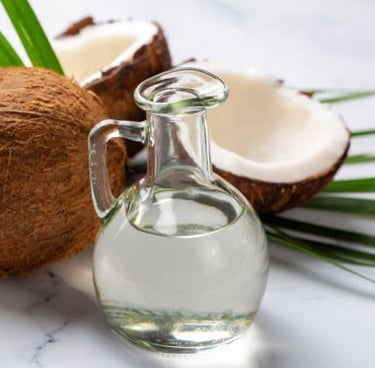
Table of Contents
Coconut Oil vs Palm Oil in Short
If you’re in a hurry:
- Coconut oil comes from the white meat of the coconut. Palm oil comes from the orange-red flesh of the oil palm fruit.
- Coconut oil is about 90% saturated fat and is rich in lauric acid. Palm oil is about 50% saturated, mostly palmitic acid, with a lot of oleic acid too.
- Coconut oil melts at around 24 to 26°C. Palm oil melts at around 33 to 39°C, though palm olein (the liquid fraction) stays clear much lower.
- Palm oil is the world’s most produced vegetable oil and is much cheaper. Coconut oil is a small, specialty market and usually costs far more per tonne.
- Coconut oil is the go-to for soap lather, lauric-based cosmetics, coconut flavour and some confectionery. Palm oil is the workhorse for frying, margarine, shortening, bakery, snacks and huge volumes of processed food.
Where Each Oil Comes From
Coconut oil
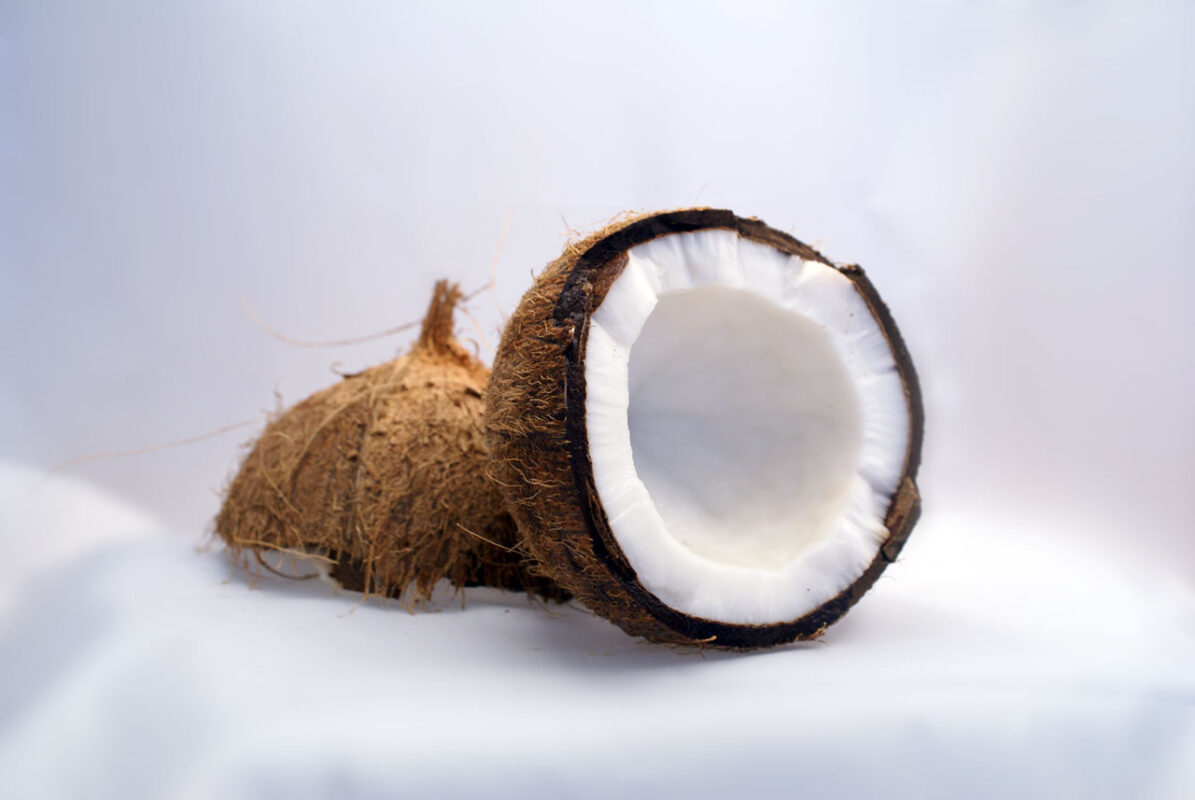
Coconut oil is pressed from coconut meat. Most of it comes from copra, the dried meat, which gives crude coconut oil that’s then refined into RBD coconut oil. A smaller amount is virgin coconut oil, pressed from fresh meat without refining. The Philippines and Indonesia make most of the world’s coconut oil, with India, Sri Lanka, Vietnam, Thailand and Pacific islands adding the rest.
If you want to go deeper on the coconut side, see our guides to RBD coconut oil vs virgin coconut oil and crude coconut oil specification.
Palm oil
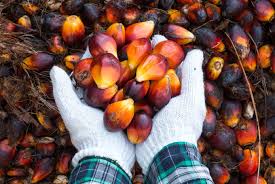
Palm oil comes from the fleshy part (mesocarp) of the oil palm fruit. The fruit bunches are sterilised, the oil is pressed out as crude palm oil, and then it’s refined into RBD palm oil and often split (fractionated) into liquid palm olein and solid palm stearin. Indonesia and Malaysia produce most of the world’s palm oil, with Thailand the third largest producer.
The kernel inside the palm fruit gives a different oil, palm kernel oil, which is actually much closer to coconut oil than to palm oil. More on that below.
Coconut Oil and Palm Oil in World Trade
Some quick context helps when you think about supply. Palm oil is the biggest vegetable oil in the world by volume, with global production of roughly 75 to 80 million tonnes a year, most of it from Indonesia and Malaysia. Coconut oil is a fraction of that, usually around 3 to 4 million tonnes a year, mostly from the Philippines and Indonesia.
That difference in scale explains a lot about palm oil vs coconut oil. Palm oil has deep, liquid markets, many sellers, regular price benchmarks and plenty of refining capacity. Coconut oil has fewer sellers, more exposure to weather and smallholder supply, and bigger swings in price. If you need tens of thousands of tonnes a year at a steady price, palm is far easier to source. The palm oil article on Wikipedia gives a good overview of how the industry works.
Fatty Acid Composition
This is where coconut oil vs palm oil really splits apart. Typical figures:
| Fatty acid | Coconut oil (%) | Palm oil (%) |
|---|---|---|
| Caprylic and capric (C8, C10) | About 10 to 18 | Trace |
| Lauric (C12:0) | About 45 to 53 | Under 0.5 |
| Myristic (C14:0) | About 17 to 21 | About 1 |
| Palmitic (C16:0) | About 8 to 10 | About 40 to 46 |
| Stearic (C18:0) | About 2 to 4 | About 4 to 6 |
| Oleic (C18:1) | About 5 to 10 | About 37 to 42 |
| Linoleic (C18:2) | About 1 to 2.5 | About 9 to 12 |
| Total saturated | About 90 | About 50 |
So in the coconut oil vs palm oil comparison, coconut oil is mostly short and medium chain saturated fats, led by lauric acid. Palm oil is a roughly even mix of saturated fat (mainly palmitic) and unsaturated fat (mainly oleic). Those reference ranges come from the international standard for named vegetable oils published by the Codex Alimentarius.
Key Specification Differences
The chemistry shows up in the lab numbers too.
| Parameter | RBD coconut oil | RBD palm oil |
|---|---|---|
| Iodine value (Wijs) | 6 to 11 | 50 to 55 |
| Saponification value | 248 to 265 | 195 to 205 |
| Melting point | About 24 to 26°C | 33 to 39°C |
| Free fatty acids | 0.1% max (as lauric) | 0.10% max (as palmitic) |
| Peroxide value | 1.0 meq O2/kg max | 10 meq O2/kg max (typical 5 or less) |
| Colour (Lovibond 5.25″) | Water clear | 3.0 red max |
| Shelf life | 18 to 24 months | 12 to 18 months |
Two numbers matter most when you’re checking you got the right oil. Iodine value is very low for coconut and much higher for palm. Saponification value is very high for coconut and normal for palm. If a “coconut oil” sample comes back with an IV of 40, something’s wrong.
Difference 1: Melting Point and Texture
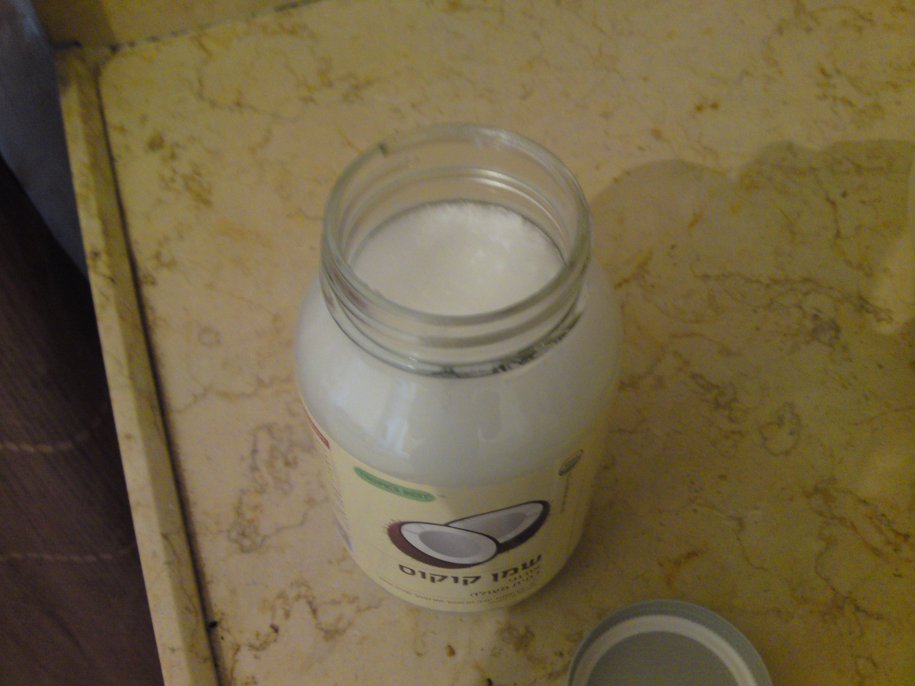
Coconut oil has a sharp melting point at around 24 to 26°C. Below that it’s a hard white solid. Above it, it melts quickly into a clear liquid. That sharp melt is why coconut oil (and palm kernel oil) is used in chocolate coatings, ice cream coatings and non-dairy creamers: it’s firm on the shelf and melts cleanly in the mouth.
Palm oil melts over a wider range, roughly 33 to 39°C, and sits as a soft semi-solid at room temperature in cool countries. That plastic texture is why palm oil and palm stearin are so good for margarine, shortening and bakery fats. Palm olein, the liquid fraction, stays clear down to around 8 to 10°C, which is what the CP8 and CP10 grades refer to. See palm stearin vs palm olein for more on fractions.
Difference 2: Frying
In frying, coconut oil and palm oil both hold up well because they’re low in polyunsaturated fat. In practice:
- Palm olein is one of the most used frying oils in the world. It’s cheap, stable, has a high smoke point after refining, and gives crisp food. Snack factories, instant noodle makers and fast food chains across Asia, Africa and the Middle East run on it.
- RBD coconut oil also fries well and is very stable, but it’s far more expensive, so it’s mostly used where the price is justified, or in some regional cuisines.
So in the coconut oil vs palm oil choice for frying, palm olein wins on price almost every time. Our cooking oil smoke point chart compares them with other oils.
Difference 3: Soap and Detergents
This is where coconut oil earns its price. Lauric acid gives fast, big, fluffy lather, even in hard water. Palm oil gives a hard, long lasting bar with creamy, low lather. That’s why most soap formulas use both: palm oil (or palm stearin) for hardness and body, coconut oil (or palm kernel oil) for lather.
A typical toilet soap blend might be around 80% palm and 20% coconut or palm kernel oil. Change the ratio and you change the bar. Soap makers read the saponification values of both carefully to get the lye right.
Difference 4: Cosmetics and Personal Care
In personal care, the palm oil vs coconut oil picture is more mixed. Coconut oil and its derivatives (fatty acids, fatty alcohols, glycerides) show up in shampoos, body washes, lotions, lip balms and hair oils. Virgin coconut oil is popular in natural skincare.
Palm oil and palm kernel oil are also huge in personal care, mostly as raw material for emulsifiers, surfactants and glycerine. Many buyers don’t realise how much of their shampoo starts as palm. Our post on palm oil in cosmetics and personal care manufacturing explains this.
Difference 5: Food Uses
| Food use | Usually coconut oil | Usually palm oil |
|---|---|---|
| Deep frying, snacks, noodles | Yes (palm olein) | |
| Margarine and shortening | Yes | |
| Bakery fats, biscuits | Sometimes | Yes |
| Chocolate and confectionery coatings | Yes (lauric) | Sometimes (fractions) |
| Non-dairy creamers and whipped toppings | Yes | Sometimes |
| Ice cream coatings | Yes | |
| Coconut flavoured products | Yes (virgin) | |
| Ready meals, sauces, soups | Yes | |
| Infant formula | Sometimes | Sometimes |
Difference 6: Price
For most buyers, this is the big one in coconut oil vs palm oil. Palm oil is produced in enormous volumes, tens of millions of tonnes a year, more than any other vegetable oil. Coconut oil is a much smaller market, a few million tonnes a year. So palm oil is almost always much cheaper.
The gap moves around. When copra supply is tight, as it was through 2024 and 2025 after dry weather hit the Philippines and Indonesia, coconut oil can trade many hundreds of dollars a tonne above palm oil. Palm oil prices move with Indonesian and Malaysian output, export levies, biodiesel mandates and crude oil prices. For the palm side, see palm oil wholesale price factors.
The practical result: if a product works with palm oil, it’s almost always cheaper to use palm. Coconut oil is bought when its specific properties (lauric acid, sharp melt, coconut flavour or “coconut” on the label) are worth paying for.
Difference 7: Supply and Sustainability
Supply is another area where coconut oil and palm oil part ways. Palm oil supply is huge and steady, but it comes with sustainability questions, which is why certification schemes exist. Many buyers in Europe and North America ask for certified sustainable palm oil. See our guide to RSPO certified sustainable palm oil.
Coconut supply is spread across millions of smallholders, often on old trees, and it reacts strongly to weather. It’s less in the spotlight for deforestation, but supply can be patchy and prices volatile.
Coconut Oil vs Palm Kernel Oil
People often mix this up, so it’s worth a short note. Palm kernel oil, from the seed inside the palm fruit, is a lauric oil like coconut oil. Its fatty acid profile and lab numbers are much closer to coconut oil than to palm oil. In soap, oleochemicals and confectionery fats, palm kernel oil is the main substitute for coconut oil, and their prices tend to move together. Our post on palm kernel oil vs palm oil covers it in detail.
So if you’re comparing coconut oil vs palm oil because coconut has got expensive, the real alternative may be palm kernel oil, not palm oil.
Blending Coconut Oil and Palm Oil
A lot of buyers don’t actually have to choose. Coconut oil and palm oil are blended all the time, and getting the blend right is where the savings are.
- Soap: palm gives hardness and a long lasting bar, coconut gives lather. Ratios from 90:10 to 70:30 palm to coconut are common. More coconut means more lather but a softer bar that dissolves faster.
- Confectionery and bakery: small amounts of coconut oil can sharpen the melt of a palm-based fat. Some biscuit creams and fillings use both.
- Frying: some regional snack makers add coconut oil to palm olein for flavour. It’s not common for cost reasons, but it happens.
- Cosmetics: base creams often combine fractions and derivatives of both oils.
When coconut oil gets expensive, many soap and cosmetic makers shift their palm oil vs coconut oil ratio towards palm, or replace part of the coconut with palm kernel oil. If you’re planning a reformulation, we can send samples of both so you can test at different ratios.
Storage and Handling
Both oils are stable, but they need different handling temperatures.
| Coconut oil | Palm oil (RBD) | Palm olein (CP8/CP10) | |
|---|---|---|---|
| Solid below about | 24°C | 33°C | 8 to 10°C (clouds) |
| Bulk storage temperature | 30 to 35°C | 40 to 45°C | Ambient in warm climates |
| Pumping temperature | About 35 to 40°C | About 45 to 55°C | Ambient to slightly warm |
| Main risk | Moisture raising FFA | Overheating, oxidation | Clouding in cold weather |
Don’t overheat either one. Heating far above what you need speeds up oxidation and darkens the oil. Keep tanks clean and dry, and never mix coconut oil and palm oil in the same tank by accident. Even small amounts of one in the other change the melting behaviour. Our guide to refined palm oil storage and handling goes into more detail.
Labelling, Halal and Certification
Coconut oil and palm oil are both plant oils and both are naturally Halal and suitable for vegetarian and vegan products, as long as they’re processed in clean, certified plants. Ours are produced under ISO 22000, HACCP, GMP and Halal.
On labels, most countries require you to name the oil. In some markets, “vegetable oil” alone is no longer enough, and you need to say palm or coconut. Check your local rules. For palm oil, many retailers in Europe and North America also ask for sustainability certification.
Which Should You Buy?
| Your need | Better choice |
|---|---|
| Cheapest stable frying oil | Palm olein (CP8 or CP10) |
| Margarine, shortening, bakery fat | Palm oil or palm stearin |
| Big, quick soap lather | Coconut oil (or palm kernel oil) |
| Hard, long lasting soap bar | Palm oil, blended with coconut |
| Chocolate or ice cream coatings | Coconut oil (or palm kernel oil) |
| Natural skincare with coconut aroma | Virgin coconut oil |
| Neutral cosmetic base oil | RBD coconut oil |
| Large volume processed food | Palm oil |
| Products sold as “coconut” | Coconut oil |
Our Specifications
Here’s what we supply for coconut oil and palm oil, on both sides of the coconut oil vs palm oil question.
RBD Coconut Oil
| Parameter | Specification |
|---|---|
| Appearance | Clear, colourless to pale yellow liquid |
| Free fatty acids (as lauric) | 0.1% max |
| Moisture and impurities | 0.1% max |
| Peroxide value | 1.0 meq O2/kg max |
| Iodine value (Wijs) | 6 to 11 |
| Saponification value | 248 to 265 |
| Shelf life | 18 to 24 months |
See RBD coconut oil for sale, plus virgin coconut oil and crude coconut oil.
Refined Palm Oil
| Parameter | Specification |
|---|---|
| Appearance | Clear, light yellow liquid |
| Free fatty acids (as palmitic) | 0.10% max |
| Moisture and volatile matter | 0.10% max |
| Insoluble impurities | 0.05% max |
| Peroxide value | 10 meq O2/kg max (typical 5 or less) |
| Iodine value | 50 to 55 |
| Saponification value | 195 to 205 |
| Colour (Lovibond 5.25″) | 3.0 red max |
| Shelf life | 12 to 18 months |
See refined palm oil CP10, refined palm oil CP8 and crude palm oil.
All our oils are produced under ISO 22000, HACCP, GMP and Halal.
Packing and Shipping
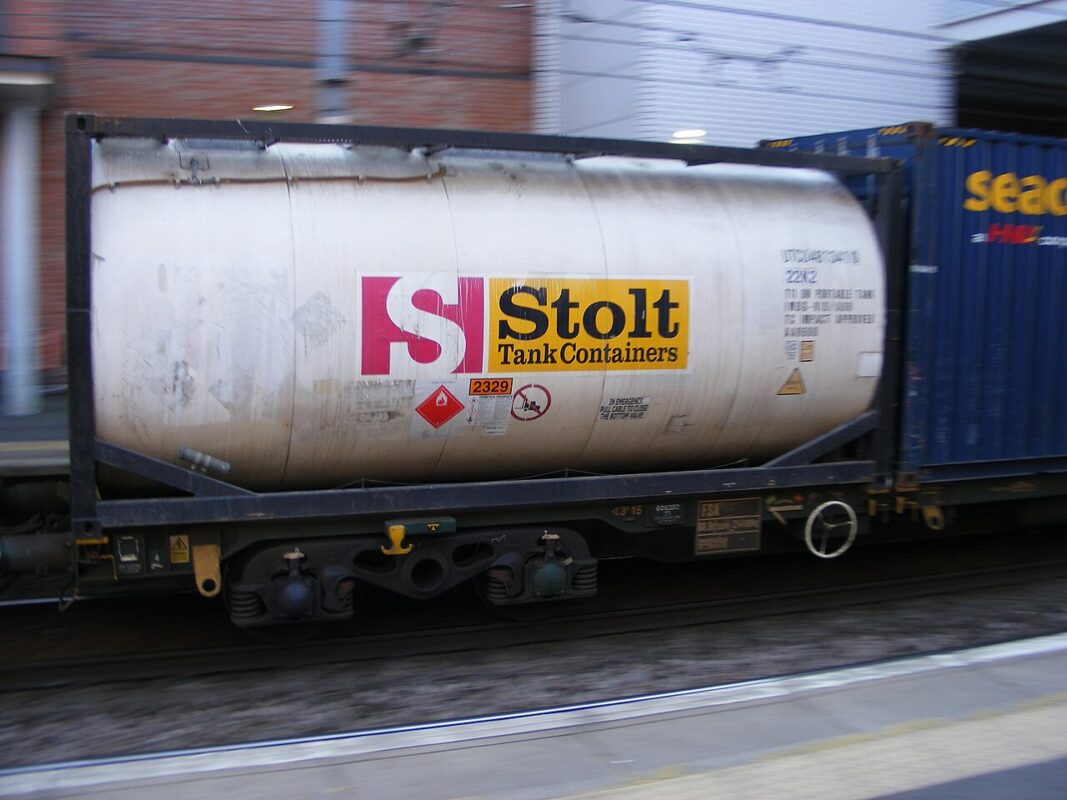
Both oils ship in flexitanks, ISO tanks, 180 to 200 kg drums, 18L tins and 25L jerrycans, and palm oil also in 1L, 5L and 10L PET bottles for retail. Coconut oil goes solid below about 24°C and palm oil below the mid 30s, so heating at discharge matters, especially for bulk going to cooler countries. See flexitank vs ISO tank for the options.
Mixed orders are easy. Many of our buyers take coconut oil and palm oil in the same shipment.
Coconut Oil vs Palm Oil: A Quick Decision Guide
If you’re still weighing coconut oil vs palm oil, run through these in order:
- Does the product need lauric acid (big soap lather, sharp-melting coatings, MCT-type ingredients)? Choose coconut oil, or palm kernel oil as a cheaper lauric option.
- Does the product say “coconut” on the label or rely on coconut flavour? Choose coconut oil.
- Is the oil mainly for frying, margarine, shortening, bakery or bulk food? Choose palm oil.
- Is price per tonne the deciding factor? Choose palm oil.
- Do you need both properties? Blend coconut oil and palm oil, and test the ratio.
Most of the time the coconut oil vs palm oil question answers itself once you write down what the oil actually has to do.
Frequently Asked Questions
Is coconut oil healthier than palm oil?
In the palm oil vs coconut oil health debate, the honest answer is that they’re different. Coconut oil is more saturated. Palm oil has more unsaturated fat. Both are normal edible oils used in moderation. We don’t make health claims, and dietary advice should come from a qualified professional.
Can I replace coconut oil with palm oil?
In frying and many food uses, yes. In soap lather, confectionery coatings and coconut flavoured products, no. For those, palm kernel oil is the closer substitute.
Why is coconut oil more expensive than palm oil?
Much smaller supply, smallholder farming, weather-sensitive harvests and strong demand from oleochemicals and personal care.
Which is cheaper, palm oil vs coconut oil?
Palm oil, almost always, and often by a wide margin.
Which oil is better for soap?
Most good soap uses both: palm for a hard bar, coconut for lather.
Is palm kernel oil the same as palm oil?
No. Palm kernel oil is a lauric oil, much closer to coconut oil.
Can you ship coconut oil and palm oil together?
Yes, in the same container or vessel, with separate documents for each.
Order Coconut Oil or Palm Oil From Us
The coconut oil vs palm oil decision usually comes down to what the oil has to do and what you can afford. We can help with both sides. We export refined palm oil CP8 and CP10, crude palm oil, and RBD, virgin and crude coconut oil from Thailand worldwide, in bulk or packed, with private label, full documents and independent inspection on request.
Send your product, quantity, packing and destination port. We’ll come back with specification sheets, prices and samples, so you can test coconut oil vs palm oil in your own process.
Email info@dthcompanyltd.com, WhatsApp +66 91 765 9104, or use our contact page. You can also browse all our products.

One thought on “Coconut Oil vs Palm Oil: 8 Proven Differences for Buyers”