

Lauric acid in coconut oil is the reason coconut oil does what it does. It’s why coconut soap lathers so fast, why coconut fat melts so cleanly in a biscuit cream, why coconut oil keeps for two years without going rancid, and why the oleochemical industry buys so much of it. Roughly half of every ton of coconut oil is lauric acid, and very few other fats come close.
We sell crude, RBD and virgin coconut oil to food, soap, cosmetic and oleochemical buyers around the world, and lauric content is one of the numbers they ask about most. This guide explains what lauric acid is, how much lauric acid in coconut oil you should expect, how it compares with other oils, how it’s tested, what it means in soap, food, cosmetics and chemicals, and what to look for when you buy. At the end you’ll find the coconut oil we supply and how to order.
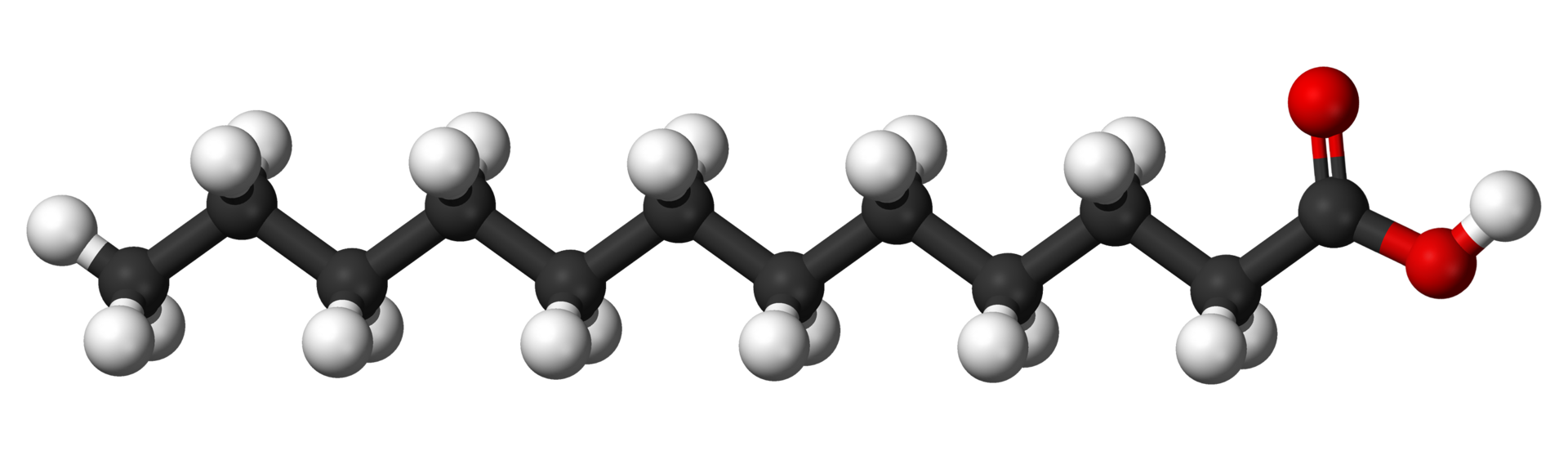
Table of Contents
What Lauric Acid Is
Lauric acid is a saturated fatty acid with 12 carbon atoms. Its chemical name is dodecanoic acid, and chemists write it as C12:0, meaning twelve carbons and no double bonds. In pure form it’s a white, waxy solid that melts at about 44°C and smells faintly of bay oil or soap. The name comes from the laurel tree, whose seeds were one of the first places it was found.
In oil, lauric acid is mostly not free. It’s bound into triglycerides, three fatty acids attached to a glycerol backbone. When we talk about lauric acid in coconut oil, we mean the share of all fatty acids in those triglycerides that are lauric. Only a tiny amount is present as free fatty acid, and in fresh refined oil that’s 0.1% or less. If you want the formal chemistry, the PubChem entry for lauric acid lists its properties.
| Property | Value |
|---|---|
| Chemical name | Dodecanoic acid |
| Shorthand | C12:0 |
| Molecular formula | C12H24O2 |
| Molecular weight | About 200.3 g/mol |
| Melting point (pure acid) | About 44°C |
| Type | Saturated, medium-chain fatty acid |
How Much Lauric Acid in Coconut Oil?
The usual range for lauric acid in coconut oil is about 45 to 53% of total fatty acids. Many lots sit around 47 to 50%. The Codex standard for named vegetable oils gives 45.1 to 53.2%, and virgin oil standards in producing countries use similar ranges. Here’s the full typical profile.
| Fatty acid | Chain | Typical range (%) |
|---|---|---|
| Caproic | C6:0 | Up to 0.7 |
| Caprylic | C8:0 | 4.6 to 10.0 |
| Capric | C10:0 | 5.0 to 8.0 |
| Lauric | C12:0 | 45.1 to 53.2 |
| Myristic | C14:0 | 16.8 to 21.0 |
| Palmitic | C16:0 | 7.5 to 10.2 |
| Stearic | C18:0 | 2.0 to 4.0 |
| Oleic | C18:1 | 5.0 to 10.0 |
| Linoleic | C18:2 | 1.0 to 2.5 |
Lauric content varies a little with coconut variety, growing region, season and the age of the palms. It doesn’t vary much with processing. Refining doesn’t change the fatty acid profile in any meaningful way, so the lauric acid in coconut oil is basically the same whether you buy crude, RBD or virgin.
Lauric Acid in Coconut Oil vs Other Oils
| Oil | Lauric acid (%) |
|---|---|
| Coconut oil | 45 to 53 |
| Palm kernel oil | 45 to 55 |
| Babassu oil | 40 to 50 |
| Butterfat | About 2 to 4 |
| Palm oil | Under 0.5 |
| Soybean, sunflower, canola, olive | Close to zero |
| MCT oil | Usually under 3 |
Only coconut oil and palm kernel oil supply lauric acid at commercial scale, which is why the trade calls them the “lauric oils”. People often confuse palm oil and palm kernel oil. Palm oil comes from the fruit flesh and has almost no lauric acid. Palm kernel oil comes from the seed and is lauric-rich. Our guide to palm kernel oil vs palm oil explains that one, and coconut oil vs palm oil covers the wider comparison.
Coconut oil and palm kernel oil are close, but not identical. Coconut oil usually has a bit more C8 and C10 and a little less oleic acid. That makes coconut oil slightly lower in iodine value and slightly sharper in melting.
Does Virgin Coconut Oil Have More Lauric Acid Than Refined?
No. This claim shows up in marketing a lot, and it isn’t true. The lauric acid in coconut oil comes from the coconut, not from the process. Virgin and RBD coconut oil from the same kind of coconuts have essentially the same lauric content. What differs is the minor stuff: aroma compounds, natural antioxidants and the taste. Our comparison of RBD coconut oil vs virgin coconut oil goes through the real differences.
How Lauric Acid Is Tested
Lauric content is measured as part of the fatty acid composition, using gas chromatography. The lab converts the triglycerides into fatty acid methyl esters, injects them into a GC, and measures the area of each peak. Common methods are AOCS Ce 1-62 and ISO 12966, both widely used in oil labs. The American Oil Chemists’ Society publishes the AOCS methods.
Two practical notes:
- Ask for the full profile, not just lauric. A blend can have normal lauric content but odd oleic or palmitic numbers that give it away.
- Check iodine and saponification value too. Coconut oil should show an iodine value of 6 to 11 and a saponification value of 248 to 265. These are quick, cheap cross-checks.
Lauric Acid and FFA: Don’t Confuse Them
Here’s something that confuses new buyers. On a coconut oil certificate, free fatty acids are reported “as lauric acid”. That doesn’t mean the lauric acid in coconut oil is a problem. It’s just the unit used to express FFA, because lauric is the main fatty acid. You want total lauric content high, around half, and free fatty acids low, 0.1% for RBD oil.
High free lauric acid does matter for one reason: in free form, lauric acid tastes soapy. Coconut oil that has started breaking down from moisture or enzymes develops a soapy taste long before it smells rancid. Our guide to free fatty acid and peroxide value explains the test.
What Lauric Acid in Coconut Oil Does in Soap
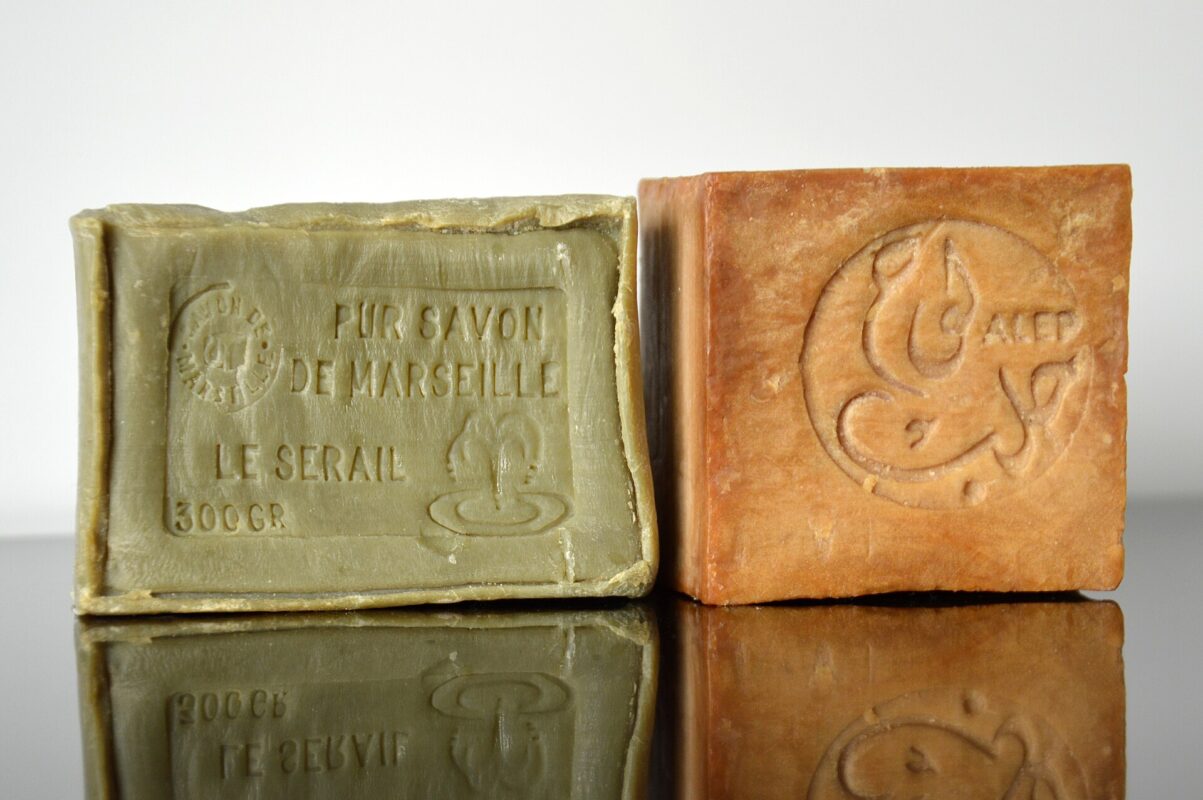
Soap is where lauric acid shines. When coconut oil reacts with lye, the lauric acid becomes sodium laurate. That soap dissolves easily in water, even cold or hard water, and gives a big, fast, bubbly lather. It also makes a hard bar. That’s why nearly every bar soap recipe includes coconut or palm kernel oil.
The flip side is that laurate soaps clean strongly and can dry the skin at high levels, so most recipes use 15 to 30% coconut oil. Our guide to coconut oil for soap making covers recipes, lye numbers and which grade to buy.
Lauric Acid in Detergents and Oleochemicals
A huge share of the world’s lauric acid goes into surfactants. Coconut oil is split into fatty acids or converted to methyl esters, the C12 and C14 fractions are separated, and then they’re turned into lauryl alcohol. From there come the familiar ingredients on shampoo and detergent labels:
- Sodium lauryl sulfate (SLS) and sodium laureth sulfate (SLES)
- Cocamidopropyl betaine
- Coco glucoside and lauryl glucoside
- Fatty alcohol ethoxylates
Oleochemical plants usually buy crude coconut oil in bulk for this. The more lauric acid in coconut oil they receive, the better their yield of C12 products. If you run that kind of plant, ask for a fatty acid profile with every lot. See our crude coconut oil specification for the grade we supply.
Lauric Acid in Food
In food, lauric acid in coconut oil is behind the properties bakers and confectioners like:
- Sharp melting. Coconut fat is hard at 20°C and almost fully melted by 26°C. That gives a cool, clean melt in the mouth with no waxy aftertaste.
- Oxidation stability. Saturated fat doesn’t go rancid easily, so biscuits and snacks keep well.
- Neutral flavour in RBD form, coconut flavour in virgin form.
That’s why RBD coconut oil turns up in biscuit creams, wafer fillings, compound chocolate coatings, ice cream coatings, non-dairy creamers and popcorn. Our guide to coconut oil for bakery and confectionery covers this in detail, and the coconut oil melting point guide explains the melting behaviour.
One technical catch: lauric fats don’t mix well with cocoa butter. Combine them and you can get softening and fat bloom. That’s why lauric fats are used in compound coatings rather than in real chocolate.
Lauric Acid in Cosmetics
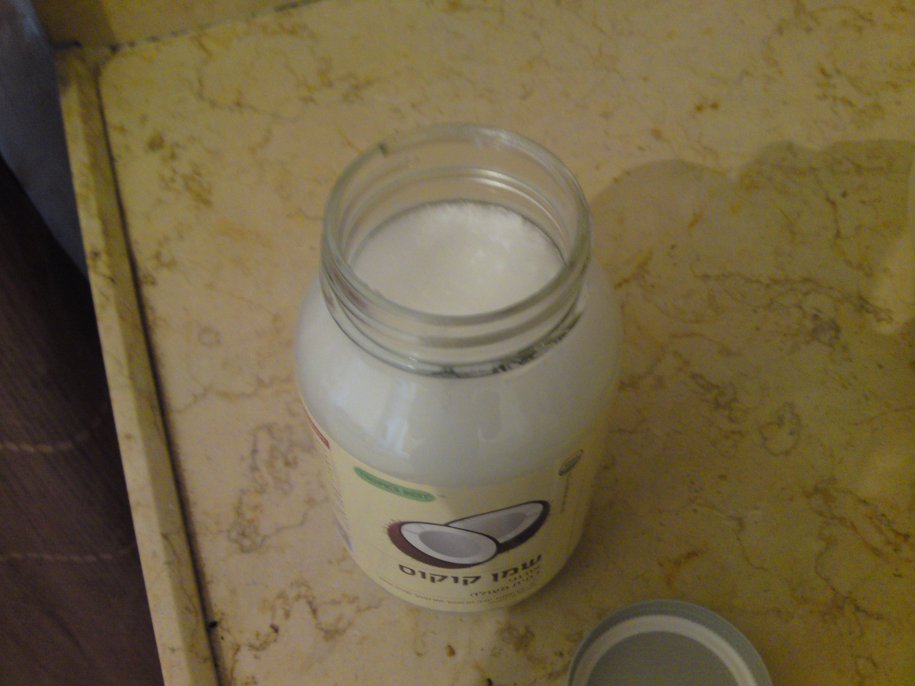
Cosmetic makers use coconut oil in creams, balms, body butters and hair oils. The lauric-rich fat is solid in the jar, melts on the skin and feels rich without being heavy. Lauric acid itself and its derivatives also show up as cleansing and emulsifying ingredients. Natural brands often choose virgin coconut oil for the label, while bigger brands use RBD for its neutral smell and consistency.
Health Talk About Lauric Acid
You’ll see plenty of claims about lauric acid online. Here’s the plain version. Lauric acid is a saturated fat. Researchers have studied its effects on blood cholesterol, and it raises both LDL and HDL. Its derivative monolaurin has been studied in the lab for antimicrobial effects. Lauric acid is also naturally present in human breast milk, which is one reason lauric oils are used in some infant formulas.
Beyond that, many popular claims run ahead of the evidence. We sell oil, so we’d simply say: if you make a health claim on a product, check what your market’s food or cosmetics regulator allows. The Codex Alimentarius food standards are a good starting point for what’s generally accepted.
Lauric Acid in Coconut Oil vs MCT Oil
MCT oil is made from coconut or palm kernel oil, but most of the lauric acid is taken out in the process. What’s left is mainly caprylic (C8) and capric (C10) acid. So if you want lauric acid, coconut oil is the product, not MCT oil. Our article on MCT oil vs coconut oil explains how MCT oil is made and when each one fits.
Buying Coconut Oil for Its Lauric Content
If lauric content matters to your product or process, a few habits help.
- Put it in the spec. Ask for lauric acid in coconut oil to be stated as a minimum, for example 45% minimum, or ask for a full fatty acid profile within Codex ranges.
- Get a GC result per lot. Not a generic sheet.
- Cross-check with IV and SV. They catch blends quickly and cheaply.
- Watch FFA. Low FFA means the lauric acid is still safely bound in the triglycerides.
- Use inspection on bulk orders. Our guide to pre-shipment inspection for edible oil explains how it works.
- Be wary of cheap offers. Lauric oil adulterated with cheaper oils is a known trick. Read how to spot a fake vegetable oil supplier.
Reading a Fatty Acid Report
When a lab sends you a fatty acid report, it can look like a wall of numbers. Here’s how to read it quickly for lauric acid in coconut oil.
- Find C12:0. That’s lauric. It should be between about 45 and 53%.
- Check C14:0, myristic. It should be around 17 to 21%. Lauric and myristic together usually make up roughly two thirds of the oil.
- Add up C8:0 and C10:0. Together around 10 to 15%. Much lower suggests palm kernel oil mixed in.
- Look at C18:1, oleic. In coconut oil it’s around 5 to 10%. A much higher number hints at a blend with palm olein or a liquid oil.
- Check that the total is about 100%. Odd totals suggest a sloppy report.
If all of that fits, you’re almost certainly looking at genuine coconut oil with normal lauric content.
Does Lauric Acid in Coconut Oil Vary by Origin?
A little. Coconuts from different regions, varieties and seasons give slightly different profiles, but the swings are small compared with the differences between coconut oil and other oils. You might see lauric acid in coconut oil at 47% from one origin and 50% from another. Tall varieties, hybrids and dwarf varieties also vary a bit, as does the age of the palms and whether there’s been drought.
For most buyers this doesn’t matter. For oleochemical plants making lauryl alcohol or C12 fatty acids, a few percent can change yield, so they often specify a lauric minimum and buy from a steady source.
Lauric Acid in Coconut Oil and Shelf Life
The high share of saturated fat, led by lauric acid, is why coconut oil keeps so well. Saturated fatty acids have no double bonds for oxygen to attack, so oxidative rancidity is slow. Coconut oil typically lasts 18 to 24 months sealed, much longer than sunflower or soybean oil.
The weak point is hydrolysis. With moisture and lipase enzymes present, triglycerides split and release free lauric acid. That’s why moisture limits are so important in coconut oil specs, especially for virgin oil, and why food makers worry about soapy flavours more than rancid ones.
Other Uses of Lauric Oils
Beyond soap, food and cosmetics, lauric acid in coconut oil turns up in a few places people don’t expect.
- Animal feed. Lauric oils are used in some calf and piglet milk replacers and feed formulas.
- Lubricants and metalworking fluids, via fatty acid derivatives.
- Biodiesel. Coconut methyl ester is blended into diesel in some producing countries.
- Flavours and fragrances. Lauric derivatives serve as carriers and ingredients.
- Plastics and rubber, as processing aids made from fatty acids.
The Lauric Oil Market
Because only coconut oil and palm kernel oil supply lauric acid at scale, their prices move together. When palm kernel oil gets cheap, buyers switch and coconut oil comes under pressure, and the other way round. Supply of both is concentrated in Southeast Asia, so weather there, especially El Niño, can move lauric oil prices worldwide. Buyers who need lauric acid in coconut oil specifically, for example for a “coconut” label or for coconut’s slightly higher C8 and C10, pay for that choice when the spread widens. Our guide to the coconut oil price per ton explains the market in more detail.
Lauric Acid in Coconut Oil: Crude, RBD and Virgin Side by Side
Since buyers ask about this all the time, here it is in one table. The lauric acid in coconut oil is the same across grades. What changes is everything around it.
| Point | Crude | RBD | Virgin |
|---|---|---|---|
| Lauric acid (C12:0) | 45 to 53% | 45 to 53% | 45 to 53% |
| Free lauric acid (FFA) | Several percent | 0.1% max | 0.2% max |
| Colour | Yellow to brown | Water-white | Water-white |
| Smell | Copra | Neutral | Fresh coconut |
| Main buyers | Oleochemicals, refiners, laundry soap | Food, soap, cosmetics | Retail, natural cosmetics, health food |
The practical takeaway: pick your grade for colour, smell, freshness and label claims, not for lauric content. If lauric acid in coconut oil is the reason you’re buying, the cheapest grade that meets your other needs is usually the right one.
Protecting the Oil in Storage
Lauric acid itself doesn’t go off. What goes wrong is the oil around it. Keep coconut oil sealed, cool, dry and out of the sun. Keep water out above all, because water plus enzymes releases free lauric acid and the soapy taste that comes with it. In bulk tanks, heat gently and only as much as you need. Our refined oil storage and handling guide covers the general rules, and they apply to coconut oil as well. Handled this way, the lauric acid in coconut oil you receive stays bound in the fat where you want it for 18 to 24 months.
The Coconut Oil We Supply
| Parameter | RBD coconut oil | Virgin coconut oil | Crude coconut oil |
|---|---|---|---|
| Lauric acid (C12:0) | 45 to 53% | 45 to 53% | 45 to 53% |
| Free fatty acids (as lauric) | 0.1% max | 0.2% max | Per contract |
| Iodine value | 6 to 11 | 6 to 11 | 7 to 11 |
| Saponification value | 248 to 265 | 250 to 265 | 248 to 265 |
| Peroxide value | 1.0 max | 3.0 max | Per contract |
| Main uses | Food, bakery, soap, cosmetics | Retail, natural cosmetics | Oleochemicals, soap, refining |
| Packing | Flexitank, ISO tank, drums, IBC, jerrycans | Bottles, jerrycans, drums, IBC | Flexitank, ISO tank, drums |
A fatty acid profile showing lauric acid in coconut oil is available with every lot on request. Full specs are in our RBD coconut oil specification and virgin coconut oil specification guides. For prices, see our coconut oil price per ton guide.
Order Coconut Oil From Us
Tell us your grade, the lauric content or fatty acid profile you need, quantity, packing and destination. We’ll reply with a price, a spec sheet with fatty acid profile, and a sample. See our RBD coconut oil, virgin coconut oil and crude coconut oil pages, or the full coconut oil range.
Email info@dthcompanyltd.com, WhatsApp +66 91 765 9104, or use our contact page.
Lauric Acid in Coconut Oil: Common Questions
How much lauric acid is in coconut oil?
About 45 to 53% of the fatty acids, often around 47 to 50%.
Does virgin coconut oil have more lauric acid than refined?
No. The lauric acid in coconut oil comes from the coconut, and refining doesn’t change it meaningfully.
Which oil has the most lauric acid?
Coconut oil and palm kernel oil, both around half. Babassu oil is close behind.
Does MCT oil contain lauric acid?
Very little. Most commercial MCT oil is mainly C8 and C10 with lauric acid largely removed.
Why is FFA in coconut oil measured as lauric acid?
Because lauric is the main fatty acid, it’s used as the reference for expressing free fatty acid content.
Is lauric acid good for soap?
Yes. It gives hard bars and quick, bubbly lather. That’s why coconut oil is a core soap oil.
Can you guarantee a minimum lauric acid content?
Yes. We can state a lauric minimum in the contract and support it with a GC result for each lot.
One thought on “Lauric Acid in Coconut Oil: Best 2026 Guide for Buyers”