

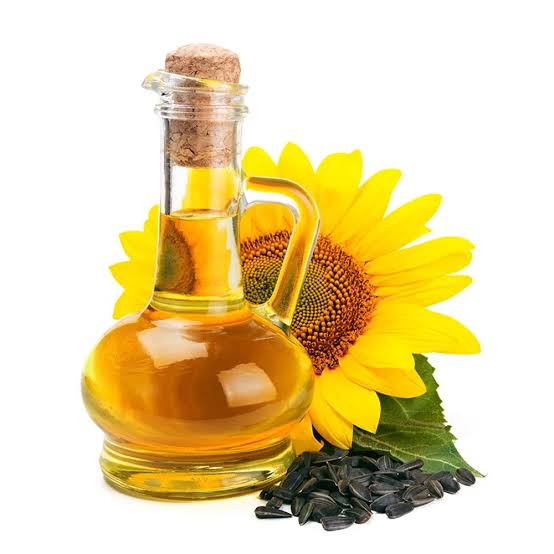
Every buyer who reaches out to us for the first time eventually asks some version of the same thing: why source from Thailand at all, when the raw sunflower seed came from a field in Ukraine or Argentina and the palm fruit may have been grown in Malaysia? It’s a fair question, and the honest answer is that Thailand isn’t always where the plant grew. It’s where the oil gets refined, tested, packaged and put on a vessel in a way that’s become reliable enough for buyers across five continents to build their supply chains around it.
This is a practical rundown of what actually happens when you buy from a vegetable oil export Thailand supplier, written from the side of someone who does the exporting, not from a trade report.
In this guide:
- Why Thailand Became a Vegetable Oil Export Hub
- What a Thailand Vegetable Oil Export Supplier Actually Ships
- Documentation and Certification That Actually Travels With the Oil
- Packaging and Port Logistics Specific to Thailand
- Costs, Incoterms and What Actually Moves Your Landed Price
- How Thailand Compares to Sourcing Directly From Origin Countries
- Laem Chabang vs Bangkok: Which Port Actually Matters
- What a Thailand Export Order Actually Looks Like, Start to Finish
- Who Actually Buys Through a Thailand Vegetable Oil Export Relationship
- What to Ask Before You Commit to a Thailand Supplier
- Questions Buyers Ask Us About Sourcing From Thailand
- Getting Started
Why Thailand Became a Vegetable Oil Export Hub
Thailand isn’t the world’s largest grower of sunflower seed or palm fruit. Russia, Ukraine and Argentina dominate sunflower production, and Malaysia and Indonesia dwarf Thailand’s palm output. What Thailand does have is a well-developed refining and blending industry, deep-water port access, and enough domestic palm cultivation in the south of the country to combine local supply with imported crude oil from those bigger producers, refine it to spec, and re-export it as a finished product.
That distinction matters more than it sounds like on a first call. A buyer who assumes Thailand grows every oil it exports sometimes ends up asking the wrong questions, focusing on harvest conditions when the more relevant question is refining capacity, batch testing consistency, and how many origin countries’ worth of crude oil a supplier can actually manage under one roof.
That refining and re-export role is really the whole story behind vegetable oil export Thailand trade. A refinery here can bring in crude sunflower oil from the Black Sea region, crude palm oil from neighboring Malaysia or Indonesia, and crude soybean oil sourced through regional crush facilities, then process all of it under one set of quality and certification standards before it ships out again. For a buyer, that means one supplier relationship instead of five separate ones spread across origin countries with different documentation conventions, different inspection regimes, and different English-language support.
Geography helps too. Thailand sits at a genuinely useful crossroads for shipping to the Middle East, South Asia, East Asia, and increasingly the Americas and Europe, without the routing complications that come from some other origin countries. A vessel loading at Laem Chabang or Bangkok has straightforward access to major shipping lanes in a way that isn’t always true of smaller or less developed ports elsewhere in the region.
What a Thailand Vegetable Oil Export Supplier Actually Ships
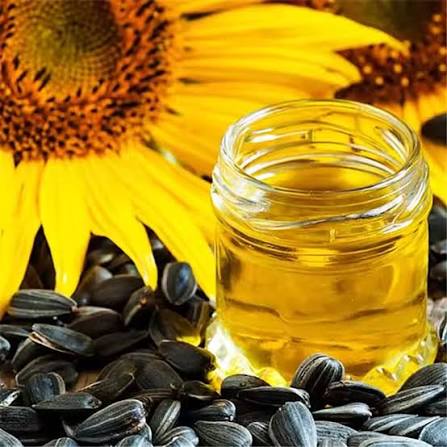
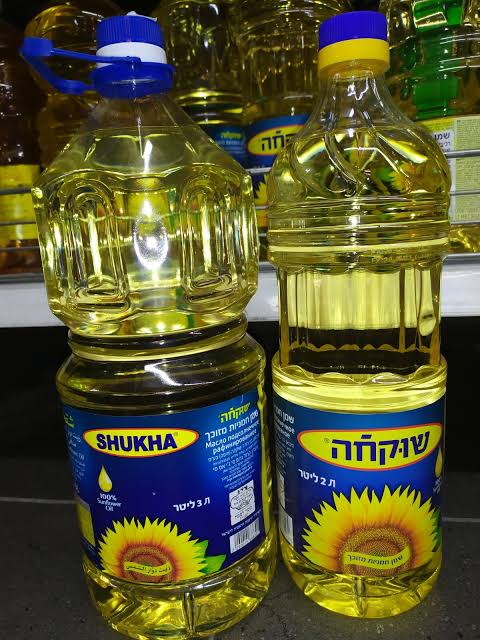
When people talk about vegetable oil export Thailand business, they usually mean one of five products, each available across multiple grades. We ship sunflower oil in crude, refined, high oleic and organic grades; palm oil as crude CP0 or refined CP8 and CP10; soybean oil crude, refined or high oleic; canola oil crude, refined or RBD; and coconut oil as crude, RBD or virgin.
Each of these has its own spec sheet, and a supplier worth working with should be able to walk you through it rather than just emailing a price. Free fatty acid, moisture and impurities, peroxide value and iodine value are the numbers that actually tell you something about quality, and they vary meaningfully by oil type. A refined oil should generally show FFA under 0.3 percent and moisture under 0.1 percent, regardless of which of the five products you’re buying. Iodine value is where they diverge: sunflower and soybean run high, palm sits in the 50 to 55 range, and coconut sits lowest of the group, which is also why coconut oil solidifies at room temperature in cooler climates while the others stay liquid.
Documentation and Certification That Actually Travels With the Oil
The paperwork side of vegetable oil export Thailand shipments is where a lot of first-time buyers get surprised, usually pleasantly, once they see how standardized it’s become. A proper export shipment travels with a Certificate of Analysis specific to that batch, a phytosanitary certificate where required, a certificate of origin, and an export declaration filed through Thai customs. None of this is unique to us, but the consistency of the format is one of the real advantages of building a relationship with one Thai supplier instead of sourcing crude oil directly from five different origin countries with five different documentation conventions.
Certifications sit on top of that documentation layer. We hold ISO 22000, HACCP, GMP and Halal certification across our production, and any buyer is entitled to ask for the current certificate numbers and the name of the certifying body before placing an order, not after. A supplier who hesitates to share that, or who can’t explain the difference between what HACCP verifies versus what Halal certification verifies, is worth a second look before you commit.
It’s also worth asking whether certification covers the specific product you’re buying or just the facility in general. ISO 22000 and HACCP typically apply at the facility and process level, covering the whole production line, while Halal certification can sometimes be product-specific depending on the certifying body’s scope. A supplier who can explain exactly what’s covered under which certificate, rather than pointing at a wall of logos, is telling you something real about how seriously they treat the paperwork behind the claims.
Packaging and Port Logistics Specific to Thailand
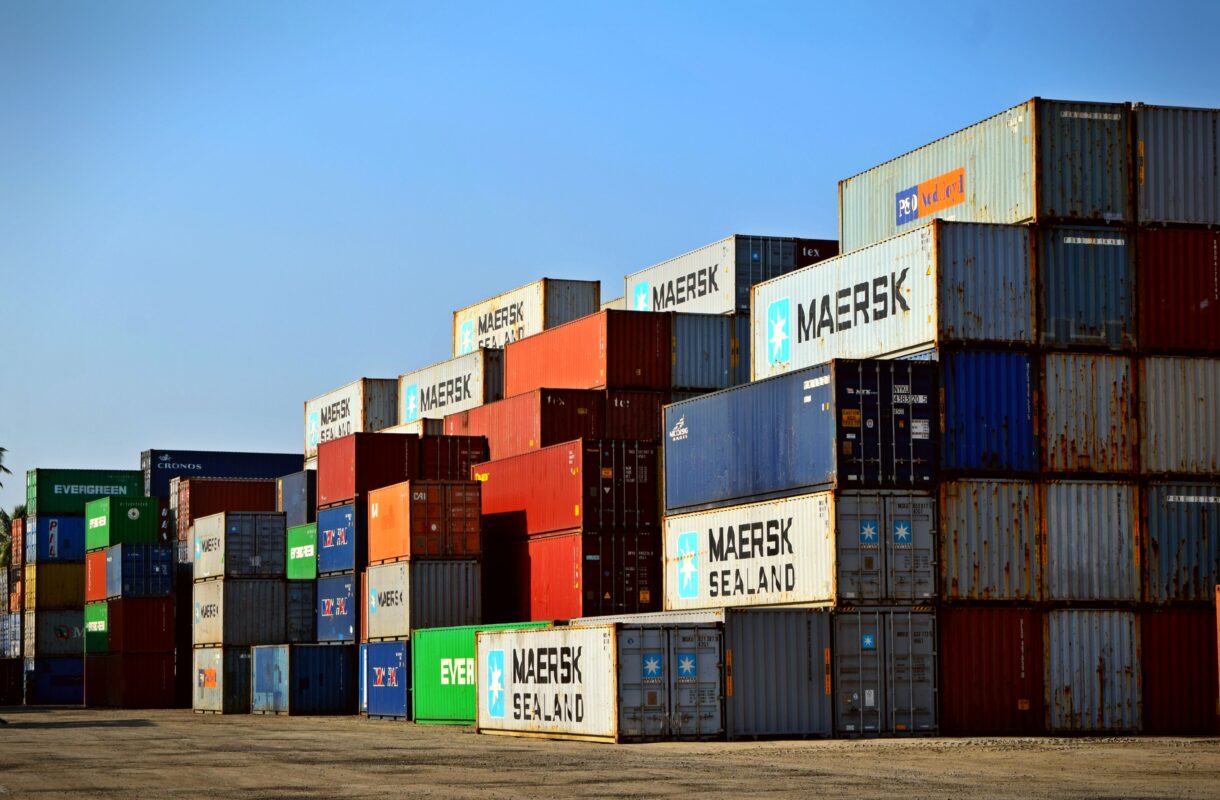
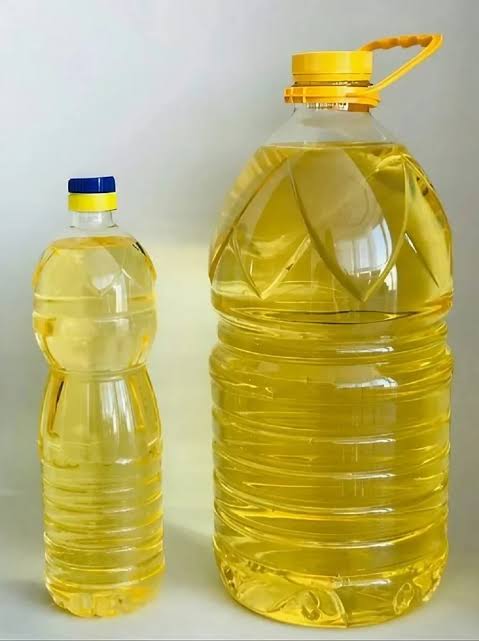
Flexitanks loaded into standard 20-foot containers are the default packaging for most vegetable oil export Thailand orders in the 20 to 24 metric ton range, and both Laem Chabang and Bangkok handle this cargo type as routine business rather than a special request. ISO tank containers are available for buyers who ship the same route repeatedly and want a reusable, more heavily sealed option, and drums or IBC totes work for smaller test orders before a buyer scales up to full container volumes.
Two things are worth building into your planning calendar specifically because you’re sourcing from Thailand. Songkran, the Thai New Year in mid-April, slows down port operations and factory staffing for close to a week, and the week around Lunar New Year affects freight availability across the whole region, not just Thailand, since it’s a shared holiday period across most of East and Southeast Asia. Buyers who place orders without accounting for either one sometimes find their lead time stretching by an extra week or two through no fault of the supplier.
Costs, Incoterms and What Actually Moves Your Landed Price
Most quotes for vegetable oil export Thailand shipments come structured as FOB from the origin port, CFR to your destination port, or CIF with insurance included. FOB puts freight booking in your hands, which suits buyers who already have freight relationships and want control over routing and carrier choice. CIF is simpler for a first order, since the supplier handles freight and insurance, even though it typically costs a little more per ton than arranging it yourself.
Beyond the Incoterm itself, landed cost depends on the underlying commodity price on the day of quoting, which for palm oil traces back to the Bursa Malaysia futures benchmark and for sunflower and soybean traces back to Black Sea and South American crop conditions, plus freight rates, port handling fees, and your own country’s import duties and taxes on edible oil. A supplier who can walk you through which of these moved your specific quote is more useful long-term than one who just sends a number.
Payment terms are the other piece buyers underestimate going in. A telegraphic transfer deposit against a confirmed order, with the balance due against shipping documents, is the most common structure for a first-time relationship. Letters of credit are available for buyers who prefer that route, particularly on larger orders, though they add processing time on both sides that’s worth factoring into your overall schedule. Whichever structure you use, get it confirmed in writing before production starts, not verbally over email, since that’s the document you’ll refer back to if a shipment date slips.
How Thailand Compares to Sourcing Directly From Origin Countries
Some buyers ask whether it’s simply cheaper to source sunflower oil directly from Ukraine or Argentina, or palm oil directly from Malaysia or Indonesia, and skip Thailand as an intermediate step. Sometimes it is, particularly for very large buyers with the volume and infrastructure to manage multiple origin relationships directly. For most mid-sized buyers, though, the math works differently once you account for the cost of managing separate freight bookings, separate documentation standards, and separate quality verification processes across several countries instead of one.
There’s also a practical language and time-zone factor that doesn’t show up in a spreadsheet. A Thai supplier with English-speaking sales and export teams operating in a time zone that overlaps reasonably with the Middle East, South Asia and East Asia removes a layer of friction that buyers dealing directly with some origin-country producers run into constantly, particularly around urgent documentation questions close to a shipping deadline.
Laem Chabang vs Bangkok: Which Port Actually Matters
Buyers who’ve never shipped from Thailand often assume one port is interchangeable with the other, and it’s worth knowing the actual difference before your first order. Laem Chabang is Thailand’s main deep-sea container port, built to handle large vessels and high cargo volumes, and it’s where most flexitank and ISO tank edible oil shipments load for long-haul routes to the Middle East, Europe and the Americas. Bangkok Port, sometimes called Khlong Toei, sits further up the Chao Phraya river and handles a mix of container and bulk cargo, with somewhat more restrictive vessel size limits because of the river approach.
For most vegetable oil export Thailand orders, Laem Chabang ends up being the practical choice simply because more shipping lines call there with more frequent sailings to more destinations. Bangkok Port still works for buyers whose freight forwarder has a specific routing preference through it, and a good supplier should be flexible on which port they load from rather than defaulting to whichever is easiest for them regardless of what serves your shipping route best.
What a Thailand Export Order Actually Looks Like, Start to Finish
It helps to know the shape of the process before your first order, since it removes a lot of the back-and-forth that slows down a first-time buyer. It typically runs like this:
- Inquiry and initial quote. You specify the oil, grade, volume and destination port, and get a price based on current market conditions, not a stale price list.
- Sample request. A pre-shipment sample, or a sample from recent production, lets you verify quality before committing to a full container.
- Order confirmation and deposit. Terms vary by supplier, but a deposit against the order is standard once specs and pricing are agreed.
- Production or stock allocation, and COA issuance. The specific batch gets tested and a Certificate of Analysis is issued that should match what was quoted, not a generic version.
- Loading and export documentation. Flexitank or ISO tank loading happens at the origin port, with export declaration, certificate of origin and phytosanitary paperwork (where applicable) prepared alongside it.
- Vessel departure and transit. Transit time depends entirely on your destination, from under two weeks for nearby Asian ports to five or six weeks for parts of the Americas.
- Arrival and final documentation handoff. Shipping documents should be in your hands, or your freight forwarder’s, well before the vessel arrives so customs clearance isn’t held up waiting on paperwork.
The whole cycle from a confirmed vegetable oil export Thailand order to vessel departure usually runs two to four weeks, with total door-to-door time depending on your destination port and how far in advance documentation gets prepared.
Who Actually Buys Through a Thailand Vegetable Oil Export Relationship
The buyer profile varies more by region than people expect, and it shapes what a good vegetable oil export Thailand relationship looks like in practice.
Middle Eastern buyers, particularly in the GCC, tend to prioritize Halal certification and fast, reliable transit times given the relatively short shipping distance, and often move toward refined sunflower and palm oil for food service and repacking. African buyers frequently look for a broader mix, crude and refined palm oil alongside sunflower, often at larger volumes tied to national food security programs or major distributor networks, where price and consistent supply matter as much as speed. European buyers tend to ask the most detailed questions about sourcing traceability and sustainability documentation, and often gravitate toward refined, food-grade products ready for direct use in manufacturing. Buyers across the Americas, a newer but growing part of the business, usually come in comparing Thailand against South American crude oil sourced closer to home, and the deciding factor is often whether they need more than one oil type, since that’s where consolidating through one Thai supplier tends to win out over managing several direct relationships.
None of this is a hard rule, and plenty of buyers don’t fit neatly into any of these patterns. But it’s worth knowing where you sit in that spectrum before your first call, since it changes which questions are actually worth asking a supplier upfront.
What to Ask Before You Commit to a Thailand Supplier
A few questions separate a supplier worth building a relationship with from one that’s just sending price lists. Ask how long they’ve been exporting and to which countries, since a supplier vague about actual shipping history is telling you something. Ask whether the Certificate of Analysis you receive is from the actual batch you’re buying or a generic reference document, since the difference matters enormously if a dispute ever comes up. Ask what happens if a shipment fails inspection on arrival, and get the answer in writing before you place an order, not after something goes wrong. And ask directly about certifications, ISO 22000, HACCP, GMP and Halal, with certificate numbers you can verify rather than just a logo on a website.
A vegetable oil export Thailand supplier who answers all of this without hesitation, and who volunteers information you didn’t think to ask for, is generally the one worth building a long-term relationship with over a supplier who only answers exactly what’s asked and nothing more.
Questions Buyers Ask Us About Sourcing From Thailand
Does Thailand actually grow the oil, or just process it?
Both, depending on the product. Thailand has meaningful domestic palm cultivation in its southern provinces, which supplements imported crude palm oil from Malaysia and Indonesia. Sunflower and soybean oil sold by a vegetable oil export Thailand supplier is typically refined here from crude oil imported from origin-growing regions, since Thailand’s climate doesn’t support large-scale sunflower or soybean cultivation.
Is buying from Thailand more expensive than buying directly from the growing country?
Not usually, once you factor in the cost of managing multiple direct relationships. The commodity price itself traces back to the same global benchmarks either way, so the savings from a Thailand-based relationship tend to show up in consolidated freight, simpler documentation, and fewer separate quality checks rather than in the raw oil price.
What’s the minimum order size for a Thailand export shipment?
Most orders start around one flexitank, roughly 20 metric tons, though smaller test quantities are possible through drums or IBC totes for buyers who want to verify quality before committing to a full container.
How do I know the certifications are current?
Ask for the certificate number and certifying body directly, and check that it hasn’t lapsed. A supplier should be willing to provide this before you place an order, not only after.
Can Thailand ship organic or non-GMO certified oil?
Yes, organic sunflower oil is part of our range, and non-GMO status is something we can confirm and document for sunflower, soybean and canola oil specifically, since those are the crops where GMO status matters most to buyers. It’s worth specifying this requirement at the inquiry stage rather than assuming it by default, since not every grade carries the same certification.
What happens if my country has specific import restrictions on edible oil?
This varies enough by country that it’s worth confirming with your own customs broker or food safety authority before ordering, but a vegetable oil export Thailand supplier with real export experience should already know the common documentation requirements for major destination markets and can tell you upfront if anything about your order needs extra paperwork.
Getting Started
If you’re comparing suppliers for a vegetable oil export Thailand shipment, the fastest way to see what fits is to look at the specific oil and grade you need on our products page, then reach out through our contact page with your target volume and destination port. We’ll send current specs, certificate numbers and a quote based on what you actually need. For a deeper look at bulk buying fundamentals, our guide to buying vegetable oil in bulk covers packaging, MOQ and vetting a supplier in more detail, and our about us page has more on how we operate.
Thailand’s advantage was never about growing every oil we sell. It’s about turning several origin countries’ worth of crude oil into one consistent, certified, well-documented product that ships on a predictable schedule. That’s worth more to most buyers than a slightly lower price on paperwork you’ll spend weeks chasing down yourself.


6 thoughts on “Vegetable Oil Export Thailand: 7 Facts Before You Order”