

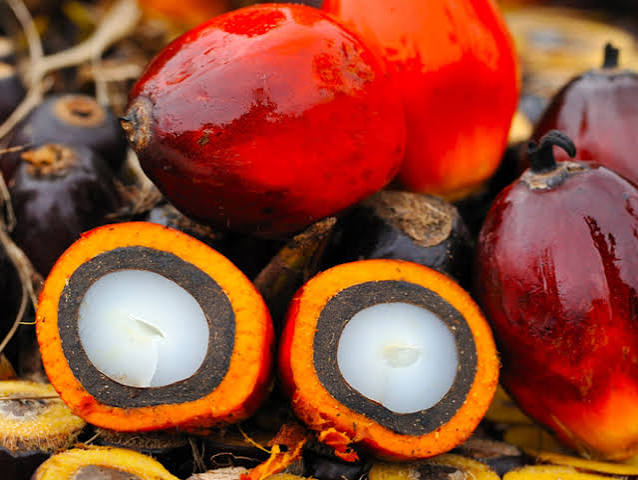
Ask ten different buyers what the difference is between palm stearin and palm olein and you’ll usually get some version of “one’s solid, one’s liquid,” and then a shrug. That’s not wrong, exactly, but it’s about ten percent of the actual answer, and it’s the ten percent that doesn’t help you when you’re trying to figure out which one belongs in your margarine formula or your frying line. We get calls almost every week from a buyer who ordered the wrong fraction because a supplier’s price list just said “palm oil” and left it at that.
Palm stearin vs palm olein is really a question about what happens when you take one oil and split it into two, and then what each half is good for once it’s split. Both come from the same RBD palm oil, both start life as the same tank of liquid fat, and both end up doing completely different jobs in a finished product. If you buy either one regularly, or you’re about to for the first time, this is the breakdown we’d give you on a phone call, just written down so you can send it to whoever signs your purchase orders.
How One Oil Becomes Two Products
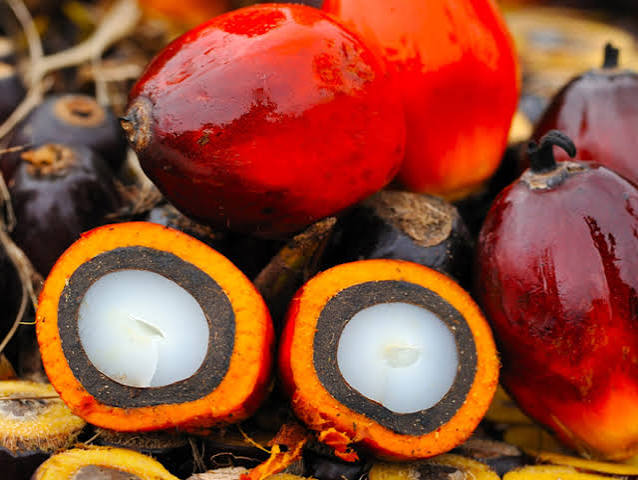
Palm oil doesn’t arrive at the fractionation plant as stearin or olein. It arrives as RBD palm oil, a single liquid fat that’s already been refined, bleached, and deodorized. Fractionation is the extra step that splits it, and it works on a fairly simple physical principle: not every triglyceride in that oil has the same melting point, so if you cool the whole batch down slowly and carefully, the higher-melting-point triglycerides start forming solid crystals while the lower-melting-point ones stay liquid around them.
The plant holds that oil at a controlled, slowly falling temperature in large crystallizers, long enough for the solid fraction to form proper, filterable crystals rather than a cloudy mess. Once the crystals are big enough, the batch goes through filter presses that physically separate the solids from the liquid. What stays behind on the filter cloth is palm stearin. What passes through is palm olein. Nothing is added and nothing is chemically altered in this process; it’s a physical separation, not a chemical reaction, which is part of why both products can carry a “natural” or “non-hydrogenated” claim on a label.
One batch of RBD palm oil typically yields somewhere around 20 to 25% stearin and 75 to 80% olein, though the exact split depends on how the plant sets its crystallization temperature. A plant chasing a softer stearin with a lower melting point will run a warmer fractionation and get less of it; a plant chasing a harder stearin will cool further and pull more solids out. That’s worth knowing because it means “palm stearin” isn’t one fixed product, it’s a family of grades, and the same is true of palm olein at the other end.
Palm Stearin vs Palm Olein: The Numbers That Actually Separate Them
The single most useful number for telling palm stearin and palm olein apart on a spec sheet is iodine value, or IV. IV measures the degree of unsaturation in the fat, and because stearin is where the fully saturated triglycerides concentrate, it carries a noticeably lower IV than olein.
Standard RBD palm olein usually sits in the IV 56 to 60 range, sometimes labeled “super olein” once it climbs toward the top of that band, since a higher IV means more unsaturated fat and a lower cloud point, which is exactly what buyers in cooler climates want. Palm stearin runs the opposite direction, typically IV 32 to 48 depending on the grade, with “hard stearin” or “high-melting stearin” sitting at the low end of that range and softer stearin grades sitting closer to 48.
Melting point tells the same story from a different angle. Palm olein has a cloud point, the temperature at which it starts to go hazy as tiny crystals form, usually around 6 to 10°C, and it stays pourable and clear well above that. Palm stearin has a slip melting point instead, since it’s solid at room temperature, and that typically runs from the low 44°C up to around 56°C for the harder grades. That’s a wide enough spread that “palm stearin” on a quote without a melting point attached genuinely isn’t enough information to know what you’re getting.
Free fatty acid and moisture specs run similarly tight on both, usually under 0.1% FFA and under 0.1% moisture and impurities for refined grades, since both are finished RBD products by the time they leave the fractionation plant. The real distinguishing numbers are IV and melting point, full stop, and any reputable supplier should hand you both on the certificate of analysis without you having to ask twice.
Texture and Behavior in a Real Formulation
Numbers on paper are one thing; how a fat actually behaves in your process is another, and this is where palm stearin vs palm olein stops being abstract.
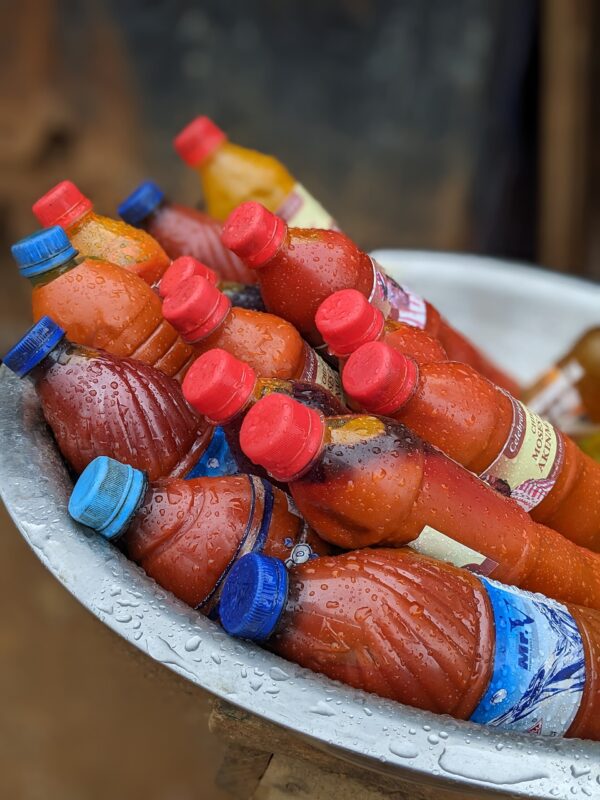
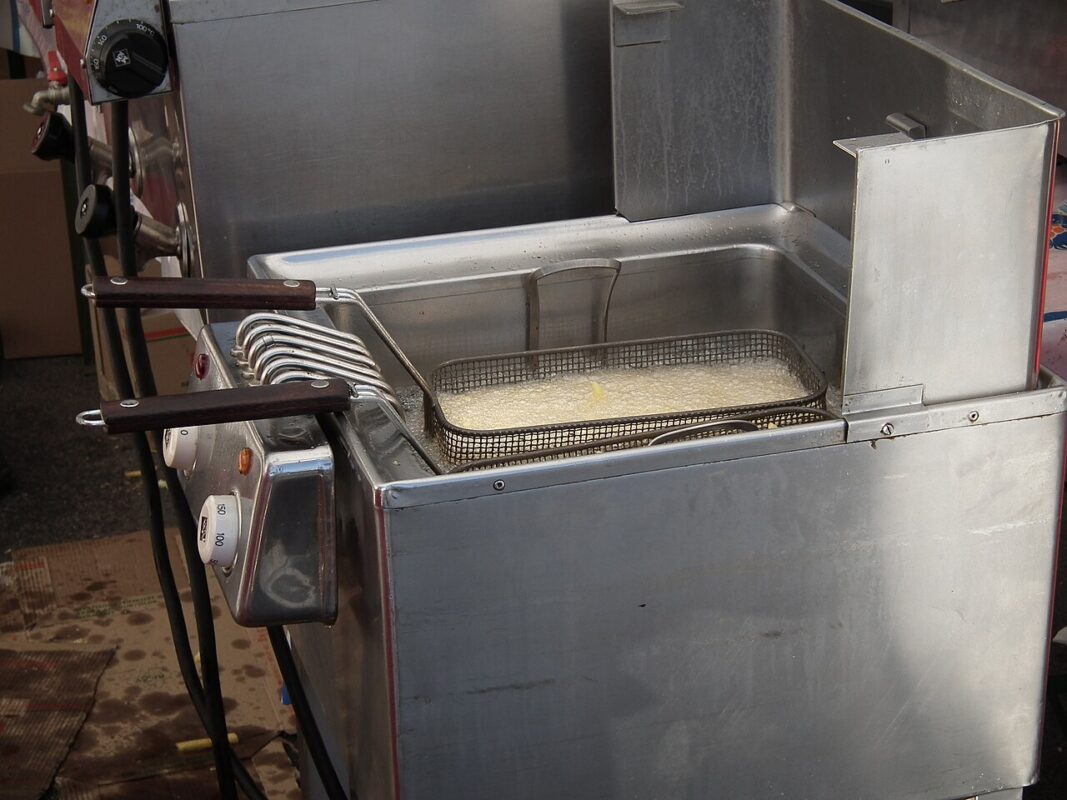
Palm olein pours like a normal cooking oil at room temperature in most climates and stays that way in the fridge, or close to it, which is exactly why it’s the fraction that ends up in bottles on a supermarket shelf and in fryers on a production line. It doesn’t need heating to move through a pump, it doesn’t cloud up in a chilled display case the way plain RBD palm oil sometimes will, and it holds up reasonably well across repeated frying cycles because of its fat composition.
Palm stearin is a hard, waxy solid at room temperature, and it stays that way until you get it close to its melting point. That’s not a downside, it’s the entire reason people buy it. A margarine or shortening formulator wants a fat that’s firm at fridge and counter temperature but melts cleanly in the mouth or in the oven, and stearin is what gives a fat blend that structure. Without it, or without hydrogenated substitutes, you end up with a spread that’s either too soft to hold shape or too oily on the tongue.
Blend the two back together in different ratios, and you can dial in almost any texture between fully liquid and fully solid, which is exactly what a lot of our customers do rather than buying a third, pre-blended product. Tell us your target melting range and we can usually tell you the stearin-to-olein ratio that gets you there without a trial-and-error ordering process.
Who Actually Buys Each One
Palm olein is, by volume, the single biggest RBD palm fraction traded worldwide, and that’s because it covers so much everyday ground. Retail cooking oil, restaurant and street-food frying oil, instant noodle seasoning oil, snack food frying, salad dressing bases, and general blending stock for vegetable oil mixes all draw on palm olein. If a product just says “vegetable oil” or “palm oil” on a bottle label in a supermarket, there’s a decent chance it’s actually olein, since plain RBD palm oil is less common on retail shelves than its liquid fraction.
Palm stearin sells into a narrower but equally steady set of buyers. Margarine and table spread manufacturers use it as the structuring fat that keeps a spread firm without trans fats. Bakery fat and shortening producers use it for pie crusts, laminated dough, and pastry fats where a clean, waxy melt matters. Confectionery fat producers use fractionated stearin, sometimes further split into even harder sub-fractions, as a cocoa butter substitute or extender in compound chocolate coatings. And on the non-food side, soap makers, candle makers, and oleochemical plants buy stearin for its high saturated fat content, since that’s what gives a soap bar hardness and a candle its structure.
If your product needs to pour, fry, or blend into a liquid mix, you’re almost certainly ordering olein. If it needs to hold a shape, spread solid out of the fridge, or set with a firm bite, you’re ordering stearin. The confusion mostly happens when a buyer inherits a spec sheet from a previous supplier that just says “palm oil” without specifying which fraction, and that’s the single most common support question we field on this topic.
Geography plays into demand too, though maybe not in the way people expect. Palm olein sells strongly across warm-climate markets in Southeast Asia, South Asia, the Middle East, and Africa simply because it’s the everyday cooking oil in those regions, and a lower cloud point matters less when ambient temperature rarely dips below 20°C. Buyers in North America and Europe, on the other hand, often specify “winterized” or super olein grades precisely because their supply chain and retail shelving involves cold storage or unheated warehouses where standard olein would cloud up.
Palm stearin demand skews toward food manufacturing hubs everywhere margarine, bakery fat, or confectionery coatings are produced at scale, plus soap and oleochemical clusters wherever that industry has set up shop, and we ship both fractions to customers across every one of those regions on a regular basis.
Packaging, Storage, and Shipping Considerations
The two fractions travel differently, and it’s worth planning for that before the container is already on the water. Palm olein ships as a straightforward liquid in flexitanks, ISO tanks, or steel drums, and needs nothing more than normal ambient handling in most destination climates. In markets that see genuinely cold winters, some buyers request insulated or lightly heated flexitanks so the oil doesn’t cloud or partially solidify in transit, which is an easy add if you flag it at the time of booking.
Palm stearin is the fraction that actually needs a shipping plan. Because it’s solid at room temperature, it either ships in heated flexitanks held at a steady temperature above its melting point, or it ships as a solid block in drums that gets remelted at the receiving end. Either way, the receiving team needs a melting tank, ideally jacketed and temperature-controlled, before the stearin can be pumped into production. We flag the exact melting point for the grade on every shipment’s paperwork specifically so your receiving crew knows what temperature target they’re working toward, and we’re glad to walk a new customer’s warehouse team through the process before the first shipment lands.
Storage life matters too. Both fractions hold up well in sealed tanks kept out of direct light and away from moisture, but rotation still matters in a busy production facility. Palm olein in active use should move through inventory on a normal stock cycle to preserve frying performance and flavor stability, while stearin, once melted and blended into a formulation, behaves according to whatever product it becomes rather than its own shelf life as a raw material.
Mistakes We See Buyers Make
A few ordering mistakes come up often enough on palm stearin vs palm olein orders that they’re worth naming directly.
The first is treating “palm oil” as interchangeable with “palm olein” on a purchase order. They’re related but not identical: plain RBD palm oil is the unfractionated starting material, with a higher solid fat content at room temperature than olein and a different melting behavior. If your recipe was actually developed with olein and someone quotes you unfractionated RBD palm oil to save a step, you’ll notice the difference in texture the first time you run it through your equipment.
The second is ordering stearin without specifying an IV or melting point range. Because stearin covers such a wide melting band, a soft stearin around IV 45 to 48 behaves quite differently from a hard stearin down around IV 32 to 36, and a supplier who isn’t told which one you need may ship whichever grade they happen to have in tank that week.
The third is assuming stearin ships and stores like a liquid oil. It arrives as a hard, waxy solid and needs to be melted, gently and evenly, before it can be pumped or blended, usually in a jacketed tank held around 60 to 70°C. Receiving teams that expect a pourable liquid sometimes assume a solid stearin shipment is off-spec or contaminated when it’s simply behaving exactly the way its melting point says it should.
The fourth is reformulating with the wrong ratio and only catching the texture problem after a production run. Small shifts in the stearin-to-olein blend ratio change a fat’s melting curve more than people expect, so if you’re adjusting an existing formula, run a small batch first rather than committing a full container order to an untested ratio.
How We Test and Certify Every Batch
Every drum, flexitank, or ISO tank of palm stearin or palm olein we ship leaves with its own certificate of analysis, covering iodine value, free fatty acid, moisture and impurities, color, and either cloud point or slip melting point depending on which fraction it is. We test against the specific grade ordered, not a generic in-house average, because a buyer qualifying us as a new supplier needs to see numbers that match what was quoted, not numbers that are merely close.
If your quality team wants to verify before committing to a full order, we’re happy to send a pre-shipment sample sized for your lab. That’s a completely normal request on a first order, and it usually settles any doubt faster than another round of emails about specifications. We also keep RSPO and, where applicable, Halal documentation on hand for buyers who need supply chain certification alongside the product spec itself.
Specifications at a Glance
The table below covers typical ranges for the main commercial grades. Exact figures are confirmed on the certificate of analysis issued with each shipment, since grades can shift slightly batch to batch depending on crystallization conditions.
| Product | Iodine Value | Melting / Cloud Point | FFA | Moisture & Impurities | Typical Use |
|---|---|---|---|---|---|
| RBD Palm Olein | 56–60 | Cloud point ≤ 6–10°C | ≤ 0.1% | ≤ 0.1% | Cooking, frying, bottled oil |
| Super Palm Olein | 60–65 | Cloud point ≤ 4–6°C | ≤ 0.1% | ≤ 0.1% | Cold-climate retail, salad oil |
| Soft Palm Stearin | 42–48 | Slip melt 44–48°C | ≤ 0.2% | ≤ 0.15% | Margarine, shortening |
| Hard Palm Stearin | 32–40 | Slip melt 50–56°C | ≤ 0.2% | ≤ 0.15% | Soap, candles, oleochemicals |
We supply both palm stearin and palm olein worldwide, in the grades above or blended to a custom ratio if you give us a target melting range. If you’re weighing palm stearin vs palm olein for a specific application, send us what you’re making and we’ll tell you which one actually fits rather than defaulting to whichever is cheaper that week. If you’re also comparing palm oil against other feedstocks for a formulation, see our breakdown of palm oil vs soybean oil for how the two stack up.
Frequently Asked Questions
Is palm olein the same as regular palm oil?
Not quite. Regular RBD palm oil is the unfractionated starting material; palm olein is the liquid fraction left once the higher-melting stearin portion has been filtered out. Olein has a lower solid fat content at room temperature and a lower cloud point than plain RBD palm oil.
Can I use palm stearin as a direct substitute for hydrogenated fat?
In many formulations, yes, since it’s naturally solid without hydrogenation and carries no trans fat. It won’t always match a hydrogenated fat’s exact melting curve on a one-to-one swap, so we’d recommend a small trial batch before switching a full production line over.
Why does my supplier’s price list just say “palm oil” without specifying stearin or olein?
Some price lists use “palm oil” loosely to mean whichever fraction is most commonly traded, usually olein, but that’s an assumption worth confirming rather than guessing at. Always ask for the specific fraction and IV range before you place a first order.
Does palm stearin need to be heated before use?
Yes. It arrives as a solid or semi-solid block or in heated flexitanks, and needs to be melted evenly, typically around 60 to 70°C, before pumping or blending. We include handling notes with every stearin shipment covering the right melting approach for the grade you ordered.
What’s the shelf life difference between the two?
Both store well when kept sealed and away from heat and light, though palm stearin’s higher saturated fat content makes it somewhat more oxidation-resistant than olein over long storage. Olein should be rotated on a reasonable stock cycle in warm climates to preserve frying and flavor performance.
Can you supply a custom stearin-to-olein blend instead of the pure fractions?
Yes, this is a common request. Tell us your target melting point, IV, or the texture you’re trying to hit, and we’ll recommend a blend ratio rather than making you guess and reorder.
Is palm stearin considered a “processed” or artificial fat?
No. Fractionation is a physical separation done with temperature and filtration alone, no solvents and no chemical modification, so both stearin and olein can be labeled as unmodified, natural fractions of palm oil.
Which one is cheaper, palm stearin or palm olein?
Pricing moves with both markets independently, but stearin often trades at a discount to olein on a per-tonne basis in periods of strong demand for liquid frying oil, simply because olein is the higher-volume, higher-demand fraction globally. That said, the spread can flip depending on confectionery and oleochemical demand for stearin, so it’s worth asking for a current side-by-side quote rather than assuming last quarter’s pricing still holds.
Comparing palm stearin vs palm olein side by side really comes down to one physical fact, that fractionation splits a single oil by melting point, and everything else, the specs, the uses, the handling requirements, follows from that. If you’re still not sure which fraction your formulation actually calls for, tell us what you’re making, cooking oil, margarine, a confectionery coating, or a soap base, and we’ll confirm the right grade and IV range before you commit to an order.
According to Wikipedia’s overview of palm oil production, fractionation into stearin and olein is one of the most common processing steps applied to crude and RBD palm oil worldwide, which is exactly why both fractions move in such steady volume through global trade. We ship both grades worldwide from Thailand with a certificate of analysis on every batch; our guide to refined palm oil quality standards covers how we test the unfractionated oil this all starts from, and our refined palm oil manufacturing process guide walks through the RBD steps before fractionation ever begins. Reach our team here to get a quote started on either fraction.

3 thoughts on “Palm Stearin vs Palm Olein: 6 Essential Differences”