

We get this question from buyers who are usually staring at two supplier quotes side by side, one for palm oil and one for soybean oil, trying to figure out why the prices, the shipping requirements, and sometimes the finished product texture come out so differently. They’re both “vegetable oil” in the loosest sense, and that’s about where the similarity ends.
Palm oil vs soybean oil isn’t a question with one right answer, it depends entirely on what you’re making, how you’re frying or baking with it, and whether your finished product needs to sit on a shelf for six months without going rancid. Below is the breakdown we actually give buyers on a call, covering the fat chemistry, the practical handling differences, and which one fits which job.
Where Each Oil Comes From
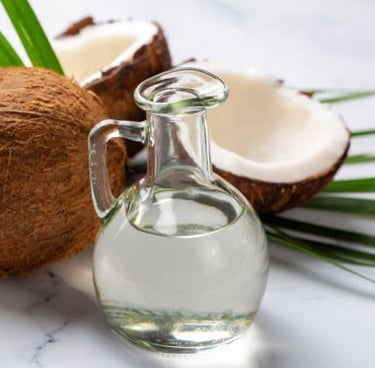
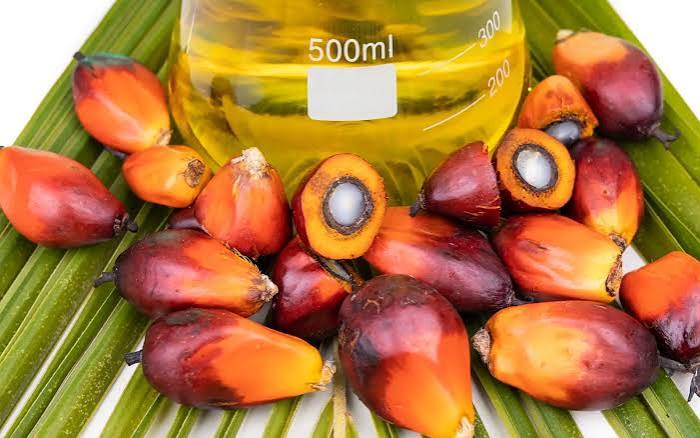
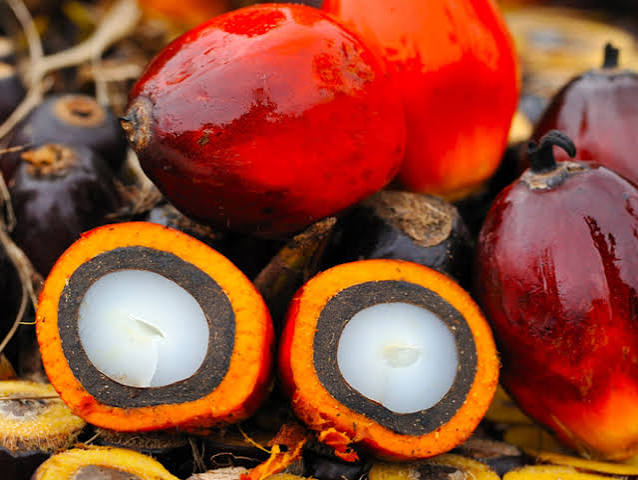
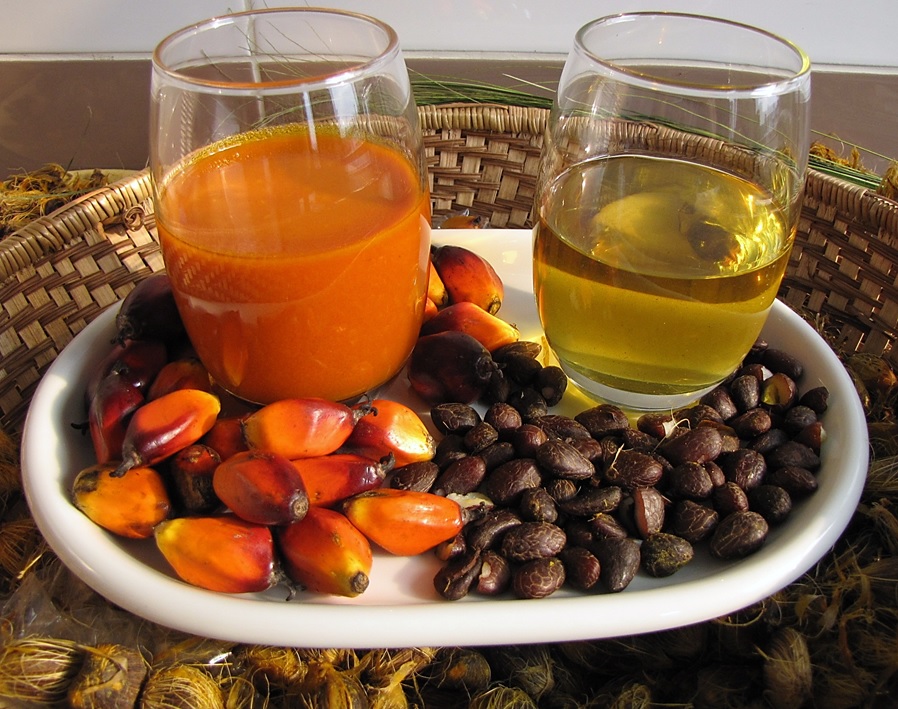
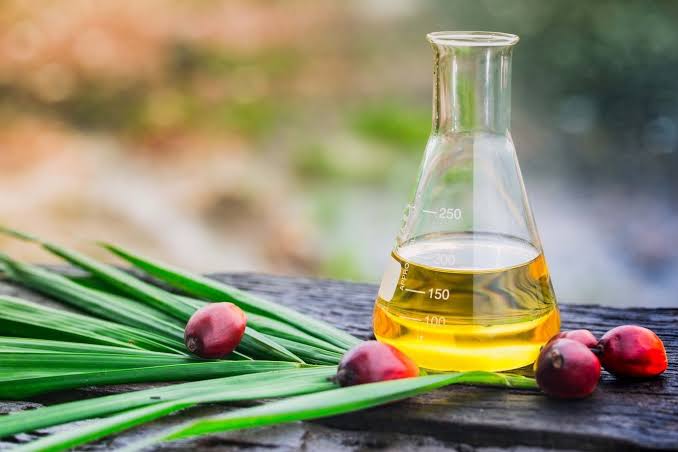
Palm oil is pressed from the fleshy mesocarp of the oil palm fruit, Elaeis guineensis, at a mill close to the plantation, usually within hours of harvest since the fruit starts breaking down into free fatty acids quickly once cut. One hectare of mature oil palm produces somewhere around 3.5 to 4 tonnes of crude palm oil a year under normal agronomic conditions, sometimes more on well-managed estates.
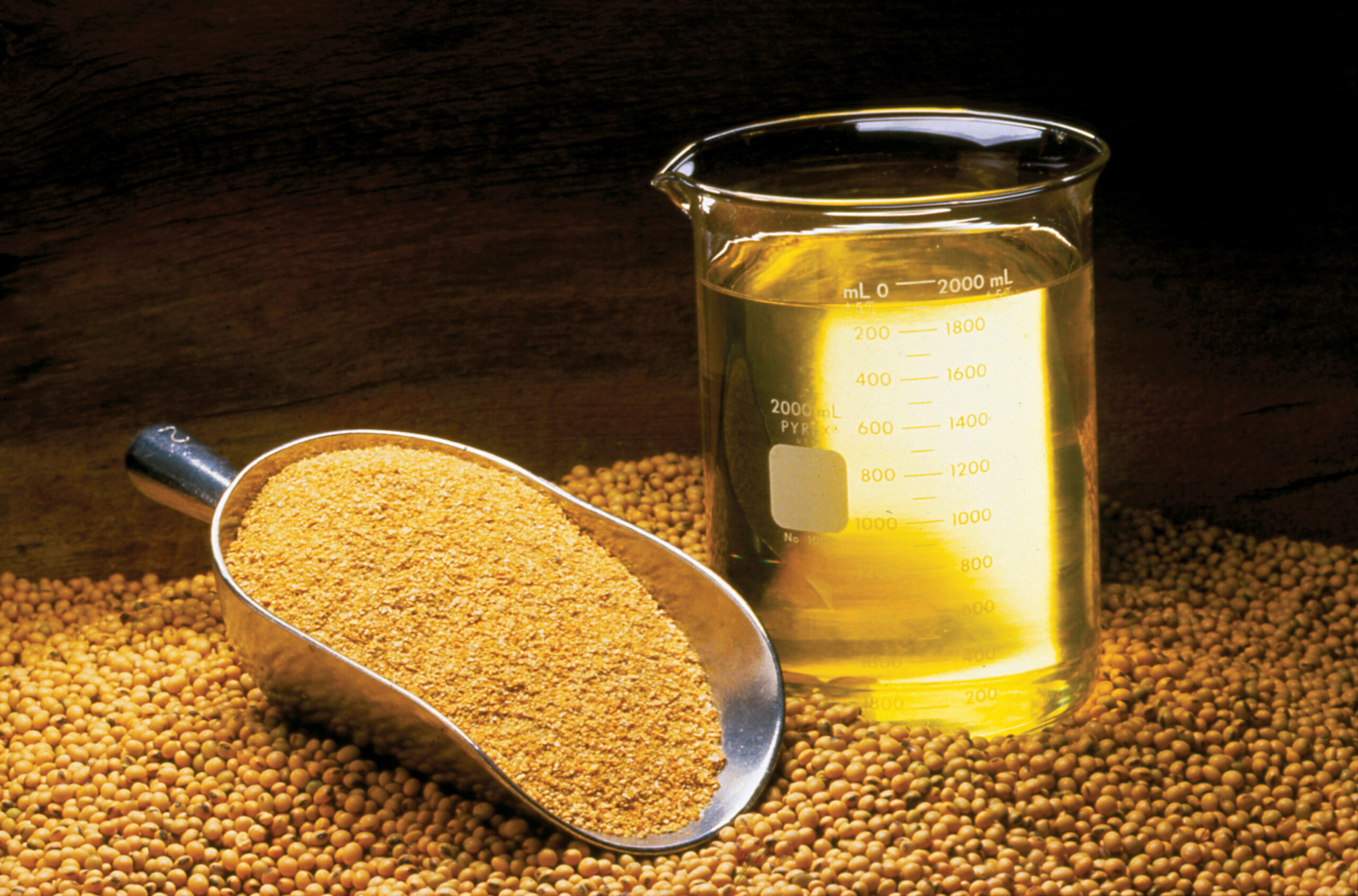
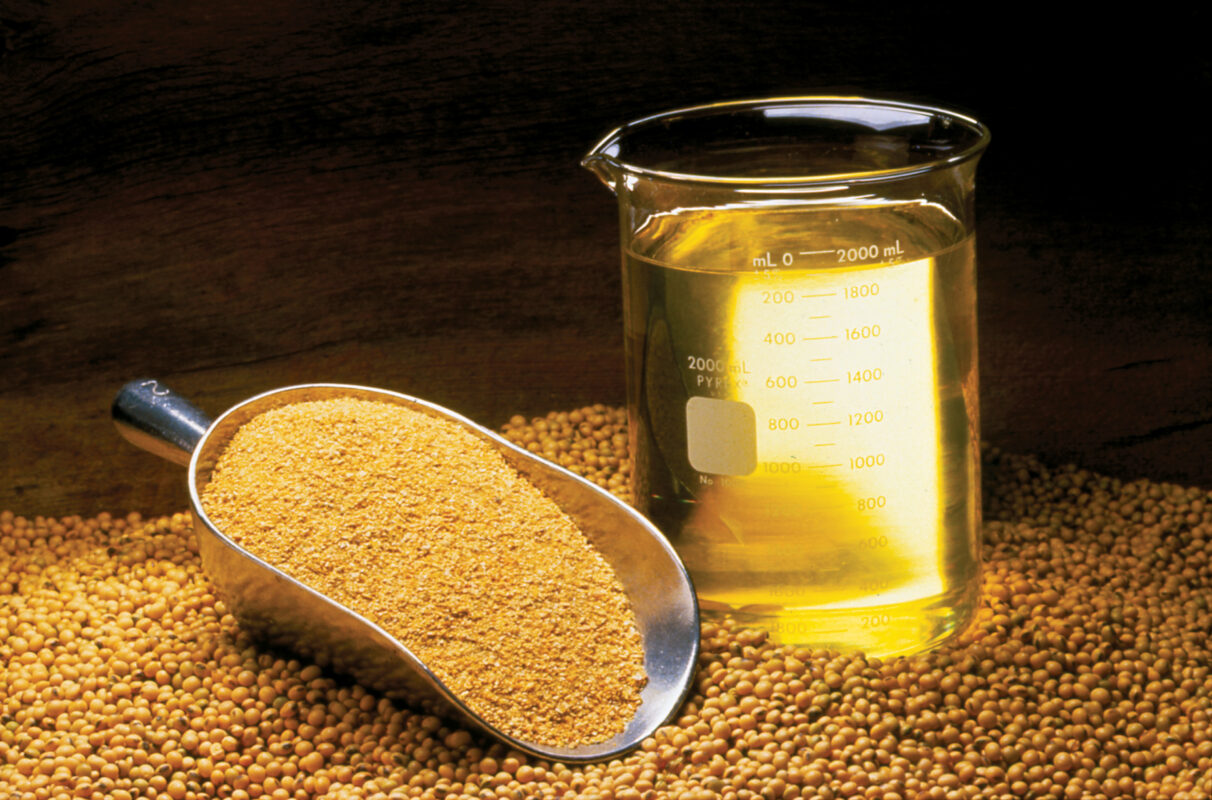
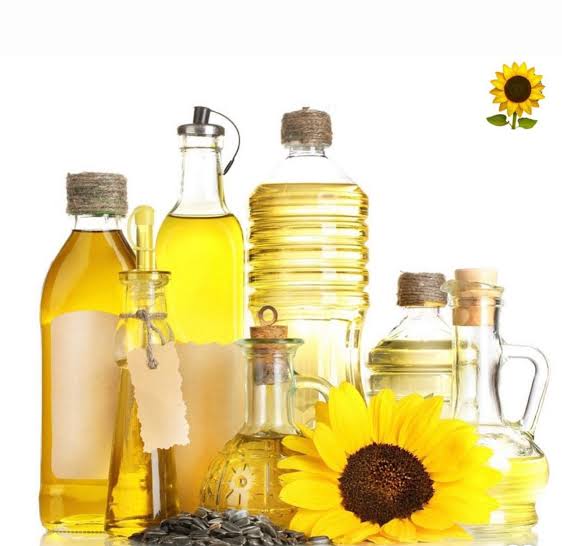
Soybean oil comes from crushing soybeans, a completely different extraction process built around hexane solvent extraction or mechanical pressing of the dried bean, followed by degumming and refining. Soybeans yield oil at a much lower rate per hectare, typically around 0.4 to 0.5 tonnes of oil per hectare per year, because soybeans are grown primarily for their protein meal, with oil as the secondary product. That yield gap, roughly eight to ten times in palm’s favor, is the single biggest reason palm oil is the cheaper commodity on a per-tonne basis in most market conditions.
Both oils go through a similar refining sequence once extracted, degumming, neutralizing, bleaching, and deodorizing, to reach the RBD (refined, bleached, deodorized) stage that most food manufacturers actually buy. The raw extraction methods differ, but the finishing line is comparable enough that both show up in a grocery aisle as clean, neutral-tasting cooking oils.
Palm Oil vs Soybean Oil: Fatty Acid Profile and Why It Matters
This is the number that explains almost everything else on this page. Palm oil runs roughly 50% saturated fat, split between about 44 to 45% palmitic acid and 4 to 5% stearic acid, balanced against around 39 to 40% oleic acid (a monounsaturated fat, the same one found in olive oil) and 10 to 11% linoleic acid. That near-even split between saturated and unsaturated fat is why palm oil is naturally semi-solid at room temperature without any processing beyond refining.
Soybean oil looks almost the opposite. It runs around 15% saturated fat total (roughly 11% palmitic, 4% stearic), with the rest overwhelmingly unsaturated: about 23% oleic acid, a striking 51% linoleic acid (an omega-6 polyunsaturated fat), and around 7% alpha-linolenic acid, an omega-3. That heavy polyunsaturated load is why soybean oil stays liquid at any normal storage or fridge temperature and never solidifies the way palm oil’s higher-melting fraction does.
Iodine value captures this same difference in a single number. Palm oil typically measures IV 50 to 55. Soybean oil measures IV 120 to 141, more than double, reflecting just how much more unsaturated its fat content is. That gap in unsaturation is the root cause of nearly every practical difference between the two oils covered below.
Oxidative Stability and Frying Performance
Polyunsaturated fats oxidize faster than saturated and monounsaturated fats, full stop, and that’s exactly why palm oil holds up better than soybean oil under repeated frying heat. Soybean oil’s high linoleic and linolenic acid content makes it more prone to breaking down into off-flavors, polymerized gums, and free radicals the longer and hotter it’s used, which is why commercial fryers using soybean oil typically need more frequent oil changes than the same fryer running palm oil or palm olein.
Palm oil’s higher saturated fat content, plus a naturally high level of tocotrienols and tocopherols, its vitamin E complex, gives it a longer frying life under the same conditions. Snack food and instant noodle manufacturers who fry at high volume and high temperature for extended periods lean on palm oil specifically for this reason; it’s a large part of why palm oil dominates industrial and commercial frying oil demand worldwide, while soybean oil skews more toward retail bottles, salad dressings, and light home cooking where oil isn’t reused dozens of times at high heat.
Refined smoke points land in a similar range for both, generally around 230°C, so smoke point alone won’t tell you which oil to buy. What actually separates them under real kitchen or plant conditions is how many frying cycles the oil survives before it needs replacing, and on that measure palm oil consistently outperforms soybean oil.
The Trans Fat Question
Here’s where palm oil vs soybean oil becomes a genuinely important formulation decision rather than just a cost comparison. Because soybean oil is liquid and has almost no natural solid fraction, manufacturers who need a solid or semi-solid fat, for margarine, shortening, or baked goods with structure, historically had to partially hydrogenate soybean oil to raise its melting point. Partial hydrogenation is exactly the process that creates industrial trans fats, which regulatory agencies in the US, EU, and a growing list of other countries have restricted or banned outright because of their well-documented cardiovascular health risks.
Palm oil sidesteps that problem entirely. Because it’s naturally about 50% saturated fat, it’s solid or semi-solid at room temperature straight out of the refinery, with no hydrogenation step required, and it naturally fractionates into palm stearin (harder, more saturated) and palm olein (liquid) fractions that cover most of the texture range a formulator needs. That’s a major reason food manufacturers switched a huge share of their shortening and margarine formulations from partially hydrogenated soybean oil to palm oil and its fractions over the past two decades, specifically to get trans fats off their ingredient labels without sacrificing texture.
Soybean oil producers responded with fully hydrogenated and interesterified blends that avoid trans fats, and high-oleic soybean varieties bred for better stability, so this gap has narrowed somewhat. But it’s still a genuinely different starting point: palm oil gets you a naturally solid fat with zero processing steps, soybean oil gets you there through additional chemical or genetic intervention.
Yield, Land Use, and Cost
We touched on yield above, but it’s worth spelling out because it drives pricing more than almost any other factor. Oil palm produces roughly 4 to 10 times more oil per hectare than soybeans, depending on the specific comparison year and growing region. That land-efficiency gap means palm oil is structurally the cheaper oil to produce at scale, and it’s typically priced below soybean oil on a per-tonne basis, though the spread moves with both markets independently and can narrow or even invert during a strong soybean crop year or a weak palm harvest.
Soybean oil pricing is also more tightly linked to the soybean meal market, since soybeans are crushed primarily for protein meal with oil as a co-product; a swing in animal feed demand for soybean meal can move soybean oil pricing in ways that have nothing to do with cooking oil demand at all. Palm oil doesn’t carry that same co-product pricing dynamic, since the fruit is grown specifically for oil.
Currency and biodiesel policy add more variables on both sides. US and Brazilian biodiesel mandates pull soybean oil into fuel demand, while Indonesia and Malaysia’s own biodiesel blending mandates do the same for palm oil, so both markets are more exposed to energy policy than pure food-oil demand would suggest.
Who Actually Buys Which One
Palm oil dominates global vegetable oil consumption by volume, and it shows up everywhere frying, baking, and packaged food manufacturing happen at scale: instant noodles, snack foods, bakery shortening, margarine, non-dairy creamer, and general cooking oil across Asia, Africa, the Middle East, and a growing share of Latin America. Its stability and naturally solid fraction make it the default choice anywhere a product needs to fry cleanly or hold a shape without trans fats.
Soybean oil remains the dominant cooking and salad oil across much of North America, and it’s a major ingredient in mayonnaise, salad dressings, and light frying applications where its mild, relatively neutral flavor is an asset. It’s also the primary feedstock for a large share of US and South American biodiesel production, which competes directly with food-grade demand for the same crush capacity.
A lot of buyers end up blending the two, or switching between them by region, specifically because palm oil’s stability suits high-heat industrial frying while soybean oil’s liquid consistency and mild taste suit retail bottles and dressings. If you’re sourcing for a multinational product line, it’s common to see palm oil specified for one region’s production and soybean oil for another, based on local availability and consumer expectations rather than a strict performance ranking.
Sustainability and Certification
The sustainability side of palm oil vs soybean oil is closer than the headlines suggest. Both crops carry land-use and deforestation scrutiny, just tied to different geographies. Palm oil expansion has historically been linked to deforestation in Indonesia and Malaysia, which is why RSPO (Roundtable on Sustainable Palm Oil) certification exists and why a growing share of buyers specifically request RSPO-certified supply. Soybean expansion carries similar scrutiny in South America, particularly around the Amazon and Cerrado regions, with schemes like the Round Table on Responsible Soy addressing that side of the market.
Neither oil gets a free pass on sustainability just because the other one is in the headlines more often. If your buyers or your market require third-party certified supply, we can confirm RSPO documentation for palm oil orders, and it’s worth asking any soybean oil supplier for their own deforestation-free or responsible-sourcing documentation using the same standard.
Mistakes Buyers Make Switching Between Them
When it comes to palm oil vs soybean oil, reformulating from one to the other without adjusting for the fat profile is the most common mistake we see. A recipe built around soybean oil’s liquid consistency and mild flavor won’t behave the same way if palm oil is dropped in one-for-one, especially in a cold application like a dressing, where palm oil’s higher solid fat content can cause clouding or graininess that soybean oil never would at the same temperature.
The reverse mistake shows up in frying applications: switching from palm oil to soybean oil without adjusting fryer change intervals, since soybean oil’s lower oxidative stability means it breaks down faster under the same heat and reuse cycle. Buyers who make this switch purely to chase a lower quoted price sometimes find their actual oil replacement costs go up because they’re changing the fryer oil more often.
Label compliance is worth double-checking too. Some markets require palm oil and soybean oil to be named specifically on ingredient panels rather than lumped under “vegetable oil,” and switching your formulation’s oil source without updating your label can put you out of compliance even if the swap made sense from a cost or performance standpoint.
Packaging and Shipping Differences
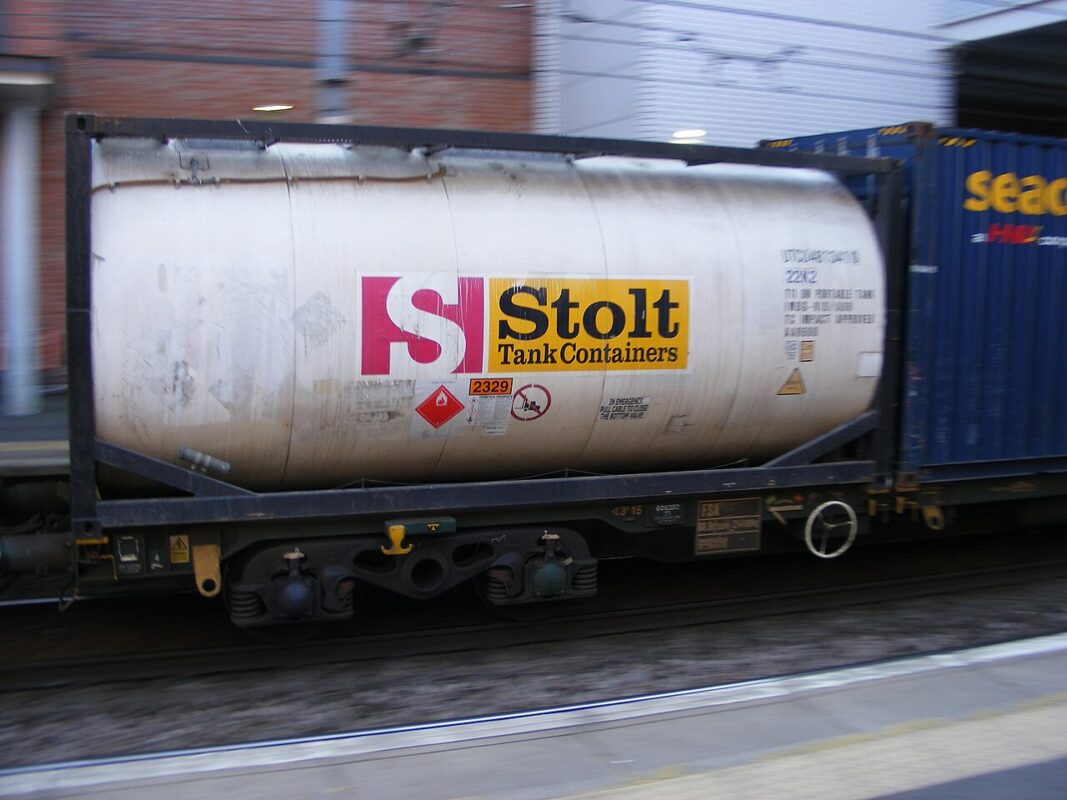
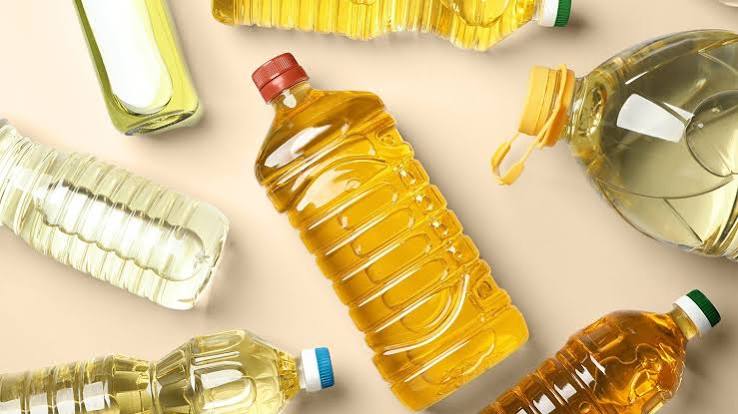
Soybean oil ships and stores as a straightforward liquid year-round in almost any climate, which makes logistics simple: flexitanks, ISO tanks, or drums, with no special temperature handling required at origin or destination. It’s one less thing to plan around when you’re coordinating a container booking.
Palm oil needs a bit more planning depending on the grade and the destination climate. Straight RBD palm oil and palm olein ship as liquids in most conditions, but in cooler climates or unheated warehouses, plain RBD palm oil can begin to cloud or partially solidify, which is why buyers in temperate regions often specify palm olein instead, since its lower cloud point keeps it pourable at lower ambient temperatures. Palm stearin, the harder fraction, genuinely does need heated flexitanks or a melting tank at the receiving end, since it’s solid at room temperature by design.
Neither of these packaging differences should be a surprise on delivery day. We flag the exact handling requirements for whichever palm oil grade you order on the shipping paperwork, so your receiving team knows what to expect and isn’t caught off guard by an oil that looks different from what a soybean oil shipment would look like at the same dock.
How We Test and Certify Every Batch
Every shipment of palm oil or soybean oil we supply comes with a certificate of analysis covering free fatty acid, moisture and impurities, iodine value, peroxide value, and color, tested against the exact grade ordered. For palm oil, that includes confirming which fraction, whole RBD palm oil, olein, or stearin, you’re actually receiving, since that distinction matters more for palm products than it does for straight soybean oil.
If your quality team wants to verify before committing to a full container, we’ll send a pre-shipment sample sized for your lab. It’s a normal ask on a first order and usually resolves any lingering questions about specification faster than another round of back-and-forth over a spec sheet.
Specifications at a Glance
Typical values for the refined grades we supply. Exact figures are confirmed on the certificate of analysis issued with each shipment.
| Property | RBD Palm Oil | Refined Soybean Oil |
|---|---|---|
| Saturated Fat | ~50% | ~15% |
| Oleic Acid (MUFA) | ~39–40% | ~23% |
| Linoleic Acid (PUFA) | ~10–11% | ~51% |
| Iodine Value | 50–55 | 120–141 |
| Free Fatty Acid | ≤ 0.1% | ≤ 0.1% |
| State at Room Temp | Semi-solid | Liquid |
| Smoke Point (refined) | ~230°C | ~230°C |
We supply both palm oil and soybean oil worldwide, and if you’re weighing palm oil vs soybean oil for a specific formulation, send us the application, frying, baking, dressing, or a packaged food product, and we’ll tell you which one actually fits rather than just quoting whichever is cheaper this week.
Frequently Asked Questions
Is palm oil healthier than soybean oil, or the other way around?
They’re nutritionally different rather than one being a straightforward upgrade over the other. Palm oil is higher in saturated fat but carries natural vitamin E tocotrienols; soybean oil is higher in polyunsaturated fat, including omega-3 ALA, but is more prone to oxidation. Most nutrition guidance suggests moderating saturated fat intake generally, without singling out palm oil specifically over other common cooking oils.
Can I substitute palm oil for soybean oil in an existing recipe?
Usually yes for frying and baking applications, though you should expect a firmer texture and a slightly different mouthfeel in cold applications like dressings, since palm oil has a higher solid fat content at refrigerator temperature than soybean oil.
Why is palm oil usually cheaper than soybean oil?
Mainly yield. Oil palm produces several times more oil per hectare than soybeans, which are grown primarily for protein meal with oil as a secondary product. That production efficiency generally keeps palm oil priced below soybean oil, though the spread moves with both commodity markets.
Does soybean oil contain trans fat?
Modern refined soybean oil itself doesn’t, but older formulations that used partially hydrogenated soybean oil to create solid fats did, which is exactly the practice regulators have restricted. Plain refined liquid soybean oil has never needed hydrogenation and has always been trans-fat-free.
Which oil has a longer shelf life?
Palm oil, generally, because of its higher saturated fat content and natural antioxidant profile. Soybean oil’s higher polyunsaturated fat content makes it more prone to oxidation and rancidity over long storage, particularly if it’s exposed to heat, light, or air.
Is soybean oil genetically modified?
A large share of global soybean oil, particularly from the US, Brazil, and Argentina, comes from genetically modified soybean varieties, though non-GMO and organic soybean oil is available at a price premium. Palm oil, by contrast, is not a genetically modified crop commercially.
Why do some snack food labels say “palm oil” specifically instead of just “vegetable oil”?
A number of regulators, including in the EU, now require palm oil to be named specifically on ingredient panels rather than lumped under a generic “vegetable oil” label, partly due to its distinct nutritional profile and partly due to sustainability disclosure requirements tied to deforestation-risk commodities. Soybean oil faces similar naming rules in some markets, so if you’re reformulating between the two, check your destination market’s labeling requirements before you commit to a swap.
Can you supply both oils from the same order?
Yes, we regularly ship mixed containers or coordinated shipments of palm oil and soybean oil for buyers running product lines that use both. Tell us the volumes and grades for each and we’ll coordinate logistics together.
Which oil is better for deep frying at a restaurant or food truck scale?
Palm oil or palm olein is the more common choice for high-volume commercial frying because it holds up longer under repeated heating before it needs changing, which lowers your actual oil cost per fry cycle even if the per-liter price is similar to soybean oil. Smaller operations frying in shorter bursts often find soybean oil perfectly workable, since oil degradation matters less when it isn’t being reused dozens of times a day.
Do palm oil and soybean oil taste different?
Both are refined to a neutral flavor profile that shouldn’t noticeably affect a finished product, though palm oil carries a very slightly richer mouthfeel due to its higher solid fat content, which some bakers actually prefer in pastry and pie crust applications for exactly that reason.
If you’re still deciding between palm oil and soybean oil for a specific product, tell us what you’re making and we’ll walk through which one actually fits, including a side-by-side quote so you’re not choosing blind.
According to the Wikipedia entry on soybean oil, it remains one of the most widely produced vegetable oils globally, second only to palm oil by volume, which is exactly why the two get compared so often by buyers switching between them. We ship both worldwide with a certificate of analysis on every batch; see our guide to refined palm oil applications in food manufacturing for more on how palm oil performs across different product categories, and our RSPO certified sustainable palm oil guide if certification is part of your sourcing requirement. Reach our team here to get a quote started.

One thought on “Palm Oil vs Soybean Oil: 7 Key Differences”