

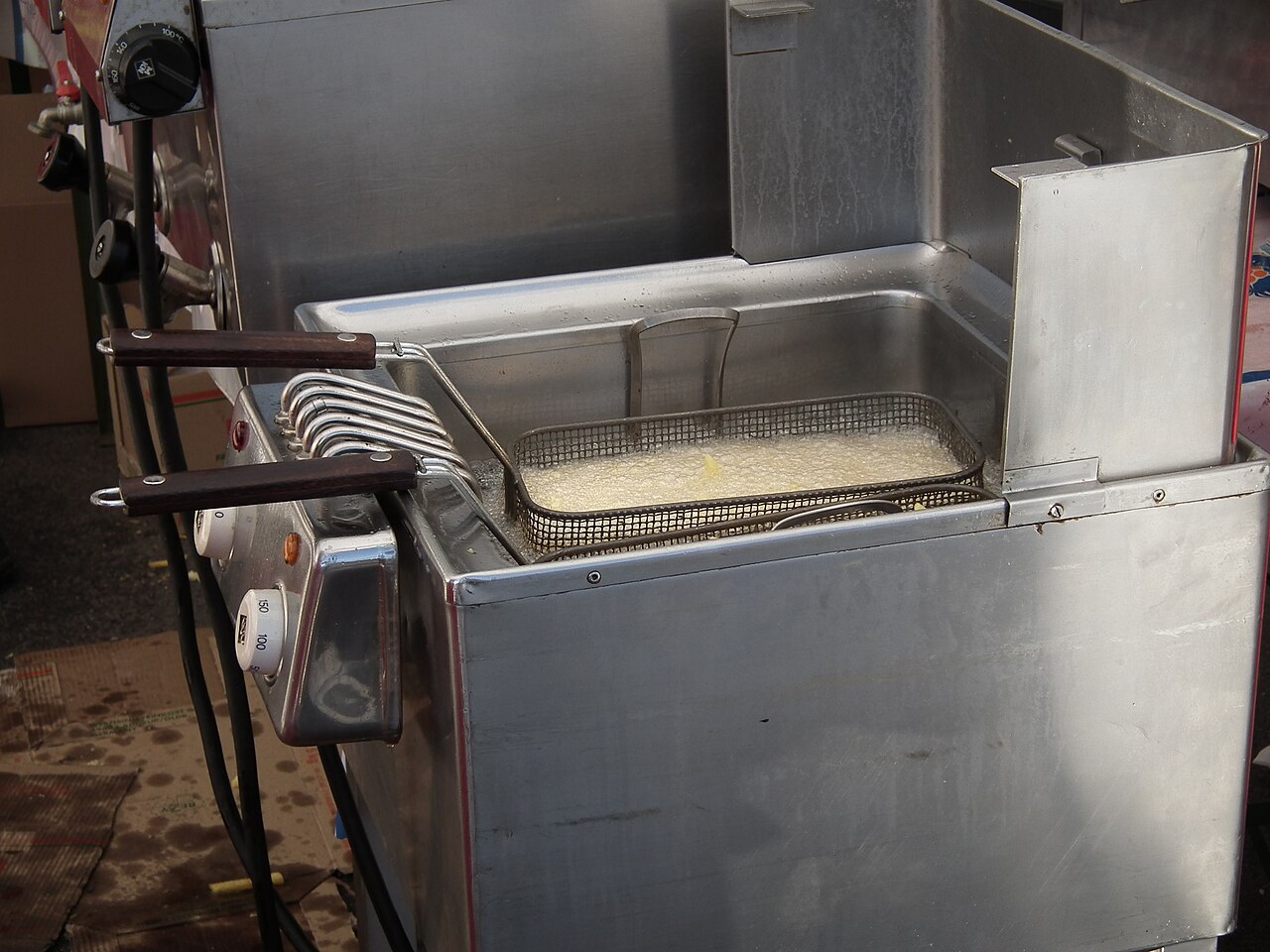
How often to change fryer oil is one of those questions where everyone in the kitchen has an opinion. The owner wants it stretched to save money. The chef wants it changed before the fries go dark. The honest answer sits in the middle, and it depends on what you fry, how much, at what temperature, and what oil you started with.
We supply refined frying oils to buyers around the world, and this question comes up a lot. This guide gives you practical rules for how often to change fryer oil, the signs that tell you it’s time, and how to make each batch last longer without serving bad food.
Table of Contents
The quick answer
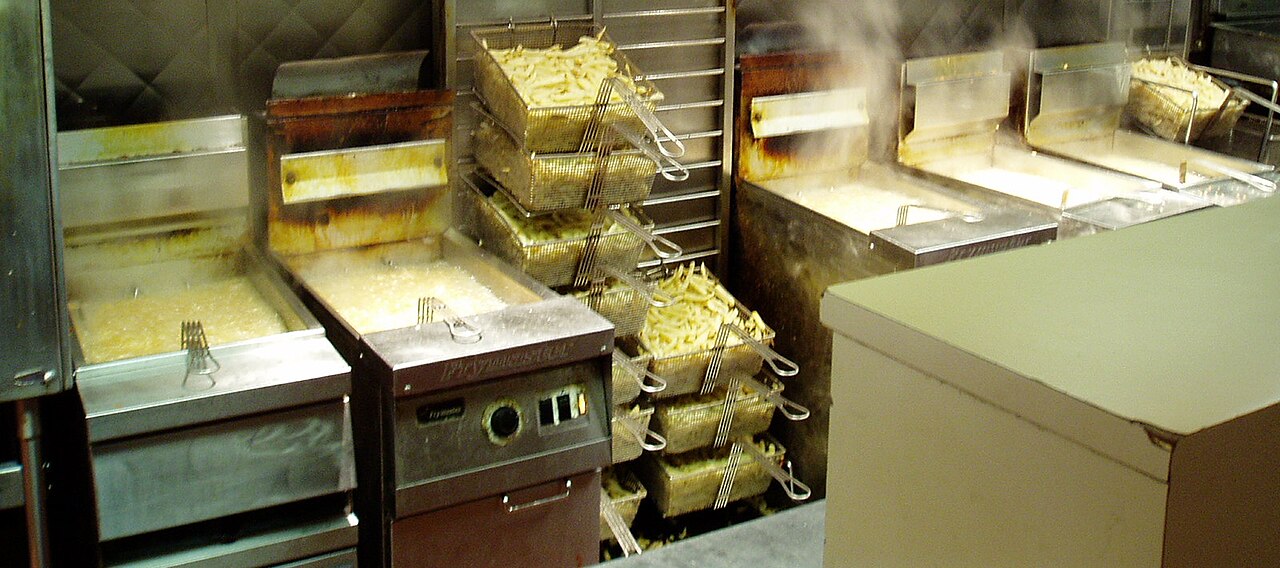
For a typical restaurant fryer doing mixed work, the answer to how often to change fryer oil is that it usually needs changing every 5 to 10 days if it’s filtered daily and topped up. A very busy fryer doing heavy breaded foods might need a change every 2 to 4 days. A light-use fryer cooking only fries in good oil can go longer.
But days are only a rough guide. The better way to decide how often to change fryer oil is to watch the oil itself, test it, and change it when it hits a clear limit. More on that below.
What happens to oil in a fryer
Every frying session changes the oil a little. Four things are going on:
- Hydrolysis. Water from the food splits fat molecules, raising free fatty acids. FFA lowers the smoke point and gives a sharp or soapy taste.
- Oxidation. Hot oil reacts with oxygen from the air, forming breakdown products that affect flavour and smell.
- Polymerisation. Broken-down fat molecules link together into larger ones. The oil gets thicker, darker and starts foaming.
- Contamination. Crumbs, batter, starch, salt and seasonings fall in and burn.
All four pile up over time. How fast they pile up is what decides how often to change fryer oil in your kitchen.
Signs your fryer oil is done
You don’t need a lab to decide how often to change fryer oil. You can spot tired oil yourself. These are the signs most chefs go by:
- Dark colour. Fresh refined oil is light golden. Old oil is brown to almost black. Colour alone can mislead, because some foods darken oil fast, but it’s a good first clue.
- Smoke at normal frying temperature. If the oil smokes at 175 to 180°C, its smoke point has dropped. Time to change.
- Foam that doesn’t settle. Persistent foam on top means the oil has polymerised.
- Thick, sticky feel. Old oil clings to food and to the fryer walls.
- Off smell. Fishy, painty or rancid odours.
- Food problems. Greasy, dark or bitter food, or food that browns outside before it’s cooked through.
If you see two or three of these, you already know the answer to how often to change fryer oil: now.
Testing instead of guessing
Many kitchens now test fryer oil instead of relying on eyes and nose. There are two common methods.
Total polar compounds (TPC) meters. A handheld probe dipped into hot oil reads the percentage of polar compounds, which covers most of the breakdown products. Many countries’ food safety rules or guidance set a discard point in the mid-20s percent. Fresh oil reads in the low single digits.
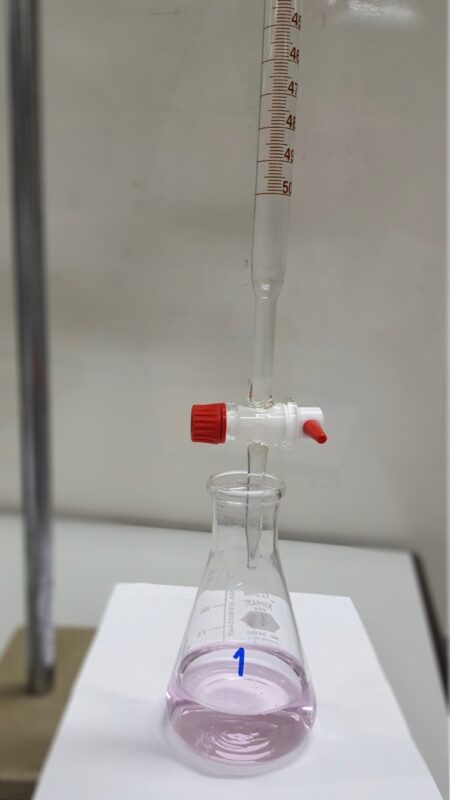
FFA test strips. A strip dipped into a sample changes colour based on free fatty acid content. Cheap and quick, good for daily checks.
Testing turns how often to change fryer oil from an argument into a number. Some kitchens find they were throwing oil away too early. Others find they were keeping it too long. Either way, the test pays for itself. For the lab side of FFA, see our guide to free fatty acid and peroxide value.
What changes how often to change fryer oil
Several things speed up or slow down oil breakdown:
- What you fry. Breaded and battered foods shed crumbs. Fish and seafood leave flavours. Salted and seasoned foods speed breakdown. Plain fries are the gentlest.
- How much you fry. More food per litre of oil per day means faster wear.
- Temperature. Running hotter than needed shortens oil life. Most frying works well at 170 to 185°C.
- Idle time. A fryer left hot with nothing in it is still breaking the oil down. Turn it down or off between rushes.
- Filtering. Daily filtering removes burnt particles and adds days to oil life.
- Top-ups. Adding fresh oil as the level drops slows the decline.
- The oil you start with. This is the one people forget.
Why the oil you buy matters
Two fryers doing the same work can need changing on very different schedules if one starts with better oil. The two things to look for are low free fatty acids at the start and good stability under heat.
Here’s how our main frying oils compare:
| Oil | Smoke point (approx.) | FFA max | Stability in the fryer |
|---|---|---|---|
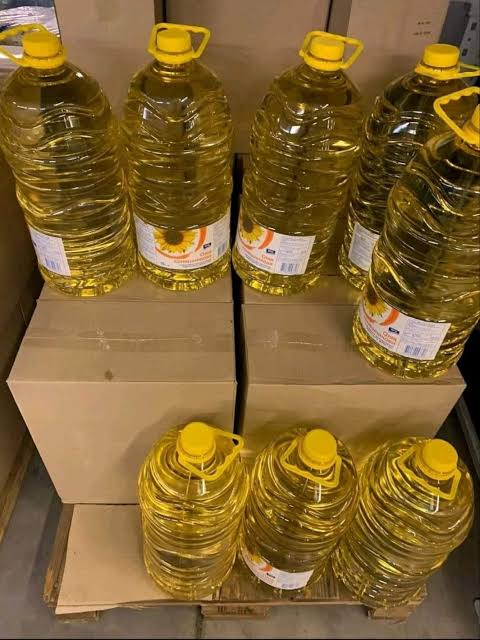
| Refined sunflower oil | 232°C | 0.1% | Good |
| High oleic sunflower oil | 245°C | 0.1% | Very good |
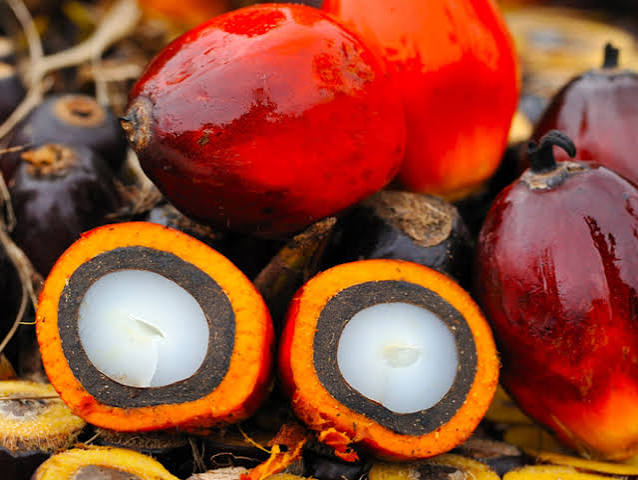
| Palm olein CP8 / CP10 | 230–235°C | Low | Very good |
| Refined soybean oil | 230–234°C | 0.1% | Fair to good |
| High oleic soybean oil | High | 0.1% | Very good |
| Refined canola oil | 204–230°C | 0.1% | Good |
High oleic oils and palm olein resist oxidation better, so they usually stretch the answer to how often to change fryer oil by a good margin. They cost a bit more per litre, but many busy kitchens find the cost per portion comes out lower. Our cooking oil smoke point chart has the full numbers.
A simple routine for longer oil life
This daily routine works in most commercial kitchens:
- Start of shift: check the oil level and top up. Check the thermostat.
- During service: skim floating crumbs regularly. Keep the temperature steady. Don’t overload baskets.
- Between rushes: turn the temperature down or put the lid on.
- End of day: let the oil cool to a safe filtering temperature, then filter. Clean the fry pot if you’re changing oil.
- Once a day: test with a TPC meter or FFA strip and log the result.
- When the test hits your limit: change the oil, no arguments.
A log sheet next to the fryer helps a lot. After a few weeks you’ll see exactly how often to change fryer oil for each fryer, and you can plan oil orders around it.
Separate fryers for separate jobs
If you have more than one fryer, give each one a job. Keep one for fries and potatoes, one for breaded chicken and one for fish. Fish flavours carry, and breaded foods wear oil out faster. Separating them means the fries oil lasts longer and tastes cleaner.
This one change often has the biggest effect on how often to change fryer oil across a whole kitchen.
Filtering: what it does and doesn’t do
When people ask how often to change fryer oil, filtering is the first thing to look at. It removes the solids, the crumbs and burnt bits that speed breakdown and give dark colour. It’s the cheapest way to extend oil life. Daily filtering can add several days to each batch.
What filtering doesn’t do is remove the chemical breakdown, the free fatty acids, oxidation products and polymers. Some filter powders and pads absorb a portion of these, but they can’t reverse the process. So filtering stretches oil life. It doesn’t reset it.
Topping up vs full changes
Topping up with fresh oil as the level drops dilutes the breakdown products a little and slows the decline. In high-volume fryers where food soaks up a lot of oil, top-ups can keep the oil in good shape for a long time.
But topping up doesn’t replace full changes. Once the tested value reaches your discard limit, top-ups just delay the inevitable and waste fresh oil on a batch that’s finished. Knowing how often to change fryer oil means knowing when to stop topping up.
How often to change fryer oil by food type
What goes into the basket has a big effect. Here’s a rough guide for a busy commercial fryer that’s filtered daily and topped up. Use it as a starting point, then adjust with testing.
| Main food in the fryer | Typical oil life | Why |
|---|---|---|
| Plain fries and potato products | 7 – 10 days | Low crumb, low seasoning |
| Breaded chicken and nuggets | 3 – 6 days | Crumbs burn, coatings shed |
| Battered fish and seafood | 3 – 5 days | Strong flavours, batter debris |
| Doughnuts and sweet dough | 5 – 8 days | Sugar caramelises, some foaming |
| Mixed menu in one fryer | 3 – 5 days | Everything at once |
| Spring rolls, samosas, pastries | 4 – 7 days | Flour and fillings shed into oil |
Those ranges assume a good refined oil to begin with. With a high oleic oil or palm olein, you can often push toward the top of each range. With oil that starts with higher FFA, expect the bottom end.
How often to change fryer oil by volume
Fryer size and throughput matter too. A small 8 to 10 litre countertop fryer in a café that fries a few portions an hour will wear oil much more slowly than a 25 litre floor fryer running flat out through lunch and dinner.
One way to think about it is turnover. Food absorbs oil as it cooks, and you top up to replace it. In very high-volume fryers, the top-ups can replace a large share of the oil every few days. That constant fresh oil keeps quality up, and those fryers sometimes go a long time between full changes. In low-volume fryers, there’s very little turnover, so the same oil sits hot for days and breaks down without much dilution.
So how often to change fryer oil isn’t just about how busy you are. It’s about how much fresh oil is flowing through the fryer compared with how long the oil sits hot.
What getting it wrong costs
Changing too early wastes money on oil that still had life in it. For a restaurant group with dozens of fryers, one extra change a week per fryer adds up to a lot of oil over a year.
Changing too late costs in other ways. Food absorbs more oil when the oil is old, so you actually use more of it per portion. Food quality drops, and customers notice greasy, dark or bitter food. Old oil smokes, which affects the kitchen and the extraction system. And in places with legal discard limits, keeping oil too long can mean a failed inspection.
Getting how often to change fryer oil right, based on testing, usually saves money on both sides.
Setting up a simple oil plan
For a multi-site business, a written oil plan keeps everyone consistent. It doesn’t need to be long:
- Which oil each fryer uses, and who orders it.
- Daily filtering time and who does it.
- Which test you use (TPC meter or FFA strips) and the discard limit.
- A log sheet at each fryer.
- Top-up rules.
- How used oil is stored and collected.
- A monthly review of the logs to see how often to change fryer oil at each site.
After a month or two, the logs give you real numbers. You can then compare sites, spot the fryers that are wearing oil out too fast, and fix the cause, whether that’s temperature, food mix or filtering.
Cleaning the fryer when you change the oil
A fresh batch of oil in a dirty fry pot starts life already half worn. Old carbon on the walls and heating elements breaks new oil down faster, and it adds dark colour from day one.
Each time you change the oil, drain it fully, scrape out loose debris, and do a proper boil-out with water and a fryer cleaner, following the fryer maker’s instructions. Rinse well and dry the pot completely before refilling. Any water left behind will spit when the hot oil goes in, and it starts hydrolysis straight away.
It takes an extra half hour, but a clean fryer can add days to the next batch. That’s worth it whenever you’re trying to stretch how often to change fryer oil.
Food factories and continuous fryers
Industrial continuous fryers, the kind used for chips, snacks, noodles and coated products, work differently from restaurant fryers. Food goes through non-stop, and fresh oil is fed in all the time to replace what the product absorbs. In a well-run line, the oil turnover is so high that a full change may only happen during planned shutdowns.
For these lines, the question isn’t so much how often to change fryer oil as how to keep oil quality steady. Plants usually test FFA and polar compounds at set intervals, adjust fresh oil feed, and filter continuously. Starting oil quality still matters a great deal, which is why snack makers often specify palm olein or high oleic oils with tight FFA limits.
Seasons, staff and other real-world factors
A couple of things that don’t show up in the textbook but do affect oil life:
- Busy seasons. Holiday periods and summer rushes wear oil faster. Plan for more frequent changes and larger oil orders.
- Staff turnover. New staff may not know the filtering routine or may run fryers too hot. A short training card on the wall helps.
- Fryer age. Older fryers with worn thermostats can overheat oil without anyone noticing. Check temperatures with a separate thermometer.
- Storage of fresh oil. Oil that’s been sitting in a hot storeroom starts with higher FFA. Store tins and jerrycans somewhere cool.
All of these nudge the answer to how often to change fryer oil in one direction or the other.
Food safety and rules
Many countries have food safety guidance on frying oil, and some set legal discard limits based on polar compounds. Check what applies where you operate. Your local food safety authority will have the details. Internationally, the FAO/WHO Codex Alimentarius sets standards for the oils themselves, which many national rules build on.
Beyond the rules, old oil is a quality problem customers notice. Dark, greasy, bitter food loses you repeat business long before an inspector shows up.
Disposal of used fryer oil
Once you’ve worked out how often to change fryer oil, plan for what happens to the old oil. Used cooking oil shouldn’t go down the drain. It blocks pipes and causes problems in sewers. Most cities have licensed collectors who take used oil for recycling, often into biodiesel. Keep used oil in a sealed container and arrange regular collection.
Buying oil for commercial fryers
If you’re buying for a restaurant group, a catering business or a food factory, work out your usage from your change schedule. Once you know how often to change fryer oil in each site, you know how much you need each month.
Packing options that suit commercial kitchens:
- 18 L tins and 25 L jerrycans for restaurants and caterers.
- 180 to 200 kg drums for larger kitchens and small factories.
- Flexitanks and ISO tanks for food factories and distributors who repack. See our comparison of flexitank vs ISO tank.
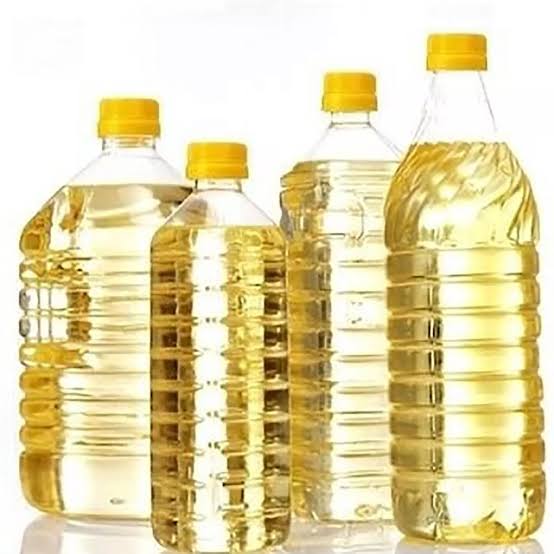
- 1 L to 10 L PET bottles for smaller outlets and retail.
For comparisons between specific oils, read our guide to canola oil vs soybean oil. And if you store oil for months before using it, check our guide to the shelf life of sunflower oil, soybean and canola.
Common mistakes
- Changing on a fixed day no matter what. Busy weeks and quiet weeks wear oil differently.
- Judging by colour alone. Some foods darken oil fast even when it’s still usable. Test instead.
- Frying too hot. It speeds everything up.
- Skipping filtering on busy days. That’s when it matters most.
- Salting over the fryer. Salt speeds breakdown.
- Mixing old and new oil half and half. You end up with a tired batch that fails sooner.
Quick answers
How often to change fryer oil at home? Home fryers used once or twice a week can often go 6 to 10 uses if the oil is strained and stored covered. Change it sooner if it smells or smokes.
How often to change fryer oil in a busy restaurant? Often every 2 to 7 days, depending on volume and food. Test daily and change at your limit.
Does better oil really last longer? Yes. High oleic sunflower, high oleic soybean and palm olein are noticeably more stable than regular oils under long frying.
Can I reuse oil that fried fish for fries? It’s better not to. Fish flavour carries over.
What’s the best single sign? Smoke at normal frying temperature. Once the oil smokes at 175 to 180°C, its smoke point has dropped too far.
Order frying oil from DTH Company Ltd
We supply refined sunflower oil, palm oil, soybean oil, canola oil and coconut oil to buyers worldwide, with a certificate of analysis on every shipment. If you’re working out how often to change fryer oil and want an oil that lasts longer, ask us about our high oleic grades and palm olein.
Browse our products page, read about us, or send your grade, quantity and destination through our contact page. We’ll reply with specs, packing options and a price.
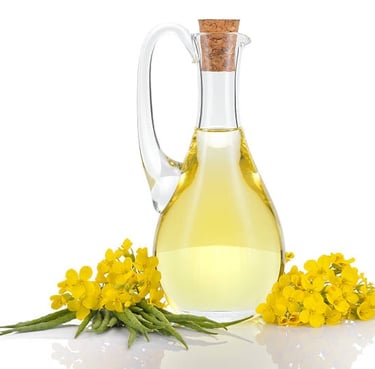
Image credits: Featured photo: 4028mdk09, CC BY-SA 3.0, Wikimedia Commons.
3 thoughts on “How Often to Change Fryer Oil: 9 Clear Signs and Easy Tips That Save Money”