

Coconut oil for bakery and confectionery is one of those ingredients that quietly does a lot of work. It’s in the cream between two biscuits, the coating on an ice cream bar, the filling in a wafer, the compound chocolate on a cheap candy bar and the creamer in a lot of instant coffee. It’s there because it’s hard at room temperature, melts cleanly in the mouth, keeps for a long time and doesn’t taste of anything unless you want it to.
We supply coconut oil for bakery and confectionery to biscuit factories, bakeries, chocolate and candy makers, ice cream producers, creamer plants and food distributors around the world. This guide covers why coconut oil suits these products, which grade to use for what, the melting and solid fat numbers that matter, the mistakes that cause soapy flavours and fat bloom, and how to buy and handle coconut oil in a food plant. At the end you’ll find the specs of the oil we sell and how to order.
Table of Contents
Why Bakers Choose Coconut Oil for Bakery and Confectionery
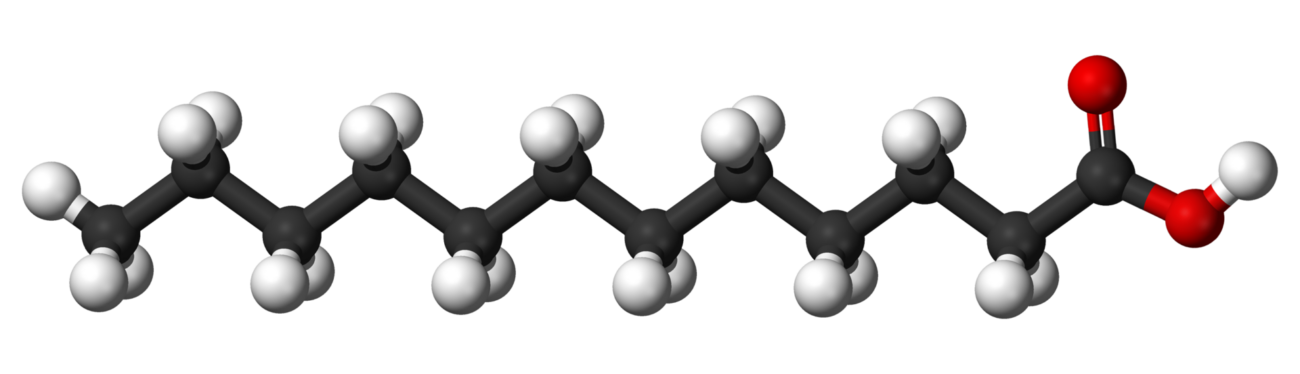
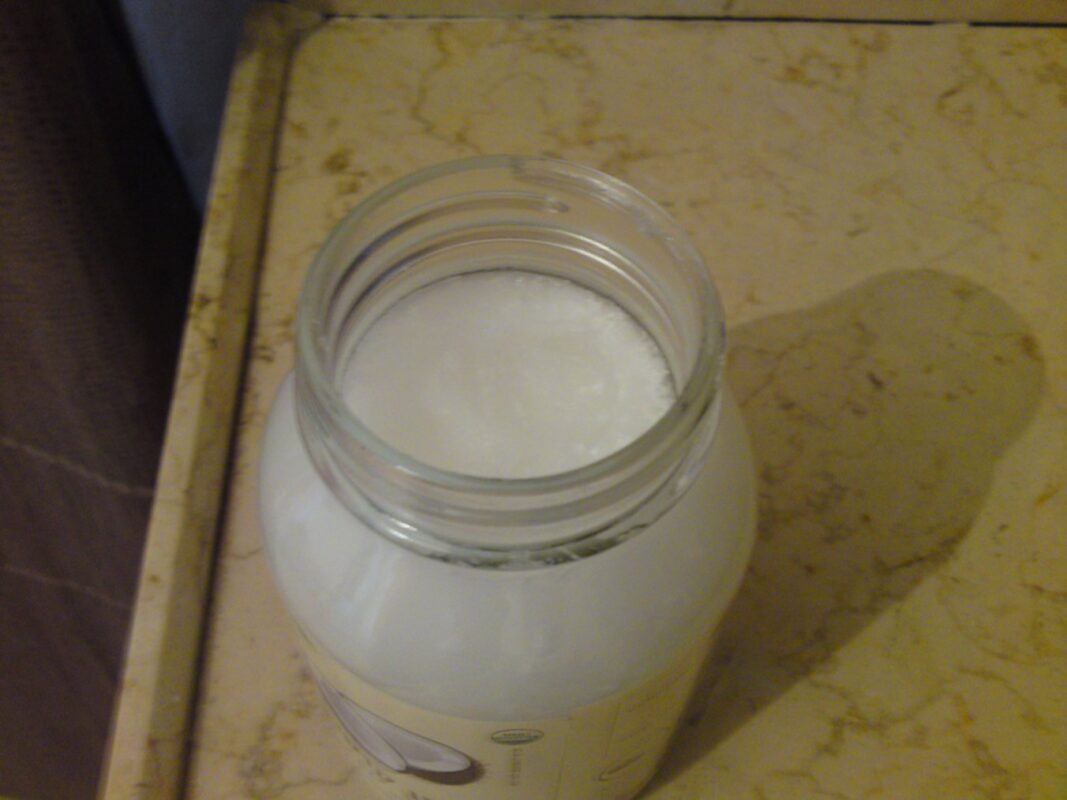
Most of it comes down to how coconut oil melts. Around half of its fatty acids are lauric acid and most of the rest are other short and medium saturated chains. Fat like that is hard and brittle at 15 to 20°C and almost fully liquid by 26°C. Mouth temperature is about 35°C, so coconut fat melts away completely when you eat it. There’s no waxy film left on the palate, which you sometimes get with palm or hydrogenated fats.
That sharp, clean melt is the main reason people choose coconut oil for bakery and confectionery. The other reasons:
- Stability. Coconut oil is about 90% saturated, so it resists oxidation. Biscuits and fillings made with it keep a long shelf life.
- Neutral taste. Refined coconut oil tastes of almost nothing, so your vanilla or cocoa comes through.
- Coconut taste when you want it. Virgin coconut oil adds real coconut flavour for premium and specialty products.
- Plant-based. It works in vegan and dairy-free products where butter isn’t an option.
- No trans fats in its natural, non-hydrogenated form.
If you want the chemistry, our guides to lauric acid in coconut oil and the coconut oil melting point explain it.
Where Coconut Oil Is Used in Bakery and Confectionery
| Product | What coconut oil does | Usual grade |
|---|---|---|
| Sandwich biscuit creams | Firm cream that doesn’t smear, clean melt | RBD |
| Wafer fillings | Holds shape, keeps wafers crisp | RBD |
| Compound chocolate coatings | Snap, gloss and melt without tempering | RBD or hydrogenated coconut oil |
| Ice cream coatings | Sets almost instantly on cold ice cream | RBD |
| Non-dairy creamer and whipped toppings | Body when cold, clean taste | RBD or hydrogenated |
| Cookies and biscuits (dough fat) | Short texture, long shelf life | RBD, sometimes blended |
| Vegan cakes and pastries | Butter replacement | RBD or virgin |
| Premium coconut cookies, granola, bars | Coconut flavour, clean label | Virgin |
| Toffee, caramel, fudge | Texture and mouthfeel | RBD |
| Popcorn and snack seasoning | Flavour carrier, crisp finish | RBD |
| Doughnut glazes and icing | Sets the glaze, reduces stickiness | RBD |
Which Grade of Coconut Oil for Bakery and Confectionery?
RBD coconut oil
This is the workhorse. Refined, bleached and deodorized coconut oil is white, odourless and consistent. Nearly all industrial use of coconut oil for bakery and confectionery starts here. It doesn’t fight your flavours, it’s priced as a bulk commodity, and it comes in flexitanks and ISO tanks for big plants. Look at our RBD coconut oil specification for the numbers.
Virgin coconut oil
Virgin coconut oil keeps the fresh coconut flavour and aroma. Artisan bakers, health food brands and premium biscuit makers use it where coconut taste is part of the product, or where “virgin” or “unrefined” on the label sells. It costs more, so it’s usually used in smaller amounts or premium lines. See our virgin coconut oil specification.
Hydrogenated coconut oil and coconut stearin
In hot climates, plain coconut oil can get too soft. A biscuit cream that’s perfect in a cool store can go greasy at 30°C. Hydrogenated coconut oil, often called “92 degree” because it melts near 33°C (92°F), or coconut stearin, which melts around 28 to 32°C, give more heat resistance while keeping the clean lauric melt. Note that partially hydrogenated fats can contain trans fats and are restricted in many markets. Fully hydrogenated fat is a different case, so check the rules where you sell.
Crude coconut oil
Not for food. Crude oil smells of copra and needs refining first. It’s for refiners and soap makers.
The Melting Behaviour That Matters
Food technologists describe fats by their solid fat content at different temperatures. These are rough typical figures for plain coconut oil.
| Temperature | Approximate solid fat (%) | What it means |
|---|---|---|
| 10°C | About 55 to 60 | Very hard, brittle |
| 20°C | About 25 to 35 | Firm, holds shape |
| 25°C | Under 5 | Almost melted |
| 30°C | 0 | Fully liquid |
Compare that with palm oil, which still has some solid fat at 35°C and above. That’s why palm-based fillings can leave a waxy feel and coconut-based ones don’t. It’s also why coconut oil for bakery and confectionery needs care in warm climates: by 25°C it’s mostly liquid. Our guide to coconut oil vs palm oil compares the two fats in more detail, and palm stearin vs palm olein explains the palm fractions bakers often blend with.
Compound Chocolate and Coatings
Coconut oil and palm kernel oil are the base of most compound chocolate, the coating on many biscuits, wafers and ice cream bars. Unlike real chocolate, compound coatings made with lauric fat don’t need tempering. You melt, coat and cool. They set fast, look glossy and snap.
Here’s the big rule: lauric fats and cocoa butter don’t get along. Mix more than a small amount of coconut oil into real chocolate, or put a lauric coating next to a cocoa butter product, and the fats can soften each other and cause fat bloom, the dull grey film on old chocolate. So lauric coatings are made with cocoa powder, not cocoa mass or cocoa butter, or with only small amounts. Wikipedia’s page on compound chocolate gives a short overview.
Avoiding the Soapy Taste
The most common problem with coconut oil for bakery and confectionery isn’t rancidity in the usual sense. It’s soapiness.
Here’s what happens. Lipase enzymes, from flour, milk powder, nuts, cocoa or mould, plus a bit of moisture, split the coconut fat and release free lauric acid. Free lauric acid tastes like soap, and people can taste it at very low levels. So a cream filling that tasted fine at production can taste soapy after a few weeks on the shelf.
How to prevent it:
- Start with low-FFA oil. Use RBD coconut oil with free fatty acids at 0.1% or lower.
- Heat-treat ingredients that carry lipase. Use heat-treated flour and milk powder in fillings, and roasted nuts.
- Keep water activity low. Dry fillings don’t let the enzymes work.
- Keep the factory clean. Mould carries lipase too.
- Store finished product cool.
Our guide to free fatty acid and peroxide value explains how FFA is tested.
Using Coconut Oil as a Butter or Shortening Replacement
For vegan and dairy-free products, coconut oil is the most common butter substitute. A few practical tips from bakers we supply:
- Butter is about 80% fat and 16% water. Coconut oil is 100% fat. When you swap, use about 20% less coconut oil and add a little water or plant milk.
- Temperature matters. Cold, solid coconut oil creams with sugar like butter. Melted coconut oil gives a denser, chewier result.
- Doughs firm up fast in the fridge. Let them warm slightly before rolling.
- Use RBD unless you want coconut flavour.
In laminated pastry, plain coconut oil is usually too brittle cold and too soft warm. Bakers either blend it with other fats or buy a dedicated plant-based laminating fat.
Spec Points for Coconut Oil for Bakery and Confectionery
When you buy coconut oil for bakery and confectionery, these are the lines on the certificate that matter most.
| Parameter | Why it matters | Our RBD spec |
|---|---|---|
| Free fatty acids (as lauric) | Soapy taste risk, shelf life | 0.1% max |
| Peroxide value | Freshness, rancidity risk | 1.0 meq O2/kg max |
| Moisture and impurities | Hydrolysis, microbial risk | 0.1% max |
| Colour (Lovibond) | White fillings and coatings | 1.0 red max |
| Odour and taste | Clean flavour | Neutral, bland |
| Slip melting point | Texture, heat resistance | About 24 to 26°C |
| Iodine value | Purity check | 6 to 11 |
Large food companies also ask for contaminant results, such as 3-MCPD and glycidyl esters, PAH and heavy metals, plus food safety certification. Our refined oil is made under ISO 22000, HACCP and GMP, with Halal standard and Kosher available for selected lots. For general food standards, the Codex Alimentarius is the international reference.
Handling Coconut Oil for Bakery and Confectionery in Your Plant
Receiving and storage
Bulk coconut oil for bakery and confectionery usually arrives in flexitanks, ISO tanks, drums or IBCs. In cooler climates it arrives solid and needs heating to unload. Store it in stainless steel tanks at just above its melting point, around 30 to 35°C, if you need it liquid for dosing, and no hotter than that for long periods. Keep tanks covered and dry. Our refined oil storage and handling guide covers the general rules.
Dosing and mixing
Many plants dose liquid coconut oil into mixers by meter. Make sure lines are trace-heated, otherwise the oil can set in a cold pipe.
Cooling and crystallization
For creams and coatings, how fast the fat cools affects texture. Fast cooling gives fine crystals and a smooth texture. Slow cooling can give a grainy feel. Coating lines use cooling tunnels set for this.
Packing choice
Large biscuit and confectionery factories almost always take bulk. Smaller bakeries use drums, jerrycans or 18 L tins. Our comparison of flexitank vs ISO tank helps if you’re moving to bulk.
Coconut Oil vs Other Bakery Fats
| Fat | Melt in mouth | Heat resistance | Taste | Typical use |
|---|---|---|---|---|
| RBD coconut oil | Very clean | Low | Neutral | Creams, coatings, creamers |
| Virgin coconut oil | Very clean | Low | Coconut | Premium, vegan, specialty |
| Palm oil and fractions | Can be waxy | Higher | Neutral | Shortening, margarine, frying |
| Palm kernel oil | Clean | Low to medium | Neutral | Coatings, creams |
| Butter | Clean | Low | Dairy | Premium baking |
| Liquid oils (sunflower, canola) | Liquid | None | Neutral | Cakes, muffins, dressings |
For liquid oils used in cakes and frying, see our guides to canola oil vs sunflower oil and the cooking oil smoke point chart.
Coconut Oil for Bakery and Confectionery in Hot and Cold Climates
The same filling can behave very differently in Oslo and in Lagos. Coconut fat is firm below 20°C and nearly liquid by 25°C, so climate decides a lot.
- Cool markets: plain RBD coconut oil for bakery and confectionery works well. Creams stay firm and coatings snap.
- Warm markets: products can soften or oil out on the shelf. Makers use coconut stearin, fully hydrogenated coconut oil, or blends with palm fractions for more heat resistance.
- Markets with both: some brands run a summer and a winter formula.
Shipping matters too. Finished products stored in hot containers can melt and re-set with a grainy texture. Good packaging and cool storage help as much as the fat choice.
Sample Formulations
These rough starting points show where coconut oil for bakery and confectionery fits in common products. Every factory adjusts them for its own process and market.
| Product | Fat share | Other main ingredients |
|---|---|---|
| Sandwich biscuit cream | About 30 to 38% coconut oil or lauric blend | Icing sugar, milk powder or whey, flavour, lecithin |
| Wafer filling | About 30 to 40% | Sugar, cocoa powder or milk powder, wafer crumbs, lecithin |
| Compound coating | About 30 to 35% | Sugar, cocoa powder, milk powder, lecithin |
| Ice cream coating | About 55 to 65% | Cocoa powder, sugar, lecithin |
| Vegan cookie dough | About 20 to 25% | Flour, sugar, plant milk, raising agent |
Ice cream coatings use a lot of fat because they need to stay thin and flow easily before setting on the cold ice cream. Biscuit creams use less, because sugar gives the body.
Switching From Palm Fat to Coconut Oil
Some bakeries move to coconut oil for bakery and confectionery for a cleaner melt, a palm-free label or a coconut claim. A few tips from customers who’ve done it:
- Run small trials first. Coconut fat sets faster and softer at warmer temperatures than most palm fats.
- Check shelf texture at your warmest storage temperature. That’s where problems show up.
- Re-check cooling tunnel settings. Lauric fats crystallize differently.
- Watch for lipase. Switch to heat-treated flour and milk powder if you haven’t already.
- Update labels and allergen paperwork. Coconut is listed as a tree nut in some markets, including the US, so check the rules where you sell.
Clean Label, Vegan and Palm-Free Products
Demand for vegan, dairy-free and palm-free baked goods keeps growing, and coconut oil for bakery and confectionery is often the fat that makes them work. It replaces butter in vegan biscuits, gives structure to dairy-free creams, and lets brands drop palm oil from the ingredient list.
Virgin coconut oil adds a natural, minimally processed story for premium lines. RBD oil keeps costs down in mass-market products. Many brands use RBD in the main line and virgin in a premium version. Either way, ask your supplier for the certifications your label needs, such as Halal, Kosher or organic.
Quality Checks at Your Plant
A good certificate from your supplier is the start, not the end. Bakeries and confectioners using coconut oil for bakery and confectionery lines usually run a few simple checks on arrival.
- Smell and taste a melted sample. It should be bland and clean. Any soapy, rancid or copra note is a reason to hold the lot.
- Test FFA. It’s quick and tells you about freshness and soapy-taste risk.
- Test peroxide value on bulk deliveries or after long storage.
- Check colour if you make white creams or pale coatings.
- Keep a retained sample from every lot until the products made with it have passed their shelf life.
Shelf-Life Testing for Finished Products
Even with good oil, it’s worth testing finished products. Store samples at room temperature and at a warm temperature, say 30 to 35°C, and taste them every few weeks. Warm storage speeds up any lipase activity, so a soapy note shows up sooner. If your product passes warm storage, it’ll almost always pass normal shelf life. Factories that use coconut oil for bakery and confectionery products at scale often make this part of every new product launch.
How Much Coconut Oil Will You Need?
A rough way to estimate: multiply your monthly output of filled or coated products by the fat share in the filling or coating. A plant making 300 tons of sandwich biscuits a month, with cream at about 30% of the biscuit and fat at about 35% of the cream, uses roughly 30 tons of fat a month. That’s one to two flexitanks. Smaller bakeries usually start with drums or tins of coconut oil for bakery and confectionery and move to bulk once volumes grow.
The Coconut Oil We Sell for Bakery and Confectionery
| Product | Key specs | Best for | Packing |
|---|---|---|---|
| RBD coconut oil | FFA 0.1% max, PV 1.0 max, M&I 0.1% max, colour 1.0 R max, neutral taste | Biscuit creams, wafers, coatings, creamers, frying | Flexitank, ISO tank, drums, IBC, tins, jerrycans |
| Virgin coconut oil | FFA 0.2% max, moisture 0.1% max, PV 3.0 max, fresh coconut taste | Premium, vegan and coconut-flavoured products | Jerrycans, drums, IBC, bottles |
Every lot ships with a certificate of analysis, and we can add contaminant results and a fatty acid profile on request. For an idea of where prices sit, see our guide to the coconut oil price per ton. For customs, see the coconut oil HS code guide.
Order Coconut Oil for Bakery and Confectionery
Tell us what you make, the grade you want, your monthly volume, packing and destination port. We’ll recommend the right oil, send a spec sheet and a sample for trials, and quote a delivered price. Whether you need a few tins of coconut oil for bakery and confectionery trials or regular flexitank supply for a biscuit line, we can set it up.
See our RBD coconut oil and virgin coconut oil pages, or our full coconut oil range. We also supply palm, sunflower, soybean and canola oils through our product list. Email info@dthcompanyltd.com, WhatsApp +66 91 765 9104, or use our contact page.
Coconut Oil for Bakery and Confectionery: Common Questions
Is refined or virgin coconut oil better for baking?
RBD for most industrial use, because it’s neutral and cheaper. Virgin when you want coconut flavour or an unrefined label.
Why does my coconut cream filling taste soapy?
Lipase from flour, milk powder or nuts has split the fat and released lauric acid. Use low-FFA oil, heat-treated ingredients and keep moisture low.
Can coconut oil be used in real chocolate?
Only in small amounts. Lauric fats and cocoa butter don’t mix well and can cause bloom. Coconut oil is used mainly in compound coatings.
How do I replace butter with coconut oil?
Use about 20% less coconut oil than butter, and add a little liquid to make up for butter’s water content.
Is coconut oil good for hot climates?
Plain coconut oil softens above about 24°C. In hot markets, bakers often use hydrogenated coconut oil or coconut stearin for more heat resistance.
What packing do you offer for coconut oil for bakery and confectionery?
Flexitanks, ISO tanks, drums, IBCs, 18 L tins, jerrycans and bottles.
Can I get samples for product trials?
Yes. We send samples so your R&D team can test the oil before you order.
Does coconut oil for bakery and confectionery contain trans fat?
Plain RBD and virgin coconut oil contain no added trans fat. Partially hydrogenated coconut oil can, so check the spec if you use hardened grades.
How long does coconut oil last in a bakery store room?
18 to 24 months in sealed packing, kept cool and dry. Once opened, use it within a few months and keep the lid on.
One thought on “Coconut Oil for Bakery and Confectionery: Best 2026 Guide”