
A crude coconut oil specification is the short list of numbers that tells you what you’re really buying: free fatty acids, moisture and impurities, iodine value, saponification value, colour and a few others. Get these right in your contract and you know how much oil you’ll lose in refining, how it will behave in your soap kettle, and whether the lot is fresh or has been sitting in a hot tank for months. Get them wrong and the cheap offer turns out to be expensive.
We export crude coconut oil from Thailand to refiners, oleochemical plants, soap and detergent makers and traders around the world. This guide goes through the crude coconut oil specification line by line, explains what each number means in practice, shows the typical fatty acid profile, and sets out the spec and packing you get when you buy from us.
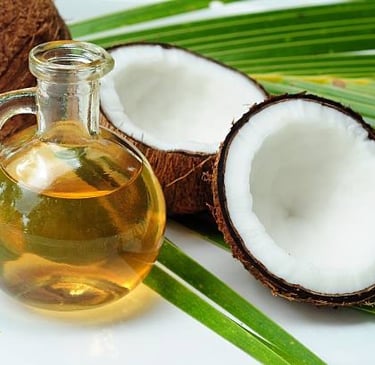
Table of Contents
What Is Crude Coconut Oil?
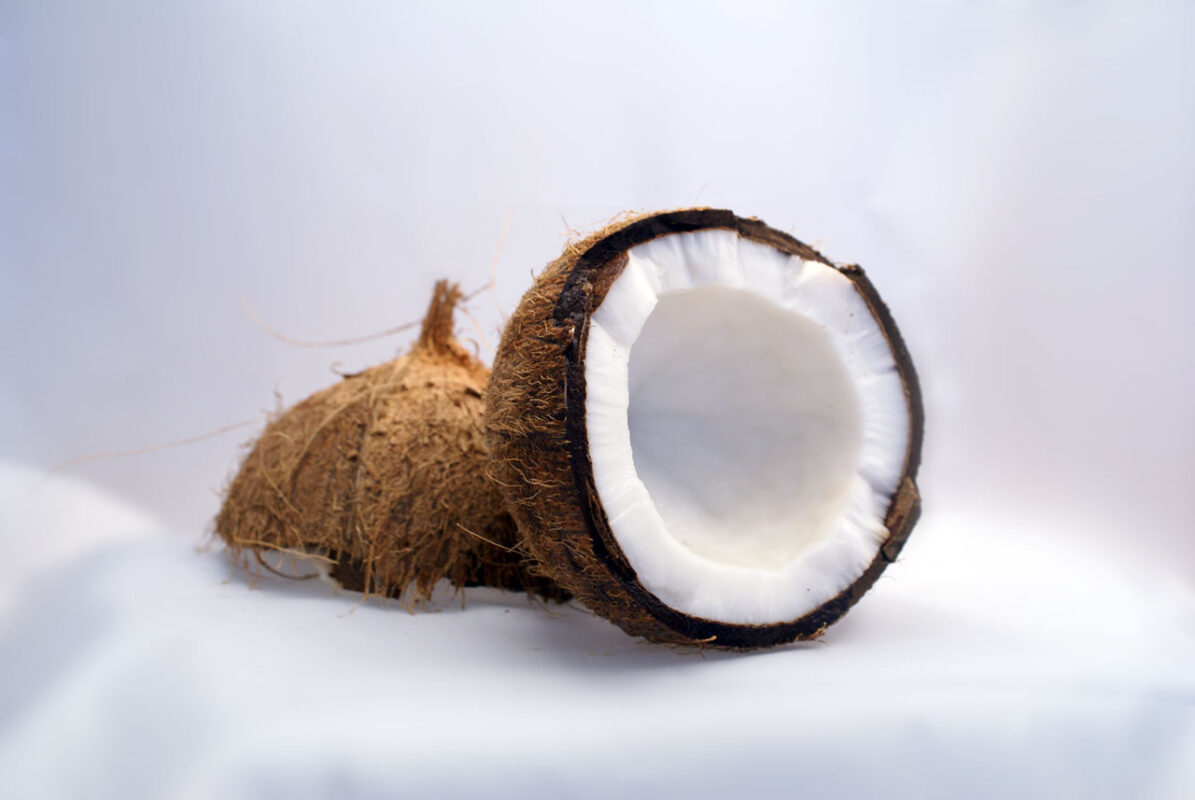
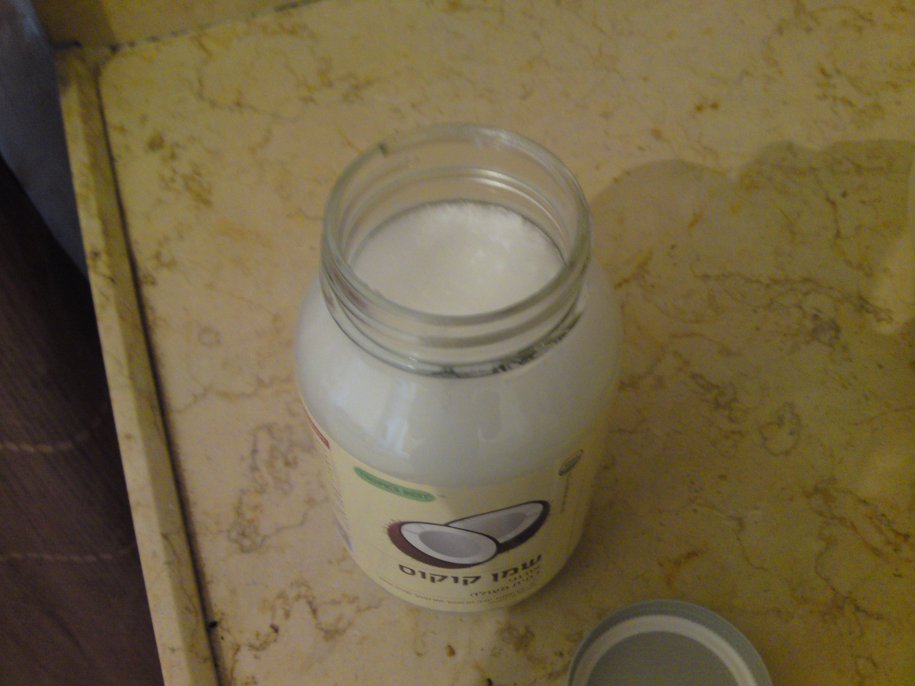
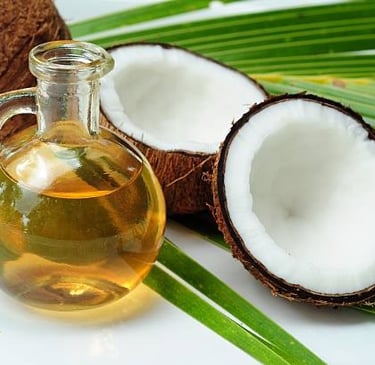
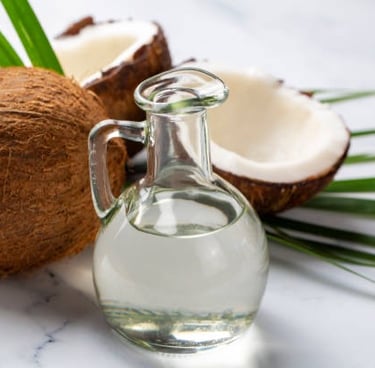
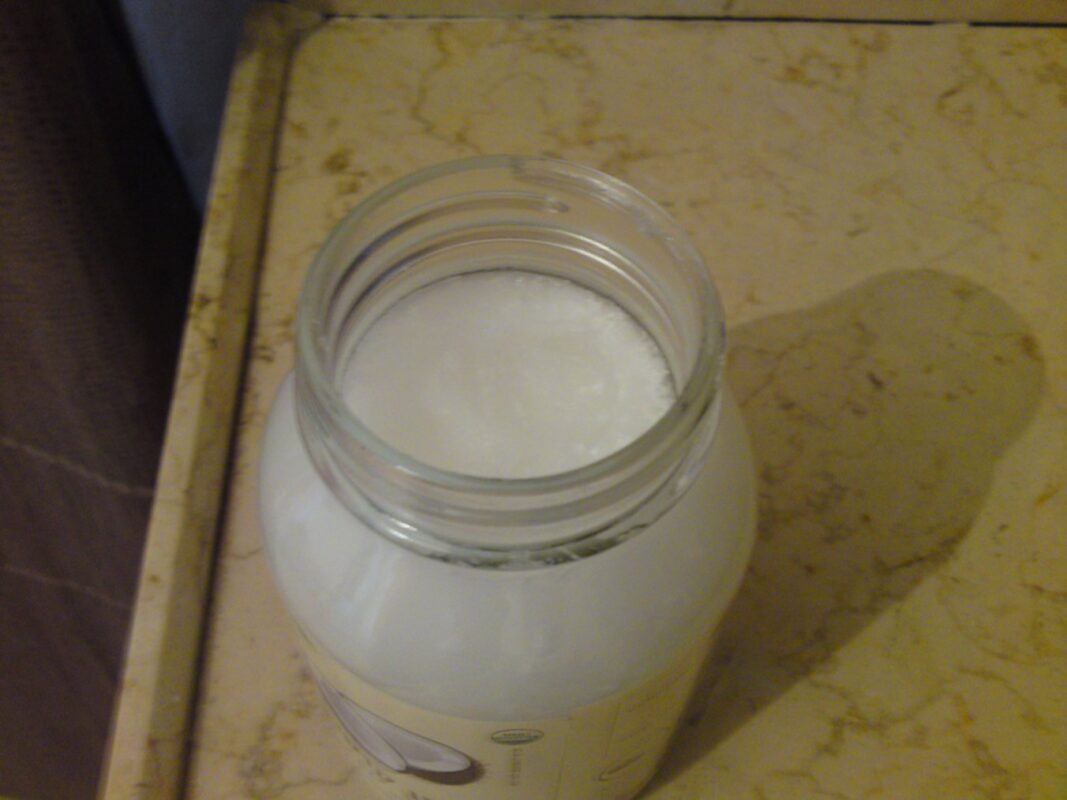
Crude coconut oil, often called CNO or CCO in the trade, is the oil pressed from copra (dried coconut meat) before any refining. Copra goes through expellers, sometimes followed by solvent extraction of the cake, and the oil that comes out is filtered and stored. That’s it.
It’s golden yellow to light brown, has a strong coconut and copra smell, and carries free fatty acids, moisture, fine solids and colour that refining later removes. Nobody eats it as it is. It’s a raw material for:
- Refiners making RBD coconut oil
- Oleochemical plants making fatty acids, fatty alcohols, methyl esters and glycerine
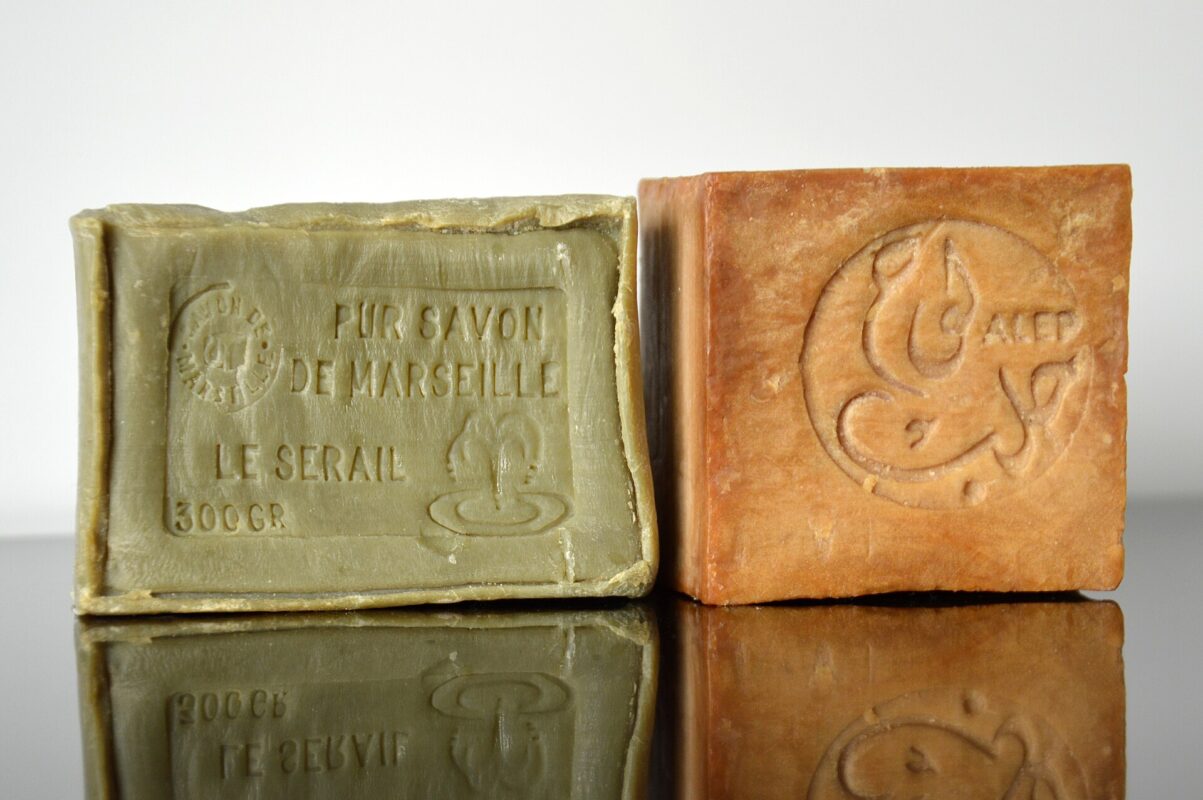
- Soap and detergent makers
- Cosmetic and personal care ingredient makers
- Some biodiesel and industrial uses
If you’re comparing crude with refined grades, our guide on RBD coconut oil vs virgin coconut oil explains how the refined and virgin grades differ.
How Copra Quality Shapes the Specification
Almost every number in a crude coconut oil specification is decided before the oil is even pressed. It comes down to the copra.
Good copra is dried quickly and evenly to around 6% moisture, kept clean and stored dry. Oil pressed from it is lighter in colour, lower in FFA and cleaner. Bad copra is dried slowly, rained on, smoked over open fires or left in damp sacks. It grows mould, heats up and starts breaking down. Oil from that copra comes out darker, with higher FFA, a heavy smell and sometimes aflatoxin or PAH issues.
That’s why two lots of crude coconut oil from the same country can be so different. Kiln dried or hot air dried copra generally gives better oil than sun dried copra in a rainy season, and much better than smoke dried copra. When we buy copra and crude oil for our own supply, copra quality is the first thing we check, because it decides how easy the oil will be to refine later.
The coconut oil article on Wikipedia has a good general overview of how copra is made and pressed if you want more background.
Our Crude Coconut Oil Specification
This is the crude coconut oil specification we work to for export. Every lot is tested against it before loading, and you get a certificate of analysis with the shipping documents.
| Parameter | Specification |
|---|---|
| Product | Crude coconut oil (CNO) |
| Origin | Thailand |
| Appearance | Golden yellow to brownish liquid (solid below about 24°C) |
| Odour and taste | Distinct coconut odour, free from rancidity |
| Free fatty acids (as lauric acid) | 2.0 to 5.0% |
| Moisture and impurities | 0.5% max |
| Iodine value (Wijs) | 7 to 11 |
| Saponification value | 248 to 265 mg KOH/g |
| Unsaponifiable matter | 0.5% max |
| Shelf life | 6 to 12 months, cool and dry |
| Packing | Flexitanks, ISO tanks, 180 to 200 kg steel drums, 18L tins, 25L jerrycans, custom bulk |
You can see the product page at crude coconut oil for sale.
Now let’s go through what each line of the crude coconut oil specification actually means for you.
Free Fatty Acids (FFA)
This is the most important number on any crude oil spec. Free fatty acids are fatty acids that have broken off the oil molecule, usually because of moisture, heat, enzymes or time. For coconut oil they’re measured as lauric acid, because lauric is the main fatty acid in coconut.
Why it matters:
- Refining loss. Every bit of FFA has to be removed in refining, and you lose some neutral oil with it. Higher FFA means more oil lost and more cost per tonne of finished RBD.
- Freshness. FFA rises when copra was badly dried or oil was stored too long or too warm. A high number tells you something went wrong upstream.
- Oleochemicals. For splitting into fatty acids, FFA matters less, which is why oleochemical buyers sometimes accept higher FFA at a lower price.
A range of 2 to 5% is normal for good export crude coconut oil. Below 2% is very fresh oil. Above 5% you should expect a discount.
Our post on free fatty acid and peroxide value explains how FFA is tested and what drives it up.
Moisture and Impurities (M&I)
This covers water and insoluble solids like fine copra particles, dust and fibres. In a crude coconut oil specification, M&I is usually capped at 0.5% or 1%.
Why it matters:
- Water speeds up the breakdown of oil into free fatty acids. High moisture today means higher FFA by the time the oil reaches you.
- Solids settle in tanks and flexitanks and cause sludge at discharge.
- You’re paying for oil, not water and dirt. Every 0.5% of M&I is half a percent of your money.
Our limit is 0.5% max.
Iodine Value (IV)
Iodine value measures how unsaturated the oil is. Coconut oil is mostly saturated fat, so its IV is very low, typically 7 to 11. Compare that with palm oil at around 50 to 55, or soybean oil at 120 to 141.
Why it matters:
- It confirms identity. If a “coconut oil” sample comes back with an IV of 20 or 30, it’s probably been mixed with another oil.
- It tells you how the oil will behave. Low IV means good stability and a sharp melting point.
Saponification Value (SV)
Saponification value is the amount of potassium hydroxide needed to turn a gram of oil into soap. Coconut oil has a very high SV, around 248 to 265, because its fatty acids are short. Most other vegetable oils sit around 185 to 200.
Why it matters:
- Soap makers use it to calculate how much lye they need.
- Like IV, it’s a fingerprint. A crude coconut oil with an SV well below 245 is suspicious.
- High SV is exactly why coconut oil makes such good lather in soap.
Unsaponifiable Matter
This is the part of the oil that doesn’t turn into soap: sterols, tocopherols, hydrocarbons and other minor compounds. In coconut oil it’s naturally low, and a crude coconut oil specification usually caps it at 0.5% or so. A high number can point to contamination with mineral oil or other non-oil material.
Colour
Crude coconut oil is golden to light brown. Colour is measured on the Lovibond scale and depends mainly on copra quality. Well dried, clean copra gives lighter oil. Smoked or mouldy copra gives dark oil that’s harder to bleach.
Colour isn’t always written into a crude coconut oil specification, but refiners care about it because dark oil needs more bleaching earth. If colour matters to you, ask for the Lovibond reading on the COA, and we’ll include it.
Typical Fatty Acid Profile
Here’s the typical fatty acid make-up of coconut oil, based on the international reference ranges for named vegetable oils published by the Codex Alimentarius.
| Fatty acid | Typical range (% of total) |
|---|---|
| Caproic (C6:0) | Up to about 0.7 |
| Caprylic (C8:0) | 4.6 to 10.0 |
| Capric (C10:0) | 5.0 to 8.0 |
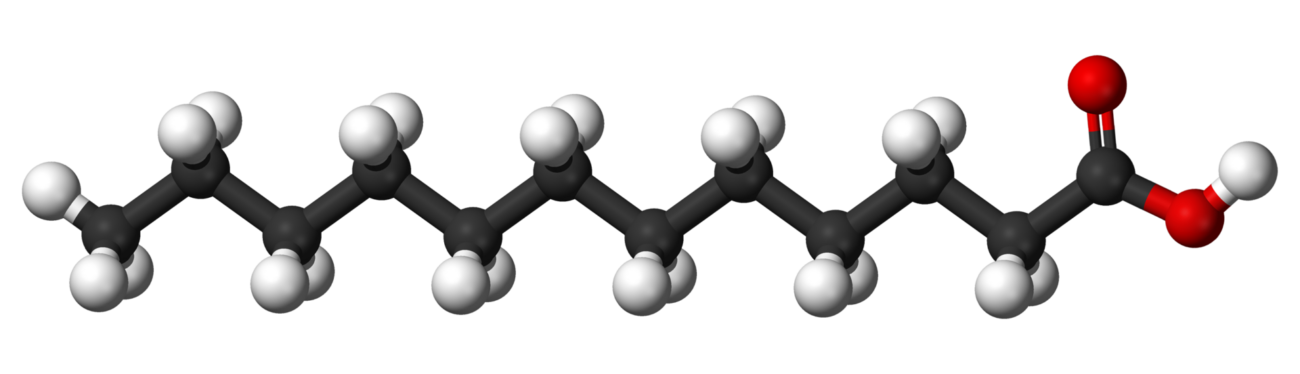
| Lauric (C12:0) | 45.1 to 53.2 |
| Myristic (C14:0) | 16.8 to 21.0 |
| Palmitic (C16:0) | 7.5 to 10.2 |
| Stearic (C18:0) | 2.0 to 4.0 |
| Oleic (C18:1) | 5.0 to 10.0 |
| Linoleic (C18:2) | 1.0 to 2.5 |
Lauric acid is the star. It’s why coconut oil is called a lauric oil, together with palm kernel oil, and why it’s so valuable for soaps, detergents, surfactants and medium chain triglycerides. If you’re comparing the two lauric oils, see palm kernel oil vs palm oil, which also explains how kernel oil differs from palm oil.
A fatty acid test (by gas chromatography) is the strongest way to confirm you’re getting real coconut oil. We can include it on the COA on request.
Crude Coconut Oil Specification for Different Buyers
Not every buyer reads the spec the same way. Here’s what different industries tend to focus on.
| Buyer | Most important numbers | Usually flexible on |
|---|---|---|
| Edible oil refiners | FFA, M&I, colour, PAH, aflatoxin | Unsaponifiable matter |
| Oleochemical plants | Saponification value, fatty acid profile, M&I | FFA, colour |
| Soap and detergent makers | SV, FFA, colour, odour | Peroxide value |
| Cosmetic ingredient makers | Fatty acid profile, colour, odour, contaminants | Small FFA changes |
| Biodiesel and industrial users | FFA, M&I, price | Colour, odour |
So before you sign, think about what you’ll actually do with the oil. A refiner should push hard on FFA and colour. An oleochemical plant can accept higher FFA at a lower price and should focus on the fatty acid profile instead. Writing the right numbers into the crude coconut oil specification saves arguments later.
How to Read a Certificate of Analysis
The COA is the lab report for your lot. A good one should show:
- Your contract number, product name and lot or batch number
- Date of sampling and date of analysis
- The lab name and, ideally, its accreditation
- Each test with the method used (for example AOCS or ISO methods), the result and the limit
- A signature or stamp
Check that every line of the crude coconut oil specification in your contract appears on the COA, with a number, not just “pass”. If the COA is from the seller’s own lab, that’s normal, but for big orders it’s worth adding an independent surveyor’s report too.
Sampling: Where Most Disputes Start
Most quality disputes with crude oils aren’t really about the oil. They’re about where and how the sample was taken. Oil in a big tank can stratify, with water and solids at the bottom and cleaner oil at the top. A sample from the top looks great. A sample from the bottom looks terrible. Neither tells the truth on its own.
Good practice is to take samples at several levels of the tank, or continuously during loading, mix them, and seal them in front of both parties. Keep a sealed retained sample for at least a few months. If the result at destination is different from the result at loading, the retained sample settles it.
We sample during loading, keep retained samples of every lot, and are happy for your surveyor to witness it.
Other Parameters Buyers Sometimes Add
Depending on your use, you might add these to the crude coconut oil specification:
- Peroxide value: a measure of early oxidation. Less critical for crude oil going to refining, but useful as a freshness check.
- Aflatoxin: copra can carry aflatoxin if it was dried badly. Food refiners may want a limit.
- Polycyclic aromatic hydrocarbons (PAH): smoke-dried copra can raise PAH. Refiners selling into Europe often test for it.
- Phosphorus: low in coconut oil, but some refiners want it stated.
- Melting point: around 23 to 26°C.
- Fatty acid composition by GC, as above.
Tell us what you need and we’ll test for it before loading.
How Crude Coconut Oil Is Traded
Most crude coconut oil in world trade comes from the Philippines and Indonesia, with India, Sri Lanka, Vietnam, Malaysia, Thailand and Pacific islands adding smaller volumes. Prices are usually quoted per tonne, often referenced to CIF Rotterdam, and move with copra supply, the price of palm kernel oil (its closest substitute), and demand from oleochemical plants.
Contracts often follow trade association rules, with sampling and analysis at loading. If you’re new to this, our guides to pre-shipment inspection for edible oil and letter of credit vs TT payment will help.
How Storage Affects the Specification
Crude coconut oil changes in storage. The main things to control:
- Temperature. Keep it just warm enough to stay liquid if you need to pump it, around 30 to 35°C. Overheating speeds up FFA rise and darkens the oil.
- Moisture. Keep tanks dry and sealed. Water at the bottom of a tank is where FFA grows fastest.
- Time. Our shelf life is 6 to 12 months, but the sooner it’s refined or used, the better.
- Contamination. Clean tanks between products. Coconut oil easily picks up smells and traces of other oils.
What Moves the Price of Crude Coconut Oil
Price and specification are linked. The main things that move what you pay:
- Copra supply in the Philippines and Indonesia, which depends heavily on weather.
- The price of palm kernel oil, the other big lauric oil. When one gets expensive, buyers switch to the other.
- Demand from oleochemical plants in Asia and Europe.
- FFA and quality. Lower FFA and lighter colour earn a premium. High FFA lots trade at a discount.
- Freight and packing. Flexitanks and drums cost differently, and so does heating.
Ask any supplier to show how their price relates to the crude coconut oil specification they offer. If two prices look very different, the spec is usually where the answer is.
Packing and Shipping
We ship crude coconut oil in:
- Flexitanks in 20ft containers, around 20 to 22 tonnes
- ISO tanks for buyers who want heating coils and easy discharge
- 180 to 200 kg steel drums
- 18L tins and 25L jerrycans for smaller buyers
- Custom bulk on request
Because coconut oil goes solid below about 24°C, bulk shipments to cooler countries need heating at discharge. Flexitanks can come with heating pads, and ISO tanks usually have steam coils. Our guide on flexitank vs ISO tank compares the two.
Documents You’ll Receive
A typical crude coconut oil shipment from us comes with:
- Commercial invoice and packing list
- Bill of lading
- Certificate of origin
- Certificate of analysis against the crude coconut oil specification
- Quality and weight certificate from an independent surveyor, if booked
- Any extra certificates your country requires
The full list is in our post on documents required to import vegetable oil. For customs classification, crude coconut oil normally falls under HS 1513.11.
Red Flags in a Crude Coconut Oil Specification
When you compare offers, watch for:
- No FFA figure, or a vague “low FFA”. Ask for a number.
- M&I above 1%. You’re paying for water and dirt.
- IV or SV outside the normal coconut ranges. Possible blending.
- No shelf life or production date.
- Supplier won’t allow independent sampling at loading.
- A price far below the market. Usually a sign of very high FFA, old oil or something worse. Our post on how to spot a fake vegetable oil supplier lists more warning signs.
Why Buy From Thailand
Thailand isn’t the biggest coconut oil producer, but it has some real advantages for buyers. Food safety and export rules are strict, ports at Laem Chabang and Bangkok are efficient, and Thai suppliers can usually combine coconut oil with other vegetable oils like palm, soybean and sunflower in the same order. That’s useful if you buy more than one oil and want one supplier, one set of documents and one point of contact.
We also see buyers come to Thailand when supply from the main producing countries gets tight. A second source is good insurance, especially in a market that moved as sharply as coconut oil did in 2024 and 2025. Read more about how we work in our guide to vegetable oil export from Thailand.
Contract Checklist
Before you sign for crude coconut oil, make sure the contract covers:
- Product name and origin
- The full crude coconut oil specification, with numbers for FFA, M&I, IV, SV and anything else you need
- Price basis (FOB, CFR or CIF) and port
- Quantity and tolerance (for example plus or minus 5%)
- Packing and heating arrangements
- Sampling and analysis method, and who does it
- What happens if the oil is outside spec: rejection or price discount scale
- Payment terms and shipment window
A good supplier will be happy to write all of this down.
Frequently Asked Questions
What is a normal FFA for crude coconut oil?
Around 2 to 5% as lauric acid for good export oil. Higher FFA usually means lower price.
Is crude coconut oil edible?
Not as it is. It needs refining to become RBD coconut oil for food use.
What is the iodine value of coconut oil?
Usually 7 to 11. That low figure is one of the easiest ways to confirm it’s coconut oil.
What is crude coconut oil used for?
Refining into RBD coconut oil, oleochemicals, soap, detergents, cosmetics ingredients and some industrial uses.
Can you test extra parameters?
Yes. Tell us what you need on your crude coconut oil specification, like fatty acid profile, colour, PAH or aflatoxin, and we’ll test before loading.
What is the shelf life?
6 to 12 months in cool, dry, clean storage. Sooner is better.
Buy Crude Coconut Oil From Us
If you want a supplier who’ll put a clear crude coconut oil specification in writing and stand behind it, talk to us. We export crude coconut oil from Thailand worldwide, in flexitanks, ISO tanks, drums or smaller packs, with full documents and independent inspection on request. We also supply RBD coconut oil and virgin coconut oil, and our whole range is made under ISO 22000, HACCP, GMP and Halal.
Send your quantity, packing, destination port and any extra spec points you need. We’ll reply with a price, a full spec sheet and a sample.
Email info@dthcompanyltd.com, WhatsApp +66 91 765 9104, or use our contact page.