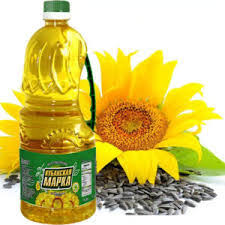

The palm oil HS code is 1511. Crude palm oil goes under 1511.10, and refined palm oil and its fractions, like RBD palm oil, palm olein and palm stearin, go under 1511.90. That’s the international six-digit level that every country shares. After that, each country adds its own digits, and that’s where importers get caught out: the wrong national code can mean the wrong duty, a customs query, a held container, or a lost preferential rate.
We export crude palm oil, refined palm oil CP8 and CP10, and other vegetable oils from Thailand, and prepare the customs documents for every shipment. This guide explains the palm oil HS code in plain terms: what 1511 covers and what it doesn’t, how countries extend it, examples from major markets, which documents go with it, and the mistakes we see most.
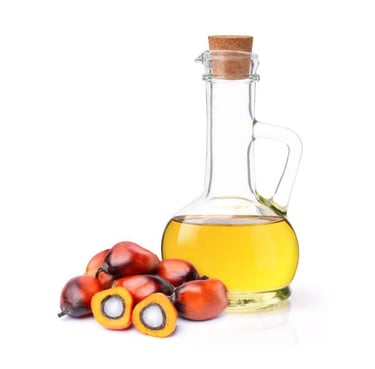
Table of Contents
The Short Answer
| Product | International HS code (6 digits) |
|---|---|
| Crude palm oil (CPO) | 1511.10 |
| Refined palm oil (RBD palm oil) | 1511.90 |
| RBD palm olein (liquid fraction, CP8, CP10) | 1511.90 |
| RBD palm stearin (solid fraction) | 1511.90 |
| Crude palm kernel oil | 1513.21 |
| Refined palm kernel oil and fractions | 1513.29 |
| Hydrogenated or interesterified palm oil | 1516.20 |
| Margarine and edible blends containing palm oil | 1517 |
So the basic palm oil HS code is 1511, split into crude and “other”. Palm kernel oil is a different product with a different heading, and chemically changed or blended palm products move out of 1511 altogether.
What Heading 1511 Covers
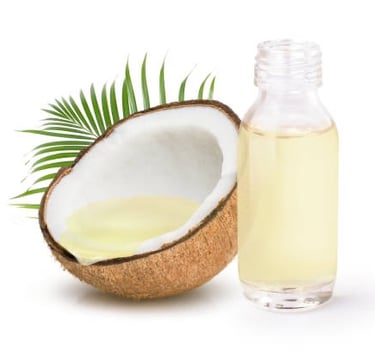
Heading 1511 in the Harmonized System covers “palm oil and its fractions, whether or not refined, but not chemically modified”. In practice that means:
- Crude palm oil pressed from the fruit flesh of the oil palm
- Refined, bleached and deodorized (RBD) palm oil
- Palm olein and palm stearin made by physical fractionation, crude or refined
- Neutralised or partially refined palm oil
Two key words do a lot of work here. “Fractions” means products separated physically, by cooling and filtering, like olein and stearin. “Not chemically modified” means the oil hasn’t been hydrogenated, interesterified or otherwise changed in its chemical structure. Once that happens, it moves to heading 1516.
The Harmonized System itself is maintained by the World Customs Organization, and every member country uses the same first six digits.
Crude vs Refined: 1511.10 vs 1511.90
1511.10: Crude palm oil
This covers palm oil as it comes from the mill, before refining. It’s reddish orange, has a strong smell and carries free fatty acids, typically 3 to 5%. See our crude palm oil specification and crude palm oil for sale.
1511.90: Other (refined palm oil and fractions)
This covers everything else in heading 1511: RBD palm oil, RBD palm olein (including CP8 and CP10 grades), RBD palm stearin, and partly refined oils. It’s the palm oil HS code most food importers use. See refined palm oil CP10 and refined palm oil CP8, and our guide to CP8 vs CP10 palm oil.
What Is Not Under the Palm Oil HS Code 1511
These are common mix-ups:
- Palm kernel oil. It comes from the seed inside the palm fruit, not the flesh, and is a lauric oil like coconut oil. It falls under 1513.21 (crude) and 1513.29 (other). See palm kernel oil vs palm oil.
- Hydrogenated, interesterified or re-esterified palm oil. Chemically modified, so heading 1516, usually 1516.20.
- Margarine, shortening and edible blends of palm oil with other oils. Usually heading 1517.
- Palm fatty acid distillate (PFAD) and other by-products from refining. These usually fall under other headings, often in Chapter 38. Check carefully.
- Palm-based oleochemicals like fatty acids, fatty alcohols and glycerine. Chapter 29, 34 or 38, depending on the product.
- Biodiesel made from palm oil. Usually heading 3826.
If your product has been blended, hydrogenated or chemically changed, don’t use 1511. Ask your customs broker.
How Countries Extend the Palm Oil HS Code
The first six digits are international. Each country or customs union then adds two, four or more digits to make its own tariff lines. Those extra digits often split palm oil by:
- Crude vs refined
- Oil vs olein vs stearin
- Food use vs technical or industrial use
- Packing size, for example bulk vs retail packs of 1 kg or less
That’s why the same tanker of RBD palm olein can carry an eight-digit code in one country and a ten-digit code in another. Always use the national code of the country you’re importing into.
Examples From Major Markets
These examples show how some markets extend the palm oil HS code. Tariff schedules change, so always confirm the current code and duty with your customs broker or the official tariff database before shipping.
European Union (CN codes)
- 1511 10 10: crude palm oil for technical or industrial uses other than food
- 1511 10 90: other crude palm oil
- 1511 90 11 and 1511 90 19: solid fractions (like palm stearin), split by packing size
- 1511 90 91: other, for technical or industrial uses
- 1511 90 99: other (for example RBD palm oil and olein for food use)
The EU’s Access2Markets tool shows the current codes, duties and rules for each product.
United States (HTS)
- 1511.10.00: crude palm oil
- 1511.90.00: other palm oil and fractions
India (ITC-HS)
India is one of the world’s biggest palm oil importers and splits refined palm products in detail, for example separate lines for RBD palm oil, RBD palm olein and RBD palm stearin under 1511.90. India also changes import duties on edible oils quite often, so check the current rate before every contract.
ASEAN and other markets
ASEAN countries use the eight-digit ASEAN Harmonised Tariff Nomenclature, built on the same six-digit base. China, Japan, the Gulf states, African customs unions and others all have their own national extensions. The principle is the same everywhere: crude under 1511.10, refined and fractions under 1511.90, then national digits.
How Customs Checks Your Classification
Customs officers don’t just read the code on your entry. They check it against everything else in the file. Here’s what they usually look at when they review the palm oil HS code you declared:
- The product description on the invoice and packing list. “RBD palm olein” should go with 1511.90, “crude palm oil” with 1511.10.
- The certificate of analysis. Crude palm oil has FFA of several percent and a deep red colour. Refined oil has FFA around 0.1% and a light colour. If your COA shows refined numbers and you declared crude, that’s a red flag.
- The packing. Retail bottles or tins under a crude oil code look odd.
- The certificate of origin, which often shows the code too.
- In some countries, a lab sample taken at the port.
If anything doesn’t line up, expect questions, a hold on the container, or a reclassification with extra duty and sometimes a fine. That’s why we make sure the product name, grade, COA and the HS code for palm oil on our documents all tell the same story.
Palm Oil HS Code for Bulk vs Retail Packs
Some national tariffs split palm oil codes by packing size. The EU, for example, has separate lines for solid fractions in packings of 1 kg or less. Other countries have separate codes or duties for retail packed oil versus bulk.
Why it matters:
- Duty can be different for packed and bulk oil, because governments sometimes protect local bottlers.
- Labelling rules kick in for retail packs, and customs may check them.
- Statistics are kept separately, so the wrong code skews trade data and can trigger audits.
If you’re importing palm oil in 1L or 5L bottles, 18L tins or 25L jerrycans, check whether your country has a separate palm oil HS code line for that packing. See our guide to refined palm oil packaging options for the formats we supply.
Why the Right Code Matters
Getting the palm oil HS code right affects:
- Import duty. Crude and refined palm oil often carry different duties, sometimes very different.
- Preferential rates. Free trade agreements, like ASEAN or other bilateral deals, only apply if the code and the certificate of origin match.
- Import licences and quotas. Some countries require licences or set quotas for specific codes.
- Food safety checks. Customs may route food-grade codes to health inspection.
- Statistics and sustainability rules. Some markets track palm oil imports by code for deforestation and sustainability regulations.
- Clearance time. A code that doesn’t match the product description or the COA triggers questions and delays.
Free Trade Agreements and Certificates of Origin
Free trade agreements can cut or remove duty on palm oil, but only if three things line up: the palm oil HS code, the rules of origin for that code, and the right certificate of origin.
- The HS code tells customs which rule of origin applies.
- The rule of origin says what processing must happen in the exporting country for the oil to count as originating there.
- The certificate of origin, in the form set by the agreement, proves it.
Thailand is part of ASEAN and has several bilateral and regional agreements. Depending on your country, a Thai certificate of origin in the right form may qualify our palm oil for a lower duty. Tell us which agreement you want to use before we ship, so we can issue the correct form. Getting this wrong after the oil has landed is much harder to fix.
Duties: What to Check Before You Sign
Before you agree a price, check these with your customs broker, using your palm oil HS code:
- The current import duty rate for crude and refined palm oil
- Any extra levies, VAT or sales taxes
- Whether a preferential rate applies from Thailand
- Whether there’s a quota, licence or registration requirement
- Any anti-dumping or safeguard duties
- Whether sustainability or traceability rules apply to palm oil imports in your market
Some countries change edible oil duties several times a year to manage food prices. A price that looks good today can look very different if duty changes before your oil arrives. Build that risk into your planning.
Three Worked Examples
These examples show how the palm oil HS code works in practice. They’re simplified, and your national codes and duties will differ.
Example 1: RBD palm olein CP10 in 18L tins to a Gulf country
- Six-digit code: 1511.90
- National code: the Gulf country’s line for refined palm oil and fractions, checking whether retail packs have their own line
- Documents: invoice stating “RBD palm olein CP10, 18L tins”, COA, certificate of origin, Halal certificate, health certificate if required
Example 2: Crude palm oil in flexitanks to a refinery in Europe
- Six-digit code: 1511.10
- EU CN code: 1511 10 90 for food use refining, or 1511 10 10 if for technical or industrial use
- Documents: invoice, COA showing crude oil specs, certificate of origin, sustainability documents as required
Example 3: Palm kernel oil mistaken for palm oil
- A buyer orders “palm oil” for soap making but actually needs palm kernel oil.
- The correct code is 1513.29 for refined kernel oil, not 1511.
- If the invoice says palm oil and the COA shows a lauric oil profile, customs will question it. Fix the product and the code before shipping.
Documents That Go With the Palm Oil HS Code
A typical palm oil shipment from us comes with:
- Commercial invoice showing the product name, grade and HS code
- Packing list
- Bill of lading
- Certificate of origin, in the right form for any free trade agreement you want to use
- Certificate of analysis showing FFA, moisture, iodine value, colour and other specs
- Quality and weight certificate from an independent surveyor, if booked
- Halal certificate, and sustainability documents if required
- Health or phytosanitary certificates if your country asks for them
The product name, grade and code should match across all of them. If the invoice says “RBD palm olein CP10” and the code says crude palm oil, customs will notice. Our full list of documents required to import vegetable oil covers each paper in detail.
How We Classify Our Palm Oil Products
| Our product | Six-digit palm oil HS code |
|---|---|
| Crude palm oil (CP0) | 1511.10 |
| Refined palm oil CP10 | 1511.90 |
| Refined palm oil CP8 | 1511.90 |
| RBD palm olein and palm stearin on request | 1511.90 |
We put the six-digit code on our export documents and, if you tell us your national code, we can show that too. Final classification at import is always your customs broker’s call, and we’re happy to send them product data sheets and COAs to support it.
Common Mistakes With the Palm Oil HS Code
- Using 1511 for palm kernel oil. Kernel oil is 1513.
- Using 1511.10 for refined oil, or 1511.90 for crude.
- Using 1511 for margarine, shortening or blended oils. Those are usually 1516 or 1517.
- Copying a code from an old invoice after the national tariff changed.
- Using the exporter’s national code instead of your own country’s code at import.
- Product names that don’t match the code. “Vegetable oil” on the invoice with a palm oil code invites questions.
- Missing or wrong certificate of origin, so a preferential duty rate is lost.
Palm Oil HS Code and Sustainability Rules
Some markets now link palm oil imports to sustainability and deforestation rules. In those cases, the HS code is what tells customs that the rules apply. You may need extra documents showing where the oil came from and that it meets the rules, alongside the usual certificates.
If you need certified sustainable palm oil, see our guide to RSPO certified sustainable palm oil, and tell us what your market requires before we quote.
Why Buy Palm Oil From Thailand
Thailand is the third largest palm oil producer in the world, after Indonesia and Malaysia. Thai mills and refineries supply a big domestic market and export crude and refined palm oil across Asia, the Middle East, Africa and beyond. For importers, that means a reliable second source alongside the two big producers, short sailings from Laem Chabang and Bangkok, and the option to combine palm oil with soybean, sunflower, canola and coconut oil in one order.
It also means documents prepared to a consistent standard. Every shipment we load carries the right palm oil HS code, a matching COA and the certificate of origin you need. See our guides to vegetable oil export from Thailand and the top palm oil exporting countries.
When Palm Oil Is Part of a Blend
Many products contain palm oil but aren’t palm oil. A cooking oil blend of palm olein and soybean oil, a frying fat, or a margarine all fall outside the palm oil HS code 1511, usually under 1517. A blend that’s mostly palm olein can still move to 1517 once another oil is added. If you’re importing a blend, describe it as a blend on the invoice, list the oils and their shares, and let your broker classify it. Using 1511 for a blend is one of the most common classification errors we see.
A Quick Classification Checklist
Before you file your import entry, run through this:
- Is it from the fruit flesh (palm oil) or the kernel (palm kernel oil)?
- Is it crude or refined?
- Is it whole oil, or a fraction (olein, stearin)?
- Has it been hydrogenated, interesterified or blended with other oils?
- Is it for food or for technical or industrial use?
- What’s the packing size?
- What does your country’s tariff say at eight or ten digits?
- Do the invoice, COA and certificate of origin all describe it the same way?
HS Codes for Our Other Oils
If you’re importing more than palm oil, these are the six-digit headings for our other products:
| Oil | Crude | Refined / other |
|---|---|---|
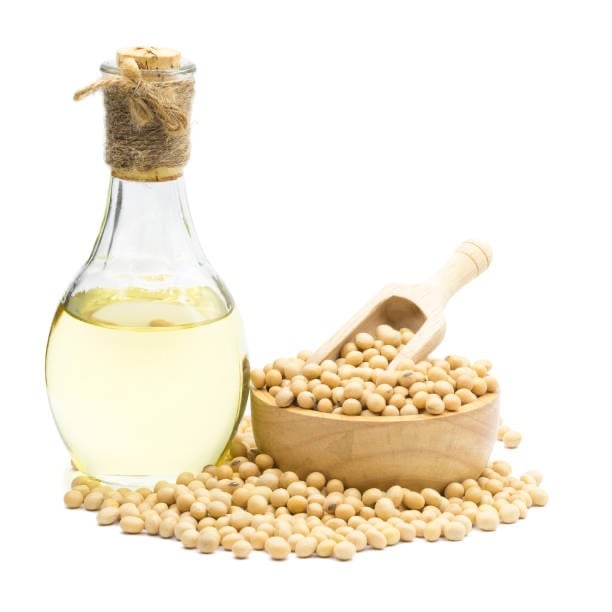
| Soybean oil | 1507.10 | 1507.90 |
| Sunflower oil | 1512.11 | 1512.19 |
| Coconut oil | 1513.11 | 1513.19 |
| Rapeseed and canola oil (low erucic) | 1514.11 | 1514.19 |
For sunflower oil, see our separate guide to the sunflower oil HS code.
Frequently Asked Questions
What is the HS code for palm oil?
The palm oil HS code is 1511. Crude palm oil is 1511.10. Refined palm oil, palm olein and palm stearin are 1511.90.
What is the HS code for RBD palm olein?
1511.90 at the six-digit level. Your country will add its own digits.
What is the HS code for palm kernel oil?
1513.21 for crude and 1513.29 for refined. It’s not under 1511.
Is CP8 or CP10 palm oil classified differently?
Not at the six-digit level. Both are refined palm products under 1511.90. Some national tariffs split them further.
Who decides the final HS code?
The importer and their customs broker, under the rules of the importing country. We provide product data to support it.
Does the HS code affect duty?
Yes. Crude and refined palm oil often carry different duties, and preferential rates depend on the right code and certificate of origin.
Buy Palm Oil With the Right Paperwork
The palm oil HS code is simple at six digits and tricky at eight or ten. We make sure our side is right: product names, grades, codes and certificates that all match, so your customs clearance goes smoothly. We export crude palm oil, refined palm oil CP8 and CP10, and soybean, sunflower, canola and coconut oils from Thailand worldwide, with full documents and independent inspection on request. All our oils are produced under ISO 22000, HACCP, GMP and Halal.
Send your product, quantity, packing, destination port and, if you know it, your national HS code. We’ll reply with a price, specifications and the document set for your country.
Email info@dthcompanyltd.com, WhatsApp +66 91 765 9104, or use our contact page. You can also see our palm oil range and all our products.