If you’re a crude canola oil importer, you’re probably buying for one of three reasons. You run a refinery and want cheaper feedstock than refined oil. You make biodiesel. Or you trade oil on to refiners in your region. Either way, the oil that lands in your tanks decides your margin. We sell crude and crude degummed canola oil to importers worldwide, in bulk, with a clear specification and full documents. This page covers what we supply, what the numbers mean, how a shipment runs from contract to discharge, and how to keep risk low.
We’ve written it the way we’d explain it to a new customer over coffee. Plain, practical and honest about what can go wrong.

Table of Contents
Who This Crude Canola Oil Importer Guide Is For
This guide is for any crude canola oil importer who buys by the container or the tanker parcel. Most of our crude customers fall into these groups:
- Edible oil refiners who turn crude oil into refined, bleached and deodorized oil for bottling or food factories.
- Biodiesel and renewable fuel plants that use canola oil as feedstock.
- Oleochemical plants making fatty acids, soaps and lubricants.
- Traders and distributors who import crude oil and sell it on to local refiners.
Each group cares about slightly different numbers. Refiners worry most about phosphorus, free fatty acid and chlorophyll, because these drive refining loss and bleaching earth use. Biodiesel plants care about free fatty acid, moisture, sulphur and phosphorus because of their catalyst and fuel specs. We’ll tune the contract to your use.
The Crude Canola Oil We Sell
We offer two main crude grades. Both come from established crushing plants and are shipped with a certificate of analysis.
Crude degummed canola oil
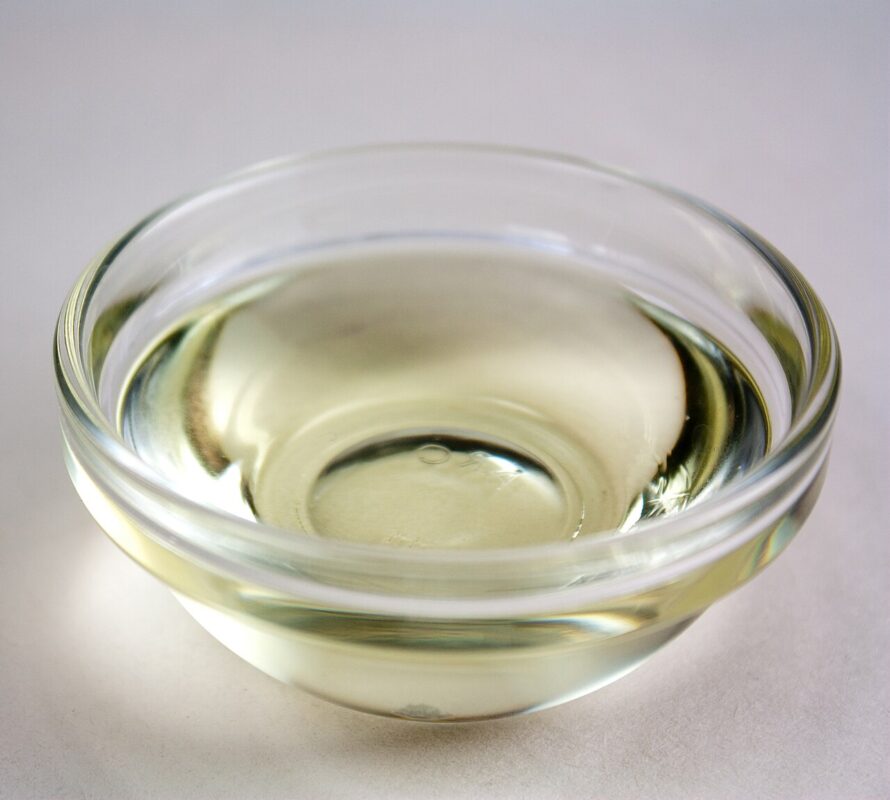
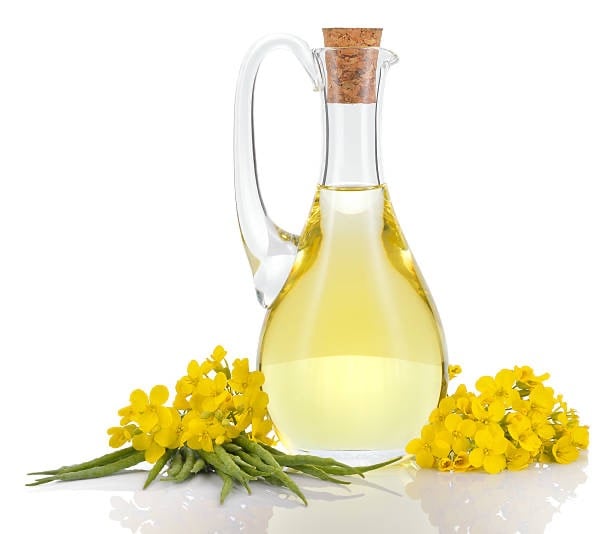
The most common grade we ship to a crude canola oil importer. The oil has been water degummed at the crusher, so phosphorus is lower and it’s easier to refine and store. Most refiners prefer it because it causes fewer problems in tanks and pipes.
Crude canola oil, not degummed
Straight from the press and solvent plant. Higher in gums and phosphorus. Some buyers prefer it because they run their own degumming and sell the lecithin, or because the price discount makes sense for their plant. We quote it separately on request.
For buyers who’d rather skip refining altogether, we also sell fully refined oil. See our RBD canola oil wholesale page.
Specification for Every Crude Canola Oil Importer
Here’s the standard specification we guarantee on crude degummed canola oil. These are the numbers your lab will check when the oil arrives.
| Parameter | Our guarantee (crude degummed) | Typical method |
|---|---|---|
| Free fatty acid (as oleic) | 1.0% max | AOCS Ca 5a-40 |
| Moisture and volatile matter | 0.20% max | AOCS Ca 2c-25 |
| Insoluble impurities | 0.10% max | AOCS Ca 3a-46 |
| Phosphorus | 200 ppm max | AOCS Ca 12-55 |
| Chlorophyll | 30 ppm max | AOCS Cc 13i-96 |
| Sulphur | 20 ppm max | ICP |
| Erucic acid | 2.0% max | GC |
| Peroxide value | 10 meq/kg max | AOCS Cd 8b-90 |
| Iodine value (Wijs) | 105 to 126 | AOCS Cd 1d-92 |
| Saponification value | 182 to 193 mg KOH/g | AOCS Cd 3-25 |
| Unsaponifiable matter | 2.0% max | AOCS Ca 6a-40 |
| Relative density at 20 C | 0.914 to 0.920 | ISO 6883 |
| Flash point | 121 C min | AOCS Cc 9b-55 |
| Appearance | Dark amber to greenish, free of foreign matter | Visual |
The methods are from the American Oil Chemists’ Society, which most edible oil labs follow. ISO methods work just as well if both sides agree. If you want the full background on each line, read our crude canola oil specification guide.
What Each Number Means for a Crude Canola Oil Importer
Free fatty acid
FFA shows how much the oil has started to break down. In refining, every bit of FFA has to be removed, and you lose some neutral oil along with it. Higher FFA means higher refining loss. For a crude canola oil importer running a chemical refinery, an extra 0.5% FFA can mean well over 1% more oil lost.
Phosphorus
Phosphorus tells you how many gums are left. High phosphorus means more work in degumming, more soap in neutralising and more bleaching earth. It also causes sludge in storage tanks. That’s why degummed oil is the safer buy for most importers.
Chlorophyll
Canola is greener than most oils because of chlorophyll in the seed. Chlorophyll has to be bleached out, and it’s stubborn. If seed was harvested early or frost damaged, chlorophyll goes up and so does your bleaching earth bill. This one line catches out a lot of first time buyers.
Moisture and impurities
Water and dirt speed up breakdown in storage and you’re paying for them by the tonne. Keep them low and check them on arrival.
Sulphur
Canola naturally has a little sulphur from the seed. It can poison nickel catalysts if you hydrogenate, and it matters for biodiesel specs. Most crude canola oil importer contracts cap it at around 20 ppm.
Erucic acid
This is what separates canola from old style rapeseed. Keeping it at 2% max confirms you’re getting canola quality oil. The Codex standards for named vegetable oils set out the reference range.
How a Shipment Works, Start to Finish
Here’s how a typical order runs for a crude canola oil importer buying from us.
1. Enquiry and offer
You tell us the grade, quantity, destination port, delivery term and preferred shipment period. We send a written offer with price, specification, shipment window and payment terms.
2. Contract
We sign a contract that sets out the specification, quantity and tolerance, packing or vessel terms, inspection, documents and payment. Many bulk oil deals refer to standard trade terms from FOSFA, the federation that publishes contract forms for oils and fats. We’re happy to use them.
3. Payment security
For new buyers, a letter of credit or part advance with balance against documents is normal. It protects both sides.
4. Loading and inspection
The oil is tested before loading. An independent surveyor can sample and test at the load port if you want, and we recommend it for bigger parcels.
5. Shipping
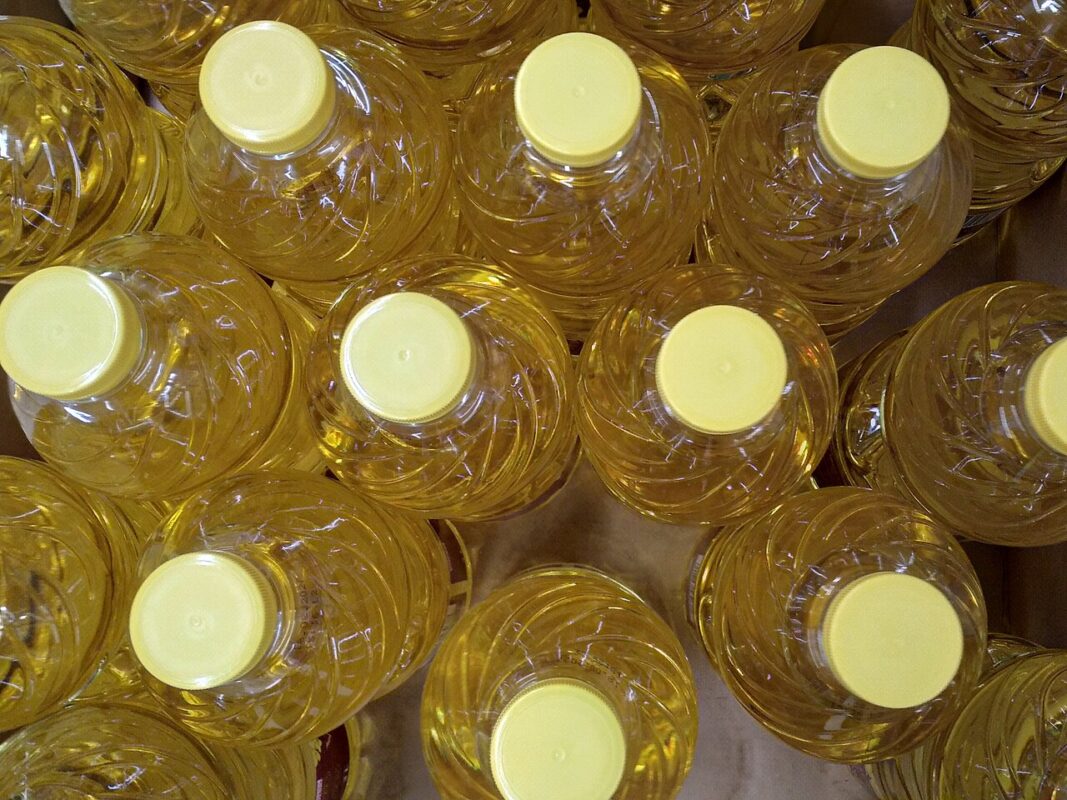
Crude canola oil ships in flexitanks inside 20ft containers, in ISO tanks, or as a bulk parcel in a tanker. Canola stays liquid at normal temperatures, so you don’t need heating coils at discharge, unlike palm oil or coconut oil.
6. Documents
We send the full document set before the oil arrives so your clearing agent can get ready.
7. Discharge and arrival testing
You or your surveyor take samples at discharge and test against the contract. If the oil is in spec, it’s done. If not, the contract sets out what happens next.
Bulk Vessel or Flexitank?
This is one of the first decisions a crude canola oil importer has to make. It depends mostly on volume and on the tanks you have at the port.
| Option | Typical size | Good for | Watch out for |
|---|---|---|---|
| Flexitank in 20ft container | About 20 to 22 tonnes | Importers without shore tanks, steady monthly volumes | Discharge quickly, check flexitank quality |
| ISO tank | About 20 to 24 tonnes | Buyers who want stainless steel, small refineries | Higher cost per tonne, return of empty tanks |
| Bulk tanker parcel | 1,000 tonnes and up | Large refiners and biodiesel plants with shore tanks | Previous cargoes in the tank, port costs, demurrage |
For small and medium refiners, flexitanks are often the best balance of cost and convenience. If you’re new to them, see our page on choosing a canola oil flexitank supplier. For tanker parcels, always check the last three cargoes carried in the tank. Previous cargoes must be on the acceptable list for food oils.
Documents Every Crude Canola Oil Importer Should Expect
- Commercial invoice
- Packing list or weight certificate
- Bill of lading
- Certificate of origin
- Certificate of analysis against the contract specification
- Phytosanitary or health certificate where your country asks for it
- Inspection certificate if a surveyor is appointed
- Non-GMO documents if you need identity preserved oil
- Previous cargo declaration for tanker shipments
The customs code matters too. Crude rapeseed and canola oil sits under its own heading in the international tariff system, and getting it right avoids delays. Our guide to the canola oil HS code covers the crude and refined codes, and the World Customs Organization maintains the system itself.
What Drives the Price for a Crude Canola Oil Importer
For a crude canola oil importer, prices follow the wider vegetable oil market. A few things matter most:
- Seed supply. Harvest size in the main canola and rapeseed countries.
- Biofuel demand. Renewable diesel and biodiesel compete hard for canola and soybean oil. This was the big story of 2026. Our soybean oil price trend 2026 review explains how much fuel policy moved the whole oil complex.
- Crude oil. When fossil fuel prices drop, biofuel demand softens and vegetable oils often follow.
- Freight. For long routes, freight can change your landed price more than the oil does.
- Currency. A weaker local currency raises your cost even if the oil price is flat.
For a detailed cost walk through, read our canola oil price per ton guide. If you’re weighing canola against other crude oils, our crude degummed soybean oil page is a useful comparison.
Refining Yield: The Number That Really Decides Your Margin
As a crude canola oil importer, you don’t sell crude oil. You sell what comes out of your refinery. So the price per tonne of crude is only half the story. The other half is how many tonnes of refined oil you get out of it.
A simple way to compare two offers is to estimate your refined yield from each. Take the FFA, phosphorus and moisture figures, apply your own plant’s loss factors, and work out the cost per tonne of finished oil. A crude lot that’s 10 dollars cheaper per tonne but has much higher FFA and phosphorus can easily end up costing you more.
| Factor | Effect on yield or cost |
|---|---|
| Each extra 0.1% FFA | More neutral oil lost in refining |
| High phosphorus | More soap, more loss, more chemicals |
| High chlorophyll | More bleaching earth and filter loss |
| High moisture and impurities | You pay for weight that isn’t oil |
This is why we push for a tight specification on every contract, even when it’s not asked for. It’s in our interest too. Customers who get good yields come back.
Storage and Handling at Your End
Crude oil is tougher than refined oil, but every crude canola oil importer still needs to store it with care.
- Store in clean mild steel or stainless steel tanks with no copper or brass fittings.
- Keep the temperature moderate. Canola doesn’t need heating in most climates.
- Drain water and sludge from tank bottoms regularly.
- Don’t keep crude oil too long before refining. FFA creeps up over time.
- Keep different lots separate until they’ve been tested.
Non-degummed crude oil will drop gums in the tank over time. That’s one more reason most of our crude canola oil importer customers choose the degummed grade.
Getting Set Up as a Crude Canola Oil Importer
If this is your first crude shipment, a bit of groundwork saves a lot of stress later. Rules differ from country to country, but most importers need to sort out the same few things before the first container leaves the load port.
- Import licence or registration. Many countries ask food oil importers to register with the food or agriculture authority, even when the oil is for further refining.
- Product registration. Some markets want the product registered before the first import, with a sample spec and COA.
- Tariff and tax check. Find out the duty rate for crude oil compared with refined oil. In many countries crude oil pays less duty, which is one reason a crude canola oil importer can beat refined oil prices locally.
- Clearing agent. A good agent who knows food oils is worth the fee. They’ll tell you which documents customs actually look at.
- Storage and discharge. Make sure your tanks, pumps and hoses are ready and clean before the oil lands.
- Lab access. Either your own lab or a local contract lab that can test FFA, moisture, phosphorus and peroxide value quickly.
We’re happy to share a sample document set and a spec sheet in advance, so your agent and your authority can check them before you sign anything. It’s a small step that prevents most first shipment headaches.
A Simple Landed Cost Example
Here’s how a crude canola oil importer can work out the real cost of a container. The numbers below are only an illustration, so swap in your own figures from our offer and your local costs.
| Cost line | How to work it out |
|---|---|
| Oil price | Price per tonne on the offer, times tonnes loaded |
| Freight and insurance | Included if you buy CFR or CIF, added if you buy FOB |
| Flexitank or tank cost | Usually included in our container offer |
| Import duty and taxes | Your local rate on the customs value |
| Port and clearing charges | From your clearing agent |
| Inland transport | Truck from port to your plant |
| Refining loss | Your plant’s loss factor based on FFA, phosphorus and moisture |
Add these up and divide by the tonnes of refined oil you expect to get. That’s your true cost per tonne. Most importers who do this for the first time are surprised how much the last line matters. It’s also why we’re strict about the specification on every lot.
Testing on Arrival
Every crude canola oil importer should test the oil when it lands, even when the load port results were good. Oil can change in transit, and tanks or flexitanks can be damaged.
What to test first
Free fatty acid, moisture and impurities, and peroxide value. These are quick, cheap and tell you most of what you need to know. If they’re in line with the COA, the oil has travelled well.
What to test if something looks off
Phosphorus, chlorophyll and the fatty acid profile. If FFA has jumped, check for water. If colour looks wrong, check chlorophyll. If you suspect blending with another oil, the fatty acid profile and erucic acid will show it.
How to sample
Take samples from top, middle and bottom of the flexitank or tank, mix them into a composite, and keep a sealed retained sample. If there’s a dispute later, a properly taken and sealed sample is what counts.
If results don’t match the contract, tell us straight away with the lab report. We’ll compare with our loading results and the surveyor’s report, and work it out fairly.
Seasonal Calendar for Crude Canola Oil
Timing affects both price and quality. Here’s a rough calendar to plan around.
| Period | What usually happens |
|---|---|
| Late summer to autumn | Main northern hemisphere harvest, new crop oil arrives, prices often under pressure |
| Winter | Crushing runs steady, good time for contracts with stable quality |
| Spring | Old crop stocks run down, southern hemisphere planting, prices can firm |
| Early summer | Weather risk for the coming crop, markets can be jumpy |
A crude canola oil importer who plans purchases around this calendar, and spreads buying through the year, usually ends up with a better average price than one who buys in a rush when the tanks run dry.
Risks to Watch, and How to Manage Them
Being a crude canola oil importer is not risk free. Here are the main ones and what to do about them.
- Quality risk. Use a clear contract spec, independent inspection at loading and arrival, and retained samples.
- Price risk. Buy in layers through the year, or talk to your bank about hedging if your volumes are large.
- Shipping risk. Insure every shipment. Check flexitank quality and tanker previous cargoes.
- Payment risk. Use a letter of credit or a trusted intermediary for first deals.
- Supplier risk. Check company details, ask for references, start with a smaller order.
A good supplier won’t mind any of this. If someone pushes you to skip inspection or pay everything up front on a first deal, walk away.
7 Proven Tips for Every Crude Canola Oil Importer
1. Buy degummed unless you have a reason not to
It’s cleaner, more stable in storage and easier to refine.
2. Put chlorophyll in the contract
It’s the line most often left out, and it can cost you dearly in bleaching earth.
3. Compare offers on refined yield, not just price
Work out your cost per tonne of finished oil before you decide.
4. Always use a surveyor on bulk parcels
The fee is small compared with the value of a parcel. Their report settles disputes quickly.
5. Check previous cargoes on tankers
Ask for the last three cargoes and make sure they’re on the acceptable list for food oils.
6. Plan around harvest
New crop oil arrives from late summer into autumn in the main growing regions. Prices and quality can differ between old and new crop.
7. Build a relationship, not just a deal
A crude canola oil importer who buys regularly from one trusted supplier usually gets better prices, better allocation and faster help when something goes wrong.
Why Importers Buy Crude Canola Oil From Us
- Crude degummed and crude grades, plus refined if you need both
- Clear specification on every contract, tested before loading
- Flexitank, ISO tank and bulk parcel options
- Full documents sent in good time
- Worldwide shipping
- Fast, written offers, usually within one working day
You can see our product page for crude canola oil for sale, our earlier guide on working with a crude canola oil exporter, and our full canola oil range.
Frequently Asked Questions
What is the minimum order for a crude canola oil importer?
One 20ft container, about 20 to 22 tonnes in a flexitank. Bulk tanker parcels start from about 1,000 tonnes.
What's the difference between crude and crude degummed canola oil?
Crude degummed oil has had most of its gums removed with water at the crusher. It’s lower in phosphorus, more stable in storage and easier to refine.
Does crude canola oil need heating at discharge?
No, not in most climates. Canola stays liquid at normal temperatures.
Can I use crude canola oil for biodiesel?
Yes. Many biodiesel plants use it. Watch FFA, moisture, phosphorus and sulphur, which affect your process and fuel spec.
Do you offer independent inspection?
Yes. We work with SGS and other surveyors, or one of your choice.
Can you supply non-GMO crude canola oil?
Yes, from selected origins with supporting documents. Tell us at the start because it affects the price.
Which countries do you ship to?
We ship worldwide. Any crude canola oil importer with a port and the right import permits can buy from us.
Request an Offer for Crude Canola Oil
Tell us the grade, quantity, packing or vessel size, destination port and preferred Incoterm. We’ll send a written offer for crude canola oil with full specification and documents list, usually within one working day.
Email info@dthcompanyltd.com, call or WhatsApp +66 91 765 9104, or use our contact page. You can also browse our product list or read more about us.