

Most of a jar of mayonnaise is oil. In a full-fat recipe it’s usually somewhere between 70 and 80 percent of the weight. So when you buy canola oil for mayonnaise manufacturing, you’re not buying an ingredient, you’re buying most of your product. If the oil is a bit stale, slightly coloured or carries a flavour, your customers taste it, and they don’t come back.
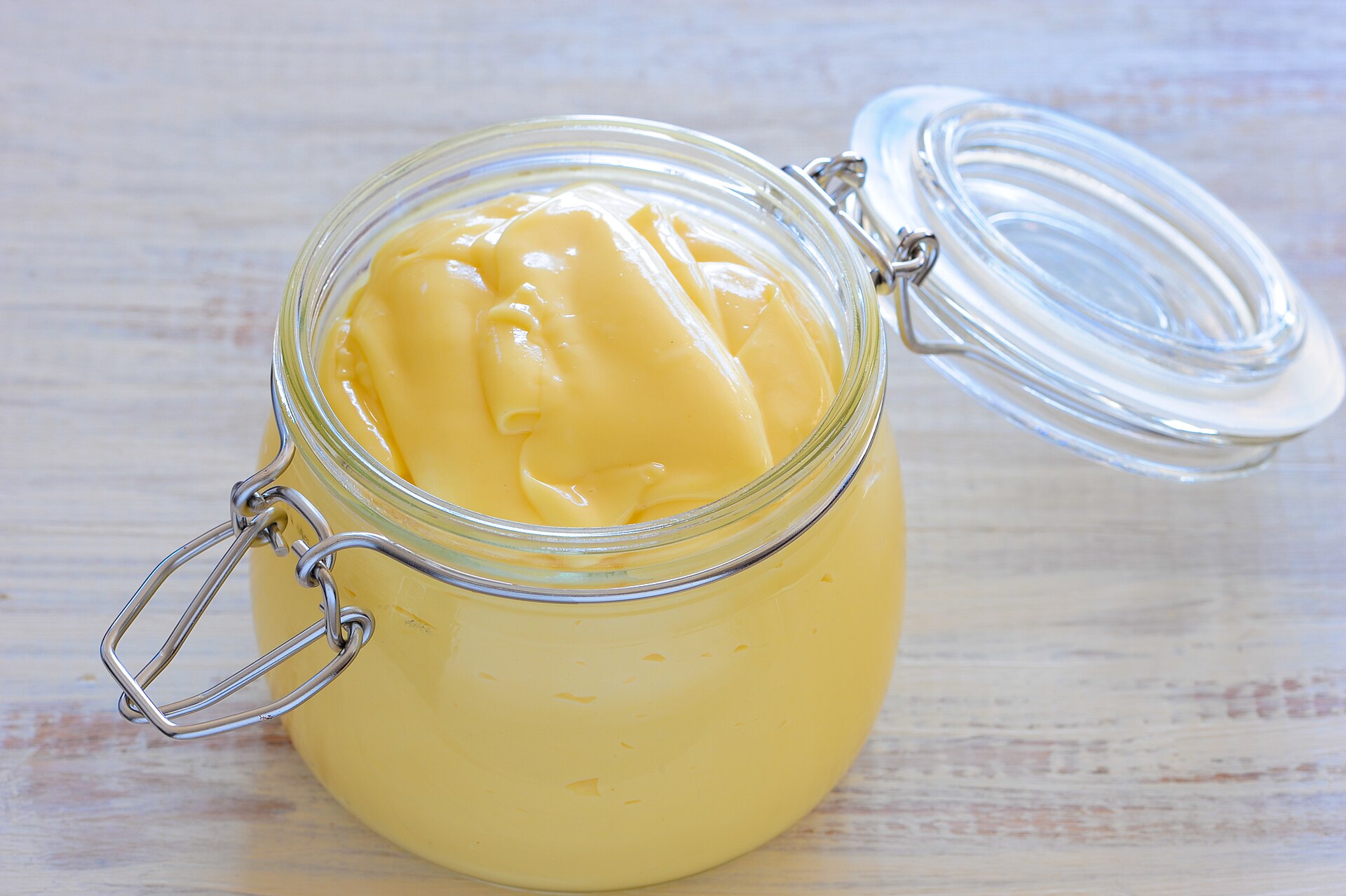
We supply RBD and refined canola oil for mayonnaise manufacturing to sauce and dressing makers around the world from our base in Thailand. This page explains why canola works well in mayo, what specs to put in your contract, how to handle the oil once it lands, and how buying from us works. It’s written for the people who actually run the plant or do the buying, so it’s practical rather than pretty.
Table of Contents
Why Canola Oil for Mayonnaise Manufacturing Works So Well
Mayonnaise is an emulsion: tiny droplets of oil held in a small amount of water and vinegar by the lecithin and proteins in egg yolk. The oil has to be clean, bland, light in colour and stable, because there’s nowhere to hide it. Canola ticks those boxes better than most oils.
- Neutral flavour. Good RBD canola tastes of almost nothing. That lets the egg, vinegar, mustard and spices come through.
- Light colour. It gives you the pale, creamy colour buyers expect instead of a yellow tint.
- Low saturated fat. Canola is one of the lowest in saturated fat of the common oils, around 7 percent. That matters more than people think, because saturated fats are the ones that crystallise in the fridge and can break an emulsion.
- Stays liquid when chilled. Mayonnaise lives in the fridge once it’s opened. An oil that clouds or sets at fridge temperature causes grainy texture and oil separation. Canola stays clear.
- Good label appeal. In a lot of markets “made with canola oil” reads as a healthier choice, and it lets you make claims about lower saturated fat if your regulator allows them.
That’s why so many big brands use it, and why canola oil for mayonnaise manufacturing is a steady part of what we ship.
How Much Oil Goes Into Mayonnaise
The answer depends on what you’re making:
| Product | Typical oil content | Notes |
|---|---|---|
| Full-fat mayonnaise | 70 to 80% | Thick, rich, classic style |
| Standard mayonnaise (US definition) | At least 65% | Minimum set by US regulation |
| Reduced-fat or light mayo | 30 to 50% | Uses starches or gums to build texture |
| Salad cream and dressings | 20 to 50% | Thinner, more vinegar |
| Sandwich spreads | 25 to 50% | Often with relish or vegetables |
In the United States, mayonnaise has a legal definition that requires at least 65 percent vegetable oil by weight. You can read the full US standard of identity for mayonnaise on the eCFR site. Other countries have their own rules, so check yours.
The higher your oil content, the more your oil quality decides your product quality. For a plant making 50 tons of full-fat mayo a week, that’s 35 to 40 tons of oil, which is close to two flexitanks of canola oil for mayonnaise manufacturing every week.
The Specs That Matter for Mayonnaise
Not every line on a spec sheet matters equally to a sauce maker. When you’re buying canola oil for mayonnaise manufacturing, a handful of numbers do most of the work. These are the ones we’d focus on if we were in your position.
Free fatty acids (FFA)
High FFA gives soapy or sharp off-notes and is a sign of poor refining or old oil. For mayonnaise you want it very low. Our RBD canola is 0.05 percent max.
Peroxide value (PV)
This is the big one. Peroxide value measures early oxidation. Oil with a high PV might taste fine on day one and go stale in your jars a few weeks later. Our RBD canola is 1.0 meq O2/kg max at loading. Test it again when it arrives, and again before it goes into production if it’s been in your tank for a while. If you want the background, our guide on free fatty acid and peroxide value explains both.
Colour
Lower is better for a white mayo. Ask for the Lovibond colour on the COA.
Flavour and odour
It should be bland and odourless. Taste every delivery. Seriously. A trained person tasting warm oil will pick up problems a lab sheet won’t.
Cold test
If your mayo is sold chilled, ask for a cold test result: how long the oil stays clear at 0°C. It tells you whether anything in the oil will cloud in the fridge.
Anisidine value and Totox
Some buyers add p-anisidine value to the contract. It picks up secondary oxidation that PV misses. If your brand is sensitive to flavour, it’s worth asking for.
Here’s our standard spec for RBD canola, which is the grade we recommend as canola oil for mayonnaise manufacturing:
| Parameter | RBD canola oil |
|---|---|
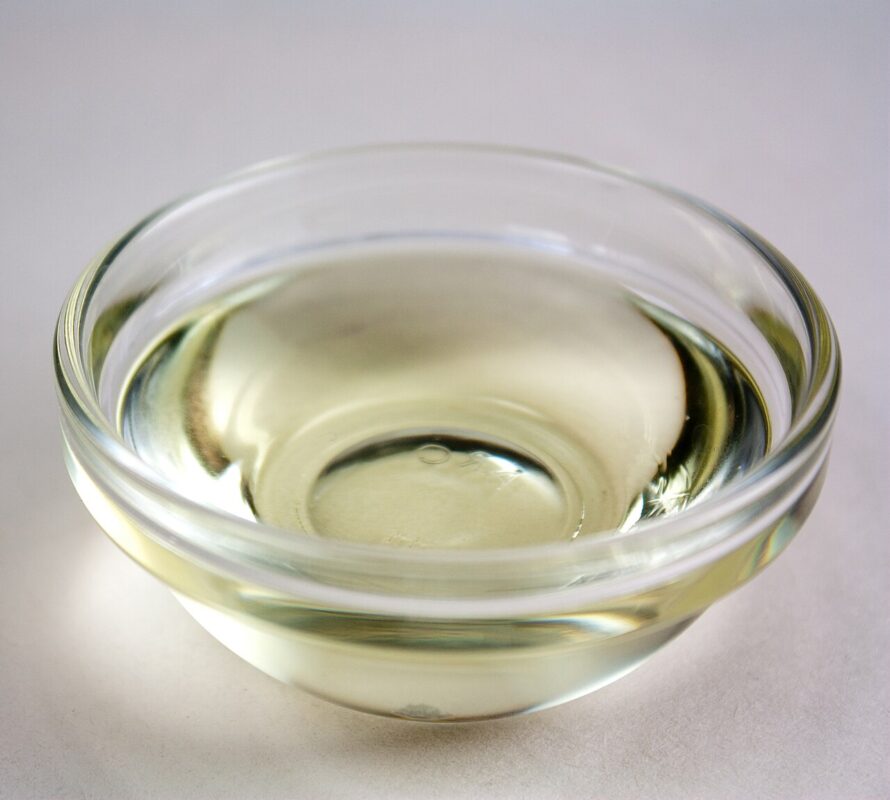
| Appearance | Clear, light yellow liquid |
| Odour and taste | Odourless, neutral taste |
| Free fatty acids (as oleic) | 0.05% max |
| Moisture and impurities | 0.1% max |
| Peroxide value | 1.0 meq O2/kg max |
| Iodine value (Wijs) | 105 to 126 |
| Saponification value | 175 to 195 |
| Shelf life | 18 to 24 months, cool and dry |
And our refined canola, which some plants use for dressings and sauces with stronger flavours:
| Parameter | Refined canola oil |
|---|---|
| Appearance | Clear, light yellow liquid |
| Odour and taste | Neutral, odourless, bland |
| Free fatty acids (as oleic) | 0.1% max |
| Moisture and impurities | 0.1% max |
| Peroxide value | 2.0 meq O2/kg max |
| Iodine value (Wijs) | 105 to 126 |
| Saponification value | 175 to 195 |
| Shelf life | 12 to 18 months, cool and dry |
The product pages for RBD canola oil and refined canola oil have the full details, and the line-by-line explanation is in our RBD canola oil specification guide.
The One Weakness of Canola in Mayonnaise
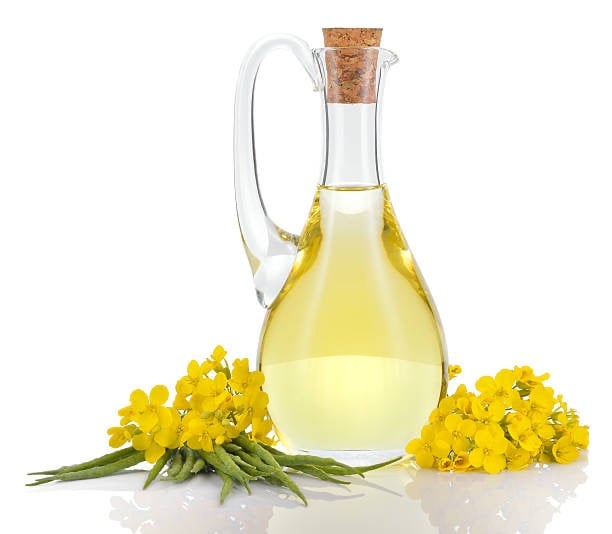
We’d be doing you a disservice if we didn’t mention this, because it’s the main thing that separates good and bad results with canola oil for mayonnaise manufacturing. Canola has about 9 to 11 percent alpha-linolenic acid, an omega-3 fat. It’s good for nutrition, but it oxidises faster than other fats, and when it does it can give a slightly fishy or painty note. In mayonnaise, where the oil is spread into billions of tiny droplets with a lot of surface area, that risk is real.
It’s very manageable. Plants that use canola oil for mayonnaise manufacturing successfully tend to do the same things:
- Buy fresh oil with a low PV and check it on arrival
- Store it under nitrogen, or at least in a sealed tank with little headspace
- Keep it away from copper, brass and direct sunlight
- Use vacuum or low-air mixing so less oxygen is whipped into the product
- Use an antioxidant or chelating agent your market permits, such as EDTA or mixed tocopherols
- Pack in containers that block light, and fill with as little air as possible
If you want to understand the fatty acid side better, our page on the omega-6 to omega-3 ratio in cooking oils shows how canola compares.
Canola Oil for Mayonnaise Manufacturing vs Sunflower and Soybean
These are the three oils most mayo makers choose between, and plenty of buyers who ask us about canola oil for mayonnaise manufacturing end up comparing all three. Each has its fans.
| Oil | Strengths | Watch out for |
|---|---|---|
| Canola | Lowest saturated fat, stays clear in the fridge, good label appeal | Some omega-3, so needs good oxidation control |
| Sunflower | Very bland, pale, widely available | Price can swing with Black Sea supply |
| Soybean | Usually cheapest, used by many big brands | Slightly more flavour, often needs winterising |
A lot of plants switch between them depending on price, or blend them. If you’re deciding, have a look at our guides on sunflower oil for mayonnaise manufacturing, canola oil vs sunflower oil and canola oil vs soybean oil. We sell all three, so we don’t mind which you pick. We’ll just tell you what we’d do.
Our honest view: if your market values a “made with canola” claim, or you sell into cold climates, canola oil for mayonnaise manufacturing is usually the best choice. If price is everything, soybean often wins.
How the Oil Behaves in Your Process
This bit is for the production team. You probably know it already, but it’s worth saying how the oil affects each step.
- Receiving. Check temperature, PV, FFA, colour and taste before you pump into your tank. Reject or quarantine anything off.
- Storage. Stainless steel tank, sealed, ideally nitrogen blanketed. Keep it at a steady temperature. Don’t top up old oil with new oil if you can avoid it.
- Pre-mix. Egg yolk, water, vinegar, salt, sugar and mustard go in first.
- Oil addition. The oil is added slowly under high shear. Too fast and the emulsion won’t form. Oil temperature affects viscosity and droplet size, so keep it steady from batch to batch.
- Milling. Many plants run the pre-emulsion through a colloid mill to get fine, even droplets and a thick body.
- Filling. Fill with as little air as you can, and seal quickly.
Small droplets make a thicker, more stable mayo. Clean, consistent oil makes small droplets easier to get. When the oil changes from one delivery to the next, the production team notices it first, usually as a change in viscosity. That’s why consistency matters as much as quality when you choose canola oil for mayonnaise manufacturing. The emulsion article on Wikipedia is a good plain-English primer if you’re training new staff, and the mayonnaise page covers the history and basic chemistry.
Packing Options for Canola Oil for Mayonnaise Manufacturing
How you buy canola oil for mayonnaise manufacturing depends on how much you use and what storage you have.
| Packing | Best for | Oil per 20ft container |
|---|---|---|
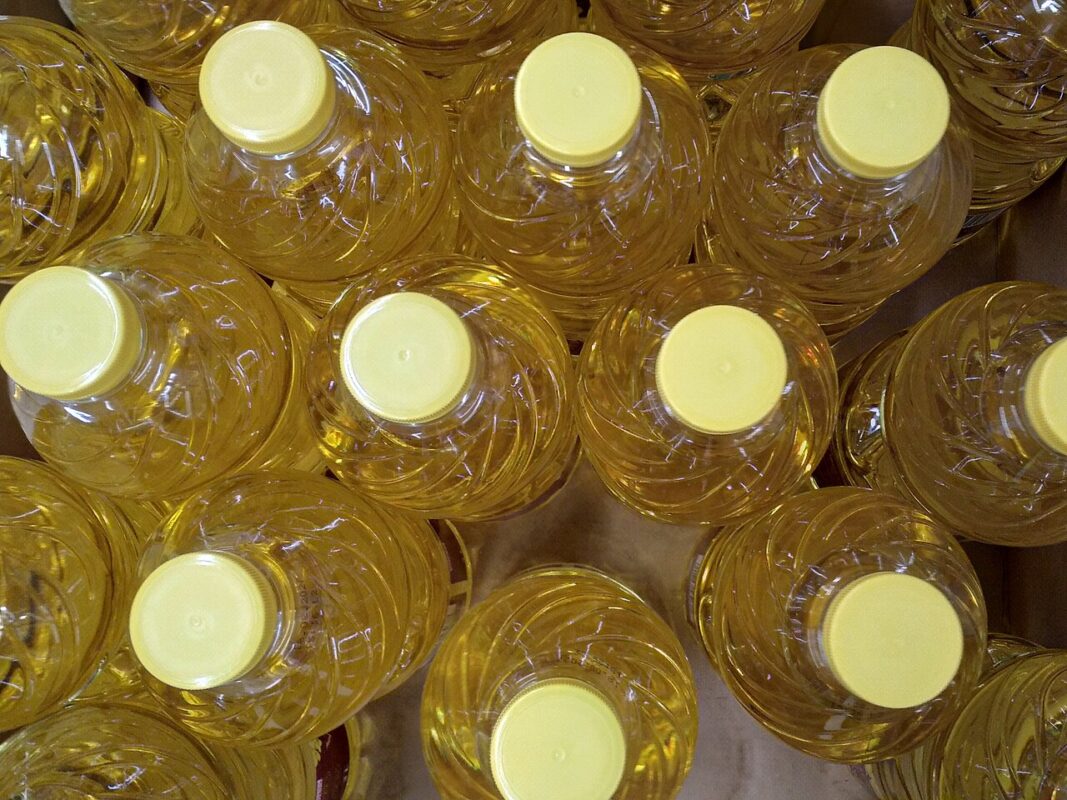
| Flexitank | Plants with a bulk tank, using a container a month or more | About 21 to 22 MT |
| ISO tank | Regular bulk users who want a reusable tank | About 20 to 23 MT |
| 180 to 200 kg steel drums | Medium plants, no bulk tank | About 14 to 16 MT |
| 18 L tins or 25 L jerrycans | Small plants, kitchens, trial production | About 17 to 20 MT |
Big mayo plants nearly always buy canola oil for mayonnaise manufacturing in flexitanks, because it’s the cheapest per ton and easiest to pump straight into a tank. There’s more on that in our guide to choosing a canola oil flexitank supplier. Smaller plants are often happier with drums, because they can use one at a time and keep the rest sealed, which helps with oxidation.
Certifications Sauce Makers Ask About
Mayonnaise is a ready-to-eat food, so your customers and auditors will ask where your canola oil for mayonnaise manufacturing comes from and how it’s made. Our plants work under:
- ISO 22000 food safety management
- HACCP
- GMP
- Halal
Halal matters for a lot of sauce makers who export to the Middle East, Southeast Asia and Africa. We can supply the Halal certificate with the shipment. If you need Kosher or other schemes, ask us and we’ll tell you what’s possible for that lot. Our article on HACCP certified cooking oil manufacturers explains what that certificate does and doesn’t cover.
7 Smart Tips for Buying Canola Oil for Mayonnaise Manufacturing
1. Write the PV limit into the contract at loading and at arrival
Loading PV alone isn’t enough. Agree what’s acceptable when it arrives, too.
2. Taste a sample before you sign
Ask for a sample with its COA from a recent lot. Make a test batch on your own line, not just in the lab. Here’s how to request edible oil samples so you get a useful one.
3. Ask for the COA with every lot
Then check the key numbers yourself. Our guide to reading a certificate of analysis for edible oil shows what to look for.
4. Don’t over-buy
Fresh oil makes better mayo, full stop. It’s tempting to buy six months at a good price, but you’ll be using older oil by the end. Two to six weeks of stock is about right for most plants.
5. Keep one supplier per product if you can
Switching oil sources changes viscosity, colour and taste slightly. Keep the same canola oil for mayonnaise manufacturing from the same supplier for each product line, and change deliberately, with a trial.
6. Check the packaging
For drums and tins, check linings and seals. For flexitanks, check the bag brand and that the container was clean.
7. Agree what happens if it’s off spec
Before the first order, agree in writing how disputes are handled, who tests, and what happens to rejected oil. It’s a dull conversation, but it saves a lot of trouble.
Common Mayonnaise Problems and Where the Oil Fits In
When something goes wrong on a mayo line, the oil gets blamed first. Sometimes it’s guilty, often it isn’t. Here’s a quick guide we share with plants that buy canola oil for mayonnaise manufacturing from us.
| Problem | Oil-related cause | Other likely causes |
|---|---|---|
| Stale or fishy taste after a few weeks | High PV or old oil, too much air in the product | Poor packaging, warm storage, no antioxidant |
| Oil separating in the fridge | Oil clouding at low temperature | Too little egg yolk, oil added too fast, weak milling |
| Thin, runny texture | Big change in oil viscosity between lots | Low oil content, poor shear, wrong temperature |
| Yellow or grey tint | High colour oil | Mustard, egg quality, light exposure |
| Soapy note | High FFA | Cleaning residue in tanks or lines |
If the oil is the cause, you’ll usually see it on the COA or in your own arrival test. That’s one more reason to keep a retained sample from every delivery for at least the shelf life of the mayo it went into.
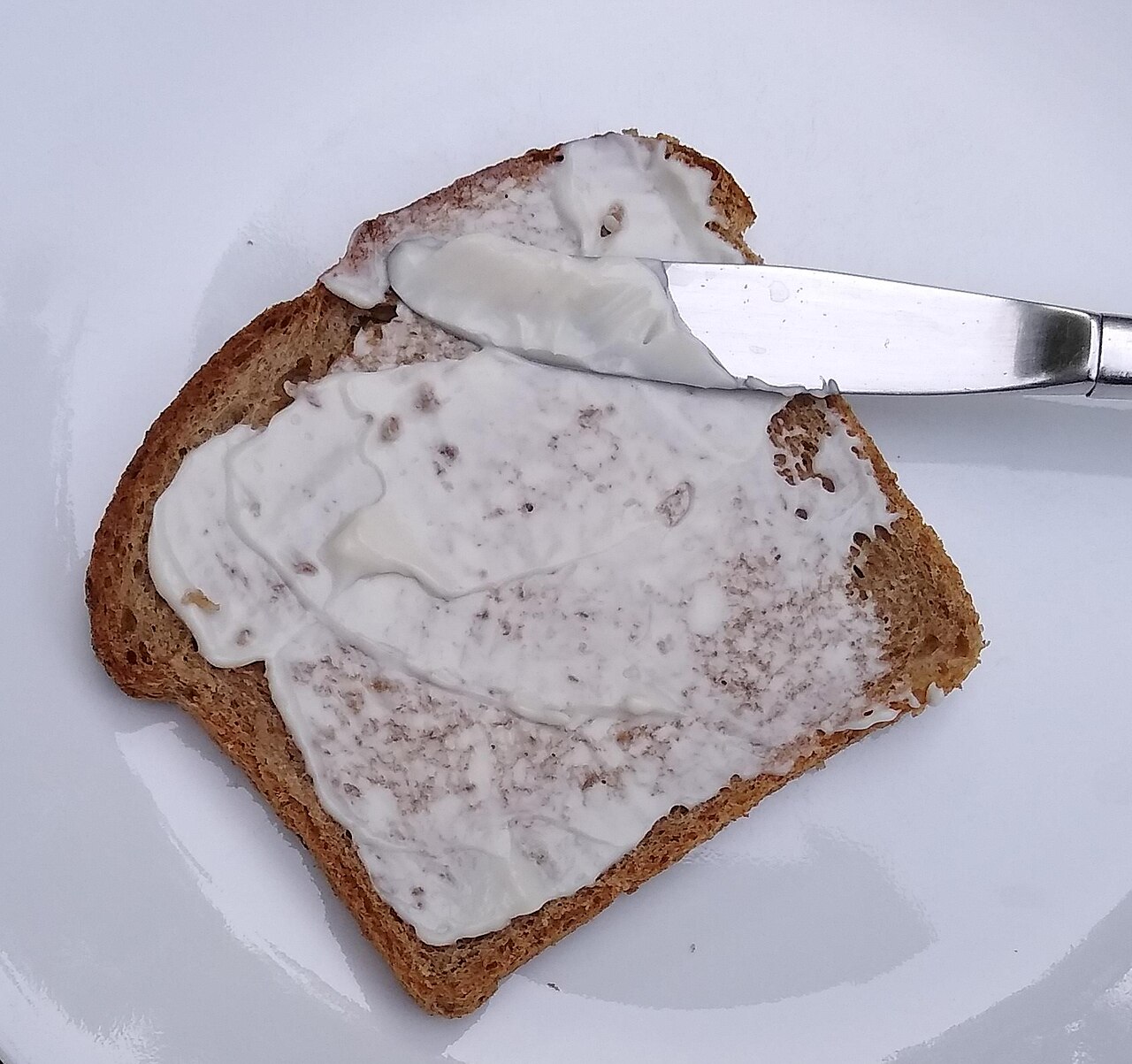
Light, Vegan and Egg-Free Mayo
Reduced-fat and egg-free products are growing in a lot of markets, and the oil matters in different ways here.
In light mayo there’s less oil, so the starches, gums and fibres carry more of the texture. The oil still affects flavour, and with less of it, any off-note is easier to spot, not harder. Low PV still matters.
In vegan or egg-free mayo, the emulsifier is usually a plant protein such as pea, soy or aquafaba, sometimes with added lecithin. These emulsions can be less forgiving than egg-based ones, so a consistent oil helps a lot. Plant-based brands often choose canola oil for mayonnaise manufacturing because the “plant-based” and “canola” stories sit well together on the label.
Shelf Life of the Finished Product
Most commercial mayonnaise has a shelf life of six to twelve months unopened, depending on recipe, packaging and storage. The oil sets the upper limit. You can’t make a twelve-month mayo from oil that’s already halfway through its own shelf life.
A few practical rules:
- Use oil within its shelf life, and ideally within the first third of it
- Rotate tanks so old oil doesn’t sit at the bottom
- Keep production records that link each batch of mayo to the oil lot it used
- Run accelerated shelf-life tests when you change supplier or grade
The international reference for edible oil quality is the Codex standard for named vegetable oils, published by the Codex Alimentarius Commission. It’s a useful baseline when you’re writing your own internal spec for canola oil for mayonnaise manufacturing, and our Codex standard for named vegetable oils article explains it in plain terms.
Storing Canola Oil at Your Plant
Good mayo plants treat their oil tank like a food ingredient store, not a fuel tank. A few things we always recommend to people buying canola oil for mayonnaise manufacturing:
- Stainless steel tanks and lines, no copper or brass anywhere
- Nitrogen blanketing if you can, a tight lid and small headspace if you can’t
- A steady temperature, out of direct sun
- Clean, dry tanks before each new delivery, with no water left from washing
- A filter on the line to production
If your plant is in a hot climate, keep the tank shaded or indoors. Heat speeds up oxidation more than almost anything else. Our shelf life guide for sunflower, soybean and canola oil has more detail.
What It Costs
Canola oil for mayonnaise manufacturing is priced like any other canola oil: by the metric ton, based on the market for the shipment month, plus packing and freight. RBD costs a little more than refined. Drums and tins cost more per ton than flexitanks.
We don’t put a fixed price on this page because it would be out of date by next week. Our canola oil price per ton guide shows the current market range and what moves it. Send us your volume and port and we’ll give you a firm figure.
How Ordering Works
- You tell us the grade, packing, monthly volume and destination port.
- We send a quote, the spec sheet and a sample if you want one.
- You run a trial batch and approve the oil.
- We sign a contract with the spec, the price basis (FOB, CFR or CIF) and payment terms written in.
- We load, send photos, the COA and the documents, and track the ship with you.
- You receive, test and pump into your tank.
Minimum order for canola oil for mayonnaise manufacturing is normally one 20ft container. Loading usually happens one to three weeks after the contract. For a regular programme we can plan deliveries every month so you never carry too much stock. See our page on minimum order quantity for bulk cooking oil for the detail.
Who Buys Canola Oil for Mayonnaise Manufacturing From Us
We sell canola oil for mayonnaise manufacturing to sauce, dressing and condiment makers in Asia, the Middle East, Africa, Europe, the Americas and the Pacific. Some are large brands, some are regional producers with one line, and some are private label packers making mayo for supermarkets. We ship to any port that takes container ships.
If you also make other products, like dressings, frying oils or bakery fats, we can usually supply those oils on the same programme. Our soybean oil uses in food manufacturing guide has a few ideas, and you can see everything we sell on our products and canola oil pages.
Frequently Asked Questions
Is canola oil good for mayonnaise?
Yes. It’s bland, pale, low in saturated fat and stays clear in the fridge, which is why it’s one of the most popular oils for mayo.
Which grade of canola oil for mayonnaise manufacturing should I buy?
RBD canola for most products. Refined canola can work for stronger-flavoured sauces and dressings.
Does canola oil go rancid in mayonnaise?
It can if it’s old or badly stored, because of its omega-3 content. Fresh oil with a low peroxide value, low-air mixing and good packaging keep it fresh.
What’s the minimum order?
One 20ft container, in flexitank, drums or tins.
Do you supply Halal canola oil?
Yes, with a Halal certificate on request.
Can I mix canola with sunflower or soybean?
Yes, many plants do. Just keep the blend consistent from batch to batch.
Get a Quote for Canola Oil for Mayonnaise Manufacturing
Tell us your grade, packing, how much you use each month and your destination port. We’ll send back a price, the spec sheet and a loading date, usually within one working day, and we’re happy to send a sample first.
Email info@dthcompanyltd.com, call or WhatsApp +66 91 765 9104, or use the form on our contact page.







2 thoughts on “Canola Oil for Mayonnaise Manufacturing: Trusted Specs and 7 Smart Buying Tips”