

Demand for palm oil free vegetable oil keeps growing. Supermarkets in Europe ask for it. Bakery and snack brands put “palm oil free” on the front of the pack. Some importers want it to stay clear of deforestation questions. Others just have customers who prefer it. Whatever the reason, if you buy oil for one of these markets, you need oil that really is palm free, with the paperwork to prove it.
We produce and export a full range of refined vegetable oils, including palm oil and palm free oils. That means we see both sides. This guide explains what palm oil free vegetable oil means, which oils qualify, how to replace palm in frying and baking, how to make sure there’s no palm hiding in the supply chain, and what to put in your contract. At the end you’ll find our palm free oils with their specifications.

Table of Contents
What Palm Oil Free Vegetable Oil Means
At its simplest, palm oil free vegetable oil is an edible oil that contains no oil from the oil palm. That rules out:
- Palm oil, crude or refined
- Palm olein and palm superolein
- Palm stearin
- Palm kernel oil and its fractions
- Blends that include any of these
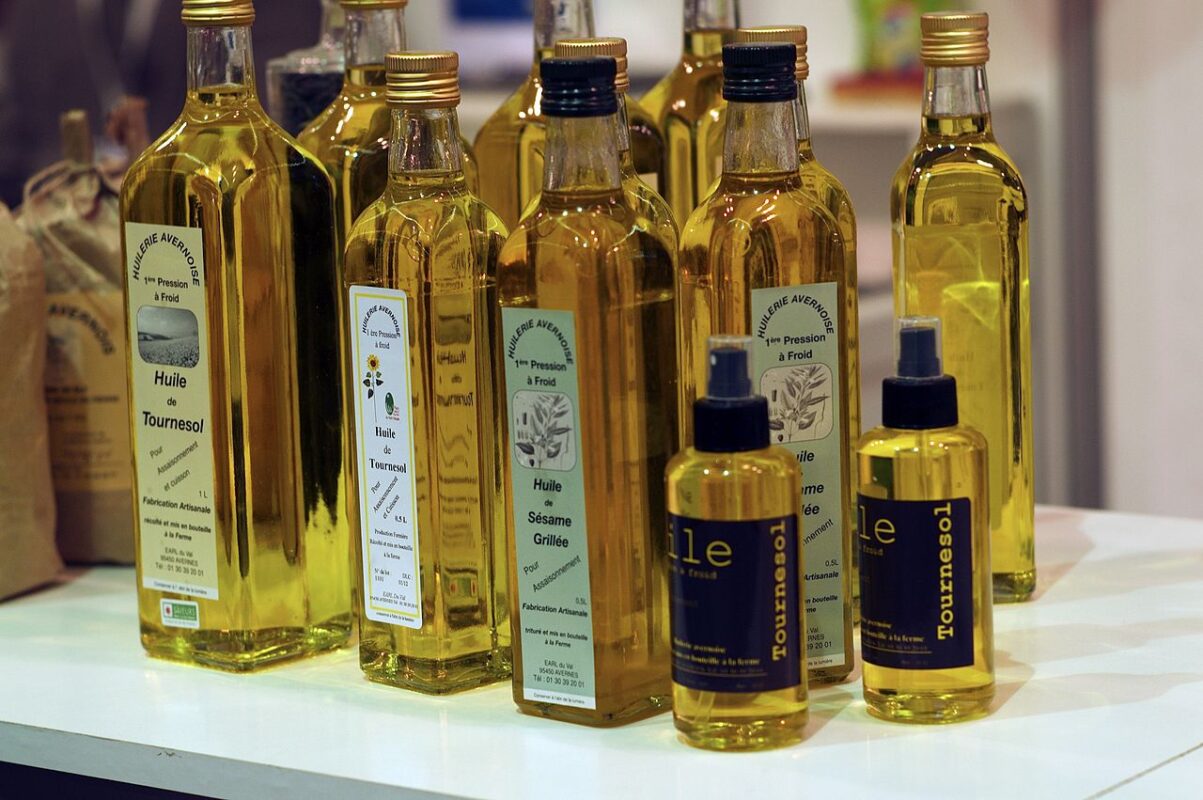
What’s left is a long list of oils from seeds, beans, nuts and fruits other than palm. In practice, most palm oil free vegetable oil in trade is sunflower, rapeseed or canola, soybean, corn, coconut or olive oil.
There’s a second, stricter meaning that brands care about: no palm derivatives anywhere in the product. Many emulsifiers, glycerine and fatty acid ingredients are made from palm. For a pure oil this isn’t usually an issue, but if you add antioxidants or antifoaming agents, check their origin too.
Why Buyers Ask for Palm Free Oil
The reasons vary by market. The main ones we hear:
- Consumer preference. Mainly in Europe, some shoppers avoid palm oil because of concerns about rainforest loss and wildlife.
- Retailer policy. Some supermarkets ask their own-brand suppliers to remove palm.
- Deforestation rules. The EU deforestation regulation covers palm oil, soy and several other commodities, with strict proof that products didn’t come from recently deforested land. Some buyers prefer to remove palm rather than manage that paperwork. Details are on the European Commission EUDR page.
- Nutrition labelling. Palm oil is about half saturated fat. Switching to a seed oil can lower the saturated fat figure on a label.
- Taste and texture. Some brands simply prefer the lighter mouthfeel of seed oils.
One thing to be clear on: the EU deforestation rules also cover soy. So a palm oil free vegetable oil made from soybean oil still needs deforestation paperwork for the EU. Sunflower, rapeseed and corn oils aren’t on the current list. Our post on EUDR palm oil compliance explains the rules from the palm side.
A Fair Word About Palm Oil
We sell palm oil too, so we’ll be straight. Palm is the most productive oil crop per hectare by a wide margin. Replacing it with other oils needs more land, not less. Certified sustainable palm oil exists, and many buyers use it. Our guide on RSPO certified sustainable palm oil covers that route.
Palm oil free vegetable oil isn’t automatically better for the planet. It’s a choice that fits certain markets, labels and customer expectations. Our job is to supply whichever oil fits your market, with honest specifications.
Which Oils Count as Palm Oil Free Vegetable Oil
Here are the main palm oil free vegetable oil options and how each one behaves in real use.
| Oil | Main use | Strengths | Things to watch |
|---|---|---|---|
| Refined sunflower oil | Retail, cooking, light frying | Clean taste, light colour, liquid in cold | Shorter fryer life than palm |
| High oleic sunflower oil | Frying, snacks, bakery | Very stable, low saturated fat | Higher price |
| Rapeseed or canola oil | Retail, dressings, baking | Good omega balance, low saturated fat | Can turn fishy in long frying |
| Soybean oil | Food service, food factories | Low price, neutral | Covered by EU deforestation rules |
| Corn oil | Retail, frying | Mild flavour | Shorter fryer life |
| Coconut oil | Bakery, confectionery, frying | Solid fat, stable | Very high saturated fat, coconut note unless refined |
| Olive oil | Retail, cooking | Premium image | Expensive for frying |
| Rice bran oil | Frying | Stable, pleasant taste | Limited supply |
For most buyers, palm oil free vegetable oil means sunflower oil or canola for retail and cooking, and high oleic sunflower oil for frying.
Palm Oil Free Vegetable Oil for Frying
Palm olein is popular in frying because it’s stable and cheap. To go palm free without losing fryer life, the best replacements are high oleic oils.
- High oleic sunflower oil. Oleic acid of 75% or more gives excellent frying stability, often matching or beating palm olein. It’s liquid and clear, so no cloudiness in the cold.
- High oleic canola. Similar stability, popular in North America.
- Blends of high oleic and regular sunflower oil to balance cost.
Regular sunflower, soybean and canola oils work for lighter frying but won’t last as long in heavy commercial use. Our guide to the best oil for deep frying chicken compares these in a real kitchen setting.
The cost difference is real. High oleic sunflower oil usually costs more per tonne than palm olein. Brands that switch typically count the longer fryer life and the marketing value of a palm oil free vegetable oil claim to justify it.
Replacing Palm Oil in Snacks
Potato chip and snack makers are some of the biggest users of palm olein, and also some of the biggest switchers. European chip brands mostly use sunflower oil, and premium brands use high oleic sunflower oil. Our post on the best oil for potato chips manufacturing covers the details.
The main changes to expect when switching a snack line to palm oil free vegetable oil:
- Lighter, less waxy mouthfeel
- Lower saturated fat on the label
- Possibly shorter shelf life with regular sunflower oil, solved with high oleic oil
- Higher oil cost per tonne
Replacing Palm Oil in Bakery and Spreads
Bakery is the hard part of moving to palm oil free vegetable oil. Palm oil and palm stearin are naturally semi-solid at room temperature. That’s exactly what bakers need for pastry, biscuits, cakes, creams and spreads. Liquid seed oils don’t do that job on their own.
Palm free options for solid fat include:
- Coconut oil. Solid below about 24 C. Good in biscuits, fillings and confectionery. Very high in saturated fat. See coconut oil for bakery and confectionery.
- Shea butter and shea stearin. Used in confectionery and some bakery fats.
- Fully hydrogenated seed oils, blended and interesterified with liquid oils. This gives solid fats with very little trans fat.
- High oleic oils with structuring. Some newer bakery fats use high oleic oils with small amounts of hard fat.
- Butter, for premium products.
These need careful recipe work. Texture, flakiness and shelf life all change when palm is removed. Most bakery brands work with their fat supplier on trials over several months.
How to Make Sure Oil Is Really Palm Free
This is where buyers need to be careful. Palm oil is cheap, so mixing a little palm olein into a seed oil is an old form of adulteration. A genuine palm oil free vegetable oil supply chain needs controls at every step.
The fatty acid profile
Palm oil has a very high share of palmitic acid, about 40% to 47%. Sunflower, rapeseed and canola oils have much less, usually 3% to 8%. Soybean oil sits around 8% to 13%. So a sunflower oil with palmitic acid at 15% has something mixed in. The fatty acid profile on the COA is your first check. Our post on the Codex standard for named vegetable oils lists the normal ranges.
The fridge test
Sunflower oil with palm olein mixed in often turns cloudy in the fridge. It’s a rough check, not proof, but it’s a quick warning sign. Our guide on how to detect adulterated cooking oil explains it.
Tank and transport history
If a flexitank, ISO tank, ship tank or road tanker carried palm oil before, traces can remain. Ask for the previous cargo and cleaning records. New flexitanks avoid the issue entirely.
Plant segregation
If the supplier refines palm as well as seed oils, ask how they keep them apart: separate tanks, lines flushed between products, filling lines cleaned, and records. A good refinery can explain this clearly.
A palm free declaration
Ask for a written declaration that the oil contains no palm or palm kernel oil, and that no palm derived additives were used. Tie it to the lot number.
What to Put in Your Contract
If you’re buying palm oil free vegetable oil, write it into the contract, not just the email.
| Clause | What to include |
|---|---|
| Product | Named oil, e.g. refined sunflower oil, palm free |
| Fatty acid profile | Codex ranges, plus a palmitic acid maximum (e.g. 7% for sunflower) |
| Palm free declaration | Per lot, signed, covering oil and any additives |
| Transport | New flexitanks, or previous cargo and cleaning certificates |
| Testing | Pre-shipment sampling and an agreed lab |
| Remedy | What happens if palm is detected |
Independent inspection at loading is worth the cost for palm free claims, because a failure later could mean a product recall. See pre-shipment inspection for edible oil.
Labelling a Palm Free Product
Labelling rules for palm oil free vegetable oil differ by country, but some general points apply.
- The oil must be named. “Sunflower oil” or “rapeseed oil” is clearer than just “vegetable oil.”
- A “palm oil free” claim must be true and provable. Keep the declarations and test results on file.
- Some independent schemes certify palm free products and offer a logo. They usually ask for supplier declarations and audits.
- In some countries, “vegetable oil” alone is no longer allowed on labels; the specific oil must be named.
If you’re putting your own brand on palm oil free vegetable oil, our private label vegetable oil service can handle the label and paperwork with you.
Cost: What to Expect
Palm olein is usually the cheapest refined oil on the world market, which is why palm oil free vegetable oil costs more. Switching to palm oil free vegetable oil normally means paying more per tonne.
Roughly, from cheapest to dearest in most years:
- Palm olein
- Soybean oil
- Regular sunflower oil and rapeseed or canola oil
- Corn oil
- High oleic sunflower oil
- Coconut oil
- Olive oil
The order shifts with harvests, weather and trade disruptions. In some months sunflower oil trades close to or even below soybean oil. Our post on the cooking oil price forecast 2027 looks at where prices may head next.
To keep costs down, many brands use regular sunflower or rapeseed oil for retail bottles, and save high oleic oil for frying and snack lines where stability pays back.
Palm Oil Free Vegetable Oil by Market
How much buyers care about palm free supply depends a lot on where the oil ends up.
- Western and Northern Europe. The strongest demand. Many retailers, bakery brands and snack makers have already removed palm or offer palm free ranges. Sunflower and rapeseed oil dominate.
- United Kingdom. Similar to Europe, with strong interest from own-brand supermarket ranges.
- North America. Less consumer pressure, but some natural and organic brands want palm oil free vegetable oil. Canola and high oleic oils are common.
- Australia and New Zealand. Growing interest, partly driven by wildlife campaigns. Canola and sunflower lead.
- Middle East. Mostly driven by health and taste, with sunflower oil and corn oil popular in retail.
- Asia and Africa. Palm olein remains dominant for price reasons, but premium retail ranges often carry sunflower or canola.
If you export finished products, check what your end market expects. A snack made with palm olein might sell well at home and struggle on a European shelf.
Supply Risks for Palm Free Oils
Palm free doesn’t mean risk free. Each seed oil has its own supply weak points, and buyers moving to palm oil free vegetable oil should know them.
- Sunflower oil comes mostly from the Black Sea region and Argentina. Weather, war and shipping problems in that region can move prices fast.
- Rapeseed and canola oil depend heavily on Canadian, European and Australian harvests. A drought in one of those regions tightens the market.
- Soybean oil prices are pulled around by biofuel demand, especially in the Americas.
- High oleic sunflower oil is a smaller market, so supply is tighter and premiums can jump in short seasons.
The best protection is to qualify two oils, for example sunflower and rapeseed, so you can switch if one gets too expensive or scarce, and to buy on contract rather than month to month.
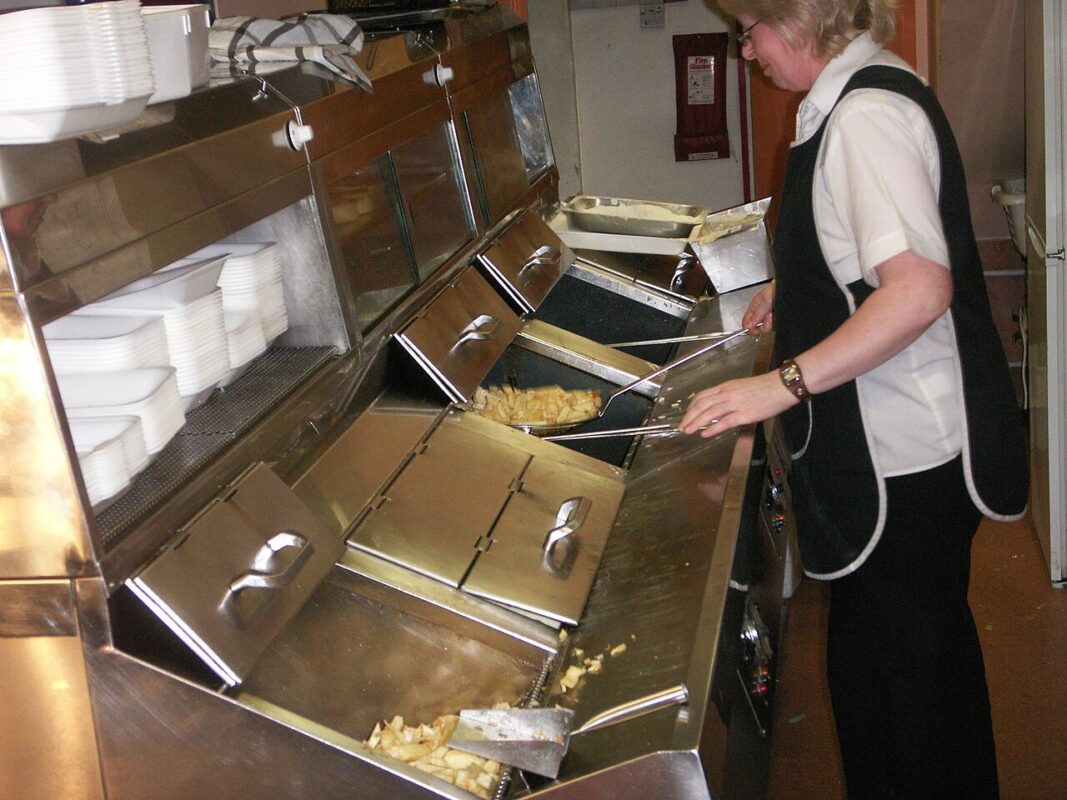
Running a Palm Free Kitchen
Restaurants, hotels and caterers sometimes go palm free because a client or a brand owner asks for it. A few practical points make it easier.
Use a high oleic sunflower oil in the fryers. It gives fryer life close to palm olein, and you won’t be changing oil more often. Use regular sunflower or canola for cooking, sauces and dressings. Check bought-in ingredients too: frozen fries, nuggets, pastry and doughnuts are often pre-fried in palm olein, so a palm oil free vegetable oil in the fryer doesn’t make the final dish palm free on its own. Ask your food suppliers for written declarations. And keep your oil delivery notes and supplier declarations together, so you can show a client or inspector exactly what you use.
Organic and Non-GMO Palm Free Options
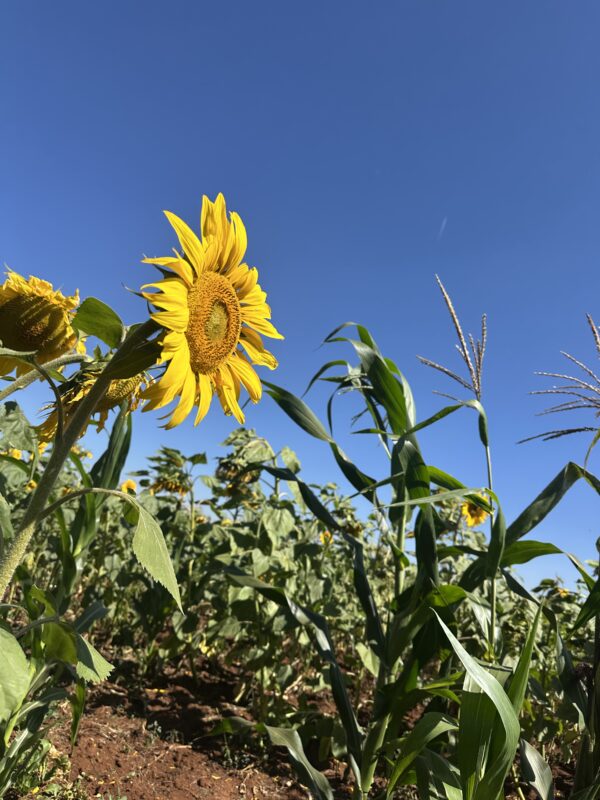
Some buyers want more than palm free. They want organic, non-GMO, or both. Sunflower oil is the easiest route here, because sunflower is not commercially grown as a GMO crop, and organic sunflower oil is widely traded. Rapeseed grown in Europe is also non-GMO, while most canola from North America is GM. Soybean oil can be non-GMO if it’s identity preserved from seed to oil, which adds cost and paperwork. If your palm oil free vegetable oil also has to be organic or non-GMO, say so at the start, so the right certificates travel with every lot.
A Short Example: Switching a Biscuit Range
A biscuit maker we supply moved its export range to palm oil free vegetable oil after a European retailer asked for it. They didn’t change everything at once. First they replaced palm olein in the fryer for their filled snacks with high oleic sunflower oil, which was easy. Then they spent about four months on the biscuit dough, testing coconut oil and an interesterified seed oil fat. The final recipe used a mix of both, with a slightly firmer bite that their panel actually preferred. The cost went up a little per carton, but the range kept its listing, and the home market range stayed on palm. That split, palm for one market and palm free for another, is very common.
Practical Tips for Switching
We’ve helped a number of buyers move to palm oil free vegetable oil. Here’s what helps.
- Start with one product line. Switch the retail bottle first, then the frying oil, then the bakery fats.
- Run trials. Fryer life, taste, shelf life and texture all need testing in your own plant.
- Brief your sales team. They need to explain the change and the price to customers.
- Lock in supply. Sunflower oil supply can be hit by weather and trade disruptions. Contracts for several months help.
- Keep the paperwork tidy. A palm free claim is only as strong as your records.
Questions We Get About Palm Free Supply
Do you handle palm and palm free oils in the same plant? Yes. We keep them in separate tanks and lines, and every palm free lot ships with a fatty acid profile that shows the palmitic acid level.
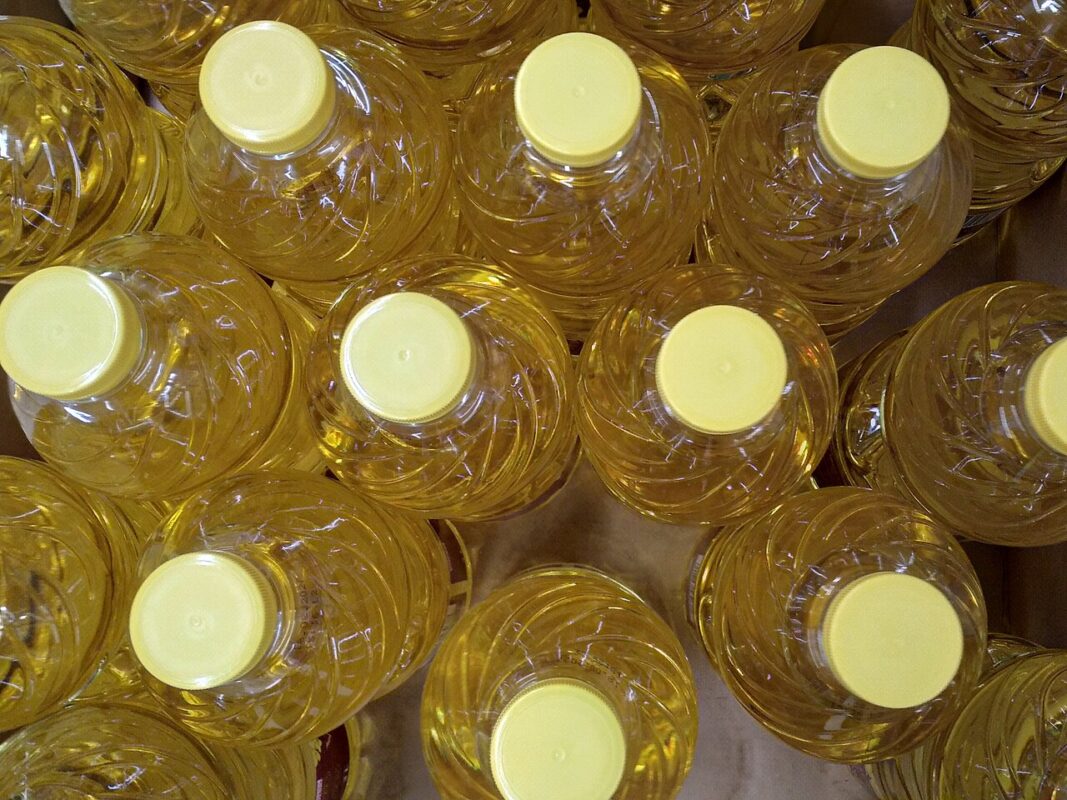
Can I get palm free oil in bulk and in bottles? Yes. Flexitanks, IBCs and drums for bulk, PET bottles, jerrycans and tins for packed oil.
Is soybean oil a good palm free choice? For many markets, yes. For the EU, remember soybean oil falls under the deforestation regulation, so you’ll need the right documents.
Our Palm Oil Free Vegetable Oil Range
These are the palm oil free vegetable oil options we produce and export. Every lot is made under ISO 22000, HACCP and GMP, with halal certification and its own COA, including the full fatty acid profile.
| Oil | FFA | Peroxide value | Moisture | Palmitic acid | Key spec | Packing |
|---|---|---|---|---|---|---|
| Refined sunflower oil | 0.1% max | 2.0 meq/kg max | 0.05% max | 5 to 7.6% | Iodine value 118 to 141 | Bottles, jerrycans, tins, flexitank |
| High oleic sunflower oil | 0.1% max | 2.0 meq/kg max | 0.05% max | 2.6 to 5% | Oleic acid 75% min | Jerrycans, drums, IBC, flexitank |
| Organic sunflower oil | 0.1% max | 2.0 meq/kg max | 0.05% max | 5 to 7.6% | Organic certified | Bottles, drums |
| RBD canola oil | 0.1% max | 2.0 meq/kg max | 0.05% max | 2.5 to 7% | Erucic acid under 2% | Bottles, jerrycans, flexitank |
| Refined soybean oil | 0.1% max | 2.0 meq/kg max | 0.05% max | 8 to 13.5% | Iodine value 124 to 139 | Jerrycans, drums, flexitank |
| RBD coconut oil | 0.1% max | 1.0 meq/kg max | 0.1% max | 7.5 to 10.2% | Lauric acid 45% min | Jars, jerrycans, drums |
For palm free orders we supply a signed palm free declaration per lot and can load into new flexitanks.
FAQs on Palm Oil Free Vegetable Oil
What is palm oil free vegetable oil?
Any edible oil that contains no palm oil, palm kernel oil or their fractions. Sunflower, rapeseed, canola, soybean and corn oil are the common choices.
What is the best palm free oil for frying?
High oleic sunflower oil. It’s as stable as palm olein or better, and stays liquid in the cold.
How can I check that oil is palm free?
Look at the palmitic acid level in the fatty acid profile. It should match the normal range for the named oil.
Is palm free oil more expensive?
Usually yes, though the gap varies through the year.
Do you sell palm free oil under private label?
Yes, in bottles, jerrycans and tins with your label.
Do you also sell palm oil?
Yes. We supply palm oil and palm olein for markets that want them, and palm free oils for markets that don’t.
Get a Palm Free Oil Quote
If you need palm oil free vegetable oil for your brand, your kitchens or your factory, tell us the oil, the use, the pack and your port. We’ll reply with prices, the full specification, a sample COA and our palm free declaration. Email info@dthcompanyltd.com, WhatsApp +66 91 765 9104, or use our contact page. You can also browse our product range, or read the background on palm oil and sunflower oil.





One thought on “Palm Oil Free Vegetable Oil: 7 Smart Choices for Buyers”