Deodorized sunflower oil is the plain, pale, almost tasteless oil most people picture when they think of sunflower oil. That blandness is the whole point. Because it has no smell and no strong flavour, it disappears into the food, which is exactly what a mayonnaise plant, a bakery or a fried chicken chain wants. We sell deodorized sunflower oil in bulk and in packs to food factories, distributors and restaurant groups worldwide, and buyers often ask us what else it’s good for. So here’s a straight list of deodorized sunflower oil uses, with the specs behind each one and the packing that suits it.
If you already know what you need and just want a price, jump to the quote section at the bottom.

Table of Contents
What Deodorized Sunflower Oil Actually Is
Crude sunflower oil straight from the press is darker, cloudier and smells strongly of seed. To turn it into food-grade cooking oil it goes through refining. The usual steps are degumming, neutralising, bleaching, winterising and finally deodorising. In deodorising the oil is heated under vacuum while steam is blown through it. That strips out the free fatty acids and the volatile compounds that cause smell and taste.
The result is what the trade calls refined, bleached and deodorized (RBD) sunflower oil, or simply refined sunflower oil. Some buyers use “deodorized” and “refined” as the same thing. Strictly, deodorising is the last step of refining, so all fully refined oil is deodorized. Knowing this helps when you plan your own deodorized sunflower oil uses. If you want to compare it with oil that hasn’t been through that process, read our posts on crude vs refined sunflower oil and winterized sunflower oil.
Understanding the process helps you understand the deodorized sunflower oil uses below. Every one of them depends on three properties that deodorising gives the oil: neutral taste, low free fatty acid and a higher smoke point.
Specifications of the Deodorized Sunflower Oil We Sell
These are the limits we load to. They suit nearly all food deodorized sunflower oil uses. Tighter limits are available for pharma and infant food work.
| Parameter | Specification |
|---|---|
| Appearance | Clear, bright, free from sediment |
| Odour and taste | Neutral, bland, no foreign smell |
| Free fatty acid (as oleic) | 0.1% max |
| Peroxide value | 2.0 meq O2/kg max at loading |
| Moisture and volatile matter | 0.05% max |
| Insoluble impurities | 0.05% max |
| Colour (Lovibond 5 1/4 inch) | 2.0 red / 20 yellow max |
| Iodine value (Wijs) | 118 to 141 |
| Saponification value | 188 to 194 mg KOH/g |
| Unsaponifiable matter | 1.5% max |
| Cold test | Clear after 5.5 hours at 0 °C |
| Relative density at 20 °C | 0.918 to 0.923 |
| Smoke point | About 225 to 230 °C |
The typical fatty acid profile is roughly 5 to 7.6% palmitic, 2.7 to 6.5% stearic, 14 to 39% oleic and 48 to 74% linoleic, in line with the Codex standard for sunflower oil. You can check the reference ranges on the Codex Alimentarius site, and our own refined sunflower oil specification post explains each line in plain English. For the product itself, see our deodorized sunflower oil for sale page.
9 Proven Deodorized Sunflower Oil Uses in Food and Industry
These are the deodorized sunflower oil uses we see most among our own customers, roughly in order of volume.
1. Deep frying and pan frying
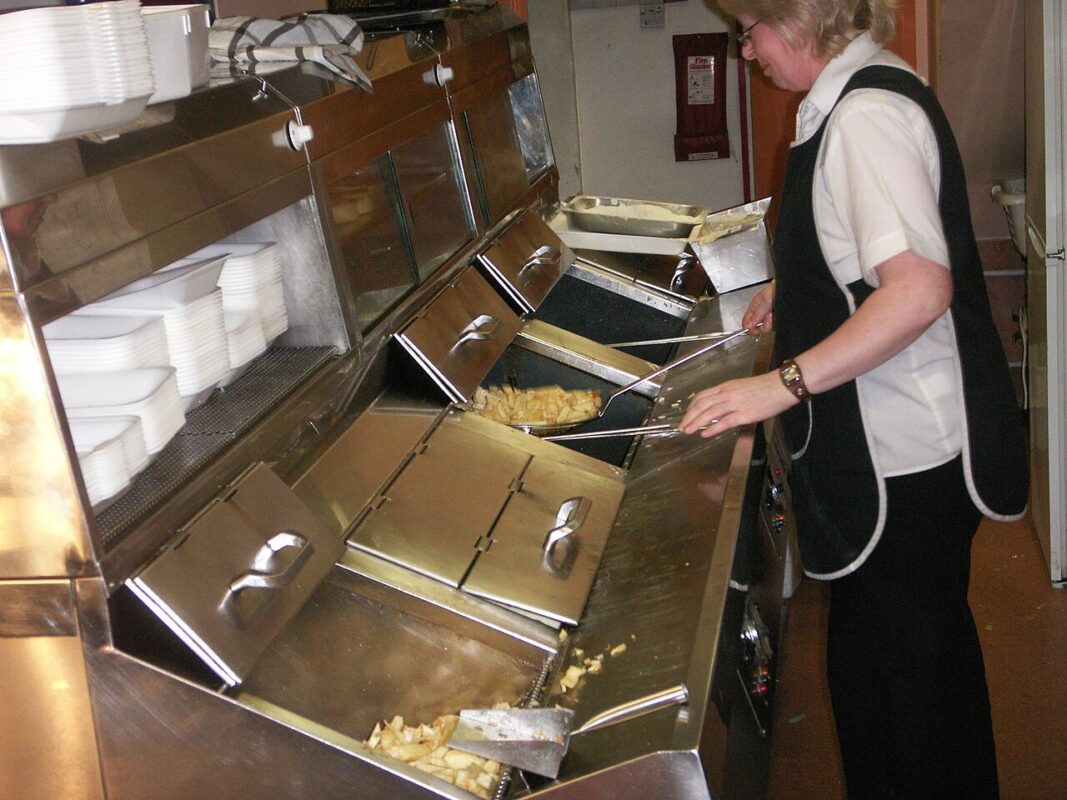
Frying is the biggest of all deodorized sunflower oil uses. Restaurants, takeaways, hotel kitchens, street food stalls and industrial fryers all rely on it. The neutral taste means fries taste of potato and chicken tastes of chicken. A smoke point around 225 to 230 °C gives plenty of room above normal frying temperatures of 170 to 190 °C.
One honest caveat. Regular deodorized sunflower oil is high in linoleic acid, so it breaks down faster under constant heavy frying than high oleic oil does. For a busy fryer running all day, high oleic is often cheaper over a month even though it costs more per tin. Our pages on whether sunflower oil is good for frying, the best oil for deep frying chicken and sunflower oil vs canola oil for frying go into this properly. The general method is described on Wikipedia’s deep frying page.
2. Mayonnaise, sauces and dressings
Mayonnaise is around 70 to 80% oil, so the oil’s taste is the mayonnaise’s taste. That’s why sauce makers are some of the fussiest buyers of deodorized oil. They want a very low peroxide value, a clean taste and a good cold test so the emulsion stays stable in the fridge. Among cold deodorized sunflower oil uses, this is the most demanding, and it’s one of the deodorized sunflower oil uses where cheap oil shows up fastest. Our article on sunflower oil for mayonnaise manufacturing covers the specs sauce plants actually ask for. Background on the product is on Wikipedia’s mayonnaise page.
3. Bakery, biscuits and cakes
Liquid oil is used in cakes, muffins, soft breads and many biscuit recipes. It keeps crumb soft and doesn’t bring any flavour of its own. Bakery is one of the quieter deodorized sunflower oil uses, but the volumes add up. Bakeries also use it to grease tins and trays, and as a release oil on conveyor belts. These deodorized sunflower oil uses need a neutral taste more than anything.
4. Snacks, crisps and extruded products
Potato crisps, corn snacks, instant noodles and coated nuts are fried or sprayed with oil. The oil can end up as a third of the finished product. Snack makers using regular deodorized oil need high turnover in the fryer so the oil stays fresh. Many move to high oleic grades for longer shelf life. See our notes on the best oil for potato chips manufacturing and our high oleic sunflower oil supplier page.
5. Canned fish and preserved foods
Tuna, sardines and mackerel are often packed in sunflower oil. So are sun-dried tomatoes, peppers and cheeses in jars. The oil must be neutral so it doesn’t fight the main ingredient, and clear so the jar looks good on a shelf. Canners are a steady buyer group for us, and canning is one of the oldest deodorized sunflower oil uses in the trade. Our page on tuna in sunflower oil supply has more detail.
6. Margarine, spreads and blended fats
Deodorized sunflower oil is the liquid part of many spreads and margarines, blended with harder fats such as palm or coconut. It softens the spread and improves the fatty acid profile. Modern spreads are made without partially hydrogenated oils, which is one reason sunflower oil is so widely used here. Spreads are among the industrial deodorized sunflower oil uses that need a steady fatty acid profile from lot to lot. See our post on trans fat in vegetable oil and the margarine article on Wikipedia.
7. Retail bottling and private label
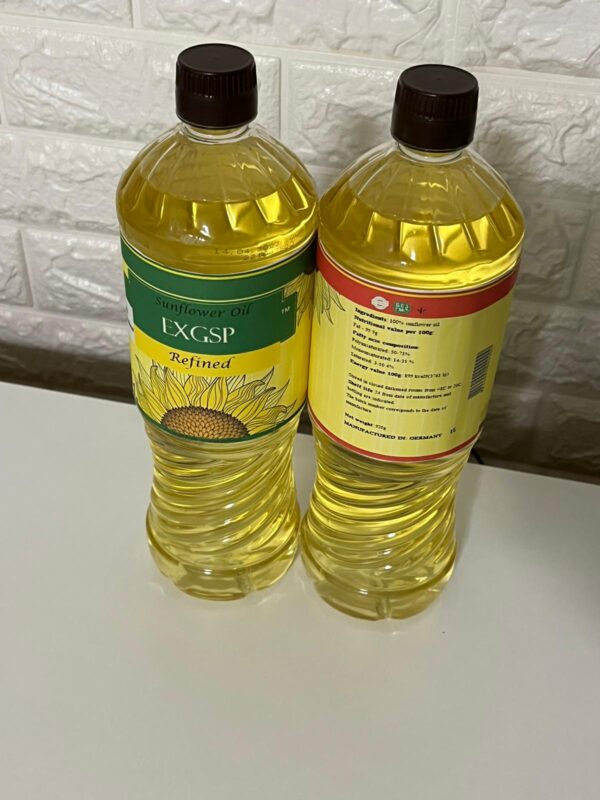
A large share of deodorized sunflower oil uses is simply selling it as it is. Supermarkets, cash and carry stores and local markets all sell bottled sunflower oil. Many of our customers import bulk oil and bottle it under their own brand, or have us bottle it for them. Our guides on sunflower oil for repacking and private label cooking oil cover how that works. Some governments also require vitamin fortification for retail oil, which we can do. See our fortified sunflower oil page.
8. Cosmetics, soap and personal care
Outside food, deodorized sunflower oil is used as a base oil in creams, lotions, massage oils, lip balms and soaps. The lack of smell is useful because it doesn’t fight with fragrances. Soap makers like its light lather and skin feel. These non-food deodorized sunflower oil uses usually need tight peroxide values. Read sunflower oil for soap making for typical recipes and specs.
9. Pharmaceutical and supplement carrier oil
Softgel capsules, vitamin drops and some injectable or topical products use refined vegetable oil as a carrier. Sunflower oil is common here because it’s light, neutral and well understood. These are the strictest deodorized sunflower oil uses of all, and they need full traceability and extra testing. Our pharmaceutical grade sunflower oil page explains what changes.
Matching the Grade to Your Deodorized Sunflower Oil Uses
Not every buyer needs the same oil. The table below shows which grade suits which job. If your deodorized sunflower oil uses cover more than one row, we can supply mixed grades in one shipment.
| Use | Best grade | What to watch |
|---|---|---|
| Light frying, home cooking | Standard deodorized | Price, clear bottle appearance |
| Heavy commercial frying | High oleic deodorized | Fry life, cost in use |
| Mayonnaise and dressings | Standard, low PV, good cold test | Taste, peroxide value, cold test |
| Bakery and biscuits | Standard or high oleic | Neutral taste, shelf life |
| Snacks and crisps | High oleic | Rancidity over shelf life |
| Canned fish | Standard, very clear | Colour, clarity, taste |
| Spreads and margarine | Standard | Fatty acid profile |
| Cosmetics and soap | Standard or organic | Odour, peroxide value |
| Pharma and supplements | Pharma grade | Documentation, contaminants |
If you want an organic version for any of these deodorized sunflower oil uses, our organic sunflower oil wholesale range includes refined organic oil.
Why Peroxide Value and FFA Matter for These Uses
Two numbers on the certificate of analysis tell you most of what you need to know about deodorized oil. Free fatty acid (FFA) shows how well the oil was refined and how much it has broken down. Peroxide value (PV) shows early oxidation, the first step towards rancid flavour. You can read a simple explanation of PV on Wikipedia’s peroxide value page and a buyer’s version in our free fatty acid and peroxide value guide.
For frying, FFA matters most because high FFA lowers smoke point and makes oil smoke sooner. For mayonnaise, dressings and canned fish, PV matters most because those products sit on a shelf for months. For cosmetics, both matter because the customer will smell any off-note. That’s why we test every lot for both and why your specs for deodorized sunflower oil uses should name both figures.
Iodine value is the third number worth a look. It tells you how unsaturated the oil is. Regular sunflower oil sits around 118 to 141. High oleic oil is much lower. Our post on the iodine value of vegetable oils compares the main oils.
Packing Options for Different Deodorized Sunflower Oil Uses
How you buy depends on how you use it. A mayonnaise factory wants bulk. A restaurant wants jerrycans. A supermarket wants bottles. We pack all of these.
| Packing | Quantity per 20 ft | Typical buyer |
|---|---|---|
| Flexitank | 20 to 22 MT | Bottlers, refiners, food factories |
| ISO tank | 20 to 24 MT | Buyers wanting reusable steel tanks |
| 190 kg drums | 80 drums | Smaller factories, cosmetic makers |
| 1,000 litre IBC | About 20 IBCs | Bakeries, food service depots |
| 10 and 20 litre jerrycans, 18 litre tins | Varies | Restaurants, caterers, wholesale markets |
| 1, 2, 3 and 5 litre PET bottles | Varies by mix | Supermarkets, retail, private label |
For bulk, read our guide on how to buy sunflower oil in flexitank. If you’re converting tonnes to litres for your stock system, our posts on sunflower oil density and how many litres are in a ton of vegetable oil will save you a calculation.
How Deodorized Sunflower Oil Compares With Other Oils
Buyers often ask whether they should use sunflower oil at all, or switch to palm olein, soybean or canola. The honest answer is that it depends on your deodorized sunflower oil uses and on price that month. Here’s a rough guide based on what our customers report.
| Oil | Taste | Frying stability | Cold clarity | Where it beats sunflower |
|---|---|---|---|---|
| Deodorized sunflower | Neutral | Good | Very good | Benchmark |
| High oleic sunflower | Neutral | Excellent | Very good | Heavy frying, snacks, shelf life |
| Palm olein | Neutral | Very good | Clouds in cold | Low price, industrial frying |
| Soybean | Neutral, can revert | Fair | Good | Price in some markets |
| Canola | Neutral | Good | Very good | Omega 3 content |
| Cold pressed sunflower | Nutty | Poor | Good | Salads, health food |
For most cold deodorized sunflower oil uses such as mayonnaise and dressings, sunflower’s clarity in the fridge is a real advantage over palm olein. For heavy frying, high oleic sunflower or palm olein usually last longer than standard sunflower oil. Our comparisons of sunflower oil vs palm oil and soybean oil vs sunflower oil have the details, and our cooking oil smoke point chart puts the numbers side by side.
Deodorized Sunflower Oil Uses at Home and in Small Kitchens
Not everyone reading this runs a factory. Plenty of our customers are distributors who sell to households, small restaurants and market traders, and they want to know what to tell their own buyers. The everyday deodorized sunflower oil uses are simple:
- Shallow and deep frying of meat, fish, vegetables and snacks
- Stir frying, where a neutral oil lets sauces and spices come through
- Baking cakes, muffins and quick breads in place of butter
- Homemade mayonnaise and salad dressings
- Marinades and roasting vegetables
- Greasing pans and trays
A shop customer doesn’t care about peroxide value. They care that the oil looks clear, doesn’t smell and doesn’t smoke in the pan. Deodorized oil ticks all three, which is why it’s the best-selling cooking oil in so many countries. Distributors stocking it should keep bottles out of direct sun and sell through stock by lot code.
Storage and Handling Tips
Deodorized oil is stable, but it isn’t indestructible. Heat, light, air and moisture all shorten its life, whatever your deodorized sunflower oil uses. A few habits help:
- Store below about 25 °C where possible, away from ovens and sunny walls.
- Keep drums, IBCs and jerrycans sealed until use.
- Use clean, dry stainless steel or lined tanks for bulk.
- Don’t top up old frying oil with new oil indefinitely. Change it when it darkens, foams or smokes early.
- Keep a retained sample of each lot for complaints.
Our guide to the shelf life of sunflower oil and our tips on how often to change fryer oil go further.
Mistakes We See With Deodorized Oil
Most problems with deodorized sunflower oil uses come down to buying the wrong grade or storing it badly. These are the ones we hear about most:
Using standard oil where high oleic is needed. A snack plant buys cheaper standard deodorized oil, then finds its crisps taste stale in four months. The oil wasn’t bad. It was the wrong oil for that job.
Ignoring the cold test. Oil that isn’t properly winterised turns cloudy in a cold warehouse or fridge. For mayonnaise and retail bottles, that’s a real problem.
Buying on price per tonne alone. A cheaper oil that needs changing twice as often in the fryer costs more over a month.
Not specifying the use to the supplier. If your supplier doesn’t know your deodorized sunflower oil uses, they can’t recommend the right grade or warn you about a poor fit.
How We Supply Deodorized Sunflower Oil Worldwide
We ship deodorized sunflower oil to buyers in Asia, the Middle East, Africa, Europe, North and South America, the Caribbean and Oceania. Most bulk orders load within one to three weeks of payment. Drums, IBCs and jerrycans take two to three weeks. A first private label bottling order usually takes four to six weeks while labels are approved and printed.
Every shipment is checked by an independent surveyor at loading, and you receive a certificate of analysis, certificate of origin, bill of lading, packing list, commercial invoice and health certificate where required. Halal and kosher certificates are available. For safety data, see our sunflower oil MSDS page.
On price, deodorized oil follows the world sunflower oil market, which is driven by the seed harvest in the main growing regions. Packing, Incoterm, volume and payment terms move it from there. Our refined sunflower oil bulk price guide shows how the numbers are built. If you run hotels or restaurants, our page on refined sunflower oil for hotels and restaurants is written with you in mind.
7 Practical Tips for Buying Oil for Your Deodorized Sunflower Oil Uses
- Write down your actual use first. Frying, mayonnaise and cosmetics need different limits. Tell your supplier which deodorized sunflower oil uses you have so they quote the right grade.
- Name FFA, PV, colour and cold test in the contract. “Refined sunflower oil” alone is too vague.
- Ask for a recent COA from the same refinery. Read it line by line. Our certificate of analysis guide helps.
- Test a sample in your own product. A sample that looks fine in a glass can still taste wrong in your mayonnaise. See how to request edible oil samples.
- Think about cost in use for frying. Compare how many days the oil lasts, not only the price per tonne.
- Use safe payment terms on a first order. Read LC vs TT payment.
- Check who you’re dealing with. Fake edible oil offers are common. Our guide to spotting a fake vegetable oil supplier lists the red flags.
What to Expect When You Buy From Us
We’re a trading and export company, not a giant refinery, and that works in your favour on smaller and mixed orders. You talk to the same people from the first email to the arrival of the container. We’ll ask about your deodorized sunflower oil uses before we quote, because the right grade saves you more money than a small discount ever will.
Expect a written offer with the spec, packing, Incoterm, price validity and payment terms spelled out. Expect draft documents for you to check before the originals are issued. And expect a straight answer if we can’t do something. If your deodorized sunflower oil uses need a spec we can’t meet, we’ll tell you so instead of shipping something close and hoping you won’t notice. Learn more about us.
Frequently Asked Questions
Is deodorized sunflower oil the same as refined sunflower oil?
In everyday trade, yes. Deodorising is the final stage of full refining, so refined, RBD and deodorized sunflower oil usually mean the same product.
What are the main deodorized sunflower oil uses?
Frying, mayonnaise and sauces, bakery, snacks, canned fish, spreads, retail bottling, cosmetics and pharmaceutical carrier oils.
Is deodorized sunflower oil healthy?
It contains no cholesterol and very little saturated fat, and it’s a source of vitamin E. Regular grades are high in omega 6. High oleic grades are mostly monounsaturated. Our post on sunflower oil benefits gives a balanced view.
How long does deodorized sunflower oil last?
About 12 to 18 months sealed, kept cool and away from light. High oleic grades last longer.
What is the minimum order?
One 20 ft container, either about 21 MT in a flexitank or a full container of packed goods. Mixed packs are fine.
Can you supply crude sunflower oil instead?
Yes, for buyers with their own refinery. See our crude sunflower oil exporter page.
Order Deodorized Sunflower Oil for Your Uses
Tell us your deodorized sunflower oil uses, the quantity, the packing and your destination port. We’ll recommend the right grade and send a written offer with a recent COA, normally within one working day. You can also see our full product range or our deodorized sunflower oil bulk supplier page.
Email info@dthcompanyltd.com, call or WhatsApp +66 91 765 9104, or use our contact page.