

Every can of tuna in sunflower oil needs two things: good fish and good oil. We handle the oil. If you’re a cannery or a seafood brand looking for a tuna in sunflower oil supplier who can deliver canning grade sunflower oil on time, in bulk, with specs you can rely on, that’s exactly what we sell. We ship refined and high oleic sunflower oil to tuna packers worldwide.
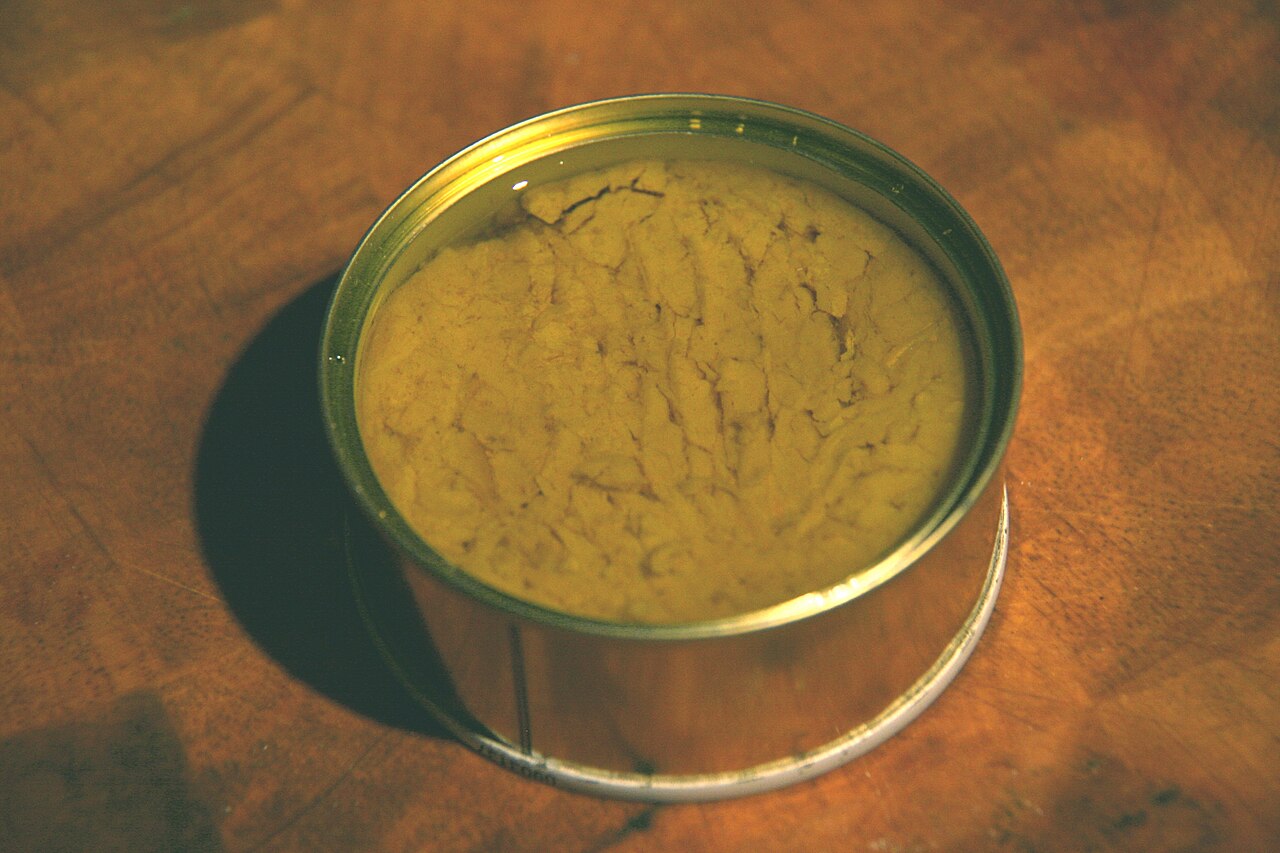
This page is written for people who run or buy for canning lines. It covers the oil grades we offer, the specs that matter when oil goes through a retort, how much oil a line uses, packaging, documents, and what to look for in a tuna in sunflower oil supplier before you sign anything.
Table of Contents
What We Supply to Tuna Canneries
As a tuna in sunflower oil supplier on the oil side, we offer these grades:
- Refined sunflower oil, fully refined, bleached and deodorized, the standard choice for canned fish
- High oleic sunflower oil, more stable under heat and in storage, popular with premium and export brands
- Winterized sunflower oil, for products sold in cold climates or kept chilled
- Mid oleic sunflower oil, a cost and stability middle ground
We don’t sell the canned tuna itself. We sell the oil that goes into it, to the companies that pack it. If you’re a brand owner who contracts a cannery, we can supply your packer directly so your spec is met every time.
Why Canneries Pack Tuna in Sunflower Oil
Olive oil gets the fancy labels, but sunflower oil fills far more cans. There are good reasons:
- Clean, mild taste. It lets the fish taste like fish.
- Light colour. The oil in the can looks clear and appetising.
- Handles the retort. Well refined sunflower oil holds up to sterilisation temperatures without breaking down badly.
- Cost. It’s much cheaper than olive oil and the supply is large and steady.
- Consumer familiarity. In much of Europe, the Middle East and Africa, “tuna in sunflower oil” is what shoppers know and look for.
If you’re weighing up oils, our posts on sunflower oil vs olive oil and soybean oil vs sunflower oil are a good place to start.
Canning Grade Sunflower Oil Specifications
Here are our standard specs. Canneries often tighten one or two of these, and we can work to your sheet. Every delivery from us, as your tuna in sunflower oil supplier, comes with a batch certificate of analysis.
| Parameter | Refined sunflower oil | High oleic sunflower oil |
|---|---|---|
| Free fatty acid (as oleic) | 0.10% max | 0.10% max |
| Peroxide value at loading | 2.0 meq/kg max (1.0 on request) | 2.0 meq/kg max (1.0 on request) |
| Moisture and volatiles | 0.05% max | 0.05% max |
| Insoluble impurities | 0.05% max | 0.05% max |
| Colour (Lovibond 5¼ inch) | 3.0 Red max | 2.5 Red max |
| Iodine value (Wijs) | 118 to 141 | 78 to 90 |
| Oleic acid (C18:1) | 14% to 40% | 75% min |
| Linoleic acid (C18:2) | 48% to 74% | Under 15% |
| Smoke point | About 225 °C | About 230 °C |
| Taste and odour | Bland, neutral | Bland, neutral |
For more detail, see our refined sunflower oil specification, sunflower oil fatty acid composition and iodine value of vegetable oils. The oil complies with the Codex standard for named vegetable oils from the Codex Alimentarius, which also publishes the standard for canned tuna.
What the Oil Goes Through in the Can
This is why choosing a tuna in sunflower oil supplier isn’t like buying frying oil for a restaurant. In the can, the oil goes through a lot.
- Filling. Pre-cooked tuna loins or chunks go into the can, and oil is dosed on top, often warm.
- Seaming. The lid is sealed on, trapping a little headspace.
- Retorting. The sealed can is sterilised, usually at around 115 to 121 °C for a long cycle. The oil is heated with the fish the whole time.
- Storage. The can then sits in warehouses and on shelves for up to three or four years, sometimes in hot climates.
During all of that, fish fat and water move into the oil, and the oil slowly oxidises. Oil that starts with a high peroxide value, some free fatty acid and a slight off taste will be noticeably worse when the can is opened two years later. That’s why canneries care about fresh, well refined oil far more than most food buyers do.
High Oleic or Standard?
Standard refined sunflower oil works well for most tuna in sunflower oil products. It’s what most brands use, and it’s what we ship most often as a tuna in sunflower oil supplier.
High oleic sunflower oil is worth a look if:
- Your shelf life is long, three years or more
- Your cans are sold in hot countries
- You’re a premium brand and want the best possible taste on opening
- You want a better fat profile claim on the label
It costs more per tonne, but the extra stability can mean fewer complaints and returns. We wrote about the difference in high oleic vs regular sunflower oil. Some customers use high oleic for export lines and standard for local ones. Ask us and we’ll help you decide.
How Much Oil Does a Tuna Line Use?
It depends on your can size, your fill and your recipe, but here’s a rough guide that helps when you plan orders with your tuna in sunflower oil supplier. In a typical tuna in oil can, oil makes up somewhere around 15% to 30% of the net weight.
| Can (net weight) | Approx. oil per can | Oil per 100,000 cans |
|---|---|---|
| 80 g | 12 to 24 g | 1.2 to 2.4 tonnes |
| 160 g | 25 to 45 g | 2.5 to 4.5 tonnes |
| 185 g | 30 to 55 g | 3.0 to 5.5 tonnes |
| 1.7 kg catering can | 250 to 450 g | 25 to 45 tonnes |
A mid-size cannery running a few hundred thousand cans a day can easily use one or two flexitanks of sunflower oil a week. That’s why supply reliability is often the first thing our cannery customers ask about.
Packaging and Delivery
| Pack | Oil per unit | Typical user |
|---|---|---|
| Flexitank, 20ft container | 20 to 22 MT | Large canneries with bulk tanks |
| IBC, 1,000 litre | About 920 kg | Mid-size canneries |
| Drums, about 190 kg | About 80 per 20ft | Small canneries, specialty lines |
| Bulk vessel parcels | By arrangement | Very large buyers with shore tanks |
Most canneries that use us as their tuna in sunflower oil supplier take flexitanks. If that’s new to you, read our guide to a sunflower oil flexitank shipment and our sunflower oil flexitank supplier page.
Where We Ship
Tuna is canned in a lot of places, and a tuna in sunflower oil supplier has to reach all of them. We ship oil to canning hubs worldwide, including Southeast Asia, West Africa, the Indian Ocean islands, the Pacific, Latin America and southern Europe. We’re based in Thailand, which is one of the biggest tuna canning centres in the world, so we know the trade and its timing well. See our page on vegetable oil export from Thailand.
Wherever your cannery is, tell us the port and we’ll quote CIF or FOB. Our post on CIF vs FOB vegetable oil explains the difference.
Labelling: “In Sunflower Oil” Means Sunflower Oil
In most markets, if the can says tuna in sunflower oil, the oil inside has to be sunflower oil, not a blend. Regulators and retailers do test for this, and blends get caught. Fatty acid testing shows very quickly whether there’s soybean, palm or rapeseed oil mixed in.
That’s a real risk if you buy from a cheap, unverified source. As your tuna in sunflower oil supplier, we guarantee 100% sunflower oil, backed by fatty acid analysis on request. If you’ve had problems with blended oil before, read how to detect adulterated cooking oil.
Certifications and Documents
Canneries sell to demanding retailers, and retailers ask for paperwork. Any tuna in sunflower oil supplier worth using should have it ready. We provide:
- Certificate of analysis for each batch
- Fatty acid profile on request
- Food safety certification from the producing plant (HACCP, ISO 22000 or FSSC 22000)
- Halal and kosher certificates on request
- Non-GMO statement
- Certificate of origin, bill of lading, invoice and packing list
- Third party inspection certificate on request
See also certificate of analysis for edible oil, HACCP certified cooking oil, halal vegetable oil, kosher certified vegetable oil and documents required to import vegetable oil.
7 Proven Tips for Choosing a Tuna in Sunflower Oil Supplier
1. Ask for a cannery reference
A good tuna in sunflower oil supplier should already supply other canneries and be willing to say so, even if they can’t name names.
2. Check the peroxide value at arrival, not just at loading
Agree a delivery limit in your contract. Oil that leaves fresh but arrives tired is no good to you.
3. Test the fatty acid profile
It’s the fastest way to confirm you’re getting pure sunflower oil.
4. Taste it hot
Heat a sample to frying temperature and smell it. Off notes show up much more clearly when oil is hot.
5. Look at supply security
Ask how much they ship each month, from where, and what happens if one origin has a problem.
6. Agree on inspection
An independent inspector at loading protects both sides and settles disputes fast. See pre-shipment inspection for edible oil.
7. Trial before switching
Run a pilot batch, retort it, store it and open cans after a few weeks before you move your whole line to a new oil.
What a Good Tuna in Sunflower Oil Supplier Actually Does
Selling oil is the easy part. What canneries really need from a tuna in sunflower oil supplier is everything around the oil. Here’s what that looks like day to day with us:
- Planning. We agree a delivery schedule with you, so oil lands before your stock runs low, not after.
- Consistency. We keep the same grade and the same spec from shipment to shipment, so your product tastes the same in March as it did in October.
- Retained samples. We keep samples from every lot. If a quality question comes up months later, there’s oil to test.
- Traceability. Every container, IBC or drum carries a lot number linked to the test results and loading records.
- Straight answers. If something changes in the market, a crop problem, a freight spike, a port delay, we tell you early.
That last point matters more than people think. A tuna in sunflower oil supplier who goes quiet when there’s a problem leaves you with a stopped line and no plan. We’d rather give you bad news on Monday than a surprise on Friday.
Handling Oil Inside the Cannery
Good oil can lose quality fast if it’s handled badly inside the plant. Over the years we’ve seen a fair number of canning lines, and the same few habits separate the plants with clean-tasting product from the rest.
- Store oil in clean stainless steel tanks, away from the retort area and other heat sources.
- Keep tanks closed, and use nitrogen blanketing if you can.
- Don’t heat the whole tank. Heat only the oil going to the dosing station, and only as much as you need.
- Filter the oil before dosing to catch any particles.
- Never return used or leftover oil from the line back into the fresh oil tank.
- Use oil in strict rotation. Old oil first.
- Avoid copper and brass fittings, which speed up oxidation.
None of this is expensive. It just takes discipline. It also makes life easier for your tuna in sunflower oil supplier, because when a quality question does come up, it’s much simpler to trace.
Common Can Defects Linked to the Oil
| What you see or smell | Likely oil-related cause |
|---|---|
| Rancid or painty smell on opening | High peroxide value, old oil, poor storage |
| Dark or cloudy oil in the can | High colour oil, or oil damaged by overheating |
| Bitter or soapy taste | Poorly refined oil with residual soap or high acidity |
| Waxy deposit when cans are chilled | Non-winterized oil |
| Label claim failed in a retailer test | Blended oil sold as pure sunflower |
If you’re seeing any of these, it’s worth checking your oil before you look anywhere else. A good tuna in sunflower oil supplier will help you work out whether the problem started in the oil or somewhere on the line.
For Brand Owners and Private Label Tuna
Many tuna brands don’t own a cannery. They contract one. If that’s you, you can still choose the oil that goes into your cans. Some of our customers are brand owners who nominate us as the tuna in sunflower oil supplier for their contract packer. We deliver straight to the cannery, to the brand’s spec, and send the certificates to both.
This gives you control over a key ingredient without running a plant. It also means that if you move production to a different cannery later, your oil stays the same, and so does your product.
Planning Around the Fishing Seasons
Tuna catches aren’t steady through the year. Fishing closures, weather and quotas mean canneries often run hard for a few months and slower for others. Your oil buying should follow the same rhythm.
We work with cannery customers to build a schedule that matches their production plan. Heavier deliveries before the busy months, lighter ones when the line slows down. Talk to us about your season, and we’ll shape the shipments around it. That’s part of being a useful tuna in sunflower oil supplier rather than just a seller.
A Typical First Order
- You send your spec sheet, grade, monthly volume, packaging and port.
- We send an offer and samples from current production.
- Your QA team tests the samples and runs a trial batch through the retort.
- You store trial cans and open a few after some weeks to check taste and colour.
- You confirm the first container, often with an inspector at loading.
- We load, ship and send the full document set.
- You test on arrival, and if all is well, we agree a regular schedule.
It’s a careful start, but canneries can’t afford to get this wrong. Neither can we. Once the first few loads are through, most customers simply send a monthly order and we take it from there.
Price and Minimum Order
As a tuna in sunflower oil supplier, we price canning grade sunflower oil from the bulk sunflower oil market, plus refining, packing and freight. High oleic carries a premium. In autumn 2026, crude sunflower oil from the Black Sea is trading at roughly 1,200 to 1,300 US dollars per tonne FOB, and refined oil sits above that. For a firm price, send us your grade, volume and port.
Our minimum order is one 20 foot container. Most canneries buy on a monthly schedule. For more on bulk pricing, see sunflower oil wholesale price per ton.
Why Canneries Work With Us
A tuna line can’t stop because a ship is late, so the tuna in sunflower oil supplier you choose matters. Our cannery customers stay with us because the oil arrives when it should, it matches the certificate, and the taste is clean every time. We also supply oil to sauce and mayo makers, so we’re used to food factory standards; see our page on sunflower oil for mayonnaise manufacturing. Learn more about us or see all our products. For general background on the oil, there’s a decent summary on Wikipedia.
Questions to Ask Before You Sign
Whoever you end up buying from, put these questions to them before the first contract. A serious tuna in sunflower oil supplier will answer all of them without fuss.
- Where is the oil refined, and can I see the plant’s food safety certificates?
- How long between deodorizing and loading?
- What peroxide value do you guarantee at loading, and what happens if it’s higher on arrival?
- Can you send a fatty acid profile with each lot?
- Do you keep retained samples, and for how long?
- How many containers a month can you commit to, and from which origins?
- What happens if a vessel is delayed or cancelled?
- Who do I call when something goes wrong, and how fast do they answer?
If the answers are vague, take that as your answer. Oil for canning is too important to buy on promises. We’re always happy to go through this list with you, line by line, before you place a single order with us as your tuna in sunflower oil supplier.
Frequently Asked Questions
Do you sell canned tuna in sunflower oil?
No. We’re a tuna in sunflower oil supplier on the oil side. We sell the sunflower oil that canneries pack the tuna in.
Which grade is best for canned tuna?
Refined sunflower oil for most products. High oleic sunflower oil for long shelf life, hot markets or premium lines.
Can you match our existing spec?
Usually, yes. Send us your spec sheet and we’ll confirm.
Is the oil 100% sunflower?
Yes. No blending. Fatty acid analysis is available to prove it.
How quickly can you ship?
Normally two to three weeks from confirmation to loading, depending on grade and vessel.
Do you ship worldwide?
Yes, to canning hubs in Asia, Africa, Europe, the Americas and the Pacific.
Talk to a Tuna in Sunflower Oil Supplier Who Knows Canning
Send us your grade, spec sheet, monthly volume, packaging and port. We’ll reply with a written offer and arrange samples if you need them, usually within one working day.
Email info@dthcompanyltd.com, call or WhatsApp +66 91 765 9104, or use our contact page.







One thought on “Tuna in Sunflower Oil Supplier: Trusted Canning Grade Oil Exporter and 7 Proven Buying Tips”