

Most people assume vegetable oil is automatically halal, and that any halal vegetable oil supplier UAE shops buy from is much the same. It’s made from plants, after all. But anyone who has run a food business in the Emirates knows it isn’t that simple. Processing aids, shared refinery lines, the previous cargo in a ship’s tank, and additives can all raise questions. That’s why supermarkets, caterers and food plants want a halal vegetable oil supplier UAE inspectors and customers can trust, with a real certificate behind every lot.
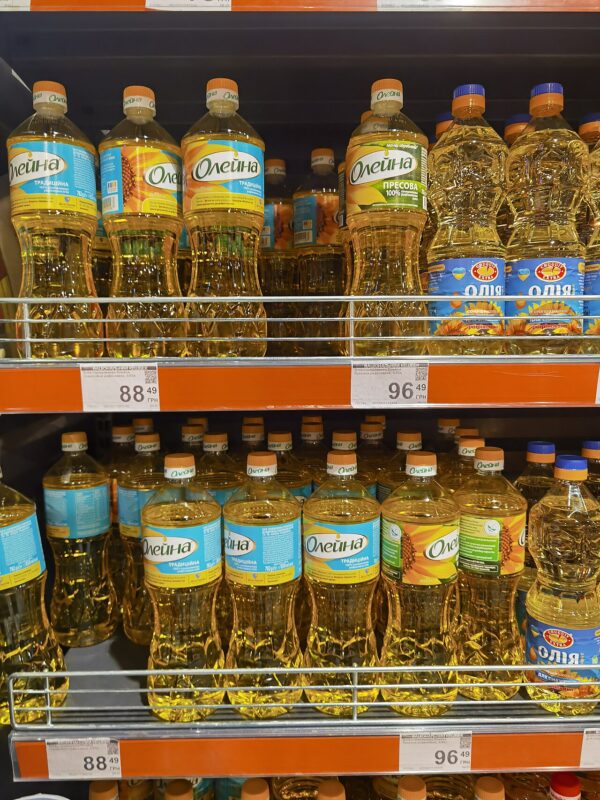
We export halal certified sunflower, palm, soybean, canola and coconut oils to importers, distributors, supermarket chains, HORECA suppliers and food manufacturers in the UAE and around the world. We pack in bottles, jerrycans, tins, drums and flexitanks, with Arabic and English labels. Below you’ll find what we sell, the specs, how halal certification works for edible oil, UAE import rules and how to order from a halal vegetable oil supplier UAE buyers already work with.
Table of Contents
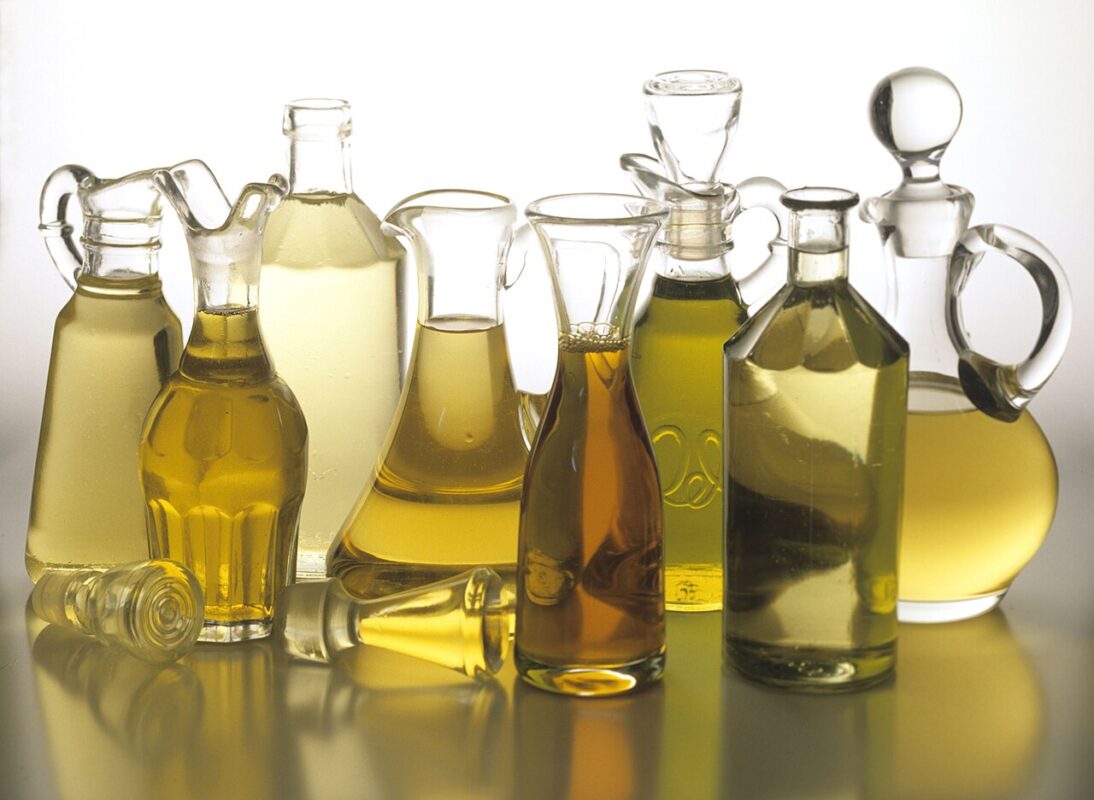
Oils We Sell as a Halal Vegetable Oil Supplier UAE Buyers Use
| Oil | Grades | Popular uses in the UAE |
|---|---|---|
| Sunflower oil | Refined, high oleic, crude, organic | Home cooking, retail, restaurants, hotels |
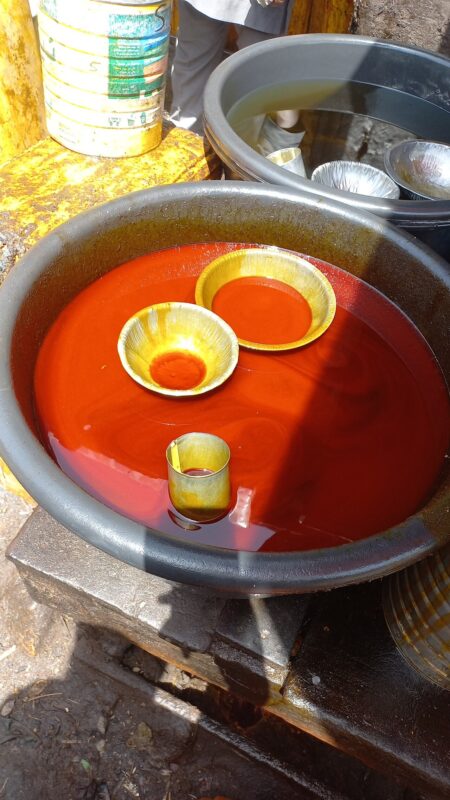
| Palm oil | RBD palm oil, olein CP8 and CP10, stearin, crude | Frying, bakery, snacks, ghee substitutes |
| Soybean oil | Refined, crude degummed, high oleic | Mayonnaise, dressings, blended cooking oil |
| Canola oil | RBD, refined, crude | Health-focused retail, food service |
| Coconut oil | RBD, virgin, crude | Bakery, confectionery, cosmetics, retail |
As a halal vegetable oil supplier UAE customers audit regularly, every refined grade we sell to the UAE ships with a halal certificate issued by a recognised certification body. That covers the oil itself, the refining and packing, and the plant’s controls against cross-contamination.
Why Vegetable Oil Needs Halal Certification
Here’s what actually makes certification matter, in plain terms, and what any halal vegetable oil supplier UAE buyers trust has to control.
- Shared equipment. Some refineries also process animal fats such as tallow or lard. If lines, tanks or filters are shared without proper cleaning and separation, the vegetable oil can pick up traces.
- Processing aids and additives. Antifoaming agents, emulsifiers, antioxidants and vitamins added to oil can come from animal sources or use alcohol-based carriers. A certified plant checks the source of every additive.
- Previous cargoes. Bulk oil moves in ship tanks, ISO tanks and road tankers. If the last cargo was a non-halal product, cleaning has to be documented. International trade rules already control previous cargoes for food safety; halal adds an extra layer.
- Blends. “Vegetable oil” can sometimes be blended with animal fats in shortening products. Certification confirms what’s in the pack.
A genuine halal vegetable oil supplier UAE buyers depend on controls all four points, not just the oil at the end of the line.
How Halal Certification Works in the UAE
The UAE runs a national halal system. Halal standards and the national halal mark are overseen by the Ministry of Industry and Advanced Technology (MoIAT), and imported halal products are expected to carry certificates from bodies the UAE recognises. In practice, that means:
- The certificate must come from a halal certification body accepted by the UAE authorities.
- It should name the producer, the products and the site, and be in date.
- For each shipment, a lot-specific halal certificate or a valid site certificate plus shipment declaration is usually provided.
- Retail packs can carry the certifier’s logo, and some products also carry the UAE national halal mark.
International guidance on halal claims is set out in the Codex Alimentarius general guidelines for the use of the term halal, which most certification bodies build on. If you’re unsure whether a certificate will be accepted, send it to your clearing agent or ask us to check before shipment. As a halal vegetable oil supplier UAE importers have used for years, we know which documents pass first time.
Specifications for Our Main Halal Oils
Below are the headline specs we load against as a halal vegetable oil supplier UAE buyers can compare side by side. Full spec sheets come with every quote.
Refined sunflower oil
| Parameter | Value |
|---|---|
| Free fatty acids (as oleic) | 0.1% max |
| Peroxide value | 2.0 meq/kg max |
| Moisture and impurities | 0.1% max |
| Colour (Lovibond 5.25″) | 2.5 Red max |
| Iodine value | 118 to 141 |
| Cold test | 24 hours clear (winterised) |
RBD palm olein CP10
| Parameter | Value |
|---|---|
| Free fatty acids (as palmitic) | 0.1% max |
| Moisture and impurities | 0.1% max |
| Iodine value | 56 min |
| Cloud point | 10°C max |
| Colour (Lovibond 5.25″) | 3 Red max |
Refined soybean oil
| Parameter | Value |
|---|---|
| Free fatty acids (as oleic) | 0.05% max |
| Peroxide value | 1.0 meq/kg max |
| Colour (Lovibond 5.25″) | 1.5 Red max |
| Iodine value | 124 to 139 |
| Cold test | 5.5 hours min |
RBD canola oil
| Parameter | Value |
|---|---|
| Free fatty acids (as oleic) | 0.05% max |
| Peroxide value | 1.0 meq/kg max |
| Erucic acid | 2% max |
| Iodine value | 105 to 126 |
| Colour (Lovibond 5.25″) | 1.5 Red max |
RBD coconut oil
| Parameter | Value |
|---|---|
| Free fatty acids (as lauric) | 0.1% max |
| Moisture and impurities | 0.1% max |
| Iodine value | 6 to 11 |
| Melting point | 24°C to 26°C |
If you’d like to understand what these numbers mean for your product, our article on the iodine value of vegetable oils is a good starting point, and our refined sunflower oil specification guide goes line by line.
Who Buys Halal Vegetable Oil in the UAE
- Supermarket and hypermarket chains that need certified halal oil for their own label and for branded shelves.
- Food service and catering companies supplying airlines, hospitals, schools, labour camps and hotels.
- Restaurants and cloud kitchens buying through HORECA distributors.
- Food manufacturers making snacks, bakery goods, sauces and frozen food for the UAE and export, who need halal certified inputs to keep their own certification.
- Traders and re-exporters shipping on to Africa, Central Asia and other Muslim-majority markets where halal certification is expected.
For food manufacturers, the oil isn’t just an ingredient. If it isn’t properly certified, your own halal certificate is at risk. That’s why plants choose a halal vegetable oil supplier UAE auditors already recognise, rather than whoever is cheapest this month.
Packing Options
| Packing | Typical buyer |
|---|---|
| PET bottles 1 L, 1.5 L, 1.8 L, 3 L, 5 L | Supermarkets, retail brands |
| Jerrycans 10 L, 18 L, 20 L | Restaurants, caterers, wholesale |
| Tins 16 L to 18 L | Restaurants, bakeries |
| Drums 190 kg | Food plants, distributors |
| Flexitank 20 to 22 MT | Refiners, bottlers, large manufacturers |
As a halal vegetable oil supplier UAE brands use for their own labels, we do private label in Arabic and English, with the halal logo of the certifying body on the label where permitted. For palm-based private label see private label palm oil supplier.
Importing Halal Vegetable Oil Into the UAE
Licences and registration
Before you order from a halal vegetable oil supplier UAE customs will clear, you need a UAE trade licence covering foodstuffs. In Dubai, food importers register with Dubai Municipality and register each product on its food import system before the first shipment. Abu Dhabi and the other emirates have their own food authorities with similar steps.
Labelling
Labels are often where a halal vegetable oil supplier UAE importers use either saves or costs time. Retail packs must be labelled in Arabic, or Arabic and English, with product name, ingredients, net quantity, origin, producer, batch number, and production and expiry dates. Dates must be printed, not stickered. Halal claims on the label should match the certificate exactly.
Documents
For each shipment, a halal vegetable oil supplier UAE clearing agents are happy with sends:
- Commercial invoice and packing list
- Bill of lading
- Certificate of origin
- Certificate of analysis
- Health certificate
- Halal certificate
- Independent inspection report
Our full guide is documents required to import vegetable oil. If you also sell into Saudi Arabia, read SFDA registration for imported cooking oil, because the Saudi rules differ.
Bulk Shipping and Previous Cargo Controls
For bulk oil the halal question extends to the transport itself. International oil trade bodies such as FOSFA keep lists of acceptable and banned previous cargoes for edible oils. We go further for halal buyers. Flexitanks are single-use and new for every shipment, so there’s no previous cargo at all. For ISO tanks and road tankers we provide cleaning certificates and the last three cargoes. That’s the level of control a halal vegetable oil supplier UAE food plants rely on should offer.
Shipping to UAE Ports
Most cargo from us as a halal vegetable oil supplier UAE side goes to Jebel Ali in Dubai. We also ship to Khalifa Port in Abu Dhabi and to Sharjah. Transit from Southeast Asia is usually 12 to 18 days; from the Black Sea, 18 to 25 days through Suez. Free zone storage is available if you plan to re-export.
Pricing
A fair halal vegetable oil supplier UAE buyers can rely on won’t overcharge for certification. Halal certification itself adds very little to the cost of refined vegetable oil, because certified plants build the controls into their normal operation. What moves your price is the same as for any oil: the market price for the base oil, refining, packing, freight and volume. Be wary of anyone charging a big “halal premium” on standard refined oil, or offering certified oil at a price that seems too low. Both are warning signs.
We quote FOB, CFR or CIF under the ICC Incoterms rules. Payment is by LC at sight or, for regular buyers, deposit and balance against documents. See letter of credit vs TT payment.
Quality Control
Halal certification and quality control go hand in hand. Every lot is tested before loading for FFA, peroxide value, moisture, colour and iodine value, using AOCS or ISO methods. An independent surveyor attends loading and seals samples. Halal compliance is audited by the certification body at the production site, and we keep records of every additive and processing aid used.
How to Order
- Send your enquiry with the oil, grade, pack size, quantity and port.
- Receive a firm quote plus spec sheet and a copy of the halal certificate.
- Approve artwork for private label.
- Check samples if needed.
- Sign the contract, then open the LC or pay the deposit.
- We produce, load and ship, sending draft documents for product registration.
- Clear the cargo at Jebel Ali, Khalifa or Sharjah.
7 Proven Tips for Choosing a Halal Vegetable Oil Supplier UAE Inspectors Accept
1. Check who issued the certificate
Not every halal logo is accepted in the UAE, and not every halal vegetable oil supplier UAE importers meet uses a recognised body. Confirm the certifying body is recognised before you sign.
2. Look at the dates
An expired certificate is the same as no certificate at the port. Check it’s valid through your shipment dates.
3. Make sure the product names match
The oil on the invoice, the label and the halal certificate should all use the same product name.
4. Ask about shared lines
Does the plant process animal fats? If yes, how are lines separated and cleaned? A serious halal vegetable oil supplier UAE customers trust will answer straight away.
5. Ask about additives
Antioxidants, antifoams and vitamins should all have a halal status on file.
6. Control the transport
For bulk, ask for new flexitanks or documented tank cleaning and previous cargoes.
7. Start with a trial container
Test one shipment through clearance and your own quality checks before moving to a contract.
Common Mistakes
- Assuming any vegetable oil is halal and skipping the certificate.
- Accepting a generic site certificate that doesn’t list the product you’re buying.
- Putting a halal logo on private label artwork without permission from the certifier.
- Ignoring previous cargo in bulk tankers.
- Buying on price alone from traders who can’t show where the oil was refined.
What the Halal Auditor Checks at the Plant
Buyers sometimes ask what a halal audit actually looks at for an oil refinery. It’s more practical than people expect. The auditor walks the site and checks:
- A full list of raw materials, additives and processing aids, each with a supplier certificate or declaration.
- Whether any animal fat is handled on site, and if so, how it’s kept separate.
- Cleaning procedures for tanks, pipes, filters and filling lines, with records.
- Storage of finished oil and packaging, so nothing non-halal comes into contact with it.
- Traceability, so any lot can be traced back to its raw oil and production date.
- Staff training on halal requirements.
Audits are usually yearly, with surprise visits possible. When you work with a halal vegetable oil supplier UAE customers rely on, you should be able to ask for the latest audit date and certificate at any time.
Halal Oils for Cosmetics and Personal Care
Halal isn’t only about food, and a halal vegetable oil supplier UAE cosmetic brands use needs the same controls. More and more UAE shoppers look for halal certified soaps, creams and hair oils, and brands selling into the GCC and Southeast Asia want halal inputs. Coconut oil, palm oil and their fractions are common in these products. We supply halal certified RBD coconut oil, virgin coconut oil and palm-based oils to cosmetic manufacturers, with the same certificate and traceability as our food oils. If your brand needs halal claims on personal care products, start with certified ingredients from a halal vegetable oil supplier UAE regulators already know.
A Typical First Order
Here’s how a first order usually goes. A catering company in Abu Dhabi asks for one 20ft container split between 18 L jerrycans of palm olein CP10 for frying and 5 L bottles of refined sunflower oil for their kitchens, CIF Khalifa Port. We reply within a day with a firm price, spec sheets and a copy of our halal certificate. They pass the certificate to their own halal compliance team, who confirm it’s accepted.
Samples go out by courier. Once the contract is signed and the LC is open, we fill and pack both oils, load the container with an independent surveyor present, and send the full documents pack, halal certificate included, before the vessel arrives. Clearance takes a few days. Most buyers move to a regular schedule after two or three shipments like this. That’s the normal path from first enquiry to a long-term halal vegetable oil supplier UAE relationship.
How We Handle Problems
Shipping isn’t perfect, even for a careful halal vegetable oil supplier UAE buyers trust. A carton gets crushed, a vessel is delayed, a lab result comes back close to a limit. When that happens we tell you straight away, share the surveyor’s report and settle any genuine claim against the contract. If a halal document is questioned at the port, we work with your clearing agent the same day to sort it out. That’s simply what a halal vegetable oil supplier UAE importers keep using has to do.
Ghee Alternatives and Vanaspati
Many kitchens in the UAE use vegetable ghee or vanaspati for South Asian and Middle Eastern cooking. These are usually made from palm oil and palm stearin, sometimes with added flavour. Because they’re processed further than plain oil, halal certification matters even more here: emulsifiers, flavourings and colourings all need checking. We supply halal certified RBD palm oil and stearin to ghee manufacturers, and can advise on blends that give the right texture without trans fats. Our post on trans fat in vegetable oil explains why the old partially hydrogenated recipes are being phased out.
Choosing the Right Oil for Your Business
A good halal vegetable oil supplier UAE buyers work with should help you pick the oil, not just sell it. Here’s a quick guide.
- Retail cooking oil: refined sunflower or canola for a light, premium image; soybean or blends for value lines.
- Restaurant frying: palm olein CP10 or high oleic sunflower for long fry life.
- Bakery: RBD palm oil, palm stearin or RBD coconut oil.
- Mayonnaise and dressings: refined soybean or canola with a low peroxide value.
- Cosmetics: RBD or virgin coconut oil, with halal certification for cosmetics where required.
For side-by-side comparisons, see canola oil vs sunflower oil and sunflower oil vs palm oil.
Starting a Halal Oil Distribution Business in the UAE
Some of our customers came to us as start-ups: a trader with a licence and a warehouse who wanted their own brand of halal cooking oil. It’s a realistic business in the UAE if you get the basics right: a recognisable brand, consistent supply, proper certification and a pack size people actually buy. We can help with the supply and labelling side. For the business side, read how to start a cooking oil distribution business and cooking oil repackaging business.
Why UAE Buyers Work With Us
We’re a direct exporter of edible oils with halal certification across our refined range. We give firm prices, honest loading dates and a full documents pack every time. And because we sell five oils, you can fill one container with several products. If you’re in Dubai, see also our page on sunflower oil wholesale Dubai, our halal certified palm oil guide, and how we work as a refined sunflower oil exporter to UAE. Browse all products or read about us.
Being a halal vegetable oil supplier UAE customers stay with means getting the paperwork right every time, not just the first shipment.
Quick Summary for Busy Buyers
The short version: we sell halal certified sunflower, palm, soybean, canola and coconut oils, in retail bottles, jerrycans, tins, drums and new single-use flexitanks. Every refined lot ships with a halal certificate, certificate of analysis, health certificate, certificate of origin and independent inspection report. Labels are Arabic and English with printed dates. We ship to Jebel Ali, Khalifa Port and Sharjah.
If you need a halal vegetable oil supplier UAE inspectors, auditors and your own customers will accept without questions, that’s exactly what we’ve set up to be.
If you also sell into North Africa, our guide for buyers looking for a soybean oil bulk supplier Egypt covers halal soybean oil, ports and paperwork there.
Frequently Asked Questions
Is all your vegetable oil halal certified?
All refined grades we ship to the UAE come with a halal certificate. Ask us about specific crude grades.
Which oils can I mix in one container?
Any of our oils and pack sizes, as long as the total fits one container.
Can you put a halal logo on my private label?
Yes, where the certifying body allows it. We handle that approval.
What’s the minimum order?
One 20ft container.
Do you ship to Abu Dhabi and Sharjah?
Yes, to Khalifa Port and Sharjah as well as Jebel Ali.
Can I see the halal certificate before ordering?
Yes. We send it with the quote. Any halal vegetable oil supplier UAE buyers can trust should do the same.
Contact a Halal Vegetable Oil Supplier UAE Importers Rely On
Tell us the oil, pack, quantity and port. We’ll come back with a firm price, our spec sheet and a copy of the halal certificate, usually within one working day.
Email info@dthcompanyltd.com, call or WhatsApp +66 91 765 9104, or use our contact page.



3 thoughts on “Halal Vegetable Oil Supplier UAE: Trusted Certified Exporter and 7 Proven Tips”