

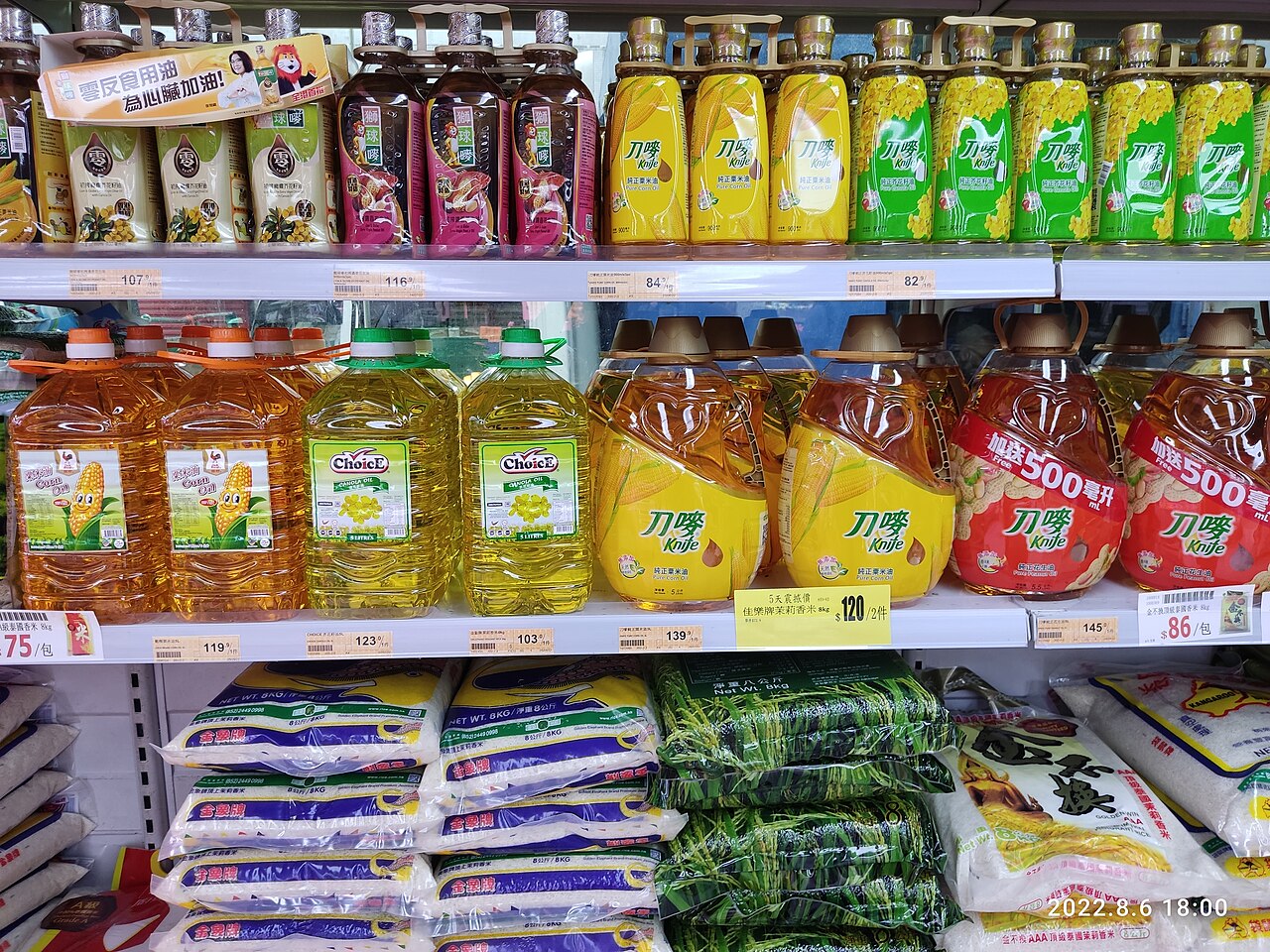
If you’re looking into how to start a cooking oil distribution business, you’ve picked something people buy every week, in good times and bad. That’s the appeal. The catch is that margins are thin, prices move with world markets, and cash gets tied up in stock and customer credit faster than most new distributors expect.
We supply refined cooking oils to distributors, wholesalers and importers worldwide, and a fair number of them started small, with one mixed container and a rented warehouse. Some grew fast. Some stalled because of cash flow, the wrong pack sizes or customers who paid late. This guide is what we’d tell a friend asking how to start a cooking oil distribution business: the steps, the money, the paperwork, the mistakes, and the oils and specifications we supply so you can see what your first container would actually hold.
We’re an oil supplier, not your accountant or lawyer. Licences, taxes and import rules vary by country, so check the local details with a professional before you commit money.
Table of Contents
Is a Cooking Oil Distribution Business Worth It?
Anyone asking how to start a cooking oil distribution business should hear this first. Honestly, it can be a solid business, but it’s a volume game. Cooking oil is a staple, demand is steady, and customers come back every week. You won’t usually get rich on one container. You make money by moving many containers with tight control of costs, stock and credit.
Things that work in your favour:
- Everyone uses cooking oil, so demand is reliable.
- Restaurants, bakeries and shops reorder often.
- You can start with a few products and grow.
- Good relationships with customers and suppliers become hard for competitors to copy.
Things to respect:
- Margins are thin, often single digits to the low teens in percentage terms, depending on market and channel.
- Prices move with world crops, weather and currency.
- Customers often expect credit.
- Big players can undercut you on price.
If you’re still interested, here’s how to start a cooking oil distribution business step by step.
Step 1: Study Your Market
Before you spend anything, spend a few weeks learning your market. Most of the answers to how to start a cooking oil distribution business come from talking to the people who’ll buy from you.
Find out:
- Which oils sell. Sunflower, soybean, palm olein, canola, blends? It differs a lot by country and even city.
- Which packs sell. 1 litre bottles, 5 litre bottles, 20 litre jerrycans, tins?
- Who your customers would be. Supermarkets, small shops, restaurants, bakeries, caterers, schools, hotels, food factories.
- What they pay now and who supplies them.
- What annoys them about their current supplier. Late delivery, quality changes, no credit, short shelf life. That’s your opening.
Walk the markets, visit shops, talk to restaurant owners. Write down prices per litre for every brand and pack size. You’ll learn more in a week of this than from any report.
Step 2: Choose Your Business Model
There are a few ways to approach how to start a cooking oil distribution business, and the model you choose changes everything else.
| Model | How it works | Money needed | Margin and control |
|---|---|---|---|
| Local wholesaler | Buy from local importers or factories, sell to shops and restaurants | Lower | Lower margin, less control |
| Importer and distributor | Import containers directly and distribute | Higher | Better margin, more control |
| Private label importer | Import oil packed under your own brand | Higher | Best long-term margin, brand value |
| Bulk importer and packer | Import flexitanks and bottle locally | Highest | Most control, needs a factory |
Many people learning how to start a cooking oil distribution business begin as local wholesalers, build customers, then move to importing once they know their volumes. That’s a sensible path. Others start importing from day one with a mixed container. Both work if the numbers do.
Step 3: Registration and Licences
Licences are a boring but unavoidable part of how to start a cooking oil distribution business. The exact list depends on your country, but most places will want some version of:
- A registered company with food trading in its listed activities.
- Tax registration, including sales tax or VAT where it applies.
- A food business licence or registration with the local food authority.
- Importer registration if you import directly.
- Product registration for each oil and pack in some countries.
- Warehouse approval or inspection for food storage.
Some markets are stricter than others. We’ve written separate guides for big ones: SFDA registration for imported cooking oil for Saudi Arabia, the FDA requirements for importing vegetable oil for the United States and NAFDAC registration for imported vegetable oil for Nigeria. Getting this right early is part of how to start a cooking oil distribution business without a container getting stuck at the port.
Step 4: Work Out the Money
This is the step where most plans fall apart, so be honest with yourself. When people ask how to start a cooking oil distribution business, the real question is usually how much cash it needs.
Here’s a simple example of how to start a cooking oil distribution business on paper, with made-up round numbers. They’re not prices, just a way to show the maths.
| Item | Example amount |
|---|---|
| Landed cost of one container (oil, freight, duty, port, trucking) | 36,000 USD |
| Selling price to customers for that container | 40,500 USD |
| Gross margin | 4,500 USD (about 11%) |
| Warehouse, staff, delivery, fuel per container | 2,000 USD |
| Net margin per container | about 2,500 USD |
Now the cash flow. Say you pay your supplier before loading, the oil takes six weeks to arrive and clear, you take three weeks to sell it, and customers pay in 30 days. That’s around three months from paying for a container to getting your money back. To keep oil on the shelf without gaps, you’ll often have two or three containers in the pipeline at once.
So in this example you’d need roughly 75,000 to 110,000 USD of working capital to run a steady one container a month, plus your startup costs. Your numbers will be different, but the shape is the same. Plan for it, or you’ll run out of cash while the business looks profitable on paper.
Startup costs to plan for
- Company setup and licences.
- Warehouse deposit and rent.
- Forklift or pallet trucks.
- A delivery vehicle or transport contracts.
- Product registration and label design if you go private label.
- A small reserve for port delays and price drops.
Step 5: Choose a Reliable Supplier
Your supplier can make or break the business. When you think about how to start a cooking oil distribution business, put as much effort into choosing the supplier as into finding customers.
Check that the supplier:
- Names the refinery and can show its food safety certificates.
- Sends a specification and a real lot certificate of analysis. See our guide on the certificate of analysis for edible oil.
- Sends samples before you order. Here’s how to request edible oil samples.
- Is clear about minimum orders and lead times. See minimum order quantity for bulk cooking oil.
- Quotes CIF or FOB clearly; see CIF vs FOB vegetable oil.
- Answers questions quickly and in writing.
Be wary of prices far below the market. In edible oil, an offer that looks too good usually is.
Step 6: Pick a Small, Focused Range
One of the best tips on how to start a cooking oil distribution business is to stay small at first. New distributors often try to carry everything. Don’t. Start with two or three oils and four or five pack sizes that your research says sell fastest, and add more once those are moving.
A typical starter range might look like:
| Customer | Oil | Pack |
|---|---|---|
| Supermarkets and shops | Refined sunflower or soybean oil | 1 L, 2 L, 5 L PET bottles |
| Restaurants and street food | Palm olein CP10 | 20 L jerrycans or 18 L tins |
| Bakeries | Refined soybean or canola oil | 20 L jerrycans |
| Snack makers | High oleic sunflower oil or palm olein | Jerrycans or IBCs |
Not sure about packing? Our comparison of PET bottle vs jerrycan cooking oil packaging goes through the trade-offs.
Step 7: Warehouse and Logistics
Storage gets less attention than it should when people plan how to start a cooking oil distribution business. Oil is heavy and it doesn’t like heat or light. Your warehouse should be dry, shaded, ventilated and strong enough to hold a container’s worth of stock, about 20 tonnes, on pallets or floor stacked.
Think about:
- Space for at least one to two containers of stock.
- First in, first out. Sell the oldest stock first. Mark arrival dates clearly.
- Pest control and cleanliness, because food inspectors will look.
- Delivery. Your own van or truck, or reliable transport partners.
- Records. Lot numbers in, lot numbers out, so you can trace any batch.
Our guide on how much cooking oil fits in a 20ft container helps you plan warehouse space by pack size.
Step 8: Find Customers and Control Credit
This is the part of how to start a cooking oil distribution business that never ends. You’ll always be looking for customers, and you’ll always be chasing payments.
Ways to win customers:
- Visit restaurants and shops in person with samples and a price list.
- Offer reliable delivery on a fixed day each week.
- Keep quality the same every time. Customers notice changes.
- Offer small trial orders to new customers.
- Ask happy customers to introduce you to others.
Credit is where distributors get hurt. Set clear rules from day one: credit limits, payment terms, and what happens when customers pay late. Start new customers on cash or short terms, then extend credit to those with a good record. A few big unpaid accounts can sink a profitable business.
Step 9: Pricing in a Moving Market
Pricing is the trickiest skill in how to start a cooking oil distribution business. Cooking oil prices change with world harvests, weather, biofuel demand, freight and currency. Your selling price has to move with your costs, and your customers won’t love that.
A few habits help:
- Track world price trends. The FAO Food Price Index and the World Bank commodity price data both cover vegetable oils.
- Price from replacement cost, not from what you paid for old stock.
- Give customers notice of price changes.
- Don’t hold too much stock when prices look likely to fall.
Our price guides for soybean oil price per ton and coconut oil price per ton explain what moves prices.
Step 10: Think About Your Own Brand
Branding is the long game in how to start a cooking oil distribution business. Selling other people’s brands is a quick start. Your own brand is a long-term asset. Once you have steady customers, a private label brand lets you control your price, your packaging and your reputation.
Private label needs label design, registration of the brand and product where required, and print minimums for labels and cartons. Start simple, with standard bottles and a clean label, and invest more once the brand sells. We help with artwork checks and print on bottles, cartons and jerrycan labels.
Restaurants and Food Service: The Steady Channel
If you’re deciding how to start a cooking oil distribution business with limited money, food service is often the best first channel. Restaurants, fast food outlets, bakeries and caterers use oil every day, order on a regular cycle and care more about reliable delivery and steady quality than about brand names.
They usually buy 18 or 20 litre packs, which means more oil per delivery and fewer trips. The flip side is that they expect credit and they’ll switch if you’re late twice. Treat your best restaurant customers like gold: same delivery day every week, same oil every time, a phone number they can actually reach.
Building a Small Team
People asking how to start a cooking oil distribution business rarely think about staff. At the start, you might do everything yourself. That’s normal. But as soon as you’re moving a container a month, you’ll usually need:
- A driver and helper for deliveries.
- Someone handling orders, invoices and collections.
- A warehouse person who keeps stock tidy, rotated and counted.
The person who chases payments is more important than most new owners think. In any plan for how to start a cooking oil distribution business, budget for that role early.
Records and Simple Systems
Record keeping is a quiet part of how to start a cooking oil distribution business. You don’t need expensive software on day one, but you do need clean records. Track every container by lot number, every delivery by customer and date, and every invoice by due date. A simple spreadsheet or a basic accounting app is enough to start.
Good records help with food inspections, customer complaints, tax and, later, bank loans. Banks lend more easily to distributors who can show clean sales and payment history.
When to Start Importing Directly
A common question from people looking at how to start a cooking oil distribution business is when to stop buying locally and import. A rough rule we’ve seen work: when you’re reliably selling close to one container a month, and you have the cash for two or three containers in the pipeline, importing starts to make sense.
Before that, the extra margin from importing is often eaten by the risk of stock sitting too long. After that, importing usually improves your margin and gives you more control over quality and supply. Many distributors start with a mixed container, so the first import covers several products at once. Our guide on the minimum order quantity for bulk cooking oil explains how mixed loads work.
Your First 90 Days
Here’s a rough timeline we’ve seen work for people working out how to start a cooking oil distribution business from scratch.
| Weeks | What to do |
|---|---|
| 1 to 3 | Market research, price survey, list of target customers |
| 3 to 5 | Company and licences, warehouse search |
| 4 to 6 | Request samples and specifications from two or three suppliers |
| 6 to 8 | Test samples, show them to customers, agree specification and price |
| 7 to 9 | Place first mixed container order |
| 9 to 14 | Container in transit and clearance; line up first customers and delivery |
| 13 onward | Sell, collect payments, reorder before you run out |
The most common mistake in how to start a cooking oil distribution business is waiting until the first container is sold to order the second. By then you’re out of stock for six weeks. Reorder early.
Common Mistakes New Distributors Make
- Underestimating cash needs.
- Too many products on day one.
- Giving credit too freely.
- Choosing the cheapest supplier without checking quality.
- Wrong pack sizes for the customers they actually have.
- Ignoring registrations until the container is at the port.
- Running out of stock because reorders were late.
- Not tracking lot numbers and expiry dates.
Avoid those and you’re ahead of most people asking how to start a cooking oil distribution business.
How We Work With Distributors
If you’re working out how to start a cooking oil distribution business, these are the oils we can put in your first container. We supply distributors worldwide with the oils below. Here are the typical specifications we load to.
| Oil we sell | FFA | PV at loading | Moisture | Key spec | Packs |
|---|---|---|---|---|---|
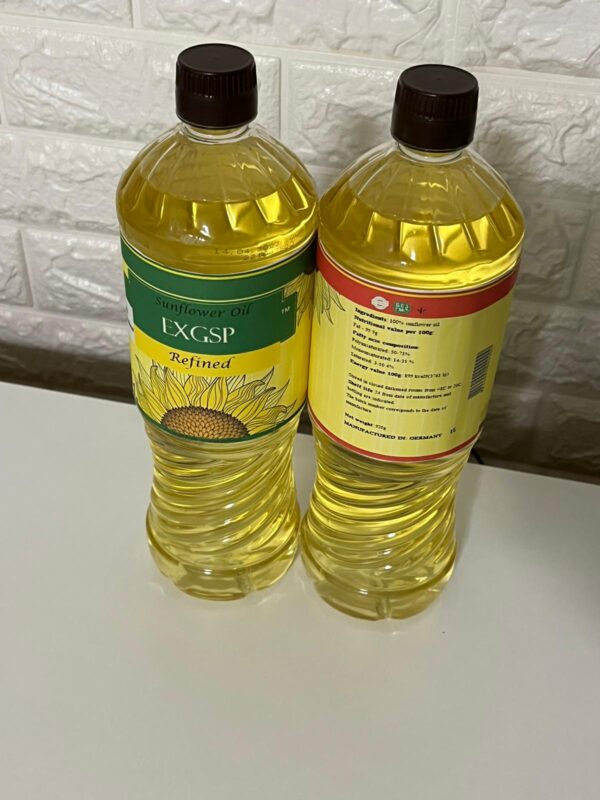
| Refined sunflower oil | 0.1% max | 2.0 meq/kg max | 0.05% max | Iodine value 118 to 141 | 1 to 5 L PET, jerrycans |
| Refined soybean oil | 0.1% max | 2.0 meq/kg max | 0.05% max | Iodine value 124 to 139 | 1 to 5 L PET, jerrycans |
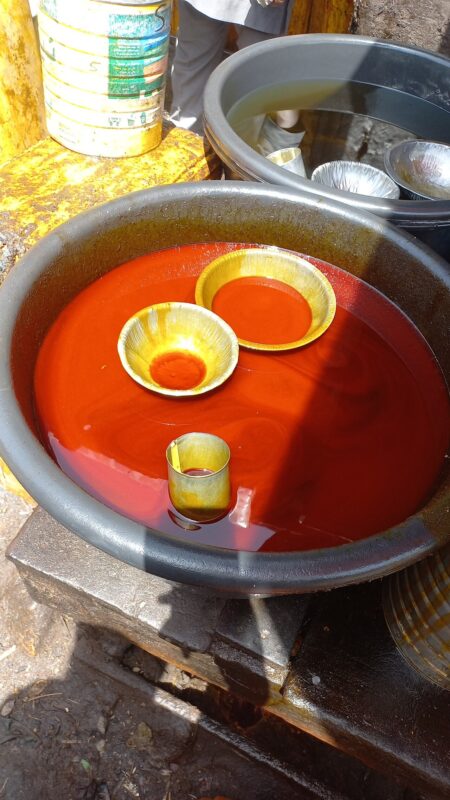
| Refined palm olein CP10 | 0.1% max | 2.0 meq/kg max | 0.1% max | Cloud point 10 C max | Jerrycans, tins, PET |
| RBD canola oil | 0.1% max | 2.0 meq/kg max | 0.05% max | Erucic acid under 2% | PET bottles |
| High oleic sunflower oil | 0.1% max | 2.0 meq/kg max | 0.05% max | Oleic 75% min | Jerrycans, IBC |
| RBD coconut oil | 0.1% max | 1.0 meq/kg max | 0.1% max | Iodine value 7 to 11 | Jerrycans, jars |
What we offer distributors:
- Mixed containers so your first order covers several products.
- Private label printing on bottles, cartons and jerrycan labels.
- A lot COA with every shipment and samples before you order.
- Halal certification, and kosher on request for some lots.
- CIF or FOB pricing to most major ports.
- Steady monthly supply once you’re up and running.
Our oils are produced under ISO 22000, HACCP and GMP. You can read more about us.
Useful References
For price trends, the FAO Food Price Index includes a vegetable oil sub-index, and the World Bank commodity markets page publishes monthly prices for the main oils. Trade terms for import contracts are set out in the ICC Incoterms rules, and quality limits are in the Codex Alimentarius standards.
If you would rather fill your own bottles than buy packed oil, read our guide to starting a cooking oil repackaging business.
FAQs: How to Start a Cooking Oil Distribution Business
How much money do I need to start a cooking oil distribution business?
It depends on your model and market, but importing one container a month usually needs enough working capital for two or three containers in the pipeline, plus startup costs.
Is cooking oil distribution profitable?
It can be, but margins are thin, so profit comes from volume, cost control and getting paid on time.
Should I import or buy locally?
Many people learning how to start a cooking oil distribution business buy locally first, then import once their volumes justify a container a month.
What licences do I need?
Usually a company registration, tax registration, a food business licence, and importer and product registrations if you import.
How long does it take to start a cooking oil distribution business?
For most people, about three months from research to the first container being sold, if licences and the warehouse go smoothly.
What is the biggest risk when learning how to start a cooking oil distribution business?
Running out of cash because stock and customer credit tie up more money than expected.
What is the minimum first order from you?
One 20 foot container, which can be mixed across products and pack sizes.
Can you supply my own brand?
Yes. We print private labels on bottles, cartons and jerrycans.
Talk to Us About Your Distribution Plans
If you’re working out how to start a cooking oil distribution business and want real numbers for your first container, send us your country, port, the customers you plan to serve and the oils and packs you’re thinking about. We’ll suggest a sensible first mix, and send prices, full specifications and a sample COA.
Email info@dthcompanyltd.com, WhatsApp +66 91 765 9104, or use our contact page. You can also browse the full product range.





12 thoughts on “How to Start a Cooking Oil Distribution Business: 10 Proven Steps”