


If you import cooking oil by the container, you already know the oil is the easy part. The hard part is finding a bulk edible oil supplier for importers who loads on the date promised, sends documents your bank accepts first time, and ships the same quality in month six as in month one. We’ve been on the selling side of that deal for years. We supply refined sunflower oil, crude sunflower oil, palm oil, soybean oil, canola oil and coconut oil to importers, wholesalers, refineries and food factories worldwide, in flexitanks, ISO tanks, drums, IBCs and retail packs.

This page is written for buyers who want facts before they talk price. You’ll find what we sell, the specs we load to, how we pack, what paperwork comes with each container, and some plain advice on picking a bulk edible oil supplier for importers that won’t let you down halfway through a contract.
Table of Contents
What We Sell as a Bulk Edible Oil Supplier for Importers
We keep the range tight on purpose. These are the oils that move in real volume, and they’re the ones we know inside out.
| Product | Grades | Main buyers | Product page | |
|---|---|---|---|---|
| Sunflower oil | Refined (RBDW), crude, high oleic, organic, deodorized | Bottlers, distributors, refineries, food plants | [[refined-sunflower-oil-for-sale | refined sunflower oil]] |
| Palm oil | Crude palm oil CP0, RBD palm olein CP8 and CP10 | Fryers, noodle and snack makers, soap plants | [[refined-palm-oil-cp10-for-sale | refined palm oil CP10]] |
| Soybean oil | Crude degummed, refined, high oleic | Refiners, food service, biodiesel | [[refined-soybean-oil-for-sale | refined soybean oil]] |
| Canola oil | Crude, refined, RBD | Mayonnaise and sauce makers, retail brands | [[rbd-canola-oil-for-sale | RBD canola oil]] |
| Coconut oil | RBD, virgin, crude | Bakery, confectionery, cosmetics | [[rbd-coconut-oil-for-sale | RBD coconut oil]] |
Most importers start with one oil and add a second once the first lane runs smoothly. That’s normal. A good bulk edible oil supplier for importers should be able to put two or three oils on the same sailing, so you aren’t paying for separate bookings and separate inspections every time. You can see the full range on our products page.
Who Buys From a Bulk Edible Oil Supplier for Importers
Our customers aren’t one type of business. Roughly, they fall into four groups:
- Importers and distributors who bring in full containers, clear them, and sell on to wholesalers and shops. Most want branded or private label bottles and jerrycans.
- Refiners who buy crude oil by the flexitank or by the parcel and run it through their own plant.
- Food manufacturers making noodles, snacks, mayonnaise, bakery goods and canned fish, who need tight specs and the same oil every time.
- Traders and tender buyers supplying government programmes, aid agencies and hotel groups.
Each group wants something different from a bulk edible oil supplier for importers. The distributor cares about the label and the carton strength. The refiner cares about free fatty acid and phosphorus. The food plant cares about flavour and oxidative stability. We set up each contract around what you actually measure when the oil lands.
Product Specifications
These are the figures we load to for our main grades. They sit inside the Codex Alimentarius standard for named vegetable oils, and the exact numbers for your lot appear on the certificate of analysis.
Refined sunflower oil (RBDW)
| Parameter | Specification |
|---|---|
| Appearance | Clear, bright, light yellow |
| Free fatty acid (as oleic) | 0.10% max |
| Peroxide value | 2.0 meq O2/kg max at loading |
| Moisture and volatiles | 0.10% max |
| Insoluble impurities | 0.05% max |
| Iodine value (Wijs) | 118 to 141 |
| Colour (Lovibond 5.25 in) | 3.5 red / 35 yellow max |
| Cold test | 5.5 hours min at 0 °C |
| Smoke point | About 230 °C |
Crude sunflower oil
| Parameter | Specification |
|---|---|
| Free fatty acid (as oleic) | 2.0% max |
| Moisture and impurities | 0.20% max |
| Phosphorus | Stated on COA, normally under 200 ppm |
| Iodine value (Wijs) | 118 to 141 |
| Colour | Amber to dark yellow, slight sediment allowed |
RBD palm olein CP10
| Parameter | Specification |
|---|---|
| Free fatty acid (as palmitic) | 0.10% max |
| Moisture and impurities | 0.10% max |
| Iodine value | 56 min |
| Cloud point | 10 °C max |
| Colour (Lovibond 5.25 in) | 3 red max |
Refined soybean oil
| Parameter | Specification |
|---|---|
| Free fatty acid (as oleic) | 0.10% max |
| Peroxide value | 2.0 meq O2/kg max at loading |
| Moisture and volatiles | 0.10% max |
| Iodine value | 124 to 139 |
| Colour (Lovibond 5.25 in) | 2.0 red / 20 yellow max |
If you’d like to read up on what each number means before you compare offers, our guides on free fatty acid and peroxide value and iodine value explain them in plain language. The full sunflower sheet is on refined sunflower oil specification.
Packing Options From Our Bulk Edible Oil Supplier for Importers Range
As a bulk edible oil supplier for importers, we pack to suit how you sell. Bulk buyers usually want flexitanks. Distributors usually want bottles and jerrycans. Plenty of customers mix the two.
| Packing | Net per unit | Per 20 ft | Per 40 ft |
|---|---|---|---|
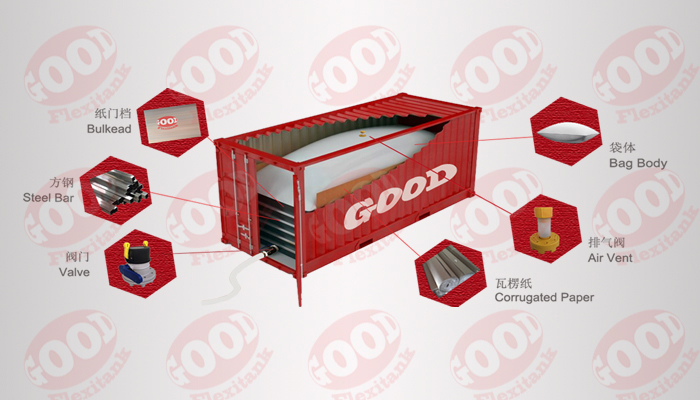
| Flexitank | 20 to 23 MT | 1 flexitank | Not used |
| ISO tank | 20 to 23 MT | 1 tank | Not used |
| Steel drum, 200 L | About 185 kg | 80 drums | Not used |
| IBC, 1,000 L | About 920 kg | 20 IBCs | Not used |
| PET bottle, 1 L x 12 | Carton | About 1,500 cartons | About 2,100 cartons |
| PET bottle, 5 L x 4 | Carton | About 1,000 cartons | About 1,380 cartons |
| Jerrycan, 20 L | Each | About 1,000 cans | About 1,250 cans |
| Tin, 18 L | Each | About 1,000 tins | About 1,200 tins |
Figures are typical and depend on your carton and pallet choice. For a closer look, see how much cooking oil fits in a 20ft container and our comparison of flexitank vs ISO tank. If you’re choosing between bottle and can for a new market, PET bottle vs jerrycan packaging goes through the pros and cons.
Private label is available on every retail pack. We print your label, your batch code and your best before date, in the language of your market. Our private label cooking oil page covers artwork, minimums and lead times.
How a Bulk Edible Oil Supplier for Importers Prices Oil
As a bulk edible oil supplier for importers, we quote per metric ton for bulk and per carton or per unit for packed oil. Every quote states the grade, the packing, the Incoterm and the validity. The main things that move a price are:
- The world market for the oil itself. Sunflower follows the Black Sea crop, palm follows Malaysia and Indonesia, soybean follows the Americas. You can watch the big picture on the USDA oilseeds market reports.
- Packing. A flexitank costs far less per ton than 1 litre bottles, because you aren’t paying for PET, caps, labels, cartons and filling.
- Incoterm. FOB, CFR and CIF all mean different things for who pays freight and insurance. The ICC Incoterms rules are the reference, and our own CIF vs FOB guide puts it in oil terms.
- Volume and contract length. A rolling monthly contract gets a better price than a single spot container.
We don’t publish a fixed price list because the market moves every week. Ask us, and a bulk edible oil supplier for importers worth working with should send a written offer within a working day. You can also read our bulk vegetable oil price CIF guide to see how a landed price is built up.
Documents With Every Shipment
Nothing holds up a container faster than a wrong document. With each shipment we send:
- Commercial invoice and packing list
- Bill of lading
- Certificate of analysis for the exact lot
- Certificate of origin
- Health certificate or phytosanitary certificate where your country asks for one
- Halal certificate, and kosher where agreed
- Insurance certificate for CIF orders
- Fumigation or flexitank certificates where needed
Some countries need registration before the first container lands. We’ve helped buyers through SFDA registration, NAFDAC registration and FDA import requirements. Our checklist of documents required to import vegetable oil is a good place to start if you’re new to this.
Quality Control and Certifications
Quality is where a bulk edible oil supplier for importers earns or loses trust.
Our plant works under ISO 22000, HACCP, GMP and Halal systems, and the refinery handles vegetable oils only. Every lot is tested before loading. You’ll get the lab results, and you’re welcome to send your own surveyor such as SGS, Intertek or Bureau Veritas to draw samples at loading. Our page on pre-shipment inspection explains how that works.
Why does this matter so much? Because when a bulk edible oil supplier for importers cuts corners, it shows up at your end as cloudy oil, a rancid smell or a high FFA figure after the voyage. By then the money has gone. A proper system stops that at the source.
How to Order
Ordering from a bulk edible oil supplier for importers should be simple. Ours is, and it’s the same whether you want one flexitank or fifty containers a year.
- Send your enquiry. Tell us the oil, grade, packing, quantity, destination port and Incoterm.
- Get a written offer. We send a quote with specs, packing details and validity.
- Ask for samples if you need them. See how to request edible oil samples.
- Sign the contract. It covers quality, quantity tolerance, inspection, payment and shipping window.
- Payment. Usually LC at sight or TT with a deposit. Our LC vs TT guide explains both.
- Production and loading. We send loading photos, seal numbers and the draft documents for your check.
- Shipment and tracking. You get the bill of lading and tracking details as soon as the vessel sails.
For most packed orders we load within two to four weeks of payment. Bulk crude and refined oil in flexitanks can often go sooner.
Minimum Order Quantity
Our minimum as a bulk edible oil supplier for importers is one 20 ft container. For bulk that’s one flexitank, around 20 to 23 tonnes. For packed oil it’s one 20 ft of a single pack size, or a 40 ft mixed across sizes. Read more in minimum order quantity for bulk cooking oil.
New customers often ask whether a trial container makes sense. It does. One container lets you check our oil in your market, test our documents with your bank and customs, and see how we handle the details. A serious bulk edible oil supplier for importers will never push you to commit to a year before you’ve seen a single load.
7 Proven Tips for Choosing a Bulk Edible Oil Supplier for Importers
We’ve seen buyers make good choices and painful ones. Here’s what separates them.
1. Check that the company is real
Ask for business registration, a physical address and a video call from the plant or warehouse. Fake sellers are common in this trade. Our article on how to spot a fake vegetable oil supplier lists the warning signs.
2. Read a recent COA before you sign
Any genuine bulk edible oil supplier for importers can send a recent certificate of analysis within a day. If they can’t, walk away.
3. Insist on independent inspection
Agree in the contract that an independent surveyor checks quality and quantity at loading. It costs little and protects you a lot.
4. Don’t chase the lowest price
If an offer is far below everyone else, the oil is either not what’s described or doesn’t exist. A fair price from a steady bulk edible oil supplier for importers is worth more than a cheap one that never ships.
5. Get the packing specified in writing
Bottle weight, cap type, carton strength, pallet type and label language should all be in the contract. These small things cause most of the claims we hear about.
6. Plan around the crop and the calendar
Sunflower is cheaper after harvest. Demand spikes before Ramadan and the end-of-year holidays. Book ahead of those peaks. Our sunflower oil price forecast covers the year ahead.
7. Start with one container, then build
A trial load tells you more than any brochure. Once it lands well, move to a rolling contract with a fixed monthly volume.
Mistakes We See First-Time Importers Make
A few problems come up again and again with buyers who are new to oil.
- Ordering the wrong grade. Crude oil isn’t for frying or retail. If you plan to bottle, you need refined. Our crude vs refined sunflower oil guide clears this up.
- Ignoring import duty and registration. Duty can change the landed cost a lot. Check before you sign, not after.
- Skipping storage planning. Oil in a hot warehouse goes off faster. Keep it cool, dry and out of direct sun. See shelf life of sunflower, soybean and canola oil.
- Not checking the HS code. The wrong code means delays and fines at customs. Use sunflower oil HS code or palm oil HS code as a reference.
Where We Ship
As a bulk edible oil supplier for importers, we ship worldwide, from Laem Chabang, to ports across Asia, the Middle East, Africa, Europe, the Americas, the Caribbean and the Pacific. Laem Chabang has direct services to most major ports, which keeps transit times reasonable. If you’re starting a new import business, our guides on starting a cooking oil distribution business and wholesale cooking oil distribution may help you plan the next steps.
Why Importers Work With Us
We’re not the biggest name in edible oil, and we don’t pretend to be. What we offer is the stuff that matters once the contract is signed:
- Oil that matches the spec on the COA, lot after lot
- One contact person who answers the phone and knows your order
- Draft documents sent for your check before the originals go out
- Loading photos and seal numbers on the day
- A straight answer when the market moves, rather than an excuse
That’s what a bulk edible oil supplier for importers should do. It isn’t complicated, but plenty of sellers still get it wrong. You can read more about us on our about us page.
Contract Terms We Normally Offer
A lot of trouble between buyers and sellers starts with a thin contract. When we act as your bulk edible oil supplier for importers, the contract spells out the following, in writing, before any money moves:
- Product and grade, with the full spec table attached, not just “refined sunflower oil”.
- Quantity and tolerance, usually plus or minus 5% on bulk at seller’s option, and an exact carton count on packed oil.
- Shipment window, for example “first half of January”, with what happens if either side slips.
- Inspection, naming who samples, where, and whose result is final.
- Payment, with the bank, the LC wording or the TT schedule.
- Claims, setting out how quickly a quality or shortage claim must be raised and how it’s settled.
Many buyers use trade association forms as the base. For oils and fats, the FOSFA contract forms are widely used and give both sides a fair, tested framework. We’re happy to work on FOSFA terms or on a simpler direct contract if you prefer.
What Happens After the Oil Lands
The job of a bulk edible oil supplier for importers doesn’t stop at the bill of lading. Once the container arrives, a few practical things decide whether the oil sells well.
For flexitank cargo, you need a pump, clean hoses and a clean receiving tank. Sunflower, soybean and canola oil stay liquid at normal temperatures, so they discharge easily. Palm oil and coconut oil can set solid in cool weather, and the flexitank then needs a heating pad. We tell you in advance which one you’re getting, and we can fit heating pads at loading if your port runs cool.
For packed oil, check the cartons as they come off the container. Count them against the packing list, look for crushed corners or leaks, and photograph anything odd before the truck leaves. If there’s a problem, a good bulk edible oil supplier for importers wants to hear about it the same day, with photos, so it can be settled quickly.
We also keep a reference sample from every lot for at least the shelf life of the product. If a customer of yours ever questions the oil, we can test our retained sample next to yours. That’s saved more than one buyer from an unfair complaint.
Buying for Different Markets
The right oil for one country isn’t always right for the next. A bulk edible oil supplier for importers that ships worldwide should know the local habits, not just the specs.
- Middle East and North Africa: refined sunflower oil in 1.5 L, 1.8 L and 5 L PET is the big seller, with heavy demand before Ramadan. Halal is a must.
- West and East Africa: palm olein in 20 L jerrycans and sunflower in 1 L and 3 L bottles. Price per litre matters most.
- South and Southeast Asia: palm olein and soybean oil in pouches and bottles, plus crude oils for local refineries.
- Europe: high oleic and organic sunflower oil, mostly bulk, with tight paperwork on origin and contaminants.
- The Americas and the Caribbean: soybean and canola oil in gallons and 35 lb jugs for food service, and refined sunflower for retail.
Tell us your market and your customer type, and we’ll suggest a pack and grade that’s already selling there. It’s one of the quieter advantages of using a bulk edible oil supplier for importers that ships to many regions: we can tell you what’s moving before you commit stock.
Frequently Asked Questions
Which oils can I order from a bulk edible oil supplier for importers like you?
Refined and crude sunflower oil, palm oil (CP0, CP8, CP10), soybean oil, canola oil and coconut oil, in bulk or packed.
What is your minimum order?
One 20 ft container. For bulk, that’s one flexitank of about 20 to 23 tonnes.
Can I mix different oils in one shipment?
Yes, across containers on the same sailing. Packed oils can also be mixed inside one container.
How fast can you load?
Packed orders usually load two to four weeks after payment. Bulk flexitanks can often load within one to two weeks.
Do you send samples before the first order?
Yes. We send samples by courier so you can test in your own lab before you sign a contract with a bulk edible oil supplier for importers.
Do you offer private label?
Yes. We print your own brand on bottles, jerrycans and tins.
Is your oil Halal?
Yes, Halal certificates are available for every product. Kosher is available for selected grades.
Can you supply refineries with crude oil?
Yes. Crude sunflower, crude palm, crude soybean and crude canola oil are all available for refiners, mostly in flexitanks.
What makes you different from other sellers?
We try to be the bulk edible oil supplier for importers that sticks to the spec, sends draft documents early and answers the phone. It sounds basic, but it is what keeps buyers with us.
Which payment terms do you accept?
LC at sight from a recognised bank, or TT with a deposit and the balance against documents.
How do I start with a bulk edible oil supplier for importers?
Send us the product, quantity, packing and destination. We’ll reply with a written offer within one working day.
Get a Quote From a Bulk Edible Oil Supplier for Importers
Tell us which oil you need, the grade, the packing, the quantity and your destination port. We’ll send a clear offer with specs, packing details and lead time, normally within one working day.
Email info@dthcompanyltd.com, call or WhatsApp +66 91 765 9104, or use our contact page.




One thought on “Bulk Edible Oil Supplier for Importers: Trusted Specs, Packing and 7 Proven Buying Tips”