


Ask ten traders for the crude coconut oil price per ton and you’ll get ten numbers, and most of them won’t tell you what’s inside the number. We sell crude coconut oil, also called CNO or copra oil, to refiners, oleochemical plants, soap factories and biodiesel blenders worldwide. This guide shows how we actually build a crude coconut oil price per ton, where the market sits right now, what spec you get for that price, and how to compare offers so you’re not paying for something you didn’t order.
If you just want a live quote, jump to the end and send us your port and quantity. If you want to understand the crude coconut oil price per ton before you buy, read on.

Table of Contents
What Is Crude Coconut Oil?
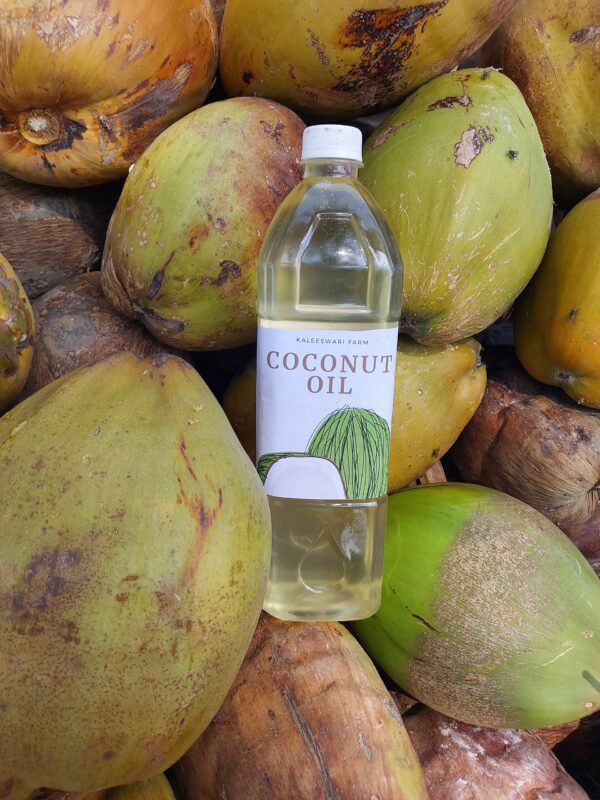
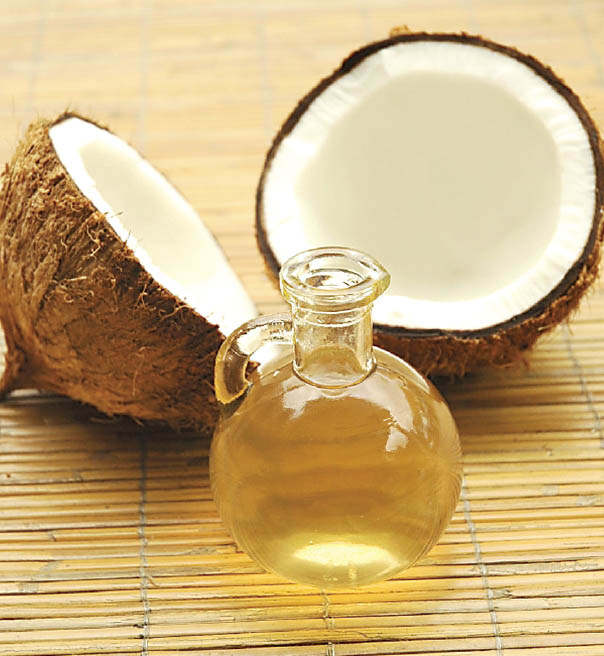
Crude coconut oil is the oil pressed or solvent-extracted from copra, which is dried coconut meat. It hasn’t been refined, bleached or deodorized. It’s yellow to light brown, has a strong roasted coconut smell, and carries free fatty acids, moisture and small amounts of gums and dirt from the milling.
It is not meant for eating as it comes. It’s the raw material. Refiners turn it into RBD coconut oil. Oleochemical plants split it into fatty acids and fatty alcohols for detergents and personal care. Soap makers use it directly in some laundry soap. You can see our product page here: crude coconut oil for sale, and our older supplier page on crude coconut oil CNO.
Crude Coconut Oil Price Per Ton: Where the Market Sits in 2026
The crude coconut oil price per ton that everyone watches is the monthly benchmark for Philippine and Indonesian crude oil delivered CIF Rotterdam. Asian FOB prices and most export offers move with it.
Here’s roughly how the benchmark has moved over the last two years.
| Period | Approx. benchmark, US$ per MT |
|---|---|
| Early 2025 | about 1,950 to 2,000 |
| Mid 2025 (peak months) | about 2,700 to 2,850 |
| Late 2025 | about 2,300 to 2,600 |
| January 2026 | about 2,200 |
| March to April 2026 | about 2,330 to 2,350 |
| June 2026 | about 1,980 |
| July 2026 | about 1,920 |
| August 2026 | about 1,850 |
| September 2026 | about 2,080 |
So the crude coconut oil price per ton came off its 2025 highs, bottomed out in late summer 2026, and has firmed a little since. It’s still well above where it sat for most of the last decade, when US$1,000 to US$1,500 was common. You can follow the monthly figures through the World Bank commodity markets page, which publishes them every month.
Why prices went so high
Three things pushed the crude coconut oil price per ton up in 2024 and 2025:
- Weather. Dry spells in the Philippines and Indonesia hit nut yields with a delay of a year or more, because a coconut takes about a year to mature.
- Ageing trees. A large share of palms in the main producing countries are old and less productive, and replanting has been slow.
- Strong demand. Oleochemicals, food, personal care and biofuel mandates all want lauric oils. Palm kernel oil, the other lauric oil, was also tight.
The outlook from producing countries is that short-term prices can ease when the harvest recovers, but the long-term supply problem hasn’t gone away. In plain words, don’t plan your business around a return to US$1,200.
How a Crude Coconut Oil Price Per Ton Is Built
This is how we put together a crude coconut oil price per ton offer. Every honest supplier does something similar, even if they won’t show you.
- Copra cost. It takes roughly 1.55 to 1.6 tonnes of copra to make a tonne of crude oil, because copra is about 63 to 65% oil. When copra prices rise, oil rises faster.
- Milling cost. Power, labour, maintenance and the press itself.
- Copra meal credit. The leftover meal is sold as animal feed. That income lowers the net oil cost a little.
- Storage and handling. Tank rental, heating, pumping.
- Packing. Flexitank, ISO tank, drums or bulk parcel.
- Inland freight and port charges.
- Ocean freight and insurance if you’re buying CFR or CIF.
- Supplier margin.
So when you see a crude coconut oil price per ton, ask which of those steps it includes. A price FOB mill gate and a price CIF your port can be US$150 or more apart.
Price by shipping method
| Shipping method | Typical lot size | Effect on price per ton |
|---|---|---|
| Bulk vessel parcel | 500 to 5,000 MT | Lowest freight per ton, needs shore tanks |
| ISO tank | 20 to 24 MT | Higher freight, clean and heated |
| Flexitank in 20ft | 20 to 22 MT | Good for buyers without shore tanks |
| Steel drums | 15 to 16 MT per 20ft | Highest cost per ton, easy to store |
For most container buyers, flexitank is the sweet spot. Our flexitank vs ISO tank guide explains the trade-offs.
Copra: The Number Behind the Number
If you want to guess where the crude coconut oil price per ton goes next month, watch copra. Mills buy copra from farmers and traders, and the oil price follows the copra price with a short delay.
Late in 2025, copra in Indonesia was trading at a little over US$1,200 per tonne and Philippine copra a bit over US$1,350. Multiply by the 1.55 to 1.6 tonnes it takes to make a tonne of oil, add milling and logistics, take off the meal credit, and you land close to where crude oil was trading. That’s not a coincidence. It’s why a mill can’t sell you oil far below the copra market for long, however much it wants your order.
When you hear that copra is tight in one country, expect the crude coconut oil price per ton from that origin to firm up. When farmers get a good harvest and copra arrives in volume, oil softens a few weeks later.
Crude Coconut Oil Price Per Ton by Origin
The benchmark is for Philippine and Indonesian oil, but crude coconut oil comes from several countries, and each trades at its own level.
| Origin | What buyers should know |
|---|---|
| Philippines | Largest exporter. Sets the tone for the market. Big bulk parcels to Europe and the US. |
| Indonesia | Second largest. Competitive prices, large volumes, growing domestic use. |
| India | Huge producer, mostly used at home. Domestic prices can run far above world levels. |
| Sri Lanka | Smaller exporter, strong local demand, often priced at a premium. |
| Thailand | Moderate production, much of it used locally or in food and VCO. Good for container lots. |
| Pacific islands and others | Small volumes, sometimes niche or organic. |
So a crude coconut oil price per ton from one origin can be very different from another in the same month. When you compare offers, make sure you know where the oil was pressed.
A Worked Example: From Benchmark to Your Warehouse
Here’s a simple illustration of how a landed crude coconut oil price per ton builds up for a buyer taking one 20ft flexitank. The numbers are round and only for illustration. Real offers depend on the day.
| Item | Illustrative US$ per MT |
|---|---|
| Crude oil cost, FOB Asian port | 1,950 |
| Flexitank and fitting | 25 to 35 |
| Container ocean freight (spread over 21 MT) | 50 to 150 |
| Insurance | 5 to 10 |
| Destination port charges and clearance | 20 to 40 |
| Inland delivery to your site | 10 to 40 |
| Approx. landed cost | about 2,060 to 2,225 |
Two things jump out. First, freight per ton on a single container is much higher than on a bulk vessel, which is why small buyers pay more than the benchmark. Second, the costs at your end are real and often forgotten. Add your import duty on top, which varies a lot by country.
What Could Move Prices in 2027
Nobody knows exactly where the crude coconut oil price per ton will be next year, and anyone who says they do is guessing. These are the things we watch:
- El Niño and La Niña patterns in Southeast Asia, which affect nut yields a year or more later.
- Replanting programmes in the Philippines, Indonesia and India.
- Palm kernel oil supply, because it competes for the same lauric oil buyers.
- Biofuel policy, especially coconut methyl ester blending in the Philippines.
- Freight rates on Asia to Europe and Asia to the Americas routes.
- Exchange rates, since copra is bought in local currency and oil is sold in dollars.
If you want our honest view on timing before you book, ask. We’ll give it to you straight, even if the answer is “buy now” or “wait a bit”.
Specification You Get for the Price
A crude coconut oil price per ton only means something next to a spec. Two offers can look the same until you see that one is FFA 3% and the other is FFA 6%. Here’s what we load to.
| Parameter | Specification |
|---|---|
| Free fatty acid (as lauric) | 4.0% max (lower grades by agreement) |
| Moisture and impurities | 1.0% max |
| Iodine value (Wijs) | 7 to 12 |
| Saponification value | 248 to 265 mg KOH/g |
| Lauric acid (C12:0) | 45 to 53% |
| Colour | Yellow to light brown |
| Odour | Characteristic of copra oil |
Contracts in the trade often price against a base FFA and apply a discount for every percent above it. If you’re a refiner, every point of FFA costs you in refining loss and chemicals. More detail is in our crude coconut oil specification guide and the article on free fatty acid and peroxide value.
FFA and price
Rough rule of thumb from our experience: on a FFA 4% base contract, oil delivered at 5% might carry a discount, and oil at 3% may fetch a small premium from refiners. Exact numbers depend on the contract and the market. Ask us and we’ll show you how we price it.
Crude Coconut Oil Price Per Ton vs RBD and Virgin
Buyers often ask us to compare the crude coconut oil price per ton with refined and virgin grades. In a normal market:
- Crude coconut oil is the base price.
- RBD coconut oil usually sits above crude, reflecting refining cost and refining loss. See our RBD coconut oil bulk supplier offer.
- Virgin coconut oil sits far above both, because it’s made from fresh meat with lower yield and more labour. See our virgin coconut oil wholesale Thailand page.
If you’re a refiner, buying crude and refining yourself makes sense at scale. If you’re a soap or food plant without a refinery, the crude coconut oil price per ton looks cheaper on paper, but you’ll pay for that in processing. We’d rather sell you the right oil than the cheap one.
Tonnes, Litres and What You’re Really Paying
The trade prices coconut oil per metric ton, which is 1,000 kg. Crude coconut oil has a density of about 0.92 kg per litre at 30 °C, so a ton is roughly 1,085 to 1,090 litres. If a seller quotes you per litre or per gallon, convert it before you compare. Our article on how many liters in a ton of vegetable oil has the maths.
Also check whether the price is per gross ton including the drum or per net ton of oil. On a drum shipment that’s about 18 to 20 kg of steel per drum you’re paying oil price for if you’re not careful.
Who Pays the Crude Coconut Oil Price Per Ton
- Refineries turn crude into RBD coconut oil for food and cosmetics.
- Oleochemical plants split it into fatty acids, methyl esters and fatty alcohols used in shampoos, detergents and cosmetics.
- Laundry and industrial soap makers use it directly for hard, high-lather bars.
- Biodiesel and fuel blenders in some markets use it as a feedstock.
- Traders and distributors buy and store for resale.
Each of these has a different break-even crude coconut oil price per ton, which is why demand can stay strong even when prices are high. An oleochemical plant can’t easily swap coconut for soybean oil, because it needs the lauric acid. Our article on palm kernel oil vs palm oil explains why lauric oils are their own market.
Incoterms and the Number on the Invoice
We quote FOB Thai port, CFR or CIF. The ICC Incoterms rules define what each one covers. In short:
- FOB: we deliver the oil on board. You pay freight and insurance.
- CFR: we pay freight to your port. You insure.
- CIF: we pay freight and insurance to your port.
For first-time buyers, CIF gives the clearest crude coconut oil price per ton to compare. If you have a strong forwarder, FOB may save money. Our guide on CIF vs FOB vegetable oil goes deeper, and bulk vegetable oil price CIF shows a worked example.
7 Smart Ways to Save on Crude Coconut Oil Price Per Ton
1. Buy in flexitank, not drums
If you have a tank and a pump, flexitank saves the cost of 80 drums and fits 5 to 6 more tonnes per container. That alone can drop your landed crude coconut oil price per ton noticeably.
2. Book a contract, not spot
A three or six month contract with agreed volumes lets the supplier plan copra buying. You usually get a better price and steadier supply than chasing spot lots.
3. Agree FFA basis and discounts in writing
Know exactly what you pay if the oil comes in at 4.5% FFA instead of 4%. No surprises at the end.
4. Time your buying
Coconut prices have seasonal patterns linked to harvest. Talk to your supplier about when copra supply usually improves. We’ll tell you honestly if we think waiting a month could help.
5. Combine loads
If you also buy palm oil, sunflower oil or RBD coconut oil, ask about shipping them together. Shared freight lowers the cost per ton across the whole order. See our bulk edible oil supplier for importers page.
6. Pay in a way that doesn’t add cost
Letters of credit protect you but cost bank fees. A reliable supplier and a sensible TT split can be cheaper once trust is built. See letter of credit vs TT payment.
7. Don’t chase the lowest crude coconut oil price per ton
If an offer is US$300 under everyone else, something’s wrong. Either the spec is weak, the quantity is fake, or the seller isn’t real. Our list of warning signs for a fake vegetable oil supplier is worth five minutes before you pay any deposit.
Contract Terms That Change Your Real Price
Two offers can show the same crude coconut oil price per ton and still cost you very different amounts. Read the contract for these points:
- Quantity tolerance. Plus or minus 5% or 10% at seller’s option means you might receive more or less oil than you planned for.
- Weight basis. Is it loaded weight or landed weight? Shortage at discharge comes out of someone’s pocket.
- Quality basis. Loading port analysis or discharge port analysis? Oil can change a little on a long voyage, mostly in FFA.
- Laytime and demurrage. On bulk parcels, slow discharge at your end can add real cost.
- Validity. A cheap crude coconut oil price per ton that’s only valid for a few hours may not be real.
We put all of this into plain words in our contracts, because a buyer who understands the deal is a buyer who comes back.
Documents for Crude Coconut Oil
- Commercial invoice and packing list
- Bill of lading
- Certificate of origin
- Certificate of analysis
- Certificate of quality and quantity from an independent surveyor
- MSDS
- Fumigation or phytosanitary papers if your country asks
Crude coconut oil falls under HS 1513.11. Read our coconut oil HS code guide, the documents required to import vegetable oil checklist, and our pre-shipment inspection notes.
Handling Crude Coconut Oil on Arrival
Crude coconut oil turns solid below about 24 °C. In a warm port you can pump it straight out. In a cold one, plan on heating. Flexitanks can be fitted with heating pads, and ISO tanks usually have steam coils. Heat slowly to 35 to 45 °C. Don’t overheat, because high temperature speeds up FFA rise and darkens the oil.
Poor storage quietly raises your real crude coconut oil price per ton, because degraded oil refines worse. Store in clean mild steel or stainless tanks with a heating coil. Keep water out. Water plus heat plus time equals higher FFA, and higher FFA is money lost. More handling detail is in our coconut oil melting point article.
What to Send Us for a Price
To quote you a firm crude coconut oil price per ton, we need:
- Quantity per shipment and how many shipments.
- Packing: flexitank, ISO tank, drums or bulk.
- Destination port.
- Incoterm: FOB, CFR or CIF.
- Any spec requirements beyond our standard, such as lower FFA.
- Delivery window.
- Payment terms you’d like to use.
Frequently Asked Questions
What is the crude coconut oil price per ton today?
It changes every week. The international benchmark was around US$1,850 to US$2,100 per ton in the second half of 2026. Your landed price depends on spec, packing, freight and Incoterm. Ask us for a written offer.
Why is crude coconut oil more expensive than palm oil?
Coconut oil is a lauric oil, with far less global supply than palm oil, and the trees are slower to replace. See our coconut oil vs palm oil comparison.
What is the minimum order?
One 20ft container, about 20 to 22 MT in flexitank or about 15 MT in drums.
Can I use crude coconut oil for food?
Not as it comes. It must be refined first. For food, buy RBD coconut oil or virgin coconut oil.
Does the price include the surveyor?
We include our lab COA. An independent surveyor is usually at the buyer’s cost, though we can arrange it and add it to the invoice.
How often do you update prices?
We quote daily against the market and hold an offer for a set number of days, usually three to seven.
Get a Firm Crude Coconut Oil Price Per Ton
Send us your quantity, packing, port and Incoterm and we’ll come back with a written crude coconut oil price per ton and a recent COA, normally within one working day. You can also learn more about our company or look through our product range and coconut oil grades.
Email info@dthcompanyltd.com, call or WhatsApp +66 91 765 9104, or use the contact page.






One thought on “Crude Coconut Oil Price Per Ton: Honest 2026 Breakdown, Specs and 7 Smart Ways to Save”