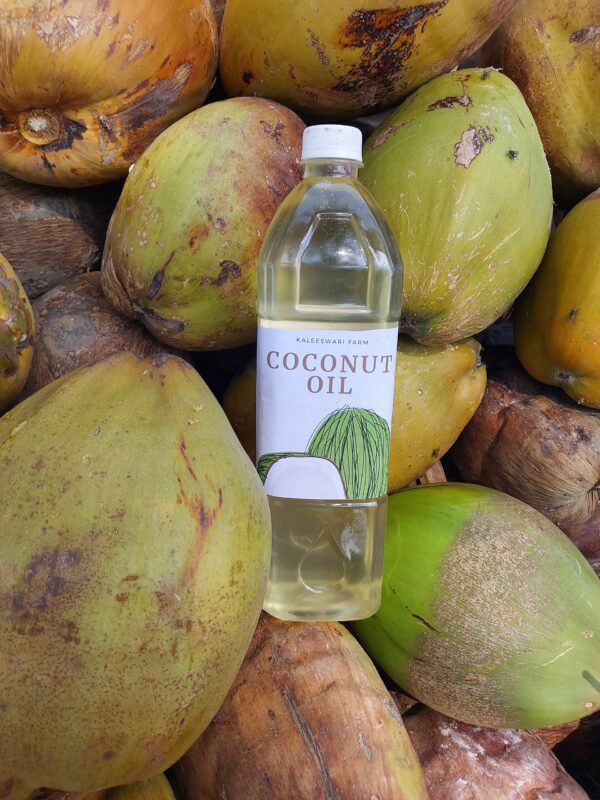
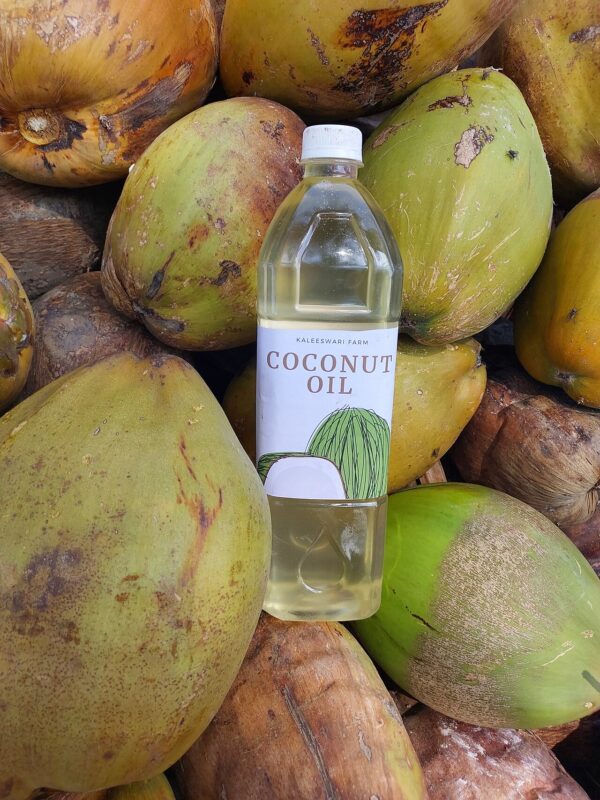
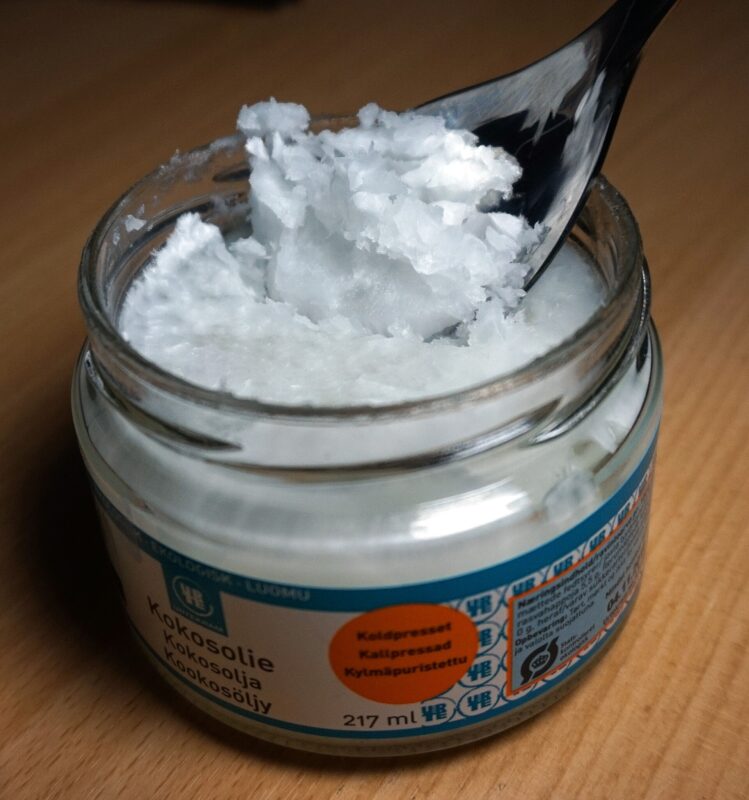
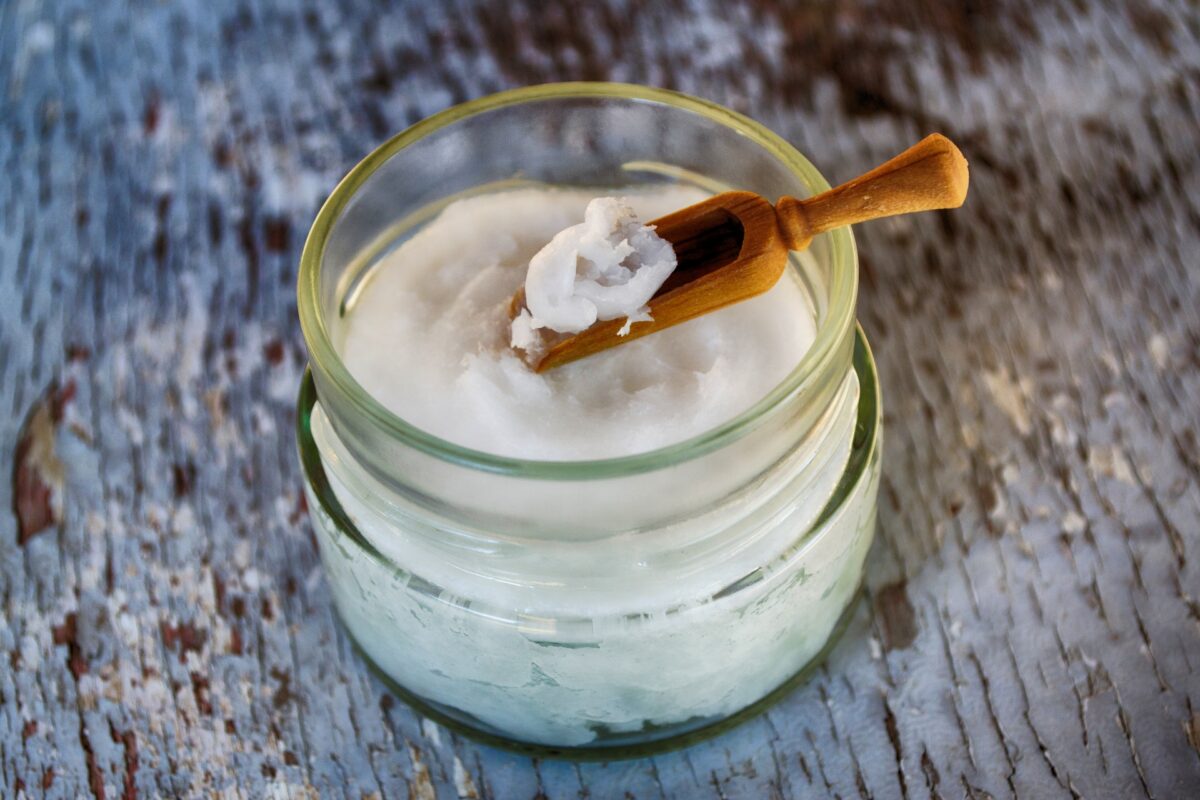
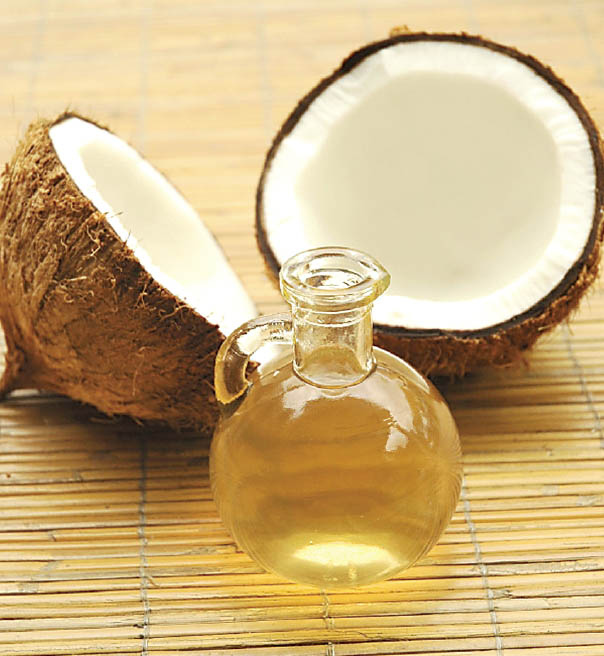
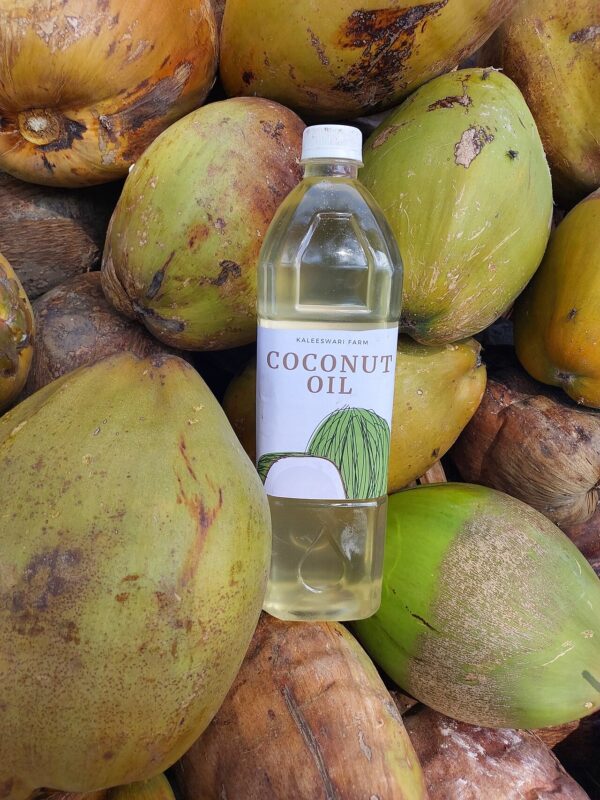
We get asked about the RBD vs virgin coconut oil difference almost every week. Sometimes it’s a soap maker who wants to know if “virgin” is worth paying for. Sometimes it’s a food factory that was sent the wrong grade. Sometimes it’s a brand owner trying to decide what goes in the jar. We sell both, in bulk and in retail packs, to buyers worldwide, so we don’t have a reason to push you one way. This guide sets out the real RBD vs virgin coconut oil difference in process, specs, taste, uses, shelf life and price, so you can pick the one that fits your product.
The short version: RBD is the workhorse, clean and neutral and cheaper. Virgin is the premium, natural and fragrant and more expensive. The long version is below.
Table of Contents
RBD vs Virgin Coconut Oil Difference in One Table
If you only read one part of this page about the RBD vs virgin coconut oil difference, read this.
| Point | RBD coconut oil | Virgin coconut oil |
|---|---|---|
| Raw material | Copra (dried coconut meat) | Fresh coconut meat |
| Processing | Refined, bleached, deodorized | Pressed or centrifuged, filtered only |
| Chemicals used | Caustic soda, bleaching earth, steam | None |
| Colour (liquid) | Water white to pale yellow | Water clear |
| Smell and taste | Neutral, almost none | Fresh coconut |
| Free fatty acid | 0.1% max | 0.2% max |
| Smoke point | About 200 to 230 °C | About 175 °C |
| Shelf life | 18 to 24 months | 18 to 24 months |
| Typical uses | Frying, bakery, confectionery, soap, cosmetics | Retail jars, health food, premium skin and hair care |
| Price | Lower | Much higher |
| HS code | 1513.19 | Usually 1513.11 |
That table is the RBD vs virgin coconut oil difference in a nutshell. The rest of the page explains why each line is the way it is.
How Each Oil Is Made
The biggest RBD vs virgin coconut oil difference starts on the farm, long before anything gets to a refinery.
RBD coconut oil
- Coconuts are split and the meat is dried in the sun, over smoke or in kilns to make copra.
- Copra is pressed or solvent-extracted to give crude coconut oil.
- The crude oil is degummed and neutralised to remove free fatty acids.
- It’s bleached with activated clay to strip out colour.
- It’s steam-deodorized under vacuum at high temperature to remove smell and taste.
Copra drying isn’t gentle, and the crude oil that comes out of it is dark and smells strongly. Refining is what makes it food grade. That’s not a bad thing. It’s the same way most of the world’s sunflower, soybean and palm oil is made edible. If you want the detail, see our RBD coconut oil specification article and our RBD coconut oil bulk supplier offer.
Virgin coconut oil
- Fresh mature coconuts are split and the white meat is scraped out the same day.
- Either the meat is gently dried and expeller pressed (dry process), or it’s pressed into coconut milk and the oil is separated in a centrifuge (wet process).
- The oil is settled and filtered.
That’s it. No refining, no bleaching, no deodorizing. What you get keeps the natural aroma and minor compounds of fresh coconut. Our virgin coconut oil wholesale Thailand page goes through our process in more detail.
RBD vs Virgin Coconut Oil Difference in Specs
Here’s how the RBD vs virgin coconut oil difference looks on the numbers that matter in a lab.
| Parameter | RBD coconut oil | Virgin coconut oil |
|---|---|---|
| Free fatty acid (as lauric) | 0.1% max | 0.2% max |
| Moisture | 0.1% max | 0.1% max |
| Peroxide value | 1.0 meq O2/kg max at loading | 3.0 meq O2/kg max |
| Colour | 1.5 Red / 15 Yellow max (Lovibond) | Water clear |
| Iodine value | 7 to 11 | 4.1 to 11 |
| Saponification value | 248 to 265 | 250 to 260 |
| Lauric acid | 45 to 53% | 45 to 56% |
| Odour | Bland | Natural coconut |
Look closely and you’ll see that the fatty acid profile is almost the same. The RBD vs virgin coconut oil difference isn’t really about fat. It’s about what refining takes out and what virgin processing keeps in. For the tests behind these numbers, see free fatty acid and peroxide value and iodine value of vegetable oils.
What refining removes
Refining strips out free fatty acids, colour pigments, smell and taste compounds, and some of the natural minor components such as tocopherols (vitamin E) and polyphenols. It also removes any off-flavours from poorly dried copra.
What virgin processing keeps
Virgin oil keeps the aroma compounds that make it smell like coconut, plus more of the polyphenols and vitamin E. Some small studies suggest virgin oil has higher antioxidant activity than refined. We’d keep any health claims on your label very simple, though, and check them with your local food authority, because the rules are strict in most markets.
Taste and Smell: The Difference You Notice First
Open a drum of each and the RBD vs virgin coconut oil difference is obvious in two seconds. RBD smells of almost nothing. Virgin smells like you just cracked a coconut.
For a lot of buyers that settles it:
- If coconut flavour would spoil your product, such as a savoury snack, a neutral frying oil, a fragrance-led cream or a white bar soap with a specific scent, you want RBD.
- If coconut flavour is the point, such as a coconut cooking oil jar, a vegan baking oil or a “pure coconut” body oil, you want virgin.
We’ve had buyers order virgin coconut oil for a biscuit cream and then complain that it tastes of coconut. That’s a buying mistake, not a quality problem. Understanding the RBD vs virgin coconut oil difference before you order saves that conversation.
Cooking and Frying
Here’s where the RBD vs virgin coconut oil difference has the most practical impact for food businesses.
RBD coconut oil handles high heat well. Its smoke point is roughly 200 °C or more, it doesn’t add flavour, and it’s stable in a fryer. That’s why it’s used for popcorn, chips, fried snacks and confectionery coatings. It’s also the standard choice for bakery and confectionery because its melting behaviour is predictable.
Virgin coconut oil has a lower smoke point, around 175 °C. It’s fine for light sautéing, baking and raw food, but it isn’t the best choice for long deep frying. It’s also expensive to put in a fryer. Our cooking oil smoke point chart compares coconut with other oils.
Soap and Cosmetics
For soap making, the RBD vs virgin coconut oil difference is smaller than most people think. Both saponify the same way, both give that hard bar and big lather that coconut is famous for, and their saponification values are almost identical. Most commercial soap is made with RBD because it’s cheaper, more consistent and doesn’t fight with added fragrance.
Virgin coconut oil gets used when the brand wants “virgin coconut oil” on the label, or wants a natural light coconut scent in the finished bar. Our coconut oil for soap making guide covers recipes, specs and lye numbers.
In creams, lotions, lip balms and hair oils, the choice is similar. RBD is cleaner for fragrance work and easier to keep consistent across batches. Virgin suits natural and organic positioning. We go into it in more depth in coconut oil for cosmetics manufacturing and on our cosmetic grade coconut oil supplier page.
Shelf Life and Stability
Here’s one place where the RBD vs virgin coconut oil difference is small. Both are very stable compared with liquid seed oils, because coconut oil is about 90% saturated fat. Both should last 18 to 24 months in sealed containers, out of light and below 30 °C.
RBD starts with a lower peroxide value, so it can look slightly better on paper at loading. Virgin oil has natural antioxidants that help it hold up. In practice, how you store the oil matters more than which grade it is. Keep it sealed, dry, cool and away from copper and brass fittings.
Both oils go solid below about 24 °C. That’s not a fault. Our coconut oil melting point page explains how to handle it.
Price: The RBD vs Virgin Coconut Oil Difference in Dollars
Price is where the RBD vs virgin coconut oil difference gets large. Virgin oil costs much more to make:
- It needs fresh nuts, which cost more to handle than copra.
- Yield is lower, especially on the wet process.
- It’s more labour intensive.
- Small batch processing costs more per tonne than a large refinery.
- Organic certification adds more.
Through 2026, crude coconut oil benchmarks have mostly been in the US$1,850 to US$2,350 per tonne range. RBD sits a step above crude. Virgin oil sits well above both, often far above, depending on process and certification. Retail jars cost more again because of packaging. For the market background, read our crude coconut oil price per ton guide.
So if you don’t need the flavour or the “virgin” claim, RBD will save you a lot of money. If you do need them, there’s no shortcut. Cheap “virgin” coconut oil is usually not virgin.
How to Tell Them Apart
If you’re not sure what you’ve been sent, there are simple checks that show the RBD vs virgin coconut oil difference quickly:
- Smell. Warm a little to 40 °C. Virgin smells clearly of coconut. RBD smells of almost nothing.
- Taste. Same story. Neutral versus coconut.
- Colour. Both can look clear, so colour alone won’t tell you.
- Lab checks. Refining leaves traces that a lab can pick up, for example changes in certain minor compounds and the presence of process contaminants such as glycidyl esters, which form during high temperature deodorization. If you suspect refined oil sold as virgin, get a lab to check.
Our guide on how to detect adulterated cooking oil has more.
Labelling and Customs
The RBD vs virgin coconut oil difference also shows up on paper. Refined coconut oil is usually classed under HS 1513.19. Virgin coconut oil, because it’s unrefined, normally falls under 1513.11, the same heading as crude. Some countries also have specific rules for using the word “virgin” on a label. Our coconut oil HS code article explains the codes, and the Codex Alimentarius sets out international definitions for named and virgin oils. For general background, the coconut oil entry is a good start.
Nutrition Labels: Less Different Than You’d Think
On a nutrition panel, the RBD vs virgin coconut oil difference almost vanishes. Per 100 g, both grades give roughly the same numbers.
| Per 100 g | RBD coconut oil | Virgin coconut oil |
|---|---|---|
| Energy | about 3,700 kJ / 890 kcal | about 3,700 kJ / 890 kcal |
| Total fat | 100 g | 100 g |
| Saturated fat | about 87 to 92 g | about 87 to 92 g |
| Monounsaturated fat | about 5 to 8 g | about 5 to 10 g |
| Polyunsaturated fat | about 1 to 3 g | about 1 to 3 g |
| Trans fat | less than 0.5 g | 0 g |
| Cholesterol | 0 mg | 0 mg |
So if a customer asks whether virgin oil is “lower in fat” or “fewer calories”, the answer is no. The RBD vs virgin coconut oil difference on a label comes down to the ingredient name, the process claim and the flavour, not the fat numbers. Our article on trans fat in vegetable oil explains why refined oils can show tiny trans fat traces from deodorization.
Industrial and Oleochemical Use
For industry, the RBD vs virgin coconut oil difference barely matters, because virgin is almost never used. Oleochemical plants that make fatty acids, fatty alcohols and methyl esters want lauric acid at the lowest cost per tonne, so they buy crude or RBD. The same goes for MCT oil producers, who fractionate coconut oil to pull out the caprylic and capric acids. See our page on MCT oil vs coconut oil for that side of the market.
If someone tells you they need virgin coconut oil for a detergent plant, they’ve probably misunderstood the spec. Ask what the end product is before you quote.
Common Myths We Hear
A few things come up again and again when buyers talk about the RBD vs virgin coconut oil difference.
- “RBD is full of chemicals.” Refining uses caustic soda, bleaching clay and steam, but these are removed. Finished RBD oil is tested for residues and meets food standards.
- “Virgin oil never goes off.” It’s very stable, but it can still go rancid if it’s wet, hot or exposed to air and light.
- “Clear oil means refined.” Good virgin oil is also crystal clear. Colour doesn’t tell you the grade.
- “Solid oil means it’s gone bad.” Both grades go solid below about 24 °C. It’s normal.
- “Virgin and extra virgin are different grades.” With olive oil, yes. With coconut oil, there’s no official “extra virgin” standard in most markets. It’s a marketing word.
Clearing up these myths with your own customers helps them understand the RBD vs virgin coconut oil difference and why the price gap is fair.
Sourcing and Traceability
Another quiet RBD vs virgin coconut oil difference is how traceable the supply chain is. RBD oil is usually made from copra bought from many small farmers and traders, then pressed and refined in large batches. That’s efficient, but it’s hard to trace a drum back to one farm.
Virgin oil is often made closer to the farm, from fresh nuts bought from a smaller group of growers. That makes it easier to trace and easier to certify organic or fair trade. If traceability matters to your brand, that’s one more reason buyers pick virgin. If cost and consistency matter more, RBD wins.
Which One Should You Buy?
Here’s how we’d weigh the RBD vs virgin coconut oil difference if we were in your seat.
| Your product | Our pick | Why |
|---|---|---|
| Frying oil, snack seasoning carrier | RBD | Neutral, high smoke point, cheaper |
| Biscuit cream, chocolate compound, non-dairy creamer | RBD | No coconut flavour, steady melting |
| Coconut cooking oil jar for retail | Virgin | Flavour is the selling point |
| Vegan bakery with coconut note | Virgin | Adds flavour |
| White bar soap with added fragrance | RBD | Clean base, lower cost |
| “Virgin coconut oil soap” | Virgin | Label claim must be true |
| Fragranced lotion or cream | RBD | Won’t clash with fragrance |
| Natural or organic body oil, hair oil | Virgin | Fits the positioning |
| Oleochemical feedstock | Crude or RBD | Virgin would be a waste |
If you’re still not sure, send us a few lines about your product and we’ll recommend a grade. We’d rather tell you to buy the cheaper oil than sell you the expensive one and lose you as a customer later.
Buying Both From One Supplier
Many of our buyers take both grades, and use the RBD vs virgin coconut oil difference to split their product lines. A soap factory might use RBD for its main line and virgin for a premium range. A distributor might sell RBD to bakeries and virgin to health shops. We can load drums of RBD and VCO in the same 20ft container so you don’t need two suppliers and two shipments.
Mixed loads work well for buyers testing a new product. Take 60 drums of RBD and 20 drums of VCO, see how each sells, and adjust the next order. See our coconut oil range, the RBD coconut oil and virgin coconut oil product pages, and our earlier comparison of RBD coconut oil vs virgin coconut oil.
Mistakes Buyers Make Over the RBD vs Virgin Coconut Oil Difference
We’ve seen these happen enough times to put them in writing.
- Ordering virgin oil for a neutral product and then trying to mask the coconut flavour with other ingredients.
- Ordering RBD oil for a “natural” retail brand and then having to change the label late.
- Comparing an RBD price with a virgin price and assuming the cheaper supplier is better, when they were quoting different grades.
- Writing “coconut oil” on the purchase order without naming the grade at all.
Every one of these comes from not pinning down the RBD vs virgin coconut oil difference before the order is placed. Name the grade, the process and the spec in writing, and it won’t happen to you.
Specs, Packing and Paperwork We Supply
For both grades we offer:
- Steel drums of 190 kg, IBCs, pails, jerrycans and tins
- Flexitank for RBD
- Glass and PET jars and bottles for private label
- COA for every lot, plus microbiology for VCO
- Certificate of origin, MSDS, technical data sheet
- Halal certificate on request, organic certificate for organic VCO lots
- Independent inspection on request
More on paperwork in our documents required to import vegetable oil checklist and our guide to a proper certificate of analysis.
7 Proven Facts About the RBD vs Virgin Coconut Oil Difference
- The fatty acid profile is almost the same. The RBD vs virgin coconut oil difference is mainly processing, not fat type.
- RBD has a higher smoke point and suits frying better.
- Virgin keeps the coconut flavour and smell, RBD doesn’t.
- Both are very stable and keep for 18 to 24 months when stored well.
- Virgin costs much more because of fresh nut supply and lower yield.
- For soap and most cosmetics, RBD gives the same performance at a lower cost.
- Customs usually class them under different HS codes, so check your paperwork.
Frequently Asked Questions
Is the RBD vs virgin coconut oil difference a health issue?
Not really. RBD is a food grade oil made the same way as most refined cooking oils. It has fewer minor compounds than virgin oil, but the fat is the same.
Is virgin coconut oil the same as cold pressed?
Cold pressed is one way of making virgin coconut oil. Centrifuged oil is also virgin. Both skip refining.
Can I use RBD coconut oil in skin care?
Yes. Most commercial cosmetics use refined coconut oil because it’s neutral and consistent.
Which one is better for soap?
Both work. RBD is the usual choice because it’s cheaper and neutral. Choose virgin if you want it on the label.
Can you blend RBD and virgin?
Technically yes, but you can’t sell the blend as virgin coconut oil. Label it honestly.
What is the minimum order for each?
One 20ft container, which can be all RBD, all virgin, or a mix.
Get Prices for Both Grades
Now you know the RBD vs virgin coconut oil difference, tell us what you’re making, how much you need, your packing, destination port and Incoterm. We’ll send a written offer for one or both grades with recent COAs, usually within one working day. You can also read about us or see the full product range.
Email info@dthcompanyltd.com, call or WhatsApp +66 91 765 9104, or use our contact page.