Germany is one of Europe’s biggest users of coconut oil. It goes into chocolate fillings, biscuit creams, ice cream coatings, plant-based cheese, natural cosmetics and soap, and almost none of it is grown anywhere near Hamburg. If you’re an RBD coconut oil importer Germany food or cosmetics plants depend on, you need a supplier that gets the specs, the contaminant results and the paperwork right every time. That’s what this page is about.
We export RBD (refined, bleached and deodorised) coconut oil, along with virgin and crude coconut oil, to importers, distributors, manufacturers and private label brands in Germany and worldwide. We ship in flexitanks, ISO tanks, drums, IBCs, pails and retail jars, and we quote CIF Hamburg, Bremerhaven or Rotterdam. Below you’ll find specs, EU rules, packing, pricing and ordering, written for any RBD coconut oil importer Germany side who wants facts rather than a brochure.

Table of Contents
Coconut Oil Grades for an RBD Coconut Oil Importer Germany Plants Supply
| Product | Typical use in Germany |
|---|---|
| RBD coconut oil | Confectionery, bakery, ice cream coatings, plant-based foods, frying, cosmetics |
| Virgin coconut oil | Organic retail jars, natural cosmetics, health food |
| Crude coconut oil | Refiners and oleochemical plants |
| Organic RBD coconut oil | Bio brands and organic food manufacturers |
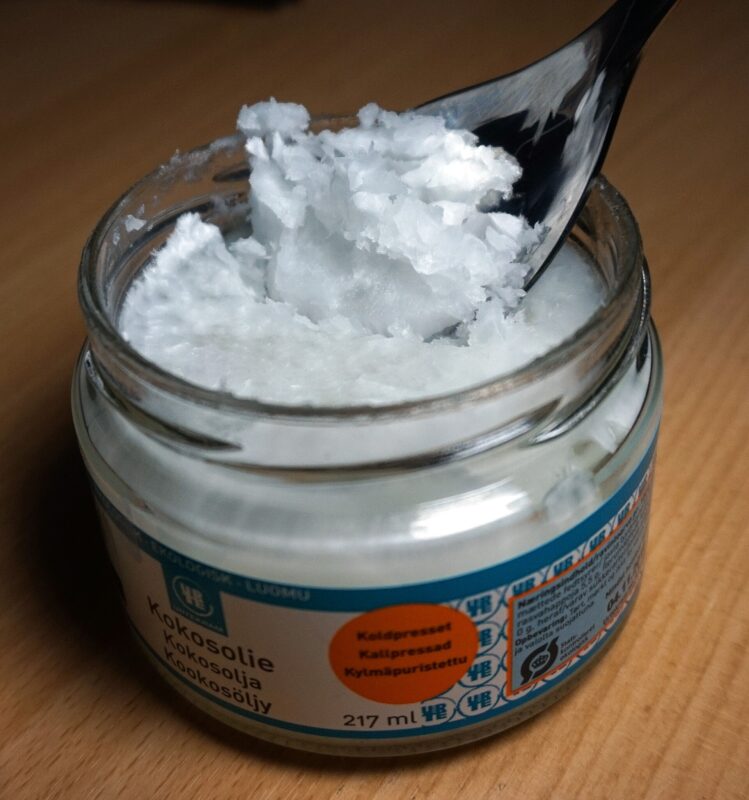
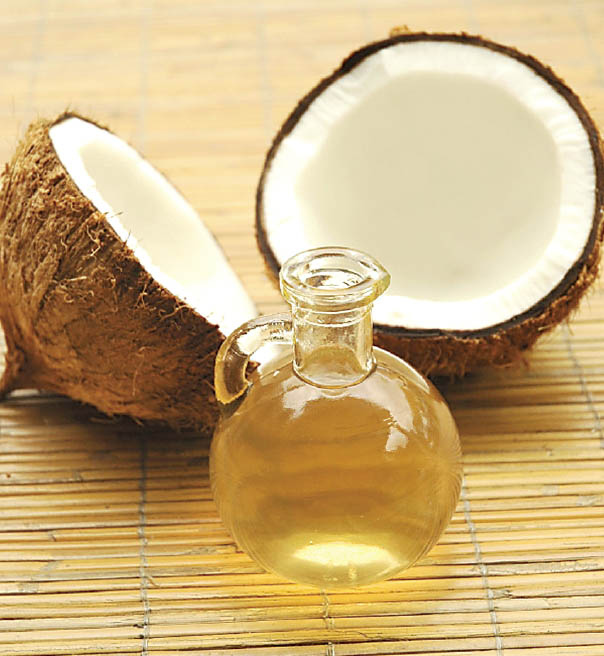
RBD coconut oil is neutral in taste and smell, white when solid and clear when melted. That’s why food manufacturers prefer it: it adds texture and melt without making everything taste of coconut. If you’re deciding between refined and virgin, read RBD vs virgin coconut oil. The full product range is on our coconut oil page.
RBD Coconut Oil Specification
This is the spec we load against. Every RBD coconut oil importer Germany customers buy from should be able to put these numbers in a contract.
| Parameter | Value |
|---|---|
| Appearance | Clear, colourless to pale yellow liquid above 26°C; white solid below |
| Odour and taste | Neutral, bland |
| Free fatty acids (as lauric) | 0.1% max |
| Moisture and impurities | 0.1% max |
| Peroxide value | 1.0 meq/kg max at loading |
| Colour (Lovibond 5.25″) | 1.5 Red max |
| Iodine value (Wijs) | 7.5 to 10.5 |
| Saponification value | 248 to 265 mg KOH/g |
| Slip melting point | 24°C to 26°C |
| Lauric acid (C12:0) | 45% to 53% |
| Shelf life | 18 to 24 months, cool and dry |
| HS code | 1513.19 |
For a line-by-line explanation, see our RBD coconut oil specification guide. The lauric acid content is what gives coconut oil its sharp melting behaviour; we go into that in lauric acid in coconut oil and coconut oil melting point.
EU Contaminant Results We Report
For the German market, the basic spec isn’t enough. Buyers want contaminant data, and an RBD coconut oil importer Germany retailers audit will be asked for it. We test lots for:
| Contaminant | Why it matters |
|---|---|
| PAHs (benzo(a)pyrene and PAH4) | Copra is often smoke-dried, which loads crude oil with PAHs. Proper refining with activated carbon brings them down. The EU sets specific limits for coconut oil. |
| 3-MCPD esters and glycidyl esters | Formed during deodorisation. EU maximum levels apply to vegetable oils. |
| Mineral oil hydrocarbons (MOSH/MOAH) | A growing concern across all oils. German buyers often ask for MOAH below the detection limit. |
| Heavy metals and pesticide residues | Standard EU checks. |
The PAH point is the one that catches people out. A cheap RBD coconut oil from a refinery that skips carbon treatment can pass on FFA and colour and still fail on PAH. Our post on 3-MCPD in vegetable oils covers the process contaminants in more detail.
Who Buys RBD Coconut Oil in Germany
- Confectionery and chocolate makers using coconut oil in fillings, pralines and compound coatings.
- Bakeries and biscuit plants for creams, wafers and laminated dough. See coconut oil for bakery and confectionery.
- Ice cream producers using coconut oil in coatings and plant-based ice cream.
- Plant-based food companies making vegan cheese, spreads and meat alternatives. Germany is one of Europe’s largest markets for these, and coconut oil gives them their firm, sliceable texture.
- Natural cosmetics brands using refined and virgin coconut oil in creams, balms and hair care.
- Soap and detergent makers. See coconut oil for soap making.
- Distributors who break bulk into drums and pails for smaller users.
Each group needs something slightly different. A chocolate plant cares about melting point and taste. A vegan cheese maker cares about texture and consistency between lots. A cosmetics brand cares about odour and certification. An RBD coconut oil importer Germany customers depend on needs to know which spec matters to which buyer.
Packing Options
| Packing | Net per 20ft | Best for |
|---|---|---|
| Flexitank with heating pad | 20 to 22 MT | Large food plants and refiners |
| ISO tank (heated) | About 20 MT | Plants that want fast, clean heated discharge |
| Steel drums, 190 kg | About 15 MT | Mid-size users and distributors |
| IBC, 1,000 L | About 18 MT | Mid-size plants with forklifts |
| Pails, 18 L / 20 kg | About 18 MT | Bakeries, cosmetics workshops |
| Glass or PET jars, 200 ml to 1 L | Varies | Retail and private label |
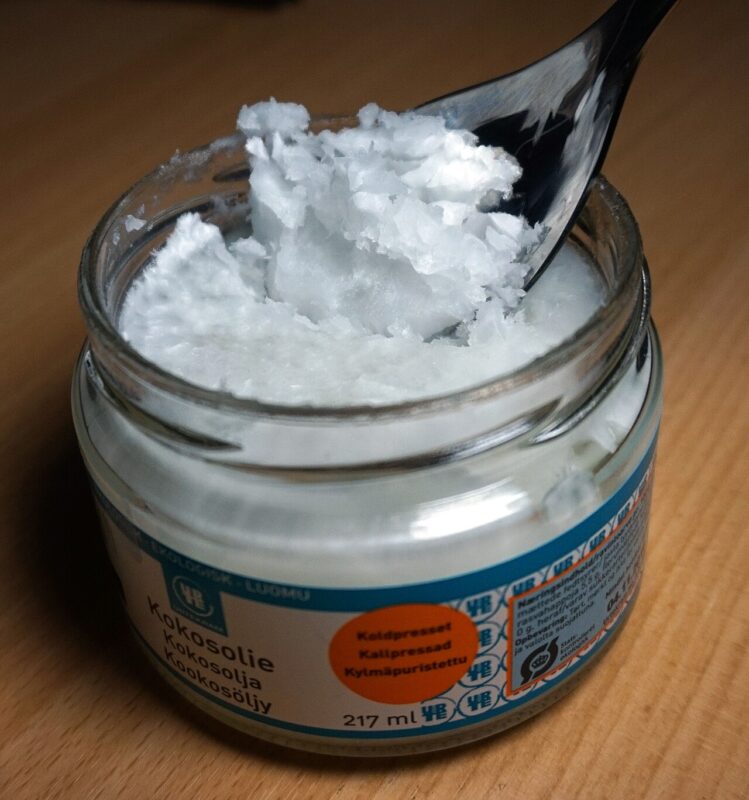
Coconut oil is solid below about 24°C, so for most of the year in Germany it will arrive solid. Every flexitank we ship to an RBD coconut oil importer Germany side gets a heating pad. Without one, a winter discharge in Hamburg can take days. Our step-by-step on unloading oil from a flexitank applies to coconut oil too.
Importing RBD Coconut Oil Into Germany
For an RBD coconut oil importer Germany customs and food inspectors deal with, the rules are clear. Germany follows EU food law, enforced by the federal states’ food control authorities. Here’s what every RBD coconut oil importer Germany side needs in place.
Food business registration and traceability
The importer must be a registered food business operator with traceability one step back and one step forward. The federal office for consumer protection and food safety, BVL, coordinates import controls and EU rapid alerts. We supply full lot traceability back to the refinery.
Customs and duties
Refined coconut oil is classified under 1513.19, crude under 1513.11. Duty depends on origin; some origins have preferential access under EU trade agreements. The German customs service handles clearance, and your customs agent can confirm the live rate. Our coconut oil HS code guide explains the difference between the two codes.
Labelling
Retail jars sold in Germany need German-language labels under EU food information rules: name, ingredients, net quantity, best-before date, storage conditions, origin where required and the food business operator’s details. Bulk oil going into a factory just needs correct documents and shipping marks.
Organic
Organic is a big part of the RBD coconut oil importer Germany market. Organic (Bio) coconut oil must come with EU organic certification and an electronic certificate of inspection for each shipment. Germany is the largest organic food market in Europe, and a lot of our organic coconut oil goes there.
Bulk transport rules
EU rules control previous cargoes for bulk edible oil transport. Lists kept by FOSFA set out which previous cargoes are acceptable. Our flexitanks are new and single-use, so there’s no previous cargo at all.
Documents
- Commercial invoice and packing list
- Bill of lading
- Certificate of origin
- Certificate of analysis
- Contaminant report (PAH, 3-MCPD, GE, MOSH/MOAH) where contracted
- Organic certificate and certificate of inspection for organic lots
- Independent inspection report
Full details are in documents required to import vegetable oil.
Shipping to Hamburg, Bremerhaven and Rotterdam
Most of our German cargo goes to the Port of Hamburg. Bremerhaven is a good option for plants in the north-west, and some buyers in the south and west prefer Rotterdam with onward barge or truck delivery. Transit from Southeast Asia is usually 30 to 38 days through Suez. As an RBD coconut oil importer Germany plants work with, you’ll get the routing and vessel confirmed with every booking.
How Coconut Oil Is Priced
Price is usually the first question an RBD coconut oil importer Germany side asks. Coconut oil is priced off the Rotterdam CIF market, which follows copra supply in the Philippines and Indonesia, weather and the price of palm kernel oil. Lauric oils trade together, so when palm kernel oil rises, coconut tends to follow. Typhoons and dry seasons in coconut regions can tighten supply for months.
For any RBD coconut oil importer Germany side, the quote is built from:
- The day’s coconut oil market
- Refining cost, including carbon treatment for low PAH
- Packing
- Freight to Hamburg, Bremerhaven or Rotterdam
- Insurance and inspection on CIF terms
- Organic or contaminant guarantees
- Volume and contract length
For more on the drivers, see coconut oil price per ton.
Incoterms and payment
We sell FOB, CFR and CIF, and DAP to German addresses on request, under the ICC Incoterms rules. Payment is by letter of credit or, for established customers, deposit and balance against documents. See letter of credit vs TT payment.
Quality Control
Quality is where an RBD coconut oil importer Germany auditors visit gets judged. Every lot is tested before loading for FFA, peroxide value, moisture, colour, iodine value and melting point, plus odour and taste. Contaminant tests are run at accredited labs. An independent surveyor attends loading and seals samples. Methods follow AOCS or ISO. Retained samples are kept for the full shelf life.
How to Order
- Send your enquiry: grade, volume, packing, port or delivery address, Incoterm, organic or conventional.
- Receive a firm quote with spec sheet, contaminant limits and loading window.
- Test a sample in your lab and on your line.
- Sign the contract.
- Open the LC or pay the deposit.
- We load, inspect and ship, with draft documents sent before sailing.
- Discharge and delivery to your plant.
For an RBD coconut oil importer Germany side, bulk orders usually load three to four weeks after contract. Retail jars under your label take five to seven weeks.
7 Proven Tips for an RBD Coconut Oil Importer Germany Side
1. Ask for PAH results on every lot
It’s the most common reason refined coconut oil fails in the EU. Don’t accept “refined” as proof.
2. Fix the melting point range
A chocolate filling that’s too soft in summer is a problem. Put the slip melting point in the contract.
3. Insist on heated flexitanks in winter
Solid oil in a bag is a slow and messy discharge. Pay for the heating pad.
4. Check odour and taste on arrival
Badly deodorised oil smells of coconut or soap. Any RBD coconut oil importer Germany confectioners buy from should accept a sensory check.
5. Get the organic paperwork right
For Bio lots, the certificate of inspection has to be in order before the cargo is released.
6. Plan around the copra season
Supply tightens at certain times of year. Contract forward if you need steady volume.
7. Start with one container
Test the oil, the documents and the delivery on one load before moving to a program.
Mistakes We See
- Buying on FFA and colour alone and failing a PAH test later.
- Ordering unheated flexitanks for January delivery.
- Confusing palm kernel oil offers with coconut oil. They’re similar but not interchangeable for every use; see palm kernel oil vs palm oil.
- Storing coconut oil hot for weeks, which pushes up FFA.
- Leaving German retail label approval to the last minute.
Storage and Handling
Once the oil arrives, storage is in the hands of the RBD coconut oil importer Germany side, not the supplier. Keep bulk tanks a few degrees above the melting point, around 30°C to 35°C, and avoid holding oil much hotter for long periods. Use stainless steel or coated tanks and keep water out. Drums and pails should be stored indoors and warmed gently before use. Coconut oil is very stable thanks to its saturated fat content, so with good storage it keeps for 18 to 24 months.

Coconut Oil in Plant-Based Foods
The plant-based sector has changed the German coconut oil market. Vegan cheese, in particular, relies on refined coconut oil for its firm texture and clean melt. These buyers usually need a very neutral taste, a tight melting point range and steady quality from lot to lot, because a small change in the oil can change how the cheese slices or melts. We work with several plant-based producers and can supply oil to a tighter internal spec if needed. An RBD coconut oil importer Germany vegan brands rely on also needs non-GMO and allergen statements on file, which we provide.
Coconut Oil in Natural Cosmetics
Cosmetics is a growing share of what an RBD coconut oil importer Germany distributors handle. Germany has a big natural cosmetics market, and coconut oil is in a lot of it. Refined oil is used where a brand doesn’t want coconut scent; virgin oil where it does. Cosmetics buyers often need different paperwork from food buyers: a cosmetics-grade spec, an INCI name (Cocos Nucifera Oil), and sometimes COSMOS or NATRUE-compatible organic certification. Tell us which you need and we’ll supply the right grade and documents.
MCT and Oleochemical Uses
Some German buyers use coconut oil as a feedstock for MCT oil or fatty acids. For these, crude or RBD oil with a high and consistent lauric and caprylic/capric content matters most. Read MCT oil vs coconut oil for the background.
A Typical First Order
Here’s how it usually goes. A confectionery plant in North Rhine-Westphalia asks for one 20ft heated flexitank of RBD coconut oil, CIF Rotterdam, with PAH, 3-MCPD and MOAH results. We quote within a day with price, spec, contaminant limits and loading window. They test a sample in their lab and on a pilot line, then confirm. The contract is signed, the LC opens, and the oil loads with a surveyor present.
Draft documents go to their customs agent before sailing. The container lands in Rotterdam, clears, and is trucked to the plant. Steam goes to the heating pad overnight, and the oil is pumped into the day tank the next morning. After two or three loads like this, most plants move to a quarterly or monthly program with us as their supplier, and the RBD coconut oil importer Germany relationship becomes routine.
Coconut Oil vs Palm Kernel Oil for German Buyers
Every RBD coconut oil importer Germany side gets asked this sooner or later. Coconut and palm kernel oil are the two lauric oils in world trade, and both work in confectionery coatings, fillings and soap. Palm kernel oil is often cheaper. So why do so many German brands stick with coconut? Partly it’s the label: coconut oil reads better to German shoppers than anything with “palm” in it, and many brands have dropped palm products altogether. Partly it’s performance: coconut has a slightly sharper melt, which suits some chocolate and ice cream applications. And partly it’s the EU deforestation rules, which apply to palm products but not to coconut. For an RBD coconut oil importer Germany retailers buy from, that’s a real selling point. We supply both oils and can quote side by side. See also coconut oil vs palm oil.
Distributing in Drums and Pails Across Germany
Not every buyer can take a flexitank. Many German bakeries, small confectioners, soap makers and cosmetics workshops need 20 kg pails or 190 kg drums. That’s where distributors come in. A typical model is an RBD coconut oil importer Germany side that brings in two or three containers a month, stores them in a warehouse, and sells by the pallet to hundreds of smaller customers. If that’s your business, we can pack mixed containers of drums and pails, print your labels on the pails, and keep the spec identical from one load to the next so your customers never notice a change of lot.
How We Handle Problems
Things go wrong in shipping now and then. A vessel is delayed, a heating pad fails, or a contaminant result comes back close to the limit. When that happens we tell you straight away, share the surveyor’s findings and settle genuine claims against the contract. An RBD coconut oil importer Germany auditors approve has to show it can handle problems properly, and we keep the records to back that up.
Why German Buyers Work With Us
We’re a direct exporter, not a broker. You get firm prices, real loading dates, contaminant data when you need it and a clean documents pack every time. We also sell palm, soybean, sunflower and canola oils if you want to consolidate suppliers. Browse our products, read about us, or see how we supply RBD coconut oil wholesale, virgin coconut oil in bulk and crude coconut oil importers in the USA.
For an RBD coconut oil importer Germany customers trust, the job is simple to describe and hard to do: the same clean oil, the same paperwork, on time, every time.
Quick Summary
We sell RBD coconut oil with 0.1% max FFA, 1.0 meq/kg max peroxide, 1.5 Red max colour and a 24°C to 26°C melting point, plus virgin, crude and organic grades. We ship in heated flexitanks, ISO tanks, drums, IBCs, pails and jars to Hamburg, Bremerhaven and Rotterdam. PAH, 3-MCPD, glycidyl ester and MOAH results are available on every lot. That’s our offer as an RBD coconut oil importer Germany buyers can compare line by line.
Frequently Asked Questions
What’s the minimum order?
One 20ft container. Mixed grades and packing are possible.
Do you supply organic RBD coconut oil?
Yes, with EU organic certification and certificates of inspection.
Can you guarantee EU PAH limits?
Yes. We test every lot for PAH and can write the limits into the contract.
Will the oil arrive solid?
Usually, yes. That’s normal. Heated flexitanks or ISO tanks make discharge easy.
Do you ship to Hamburg?
Yes, and to Bremerhaven and Rotterdam.
Can I get a sample?
Yes, by courier with a certificate of analysis. Almost every RBD coconut oil importer Germany side tests a sample first.
Ask for a Quote as an RBD Coconut Oil Importer Germany Buyers Rely On
Send us the grade, volume, packing and delivery point. We’ll reply with a firm price, our spec sheet and contaminant limits, and a loading date, usually within one working day.
Email info@dthcompanyltd.com, call or WhatsApp +66 91 765 9104, or use our contact page.