

How to unload palm oil from flexitank is a question that usually comes up the first time a container sits in a buyer’s yard and the oil won’t flow. Palm oil is semi-solid at normal room temperature. In a cool port, or after a long voyage through a cold season, a 20 ton flexitank of palm oil can arrive as one big soft block. You can’t pump it until you heat it, and if you heat it the wrong way you can damage the bag, scorch the oil or waste days.
We ship crude palm oil, refined palm oil and palm olein in flexitanks to importers, refiners, soap makers and food factories all over the world. This guide is the practical, step by step version of how to unload palm oil from flexitank that we send to our own customers before their first delivery. At the end you’ll find the palm oil grades we sell, their specifications and our packing options.
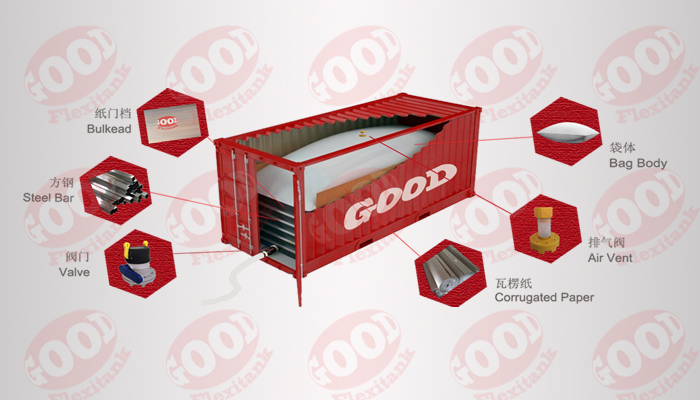
Table of Contents
What a Flexitank Is
A flexitank is a large, single-use bag that turns a standard 20 ft shipping container into a liquid tank. It holds about 16,000 to 24,000 litres, which for palm oil means roughly 20 to 22 metric tons. The bag is made of several layers of food-grade polyethylene inside a tough woven polypropylene outer layer.
A steel or timber bulkhead sits behind the container doors to hold the load in. The bag has a valve, usually a 3 inch butterfly or ball valve, for filling and discharge. For palm products, the flexitank also has a heating pad under the bag, which is the key to the whole job. More about the container itself is in this overview of the intermodal container.
If you’re still choosing between packaging types, read our comparison of flexitank vs ISO tank first.
Why Palm Oil Needs Heating
Palm oil is a blend of fats that melt at different temperatures. Its slip melting point is about 33 to 39 C. Below about 20 to 25 C it starts to thicken and set. Palm stearin is harder still, while palm olein stays liquid much lower. Our post on palm stearin vs palm olein explains why.
| Product | Slip melting point | Usually needs heating to discharge? |
|---|---|---|
| Crude palm oil (CPO) | 33 to 39 C | Yes, almost always |
| RBD palm oil | 33 to 39 C | Yes, almost always |
| RBD palm stearin | 44 to 56 C | Yes, always |
| Palm olein CP10 | About 24 C max | In cool weather |
| Palm olein CP8 | About 22 C max | Only in cold weather |
This is why knowing how to unload palm oil from flexitank is really about knowing how to heat it. The science behind the solid fat is in our post why does palm oil solidify.
Heating Pad Types
There are two main types of heating pad fitted under palm oil flexitanks.
- Water or steam heating pads: a mat of tubes under the bag. You connect a boiler or hot water unit with hoses, and hot water flows through the pad and back out. This is the most common system for palm oil.
- Electric heating pads: a heating mat plugged into a power supply, usually 220 V or 380 V, with a thermostat. Handy where you have power but no boiler.
Tell us which you have on site when you place the order, so we fit the right pad. If you don’t specify, ask your supplier before the container ships. Finding out at the port that you have a water pad and no boiler is a very expensive surprise.
What You Need Before the Container Arrives
Good preparation makes how to unload palm oil from flexitank a routine job instead of an emergency. Have these ready:
- A level, firm spot to park the container, with room to open the doors and connect hoses.
- A hot water boiler or steam supply (for water pads) or a suitable power socket (for electric pads).
- Heat-resistant hoses and connectors that match the pad inlets.
- A thermometer or temperature probe long enough to reach into the oil.
- A discharge hose, usually 3 inch, with a fitting that matches the flexitank valve. Ask us which fitting we use.
- A pump: a positive displacement or food-grade centrifugal pump suited to warm, viscous oil.
- Clean, dry receiving tanks, ideally heated, sized for the full load.
- Sample bottles and labels.
- Gloves, safety boots and eye protection for the crew.
You’ll also want the shipping documents on hand, including the certificate of analysis, packing list and bill of lading. Our list of documents required to import vegetable oil covers the full set.
Step by Step: How to Unload Palm Oil From Flexitank
Step 1: Inspect the container on arrival
The first rule of how to unload palm oil from flexitank is to check before you touch anything. Walk round the container. Check the seal number against the bill of lading. Look for oil on the floor or leaking from the door seals. Check that the bulkhead behind the doors isn’t bulging badly. Take photos. If you see a problem, note it on the delivery receipt and tell the shipping line and your supplier straight away.
Step 2: Open the doors carefully
Open the right hand door first. Every guide on how to unload palm oil from flexitank says the same thing about the bulkhead: it stays in place. Never remove the bulkhead or the barrier boards while the bag is full, because the bag will push the doors and anyone standing there. Locate the valve, the heating pad inlet and outlet, and any sampling point.
Step 3: Check the oil temperature
Temperature decides how to unload palm oil from flexitank on the day. Measure it through the sampling point or at the valve. If the oil is already above about 40 C and liquid, you may be able to discharge straight away. Most of the time in cooler months, it’ll be solid or half solid, and you’ll need to heat.
Step 4: Connect and start heating
For water pads, connect the boiler supply to the pad inlet and the return hose to the outlet. Start with water at about 60 to 70 C, then raise it slowly. For electric pads, plug in and set the thermostat as advised by the flexitank maker. Don’t blast the oil with very hot steam right away. This gentle approach is the safest answer to how to unload palm oil from flexitank without damage. Gentle, steady heat melts palm oil evenly and protects the bag.
Step 5: Monitor the temperature
Check the oil temperature every few hours. Most problems with how to unload palm oil from flexitank start with someone guessing the temperature instead of measuring it. Aim for the following discharge temperatures:
| Product | Target oil temperature for discharge | Don’t exceed |
|---|---|---|
| Crude palm oil | 45 to 55 C | About 60 C |
| RBD palm oil | 45 to 55 C | About 60 C |
| RBD palm stearin | 55 to 65 C | About 70 C |
| Palm olein CP10 / CP8 | 30 to 40 C | About 50 C |
Overheating speeds up oxidation, darkens the oil and raises free fatty acid in crude oil. It can also weaken the bag. Patience pays here.
Step 6: Allow enough time
How long does it take? Timing is the part of how to unload palm oil from flexitank that buyers most often underestimate. It depends on the weather, the product and the heating system. As a rough guide, a 20 ton flexitank of crude palm oil heated with a good water system takes about 24 to 48 hours to fully melt. In cold winters, or with weak boilers, it can take 72 hours or more. Palm olein in mild weather may need only a few hours. Plan your receiving schedule around this.
Step 7: Take samples
Sampling is a step people skip when learning how to unload palm oil from flexitank, but it matters. Once the oil is fully liquid and mixed, take samples from the valve after running off a little oil to clear the line. Seal and label them with the container number, date and time. Keep one set, send one to your lab, and keep one for any dispute. Check free fatty acid, moisture and impurities against the certificate of analysis. Our certificate of analysis guide shows what to compare.
Step 8: Connect the discharge hose and pump
Connect your hose to the flexitank valve and to the pump inlet. Make sure every joint is tight and the receiving tank valve is open. Keep hoses short and avoid kinks. In cold weather, warm or insulate the hoses, because palm oil can set inside a cold hose and block it.
Step 9: Open the valve and pump
Open the flexitank valve slowly and start the pump. A typical discharge rate is around 15 to 30 cubic metres per hour, so a full flexitank often empties in one to two hours once the oil is warm. Keep the heating on during discharge in cold weather so the last part of the load doesn’t set.
Step 10: Drain the last oil
As the bag empties, flow slows down. Lift or roll the bag gently from the front of the container towards the valve to push the last oil out. Some sites raise the front of the container slightly to help drainage. A well drained flexitank leaves very little behind, usually well under 0.5% of the load.
Step 11: Close up and dispose of the bag
The last part of how to unload palm oil from flexitank is the clean-up. Close the valve, disconnect hoses and the heating system, and remove the bulkhead only when the bag is empty. Flexitanks are single-use. Dispose of the empty bag through a local waste or recycling contractor, following your local rules. Sweep and clean the container before you return it to the shipping line, or you may get a cleaning charge.
How to Unload Palm Oil From Flexitank in Hot Climates
In tropical ports, the job is much easier. Containers often arrive with the oil already soft or liquid after sitting in the sun. In that case, how to unload palm oil from flexitank comes down to checking the temperature, taking samples and pumping. You may still need a few hours of heating in the morning, when the oil near the floor of the container is cooler than the top.
One warning for hot places: don’t leave a container of palm oil standing in full sun for days. Heat from outside plus heat from the pad can push the oil above 60 C at the top while the bottom stays cool, and that uneven heating isn’t good for quality. Discharge promptly once the oil is ready.
How to Unload Palm Oil From Flexitank Without a Boiler
Not every buyer has a boiler on site, especially a first-time importer. You have a few options:
- Ask for an electric heating pad and make sure you have a suitable power supply at the yard.
- Hire a mobile hot water unit for a couple of days. Many port service companies rent them out.
- Use a nearby refinery, tank terminal or bonded warehouse that offers flexitank heating and discharge as a service.
- Buy palm olein instead of palm oil if your use allows it, since olein often needs little or no heating.
Whichever route you take, sort it out before the ship arrives. Planning how to unload palm oil from flexitank only after the container lands is how buyers end up paying a week of demurrage.
Training Your Team
The first discharge is the hardest. After that, it’s routine. We suggest you write a one-page site procedure with your own photos, valve types and hose sizes, and walk your crew through it before the first container arrives. Cover who connects the heating, who checks temperatures, who signs off the samples and who calls the supplier if something looks wrong.
If it helps, we’re happy to join a video call with your team the week before arrival and go through how to unload palm oil from flexitank using the actual bag and fittings we’ll ship. Many first-time customers take us up on this, and it saves them a lot of stress.
A Real Delivery Example
One of our customers, a soap and bakery fat maker, received two flexitanks of RBD palm oil in the middle of a cool winter. The oil arrived at around 18 C, fully set. They connected a rented hot water unit at 65 C to both pads in the afternoon, raised it to 75 C that evening, and checked temperatures every four hours.
By the next afternoon, the oil at the valve read 42 C but the front of the bag was still soft. They waited another twelve hours. At 50 C throughout, they sampled, connected a 3 inch hose to a gear pump, and emptied each flexitank in about 75 minutes, with only a few litres left behind after rolling the bag. Total time from arrival to empty: about 40 hours per container. Their own verdict on how to unload palm oil from flexitank was that the waiting was the hard part, and the pumping was easy.
Safety Points
When you plan how to unload palm oil from flexitank, keep the crew safe:
- Hot water and steam burn. Check hoses and fittings before you start.
- Warm palm oil makes floors extremely slippery. Use absorbent and clean spills at once.
- Never stand in front of the doors when opening a loaded container.
- Never cut a full or warm bag to speed things up.
- Don’t climb onto the bag.
- Keep electrical heating equipment dry and properly earthed.
- Follow the safety data sheet for the product.
Common Mistakes
We’ve seen most of these mistakes on customers’ first deliveries, while they were still learning how to unload palm oil from flexitank:
- No heating source ready when the container arrives, so it sits racking up demurrage.
- Wrong hose fitting, so the crew can’t connect to the valve.
- Heating too fast with steam, scorching the oil near the pad while the top stays solid.
- Pumping before the oil is fully melted, which strains the pump and leaves solid fat in the bag.
- Cold hoses that block halfway through.
- Skipping samples, then having no evidence if there’s a quality question later.
- Leaving the heating on with no one watching overnight.
All of these are cheap to avoid with a short checklist. If you’d like ours, just ask.
Planning for Cold Seasons
Seasons change how to unload palm oil from flexitank. If you import palm oil into a region with cool winters, plan the grade and the timing together. Many buyers switch from CP10 to CP8 palm olein in winter, or ask us to load crude palm oil at a higher temperature so it holds heat longer in transit. Our post on CP8 vs CP10 palm oil explains the seasonal switch.
You can also ask your forwarder to deliver the container straight to your site rather than holding it at a cold port yard. Every day it sits in the cold adds to your heating time.
Receiving Tanks and Storage
Once you know how to unload palm oil from flexitank, think about where it goes next. Palm oil should be stored in clean, dry tanks, ideally stainless steel or coated mild steel, with gentle heating coils to keep it just above its melting point when needed. Don’t keep it hot all the time. Heat it only before use or transfer. Our guide on refined palm oil storage and handling covers tank temperatures and how long you can store each grade.
Costs to Budget For
When you budget for how to unload palm oil from flexitank, remember the costs buyers forget:
- Boiler hire or fuel, if you don’t have your own.
- Labour for heating, monitoring and discharge.
- Demurrage and detention if the container is held too long.
- Disposal of the used bag.
- Lab testing of samples.
These are small next to the cargo value, but they add up across many containers. Our post on CIF vs FOB vegetable oil explains which costs sit with the buyer and which with the seller.
Flexitank Capacity for Palm Products
| Product | Typical load per 20 ft flexitank |
|---|---|
| Crude palm oil | 20 to 22 MT |
| RBD palm oil | 20 to 22 MT |
| Palm olein CP10 / CP8 | 20 to 22 MT |
| Palm stearin | 20 to 21 MT |
The exact load depends on the flexitank size and road weight limits at your end, and the same steps on how to unload palm oil from flexitank apply whatever the load. If you only need a few tons, see minimum order quantity for bulk cooking oil. For packed oil options, see how much cooking oil fits in a 20ft container.
Our Palm Oil in Flexitanks
Knowing how to unload palm oil from flexitank is half the job. The other half is a supplier who packs it right. We ship palm oil products in flexitanks with heating pads fitted as standard for palm grades, worldwide. All lots are made under ISO 22000, HACCP and GMP, halal certified, and come with a certificate of analysis.
- Crude palm oil (CPO): for refiners, soap makers and industrial users.
- RBD palm oil: for food factories, bakery fats and soap.
- Refined palm olein CP10: for frying and cooking oil, warm climates.
- Refined palm olein CP8: clearer in cooler weather.
- RBD palm stearin: on request.
Specifications
| Parameter | Crude palm oil | RBD palm oil | Palm olein CP10 | Palm olein CP8 |
|---|---|---|---|---|
| Free fatty acid (as palmitic) | 5.0% max | 0.1% max | 0.1% max | 0.1% max |
| Moisture and impurities | 0.5% max | 0.1% max | 0.1% max | 0.1% max |
| Iodine value (Wijs) | 50 to 55 | 50 to 55 | 56 min | 58 min |
| Slip melting point | 33 to 39 C | 33 to 39 C | 24 C max | 22 C max |
| Cloud point | Not applicable | Not applicable | 10 C max | 8 C max |
| Peroxide value at loading | Not applicable | 2.0 meq/kg max | 2.0 meq/kg max | 2.0 meq/kg max |
| Colour (Lovibond 5.25 inch) | Orange-red | 3.0 red max | 3.0 red max | 3.0 red max |
| DOBI | 2.3 min | Not applicable | Not applicable | Not applicable |
More detail is in our crude palm oil specification and refined palm oil quality standards guides. If you sell to halal markets, see halal certified palm oil supplier.
Packing options
- Flexitanks with water or electric heating pads.
- ISO tanks for repeat bulk customers.
- 190 kg drums.
- 18 L and 20 L jerrycans and tins for palm olein.
- 1 L to 5 L PET bottles for retail palm olein, including private label.
FAQs on How to Unload Palm Oil From Flexitank
How long does it take to heat palm oil in a flexitank?
Usually 24 to 48 hours for crude or RBD palm oil with a good water heating system. Cold weather or weak heating can push it past 72 hours.
What temperature should palm oil be for discharge?
About 45 to 55 C for crude and RBD palm oil, 55 to 65 C for stearin, and 30 to 40 C for palm olein.
Can I unload palm olein without heating?
Often yes in warm weather. In cool weather, CP10 olein may cloud or thicken and need light heating.
Is the heating pad included?
For palm oil grades, we fit a heating pad as standard. Tell us whether you need a water or electric pad.
What pump should I use?
A positive displacement pump or a food-grade centrifugal pump that handles warm, viscous oil. Match the inlet to the flexitank valve, usually 3 inch.
Order Palm Oil in Flexitanks
Now that you know how to unload palm oil from flexitank, tell us the grade, quantity, your destination port and the heating system you have on site. We’ll quote with full specifications and send our discharge checklist with the shipping documents. Email info@dthcompanyltd.com, WhatsApp +66 91 765 9104, or use our contact page. You can also read general background on palm oil, or browse our full product range.






15 thoughts on “How to Unload Palm Oil From Flexitank: 11 Easy Steps”