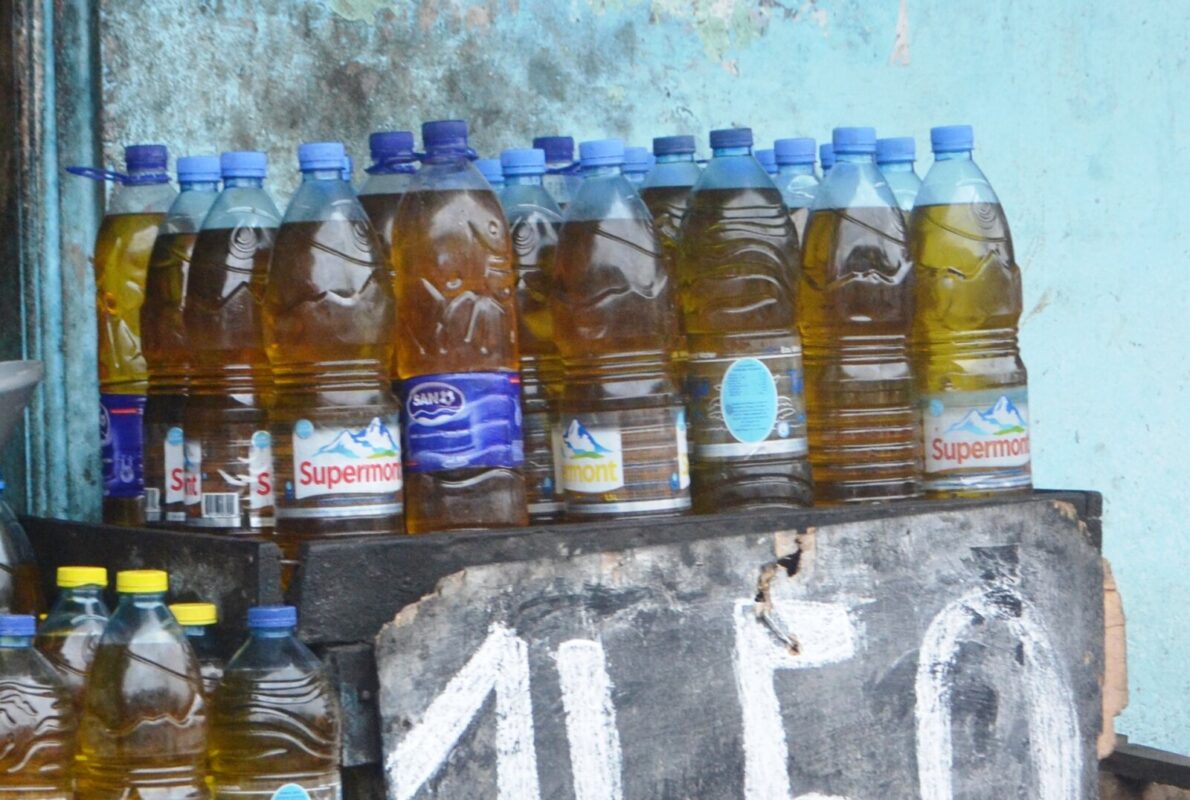
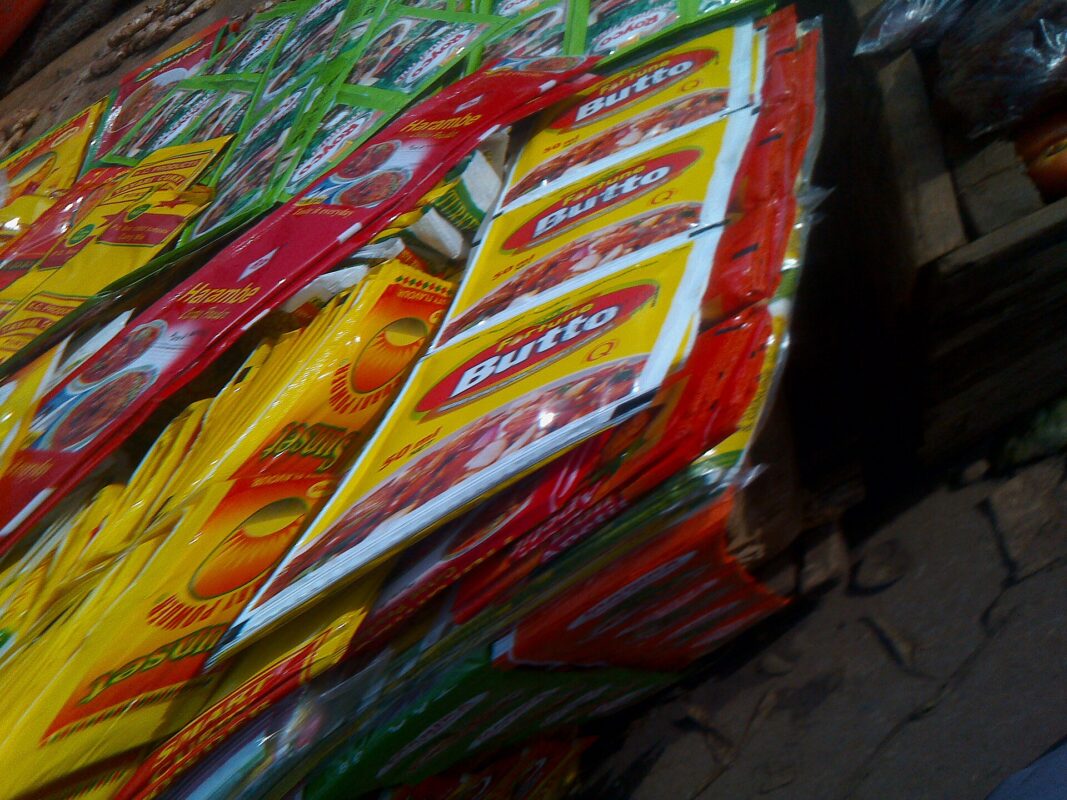
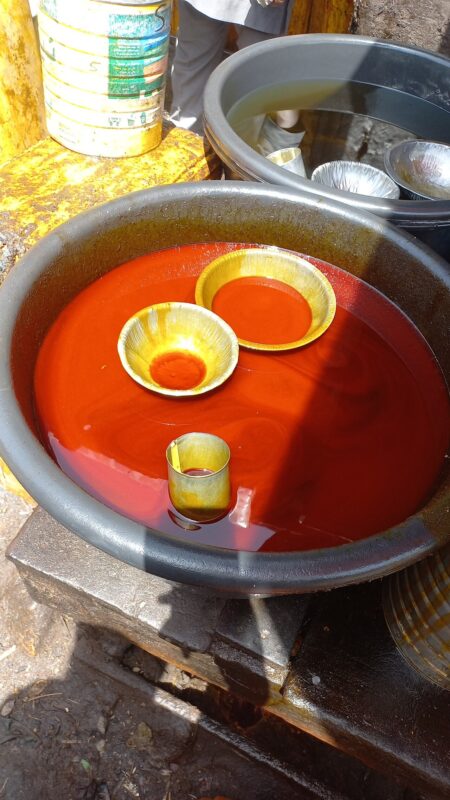
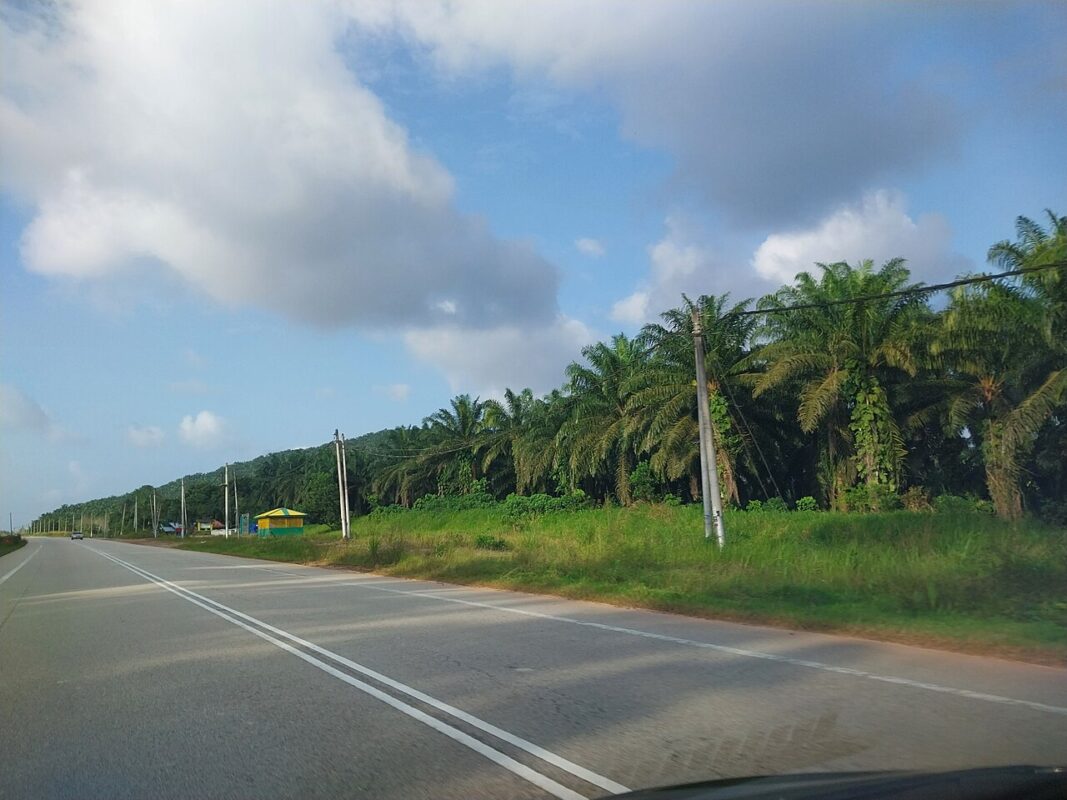
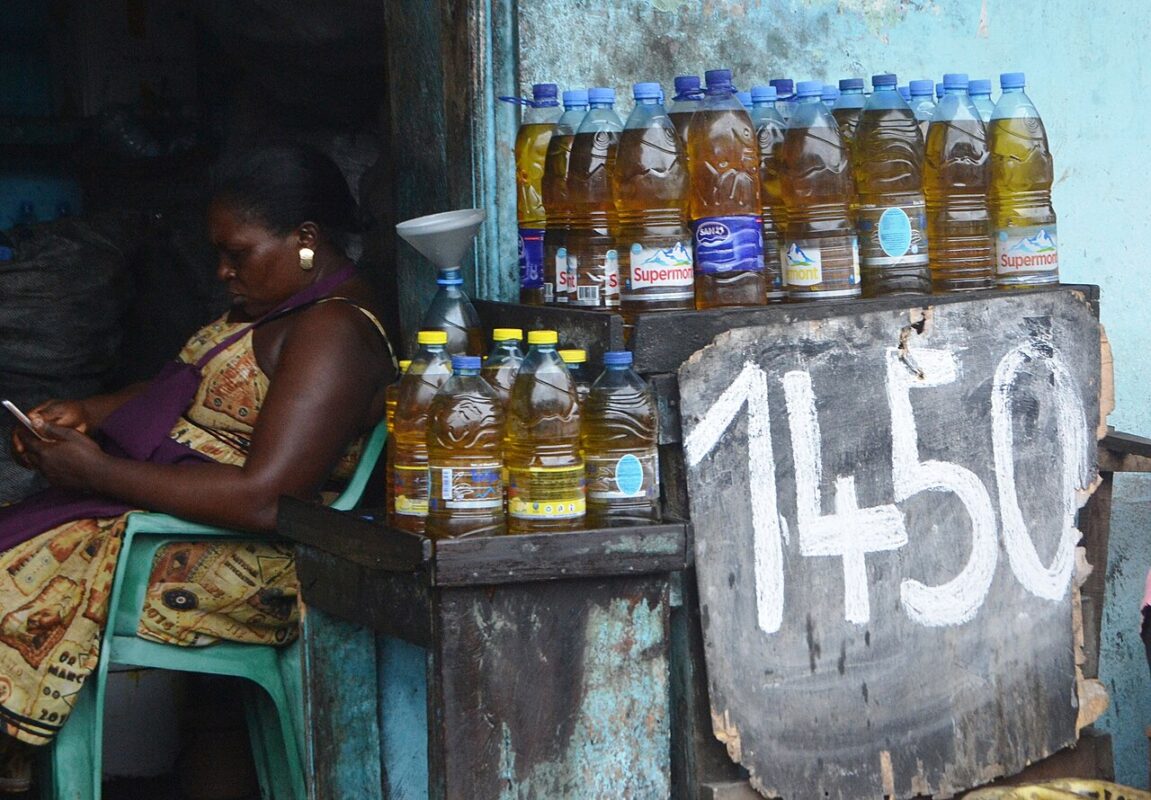
Africa is one of the biggest palm oil markets in the world. West Africa grows some of its own, but nowhere near enough for the cities, and East and Southern Africa import almost all of theirs. A 20 litre jerrycan of palm olein is a staple in markets from Lagos to Nairobi. For importers, that means steady demand. It also means a lot of sellers, not all of them real. If you’re looking for a palm oil exporter to Africa that ships the oil it promises, with paperwork your regulator will accept, this page is for you.
We’re a Thailand-based exporter of edible oils. We ship RBD palm olein CP8 and CP10, RBD palm oil and crude palm oil CP0 to importers, distributors, packers and food factories across Africa and the rest of the world. Below: what we sell, the specs, packing for African markets, ports and transit, regulations, pricing and payment, and how ordering works.
Table of Contents
What a Palm Oil Exporter to Africa Should Supply
| Product | Typical use in Africa |
|---|---|
| RBD palm olein CP10 | Everyday cooking and frying oil, the biggest seller |
| RBD palm olein CP8 | Clear bottled oil, highland and cooler areas |
| RBD palm oil | Bakeries, biscuit factories, margarine |
| Crude palm oil CP0 | Local refineries, soap and detergent makers |
Most buyers who use us as their palm oil exporter to Africa take CP10. It’s cheap, handles heat well and suits warm climates. In highland cities like Nairobi, Addis Ababa or Johannesburg in winter, CP8 stays clear in the bottle when CP10 starts to cloud, which matters on a supermarket shelf. A good palm oil exporter to Africa will help you pick the right grade for each market, not just sell you whatever is on offer.
Specification: RBD Palm Olein
| Parameter | CP8 | CP10 |
|---|---|---|
| Cloud point | 8 °C max | 10 °C max |
| Iodine value (Wijs) | 58 min | 56 min |
| Free fatty acid (as palmitic) | 0.1% max | 0.1% max |
| Moisture and impurities | 0.1% max | 0.1% max |
| Peroxide value at loading | 2.0 meq/kg max | 2.0 meq/kg max |
| Colour (Lovibond 5¼ inch) | 3.0 red max | 3.0 red max |
| Slip melting point | 22 °C max | 24 °C max |
| Odour and taste | Neutral | Neutral |
Specification: Crude Palm Oil CP0
| Parameter | Typical |
|---|---|
| Appearance | Reddish orange, viscous |
| Free fatty acid (as palmitic) | About 3 to 5% |
| Moisture and impurities | 1.0% max |
| Peroxide value | 15 meq/kg max |
| Iodine value (Wijs) | 50 to 55 |
| Melting point | 33 to 39 °C |
As a palm oil exporter to Africa we ship every lot with a certificate of analysis. Test methods follow industry standards such as AOCS, and the fatty acid profile follows the Codex Alimentarius standard for named vegetable oils. If your country’s standard sets different limits, send it to us and we’ll quote to it.
Packing That Suits African Markets
- Flexitanks of about 20 to 22 tons in a 20ft container, for buyers who pack locally
- 20 and 25 litre jerrycans, the classic market pack
- 18 litre tins
- 1, 2, 3 and 5 litre PET bottles for supermarkets
- 500 ml and 1 litre bottles and sachets for low-price retail
- 180 to 200 kg drums for factories
- Your own brand, with English, French, Portuguese, Swahili or Arabic text
In many African markets the jerrycan is still king. It’s what traders know, it stacks well and it survives rough roads. Bottles are growing fast in supermarkets. Sachets reach shoppers who buy a day’s oil at a time. As a palm oil exporter to Africa we pack all of these, and we can mix them in one container. See PET bottle vs jerrycan and private label palm oil.
Ports and Transit Times
As a palm oil exporter to Africa, we load in Thailand and ship to ports right around the continent.
| Region | Main ports | Approx. transit |
|---|---|---|
| East Africa | Mombasa, Dar es Salaam, Djibouti, Berbera | 3 to 5 weeks |
| Southern Africa | Durban, Maputo, Beira, Walvis Bay | 3 to 5 weeks |
| West Africa | Lagos, Tema, Abidjan, Lomé, Cotonou, Dakar | 4 to 6 weeks |
| Central Africa | Douala, Pointe-Noire, Luanda, Matadi | 5 to 7 weeks |
| North Africa | Alexandria, Casablanca, Tunis | 4 to 6 weeks |
Transit depends on the line and transhipment, and some West African ports have congestion that adds days. We always check before you sign. For landlocked countries such as Uganda, Rwanda, Zambia, Malawi, Burkina Faso or Mali, cargo usually discharges at a coastal port and moves inland by road or rail. Tell us the final destination, not just the port, and we’ll suggest packing that survives the trip.
A 20ft container holds about 20 to 22 tons in flexitank, or roughly 900 to 1,000 jerrycans of 20 litres depending on the jerrycan. See how much oil fits in a 20ft container.
Regulations and Standards in African Markets
Every country sets its own rules, and they change, so always check the current requirements with your clearing agent or the regulator before each new product. What usually comes up when you work with a palm oil exporter to Africa:
- Product registration with the national food regulator, such as NAFDAC in Nigeria or the food and drugs authority in Ghana
- Conformity to national standards, often checked through a pre-shipment verification programme, for example under the Kenya Bureau of Standards
- Vitamin A fortification of edible oil, which is required in a number of African countries
- Labelling in the official language, with importer details and dates
- Halal certification for many markets
- Certificate of origin, health certificate and certificate of analysis
If your country requires fortified oil, tell us at the start and we’ll confirm in writing what we can supply. If a pre-shipment inspection certificate is needed, we’ll arrange the inspection with the appointed agency before loading. A palm oil exporter to Africa who doesn’t ask about these rules before quoting probably hasn’t shipped to your country before.
How the Price Works
Like any honest palm oil exporter to Africa, we don’t publish a price list, because palm oil prices move every week. What moves the price you’ll be quoted:
- World palm oil prices and export policy in Indonesia and Malaysia
- Grade: CP8 usually costs a little more than CP10
- Packing: flexitank cheapest, jerrycans and bottles more
- FOB, CFR or CIF your port
- Freight, which to West and Central Africa can be a big share of landed cost
- Currency moves
- Volume and how regularly you buy
Always compare offers on the same grade, packing and Incoterm. Delivery terms follow the ICC Incoterms rules. For more on what moves palm prices, see palm oil wholesale price factors and RBD palm olein CP10 bulk price.
Payment Terms and Foreign Exchange
New buyers usually pay a deposit by bank transfer with the balance against copy documents, or open a letter of credit at sight from a recognised bank. In some African markets, getting foreign currency released by the bank can take time. That’s not a reason to avoid trading, but it means payment timing needs planning. Tell us at the start if your FX may be slow, and we’ll plan loading around when funds are likely to be ready. Repeat buyers can discuss other terms. See letter of credit vs TT.
African importers are targeted by fake palm oil sellers more than almost anyone. If an offer is far below the market and the seller wants full payment before shipping, don’t send money. Read how to spot a fake vegetable oil supplier.
Documents
- Commercial invoice and packing list
- Bill of lading
- Certificate of origin
- Certificate of analysis
- Health certificate
- Halal certificate
- Non-GMO declaration
- Pre-shipment inspection or conformity certificate where required
- Independent quality and quantity inspection on request, for example by SGS
The full list is in documents required to import vegetable oil.
How an Order Works
- You send grade, quantity, packing, port, final destination and terms.
- We send a dated offer and samples if you want them.
- You test the samples and check them against your national standard.
- We sign a contract with the spec, packing and labelling written in.
- Deposit or letter of credit is arranged.
- We pack, test and arrange any pre-shipment inspection.
- We load and send documents to you or your bank.
Plain packing usually loads two to four weeks after contract. Printed bottles and jerrycans with your brand take longer on the first order.
8 Proven Tips When Choosing a Palm Oil Exporter to Africa
1. Check the company before anything else
Registration, export licence, references and a video call of the warehouse. A real palm oil exporter to Africa will be happy to show you.
2. Get the regulatory paperwork straight first
Product registration, standards, fortification, pre-shipment inspection. Sort these before you fix a price.
3. Pick the right grade for each market
CP10 for hot lowlands, CP8 for clear bottles in cooler cities.
4. Choose packing for the whole journey
Strong jerrycans for long roads inland. Flexitank only if you can receive and pack it.
5. Plan FX before you sign
Know when your bank can release funds and agree loading around it.
6. Compare landed cost
Freight, port charges, duty and inland trucking can outweigh small price differences.
7. Use independent inspection
For bigger orders, an inspector at loading protects both sides.
8. Start with one container
Test the whole chain once, from our warehouse to yours, then build a programme.
Mistakes We See
The biggest is paying a fake seller. Every year we hear from buyers who sent a deposit to a company that never existed. The second is shipping before the product is registered or the conformity certificate is ready, which leaves the container stuck at the port while charges pile up. The third is choosing thin jerrycans to save a little, then losing oil to leaks on the road. The fourth is buying CP10 for a cool highland market and getting complaints about cloudy oil. A careful palm oil exporter to Africa will flag all of these before you order.
Who Buys Palm Oil in Africa
- Importers and wholesale distributors in port cities
- Packers who bottle and jerrycan under their own brand
- Supermarket chains with private label oil
- Instant noodle, biscuit and snack factories
- Bakeries and margarine makers
- Soap and detergent factories, often buying CP0 or stearin
- Restaurant groups, hotels and caterers
- Relief agencies and government buyers
The instant noodle industry deserves a mention. It has grown fast in Nigeria, Ghana, Kenya and elsewhere, and noodle frying uses a lot of palm olein. Factories want consistent oil with low peroxide and good frying life. See refined palm oil in the food industry.
Regional Notes
West Africa has a long tradition of red palm oil from local crops, but the cities rely heavily on imported refined olein for everyday cooking. Jerrycans and sachets are very common. We cover the region in more detail in vegetable oil supplier West Africa.
East Africa imports almost all its palm oil. Mombasa and Dar es Salaam are the main gateways, with oil moving on to Uganda, Rwanda, Burundi, South Sudan and eastern Congo. Bottled oil in supermarkets is growing quickly.
Southern Africa mixes palm oil with sunflower oil, which is popular in South Africa and its neighbours. Palm olein is used heavily in food service and industry.
The Horn of Africa and the Red Sea coast buy a lot of olein through Djibouti and Berbera, often in jerrycans, for onward trade.
A palm oil exporter to Africa that understands these differences can save you money just by suggesting the right grade and packing for each route.
Our Quality Control
As a palm oil exporter to Africa, we test every lot before packing for free fatty acid, moisture, peroxide value, colour, cloud point, odour and taste. Jerrycans, bottles and flexitanks are checked before filling, and we keep a retained sample from each shipment so we can test the same oil again if a question comes up after arrival. We work under ISO 22000, HACCP, GMP and halal certification. See refined palm oil quality standards and halal certified palm oil supplier.
Storage in Hot Climates
- Keep oil out of direct sun, it speeds up rancidity
- Store in a shaded, ventilated warehouse
- Keep containers closed
- Away from fuel, chemicals and strong smells
- First in, first out
- If the oil goes solid in cool months, warm it gently
Stored well, refined palm olein keeps 12 to 18 months. In a hot tin shed in full sun it goes off much faster. More in refined palm oil storage and handling.
Why Buy From a Thai Palm Oil Exporter to Africa
Most buyers think of Indonesia and Malaysia first. They’re the biggest producers and a lot of oil comes from there. But having a palm oil exporter to Africa outside those two gives you something useful: another source when export levies jump or supply tightens, and a supplier who’ll put several oils, such as palm, soybean and sunflower, in one shipment. Thailand also has a mature export system, with surveyors, flexitank installers and shipping lines used to edible oil cargo.
We don’t claim to be the cheapest palm oil exporter to Africa every single week. Nobody can promise that in a market this volatile. What we aim for is a fair price, the oil you were promised, and paperwork that clears your port.
Samples and Testing
We send samples by courier with the certificate of analysis for that lot. Check the colour, smell it straight from the bottle and fry with it for a few days. Compare it side by side with the oil you sell now. If your regulator or customer wants lab results, send a sample to an approved lab. Keep part of the approved sample as the reference for your contract. A palm oil exporter to Africa that refuses to send samples, or sends a sample that looks nothing like the shipment, is one to avoid.
Talking to Your Clearing Agent
Most delays at African ports come from documents that don’t match: the consignee name, the product description, the HS code, the weight. Before we load, send us your clearing agent’s contact and any document wording they need. We’ll send drafts for checking before the originals go out. As a palm oil exporter to Africa we’d much rather fix a spelling mistake in the office than have your container held for a week at the terminal. See palm oil HS code for the usual customs codes.
A Buyer Example
An importer in East Africa was buying CP10 in 20 litre jerrycans through a trader, with a few leaking on every shipment and no clear idea which refinery the oil came from. He came to us for one container of CP10 in heavier jerrycans with his own label, plus a small lot of 1 litre bottles for a supermarket customer in the capital. The jerrycans arrived intact, the bottles sold well, and on the next order we switched the bottles to CP8 so they stayed clear in the cool season. He now takes two containers a month. Nothing clever. Just a palm oil exporter to Africa that sent the same oil every time, in packing that survived the road.
Planning Steady Supply
With four to seven weeks of transit, plus port time and inland trucking, plan at least two months ahead. Demand rises before Ramadan, Eid, Christmas and other festivals, so book those shipments early. Agree a monthly volume and a price review rhythm with us, and we’ll plan packing and loading around your schedule. A palm oil exporter to Africa that knows your calendar can keep you supplied through the busy months.
What We Need to Quote
- Grade: CP8, CP10, RBD palm oil or CP0
- Quantity and number of containers
- Packing and pack size
- Destination port and final destination
- Shipment month
- Regulatory needs: registration, fortification, pre-shipment inspection
- Preferred payment terms
Frequently Asked Questions
Do you ship palm oil to every African country?
We ship to any African port with regular container service, and support onward delivery to landlocked countries through your forwarder.
What packing do African buyers use most?
20 and 25 litre jerrycans, followed by PET bottles and flexitanks.
Can you print our brand in French or Portuguese?
Yes, and in Swahili, Arabic or any other language you need.
Can you supply vitamin A fortified oil?
Tell us your country’s requirement and we’ll confirm in writing what we can supply.
What’s the minimum order?
One 20ft container. You can mix grades and packing.
Do you arrange pre-shipment inspection?
Yes, with the agency your country appoints.
Work With a Palm Oil Exporter to Africa You Can Trust
Send us your grade, quantity, packing and port. We’ll reply with a firm price, our full spec and an estimated loading date. You can also see our palm oil range, all products and about us, or read RBD palm olein supplier, CP8 vs CP10 palm oil and top palm oil exporting countries.
Email info@dthcompanyltd.com, call or WhatsApp +66 91 765 9104, or use our contact page.