

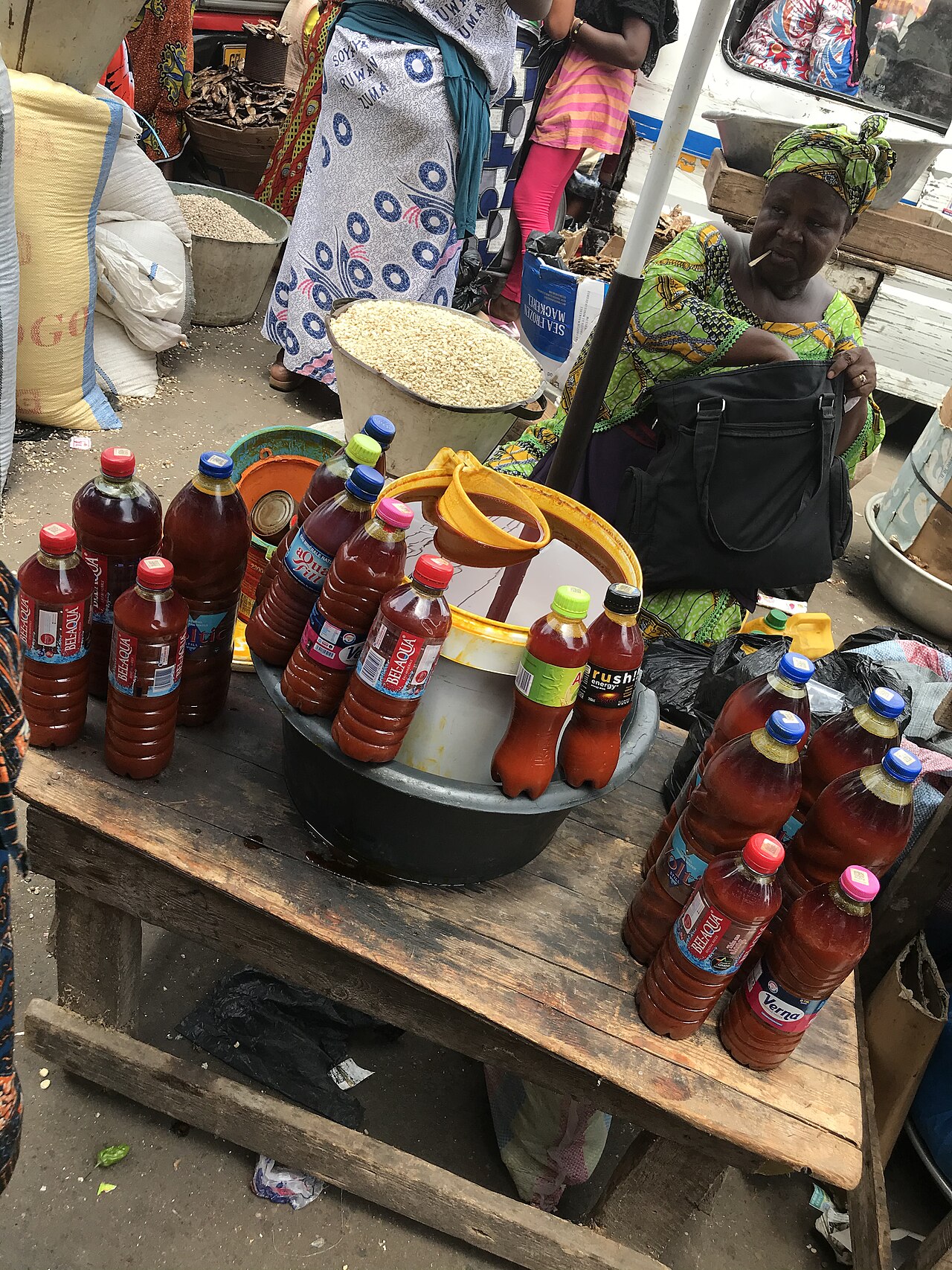
Finding a vegetable oil supplier West Africa buyers can actually rely on is harder than it should be. The demand is huge, the margins are tight, and the region gets more than its share of fake offers, short-weight containers and oil that doesn’t match the paperwork. Most importers we talk to have been burnt at least once before they reach us. That’s usually the moment they start asking harder questions of every vegetable oil supplier West Africa traders recommend.
We’re a vegetable oil supplier serving West Africa and many other regions. We ship refined and crude oils in bulk and in packed form to importers, wholesalers, refiners, bakeries, food factories and distributors along the coast and inland. This guide is what we’d tell a new buyer on the phone: which oils sell in the region, the specifications we guarantee, packing that works for local markets, the main ports and routes, the rules country by country, how pricing and payment work, and how to check any vegetable oil supplier West Africa importers are thinking of using, including us.
Table of Contents
What to Expect From a Vegetable Oil Supplier West Africa Buyers Trust
West Africa isn’t one market. A supermarket chain in Accra wants clear 1 litre bottles with a clean label. A wholesaler in Lomé wants 20 and 25 litre jerrycans that move fast to traders heading north. A refinery in Lagos wants crude palm oil by the shipload. A bakery in Dakar wants palm oil fractions or shortening that hold up in the heat. A serious vegetable oil supplier West Africa importers stick with can handle all of these, or at least tell you honestly which ones it can’t.
Here’s what we supply into the region:
- Refined palm olein (CP8 and CP10), the everyday frying oil across much of the coast.
- Refined soybean oil, popular in bottles and jerrycans.
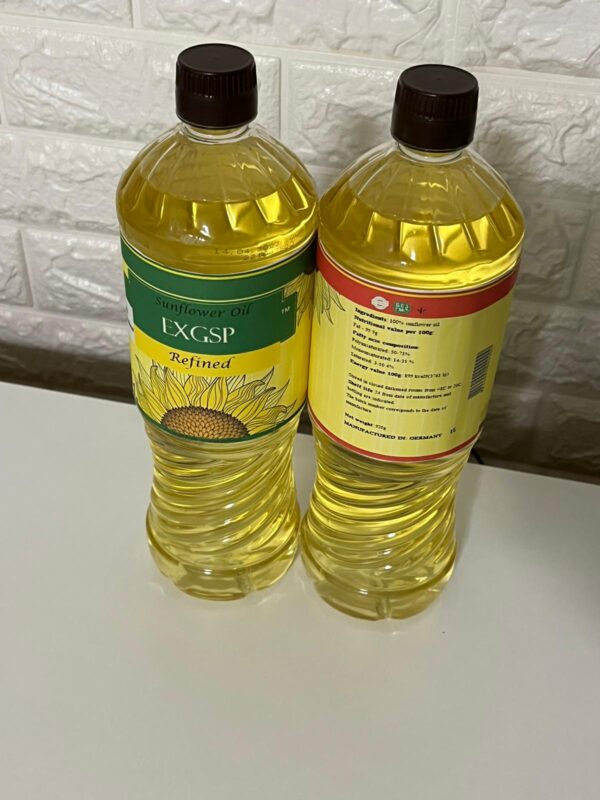
- Refined sunflower oil, a premium-feeling light oil for retail.
- Refined canola oil and refined corn oil for buyers who want something different on the shelf.
- Crude palm oil, crude degummed soybean oil and crude sunflower oil for local refineries.
- RBD coconut oil for bakeries, confectionery and cosmetics.
- Olive oil in bulk and bottles.
The Oils That Sell Best in West Africa
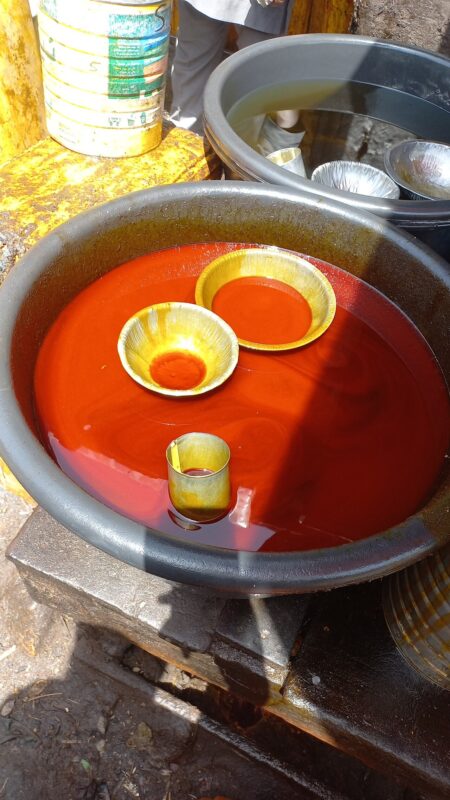
Palm oil is part of the food culture across much of the region, and it’s the first product buyers ask about when they look for a vegetable oil supplier West Africa can depend on. Refined palm olein is the main frying oil in many markets because it’s affordable and stable in hot kitchens. The difference between CP8 and CP10 comes down to the cloud point, which affects how clear the oil stays in cooler weather and air-conditioned shops. Our guide on CP8 vs CP10 palm oil explains which one to choose.
Soybean oil is the second big one, sold as a lighter, clearer “vegetable oil” in bottles. Sunflower oil sits at the top end of the retail shelf in many cities. Blends of palm olein with soybean or sunflower oil are common too, as long as they’re labelled honestly as blends. A good vegetable oil supplier West Africa importers rely on will never sell a blend as pure oil.
If you’re comparing oils for your market, these guides help: sunflower oil vs palm oil, palm oil vs soybean oil and the cooking oil smoke point chart.
Specifications We Guarantee
Any vegetable oil supplier West Africa importers trust should put the spec in the contract and let an independent surveyor check it at loading. These are our standard loading specs for the most popular refined oils:
| Parameter | RBD palm olein CP10 | Refined soybean oil | Refined sunflower oil |
|---|---|---|---|
| Free fatty acid (as palmitic or oleic) | 0.10% max | 0.10% max | 0.10% max |
| Peroxide value | 2.0 meq O2/kg max | 2.0 meq O2/kg max | 2.0 meq O2/kg max |
| Moisture and impurities | 0.10% max | 0.10% max | 0.10% max |
| Colour (Lovibond 5¼ inch) | 3.0 Red max | 2.0 Red max | 2.0 Red max |
| Iodine value | 56 min | 123 to 139 | 118 to 141 |
| Cloud point | 10 °C max | Not applicable | Not applicable |
| Cold test | Not applicable | 5.5 hours min at 0 °C | 5.5 hours min at 0 °C |
| Vitamin A fortification | On request | On request | On request |
For crude palm oil to refineries, we guarantee FFA 5% max, moisture and impurities 0.5% max and DOBI 2.3 min. Full details are in our crude palm oil specification guide. If any of these terms are new to you, our plain guide to free fatty acid and peroxide value explains what they mean. Ask any vegetable oil supplier West Africa buyers are comparing for the same numbers in writing.
Packing That Works in West African Markets
Getting the packing right matters as much as the oil, and it’s where an experienced vegetable oil supplier West Africa buyers trust can save you money. Here’s what moves best and what fits in a 20 foot container:
| Packing | Approximate net per 20 ft container | Best for |
|---|---|---|
| Flexitank | 20 to 22 metric tons | Refiners and bottlers |
| ISO tank | About 21 to 23 metric tons | Buyers with bulk tanks |
| Jerrycans 20 and 25 litre | About 17 to 19 metric tons | Wholesalers, open markets, caterers |
| PET bottles 1, 2, 3 and 5 litre | About 14 to 17 metric tons | Supermarkets, retail distributors |
| Tins 18 litre | About 16 to 17 metric tons | Long journeys inland, hot storage |
| Sachets and small pouches | On request | Low-price retail in markets |
| Steel drums 200 litre | About 15 to 16 metric tons | Bakeries and small factories |
Jerrycans are the workhorse for much of the region because traders split them and resell by the litre. Small bottles and sachets sell where shoppers buy day to day. As a vegetable oil supplier West Africa distributors use for their own brands, we do a lot of private label work. You send the artwork in English, French or Portuguese, and we print and fill. See our page on private label vegetable oil.
Main Ports and Routes
Working as a vegetable oil supplier West Africa wide, we send most of our cargo to these ports:
- Lagos (Apapa, Tin Can Island, Lekki), Nigeria: the biggest market, mainly crude oil for refineries under current rules.
- Tema, Ghana: a major entry point for refined and packed oil, with good onward links.
- Abidjan and San Pedro, Côte d’Ivoire: a large regional hub.
- Lomé, Togo: a deep-water transshipment port that feeds a lot of inland and Sahel trade.
- Cotonou, Benin: busy with re-export trade.
- Dakar, Senegal: the main gateway for Senegal, The Gambia and Mali.
- Conakry, Freetown and Monrovia: smaller but steady markets for packed oil.
Distance is the first thing any vegetable oil supplier West Africa buyers deal with has to plan around. Sea transit from Asian load ports to West Africa usually takes four to six weeks, depending on the route and transshipment. From the Black Sea or Mediterranean it can be shorter. A good vegetable oil supplier West Africa buyers can plan around will give you a realistic transit time and the shipping line before you sign, not after the oil has loaded.
Country Rules You Need to Know
Every country in the region has its own food authority and its own rules, and any vegetable oil supplier West Africa buyers use needs to know them. We’re not a regulator, and rules change, so confirm with your clearing agent and the local authority. But here’s the general picture we work with.
Nigeria
Nigeria bans the import of refined vegetable oils from outside ECOWAS. The revised prohibition list issued in April 2026 keeps that ban in place, with exceptions for crude vegetable oil, olive oil and a few others. So for Nigeria, we mainly supply crude oils to refiners and olive oil to registered importers. We cover the details in our guide to NAFDAC registration for imported vegetable oil.
Ghana
Packaged oil needs registration with the Ghana Food and Drugs Authority before it’s sold, and vegetable oil has to be fortified with vitamin A. Labels must be in English and show the usual details: product name, net content, batch, dates, manufacturer and importer.
Côte d’Ivoire, Senegal, Togo, Benin and other French-speaking markets
Labels are usually needed in French, and each country has its own standards body and import controls. Several of these markets also require vitamin A fortified oil. Your importer or clearing agent will know the current product registration rules. A vegetable oil supplier West Africa distributors work with often should know them too.
Trade blocs and duties
Members of ECOWAS apply a common external tariff to goods from outside the bloc, with refined oils usually in a higher band than crude oil. Rates and local levies vary, so get the full landed cost from your clearing agent before comparing offers from different suppliers. Price alone doesn’t make the best vegetable oil supplier West Africa importers can choose.
Is Local Supply Enough?
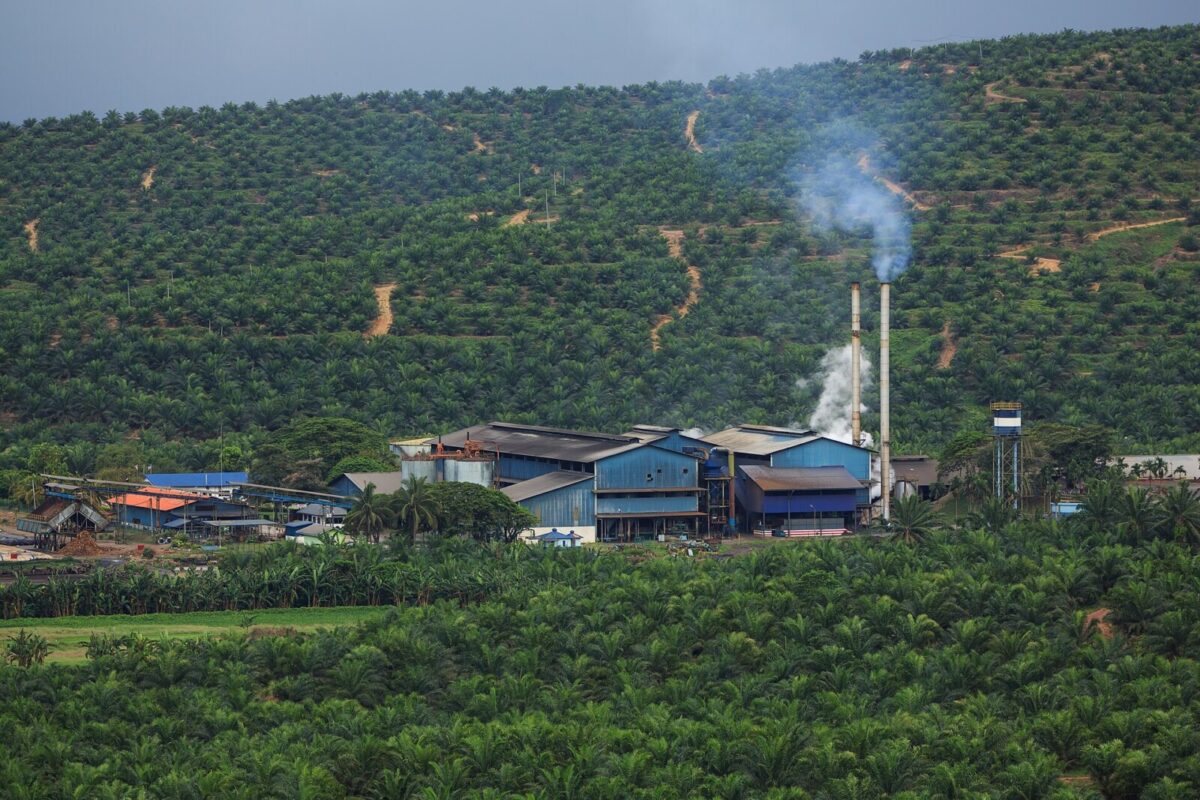
Some buyers ask why they should import at all when West Africa grows so much palm fruit. The short answer is that local production, especially of refined oil, still doesn’t cover demand in most countries, and many local refineries rely on imported crude oil to run at full capacity. Seed oils like soybean, sunflower and canola are hardly grown in the region at a commercial scale, so they come almost entirely from abroad.
That gap is why a dependable vegetable oil supplier West Africa importers can call on keeps shelves full when local supply runs short or prices jump after a poor harvest. Many of our customers buy local palm oil when it’s cheap and switch to imports when it isn’t, and a supplier who understands that pattern is easier to work with.
How Pricing Works
No honest vegetable oil supplier West Africa importers deal with will give you a fixed price for months ahead. Oil prices follow world markets, and they move every week. Here’s what goes into a quote from us:
- The world price of the oil itself, which follows palm, soybean and sunflower oil markets.
- Packing, from the cheapest (flexitank) to the most expensive (small bottles and sachets).
- Freight to your port, which can change a lot with the season and the route.
- Incoterm, whether FOB, CFR or CIF.
- Volume, since regular monthly buyers get better pricing than one-off orders.
Our quotes are normally firm for 48 to 72 hours. If you’re converting between tons and litres for your local pricing, how many litres in a ton of vegetable oil has the conversion figures.
Payment Terms
For first orders with us as your vegetable oil supplier West Africa partner, we work with a confirmed letter of credit at sight or a deposit with the balance against copy documents after inspection. Regular customers often move to simpler terms over time. What we don’t recommend, with us or with anyone else, is paying 100 percent upfront to a supplier you’ve never worked with. Our guide on letter of credit vs TT payment explains the trade-offs clearly.
How to Check Any Vegetable Oil Supplier West Africa Buyers Are Offered
West Africa is targeted a lot by fake oil sellers. They copy real company names, send stolen certificates and ask for “small” advance payments for things like insurance, licences or port fees. Before paying any vegetable oil supplier West Africa importers haven’t worked with, check these:
- Company details you can verify. A real registered company, a real address, a phone number that’s answered, a website that’s more than a few weeks old.
- A recent certificate of analysis from an actual shipment, with a lab name and date.
- Independent inspection. SGS, Intertek, Bureau Veritas or similar at the load port. See our page on pre-shipment inspection for edible oil.
- A proper contract with the spec, quantity tolerance, shipment period and payment terms.
- A price that makes sense. If it’s far below the market, something is wrong.
We go through the most common tricks in our guide on how to spot a fake vegetable oil supplier. Please read it even if you end up buying from us. A trustworthy vegetable oil supplier West Africa buyers can call won’t mind you checking.
A Typical Order With Our Vegetable Oil Supplier West Africa Desk
New buyers often ask what actually happens between the first message and the oil arriving. Here’s the usual flow when you work with us as your vegetable oil supplier West Africa partner:
- You send the basics. Oil type, packing, quantity, destination port and how often you’ll order. If you need vitamin A or private labels, say so at the start.
- We quote. Usually the same day, on FOB, CFR or CIF terms, with the spec and the offer validity.
- Contract and payment. We send a sales contract and pro forma invoice. You arrange the letter of credit or deposit.
- Labels and fortification. For private label orders, we send label proofs for your approval. This is the step that most often slows things down, so have your artwork and local registration details ready.
- Production and filling. Bulk orders usually take two to three weeks. Packed orders with new labels take three to four weeks.
- Inspection and loading. The surveyor draws samples, checks quality and quantity, and watches the loading. You get the report before the balance is due.
- Shipping and documents. We send copy documents as soon as the vessel sails and the originals by courier or through the bank.
- Arrival and clearance. Your clearing agent handles customs and the food authority check. We stay on hand to answer questions about the paperwork.
Keeping Oil in Good Condition in a Hot Climate
High temperatures are hard on cooking oil. A container sitting in the sun at a port can get very hot inside, and warehouses inland are often warmer still. Heat speeds up oxidation, which raises the peroxide value and shortens shelf life. For buyers in the region, a few habits make a big difference:
- Clear the cargo fast. Every extra day at the port in a hot steel box costs you shelf life as well as money.
- Store out of direct sun. Even a simple shaded, ventilated warehouse is much better than an open yard.
- Rotate stock. First in, first out. Don’t let old jerrycans sit at the back for months.
- Choose the right oil for the heat. Palm olein is naturally more stable than soybean or sunflower oil, which is one reason it dominates in hot markets.
- Think about light. Clear bottles look good but let light in. Tins and opaque jerrycans protect the oil better on long journeys inland.
Our guide on the shelf life of sunflower, soybean and canola oil explains the science, and why palm oil solidifies helps if your customers ask about cloudy palm oil in cooler months.
Common Mistakes West African Importers Make
We’ve worked with enough importers in the region to see the same few mistakes repeat. Avoiding them is often worth more than a small discount from a cheaper vegetable oil supplier West Africa traders hear about through word of mouth.
Buying the wrong grade for the season. CP8 palm olein stays clearer than CP10 when nights get cooler during the harmattan. If your customers judge oil by how clear it looks, that matters.
Choosing packing on price alone. Thin jerrycans crack on rough roads. Paying a little more for stronger packs saves you from leaking cartons and angry customers.
Ignoring the label rules. A container of perfect oil can sit at the port for weeks because the label is in the wrong language or misses the importer’s address.
Skipping the inspection to save money. The surveyor’s fee is small compared with the cost of a short-weight or off-spec container.
Not checking whether the oil is allowed in. This mainly applies to Nigeria, but rules elsewhere change too. Always check before you sign. Any experienced vegetable oil supplier West Africa importers use should flag this before you pay.
Documents With Every Shipment
When you buy from us as your vegetable oil supplier West Africa partner, you get a full set of shipping documents: commercial invoice, packing list, bill of lading, certificate of origin, certificate of analysis, inspection certificate for quality and quantity, health certificate where needed, and halal certificate on request. Our guide to the documents required to import vegetable oil explains what each one is for. Missing papers are the most common reason a vegetable oil supplier West Africa shipment sits at the port.
Why Buyers Choose Us as Their Vegetable Oil Supplier West Africa Partner
We won’t claim to be the biggest vegetable oil supplier West Africa has ever seen. We’re a focused trading and supply company with long-standing refinery partners, and our regular customers stay for practical reasons:
- The spec is written in the contract, and your surveyor can check it.
- We can fortify with vitamin A and print labels in English, French or Portuguese.
- One relationship covers many oils, so you can mix palm olein, soybean, sunflower and others across your orders.
- We answer on WhatsApp and email the same day, and we tell you early if a vessel is delayed.
- We give honest advice about what can and can’t go into each market.
We also supply buyers in East Africa. If that’s part of your trade, see our guide for cooking oil importers in Kenya. For corn oil specifically, our corn oil bulk supplier page has the full details.
Frequently Asked Questions
What is your minimum order for West Africa?
One 20 foot container, either a flexitank of 20 to 22 tons or a full load of jerrycans, bottles, tins or drums.
Can you ship refined oil to Nigeria?
Not from outside ECOWAS under the current prohibition list. We supply crude oils to Nigerian refiners and olive oil to registered importers.
Do you fortify oil with vitamin A?
Yes, on request, to the level your country requires, with the result shown on the certificate of analysis.
Can you print labels in French?
Yes. We print private label packs in English, French or Portuguese.
Which ports do you ship to?
All the main West African ports, including Tema, Abidjan, Lomé, Cotonou, Dakar, Lagos, Conakry, Freetown and Monrovia.
How long does shipping take?
Usually four to six weeks from Asia, depending on the route and any transshipment.
Get a Quote From Your Vegetable Oil Supplier West Africa Team
Tell us the oil, packing, quantity and port, and whether you need vitamin A fortification or private labels. We’ll send a price, the current specification and a recent certificate of analysis.
Email info@dthcompanyltd.com, WhatsApp +66 91 765 9104, or use our contact page. You can see our full product range or read about us.





2 thoughts on “Vegetable Oil Supplier West Africa: 8 Proven Tips for Safe Buying”