

Looking for a cooking oil supplier Philippines buyers can rely on month after month? The Philippines is an odd market for oil. It’s one of the world’s biggest coconut oil producers, yet much of the cooking oil in Filipino kitchens is palm olein shipped in from neighbouring countries. Prices swing with the palm market, the islands make distribution tricky, and the FDA paperwork has to be right before anything reaches a sari-sari store shelf. Choosing a cooking oil supplier Philippines buyers can trust makes all three easier.
We’re an edible oil exporter based in Southeast Asia, and we ship refined palm olein, coconut oil, soybean oil, sunflower oil and other oils to importers, distributors, food manufacturers and restaurant chains in the Philippines and around the world. This guide is what we’d tell a new Filipino buyer on the first call: what the market uses, the specs we guarantee, packing that suits local trade, the rules on fortification and registration, how pricing and duty work, and how to check any cooking oil supplier Philippines importers are thinking about using.
As always, we’re an oil supplier, not a regulator or customs broker. Check the latest rules with your broker and the FDA before you sign.
Table of Contents
What Filipino Buyers Need From a Cooking Oil Supplier Philippines Side
The Philippine market is really several markets at once:
- Retail and sari-sari stores sell oil in small bottles, pouches and refill packs. Many families buy just enough for a day or two.
- Food service covers the fried chicken chains, lechon kawali stalls, carinderias, bakeries and hotels that go through jerrycans and tins every week.
- Food manufacturers making snacks, noodles, canned goods and baked products buy in bulk.
- Repackers and brand owners import oil in flexitanks or drums and fill their own bottles.
A good cooking oil supplier Philippines buyers trust should be able to serve at least two or three of these, and should be honest about which ones it can’t.
The Oils That Sell in the Philippines
Palm olein is the workhorse, and it’s the first thing most buyers ask a cooking oil supplier Philippines side for. It’s affordable, stable in heat and good for deep frying, which suits Filipino cooking perfectly. Most of it comes from Indonesia and Malaysia, and smaller volumes from Thailand. Because the Philippines is warm most of the year, palm olein stays clear on most store shelves, though CP8 grade holds up better in the cooler highland areas and in air-conditioned malls. Our guide to CP8 vs CP10 palm oil explains the difference.
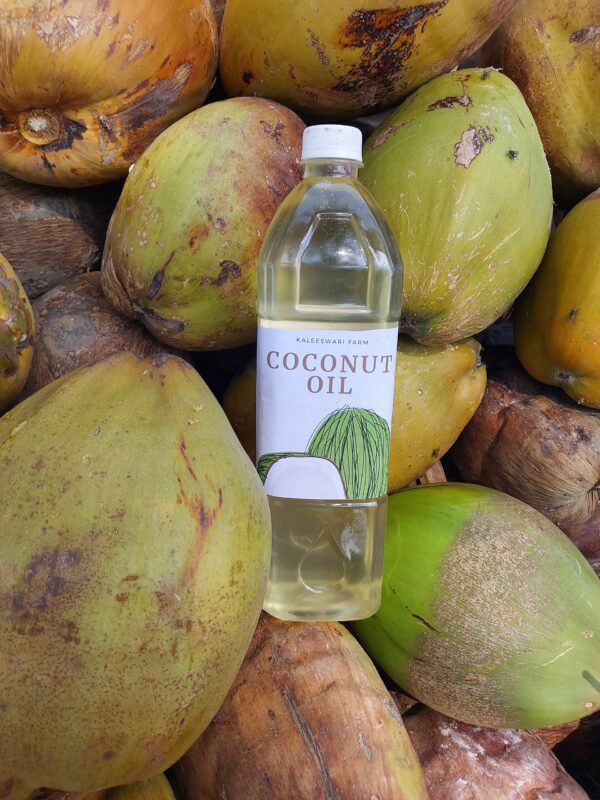
Coconut oil is the traditional oil and is produced locally in large volumes. Refined coconut oil is still widely used for cooking, while virgin coconut oil sells as a premium product. See RBD coconut oil vs virgin coconut oil and coconut oil vs palm oil.
Soybean, canola, sunflower and corn oil sit at the higher end of the shelf, sold as “healthier” or lighter oils in supermarkets. They’re almost entirely imported. Any cooking oil supplier Philippines supermarkets use for these oils ships them from abroad.
Blends of palm olein with soybean or coconut oil are common and must be labelled as blends. An honest cooking oil supplier Philippines packers work with will never sell a blend as pure oil.
When Coconut Oil Prices Jump
Coconut oil prices can move sharply after typhoons or dry spells hit the coconut-growing regions. When local coconut oil gets expensive, Filipino packers and food factories switch more of their blend to imported palm olein, and demand for imports rises fast. The opposite happens when coconut oil is cheap.
This swing is one reason buyers like to have a cooking oil supplier Philippines importers can call at short notice. If you know your coconut oil cost is about to rise, booking palm olein a few weeks ahead can protect your margin. We can also blend palm olein with coconut oil or soybean oil to your recipe before packing, so your product keeps the same taste and price point even when one oil gets expensive. Tell us the blend ratio you need and we’ll put it in the contract and on the certificate of analysis.
Specifications We Guarantee
These are the loading specs we write into our contracts for the oils Filipino buyers order most. Any cooking oil supplier Philippines importers work with should give you a table like this and let your surveyor check it.
| Parameter | RBD palm olein CP10 | RBD palm olein CP8 | RBD coconut oil | Refined soybean oil |
|---|---|---|---|---|
| Free fatty acid | 0.10% max (as palmitic) | 0.10% max (as palmitic) | 0.10% max (as lauric) | 0.10% max (as oleic) |
| Peroxide value | 2.0 meq O2/kg max | 2.0 meq O2/kg max | 1.0 meq O2/kg max | 2.0 meq O2/kg max |
| Moisture and impurities | 0.10% max | 0.10% max | 0.10% max | 0.10% max |
| Colour (Lovibond 5¼ inch) | 3.0 Red max | 3.0 Red max | 1.5 Red max | 2.0 Red max |
| Iodine value | 56 min | 60 min | 7 to 11 | 123 to 139 |
| Cloud point | 10 °C max | 8 °C max | Not applicable | Not applicable |
| Slip melting point | Not applicable | Not applicable | 23 to 26 °C | Not applicable |
| Vitamin A | Fortified on request | Fortified on request | Fortified on request | Fortified on request |
You can see our product pages for refined palm oil CP10, refined palm oil CP8, RBD coconut oil, refined soybean oil and refined sunflower oil. For the full detail on coconut oil grades, read our RBD coconut oil specification guide.
Packing for the Philippine Market
Packing matters more in the Philippines than in many markets, and it’s where an experienced cooking oil supplier Philippines buyers use can save you money. So much oil here is sold in small amounts through small shops spread across thousands of islands.
| Packing | Approximate net per 20 ft container | Typical buyer |
|---|---|---|
| Flexitank | 20 to 22 metric tons | Repackers, food manufacturers |
| ISO tank | About 21 to 23 metric tons | Buyers with tank storage |
| Steel drums 190 to 200 kg | About 15 to 16 metric tons | Bakeries, small factories |
| Tins 16 to 18 litre | About 16 to 17 metric tons | Food service, provincial wholesalers |
| Jerrycans 18 to 20 litre | About 17 to 19 metric tons | Restaurants, fried chicken chains |
| PET bottles 0.5 to 2 litre | About 14 to 17 metric tons | Supermarkets, convenience stores |
| Pouches and sachets | On request | Sari-sari stores |
We do private label packs with your artwork and your Philippine importer details. Our page on private label vegetable oil explains how it works. For bulk, compare flexitank vs ISO tank.
Vitamin A Fortification Rules
This is the rule a foreign cooking oil supplier Philippines buyers try for the first time most often misses. Under the Philippine Food Fortification Act of 2000, Republic Act 8976, cooking oil sold in the country must be fortified with vitamin A. Imported oil sold to consumers is covered too.
What that means when you buy:
- Tell your cooking oil supplier Philippines-bound oil needs vitamin A before production starts, not after loading.
- Agree the target level, with headroom for losses during shipping and storage, because vitamin A breaks down with heat and light.
- Ask for the measured vitamin A level on the certificate of analysis.
- Make sure your label shows that the oil is fortified, in line with the rules.
We fortify on request and test it before loading. If you’re buying bulk oil to refine or fortify yourself in the Philippines, tell us, and we’ll ship it unfortified so you can dose it at your plant.
FDA Registration and Licences
The Food and Drug Administration of the Philippines controls processed food, including imported cooking oil. In general:
- The importer or distributor needs a License to Operate from the FDA.
- Each product sold to consumers needs a Certificate of Product Registration before it can be sold.
- Labels must meet FDA rules, in English or Filipino, with the product name, net content, ingredients, lot number, dates, importer details and the fortification declaration.
Registration takes time, so start it early, and choose a cooking oil supplier Philippines regulators have seen paperwork from before. We provide the supplier documents that usually go into an FDA application: certificate of analysis, product specification, certificate of free sale or manufacture where needed, label artwork and samples.
Customs Duty and Trade Agreements
The Philippines is part of ASEAN, and that shapes what a cooking oil supplier Philippines buyers choose can offer on price. Under the ASEAN Trade in Goods Agreement, most palm and coconut oil products traded between member countries pay zero or very low duty, as long as the oil has a valid ASEAN certificate of origin, known as Form D.
This is a big reason most Philippine imports come from Indonesia, Malaysia and Thailand. Oil from outside ASEAN, like sunflower oil from the Black Sea or soybean oil from South America, usually pays the normal tariff rate. Check the current rates and procedures with the Bureau of Customs or your broker.
When we ship from an ASEAN origin, we issue Form D so you can claim the preferential rate. Get the origin and the Form D right, and you avoid paying duty you didn’t need to. That alone can make one cooking oil supplier Philippines importers compare much cheaper than another.
For HS codes, our guides to the palm oil HS code and coconut oil HS code go through the main lines.
Ports and Island Logistics
The Philippines is spread across more than seven thousand islands, which makes it different from mainland markets. Our cargo usually goes to:
- Manila (Manila International Container Terminal and South Harbor), the main entry point for Luzon.
- Batangas and Subic, alternatives to Manila’s congested port.
- Cebu, the hub for the Visayas.
- Davao, Cagayan de Oro and General Santos for Mindanao.
Shipping to a port close to your warehouse often saves more than you’d expect, because domestic inter-island freight and trucking add up quickly. Transit from Thailand, Malaysia or Indonesia to the Philippines is usually around one to two weeks. A cooking oil supplier Philippines buyers trust should quote you directly to the port nearest your market where possible.
How Pricing Works
Cooking oil prices in the Philippines follow the palm oil market closely, and no cooking oil supplier Philippines buyers deal with can fix a price for months ahead. What moves your price:
- World palm oil prices, which follow Malaysian and Indonesian production, export levies and biodiesel policy.
- Coconut oil prices, which affect what Filipino buyers will pay for palm olein and blends.
- The peso exchange rate.
- Freight from the origin to your island port.
- Packing, since small bottles and pouches cost far more per ton than bulk.
We quote per metric ton, FOB, CFR or CIF your port, usually valid for 48 to 72 hours. If you price per litre locally, how many litres in a ton of vegetable oil has the conversion numbers. If you follow palm oil prices closely, our guide to palm oil wholesale price factors explains what drives them.
Payment Terms
For first orders with us as your cooking oil supplier Philippines partner, we work with an irrevocable letter of credit at sight, or a deposit with the balance against copy documents after inspection. Regular buyers can move to simpler terms over time. Our guide on letter of credit vs TT payment explains the trade-offs.
Where Our Oil Comes From
Most of the palm olein and coconut oil we ship to the Philippines is refined in Southeast Asia, close enough that transit is short and the oil arrives fresh. Being in the region is one of the main advantages a cooking oil supplier Philippines importers pick nearby has over one shipping from the other side of the world. It means shorter transit, lower freight and, with Form D, little or no duty.
Sunflower oil comes mainly from the Black Sea region, soybean oil from South America and other big crushing countries, and corn oil from large corn milling plants. These travel further and usually pay normal duty, so they make most sense for supermarket ranges where shoppers will pay a little more.
We write the origin and the producing plant into the contract. If you need halal oil for Mindanao or for halal-certified restaurants, we supply from halal-certified refineries and send the certificate with each shipment. Our page on halal certified palm oil supplier explains how that works. Buyers who want sustainable palm oil can also ask about RSPO certified sustainable palm oil.
A Typical Order, Step by Step
New buyers often want to know what actually happens after they send an enquiry. Here’s how an order usually runs when you use us as your cooking oil supplier Philippines side:
- You send the basics. Oil, packing, quantity, port, whether you need vitamin A, Form D and private labels.
- We quote. Usually the same day, with the spec and how long the price is valid.
- Contract and payment. We send a contract and pro forma invoice. You open the letter of credit or pay the deposit.
- Labels and fortification. For private label orders we send proofs for approval and confirm the vitamin A level.
- Production and filling. Bulk takes about two to three weeks. Private label packs take three to four weeks if new labels are printed.
- Inspection and loading. An independent surveyor samples the oil, checks the quantity and watches the loading.
- Documents. We send copies as soon as the vessel sails, including Form D, and the originals by courier or through the bank.
- Arrival. Your broker clears the cargo with the Bureau of Customs and the FDA checks.
Storage in Tropical Heat and Typhoon Season
Heat and humidity are the biggest enemies of cooking oil in the Philippines. A container left at the port in the sun gets very hot inside, and that speeds up oxidation, which shortens shelf life and can push the vitamin A level down.
A few habits make a big difference:
- Clear containers fast. Every extra day at a hot port costs shelf life.
- Keep stock off the floor and out of the sun. A simple shaded, ventilated warehouse helps a lot.
- Rotate stock. First in, first out, especially for small pouches sold slowly in provinces.
- Plan around typhoon season. Storms can close ports and delay inter-island shipping for days. Keep a bit more buffer stock from July to November.
Our guide on refined palm oil storage and handling has more detail for bulk tanks and drums. Ask your cooking oil supplier Philippines side for storage advice before typhoon season.
Supplying Fried Chicken Chains and Food Service
Filipinos love fried food, and the fast food and carinderia trade uses a lot of oil. For these buyers, the right oil is about frying life as much as price. Palm olein lasts well in the fryer because it’s naturally stable. Some chains blend it with a little soybean or canola oil for a lighter taste.
If you supply restaurants, a cooking oil supplier Philippines kitchens rely on should help with more than the oil. We can advise on which grade suits long frying, how jerrycan or tin size affects handling in a busy kitchen, and how to cut waste. Our guides on how often to change fryer oil and the cooking oil smoke point chart are useful to pass on to kitchen managers. A good cooking oil supplier Philippines restaurants use will share this kind of help freely.
How to Check a Cooking Oil Supplier Philippines Importers Are Offered
Fake oil offers circulate in the Philippines like everywhere else, often through social media, messaging apps and online marketplaces. Before you send money to any cooking oil supplier Philippines buyers haven’t worked with, check:
- A real company. Registered name, physical address, working phone numbers and a website with some history.
- A real certificate of analysis from a recent shipment, with a lab name, date and batch number.
- Independent inspection at loading. See our page on pre-shipment inspection for edible oil.
- Form D and fortification know-how. A supplier that doesn’t know about Form D or RA 8976 hasn’t shipped much to the Philippines.
- A sensible price. An offer far below the market isn’t a bargain.
Our page on how to spot a fake vegetable oil supplier covers the common tricks.
Common Mistakes Filipino Importers Make
We’ve worked with enough buyers in the Philippines to see the same few mistakes again and again. Avoiding them is worth more than a small discount from a cheaper cooking oil supplier Philippines traders hear about through word of mouth.
Forgetting Form D. ASEAN oil shipped without a proper Form D pays the full duty. That can wipe out the margin on a container.
Unfortified oil for retail. Oil sold to consumers without vitamin A can be held or pulled from shelves. Fortify at source or at your plant, but don’t skip it.
Registering the product too late. FDA product registration takes time. Start it before the first shipment, not when the oil is sitting at the port.
Shipping to the wrong port. Landing everything in Manila and then moving it to Cebu or Davao by inter-island freight often costs more than shipping direct. Ask your cooking oil supplier Philippines side to quote direct to each island port.
Buying on price alone. Thin bottles, weak jerrycans and poor labels cause leaks and returns. The cheapest packing rarely ends up the cheapest. A reliable cooking oil supplier Philippines buyers rely on will tell you that upfront.
Frequently Asked Questions
Does cooking oil in the Philippines have to be fortified?
Yes. Under RA 8976, cooking oil sold to consumers must be fortified with vitamin A.
Do you supply palm olein with Form D?
Yes. When the oil ships from an ASEAN origin, we issue Form D so you can claim the preferential duty rate.
What is your minimum order?
One 20 foot container: a flexitank of 20 to 22 tons, or a full load of drums, tins, jerrycans or bottles.
Which ports do you ship to?
Manila, Batangas, Subic, Cebu, Davao, Cagayan de Oro and General Santos, among others.
Can you pack under our brand?
Yes. We print private label bottles, jerrycans and tins with your artwork and importer details.
Do you supply coconut oil too?
Yes. RBD coconut oil and virgin coconut oil, in bulk or packed.
Get a Quote From Your Cooking Oil Supplier Philippines Team
Tell us the oil, packing, quantity and port, and whether you need vitamin A fortification, Form D or private labels. We’ll send a price, the full specification and a recent certificate of analysis.
Email info@dthcompanyltd.com, WhatsApp +66 91 765 9104, or use our contact page. You can also look at our products, read about us, or see our guides for cooking oil importers in Vietnam and EUDR palm oil compliance.






2 thoughts on “Cooking Oil Supplier Philippines: 8 Proven Tips for Smart Buying”