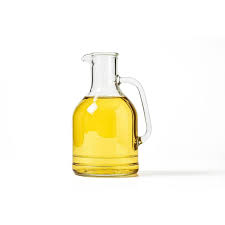
Most buyers ask for CP8 palm olein specifications for one of two reasons. Either a customer has complained that their CP10 went cloudy in winter, or a tender document asks for “RBD palm olein, CP 8 °C max” and they want to know what else to check. Either way, this page gives you the full spec sheet we sell against, explains what each number means in plain terms, and tells you how to buy CP8 from us in bulk or packed form.
We’re a Thailand-based exporter of edible oils. We ship refined palm olein CP8 worldwide to importers, distributors, packers and food factories. Everything below is what we put in our contracts, not textbook theory.
Table of Contents
CP8 Palm Olein Specifications at a Glance
Here are our CP8 palm olein specifications. These are the limits we guarantee at loading, tested by the refinery lab on every lot.
| Parameter | CP8 limit | Test method |
|---|---|---|
| Cloud point | 8 °C max | AOCS Cc 6-25 |
| Iodine value (Wijs) | 58 min | AOCS Cd 1d-92 |
| Free fatty acid (as palmitic) | 0.1% max | AOCS Ca 5a-40 |
| Moisture and impurities | 0.1% max | AOCS Ca 2c-25 |
| Peroxide value at loading | 2.0 meq/kg max | AOCS Cd 8-53 |
| Colour (Lovibond 5¼ inch cell) | 3.0 red max | AOCS Cc 13e-92 |
| Slip melting point | 22 °C max | AOCS Cc 3-25 |
| Smoke point | About 230 °C | Typical |
| Cold test at 0 °C | Customer specific | AOCS Cc 11-53 |
| Odour and taste | Bland, neutral | Panel |
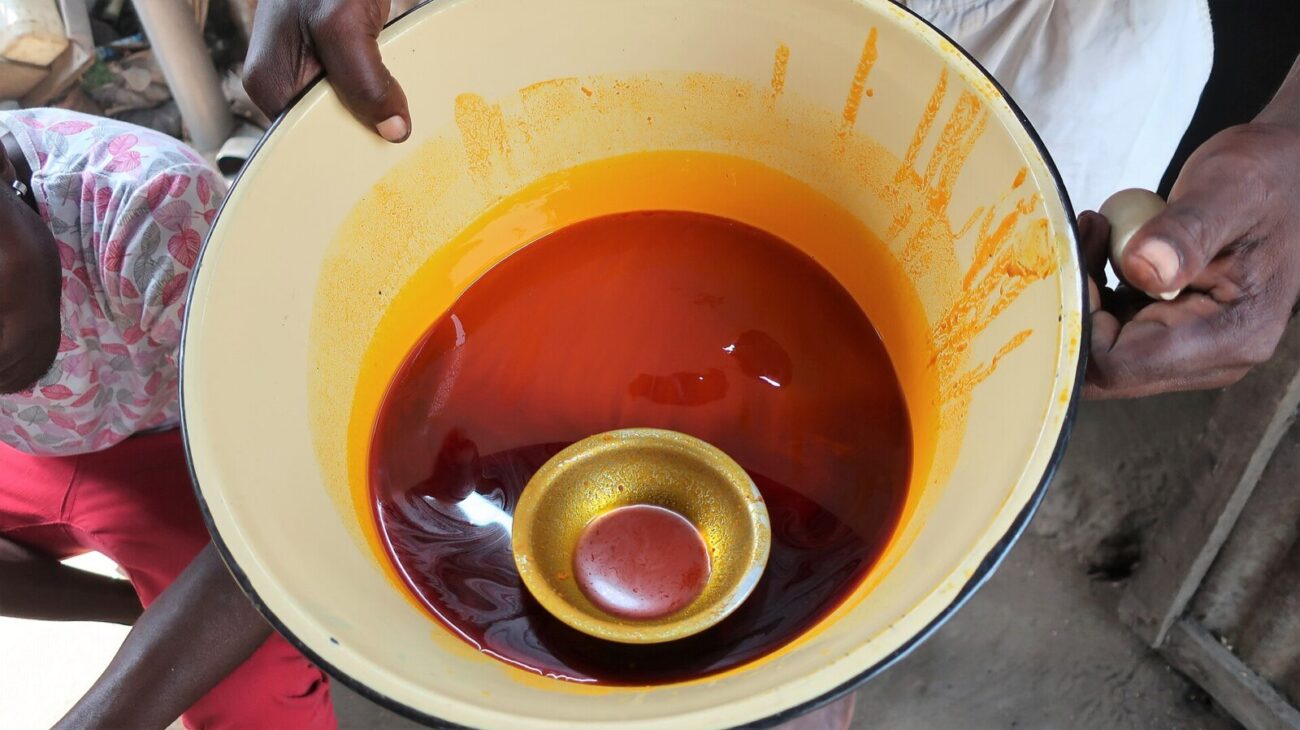
| Appearance at 25 °C | Clear, bright, golden | Visual |
| Shelf life | 12 to 18 months sealed | Typical |
The methods come from the American Oil Chemists’ Society, which most labs worldwide follow. The oil also fits within the Codex standard for named vegetable oils, published by Codex Alimentarius. You’ll find the summary product page on our refined palm oil CP8 for sale listing.
What Each Number in the CP8 Palm Olein Specifications Means
A spec sheet is only useful if you know what you’re reading. Here’s each line in plain language.
Cloud point, 8 °C max
This is the headline number and the reason CP8 exists. Cloud point is the temperature at which the oil starts to turn hazy as the first fat crystals form. At 8 °C or above, CP8 stays clear. That’s two degrees better than CP10. It doesn’t sound like much, but in a shop on a cold night it’s the difference between a clear bottle and one that looks spoiled.
Iodine value, 58 min
Iodine value measures how unsaturated the oil is. More unsaturated means more liquid. CP8 sits higher than CP10 (58 against 56) because more of the solid fraction has been removed. The two numbers usually move together: higher iodine value, lower cloud point.
Free fatty acid, 0.1% max
FFA tells you how well the oil was refined and how fresh it is. Low FFA means less smoke in the fryer, better flavour and longer shelf life. Anything over 0.1% in refined olein is a warning sign.
Moisture and impurities, 0.1% max
Water speeds up breakdown and lets microbes grow. Keep it low and the oil keeps longer.
Peroxide value, 2.0 meq/kg max at loading
Peroxide is the first sign of oxidation, the slow process that eventually makes oil taste stale. Fresh refined olein is close to zero. We test at loading, not at production, because that’s the number that actually matters to you.
Colour, 3.0 red max on Lovibond
This is how golden or pale the oil looks. Lower is paler. For clear retail bottles, colour matters to the buyer’s eye even though it has little effect on cooking.
Slip melting point, 22 °C max
This is the temperature at which a solidified sample starts to slide in a tube. It’s another way of describing how soft the fat is. CP8 is softer than CP10, which melts at up to 24 °C.
Smoke point, about 230 °C
Comfortably above normal frying temperatures of 170 to 180 °C. Low FFA keeps it high.
That’s the full set of CP8 palm olein specifications most buyers need. Some tenders add limits for trans fat, heavy metals, 3-MCPD and glycidyl esters, or pesticide residues. We can test for all of those. Ask early so we can plan the lab work. Our article on 3-MCPD in palm oil goes into the contaminant side.
CP8 Palm Olein Specifications Compared With CP10
Most people reading CP8 palm olein specifications are deciding between CP8 and CP10. Here they are side by side.
| Parameter | CP8 | CP10 |
|---|---|---|
| Cloud point | 8 °C max | 10 °C max |
| Iodine value | 58 min | 56 min |
| Slip melting point | 22 °C max | 24 °C max |
| FFA | 0.1% max | 0.1% max |
| Moisture and impurities | 0.1% max | 0.1% max |
| Peroxide at loading | 2.0 meq/kg max | 2.0 meq/kg max |
| Colour | 3.0 red max | 3.0 red max |
| Frying performance | Same | Same |
| Price | A little higher | Lower |
As you can see, the quality lines are identical. The differences are all about cold behaviour. If your oil stays warm, CP10 does the same job for less money. If it doesn’t, CP8 earns its premium. We go much deeper in CP8 vs CP10 palm oil difference, and if CP10 is what you need, see our CP10 palm olein supplier page.
How CP8 Is Made
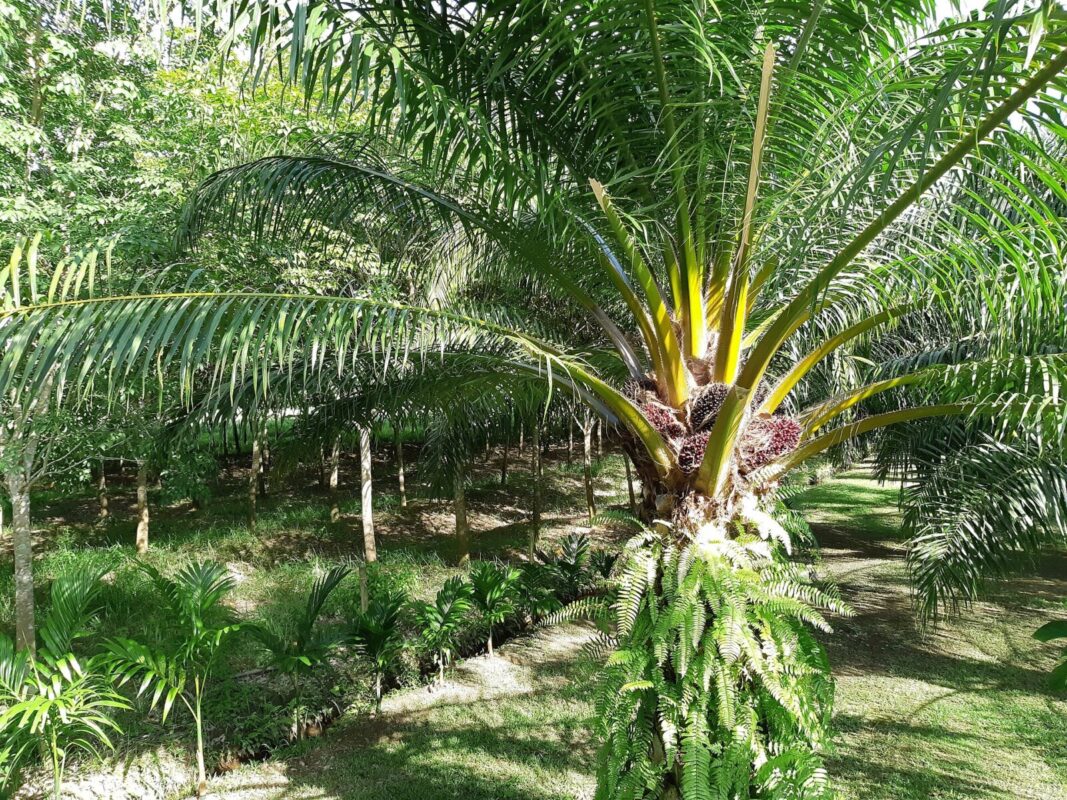
All palm olein starts as crude palm oil from the mill. The crude oil is refined (degummed, bleached and deodorised) into RBD palm oil. That oil is then cooled slowly so that the harder fats crystallise, and filtered. The liquid that passes through is olein. The solid left behind is stearin.
To get CP10, the refinery does one fractionation. To get CP8, it either runs the crystallisation colder and slower, or takes CP10 and fractionates it again. Either way, more of the solid part comes out, the iodine value goes up and the cloud point drops. That extra step is why CP8 costs more. You can read the full process in our palm oil fractionation process article.
Going one step further gives you double fractionated olein, sometimes sold as “super olein” with a cloud point around 6 °C or lower. We supply that too. See double fractionated palm olein.
Typical Fatty Acid Profile Behind CP8 Palm Olein Specifications
Some buyers, especially food factories and labs, want to see the fatty acid profile as well as the headline numbers. Here’s a typical range for our CP8. These aren’t contract limits unless you ask for them to be. They’re what the oil normally looks like.
| Fatty acid | Typical range |
|---|---|
| Palmitic (C16:0) | 34 to 38% |
| Stearic (C18:0) | 3.5 to 4.5% |
| Oleic (C18:1) | 43 to 46% |
| Linoleic (C18:2) | 11 to 13% |
| Myristic (C14:0) | 0.9 to 1.2% |
| Linolenic (C18:3) | 0.5% max |
The pattern is easy to follow. Compared with CP10, CP8 has a bit less palmitic acid and a bit more oleic and linoleic. Those are the softer, more liquid fats, which is why the cloud point is lower. The low linolenic content is one reason palm olein holds up so well in a fryer. It doesn’t break down as fast as oils with more of the very unsaturated fats.
If you need the profile written into the contract, we can add it to the CP8 palm olein specifications and test it by gas chromatography on each lot. There’s a small extra lab cost.
Who Needs Oil Built to CP8 Palm Olein Specifications
From what we see, CP8 makes most sense for:
- Retail packers in markets with cool winters. Clear PET bottles show every bit of haze.
- Importers in places with cold nights, even if the days are warm. Highlands, deserts and northern regions all count.
- Long inland routes. A truck crossing mountains in winter can chill oil well below 10 °C.
- Unheated warehouses. Concrete floors in cold months pull the temperature down fast.
- Chilled dressings and sauces where the oil is stored in a fridge.
If none of those apply to you, check whether you need CP8 at all. Plenty of buyers pay for CP8 when CP10 would do the same job.
Seasonal Buying: When to Switch to CP8
A lot of our customers switch between grades during the year. Roughly, it looks like this for a market with a cool winter:
| Shipment month | Arrives roughly | Grade most buyers choose |
|---|---|---|
| March to August | April to September | CP10 |
| September | October | CP10 or CP8 |
| October to January | November to February | CP8 |
| February | March | CP8, then back to CP10 |
Your own timings depend on your climate and how long stock sits before it sells. The idea is that oil arriving for the cold months should be CP8, and oil for the warm months can be CP10.
Packing Options for CP8
We pack CP8 the same way as all our palm olein:
| Packing | Net per unit | Approx. per 20 ft container |
|---|---|---|
| Flexitank | Bulk | 20 to 22 MT |
| ISO tank | Bulk | 20 to 23 MT |
| Steel drums | 180 to 190 kg | About 80 drums |
| Tins | 16 or 18 litres | On request |
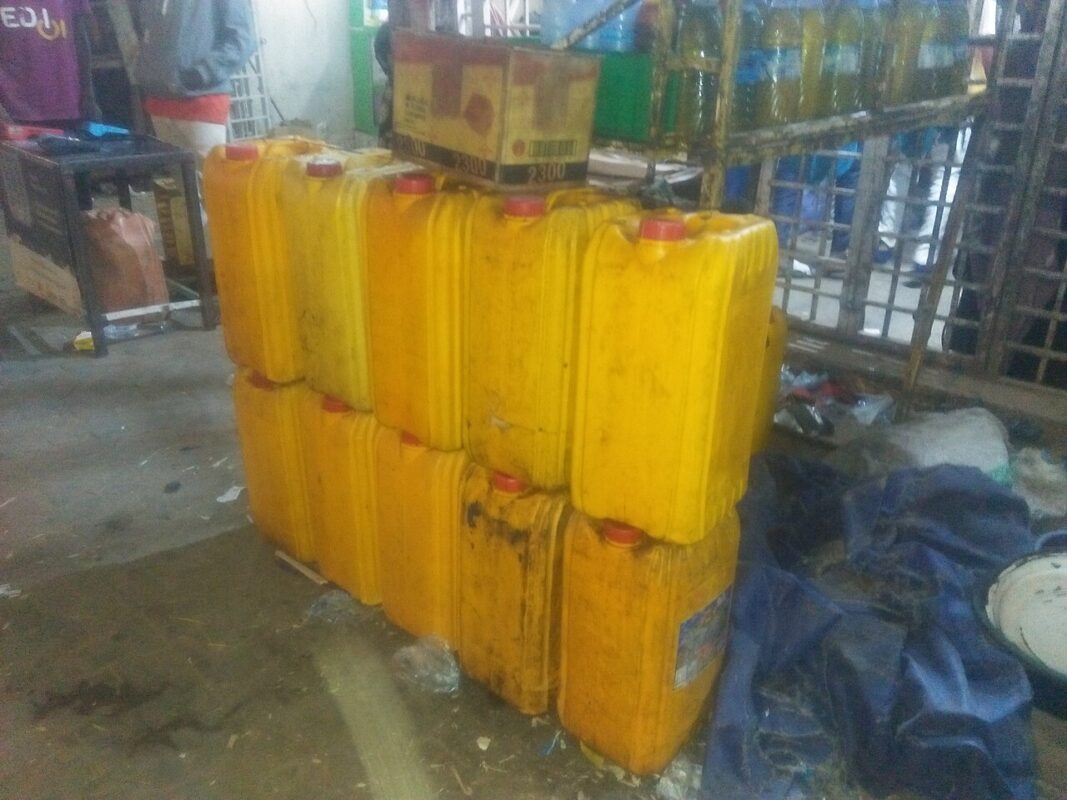
| Jerrycans | 18, 20 or 25 litres | On request |
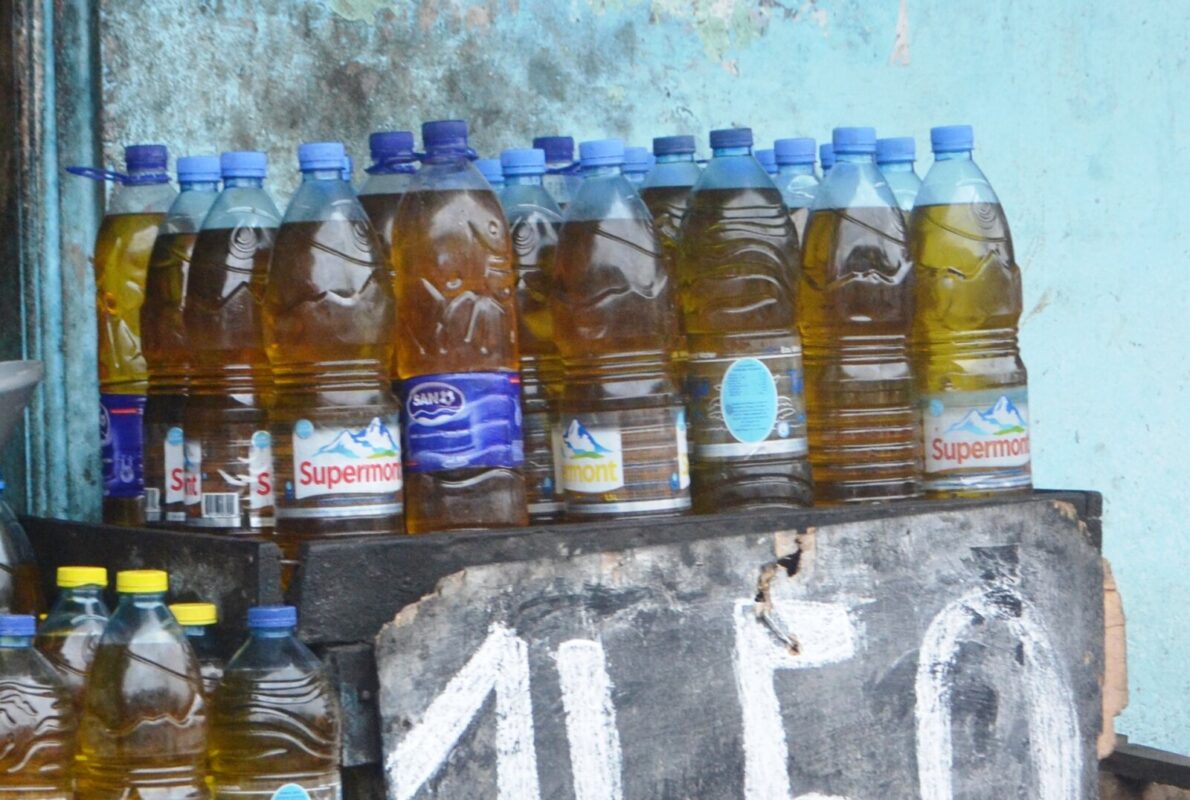
| PET bottles | 1 to 5 litres | On request |
One point worth knowing: oil in a flexitank will still go semi-solid in the cold, even CP8, because it’s sitting at sea for weeks. That’s normal. The container needs heating before discharge. Our guide on unloading palm oil from a flexitank covers it.
For retail packs, CP8 palm olein specifications matter even more because your customer sees the oil. We often suggest CP8 for clear bottles and CP10 for opaque tins and jerrycans. More options in refined palm oil packaging options.
How We Check Oil Against the CP8 Palm Olein Specifications
Every lot goes through the same checks:
- Refinery lab tests cloud point, iodine value, FFA, moisture, peroxide and colour.
- Results are compared against the contract spec. If anything is out, the lot doesn’t load.
- Optional third-party inspection by SGS, Intertek or Bureau Veritas at loading.
- Retain samples are sealed and kept for at least twelve months.
- A certificate of analysis travels with the documents.
If you want to run your own tests on arrival, that’s fine with us. Sample at the same temperature we did. Cloud point readings can drift if the sample has been chilled and rewarmed several times.
7 Proven Tips for Buying to CP8 Palm Olein Specifications
1. Write the cloud point and the test method into the contract
“CP8” alone is vague. Write “cloud point 8 °C max, AOCS Cc 6-25” so there’s no argument later.
2. Ask for iodine value too
Iodine value backs up the cloud point. If the cloud point says 8 but the iodine value is barely 56, ask questions.
3. Check peroxide at loading, not at production
Same as with any refined oil. The day it goes in the container is the number you care about.
4. Don’t buy CP8 for oil that will be heated anyway
Food factories with heated storage tanks rarely need it. CP10 is cheaper and performs the same once warm.
5. Buy CP8 for clear bottles in the cold season
That’s where the premium pays for itself. Shoppers judge oil by how it looks.
6. Keep your stock warm if you can
Even CP8 will cloud below its cloud point. A warehouse kept above 15 °C solves most problems before they start.
7. Order a sample before the first shipment
Put it in the coldest corner of your warehouse overnight and see what happens. That one test tells you more than any spec sheet. Our refined palm oil storage and handling guide has more tips.
Reading a Certificate of Analysis Against CP8 Palm Olein Specifications
When the documents arrive, the certificate of analysis is the one to read first. Here’s what I’d look at, in order.
First, check the lot or tank number matches the container and the bill of lading. A perfect certificate for the wrong lot is no use to you.
Next, go down the list and compare every result with the CP8 palm olein specifications in your contract. Cloud point, iodine value, FFA, moisture and peroxide are the five that matter most. All should sit inside the limits, ideally with a little room to spare.
Then look at the date of the test. It should be close to the loading date, not weeks earlier.
Finally, check who signed it and whether the lab is named. If you also ordered an independent inspection, the inspector’s certificate should broadly agree with the refinery lab. Small differences are normal between labs. Big ones need a conversation.
If anything looks off, email us before the ship arrives. It’s far easier to sort out a paperwork question while the oil is still at sea than once it’s sitting in your port.
Documents Sent With Our CP8
Each CP8 shipment normally comes with:
- Commercial invoice and packing list
- Bill of lading
- Certificate of analysis showing results against the CP8 palm olein specifications
- Certificate of origin
- Halal certificate
- Health certificate
- Inspection certificate if ordered
- Insurance certificate on CIF orders
If your customs needs a particular tariff line, see our palm oil HS code page. For Halal detail, see Halal certified palm oil supplier. Need a safety data sheet? The format is the same as our CP10 palm oil MSDS, with CP8 values.
Pricing and Payment
CP8 usually costs a little more per ton than CP10 because of the extra fractionation and the lower yield of olein. The exact gap moves with the market. Both follow the wider palm oil price, which you can track through the Malaysian Palm Oil Board.
We quote FOB, CFR or CIF. If you’re not sure which is best for you, the ICC Incoterms rules explain who pays for what. Payment is normally a deposit with the balance against copy documents, or an irrevocable letter of credit at sight. For more on what moves the price, see CP8 palm oil price per ton.
Shipping Worldwide
We load at Thai ports and ship to buyers across Asia, the Middle East, Africa, Europe, the Americas, the Caribbean and the Pacific. Transit runs from one week to around two months depending on the route. Tell us your port and we’ll give you a realistic loading date and transit estimate with the offer.
Common Problems and What Usually Causes Them
When a buyer calls us worried about oil that was sold as meeting CP8 palm olein specifications, it’s almost always one of these:
- Cloudy oil in winter. Stored below 8 °C. Warm it and it clears. Not a quality fault.
- White layer at the bottom of a tank. Settled solids after a cold spell. Stir gently while warming.
- Darker colour after frying. Normal with use. Fresh oil should still be pale.
- Stale smell after many months. Oxidation from heat, light or air. Store cool, dark and sealed.
If you think the oil itself was wrong on arrival, send us your lab results and the lot number. We’ll check our retain sample from the same container.
Sustainable and Certified CP8
We can supply RSPO certified CP8 under Mass Balance or Segregated supply chains. Read our guide to RSPO certified palm oil Thailand for how that works. For refiners, we also export crude oil; see crude palm oil CP0 export.
FAQs on CP8 Palm Olein Specifications
What is the cloud point of CP8 palm olein?
8 °C maximum. Above that, the oil stays clear.
Is CP8 better quality than CP10?
No. The quality numbers are the same. CP8 just stays clear in colder weather.
Will CP8 go solid?
Yes, if it gets cold enough. It just takes a lower temperature than CP10.
Can I get CP8 in jerrycans or bottles?
Yes. We pack CP8 in flexitank, drums, tins, jerrycans and PET bottles.
Do you send a certificate of analysis?
Every shipment comes with one, showing results against the agreed CP8 palm olein specifications.
What’s the minimum order?
One 20 ft container.
Order CP8 Palm Olein From Us
If our CP8 palm olein specifications fit what you need, send us your quantity, packing, destination port and Incoterm. We’ll reply with a written offer, the full spec and a load plan, usually within one working day.
Email info@dthcompanyltd.com, call or WhatsApp +66 91 765 9104, or use our contact page. You can also browse our palm oil range, the full product list, or read more about us.