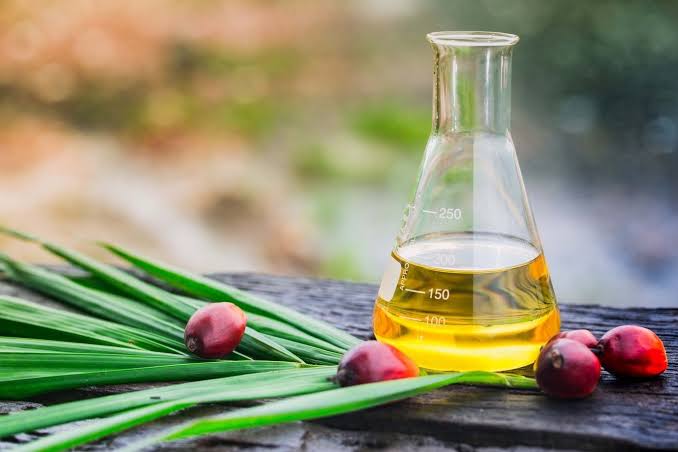
More and more of our buyers ask what RSPO certified palm oil Thailand can supply. Some are food brands with sustainability targets. Some sell into retailers that won’t take uncertified palm at all. Others just want to be ready for tighter rules in their own markets. Whatever the reason, the questions are always the same. What exactly is certified? Which supply chain model do I need? What does it cost extra? And how do I know the certificate is real?
We’re an exporter based in Thailand and we ship palm oil worldwide, including RSPO certified grades. This page explains what we can supply, how certification works in practice, and how to buy certified oil without overpaying or getting paperwork you can’t use.
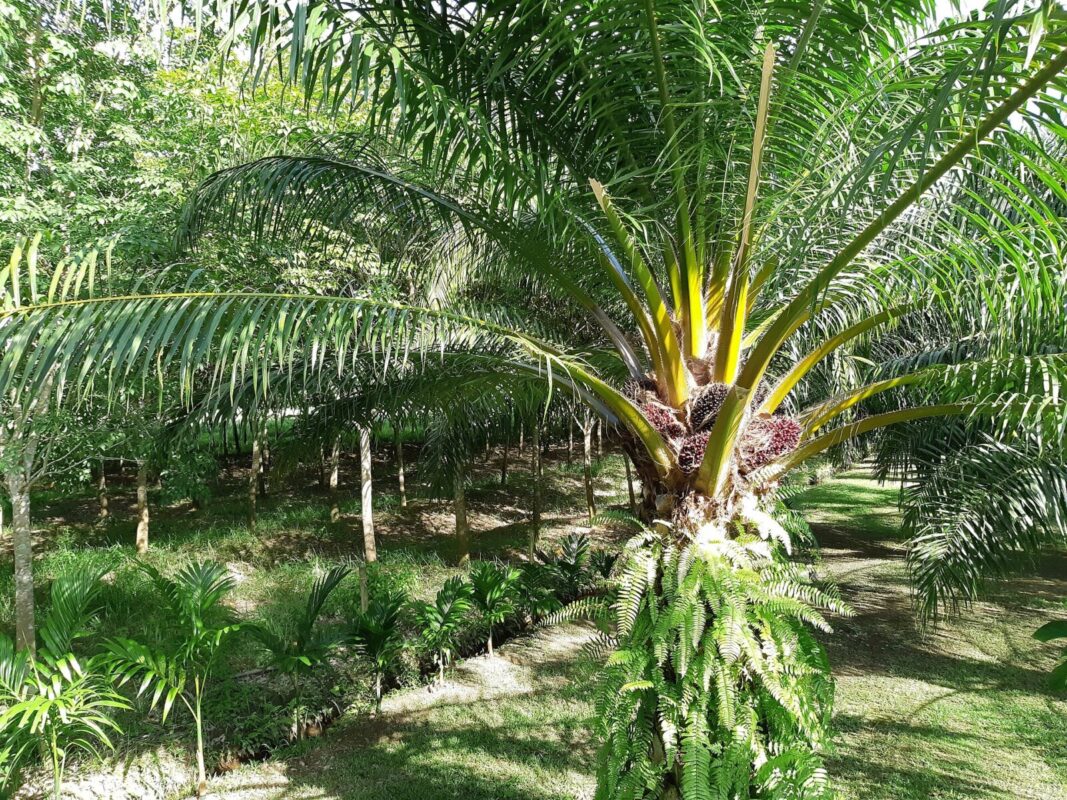
Table of Contents
What RSPO Certified Palm Oil Thailand Exporters Can Offer
RSPO stands for the Roundtable on Sustainable Palm Oil. It’s the main global certification scheme for palm oil, and you can read its standards on the RSPO website. Oil certified under it is called CSPO, short for certified sustainable palm oil.
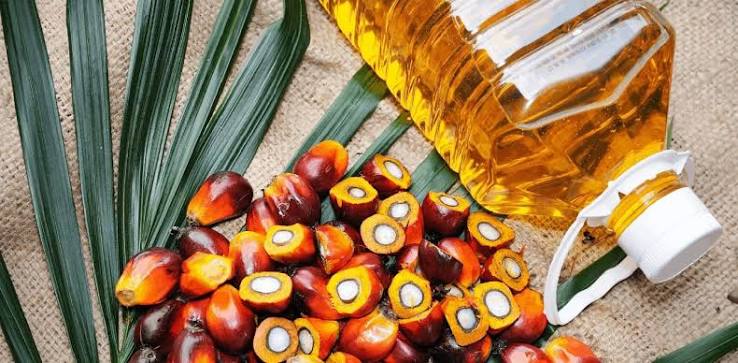
From us, RSPO certified palm oil Thailand supply covers:
- RBD palm olein CP10, the standard frying and cooking oil.
- RBD palm olein CP8, for cooler markets and clear retail bottles.
- RBD palm oil and palm stearin, for food manufacturing.
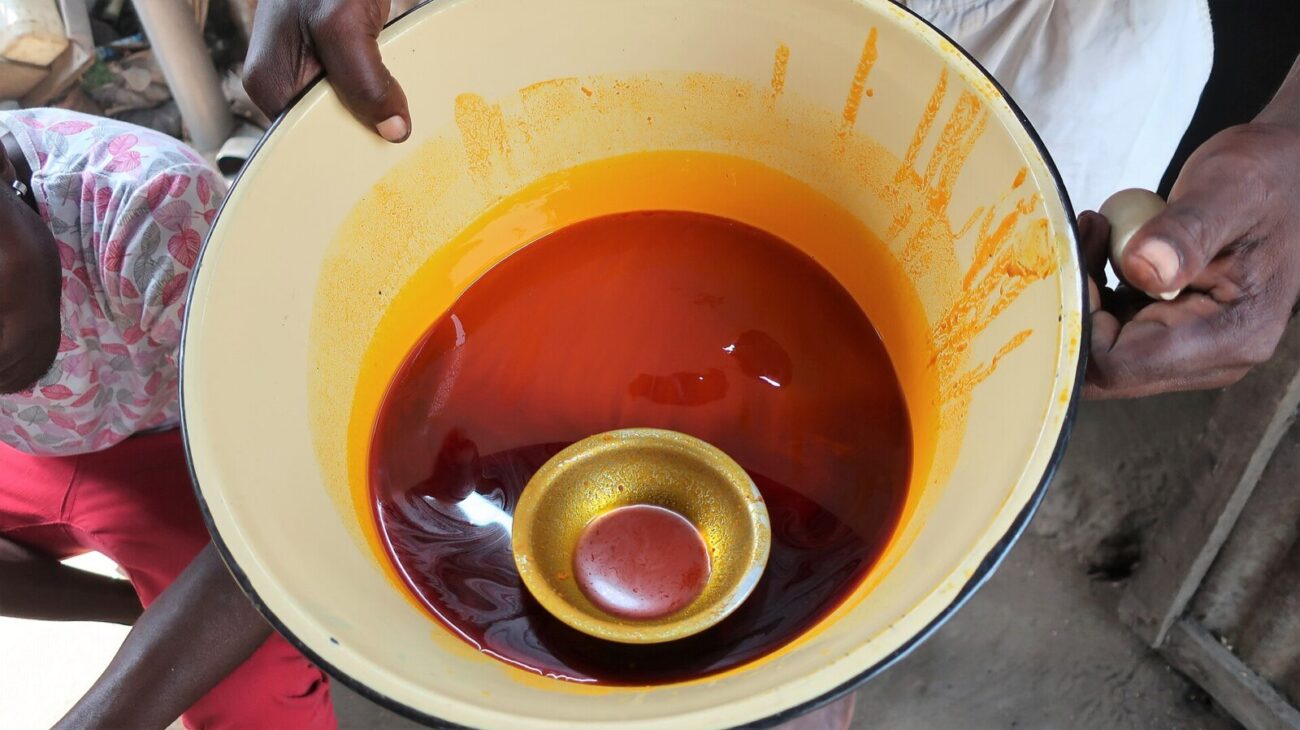
- Crude palm oil (CPO), for refiners and oleochemical plants.
Certified volumes are planned in advance, so availability depends on the grade and the month. Tell us early and we’ll confirm in writing what we can supply for your dates.
Why Buyers Look for RSPO Certified Palm Oil Thailand Supply
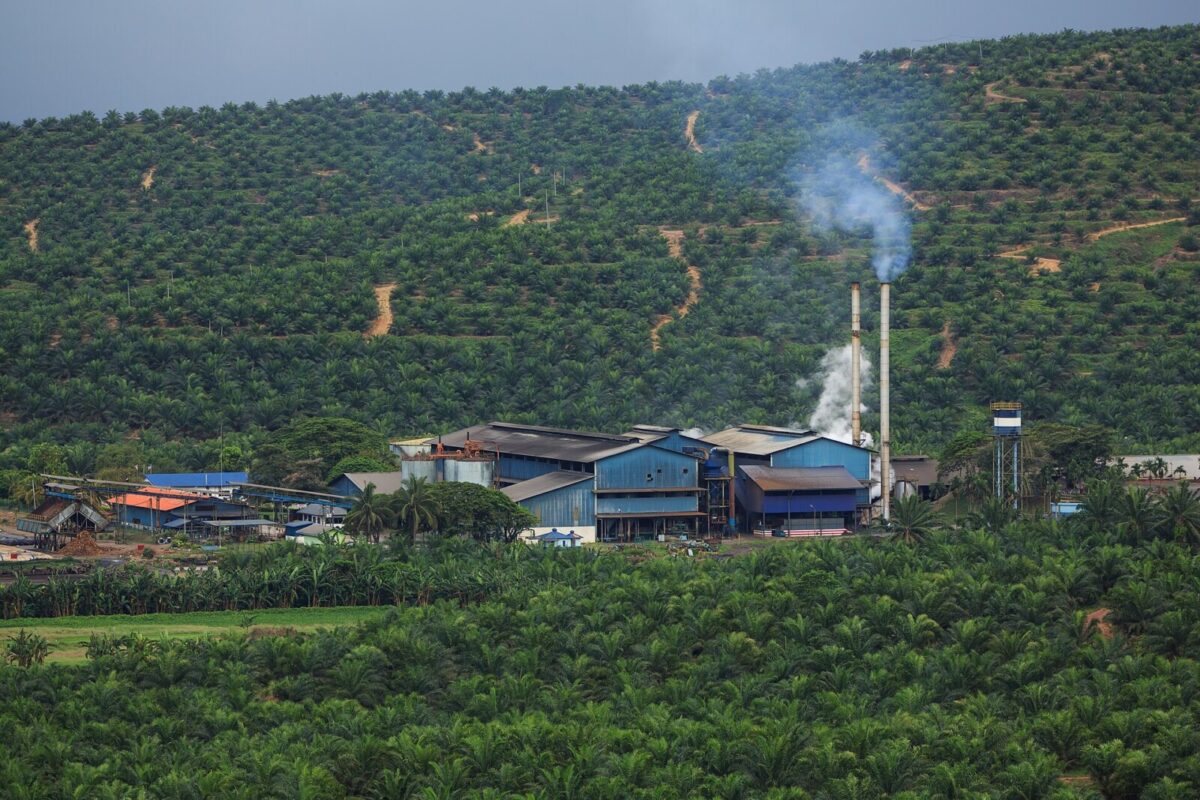
Thailand is one of the world’s larger palm oil producers, behind Indonesia and Malaysia. Most Thai palm is grown in the south, around provinces like Surat Thani, Krabi and Chumphon, and a big share of it comes from smallholders rather than huge estates. That smallholder base is one reason buyers find RSPO certified palm oil Thailand attractive. Certified smallholder groups there have been part of RSPO for years, and buying their oil supports farmers directly.
Buyers also like the logistics. Thai ports are well served by container lines to Asia, the Middle East, Africa, Europe and the Americas, and Thai refineries are used to export paperwork. If you’re already buying other oils from Thailand, adding certified palm to the same supply chain is simple.
The Four RSPO Supply Chain Models
This is the part most buyers find confusing, so I’ll go slowly. RSPO has four ways certified oil can move through the supply chain. Which one you need depends on what claim you want to make about your product.
| Model | What it means | Physical certified oil? | Typical buyer |
|---|---|---|---|
| Identity Preserved (IP) | Oil from a single certified mill, kept separate all the way | Yes, traceable to one mill | Premium brands, niche products |
| Segregated (SG) | Oil from several certified mills, kept separate from uncertified oil | Yes, 100% certified | Brands making a “certified” product claim |
| Mass Balance (MB) | Certified and uncertified oil mixed, but volumes tracked on paper | Partly | Food makers moving towards certified supply |
| Book and Claim (RSPO Credits) | You buy credits from certified growers, physical oil is not certified | No | Companies supporting growers while supply chains catch up |
We supply RSPO certified palm oil Thailand buyers mostly under Mass Balance and Segregated. Identity Preserved is possible for some grades but it’s limited and priced higher. Credits are bought directly through RSPO’s own platform, not from us. We go deeper into the four models in our earlier guide, RSPO certified sustainable palm oil.
Mass Balance in plain terms
Think of it like a bank account. A certified volume goes in, the same volume of “certified” oil can be sold out, but the actual drops in your tank may be a mix. It’s cheaper than Segregated and is the most common way food companies start buying RSPO certified palm oil Thailand supply.
Segregated in plain terms
Every drop in the tank comes from certified mills. It costs more because certified oil has to be stored, refined and shipped separately. If your label or your customer needs a physical “certified” claim, this is usually what you need.
Specifications for Our RSPO Certified Grades
Certification is about how the oil was produced, not about its chemistry. RSPO certified palm oil Thailand grades meet exactly the same quality specs as our standard oil.
| Parameter | CP10 olein | CP8 olein | Crude palm oil |
|---|---|---|---|
| Cloud point | 10 °C max | 8 °C max | Not applicable |
| Iodine value | 56 min | 58 min | 50 to 55 |
| Free fatty acid | 0.1% max | 0.1% max | 5.0% max |
| Moisture and impurities | 0.1% max | 0.1% max | 0.25% max |
| Peroxide value at loading | 2.0 meq/kg max | 2.0 meq/kg max | Not applicable |
| Colour (Lovibond 5¼ inch) | 3.0 red max | 3.0 red max | Deep orange to red |
| DOBI | Not applicable | Not applicable | 2.3 min |
Test methods follow the American Oil Chemists’ Society. For the full sheets see CP10 palm olein supplier, CP8 palm olein specifications and crude palm oil CP0 export. If you’re choosing between olein grades, read CP8 vs CP10 palm oil difference.
What Paperwork Comes With RSPO Certified Palm Oil Thailand Shipments
On top of our normal export documents, certified shipments carry the RSPO supply chain information you need for your own audits. In practice that means:
- The supply chain model (MB or SG, for example) stated on the invoice and delivery documents.
- The RSPO certificate number of the selling and processing companies in the chain.
- Volumes recorded on RSPO’s trace system where the model requires it.
- Our usual certificate of analysis, certificate of origin, Halal and health certificates.
Every RSPO certificate can be checked on the RSPO website. Do that. It takes two minutes and it’s the single best way to make sure what you’re buying is real.
Who Buys RSPO Certified Palm Oil Thailand Exports
The main groups we see are:
- Food manufacturers with public sustainability commitments, making snacks, noodles, bakery and confectionery.
- Retail packers and brand owners selling into supermarket chains that require certified palm.
- Importers in markets with sustainability rules, especially Europe.
- Oleochemical and personal care companies making soap, detergents and cosmetics. See palm oil in cosmetics and personal care manufacturing.
- Food service groups that want certified frying oil in their kitchens.
What It Costs
Certified oil carries a premium over standard oil. Mass Balance is the cheapest certified option. Segregated costs more. Identity Preserved costs the most. The size of the premium moves with demand and supply of certified volumes and isn’t fixed, so we quote it alongside the base price each time.
The base price follows the general palm oil market, which you can track through the Malaysian Palm Oil Board. For what moves that price, read palm oil wholesale price factors.
A tip: if you only need to show progress rather than make a physical claim, Mass Balance gives you most of the benefit for a smaller premium. Many companies start there and move to Segregated later.
RSPO, EUDR and Other Rules
RSPO is voluntary. Laws are a different matter. The EU deforestation regulation (EUDR) requires importers into the EU to prove that palm oil wasn’t grown on land deforested after the cut-off date, with geolocation data down to plot level. RSPO certification helps a lot, but it isn’t automatically the same thing as EUDR compliance. Check the current application dates and requirements with your own adviser. Our EUDR palm oil compliance guide explains the basics from an exporter’s point of view.
Other certifications buyers sometimes ask about are MSPO in Malaysia and ISPO in Indonesia. We cover those in MSPO certified palm oil and ISPO certified palm oil. For food safety, the oil sits under the Codex standards for named vegetable oils, published by Codex Alimentarius.
Packing Options
RSPO certified palm oil Thailand shipments can be packed the same ways as our standard oil:
| Packing | Approx. per 20 ft container | Notes |
|---|---|---|
| Flexitank | 20 to 22 MT | Lowest cost for bulk |
| ISO tank | 20 to 23 MT | Easier discharge |
| Steel drums | About 80 drums | Small users |
| Tins and jerrycans | Varies | Food service |
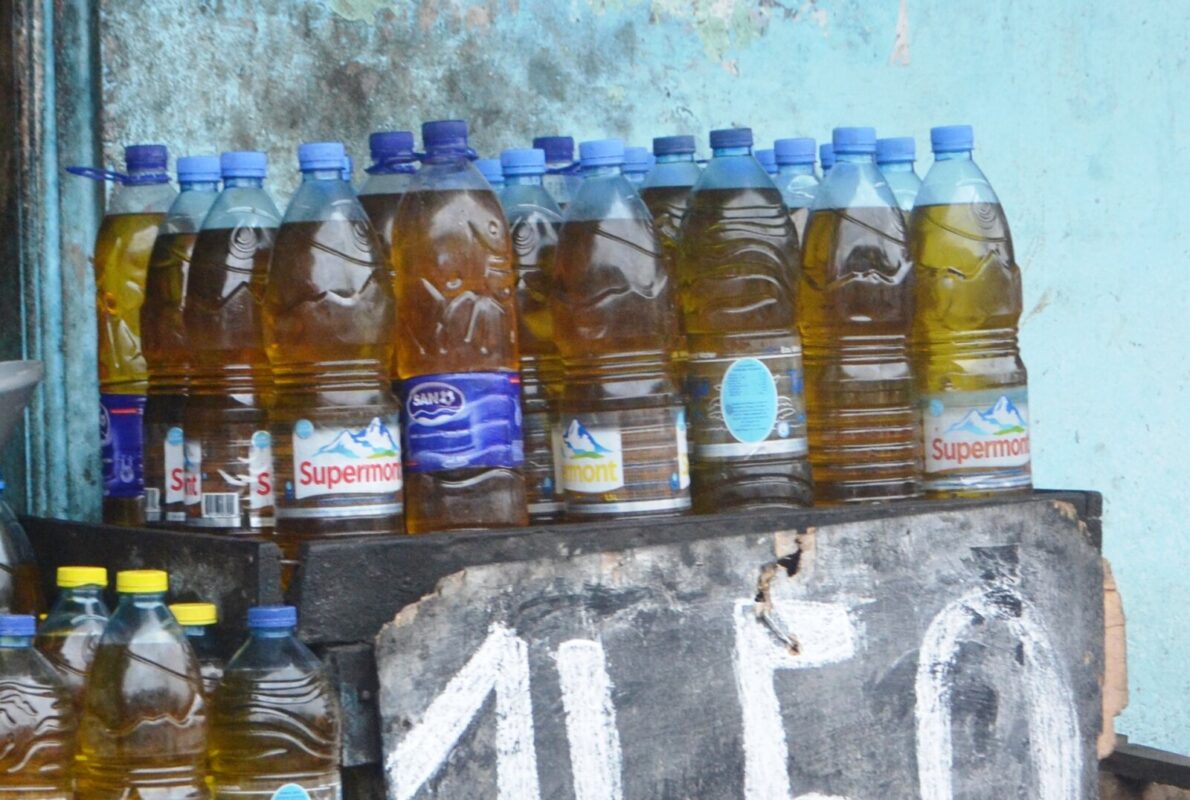
| PET bottles, 1 to 5 litres | Varies | Retail, private label |
Segregated oil needs dedicated, clean tanks and packing runs, which can add a little lead time. Plan for it. More on packing in refined palm oil packaging options.
Using the RSPO Trademark on Your Packs
If you want the RSPO logo on your retail packs, there are rules. The logo can only be used by RSPO members with the right licence, and the wording depends on the supply chain model. Mass Balance products use different claim wording from Segregated products. Your own company usually needs to be RSPO certified for supply chain if you handle or repack the oil. We can supply the oil and the documents, but the trademark licence is between you and RSPO. Check their current trademark rules before you print labels.
7 Proven Tips for Buying RSPO Certified Palm Oil Thailand
1. Decide what claim you want to make first
The claim on your label or in your report decides which supply chain model you need. Work that out before you ask for prices.
2. Check every certificate number
Look up the seller’s and refinery’s RSPO certificates on the RSPO site. Check the company name, the scope and the expiry date.
3. Get the model written on the invoice
“RSPO certified” alone isn’t enough. The invoice and contract should say Mass Balance, Segregated or Identity Preserved.
4. Plan volumes ahead
Certified supply is smaller than the general market. Give us your forecast for the next few months and we can secure volumes.
5. Think about your own certification
If you repack or process the oil, your own site may need RSPO supply chain certification to pass the claim on. Talk to a certification body early.
6. Keep the documents together
Auditors will ask for the paper trail. Keep invoices, delivery notes and certificate copies for each shipment in one place.
7. Don’t treat RSPO as the same as EUDR
They overlap but they’re not the same thing. If you sell into the EU, plan for both.
Choosing a Model: Three Typical Buyers
It helps to see how different buyers end up with different answers. These are typical situations, not real customers.
A snack maker selling into supermarkets has promised its retail customers that all palm in its products will be certified within a year. It doesn’t need to put a logo on the pack yet. For this buyer, Mass Balance RSPO certified palm oil Thailand supply is usually the right start. It meets the promise, it keeps cost down, and it fits into the factory’s existing tanks without changes.
A brand owner selling bottled cooking oil wants “certified sustainable” on the front label. That’s a physical claim about the oil in the bottle. Here Segregated oil is normally needed, packed in a dedicated run, with the brand owner holding its own RSPO certification and trademark licence.
A soap maker has no labelling plans but wants to report progress in its annual sustainability report. It may choose Mass Balance oil for part of its volume, and buy RSPO credits for the rest. Credits come from RSPO’s platform directly, so we’d quote only the physical oil.
The point is that the “right” RSPO certified palm oil Thailand order depends on your claim, your budget and your setup. Tell us all three and we’ll suggest something sensible.
Common Misunderstandings About Certified Palm
A few things come up often enough to be worth clearing up.
“Certified oil is healthier.” It isn’t. Certification covers how the oil was grown and handled, not its nutrition.
“Mass Balance is fake certification.” It’s a recognised RSPO model with its own audit rules. It just doesn’t guarantee that the physical oil in your tank is all certified.
“If my supplier is certified, I can use the logo.” Not by itself. The logo needs your own membership and licence.
“RSPO covers everything the EU asks for.” It doesn’t fully. See the section above on EUDR.
“Certified oil is hard to get from Thailand.” It’s more limited than standard oil, but with a little planning, RSPO certified palm oil Thailand supply is very workable for regular buyers.
Questions to Ask Any Certified Supplier
Before you sign with anyone, including us, ask:
- What is your RSPO certificate number, and what does its scope cover?
- Which supply chain model will this oil be sold under?
- Which refinery is processing it, and what is its certificate number?
- Will the model be written on the invoice and delivery documents?
- How far ahead do you need my volume forecast?
- What is the certified premium, shown separately from the base price?
A serious supplier will answer all of those in writing without any fuss.
How an Order Works
- You send grade, packing, volume, destination, Incoterm and the RSPO model you need.
- We confirm availability and send a written offer with the base price and the certified premium shown separately.
- Contract and proforma invoice.
- Deposit or letter of credit.
- We allocate certified oil and arrange packing.
- Testing, optional third-party inspection and loading.
- Draft documents, including the RSPO details, sent before the vessel sails.
- Balance payment and original documents.
We sell FOB, CFR and CIF. The ICC Incoterms rules explain who pays for what under each term.
Shipping Worldwide
We ship RSPO certified palm oil Thailand cargo to buyers across Asia, the Middle East, Africa, Europe, North and South America, the Caribbean and the Pacific. Transit runs from about one week to two months depending on the route. Tell us your port and we’ll give you a realistic loading date and transit time with the offer.
Smallholders and Thai Palm
It’s worth saying a bit more about smallholders, because it’s what makes RSPO certified palm oil Thailand different from much of the certified oil coming from larger estates elsewhere. A large share of Thai palm fruit is grown by families on small plots, often a few hectares each. For those farmers, getting certified means joining a group, keeping records, changing how they use chemicals and fire, and passing audits. It’s real work.
When you buy certified oil that traces back to these groups, part of the premium you pay ends up with them. That’s one of the more concrete ways a buyer can see the benefit of certification. If supporting smallholders matters to your company, tell us. We can say more about where certified volumes come from when we quote.
Storing and Handling Certified Oil
Certified oil is stored and handled exactly like any other palm oil, with one extra rule: under Segregated and Identity Preserved models, it must not be mixed with uncertified oil at any stage. If you have shared tanks, plan how you’ll keep certified stock separate, or use Mass Balance instead. For general storage, our refined palm oil storage and handling guide covers temperatures, tanks and shelf life.
Why Buy Certified Palm From Us
We’re not the biggest exporter in the region and we don’t pretend to be. What we offer is straight answers, written specs, and someone who replies to your emails. When you buy RSPO certified palm oil Thailand supply from us, you get the base price and the certified premium shown separately, the supply chain model written into the contract, certificate numbers you can check yourself, and the same quality testing we apply to every shipment. If we can’t supply the certified volume you need for a given month, we’ll tell you that up front rather than promise and miss. That honesty is the whole point of buying RSPO certified palm oil Thailand in the first place.
FAQs on RSPO Certified Palm Oil Thailand
Is RSPO certified oil different in quality?
No. It meets the same specifications. The difference is in how and where it was produced.
Which grades can you supply as RSPO certified?
CP10 and CP8 palm olein, RBD palm oil, palm stearin and crude palm oil, subject to availability.
Which supply chain models do you offer?
Mainly Mass Balance and Segregated. Identity Preserved on request, in limited volumes.
What is the minimum order?
One 20 ft container.
Does RSPO certification make my oil EUDR compliant?
Not automatically. It helps, but EUDR has its own requirements.
How do I check your certificate?
Ask us for the certificate numbers in the chain and look them up on the RSPO website.
Ask for an RSPO Certified Palm Oil Thailand Offer
Tell us the grade, packing, volume, destination port, Incoterm and the RSPO model you need. We’ll come back with a written offer for RSPO certified palm oil Thailand supply, showing the base price and certified premium separately, usually within one working day.
Email info@dthcompanyltd.com, call or WhatsApp +66 91 765 9104, or use our contact page. You can also see our palm oil range, the full product list, or read more about us.