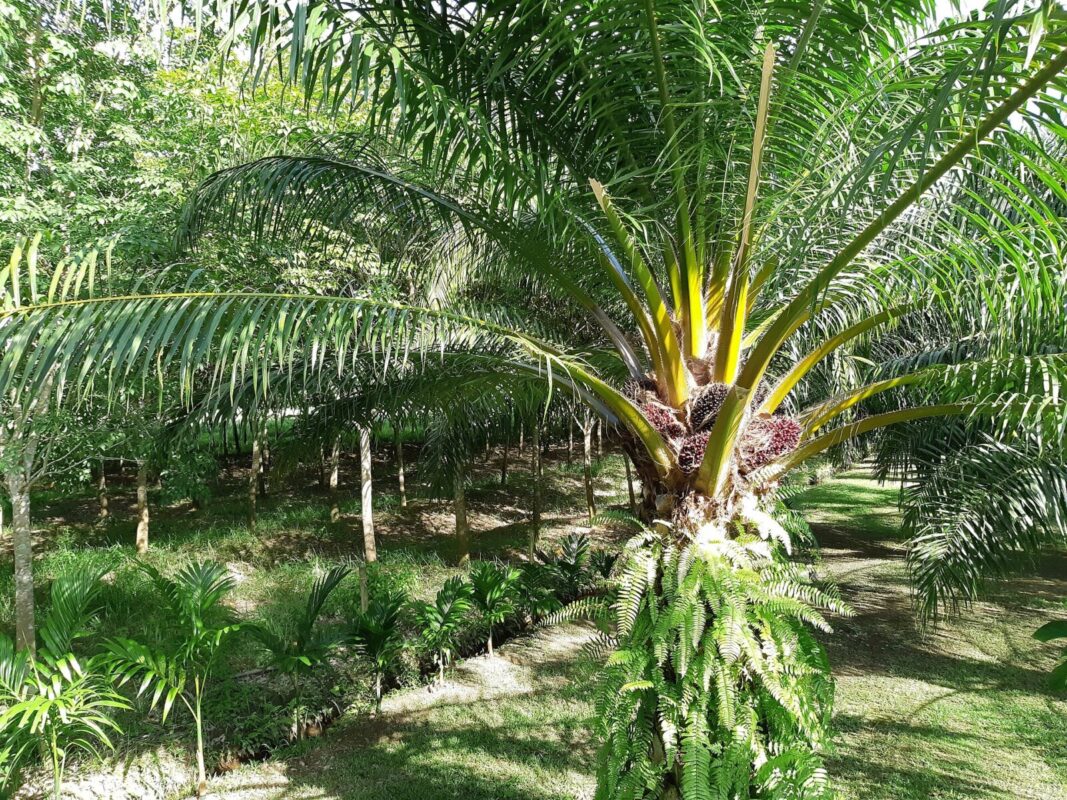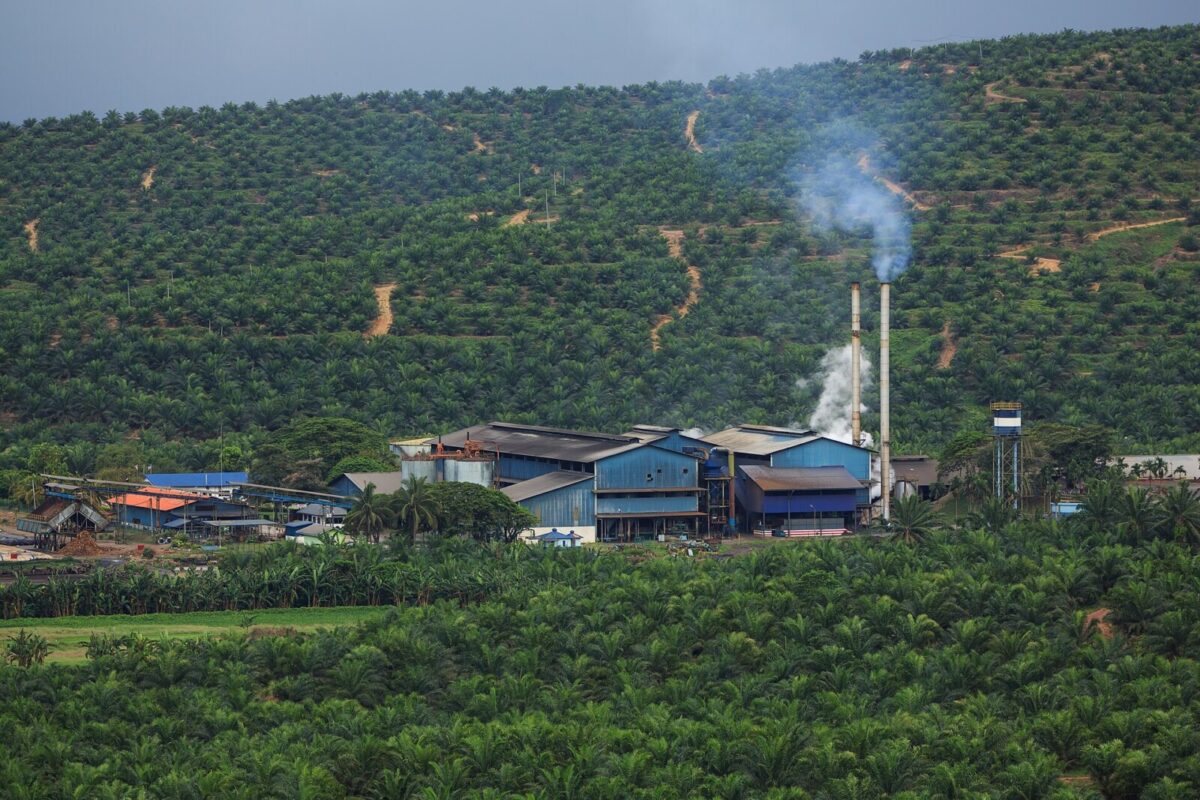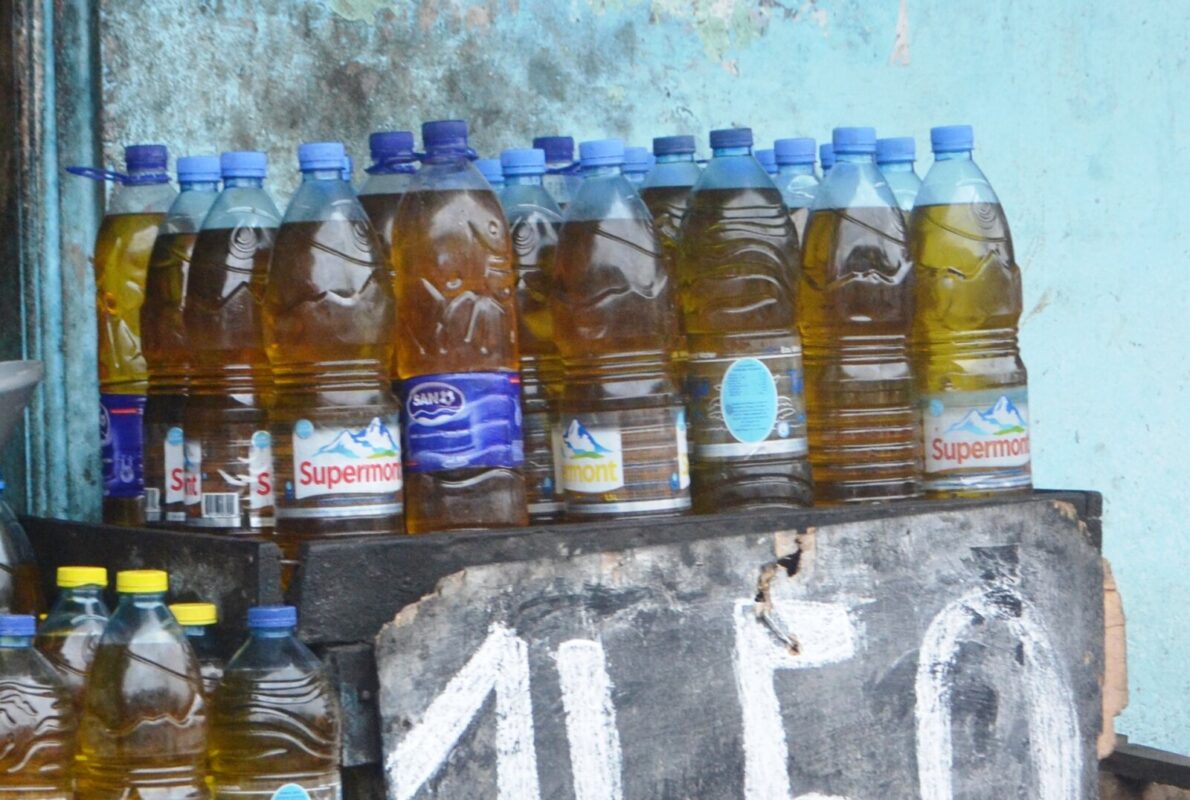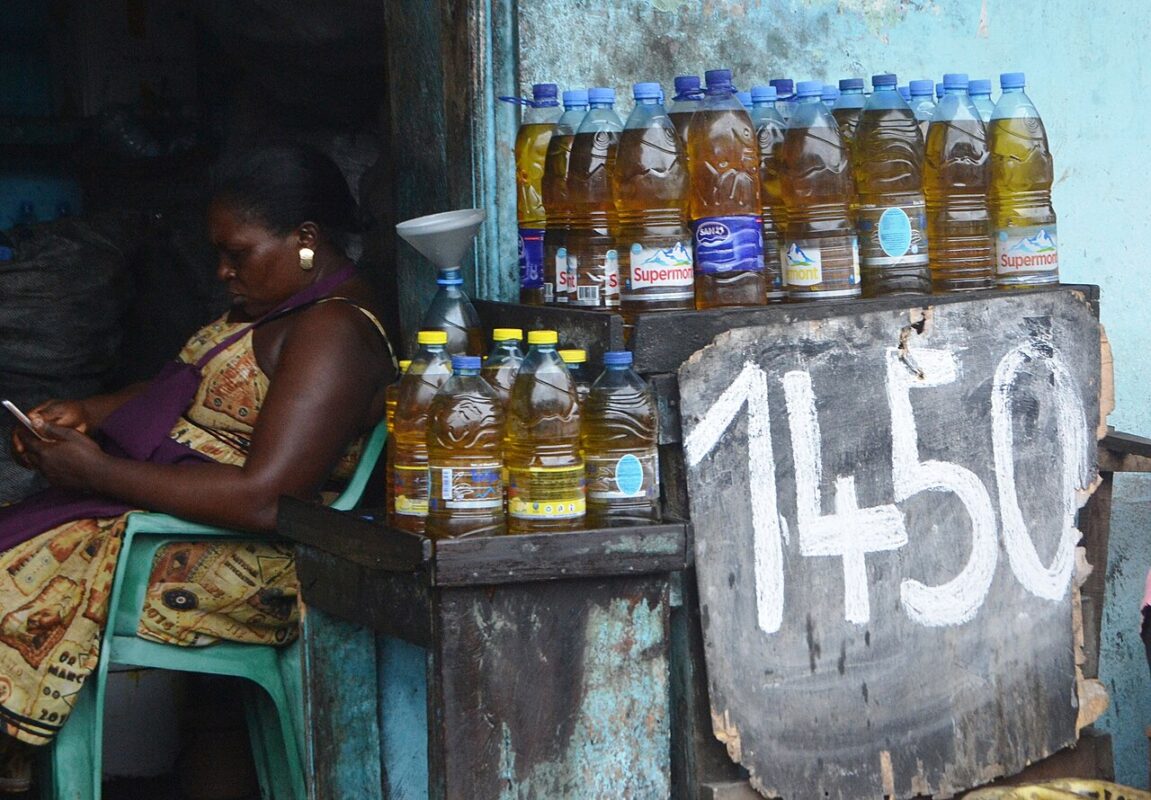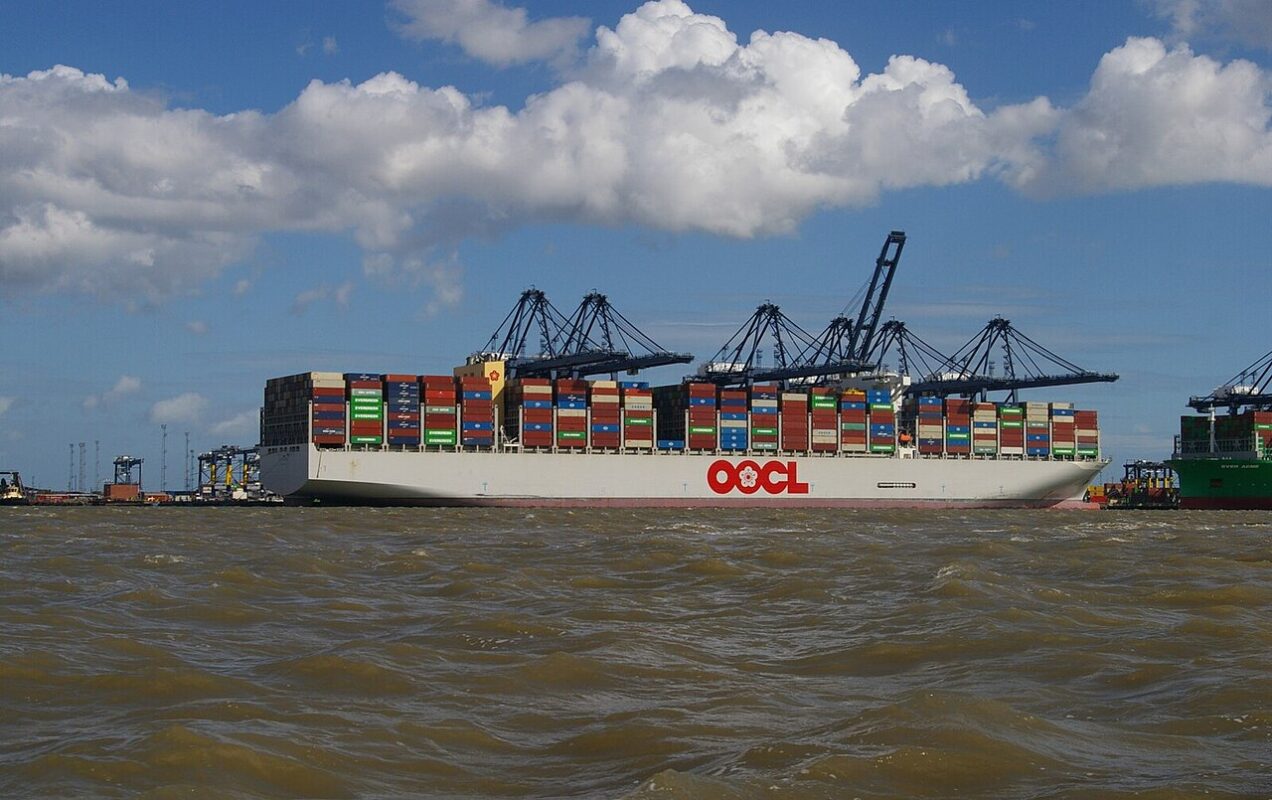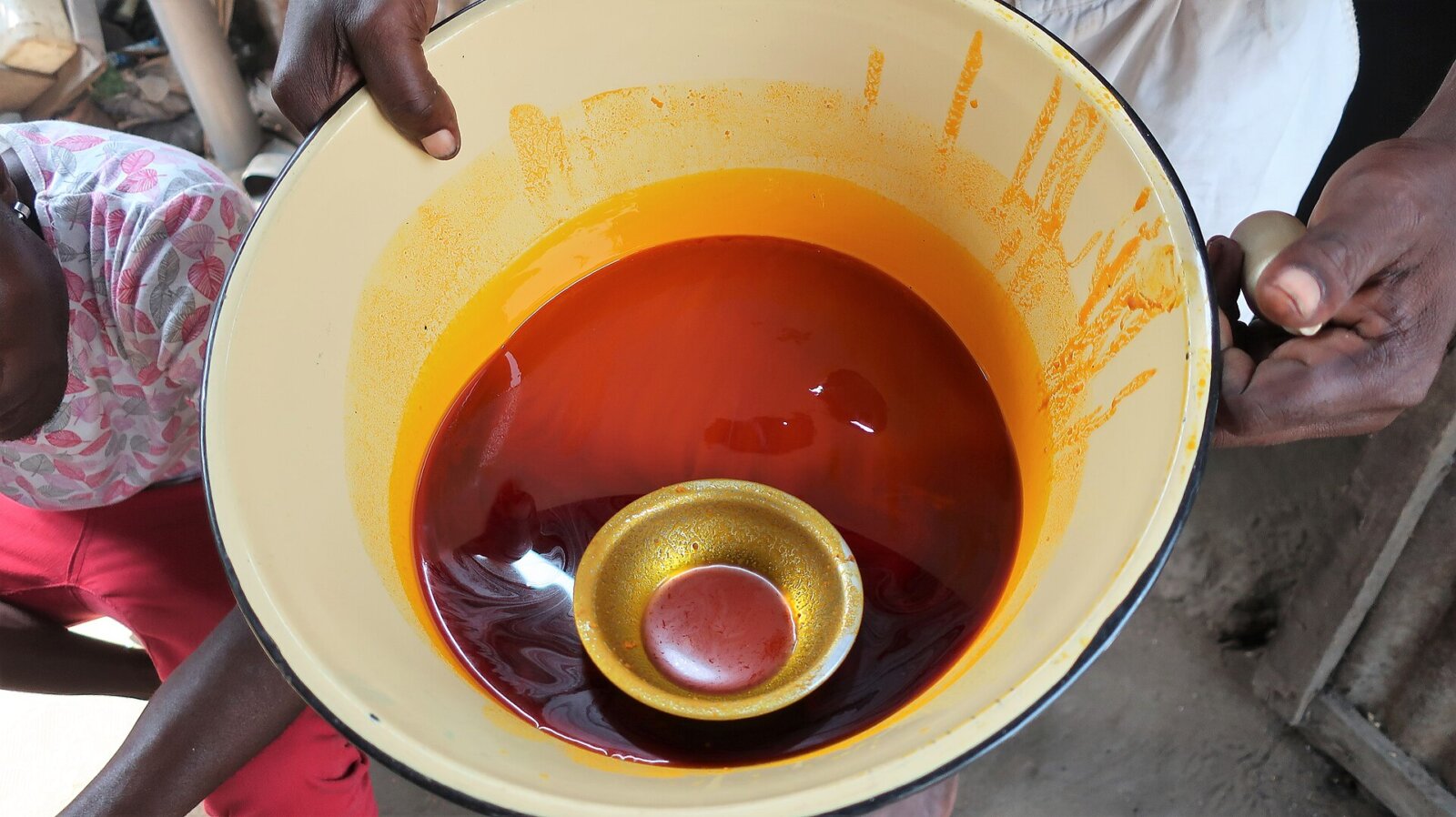
Crude palm oil, usually called CPO and sold in the trade as CP0, is the raw oil pressed from the fruit of the oil palm. It’s deep orange-red, it’s semi-solid at room temperature in cooler places, and it’s what refineries buy to make every other palm product. We handle crude palm oil CP0 export from Thailand to refiners, oleochemical plants, soap makers and biodiesel producers worldwide.
This page is for buyers who already know roughly what CPO is and want to know three things: what our oil looks like on paper, how we ship it, and what to watch for when buying crude oil from abroad. I’ll keep it practical.
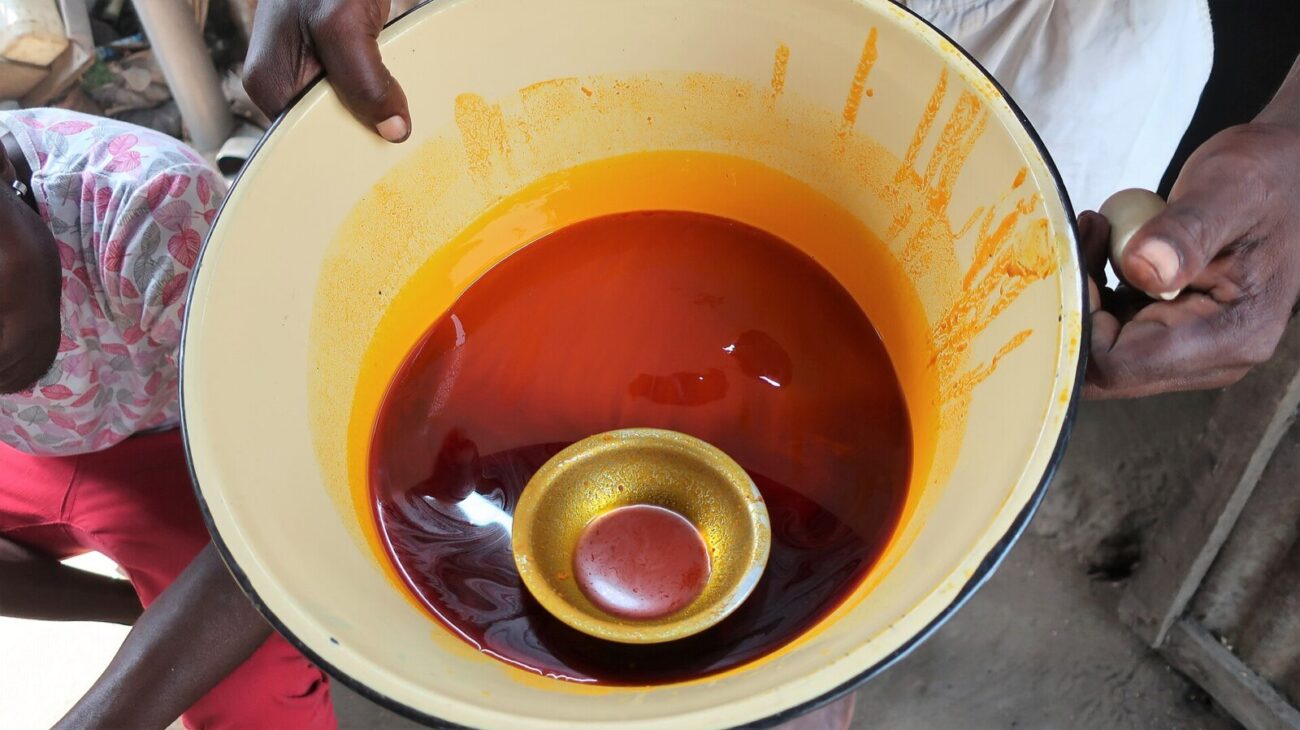
Table of Contents
What Our Crude Palm Oil CP0 Export Offer Includes
When you buy crude palm oil from us, you’re getting:
- CPO from mills we know, tested against the specification below before loading.
- Bulk shipment by flexitank, ISO tank or, for larger contracts, bulk vessel parcels.
- Steel drums for small users who don’t have bulk tanks.
- Optional independent inspection at loading.
- The full document set your customs and bank need.
- A load date and a written price before you commit.
We don’t run a mill or a plantation ourselves. We buy from mills and bulking stations, check the oil, and manage the crude palm oil CP0 export from there. That’s how most export trade in CPO works, and it means we can match supply to the grade you actually need.
Our CP0 Specification
These are the limits we sign against. They’re standard trade limits for good quality crude palm oil.
| Parameter | Our CP0 limit | Test method |
|---|---|---|
| Free fatty acid (as palmitic) | 5.0% max | AOCS Ca 5a-40 |
| Moisture and impurities | 0.25% max | AOCS Ca 2c-25 / Ca 3a-46 |
| DOBI | 2.3 min (2.5 min on request) | PORIM p2.9 |
| Iodine value (Wijs) | 50 to 55 | AOCS Cd 1d-92 |
| Slip melting point | 33 to 39 °C | AOCS Cc 3-25 |
| Carotene (as beta-carotene) | 500 to 700 ppm | PORIM p2.6 |
| Colour | Deep orange to red | Visual |
| Appearance at 50 °C | Clear liquid | Visual |
The AOCS methods are published by the American Oil Chemists’ Society. The PORIM methods come from the Malaysian palm oil research body, now part of the Malaysian Palm Oil Board. Every serious refinery lab can run them. You’ll also find our product summary on the crude palm oil CP0 for sale page.
For a line-by-line explanation of these numbers, our crude palm oil specification article goes into detail. Below is the short version.
The Numbers That Matter in Crude Palm Oil CP0 Export
Free fatty acid
FFA is the big one. It tells the refinery how much oil it will lose in refining. Every extra percent of FFA is oil that goes to fatty acid distillate instead of finished product. Fresh fruit processed quickly gives low FFA. Bruised fruit, slow processing or long storage push it up. 5% is the usual trade maximum. Many good lots come in well under that.
Moisture and impurities
Water and dirt add weight you pay for but can’t use. Water also speeds up FFA rise during the voyage. Keep this low.
DOBI
This stands for deterioration of bleachability index. It’s a ratio from a simple light test and it tells the refiner how easy the oil will be to bleach to a pale colour. A DOBI of 2.3 or above is acceptable. Above 2.5 is good. Below 2, the refiner will struggle and use more bleaching earth. For many refiners, DOBI matters as much as FFA.
Carotene
This gives CPO its red colour and it’s why crude palm oil is a natural source of beta-carotene. Refining removes it. If you’re making red palm oil products, you’ll want it high. For standard refining, it’s just a sign the oil is genuine.
Iodine value and slip melting point
These confirm that the oil is normal palm oil and not blended or fractionated. Iodine value around 50 to 55 and slip melting point in the mid-30s are typical.
Who Buys a Crude Palm Oil CP0 Export Cargo
Most of our CPO goes to:
- Edible oil refineries that make RBD palm oil, olein and stearin.
- Oleochemical plants making fatty acids, glycerine and fatty alcohols.
- Soap makers, who use palm oil for hard, long-lasting bars. See palm oil for soap making.
- Biodiesel producers. We cover their needs in crude palm oil for biodiesel supplier.
- Animal feed and specialty fat makers.
Each buyer weighs the spec differently. A food refinery cares most about FFA, DOBI and contaminants. A soap maker cares more about price and consistency. A biodiesel plant may accept higher FFA if the price reflects it. Tell us your use and we’ll match the lot.
Why Refiners Buy Crude Instead of Refined
It comes down to cost and control. Some countries charge lower import duty on crude oil than on refined oil, to support local refining. Refining locally also lets the buyer choose exactly which products to make from the crude: olein for cooking oil, stearin for margarine and shortening, or blends. And the by-products, like fatty acid distillate, can be sold on. We explain the trade-offs in refined palm oil vs crude palm oil.
If you don’t have a refinery, crude palm oil CP0 export is the wrong product for you. Buy refined instead. See our CP10 palm olein supplier page and CP8 palm olein specifications.
How We Ship Crude Palm Oil
CPO is semi-solid below about 30 °C, so it needs to be handled warm. That shapes everything about how it’s shipped.
| Packing | Typical quantity | Notes |
|---|---|---|
| Flexitank | About 20 to 22 MT per 20 ft container | Lowest cost for container buyers, needs heating pad |
| ISO tank | About 20 to 23 MT | Steam coils, faster discharge, reusable |
| Steel drums | About 180 to 190 kg each | Small users, oleochemical and soap plants |
| Bulk parcel | By contract | For refiners with shore tanks and large monthly volumes |
For container shipments, flexitanks are fitted with a heating pad on the container floor. At destination you connect hot water or steam, warm the oil for a day or two until it’s fully liquid, then pump it out. Our step-by-step guide on how to unload palm oil from a flexitank walks through it.
ISO tanks cost more to hire but they’re easier. They have steam coils built in and they discharge faster. Some regular buyers prefer them for that reason.
Where Our Crude Palm Oil CP0 Export Goes
We ship from Thai ports to any destination with regular container or tanker service. The main destinations for crude palm oil CP0 export from this region are:
| Region | Typical buyers | Notes |
|---|---|---|
| South Asia | Refiners | Short voyage, crude duty often lower than refined |
| China and East Asia | Refiners and oleochemical plants | Container and bulk |
| Middle East and Gulf | Ghee, fat and soap makers | Halal documents needed |
| East and Southern Africa | Local refiners | Growing palm refining sector |
| West Africa | Refiners and soap makers | Long voyage, watch FFA |
| Europe | Refiners and oleochemical plants | Strict sustainability and contaminant rules |
| Americas | Oleochemical and specialty fat makers | Longest voyage |
Transit ranges from about one week to two months. On long routes, ask us about lower FFA at loading so there’s room for the small rise that happens at sea.
Documents With Every Crude Palm Oil CP0 Export Shipment
You’ll normally receive:
- Commercial invoice and packing list
- Bill of lading
- Certificate of analysis
- Certificate of origin
- Inspection certificate of quality and quantity, if ordered
- Halal certificate where needed
- Flexitank or ISO tank certificate
- Insurance certificate on CIF orders
- Sustainability documents, if you buy certified oil
The tariff code for crude palm oil is different from refined. Check our palm oil HS code page before you file. If you’re shipping into Europe, the deforestation rules add traceability paperwork. See EUDR palm oil compliance.
How a Crude Palm Oil CP0 Export Order Works
- You send volume, packing, destination port, Incoterm and your FFA and DOBI requirements.
- We send a written offer with price, spec and a loading window.
- Contract and proforma invoice.
- Deposit or letter of credit.
- We allocate oil from a mill or bulking station and test it.
- Optional third-party sampling and inspection at loading.
- Loading, sealing, photos and draft documents to you.
- Balance payment or LC presentation, then original documents.
We sell FOB, CFR and CIF. The ICC Incoterms rules spell out exactly where risk passes in each case.
Sampling and Inspection in Crude Palm Oil CP0 Export
Disputes over crude oil almost always come down to sampling. Two labs test “the same oil” and get different FFA numbers, and then everyone argues. Most of that can be avoided if sampling is done properly at loading.
For flexitanks, the sample is drawn while the flexitank is being filled, at the start, middle and end of loading, and combined into one composite sample. That sample is split into several sealed bottles: one for the refinery lab, one for the inspector if there is one, one for you and one we keep as a retain. Each bottle is labelled with the container number, seal number and date.
For ISO tanks and bulk parcels, the inspector usually takes running samples from the line or top, middle and bottom samples from the tank. The method should be agreed in the contract. If it isn’t, you’re leaving room for an argument later.
On arrival, if you want to test, sample in the same way after the oil is fully melted and mixed. Testing the top layer of a half-melted flexitank will give you a misleading number, because FFA and moisture aren’t evenly spread through semi-solid oil.
Inspection costs a small amount per ton. On a first crude palm oil CP0 export order with a new supplier, it’s money well spent.
What Moves the Price
CPO is a global commodity and the price changes every trading day. The main drivers are:
- Production in Indonesia and Malaysia, which supply most of the world.
- Seasonal output. Production usually dips early in the year and peaks in the second half.
- Biodiesel mandates, which pull a lot of CPO out of the food market.
- Soybean and sunflower oil prices, since buyers switch between oils.
- Export duties and levies in producing countries.
- Freight and the US dollar.
We break all of this down in crude palm oil price per ton. When you ask for a quote, we’ll give you a price valid for a set period, usually one or two days for spot cargo.
7 Proven Tips for Buying Crude Palm Oil CP0 Export Cargo
1. Set FFA and DOBI limits in the contract
Don’t just write “CPO standard quality”. Write the numbers. FFA 5% max, DOBI 2.3 min, moisture and impurities 0.25% max. Add a price adjustment for FFA above the limit if you want to protect yourself further.
2. Ask for FFA at loading and allow for the voyage
FFA rises slowly during transport, especially if the oil is kept too hot or has water in it. Buy a little under your real limit to leave margin.
3. Don’t overheat the oil
Heat to around 50 to 55 °C to discharge. Not more. Overheating speeds up FFA rise and damages bleachability.
4. Use independent inspection on new contracts
SGS, Intertek or Bureau Veritas sampling at loading gives both sides a neutral record.
5. Plan your tanks before the oil arrives
CPO solidifies in unheated tanks. Make sure your shore tanks have heating coils and are clean and dry.
6. Think about sustainability early
If you sell refined oil into markets that want certified palm, buying certified crude saves trouble later. More in RSPO certified palm oil Thailand.
7. Check the seller, not just the price
Crude palm oil is a favourite of fake sellers. Real exporters have a registered company, a bank account in the company’s own name, and can send a recent analysis and a sample. Our checklist in crude palm oil CP0 supplier Thailand covers the warning signs.
Planning Long Voyages
Some of our crude palm oil CP0 export cargo travels for six to eight weeks. On routes that long, a few extra steps help the oil arrive in the same condition it left.
First, buy with lower FFA at loading. If your refinery limit is 5%, ask for oil loading at around 4% or less so there’s room for a small rise on the way.
Second, keep moisture as low as possible. Water is what drives FFA up during the voyage. A moisture and impurities figure well under 0.25% gives you a better result on arrival.
Third, don’t let anyone switch on the heating pad during the voyage. Flexitanks are heated at destination only. Heating at sea for long periods damages the oil.
Fourth, think about transhipment. Some routes change vessels once or twice. Each stop adds days. A direct service is worth a little more freight if your oil is sensitive.
Fifth, time your shipment. CPO arriving in a cold winter will take longer to melt and unload. Plan for extra heating time, or ask about ISO tanks with built-in steam coils.
Payment Terms for Crude Palm Oil
For crude palm oil CP0 export contracts, we usually work on one of two bases. The first is a deposit at contract, typically 30%, with the balance paid against scanned copies of the shipping documents. The second is an irrevocable letter of credit at sight, opened by a bank we can confirm. Large and repeat buyers sometimes move to other terms once there’s a track record on both sides. What we don’t do is ask a new buyer to pay 100% before we’ve even booked a container, and you shouldn’t agree to that with anyone.
Storing CPO After It Lands
A few habits keep crude oil in good shape until you refine it:
- Keep storage tanks at around 45 to 55 °C if you need the oil liquid. Lower if it can sit solid.
- Heat slowly and evenly. Hot spots near coils damage oil.
- Drain water from tank bottoms regularly.
- Use stainless steel or coated tanks where possible. Copper and brass speed up oxidation.
- Process oldest stock first.
Most of the same principles apply to refined oil too. Our refined palm oil storage and handling guide has more detail.
Quality Control on Our Side
Before any crude palm oil CP0 export loading, we test FFA, moisture and impurities, DOBI and iodine value as a minimum. We check the tank or flexitank for cleanliness and previous cargo, since CPO should only follow approved food-grade cargoes. A retain sample from each shipment is kept for at least a year. If there’s ever a dispute, we can go back to the same oil.
Certified and Traceable CPO
We can offer RSPO certified crude palm oil under Mass Balance or Segregated supply chains, subject to availability. The RSPO site explains the standards. For buyers who need traceability to mill level, we can share mill lists on request. Tell us at the start, because certified volumes have to be planned ahead.
Crude Palm Oil vs Other Crude Oils
Refiners sometimes compare crude palm oil with crude soybean or sunflower oil. In short, palm gives more solid fat for margarine and shortening, very stable frying olein, and usually a lower price per ton. Soft oils give liquid oils that stay clear in the cold. Many refineries run both. We supply crude soybean and sunflower oil as well; see our full product list.
FAQs on Crude Palm Oil CP0 Export
What does CP0 mean?
It’s trade shorthand for crude palm oil, unrefined and unfractionated, straight from the mill.
What is the minimum order?
One 20 ft container, which is about 20 to 22 MT in a flexitank.
Can CPO be used directly for cooking?
Red palm oil is eaten in some regions, but crude palm oil CP0 export cargo is sold for refining, not for direct sale as cooking oil.
How do I unload a flexitank of CPO?
Connect the heating pad to hot water or steam, warm the oil until fully liquid, then pump it out. It usually takes one to two days.
Do you offer certified CPO?
Yes, RSPO Mass Balance or Segregated, subject to availability.
What payment terms do you accept?
A deposit with balance against documents, or an irrevocable letter of credit at sight.
Request a Crude Palm Oil CP0 Export Offer
Send us your volume, packing, destination port, Incoterm and FFA and DOBI requirements. We’ll come back with a written offer for crude palm oil CP0 export, with the full spec and a loading window, usually within one working day.
Email info@dthcompanyltd.com, call or WhatsApp +66 91 765 9104, or use our contact page. You can also see our palm oil range or read more about us.