

Most buyers think of Indonesia and Malaysia first when they need crude palm oil. Plenty of refiners have found that working with a crude palm oil CP0 supplier Thailand side gives them something useful: a third origin, shorter routes to many ports in Asia, and another source when the big two tighten exports. We supply crude palm oil CP0 to refiners, fractionators, oleochemical plants and traders worldwide, and this page explains what we ship, the specification we hold, and how buying from us works.
We’ll cover Thai palm oil, our CP0 specification, packing, shipping, pricing, documents and the checks we’d run on any crude palm oil CP0 supplier Thailand buyers are considering. If you only need a price, skip to the contact section at the end.

Table of Contents
Why Buy Crude Palm Oil From Thailand
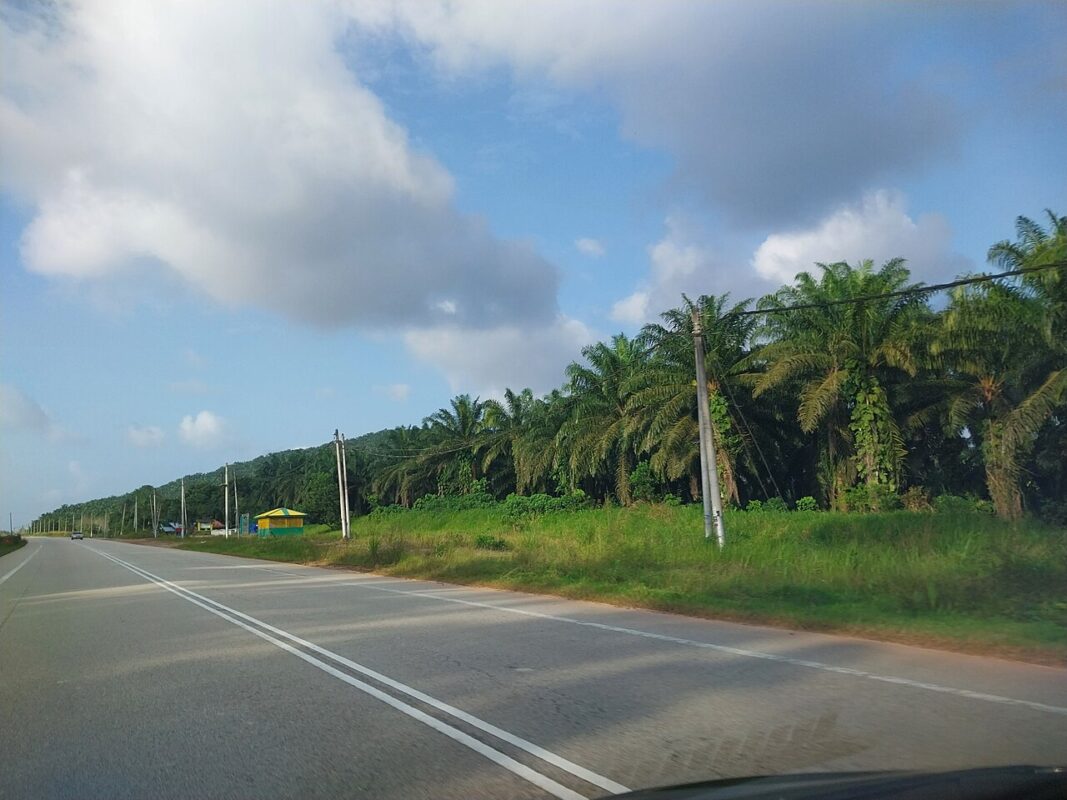
Thailand is one of the world’s largest palm oil producers, behind only Indonesia and Malaysia. Most Thai oil palm grows in the southern provinces, much of it on small family farms that sell fresh fruit bunches to nearby mills. The mills press the fruit into crude palm oil, which is then sold to refiners at home and abroad.
For buyers, a crude palm oil CP0 supplier Thailand side brings a few real benefits:
- A third origin. When Indonesia or Malaysia change export levies or quotas, having Thai supply on your list gives you options.
- Short sea routes to India, Bangladesh, Myanmar, Vietnam, China and the rest of Asia.
- Container-friendly volumes. Thai exporters are used to shipping flexitanks and smaller parcels, not just full vessels.
- Steady quality. Thai mills follow the same CP0 specifications the rest of the trade uses.
If you want a wider view, our post on top palm oil exporting countries compares the main origins.
How Thai Crude Palm Oil Is Produced
Oil palm fruit has to be milled fast. Once a bunch is cut, enzymes in the fruit start breaking the oil down into free fatty acids, so the longer it waits, the higher the FFA. In southern Thailand, most farms sit within easy reach of a mill, which helps keep the fruit fresh.
At the mill, the bunches are steamed to stop the enzymes and soften the fruit. The fruit is stripped from the bunch, pressed, and the oil is clarified and dried. What comes out is crude palm oil, ready for storage and shipping. The kernels go to a separate line to make palm kernel oil, which is a different product. Our post on palm kernel oil vs palm oil explains the difference.
A crude palm oil CP0 supplier Thailand refiners can count on works with mills that keep fruit fresh, store oil properly and keep tanks clean. That’s where low FFA and good DOBI come from. No amount of paperwork can fix oil from stale fruit.
What Refiners Do With CPO
A refinery takes CPO through degumming, bleaching and deodorising to make RBD palm oil. Many then fractionate it. The liquid olein goes into cooking oil and frying. The solid stearin goes into margarine, shortening, vanaspati and soap. Along the way, the refinery also produces palm fatty acid distillate, which goes to oleochemical and animal feed buyers.
The higher the FFA in the crude, the more distillate and the less finished oil the refinery gets. That’s why refiners push every crude palm oil CP0 supplier Thailand side hard on FFA and DOBI. Our guide to the palm oil fractionation process walks through each step.
What CP0 Means
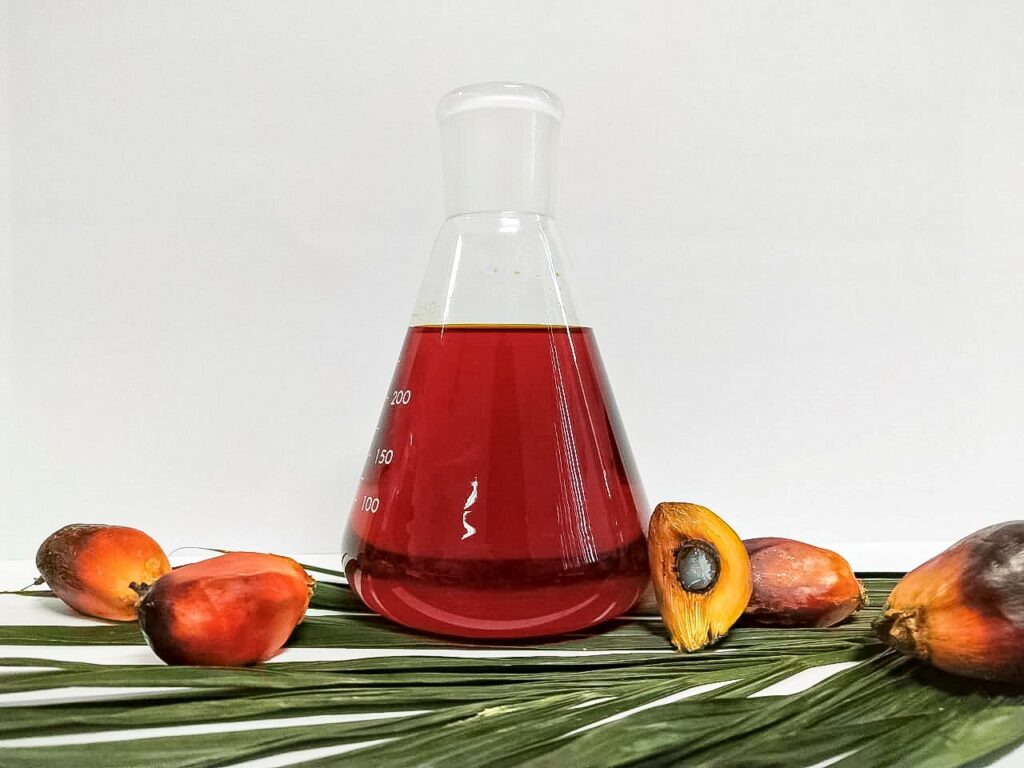
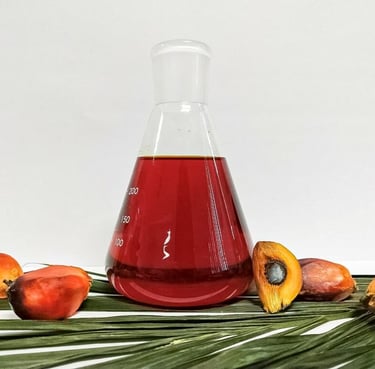
CP0 is the trade name for crude palm oil, the first oil pressed from the fruit before any refining. It’s deep orange to red because it’s full of natural carotene, and it’s semi-solid at room temperature. Refiners turn it into RBD palm oil, then often fractionate it into olein and stearin. Our post on refined palm oil vs crude palm oil explains how the two differ.
Who Buys From a Crude Palm Oil CP0 Supplier Thailand Side
The buyers who contact us usually fall into these groups:
- Edible oil refiners who refine CPO into RBD palm oil, olein and stearin.
- Vanaspati, margarine and bakery fat makers who need palm as a hard fat base.
- Oleochemical plants making fatty acids, glycerine and soap noodles.
- Soap makers who use palm oil directly.
- Traders who buy containers or parcels and resell to refiners.
Each one weighs the specification differently. Refiners care most about FFA and DOBI. Soap makers care about price and consistency. Traders care about loading dates and documents. As a crude palm oil CP0 supplier Thailand buyers use for all of these, we’re used to quoting to different priorities.
What We Sell
Our main product for refiners is crude palm oil (CP0). We also supply refined palm products:
- Refined palm oil CP10 for frying and cooking oil.
- Refined palm oil CP8 for cooler climates.
- RBD palm olein for packers.
See the full range on our palm oil page.
Our CP0 Specification
These are the limits we work to on every lot of crude palm oil, and the numbers any crude palm oil CP0 supplier Thailand side should be willing to sign. Each shipment comes with a certificate of analysis, and you can appoint your own surveyor at loading.
| Parameter | Our CP0 limit | Test method |
|---|---|---|
| Free fatty acid (as palmitic) | 5.0% max | AOCS Ca 5a-40 |
| Moisture and impurities | 0.25% max | AOCS Ca 2c-25 / Ca 3a-46 |
| DOBI | 2.3 min (2.5 min on request) | PORIM p2.9 |
| Iodine value (Wijs) | 50 to 55 | AOCS Cd 1d-92 |
| Slip melting point | 33 to 39 °C | AOCS Cc 3-25 |
| Carotene (as beta-carotene) | 500 to 700 ppm | PORIM p2.6 |
| Colour | Deep orange to red | Visual |
| Appearance at 50 °C | Clear liquid | Visual |
The fatty acid composition follows the palm oil range in the Codex Standard for Named Vegetable Oils. We test to AOCS official methods. For more on each number, see our crude palm oil specification guide.
FFA and DOBI in plain terms
FFA tells you how fresh the fruit was when it was milled. High FFA means more refining loss. DOBI tells you how easily the oil will bleach. Low DOBI means more bleaching earth, more time and more cost. A crude palm oil CP0 supplier Thailand refiners trust will put both numbers in the contract, not just on the COA.
Contaminants
Many buyers, especially in Europe and for infant food, now ask about 3-MCPD and glycidyl esters, which form mainly during refining. Our post on 3-MCPD in palm oil explains what buyers ask for and why.
Packing and Shipment Size
| Packing | Typical quantity | Notes |
|---|---|---|
| Bulk parcel | By contract | For refiners with shore tanks |
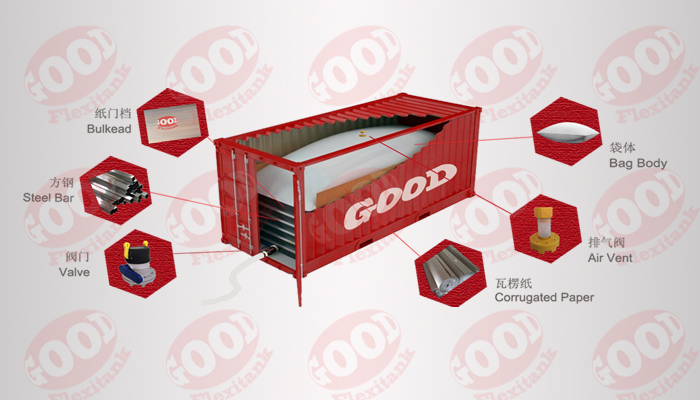
| Flexitank | About 20 to 22 MT per 20 ft container | Trial lots and container buyers |
| ISO tank | About 20 to 23 MT | Clean, reusable, faster discharge |
| Steel drums | About 180 to 190 kg | Small users and oleochemical plants |
Crude palm oil is semi-solid at normal temperatures, so flexitanks ship with heating pads. Our guide on how to unload palm oil from flexitank explains heating and discharge, and why does palm oil solidify covers the science. For help choosing bulk packing, see flexitank vs ISO tank.
Where We Ship
As a crude palm oil CP0 supplier Thailand side, we ship to buyers across Asia, the Middle East, Africa and Europe. The short routes are a big plus for South and Southeast Asia.
| Region | Typical buyers | Notes |
|---|---|---|
| India | Refiners on west and east coasts | Short voyage, crude duty often lower than refined |
| Bangladesh and Myanmar | Refiners and packers | Very short routes |
| China and Vietnam | Refiners and oleochemical plants | Container and bulk |
| Pakistan and the Gulf | Ghee and fat makers | Halal documents needed |
| East Africa | Refiners in Kenya, Tanzania and nearby | Growing palm refining sector |
| Europe | Refiners and oleochemicals | Strict sustainability and contaminant rules |
Indian buyers can read our page on crude palm oil suppliers for India, and Pakistani buyers our palm oil supplier Pakistan guide. For price terms, read CIF vs FOB vegetable oil.
Thai CPO Compared With Indonesian and Malaysian CPO
Chemically, crude palm oil is much the same wherever it’s grown. The FFA, DOBI, iodine value and carotene ranges overlap, and all three origins trade on the same CP0 specification. The differences are mostly practical.
Indonesia and Malaysia produce far more oil, so they dominate big vessel trades and set the benchmark prices. Thailand produces less, and a lot of it goes to its own refiners and biodiesel plants, so export volumes are smaller and more often shipped in containers. That suits buyers who want a few flexitanks a month rather than a 10,000 ton cargo.
Export rules also differ. Indonesia in particular changes export levies and policies from time to time, and Malaysia adjusts its export duty. When that happens, buyers who already have a crude palm oil CP0 supplier Thailand side on their list can switch some volume without starting from scratch. That’s the main reason many refiners keep Thai origin in their mix, even if most of their oil comes from the bigger two.
Soap and Oleochemical Buyers
Not every CPO buyer makes food. Soap makers use palm oil for hardness and lather, and oleochemical plants split it into fatty acids and glycerine. These buyers care less about DOBI and more about price, FFA and steady supply. Some also take palm fatty acid distillate or palm stearin instead of CPO. If that’s you, tell a crude palm oil CP0 supplier Thailand side what your process needs, and ask whether a cheaper grade would work. Our posts on palm oil for soap making and palm oil in cosmetics and personal care manufacturing cover these uses.
Storage at Your End
Once CPO is in your tank, keep it in good shape. Use clean, dry tanks with gentle heating coils. Hold the oil just warm enough to stay pumpable, not hotter. Avoid long storage before refining, because FFA keeps creeping up slowly over time. First in, first out is the simple rule. Our guide on refined palm oil storage and handling covers tank care that applies to crude oil too. A good crude palm oil CP0 supplier Thailand side can only control the oil up to discharge. After that, it’s in your hands.
Documents
Each shipment comes with:
- Commercial invoice and packing list
- Bill of lading
- Certificate of analysis
- Certificate of origin, showing Thailand
- Halal certificate
- Health or phytosanitary certificate where required
- Surveyor’s quality and quantity certificate if your contract asks for one
Crude palm oil falls under HS 1511.10. See our palm oil HS code guide, and documents required to import vegetable oil for country-by-country rules.
Sustainability and EUDR
If you sell into Europe, the EU Deforestation Regulation affects palm oil imports, and traceability back to the plantation matters more than ever. Ask about it before you sign. Our post on EUDR palm oil compliance explains what European buyers need, and RSPO certified sustainable palm oil covers certification models. Not every crude palm oil CP0 supplier Thailand side can provide certified or fully traceable oil, so it’s worth asking early.
8 Proven Checks Before Choosing a Crude Palm Oil CP0 Supplier Thailand Buyers Trust
1. Verify the company
Ask for registration, address and a named contact, then check them yourself. Our guide to spotting a fake vegetable oil supplier lists the warning signs.
2. Put every number in the contract
FFA, M&I, DOBI, iodine value and melting point, with limits.
3. Ask for COAs from several past lots
Consistency is what you’re buying. See certificate of analysis for edible oil.
4. Use independent inspection
A surveyor at loading samples and seals the oil. See pre-shipment inspection for edible oil.
5. Use safe payment terms
Letters of credit are the safest way to start. Read letter of credit vs TT payment.
6. Check the certificate of origin
If you’re buying Thai oil for a reason, such as diversifying origin or duty rules, make sure the certificate of origin says Thailand.
7. Ask about heating
Flexitanks of CPO need heating pads. Confirm they’re fitted, and that your side has steam or hot water ready at discharge.
8. Agree the claims process
Sampling, sealing, testing labs and how claims are settled should be in the contract before the first shipment.
What Moves the Price
Every crude palm oil CP0 supplier Thailand side prices off the same world market. That market mostly tracks Malaysian futures, Indonesian export policy, biodiesel mandates and the gap between palm and soybean oil. The Malaysian Palm Oil Board publishes production and export data many traders follow. Thai prices move with the regional market, plus local factors like the Thai harvest and domestic biodiesel demand.
Your landed price adds packing, freight, insurance and import duty. Our posts on crude palm oil price per ton and palm oil wholesale price factors go into more detail.
We quote firm CIF or FOB prices with a validity period. Send us your quantity, port and shipment month and we’ll give you today’s number.
Quality on Arrival
Even with a crude palm oil CP0 supplier Thailand buyers have used for years, test every shipment when it lands. Draw joint samples at discharge, seal them, and test FFA, M&I and DOBI against the loading COA.
A small FFA rise on the voyage is normal. A big jump usually means water got in, or the oil was heated too hard or too long. Heat CPO gently at discharge, never above what’s needed to melt it. Overheating damages carotene, lowers DOBI and costs you at the refinery. Any serious crude palm oil CP0 supplier Thailand side will accept a claim backed by properly sealed joint samples.
A Typical First Year
Most refiners don’t hand a new origin a full vessel on day one. Here’s how a sensible first year usually goes when a buyer adds a crude palm oil CP0 supplier Thailand side to their sources.
- First month or two: one or two flexitanks. The buyer refines the oil, checks loss and colour, and sees how the paperwork lands with their bank and customs.
- Months three to six: several containers a month, or a small bulk parcel. Specs, inspection and claims terms go into a standard contract.
- After six months: a monthly or quarterly plan with an agreed price method and loading window.
Going step by step keeps the risk small. It also gives the buyer real numbers to compare against their Indonesian and Malaysian supply.
Common Mistakes With CPO Imports
- No heating plan. CPO in a flexitank is solid on arrival. Without steam or hot water ready, the container sits at the yard.
- No DOBI in the contract. If it isn’t written down, you can’t claim against it.
- Ignoring duty changes. Crude and refined palm often carry different duties, and rates get revised. Check before you sign.
- Choosing on price alone. The cheapest crude palm oil CP0 supplier Thailand side offering a deal may be a broker who doesn’t own the oil.
What to Send for a Fast Quote
- Quantity: one flexitank, a trial, or a monthly volume.
- Packing: bulk parcel, flexitank, ISO tank or drums.
- Destination port, and CIF or FOB.
- Shipment month.
- Any special limits, such as DOBI 2.5 minimum.
- Certificates needed, such as halal or sustainability documents.
- Payment terms.
Send the same list to every crude palm oil CP0 supplier Thailand side you’re comparing, so the offers line up.
How an Order Works
- You send quantity, packing, port and shipment month.
- We quote CIF or FOB with the full CP0 specification.
- We share recent COAs and a sample for flexitank lots.
- We sign a contract with specs, loading window, inspection and claims terms.
- You open a letter of credit.
- We load with heating pads, your surveyor inspects, and we send documents.
- The oil arrives and we stay in touch until it’s discharged.
Our minimum order as a crude palm oil CP0 supplier Thailand buyers can test is one 20 ft flexitank. See minimum order quantity for bulk cooking oil.
Why Buyers Choose Us
We’re a Thailand-based exporter with ISO 22000, HACCP, GMP and halal certification. As a crude palm oil CP0 supplier Thailand buyers use, we focus on what refiners care about: honest FFA and DOBI, clear contracts, documents that match your LC, and quick replies when something needs fixing.
Most buyers who try a new crude palm oil CP0 supplier Thailand side start with one flexitank, refine it, check the loss, and then move to regular orders. That’s the approach we’d recommend with any new origin.
Some refiners take crude canola alongside CPO to cover the liquid oil side of their range. See our page on working with a crude canola oil exporter for specs and packing.
FAQs About Buying From a Crude Palm Oil CP0 Supplier Thailand Side
What FFA do you guarantee?
5.0% max as palmitic acid, with most lots loading well below that.
What DOBI do you offer?
2.3 minimum as standard, 2.5 minimum on request.
Do you ship in bulk vessels?
For larger contracts, yes. Flexitanks and ISO tanks for container buyers.
Do flexitanks come with heating pads?
Yes, for every CPO shipment.
Is the oil halal certified?
Yes, every lot.
What is the minimum order?
One 20 ft flexitank, about 20 to 22 tons.
Contact a Crude Palm Oil CP0 Supplier Thailand Buyers Trust
If you’re looking for a crude palm oil CP0 supplier Thailand side for your refinery or trading business, send us your quantity, packing, port and shipment month. We’ll reply with a firm price, our full CP0 specification and recent COAs. Email info@dthcompanyltd.com, call or WhatsApp +66 91 765 9104, or use our contact page.





One thought on “Crude Palm Oil CP0 Supplier Thailand: 8 Proven Checks for Safe Buying”