

The minimum order quantity for bulk cooking oil is usually the first thing a new buyer asks us, and often the thing that decides whether the deal goes ahead. Fair enough. If you’re testing a market or running a small distribution business, a full container is a big commitment. If you’re a refinery, a container is a rounding error.
We sell refined and crude cooking oils worldwide, from 1 litre bottles to flexitanks and bulk vessel parcels. This guide explains what the minimum order quantity for bulk cooking oil really is with us and most serious suppliers, why it exists, how it changes with packing and private label, and some honest ways to start smaller without paying through the nose. We also list our oils with full specifications, so you can see exactly what you’d be ordering.
The numbers here are how we work today. Every supplier is a bit different, and freight and packaging change things, so we always confirm the minimum for your exact order when we quote.

Table of Contents
The Short Answer on Minimum Order Quantity for Bulk Cooking Oil
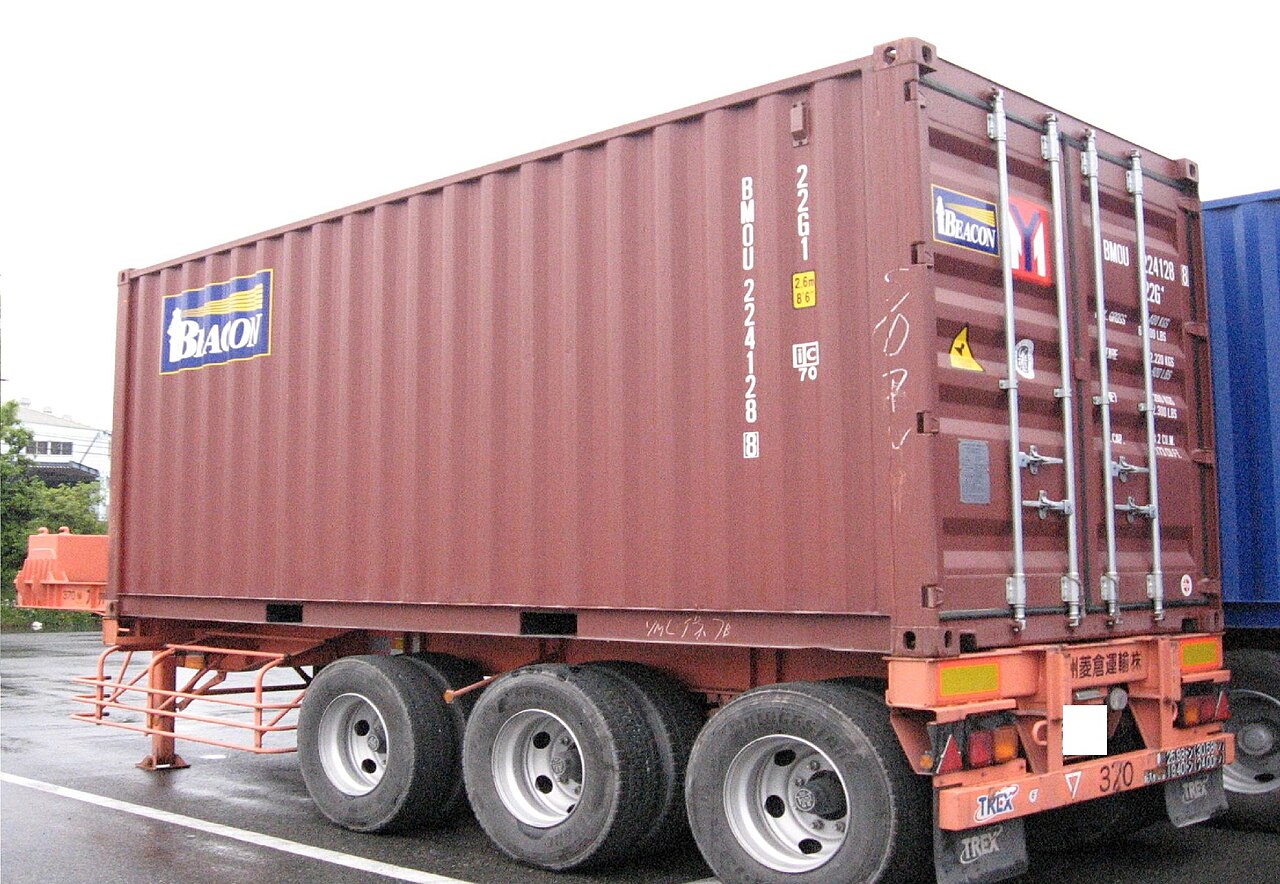
For most buyers, the minimum order quantity for bulk cooking oil is one 20 foot container. That’s roughly 20 to 22 tonnes in a flexitank, or somewhere between about 14 and 21 tonnes of packed oil, depending on the bottles, jerrycans or tins.
For true bulk by sea in tankers, the minimum is much higher, usually several hundred tonnes per parcel and often 1,000 tonnes or more, because the ship and the shore tanks only make sense at that scale.
| How you buy | Typical minimum | Rough quantity |
|---|---|---|
| Packed oil (bottles, jerrycans, tins) | 1 x 20 ft container | about 14 to 21 MT |
| Flexitank | 1 x 20 ft container | about 20 to 22 MT |
| IBC totes | 1 x 20 ft container | 18 to 20 totes |
| Mixed container | 1 x 20 ft container, minimum per product | varies |
| Bulk vessel parcel | Several hundred MT and up | often 1,000 MT plus |
| Private label | 1 x 20 ft container plus label minimums | varies |
If you want to see how the container fills up by pack type, read our guide on how much cooking oil fits in a 20ft container.
Why the Minimum Order Quantity for Bulk Cooking Oil Exists
Buyers sometimes think the minimum order quantity for bulk cooking oil is a sales trick. It isn’t, at least not with a real supplier. It comes from the way oil is made, packed and shipped.
Freight
Shipping lines charge per container, not per tonne. Half a container of oil costs almost the same to ship as a full one. Less-than-container-load shipping exists, but for heavy liquid cargo it’s expensive, slow and often refused by consolidators because of leak risk. So the container is the natural unit.
Production runs
A bottling line takes time to switch between oils, bottle sizes and labels. Every change means cleaning, adjusting and wasting some product and packaging. A run that’s too short costs more to set up than it earns.
Packaging minimums
Bottle preforms, caps, labels and cartons are bought in their own minimums. Printed labels and cartons in particular often come in runs of thousands. That feeds straight into the minimum order quantity for bulk cooking oil when it’s private label.
Documents and inspection
Every shipment needs a certificate of analysis, origin documents, an inspection if you ask for one and export clearance. Those costs are roughly the same for 5 tonnes or 20, so smaller lots carry a much higher cost per tonne.
How Packing Changes the Minimum
The minimum order quantity for bulk cooking oil is always measured in containers, but what fills the container depends on your packing.
- Flexitank. One flexitank fills one 20 foot container with about 20 to 22 tonnes. You can’t really ship half a flexitank, because a part-filled bag surges at sea. So the minimum is the full flexitank.
- 1 litre and 2 litre bottles. The container fills by space before weight. You get about 15,000 to 19,000 litres.
- 5 litre bottles. About 1,050 to 1,200 cartons of 4, close to 21 tonnes.
- Jerrycans and tins. About 950 to 1,250 units depending on size, limited mostly by weight.
- IBC totes. 18 to 20 per container, good for factories without a big tank.
So a buyer who says “I only want 10 tonnes” is usually better off asking for a full container in a mix of packs than paying extra for half.
Mixed Containers: The Friendly Way to Start
This is the option we suggest most often to new buyers who find the minimum order quantity for bulk cooking oil too high for one product.
A mixed container is still one 20 foot load, but split between products or pack sizes. For example:
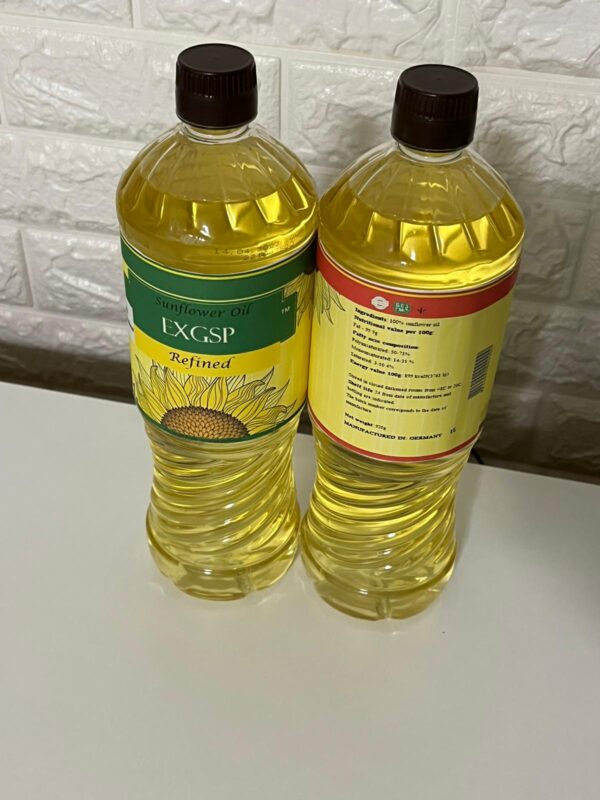
- 500 cartons of 1 litre refined sunflower oil.
- 300 cartons of 5 litre refined soybean oil.
- 250 x 20 litre jerrycans of palm olein for restaurants.
You cover more of your market with one shipment and learn which product sells fastest. Each product line still needs a sensible minimum, usually a few hundred cartons, so the filling run is worth doing. We’ll tell you the exact split that works when you ask.
Minimum Order Quantity for Bulk Cooking Oil Under Private Label
Private label means your brand on the bottle. It adds a layer to the minimum order quantity for bulk cooking oil because of printed packaging.
- Labels and sleeves are printed in runs. If your first order uses half the run, the rest waits for the next order.
- Cartons with your brand printed on them have their own minimum.
- Custom bottles with your own mould are a much bigger commitment and only make sense at high volumes.
The usual way around this is to start with standard bottles and your own label, then move to custom bottles once the brand is selling. We help with artwork checks so your label matches the oil and your market’s rules.
If you’re selling into regulated markets, check labelling rules early. Our guides on SFDA registration for imported cooking oil and the FDA requirements for importing vegetable oil cover two of the strictest.
Bulk Vessel Parcels for Refineries
Refineries and very large packers buy crude oil by the ship. Here the minimum order quantity for bulk cooking oil works completely differently.
Parcel tankers carry oil in separate tanks, so a buyer can take part of a ship. Even so, parcels below a few hundred tonnes are rare, and 1,000 to 5,000 tonnes is common. Contracts usually follow standard trade forms, with quality and quantity measured at loading by an independent surveyor, and the buyer needs shore tanks big enough to receive the oil.
If you’re a refinery buying crude palm oil, crude soybean oil or crude sunflower oil, talk to us about monthly volumes and we’ll tell you whether vessel or flexitank makes more sense for your port.
How Price Changes With Volume
The minimum order quantity for bulk cooking oil gets you in the door. Volume gets you the better price. Roughly speaking:
- One container now and then gets the standard price.
- Several containers per month on a contract gets a better price, because we can plan production and freight.
- Large regular volumes can be priced against market indexes with an agreed premium.
Oil prices move with world markets every day, so quotes have short validity. Our guides on soybean oil price per ton and coconut oil price per ton explain what drives the numbers.
What we don’t do is pretend that half a container costs the same per tonne as a full one. It doesn’t, and any supplier who says it does is probably adding the cost somewhere else.
Ways to Start Smaller
If one container really is too much for you right now, here are honest ways to deal with the minimum order quantity for bulk cooking oil without overpaying.
- Start with samples. Test the oil before you commit to a container. See how to request edible oil samples.
- Use a mixed container so one load covers several products.
- Share a container with a partner buyer in the same port, splitting products by line. Paperwork has to be in one consignee’s name, so you need trust and a clear agreement.
- Buy from a local distributor for the first few months while you build demand, then switch to importing.
- Choose bigger packs. 5 litre bottles and jerrycans give more oil per container and lower cost per litre, so a full container goes further.
If you’re just setting up, our guide on how to start a cooking oil distribution business walks through the money side.
Oils You Can Order From Us
Every oil below can be ordered at our normal minimum order quantity for bulk cooking oil, which is one 20 foot container per order. Here are the typical specifications we load to.
| Oil we sell | FFA | PV at loading | Moisture | Key spec | Packing |
|---|---|---|---|---|---|
| Refined sunflower oil | 0.1% max | 2.0 meq/kg max | 0.05% max | Iodine value 118 to 141 | Bottles, jerrycans, flexitank |
| Refined soybean oil | 0.1% max | 2.0 meq/kg max | 0.05% max | Iodine value 124 to 139 | Bottles, jerrycans, flexitank |
| Refined palm olein CP10 | 0.1% max | 2.0 meq/kg max | 0.1% max | Cloud point 10 C max | Bottles, jerrycans, tins, flexitank |
| RBD canola oil | 0.1% max | 2.0 meq/kg max | 0.05% max | Erucic acid under 2% | Bottles, flexitank |
| RBD coconut oil | 0.1% max | 1.0 meq/kg max | 0.1% max | Iodine value 7 to 11 | Jerrycans, drums, flexitank |
| High oleic sunflower oil | 0.1% max | 2.0 meq/kg max | 0.05% max | Oleic 75% min | Bottles, jerrycans, IBC, flexitank |
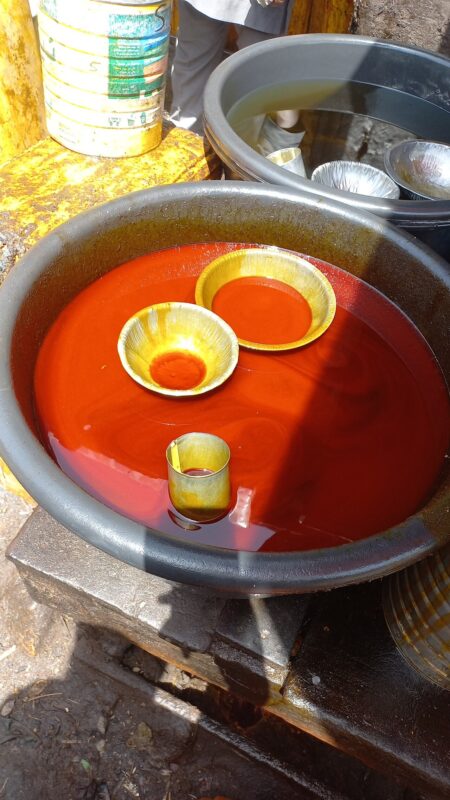
| Crude palm oil | 5% max | n/a | 0.5% max (M and I) | DOBI 2.3 min | Flexitank, vessel |
All our oil is produced under ISO 22000, HACCP and GMP, with Halal certification. Every shipment comes with a lot COA; our guide on the certificate of analysis for edible oil shows what’s on it.
Packing Options and What They Mean for Your Minimum
| Pack | Typical buyer | Units in one 20 ft |
|---|---|---|
| 1 L PET bottle, 12 per carton | Supermarkets and shops | about 1,300 to 1,600 cartons |
| 2 L PET bottle, 6 per carton | Supermarkets | about 1,300 to 1,500 cartons |
| 5 L PET bottle, 4 per carton | Families, small restaurants | about 1,050 to 1,200 cartons |
| 20 L jerrycan | Restaurants, bakeries | about 950 to 1,100 |
| 18 L tin | Food service | about 1,100 to 1,250 |
| 1,000 L IBC | Food factories | 18 to 20 |
| Flexitank | Packers and refineries | 1 bag, about 20 to 22 MT |
Not sure whether bottles or jerrycans suit your market? See PET bottle vs jerrycan cooking oil packaging.
A Worked Example: What One Container Really Costs You
It helps to see the minimum order quantity for bulk cooking oil in money, not just tonnes. The figures below are made-up round numbers to show the maths. They’re not a quote, and oil and freight prices move every week.
Say you order one container of 5 litre refined sunflower oil bottles, 1,100 cartons of 4, so 22,000 litres.
| Line | Example amount |
|---|---|
| Oil and packing, FOB | 30,000 USD |
| Ocean freight | 2,000 USD |
| Insurance | about 100 USD |
| Destination port charges | about 600 USD |
| Import duty and taxes (example 10%) | about 3,200 USD |
| Local trucking to warehouse | about 400 USD |
| Total landed | about 36,300 USD |
| Landed cost per litre | about 1.65 USD |
Now imagine half the oil in the same container. Freight, port charges, documents and trucking hardly change, so the cost per litre jumps. That’s the real reason the minimum order quantity for bulk cooking oil sits at one container. It protects your margin as much as ours.
Minimum Order Quantity for Bulk Cooking Oil by Buyer Type
Different businesses end up with different real minimums, even with the same supplier.
| Buyer | Sensible first order | What they usually buy |
|---|---|---|
| New distributor | 1 mixed container | 1 L and 5 L bottles, some jerrycans |
| Established wholesaler | 1 to 3 containers per month | One or two oils in retail bottles |
| Restaurant supplier | 1 container | 18 L tins or 20 L jerrycans |
| Local packer | 1 flexitank, then regular contract | Refined oil in flexitank |
| Food factory | 1 container of IBCs or a flexitank | One oil to a tight spec |
| Refinery | Vessel parcel or several flexitanks | Crude oil |
Which line fits you depends on how fast you can sell. The right minimum order quantity for bulk cooking oil for your business is one you can turn over before the oil gets old and before your cash runs thin.
Questions to Ask Any Supplier About Minimums
When you compare suppliers, ask these. The answers tell you a lot about who you’re dealing with.
- What is your minimum order quantity for bulk cooking oil per order, and per product in a mixed load?
- Is the price per tonne the same for one container and for five?
- What are the print minimums for private label labels and cartons?
- How long from payment to loading?
- Will you send samples and a recent COA before I order?
- Can I appoint my own inspector at loading?
A supplier who answers clearly and in writing is easier to trust with your first container.
Check Your Storage First
One thing buyers forget when they agree to a minimum order quantity for bulk cooking oil: the container has to go somewhere when it lands. A container of packed oil needs a dry, shaded warehouse with room for 20 tonnes on pallets or floor stacked. A flexitank needs a tank or IBCs and a pump at the other end. Sort that out before you sign, not when the shipping line sends the arrival notice.
Payment Terms and the First Order
The minimum order quantity for bulk cooking oil also links to payment. On a first order with a new buyer, we normally work with a deposit and balance against documents, or a letter of credit from a recognised bank. Once there’s a track record, terms can relax.
We’re upfront about this because it saves time. A buyer who expects 90 days credit on a first container is going to be disappointed by any serious supplier. A buyer who can open an LC or pay a deposit is ready to start.
Whatever the terms, we send the proforma invoice, specification and sample COA first, so you know exactly what you’re paying for.
Lead Times
For standard oils in standard packs, one container usually loads within a few weeks of confirmed payment or LC, depending on the oil and the season. Private label adds time for artwork approval and printing. Flexitanks can often load faster than packed oil, because there’s no bottling. We’ll give you a firm loading window with the quote.
Timing Your First Order
When you place your first order matters almost as much as how much you order. Cooking oil demand jumps before big holidays and festive seasons in many markets, and freight gets tight before peak shipping periods. If your first container lands just after the rush, it can sit in your warehouse for weeks.
Work backwards. Take the date you want oil on your shelves, subtract the sea transit, the port clearance and our loading time, and that’s when you need to confirm. For most routes that’s six to ten weeks ahead. If you plan it that way, the minimum order quantity for bulk cooking oil feels a lot less heavy, because the container sells through when demand is highest.
Oil prices also move with world crop news, weather and currency swings. Nobody can call the market every time, so don’t wait forever for the perfect price. A steady monthly order, even at the minimum order quantity for bulk cooking oil, usually beats trying to time one big buy.
Common Mistakes Around Minimum Orders
- Ordering a full container of one product you haven’t tested in your market.
- Chasing tiny orders from sellers who quote a price that can’t work for half a container.
- Ignoring destination costs. Port charges are the same whether your container is full or half empty.
- Printing too many labels for a brand that might change.
- Choosing the wrong packs. 1 litre bottles in a market that buys jerrycans.
- Not checking storage space before a full container arrives.
Getting the minimum order quantity for bulk cooking oil right isn’t about the smallest order. It’s about an order you can sell through quickly.
Freight Terms
We quote FOB at the loading port or CIF to your port, and the choice affects your landed cost per tonne. The CIF vs FOB vegetable oil guide explains which suits you. Either way, the minimum order quantity for bulk cooking oil stays at one container.
Useful References
Container freight works under international trade terms published by the ICC as the Incoterms rules. Every packed container also needs a declared weight under the IMO verified gross mass rules. Bulk oil contracts often follow FOSFA standard forms, and quality limits for named oils are in the Codex Alimentarius standards.
FAQs on Minimum Order Quantity for Bulk Cooking Oil
What is your minimum order quantity for bulk cooking oil?
One 20 foot container per order, packed or in a flexitank.
Can I order less than a container?
Usually not for direct shipment, because freight and production make it uneconomic. A mixed container is the better way to start.
Can I mix different oils in one container?
Yes, with a sensible minimum per product, often a few hundred cartons.
Does private label change the minimum order quantity for bulk cooking oil?
The container minimum stays the same, but printed labels and cartons have their own print minimums.
What is the minimum for bulk vessel shipments?
Usually several hundred tonnes per parcel, and often 1,000 tonnes or more.
Is the minimum order quantity for bulk cooking oil the same for every oil?
Yes, one container per order, but crude oils for refineries are often bought in larger lots or by vessel.
Does a bigger order lower the price?
Usually, yes. Regular monthly containers on a contract get better pricing than one-off orders.
Can I get samples before ordering?
Yes. We send samples so you can test before committing to a container.
Ask About Your First Container
Tell us the oil, the packs you’re thinking about, your port and how much you expect to sell each month. We’ll suggest the right minimum order quantity for bulk cooking oil for your situation, a sensible product mix if you need one, and a price with the full specification and a sample COA.
Email info@dthcompanyltd.com, WhatsApp +66 91 765 9104, or use our contact page. You can also look through our product range or read more about us.





21 thoughts on “Minimum Order Quantity for Bulk Cooking Oil: 7 Best Facts”