

If your business runs on coconut oil, you’ll know how much it matters who you buy from. Bakeries, fryers, soap makers, cosmetics labs and repackers all need an RBD coconut oil wholesale supplier who ships the same white, neutral oil every time, at a fair price, without surprises at the port. We sell RBD coconut oil wholesale to buyers around the world, and this page explains our product, our specification, our pack sizes and how an order works.
We’ll also share the checks we’d run on any RBD coconut oil wholesale supplier before placing a first order, because a bad shipment costs far more than the few dollars you might save on price. If you just want a quote, the contact section is at the end.

Table of Contents
What RBD Coconut Oil Is
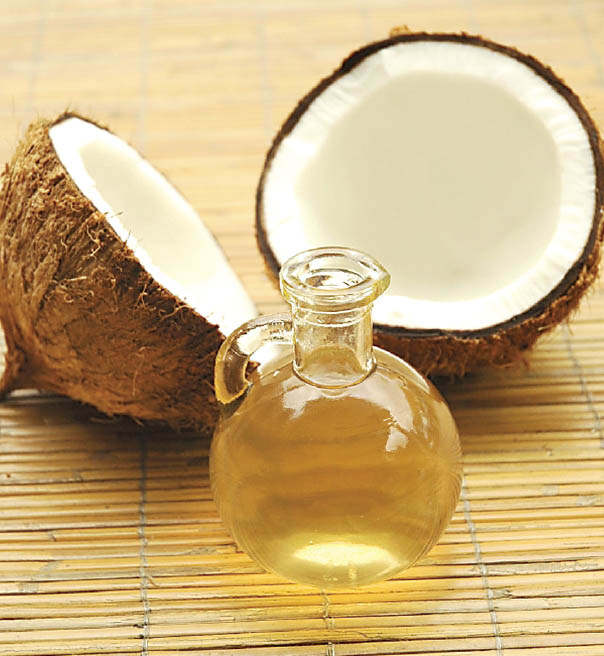
RBD stands for refined, bleached and deodorised. It starts as crude coconut oil, pressed from dried coconut meat called copra. Crude coconut oil is yellow to brown, smells strongly of copra and carries free fatty acids and impurities. Refining takes all of that out.
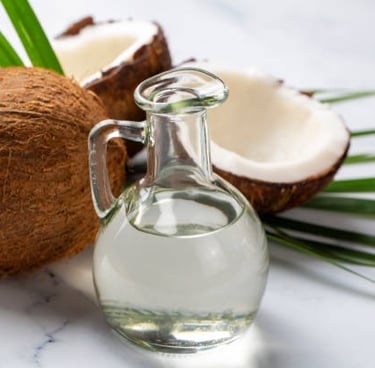
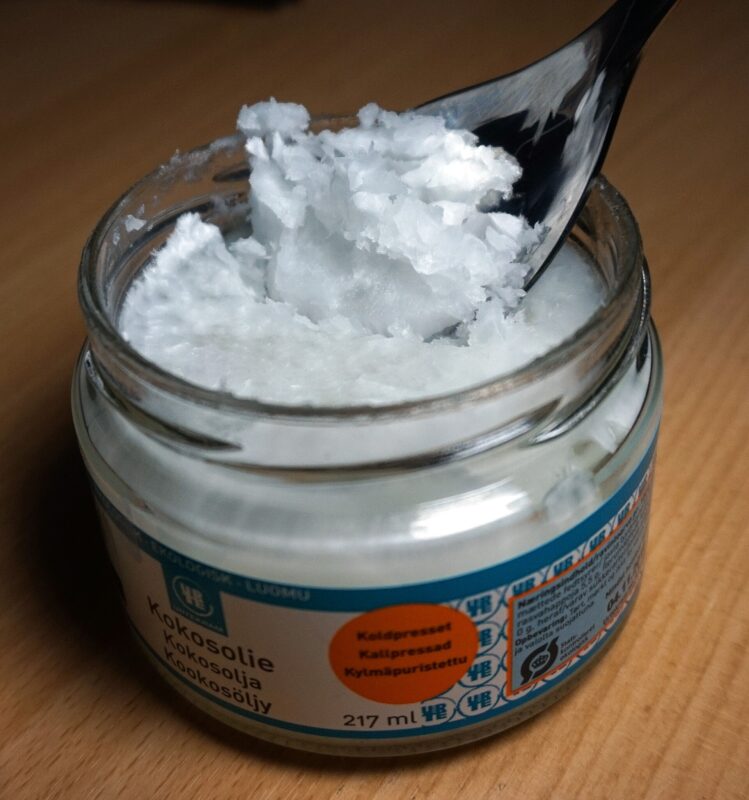
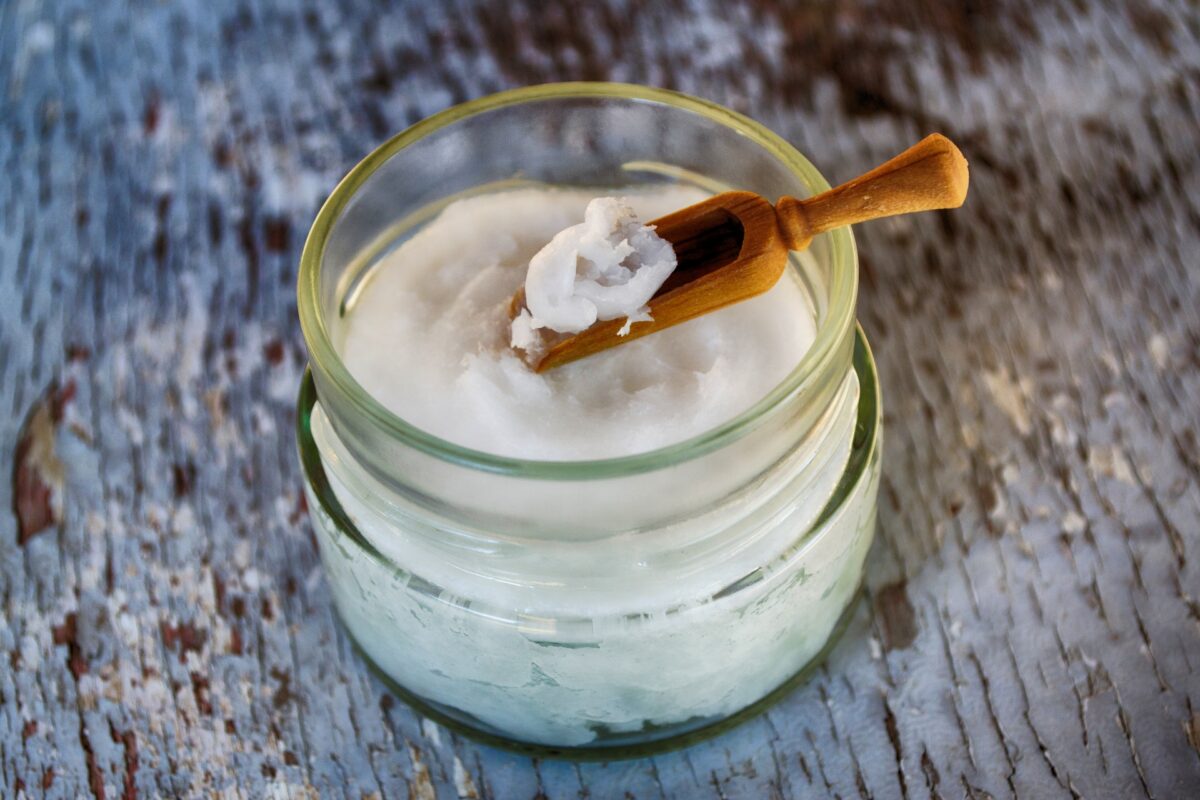
The result is a clear, almost water-white liquid in warm weather, which turns into a white solid below about 24 °C. It has a neutral smell and taste, a long shelf life and a high smoke point. That’s what makes it so useful to food and cosmetics makers. They get the functional benefits of coconut oil without the coconut flavour.
If you’re choosing between grades, our post on RBD coconut oil vs virgin coconut oil compares them in detail.
Who Buys From an RBD Coconut Oil Wholesale Supplier
Our buyers come from quite different industries, and each looks for something different from an RBD coconut oil wholesale supplier:
- Biscuit, bakery and confectionery makers. They want the right melting point, a clean taste and a long shelf life in the finished product.
- Snack makers and commercial fryers. They care about smoke point, fry life and a clean colour on the food.
- Non-dairy creamer, ice cream and coating makers. They need a sharp melt and no off flavours.
- Soap and detergent makers. They look at saponification value, iodine value and colour.
- Cosmetics and personal care brands. They want a white, odourless base that stays fresh in the jar.
- Distributors and repackers. They resell across several markets and need clean documents and flexible packing.
Whichever group you’re in, what you need from an RBD coconut oil wholesale supplier comes down to the same three things: steady quality, steady supply and honest paperwork.
What We Sell
Our main coconut product is RBD coconut oil. We also supply related grades, which helps if you’d rather deal with one RBD coconut oil wholesale supplier for your whole coconut line:
- Virgin coconut oil for retail, health food and natural cosmetics.
- Crude coconut oil for refiners, soap and oleochemical plants.
See the full range on our coconut oil page.
RBD Coconut Oil Specification
These are the limits we work to on every lot. Each shipment carries a certificate of analysis with the actual results, tested to AOCS methods.
| Parameter | Specification | Test method |
|---|---|---|
| Appearance at 30 °C | Clear, bright liquid | Visual |
| Colour (Lovibond 5¼ inch cell) | 1.0 red max | AOCS Cc 13e |
| Odour and taste | Neutral, bland, no rancidity | Sensory |
| Free fatty acid (as lauric) | 0.1% max | AOCS Ca 5a-40 |
| Moisture and impurities | 0.1% max | AOCS Ca 2c-25 |
| Peroxide value | 1.0 meq O₂/kg max at loading | AOCS Cd 8b-90 |
| Iodine value (Wijs) | 6 to 11 | AOCS Cd 1d-92 |
| Saponification value | 248 to 265 mg KOH/g | AOCS Cd 3-25 |
| Slip melting point | About 24 to 26 °C | AOCS Cc 3-25 |
| Unsaponifiable matter | 0.5% max | AOCS Ca 6a-40 |
| Refractive index at 40 °C | 1.448 to 1.450 | AOCS Cc 7-25 |
| Shelf life | 18 to 24 months, cool and dry |
The fatty acid profile follows the coconut oil range in the Codex Standard for Named Vegetable Oils:
| Fatty acid | Carbon chain | Typical range |
|---|---|---|
| Caprylic | C8:0 | 4.6 to 10.0% |
| Capric | C10:0 | 5.0 to 8.0% |
| Lauric | C12:0 | 45.1 to 53.2% |
| Myristic | C14:0 | 16.8 to 21.0% |
| Palmitic | C16:0 | 7.5 to 10.2% |
| Stearic | C18:0 | 2.0 to 4.0% |
| Oleic | C18:1 | 5.0 to 10.0% |
| Linoleic | C18:2 | 1.0 to 2.5% |
For more detail on each number, see our RBD coconut oil specification guide. If you’re interested in why lauric acid matters so much, read lauric acid in coconut oil.
Packing Options
As an RBD coconut oil wholesale supplier shipping to many kinds of buyers, we offer a wide range of packing:
| Packing | Net per unit | Per 20 ft container |
|---|---|---|
| Flexitank | About 21 to 22 MT | 1 flexitank |
| ISO tank | About 20 to 23 MT | Tank is the container |
| New steel drums | 180 to 190 kg | About 80 drums |
| IBC totes | About 900 kg to 1 MT | About 18 to 20 IBCs |
| Tins | 18 L | On request |
| Jerrycans | 20 to 25 L | On request |
| Bottles and jars | 500 ml to 5 L | On request |
Coconut oil goes solid below about 24 °C, so bulk shipments to cooler ports may need heating pads in the flexitank, or a heated tank at discharge. Our post on coconut oil melting point explains how that affects handling. For help choosing between bulk options, see flexitank vs ISO tank.
We also fill bottles and jars under your own brand. See private label vegetable oil.
Uses by Industry
Bakery and confectionery
RBD coconut oil gives biscuits, cookies and crackers a crisp bite and a long shelf life. In confectionery and coatings it gives a quick melt in the mouth. Our guide on coconut oil for bakery and confectionery covers grades and blends.
Frying and snacks
It’s very stable under heat because it’s mostly saturated fat. Snack makers in Asia and elsewhere use it for chips, crackers and popcorn.
Soap and detergents
Coconut oil is the classic base for hard, foamy soap bars. Soap makers use its saponification value to work out their lye. See coconut oil for soap making.
Cosmetics and personal care
A white, odourless RBD coconut oil is a good base for lotions, lip balms, hair oils and creams. Cosmetics buyers usually ask an RBD coconut oil wholesale supplier for tight limits on colour, odour and peroxide value.
Non-dairy products
Non-dairy creamers, whipped toppings and ice cream use coconut oil for its clean taste and sharp melting profile.
9 Best Tips for Choosing an RBD Coconut Oil Wholesale Supplier
Here’s what we’d check with any RBD coconut oil wholesale supplier, ourselves included.
1. Confirm the seller is real
Ask any RBD coconut oil wholesale supplier on your list for company registration, a physical address and a named person, then verify them yourself. Our guide to spotting a fake vegetable oil supplier lists the common tricks.
2. Get the full specification in the contract
FFA, peroxide value, colour, moisture, iodine value and melting point should all be written down with limits. If an RBD coconut oil wholesale supplier offers only vague words like premium quality with no numbers, ask again.
3. Ask for several recent COAs
An RBD coconut oil wholesale supplier with steady quality can show you results from several recent lots. Read them closely using our guide to the certificate of analysis for edible oil.
4. Smell and taste the sample
Good RBD coconut oil has almost no smell. Any soapy, rancid or copra note means the refining or storage wasn’t right. Here’s how to request edible oil samples.
5. Check the peroxide value at loading and on arrival
Coconut oil is stable, but heat and long voyages can still push peroxide value up. Ask for a low limit at loading and test again when the oil lands.
6. Use an independent surveyor
Book SGS, Intertek or a similar firm to sample and seal at loading for your first few orders. See pre-shipment inspection for edible oil.
7. Use safe payment terms
A letter of credit is the safest route for a new deal. Be very careful with an RBD coconut oil wholesale supplier who wants full payment by wire before you’ve verified them. Read letter of credit vs TT payment.
8. Think about melting point and climate
Oil arriving in a cold port will be solid. Make sure your RBD coconut oil wholesale supplier and your warehouse both have a plan for heating and discharge.
9. Ask about supply when copra is short
Even a good RBD coconut oil wholesale supplier can’t control the weather. Coconut supply swings with typhoons, drought and tree age. Ask how the supplier handles tight seasons and how much they can commit to each month.
Coconut Oil or Palm Kernel Oil?
Coconut oil and palm kernel oil are the world’s two lauric oils, and some factories switch between them depending on price. They behave in similar ways in soap, confectionery fats and non-dairy creamers, but they’re not identical. Coconut oil usually has a little more of the short chain fatty acids, which gives a slightly sharper melt and more lather in soap. Palm kernel oil is often cheaper.
If you’re thinking of blending or switching, run trials first and tell your RBD coconut oil wholesale supplier what you’re comparing against. We can quote both side by side. Our post on palm kernel oil vs palm oil explains how palm kernel oil differs from regular palm oil, and MCT oil vs coconut oil covers another common question we hear from health food buyers. Whatever you choose, a reliable RBD coconut oil wholesale supplier should help you test before you commit.
How Ordering Works
- You send grade, quantity, packing and destination port.
- We quote CIF or FOB with the full specification.
- We send a sample and recent COAs.
- We agree the contract with specs, loading date and payment terms.
- You open a letter of credit or pay the agreed deposit.
- We pack and load, and your surveyor inspects if booked.
- We send documents and track the shipment until it lands.
Our minimum order is one 20 ft container. See minimum order quantity for bulk cooking oil.
Shipping and Documents
We ship from Thailand to Asia, the Middle East, Africa, Europe, the Americas and Oceania. Most buyers choose CIF to their nearest port. Larger buyers often take FOB. See CIF vs FOB vegetable oil.
Each shipment comes with a commercial invoice, packing list, bill of lading, certificate of analysis, certificate of origin and a health certificate where needed. Halal certificates are available. For cosmetics buyers we can also provide a safety data sheet.
RBD coconut oil usually falls under HS 1513.19, and crude coconut oil under 1513.11. See our coconut oil HS code guide, and documents required to import vegetable oil for country rules.
What Moves the Price
Coconut oil prices depend on copra supply from the main producing countries in Asia and the Pacific, and on demand from food, cosmetics and oleochemical buyers. Typhoons, drought and ageing trees can cut supply for months. Coconut oil also competes with palm kernel oil, the other big lauric oil, so when palm kernel oil gets cheaper, coconut demand can ease.
The International Coconut Community publishes news and market information on the coconut sector if you want to follow the bigger picture. For a buyer’s view of pricing, read our post on coconut oil price per ton.
Any RBD coconut oil wholesale supplier worth working with will quote a firm price with a validity period. We do the same. Send us your details and we’ll quote that day’s price.
Quality Checks on Arrival
Coconut oil is one of the most stable vegetable oils, but a long, hot voyage can still change it a little. Draw joint samples at discharge, seal them, and test them against the loading COA. Here’s roughly what to expect, and when to start worrying.
| Parameter | At loading (typical) | On arrival (typical) | Worry if |
|---|---|---|---|
| FFA (as lauric) | 0.03 to 0.08% | Up to about 0.1% | Above 0.15% |
| Peroxide value | Under 0.5 | Under 1.5 | Above 2.5 |
| Moisture and impurities | Under 0.05% | Under 0.1% | Above 0.15% |
| Colour | Under 1.0 red | Little or no change | Clearly darker |
| Odour | Neutral | Neutral | Rancid, soapy or fishy |
A good RBD coconut oil wholesale supplier will agree these sampling steps in the contract before the oil ships. If results on arrival fall well outside the normal range, a sealed joint sample is what settles the claim. Without one, it’s your word against theirs.
Contract Supply for Factories
Biscuit plants, snack makers and cosmetics factories rarely buy coconut oil just once. They need it every week, and running out stops the line. For buyers like this, we set up monthly or quarterly supply contracts with fixed specifications, an agreed volume and a pricing method that both sides understand.
A contract with an RBD coconut oil wholesale supplier gives you a steady base. You can still buy extra on the spot market when prices drop. What matters is that the base volume turns up on time, every month, at the same quality. If you’re moving to a new RBD coconut oil wholesale supplier, it’s sensible to run the new oil alongside your current oil for a few weeks before switching fully.
Common Mistakes Coconut Oil Buyers Make
Most problems with coconut oil imports come from planning, not from the oil. These are the ones we see most often:
- No plan for solid oil. Oil that arrives solid in winter needs heating. Without heating, the container sits at the yard and costs you money.
- Buying cosmetics grade on a food spec. Cosmetics labs often need tighter colour and odour limits than food plants. Say so up front.
- Skipping the smell test. A quick sniff of the sample tells you a lot about refining and storage.
- Choosing on price alone. The cheapest RBD coconut oil wholesale supplier on paper can be the most expensive one once you count delays, claims and wasted batches.
- Storing near strong smells. Fats pick up odours. Keep coconut oil away from chemicals, spices and fuel.
Storage and Handling
RBD coconut oil keeps 18 to 24 months when sealed and stored cool and dry. Keep it out of direct sun and away from strong smells, because fats pick up odours. If it goes solid, warm it gently. Don’t overheat it, and don’t use direct flame on drums. For bulk tanks, stainless steel is best, with gentle heating coils for colder months.
Why Buyers Choose Us as Their RBD Coconut Oil Wholesale Supplier
We’re a Thailand-based exporter with ISO 22000, HACCP, GMP and halal certification. As an RBD coconut oil wholesale supplier we focus on the dull but important things: the same clean oil each lot, documents that match your LC, and fast replies when you need something. We don’t promise the lowest price on the market. We promise you won’t have to worry about the oil.
Many of our buyers started with a single container of drums, checked the oil in their own lab, and moved on to regular flexitank orders.
RBD, Virgin or Crude: Which Grade Fits?
This is the first question many buyers have, so here’s a short answer. RBD coconut oil is the workhorse grade. It’s neutral, stable, and priced in the middle. Most food factories, fryers, soap makers and cosmetics labs use it. Virgin coconut oil is pressed from fresh coconut meat without high heat refining. It keeps a fresh coconut smell and costs the most, so it’s mostly sold in retail jars and natural beauty products. Crude coconut oil is the cheapest, but it’s dark and smells strongly of copra, so it only suits refiners and some industrial users.
| Grade | Colour | Smell | Main buyers | Relative price |
|---|---|---|---|---|
| Crude | Yellow to brown | Strong copra | Refiners, soap, oleochemicals | Lowest |
| RBD | Water-white to pale | Neutral | Food industry, frying, cosmetics | Middle |
| Virgin | Water-white | Fresh coconut | Retail, health food, natural cosmetics | Highest |
If you’re not sure, tell us what you’re making. An honest RBD coconut oil wholesale supplier should steer you to the grade that fits, even if it’s not the one with the biggest margin. If you’re comparing coconut with other oils for a recipe, our post on coconut oil vs palm oil may help.
What to Send for a Quote
You’ll get a faster reply if your first message includes:
- Grade: RBD, virgin or crude.
- Quantity: one container, a trial lot, or a monthly volume.
- Packing: flexitank, ISO tank, drums, IBCs, tins, jerrycans or bottles.
- Destination port, and CIF or FOB.
- Any special limits, such as colour or peroxide value for cosmetics.
- Certificates you need, such as halal.
With those details, an RBD coconut oil wholesale supplier can quote the same day. If you send the same list to every seller you’re comparing, the quotes will line up properly, and you’ll see the real differences instead of guessing.
If you refine your own oil, buying crude may work out cheaper. Our page on working with a crude coconut oil CNO supplier explains the grades and FFA limits.
FAQs About Buying From an RBD Coconut Oil Wholesale Supplier
What is the minimum order?
One 20 ft container. That’s roughly 21 to 22 tons in a flexitank, or around 80 drums.
What FFA do you guarantee?
0.1% maximum as lauric acid, with most lots well below that at loading.
Can you supply cosmetic grade RBD coconut oil?
Yes. We can ship lots with tighter colour and odour limits for cosmetics and personal care.
Will the oil arrive solid?
In cooler climates, yes. Coconut oil melts at about 24 to 26 °C. We can fit heating pads in flexitanks for cold ports.
Do you offer halal certificates?
Yes, for every lot.
Can you pack under my own brand?
Yes. We fill bottles, jars, tins and jerrycans with your label.
Contact an RBD Coconut Oil Wholesale Supplier Today
If you’re looking for an RBD coconut oil wholesale supplier, send us the grade, quantity, packing and destination port. We’ll reply with a firm price, our full specification and recent COAs, and a sample if you’d like one. Email info@dthcompanyltd.com, call or WhatsApp +66 91 765 9104, or use our contact page.





2 thoughts on “RBD Coconut Oil Wholesale Supplier: 9 Best Tips for Smart Buying”