If you buy coconut oil by the container, you already know the hard part isn’t finding someone who says they have it. The hard part is finding an RBD coconut oil bulk supplier who loads the same oil every time, sends honest paperwork, and doesn’t go quiet after the deposit lands. We refine, pack and export RBD coconut oil to food factories, soap makers, cosmetic plants, bakeries and distributors around the world, and this page is the offer we give buyers who ask us what we actually sell.
Below you’ll find the full specification we load against, the packing options, how many tonnes fit in each container, how pricing works, what papers come with every shipment, and the checks we’d run ourselves if we were the ones buying. If you want the short version, scroll to the bottom and send us your quantity and port.

Table of Contents
What We Sell as an RBD Coconut Oil Bulk Supplier
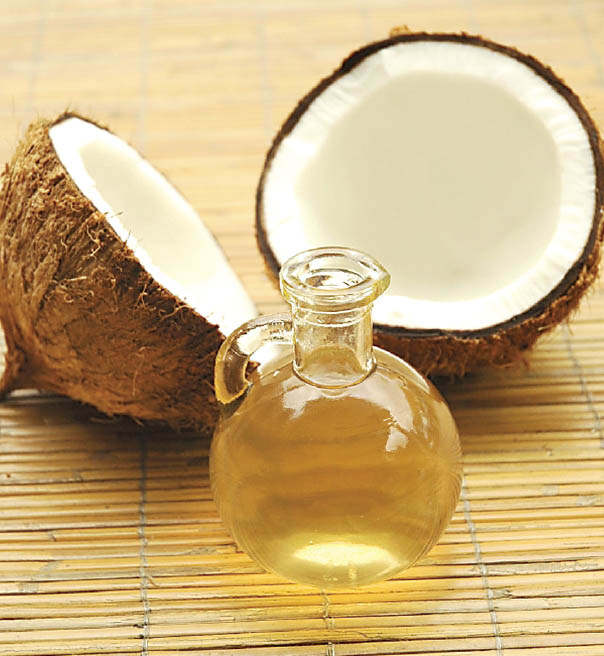
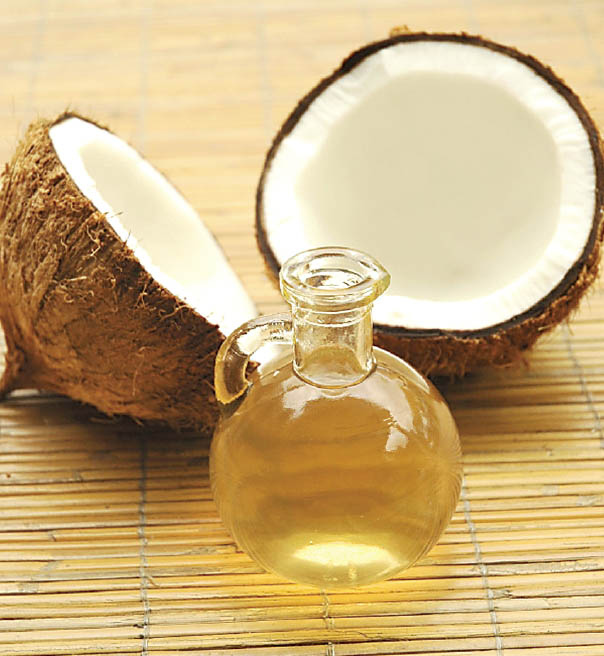
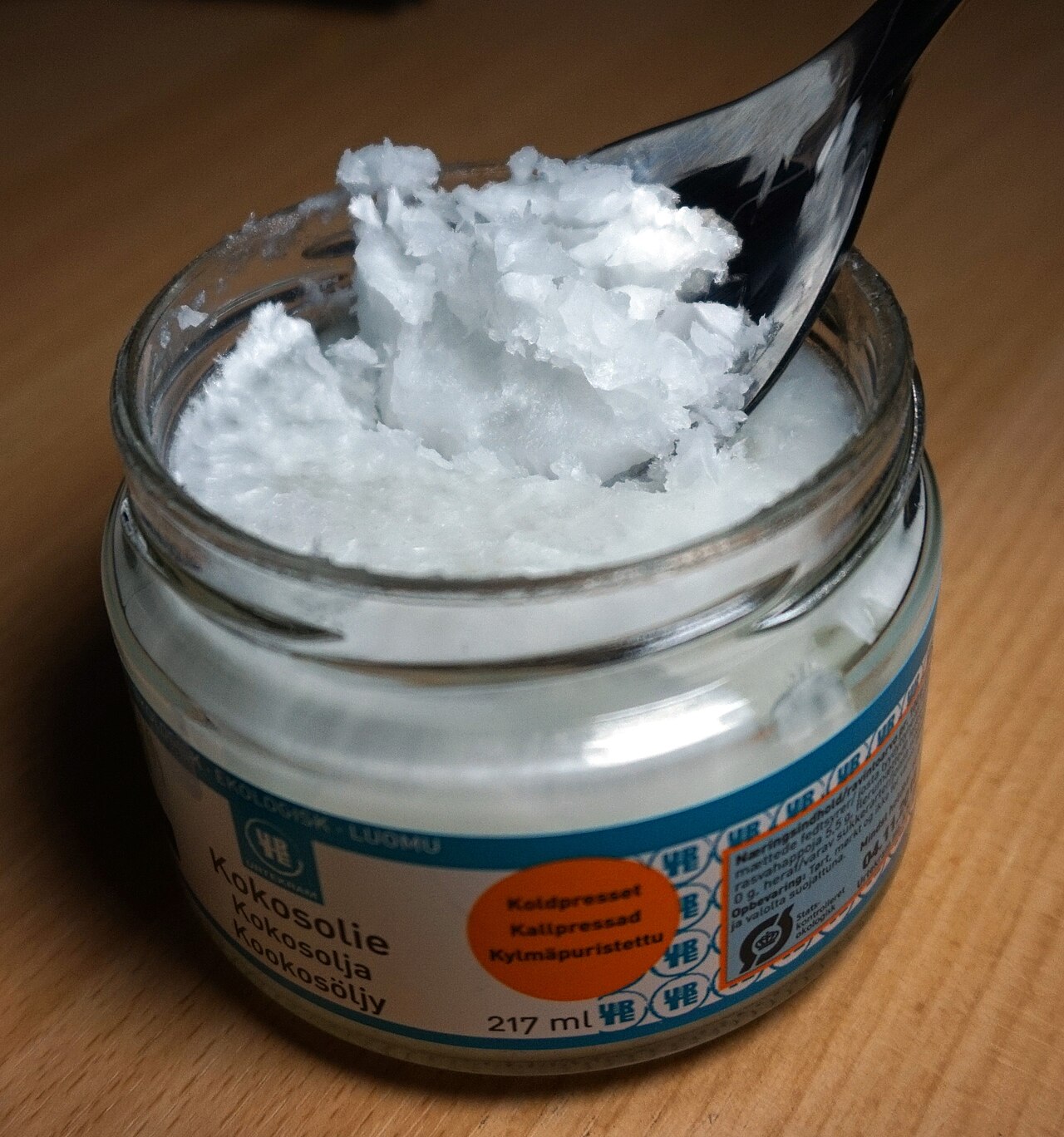
RBD stands for refined, bleached and deodorized. The oil starts life as crude coconut oil pressed from copra, the dried meat of the coconut. That crude oil is neutralised to strip out free fatty acids, bleached with activated earth to take out colour, and then steam-deodorized under vacuum to remove the smell and taste. What comes out the other end is a clear, water-white liquid above about 25 °C and a clean white solid below it.
As an RBD coconut oil bulk supplier, we offer three main lines:
- Food grade RBD coconut oil for frying, bakery fats, confectionery coatings, non-dairy creamers, ice cream and snack seasoning carriers.
- Cosmetic and soap grade RBD coconut oil for toilet soap noodles, liquid soaps, lotions, hair oils and creams. Same refining, tighter colour and odour checks.
- RBD coconut oil 76 °F, the standard grade most buyers mean when they say “RBD coconut oil”. The number is the melting point in Fahrenheit, about 24 °C.
If you need the full product page with photos and grade notes, it’s here: RBD coconut oil for sale. You can also see our whole coconut oil range, which includes virgin and crude grades.
Full Specification From Your RBD Coconut Oil Bulk Supplier
This is the specification we load to as an RBD coconut oil bulk supplier. Every lot is tested in the refinery lab before loading and again by an independent surveyor if you want one. A serious RBD coconut oil bulk supplier should be able to hand you a table like this without being asked twice.
| Parameter | Specification | Test method |
|---|---|---|
| Free fatty acid (as lauric) | 0.1% max | AOCS Ca 5a-40 |
| Moisture and impurities | 0.1% max | AOCS Ca 2c-25 |
| Peroxide value at loading | 1.0 meq O2/kg max | AOCS Cd 8-53 |
| Colour (Lovibond 5.25 inch cell) | 1.5 Red / 15 Yellow max | AOCS Cc 13e-92 |
| Iodine value (Wijs) | 7 to 11 | AOCS Cd 1-25 |
| Saponification value | 248 to 265 mg KOH/g | AOCS Cd 3-25 |
| Slip melting point | 23 to 26 °C | AOCS Cc 3-25 |
| Lauric acid (C12:0) | 45 to 53% | GC |
| Odour and taste | Bland, free of rancid or foreign odour | Sensory |
| Appearance at 30 °C | Clear and bright | Visual |
A few notes on those numbers. Free fatty acid tells you how well the oil was neutralised and how fresh it is. Peroxide value tells you whether oxidation has started. Colour tells you how good the bleaching was. If a quote you’re looking at has FFA at 0.2% or colour at 3 Red, it’s not bad oil, but it’s not top grade RBD either, and the price should reflect that. We wrote a longer explainer on these tests in our RBD coconut oil specification guide and the free fatty acid and peroxide value article.
Fatty acid profile
Coconut oil is mostly saturated, and most of that is medium chain. That’s why it stays stable on the shelf and why soap makers love it for lather. Here’s the typical range we see from our RBD coconut oil. If your RBD coconut oil bulk supplier can’t give you a GC profile, ask why.
| Fatty acid | Typical range |
|---|---|
| Caproic C6:0 | 0.4 to 0.6% |
| Caprylic C8:0 | 6 to 9% |
| Capric C10:0 | 5 to 8% |
| Lauric C12:0 | 45 to 53% |
| Myristic C14:0 | 16 to 21% |
| Palmitic C16:0 | 7.5 to 10% |
| Stearic C18:0 | 2 to 4% |
| Oleic C18:1 | 5 to 8% |
| Linoleic C18:2 | 1 to 2.5% |
Lauric acid is the big one. If you want to understand why it matters for your product, our piece on lauric acid in coconut oil covers it, and there’s good general background on coconut oil if you’re new to the product.
Packing Options and Container Loads
How you want the oil packed changes the price per tonne more than most buyers expect. Steel drums and jerrycans cost money, and they take up space that could have been oil. Here’s what we load, and roughly how much fits.
| Packing | Net per unit | Units per 20ft | Net oil per 20ft |
|---|---|---|---|
| Flexitank | 20 to 22 MT bag | 1 | 20 to 22 MT |
| New steel drums | 190 kg | 80 | 15.2 MT |
| IBC totes | 900 to 950 kg | 18 to 20 | 17 to 18 MT |
| Jerrycans (on pallets) | 18 to 20 L | about 1,000 | 16 to 17 MT |
| Tins in cartons | 18 L | about 1,100 | 17 to 18 MT |
| PET bottles in cartons | 1 L, 2 L, 5 L | varies | 15 to 18 MT |
Ask any RBD coconut oil bulk supplier and they’ll tell you flexitank is the cheapest way to move RBD coconut oil if you have a heated receiving tank and a pump. Drums suit buyers who want to store small amounts or who don’t have bulk tanks. IBCs sit in the middle. If you’re new to bulk shipping, read our flexitank vs ISO tank comparison and the guide on how much oil fits in a 20ft container.
Heating at the other end
RBD coconut oil goes solid below about 24 °C. In a warm port that’s not a problem. In winter in Northern Europe, North America or North Asia, the oil in a flexitank will be a solid white block when it arrives. We fit flexitanks with heating pads on request, and we’ll tell you how long it takes to melt a full bag with steam or hot water. Any RBD coconut oil bulk supplier who doesn’t bring this up for a winter shipment to a cold port hasn’t shipped many. More on that in our coconut oil melting point guide.
How Pricing Works With an RBD Coconut Oil Bulk Supplier
Coconut oil isn’t priced off a list. Every RBD coconut oil bulk supplier works from the same raw material market, which is copra and crude coconut oil out of the Philippines, Indonesia, India, Sri Lanka and Thailand. When copra gets scarce, crude goes up, and RBD follows a few weeks later.
When we work out an offer as an RBD coconut oil bulk supplier, the rough build of the price is:
- Crude coconut oil cost on the day we buy it.
- Refining cost and refining loss. You lose a few percent of weight as fatty acid and gums during refining.
- Packing, which is close to nothing in flexitank and a real cost in drums or tins.
- Inland freight, port charges and documents.
- Ocean freight and insurance if you’re buying CIF or CFR.
Over 2025 and 2026 coconut oil has been expensive by historic standards. Benchmark crude prices ran well above US$2,500 per tonne for much of 2025 before easing back toward the US$1,850 to US$2,100 range through the middle of 2026. RBD usually sits a step above crude. Because the market moves every week, we don’t publish a fixed price. We send a written offer valid for a set number of days, based on the day’s crude cost. If you want the full picture on price, read our crude coconut oil price per ton breakdown and the older coconut oil price per ton guide.
FOB, CFR or CIF?
We quote FOB Thai port, CFR or CIF to your port. If you have your own forwarder and good freight rates, FOB may work out cheaper. If you don’t, CIF is simpler and gives you one number to compare. The Incoterms rules from the ICC spell out who pays for what, and our article on CIF vs FOB vegetable oil puts it in plain words.
Who Buys From an RBD Coconut Oil Bulk Supplier
We ship to a mix of buyers. They all come to an RBD coconut oil bulk supplier for the same base product, but they want slightly different things from the same oil.
- Food manufacturers use RBD coconut oil in biscuits, cream fillings, chocolate compounds, popcorn, non-dairy creamer and frozen desserts. They care most about bland flavour, low peroxide and a steady melting profile. See our notes on coconut oil for bakery and confectionery.
- Soap makers want high lauric content, low colour and consistent saponification value. A batch that’s off by a few points throws off their lye calculation. We covered this in coconut oil for soap making.
- Cosmetic and personal care plants want clean odour, light colour and full documents for their regulatory files. Our guide to coconut oil for cosmetics manufacturing goes into that.
- Distributors and repackers buy in flexitank or drums and fill their own bottles and tubs under their own brand.
- Oleochemical and MCT producers use RBD coconut oil as feedstock for fatty acids, fatty alcohols and MCT oil. If that’s you, our page on MCT oil vs coconut oil may help.
Each of these buyers needs a different conversation with their RBD coconut oil bulk supplier. A soap maker wants to talk saponification value. A biscuit factory wants to talk solid fat content. We’d rather hear what you’re making before we quote, because it changes which lots we offer you.
Documents That Come With Every Shipment
Paperwork is where a lot of shipments go wrong, and it’s usually the first thing that separates a real RBD coconut oil bulk supplier from a trader with a price list. A good RBD coconut oil bulk supplier sends the full set without you having to chase it. With every container we provide:
- Commercial invoice and packing list
- Bill of lading
- Certificate of origin
- Certificate of analysis from the refinery lab, matched to the lot number
- Third-party inspection certificate (SGS, Intertek or similar) when the buyer asks for it
- Phytosanitary or health certificate where your country requires one
- Halal certificate on request
- MSDS and technical data sheet
- Non-GMO and allergen statements
Coconut oil is classed under HS code 1513.19 when refined. Your customs broker will want that on the invoice. Our coconut oil HS code guide explains 1513.11 versus 1513.19, and we also keep a checklist of documents required to import vegetable oil. If you’re not sure what a proper COA should show, read our certificate of analysis for edible oil checklist.
7 Proven Tips for Choosing an RBD Coconut Oil Bulk Supplier
We’ve been on both sides of this, buying crude and selling refined, so we know what a buyer worries about with a new RBD coconut oil bulk supplier. These are the checks we’d make before paying anyone, including us.
1. Ask for a recent COA, not a brochure spec
Any RBD coconut oil bulk supplier can type up a nice spec sheet. Ask for an actual certificate of analysis from a lot loaded in the last month or two, with a lot number and a lab name on it. If they can’t produce one, they probably don’t have stock.
2. Get a sample before the first container
A 500 ml or 1 litre sample costs a little in courier fees and can save you a container of the wrong oil. Smell it warm. Look at the colour against your current oil. Run FFA and peroxide in your own lab if you have one. Our guide on how to request edible oil samples walks through it.
3. Agree the spec in the contract
Put the specification table into the sales contract. If the oil arrives outside spec, you need something on paper to point at. Vague words like “premium quality” mean nothing in a dispute.
4. Use pre-shipment inspection on the first orders
An independent surveyor at the loading port costs a few hundred dollars. On a container worth tens of thousands, that’s cheap. We’re happy to have SGS or Intertek check our loading. See our notes on pre-shipment inspection for edible oil.
5. Pick a payment method that protects both sides
For a first order, a letter of credit or a split TT with balance against copy documents gives you some protection. Be very careful with anyone who wants 100% up front by wire on a first deal. We explain the options in letter of credit vs TT payment.
6. Watch for the warning signs
Prices far below market, no company registration, a free email address, pressure to pay fast, and documents with obvious errors. We’ve listed the most common tricks in our guide to spotting a fake vegetable oil supplier. A real RBD coconut oil bulk supplier will happily do a video call from the plant or warehouse.
7. Think about the second and tenth container
The first shipment is easy for everyone to get right. What you want is the same oil on shipment ten. Ask how they keep quality steady between lots, where the crude comes from, and how they handle a claim. Our RBD coconut oil wholesale supplier page has more on long-term supply.
RBD vs Virgin and Crude: Which One Do You Actually Need?
Some buyers come to an RBD coconut oil bulk supplier when what they really need is virgin coconut oil, and the other way around. The short answer:
- RBD coconut oil is neutral, stable, cheaper and consistent. Best for food processing, frying, soap and most cosmetics.
- Virgin coconut oil keeps the coconut smell and taste and sells at a premium to consumers who want a natural product. Best for retail jars, health food and premium skin care. See our virgin coconut oil wholesale Thailand offer.
- Crude coconut oil is the raw material for refiners and oleochemical plants. It is not for direct eating. See our crude coconut oil page.
We wrote a full comparison on the RBD vs virgin coconut oil difference if you’re still deciding.
Storage and Shelf Life
RBD coconut oil keeps well, which is part of why buyers prefer a steady RBD coconut oil bulk supplier over buying spot lots. In sealed drums, out of the sun and below 30 °C, you can expect 18 to 24 months. In a flexitank it should be pumped out within a few weeks of arrival into a clean steel tank. Keep the tank sealed, keep water out, and avoid repeated heating and cooling cycles if you can. If you have to melt it, warm it slowly to around 40 °C rather than blasting it with steam.
Coconut oil is far more resistant to oxidation than sunflower or soybean oil because so little of it is unsaturated. That’s one reason it’s used in long shelf life snacks and why an RBD coconut oil bulk supplier can offer a longer shelf life than suppliers of most liquid oils.
How an Order Works With Us
This is the usual flow once you’re ready to buy from us as your RBD coconut oil bulk supplier.
- You send us the grade, quantity, packing, destination port and Incoterm.
- We send a written offer with price, validity and a recent COA.
- If you want, we courier a sample.
- We sign a sales contract with the spec, quantity tolerance, delivery window and payment terms.
- You open the LC or send the agreed deposit.
- We book the vessel, load, and send you photos, the inspection report and draft documents.
- Originals go by courier or through the bank, and you clear the cargo at your port.
Most first orders with a new RBD coconut oil bulk supplier are one 20ft container, and that’s what we’d suggest too. Our minimum is one container, which is about 15 tonnes in drums or 20 tonnes in flexitank. If you need less, ask. We can sometimes combine coconut oil with other oils such as refined sunflower oil or refined palm oil in one container. The guide on minimum order quantity for bulk cooking oil covers the details.
Private Label and Retail Packs
If you sell to supermarkets or online, you don’t need a separate bottler and a separate RBD coconut oil bulk supplier. We can fill RBD coconut oil into PET bottles, jars or tins under your brand. You send the artwork, we print the labels or sleeves, and the finished cartons go straight into the container. Minimums for private label are higher than for bulk because of label printing runs, but it saves you building a filling line. Our private label cooking oil manufacturer page explains how it works.
Why Buyers Stay With Us as Their RBD Coconut Oil Bulk Supplier
Most of our regular buyers didn’t start with a big order. They started with one container, checked it hard, and came back. A few reasons they tell us they stay with us as their RBD coconut oil bulk supplier:
- Same oil, lot after lot. We buy crude from a small group of mills and refine to one spec, so the second container looks and smells like the first.
- Straight answers on price. When the coconut market moves, we tell you why and by how much. We don’t hide increases in smaller fill weights or weaker specs.
- Paperwork on time. Draft documents go out before the vessel sails, so your broker has them ready.
- A person who picks up the phone. You deal with the same contact from offer to arrival.
That’s not a big promise. It’s what any RBD coconut oil bulk supplier should do. In our experience, plenty don’t.
Frequently Asked Questions
What is the minimum order from an RBD coconut oil bulk supplier?
For us it’s one 20ft container. In drums that’s about 15.2 MT, in flexitank 20 to 22 MT.
Do you ship RBD coconut oil worldwide?
Yes. As an RBD coconut oil bulk supplier based in Thailand, we ship to ports in Europe, the Middle East, Africa, Asia, Oceania and the Americas. Tell us your port and we’ll check the routing.
Is your RBD coconut oil food grade?
Yes. Our standard RBD is food grade and meets the Codex standard for named vegetable oils. Cosmetic grade lots are the same oil with tighter odour and colour checks.
How long does it take to ship?
Loading is usually two to three weeks after contract and payment. Transit depends on your port, from about one week within Asia to five or six weeks to the Americas.
Can I get halal or kosher certificates?
Halal certificates are available on request. Kosher can be arranged for some lots, so ask before you order.
Why does my RBD coconut oil look solid?
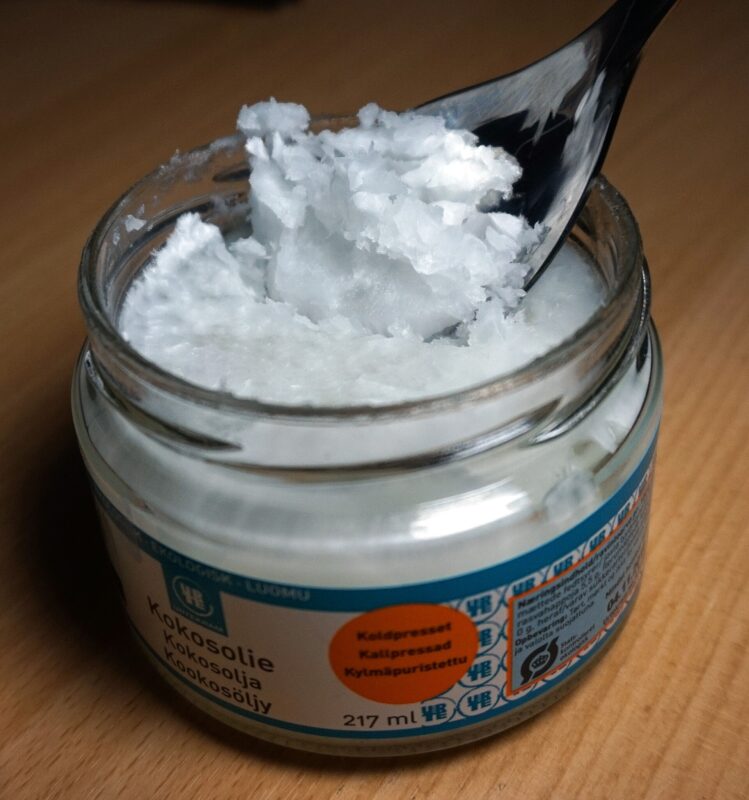
It’s normal. Coconut oil melts at about 24 °C. Below that it turns white and solid. Warm it gently and it goes back to clear liquid with no change in quality.
Get an Offer From a Real RBD Coconut Oil Bulk Supplier
If you’ve read this far, you probably have a real order in mind. Send us the grade, quantity, packing, destination port and Incoterm, and a few words about what you’re making. We’ll come back with a written offer and a recent COA, usually within one working day. You can also read more about our company or browse the full product range.
Email info@dthcompanyltd.com, call or WhatsApp +66 91 765 9104, or use our contact page. We’re happy to be your RBD coconut oil bulk supplier for one container or a year of contracts.