

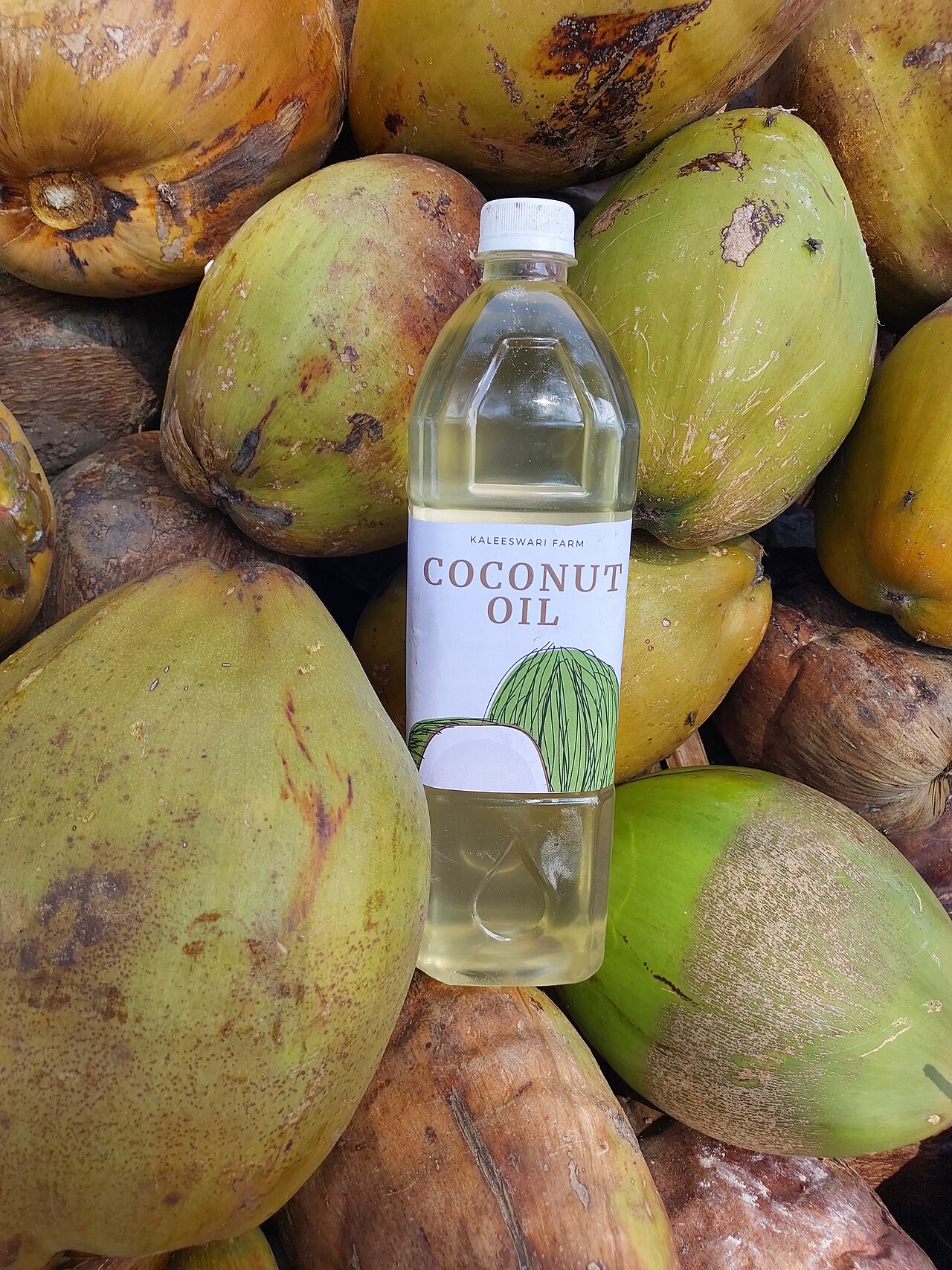
Thailand grows some of the best coconuts in Asia, and a lot of the virgin coconut oil on shelves in Europe, the Middle East and Australia started life on farms along the Gulf of Thailand. If you’re looking for virgin coconut oil wholesale Thailand supply, whether that’s drums for your own filling line or jars under your own label, this page is our offer. We make and export virgin coconut oil from Thai coconuts to buyers worldwide, and we’ve laid out the specs, packing, prices and paperwork so you can decide quickly whether we’re a fit.
No fluff about miracle cures. This is the page we send to buyers who ask us for virgin coconut oil wholesale Thailand prices and specs: what the oil is, how it’s made, what it tests at, how it ships and how to buy it.
Table of Contents
What Virgin Coconut Oil Wholesale Thailand Buyers Get From Us
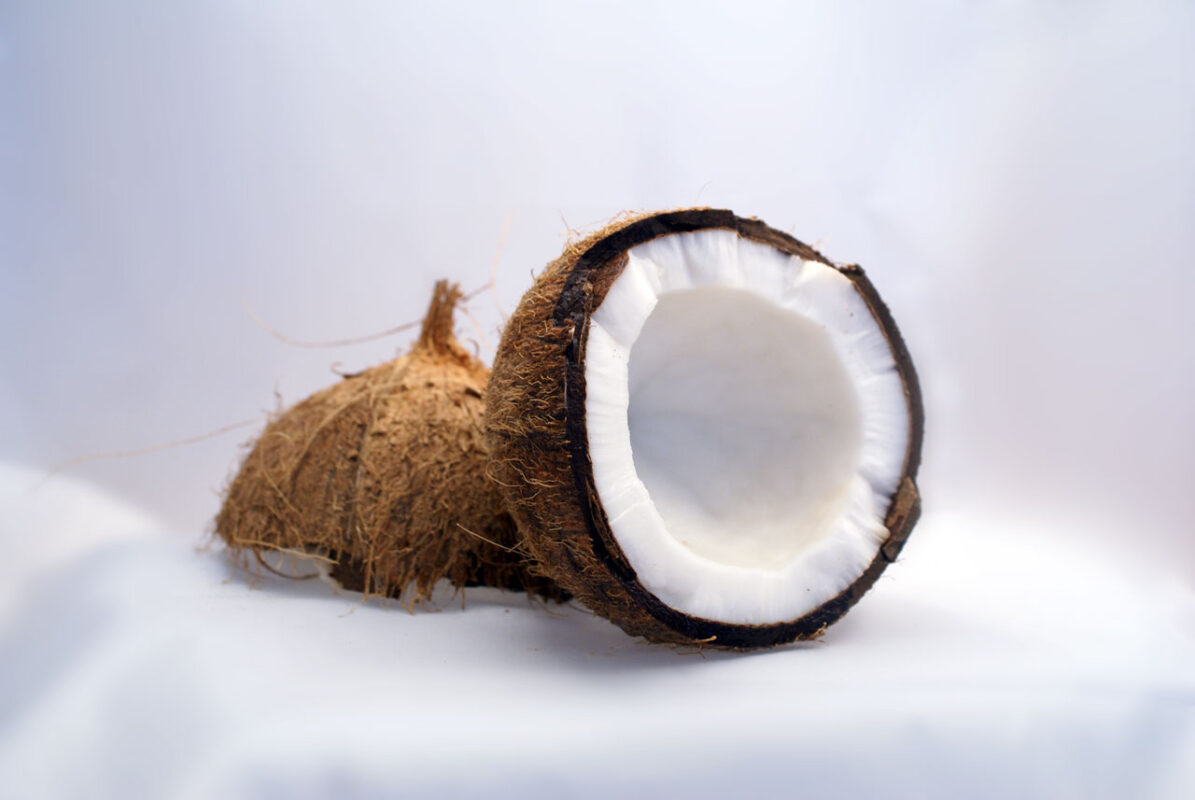
Virgin coconut oil, or VCO, is the core of our virgin coconut oil wholesale Thailand business. It’s pressed from fresh coconut meat without refining, bleaching or deodorizing. No chemicals, no high heat. It keeps the light coconut smell and taste and the natural minor compounds that RBD oil loses in the refinery. That’s why it sells at a premium.
Our virgin coconut oil wholesale Thailand range covers:
- Cold pressed VCO made from fresh meat that’s grated, dried at low temperature and expeller pressed. Light coconut aroma, very clear.
- Centrifuged VCO made by the wet process. Fresh coconut milk is spun to separate the oil from water and protein. Milder smell, very low moisture, usually the premium grade.
- Organic VCO from certified farms, for buyers who need organic paperwork. Availability depends on the harvest, so ask before you plan a launch around it.
- Cosmetic grade VCO for skin care, hair oil and soap makers who want “virgin” on the label.
The product page with photos and grade notes is here: virgin coconut oil for sale. We also have a page on cold pressed coconut oil wholesale Thailand if that’s the grade you’re after.
Why Buy Virgin Coconut Oil Wholesale Thailand Instead of Elsewhere
The Philippines, Indonesia, Sri Lanka and India all make VCO, and some of it is very good. So why do buyers look for virgin coconut oil wholesale Thailand in particular?
- Fresh nut supply close to the plant. The main coconut provinces, Prachuap Khiri Khan, Chumphon and Surat Thani, are within a few hours of processing. Fresh meat makes better VCO than meat that sat for days.
- Food safety systems. Thai food exporters are used to strict buyers in Japan, the EU and the US. GMP, HACCP and ISO 22000 are normal, not special.
- Good shipping links. Laem Chabang and Bangkok ports have regular sailings to every major region.
- Steady quality. Thai VCO has a reputation for clean taste and a clear look, which matters for retail jars.
None of that means every Thai supplier is good. It means the base is strong, and you should still check the supplier. More on that further down.
Full Specification for Our Virgin Coconut Oil Wholesale Thailand Supply
This is the spec we load to for every virgin coconut oil wholesale Thailand order. It lines up with the limits used by the main coconut-producing countries and with Codex limits for unrefined oils. Every lot gets a COA.
| Parameter | Specification |
|---|---|
| Moisture | 0.1% max |
| Volatile matter at 120 °C | 0.2% max |
| Free fatty acid (as lauric) | 0.2% max |
| Peroxide value | 3.0 meq O2/kg max |
| Colour | Water clear |
| Odour and taste | Natural fresh coconut, free of rancid or smoky notes |
| Iodine value (Wijs) | 4.1 to 11 |
| Saponification value | 250 to 260 mg KOH/g |
| Refractive index at 40 °C | 1.4480 to 1.4492 |
| Lauric acid (C12:0) | 45 to 56% |
| Total plate count | below 100 cfu/g |
| Yeast and mould | below 10 cfu/g |
| E. coli and Salmonella | Absent |
The numbers that tell you most about a VCO lot are FFA, peroxide and moisture. High moisture leads to rancidity. High FFA means the meat was old or the process was sloppy. If someone offers you virgin coconut oil wholesale Thailand at a cheap price, check those three numbers first. Our virgin coconut oil specification article explains each test, and you can read general background on coconut oil and the Codex Alimentarius food standards.
Fatty acid profile of Thai VCO
| Fatty acid | Typical range |
|---|---|
| Caprylic C8:0 | 5 to 10% |
| Capric C10:0 | 4.5 to 8% |
| Lauric C12:0 | 45 to 56% |
| Myristic C14:0 | 16 to 21% |
| Palmitic C16:0 | 7.5 to 10% |
| Stearic C18:0 | 2 to 4% |
| Oleic C18:1 | 5 to 10% |
| Linoleic C18:2 | 1 to 2.5% |
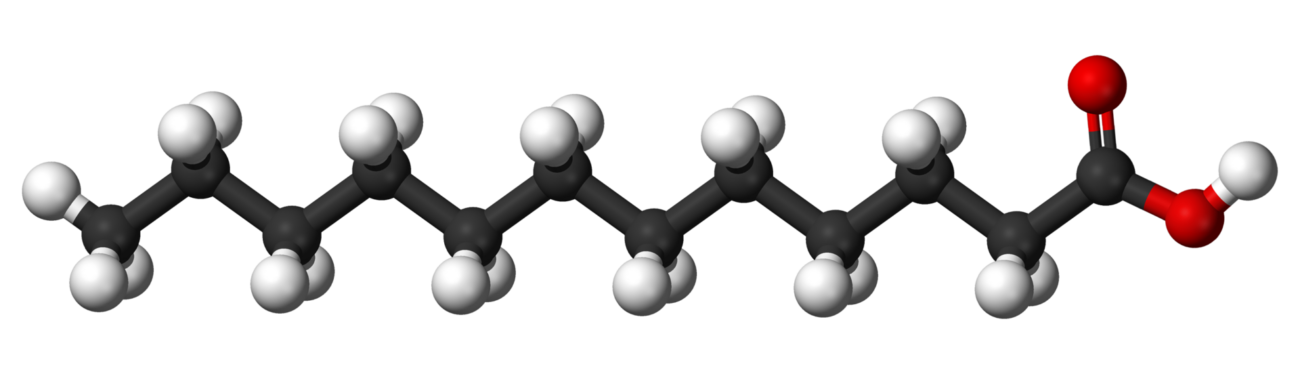
The profile isn’t very different from RBD coconut oil. What’s different is what isn’t in the table: the aroma compounds, the polyphenols and the vitamin E that survive because the oil was never refined. We explain why lauric acid is the headline number in lauric acid in coconut oil.
How We Make Virgin Coconut Oil in Thailand
There are two main ways to make VCO, and both are used in our virgin coconut oil wholesale Thailand supply.
Dry process (cold pressed)
- Mature coconuts are husked, split and the white meat is scraped out.
- The meat is grated and dried at a low temperature, usually below 60 °C, until moisture drops to a few percent.
- The dried meat goes through an expeller press. The oil comes out with fine particles in it.
- The oil is settled and filtered until clear.
Dry process VCO has a slightly stronger coconut smell, and it makes up most of our virgin coconut oil wholesale Thailand volume. It’s popular for cooking and for buyers who want a strong “coconut” message on the jar.
Wet process (centrifuged)
- Fresh meat is grated and pressed to make coconut milk.
- The milk is chilled and spun in a centrifuge, which separates oil from water and protein.
- The oil is polished and filtered.
Centrifuged VCO has a softer aroma and very low moisture. It tends to cost more and is the grade many skin care brands ask for.
If you’re comparing VCO with refined oil, our guide on the RBD vs virgin coconut oil difference lays it out side by side.
Packing and Container Loads
Virgin coconut oil wholesale Thailand orders ship in more pack types than bulk refined oil, because more of it goes straight to retail.
| Packing | Net per unit | Approx. net per 20ft |
|---|---|---|
| Food grade lined steel drums | 190 kg | 15.2 MT (80 drums) |
| HDPE drums | 180 to 190 kg | 14 to 15 MT |
| IBC totes | 900 to 950 kg | 17 to 18 MT |
| Pails or jerrycans | 18 to 20 kg | 15 to 16 MT |
| Tins | 18 L | 16 to 17 MT |
| Glass jars in cartons | 250 ml, 500 ml, 1 L | depends on jar size |
| PET jars and bottles | 200 ml to 1 L | depends on pack |
We don’t usually recommend flexitanks for virgin coconut oil wholesale Thailand orders. The volumes per buyer are smaller, and most buyers want to keep the oil in sealed food grade drums so it stays fresh between fills. If you do want bulk, talk to us.
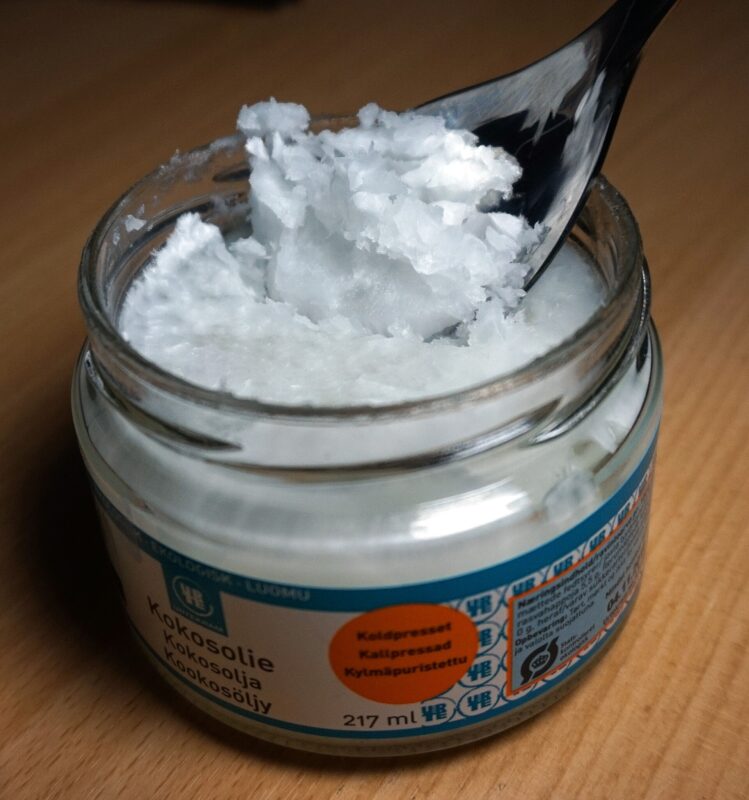
VCO turns solid below about 24 °C, just like RBD oil. In a cold port the drums will arrive with white solid oil. That’s normal. Warm them gently in a hot room or with a drum heater. Our coconut oil melting point guide has handling tips.
Price Guide for Virgin Coconut Oil Wholesale Thailand
Virgin coconut oil wholesale Thailand pricing is built on top of the coconut market, not on top of the refined oil market. Fresh nut prices in Thailand, labour, energy for drying, yield and certification all play a part. Wet process oil costs more than dry process because yield is lower and the equipment is more expensive. Organic adds another step.
Coconut prices have been high through 2025 and 2026. Crude coconut oil benchmarks spent much of 2025 above US$2,500 per tonne and eased to roughly US$1,850 to US$2,100 by the middle of 2026. Virgin coconut oil wholesale Thailand prices sit well above crude and RBD, often by a wide margin, so in bulk drums you should expect a number comfortably above US$3,000 per tonne in the current market. Small packs, jars and private label cost more per kilo again because of packaging and labour.
Because the market moves, every virgin coconut oil wholesale Thailand quote we send is a written offer valid for a fixed period. If you want to understand how coconut prices move, our crude coconut oil price per ton article explains the drivers.
Who Buys Virgin Coconut Oil Wholesale Thailand
- Health food brands and supermarkets buy jars or drums for their own label.
- Skin care and hair care brands use VCO in balms, body oils, hair oils and creams. See our page on coconut oil for cosmetics manufacturing.
- Soap makers who sell “virgin coconut oil soap” and want the claim to be real. Our coconut oil for soap making guide covers recipes and specs.
- Restaurants and bakeries that want coconut flavour in their food.
- Online sellers who need a reliable source for small bottles.
- Distributors who supply all of the above in their own region.
We also have a guide for buyers in specific markets, such as virgin coconut oil wholesale USA, and a broader page on being a virgin coconut oil bulk supplier.
How Buyers Use Thai VCO in Food
On the food side, most virgin coconut oil wholesale Thailand buyers fall into a few groups. Retail brands sell it as a cooking and spreading oil in jars. Bakeries use it in vegan cakes, cookies and pastry where they want a coconut note. Smoothie bars and cafés use it in drinks and bowls. Snack makers use it on popcorn, granola and coconut chips. Some chocolate makers use a little in raw or vegan bars.
VCO has a lower smoke point than RBD coconut oil, roughly 175 °C against about 200 °C or more for refined, so it’s not ideal for deep frying. For frying, most kitchens are better off with refined oil. Our cooking oil smoke point chart compares the common oils. If a customer asks you which one they should cook with, that’s the honest answer, and it’s the one we give when people ask us about virgin coconut oil wholesale Thailand for restaurants.
Private Label Virgin Coconut Oil From Thailand
A lot of our virgin coconut oil wholesale Thailand business is private label. You pick the jar or bottle, send the artwork, and we fill, cap, label and pack into cartons ready for your shelves. The steps:
- Choose the pack: glass jar, PET jar, bottle, pouch or tin.
- Send artwork or ask us to set up a simple label you can adjust.
- We send a pre-production sample of the finished pack.
- You approve, we produce, and the cartons ship in a 20ft or 40ft container.
Label rules differ by country, so check the claims you put on the jar with your local food authority. We can provide nutrition data and an ingredient statement for your label. Read our private label cooking oil manufacturer page for more detail.
Documents With Every Shipment
- Commercial invoice and packing list
- Bill of lading
- Certificate of origin (Form D or general, depending on destination)
- Certificate of analysis for each lot
- Microbiology report
- Health certificate where required
- Halal certificate on request
- Organic certificate for organic lots
- MSDS and technical data sheet
Virgin coconut oil is normally classed under HS 1513.11 as crude (unrefined) coconut oil, which surprises some buyers. Check with your broker. Our coconut oil HS code article goes into it, and the documents required to import vegetable oil checklist covers the rest.
7 Proven Tips for Buying Virgin Coconut Oil Wholesale Thailand
1. Smell it warm
Warm a sample to about 40 °C and smell it. Good VCO smells like fresh coconut. Smoky, sour or “cheesy” notes mean old meat or poor drying.
2. Check moisture and FFA on the COA
These two numbers predict shelf life better than anything else. Moisture over 0.2% or FFA over 0.3% is a warning sign for virgin coconut oil wholesale Thailand lots.
3. Ask which process they use
Dry or wet? Both are fine, but you should know which you’re buying, and it should be the same on every order.
4. Don’t accept refined oil sold as virgin
It happens. RBD oil has almost no smell and a perfectly neutral taste. If a “virgin” sample smells like nothing, ask questions. A lab can check for refining markers if you’re unsure. Our guide on how to detect adulterated cooking oil has some simple tests.
5. Get a sample first
Always. A 1 litre sample is cheap, and every honest virgin coconut oil wholesale Thailand exporter will send one. See how to request edible oil samples.
6. Check the supplier is real
Company registration, a real address you can verify, a landline or a business number, and a willingness to video call from the plant. Our list of warning signs for a fake vegetable oil supplier applies to VCO too.
7. Plan around harvest and lead time
Fresh nut supply in Thailand dips in some months. If you’re launching a product, place the order early and agree a delivery window in writing. Private label orders need extra time for labels and jars.
Quality Control Behind Our Virgin Coconut Oil Wholesale Thailand Supply
VCO is less forgiving than refined oil. A refinery can clean up a poor batch of crude. Nobody can clean up a poor batch of virgin oil without turning it into something that isn’t virgin any more. So most of the quality work happens before the oil exists.
- Nut selection. We use mature nuts, 11 to 13 months old, with firm white meat. Immature nuts give low yield and a watery oil. Over-mature or sprouting nuts give off flavours.
- Time from split to process. Meat that sits around starts to ferment. We aim to process within hours of splitting, not days.
- Drying temperature. For dry process oil, we keep the dryer low so the oil doesn’t pick up a toasted note. Too low, and moisture stays high. It’s a balance.
- Filtering and settling. Poor filtering leaves fine particles that cloud the oil and shorten shelf life.
- Lab checks. Every lot is tested for moisture, FFA, peroxide and microbiology before it’s drummed. The COA you get is from that lot, not a generic sheet.
- Retained samples. We keep a sealed sample from every lot for at least the shelf life of the oil, so if there’s ever a question, there’s something to test.
Buyers who’ve had trouble with virgin coconut oil wholesale Thailand lots in the past usually point to one of these steps being skipped. Ask any supplier you’re talking to how they handle each one. The answers tell you a lot.
Shipping Times From Thailand
Transit times depend on the shipping line and whether there’s a transhipment, but these are typical numbers for our virgin coconut oil wholesale Thailand shipments from Laem Chabang.
| Destination region | Typical transit |
|---|---|
| Southeast Asia | 3 to 10 days |
| China, Korea, Japan | 7 to 14 days |
| India and the Gulf | 12 to 20 days |
| East Africa | 18 to 28 days |
| Northern Europe | 28 to 35 days |
| Mediterranean | 25 to 32 days |
| Australia and New Zealand | 14 to 22 days |
| US West Coast | 20 to 28 days |
| US East Coast and Caribbean | 30 to 40 days |
| South America | 35 to 45 days |
Add two to three weeks for production and booking. For private label, add more time for labels and jars. If you have a fixed launch date, tell us early.
Common Mistakes When Buying VCO in Bulk
We see the same few problems again and again with first-time buyers of virgin coconut oil wholesale Thailand.
- Buying on price alone. The cheapest VCO on the market is often blended, old, or refined oil with a little VCO added for smell. The savings vanish when customers complain.
- No written spec. If the contract just says “virgin coconut oil, good quality”, you have nothing to claim against.
- Ignoring the cold. Ordering drums to a cold country without a plan to melt them. You can’t pump solid oil.
- Wrong drum lining. VCO should go in new, food grade lined drums. Unlined or reused drums can taint the oil.
- Skipping microbiology. For food and skin care, a clean micro report matters. Ask for it.
- Not checking label rules. Health claims on coconut oil are tightly controlled in the EU, the US, Australia and many other markets. Keep claims simple and check them locally.
Avoid those six and most virgin coconut oil wholesale Thailand orders go smoothly.
Storage and Shelf Life
Good VCO keeps for 18 to 24 months, and that’s the shelf life we give on our virgin coconut oil wholesale Thailand lots when they’re kept in sealed containers, out of light and below 30 °C. Keep drums closed between uses. Avoid copper or brass fittings, because they speed up oxidation. Don’t store it next to strong-smelling products, since the oil picks up odours.
Frequently Asked Questions
What is the minimum order for virgin coconut oil wholesale Thailand?
For bulk drums, one 20ft container, about 15 MT. For mixed loads or private label, ask us. We can sometimes do smaller trial orders.
Do you ship worldwide?
Yes. Our virgin coconut oil wholesale Thailand shipments go to Europe, the Middle East, Africa, Asia, Oceania and the Americas.
Is your virgin coconut oil organic?
We have organic lots when certified supply is available. Our standard VCO is not organic, but it’s made without chemicals or refining.
Can I mix VCO and RBD coconut oil in one container?
Yes. Many buyers take a few pallets of VCO with drums of RBD in the same 20ft. See our RBD coconut oil bulk supplier page.
How long does production take?
Bulk drums usually load in two to three weeks. Private label takes four to six weeks depending on labels and jars.
Why does the oil look cloudy or solid?
It’s below its melting point. VCO turns white and solid under about 24 °C. Warm it gently and it turns clear again.
Order Virgin Coconut Oil Wholesale Thailand Direct
If you’re ready to buy, send us the grade (dry or wet process, organic or conventional), quantity, packing, destination port and Incoterm. We’ll send a written offer and a recent COA, normally within one working day. If you want to know who you’re dealing with, read about us or browse our full product range.
Email info@dthcompanyltd.com, call or WhatsApp +66 91 765 9104, or fill in the form on our contact page.



One thought on “Virgin Coconut Oil Wholesale Thailand: Reliable Exporter Specs, Prices and 7 Proven Tips”