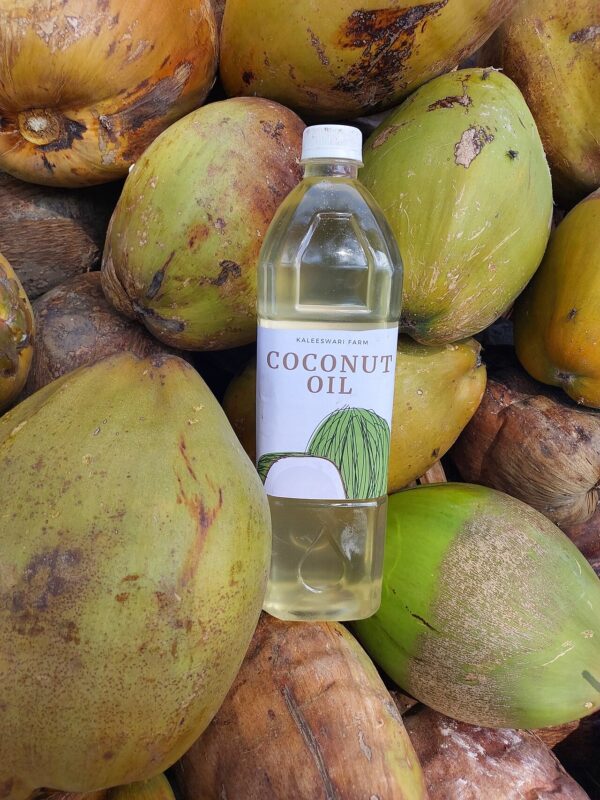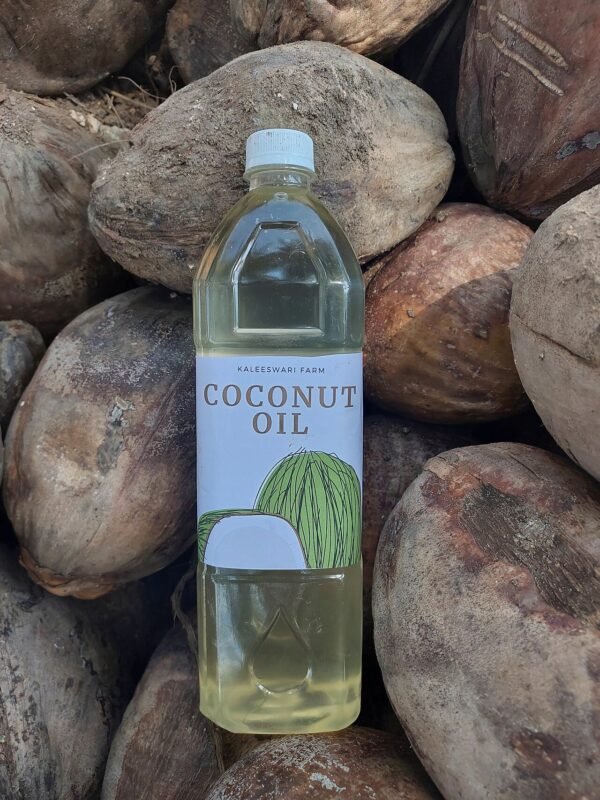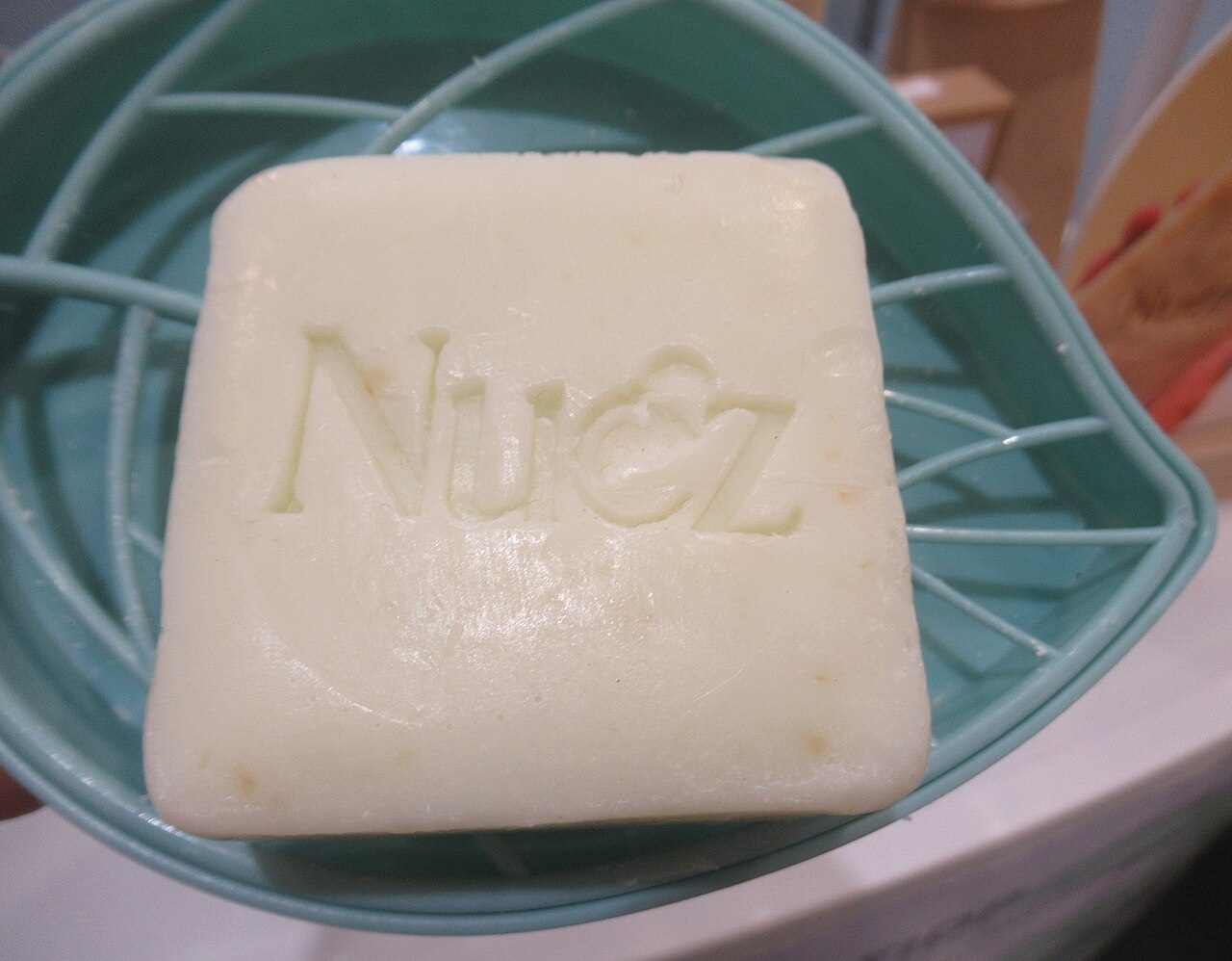
If you make soap, creams, lotions, balms or hair care, coconut oil is probably already in your formula, or it’s about to be. We supply coconut oil for cosmetics manufacturing to soap factories, skin care brands, contract manufacturers and personal care distributors worldwide. This guide is our offer to those buyers: which grades we sell, the specs and documents that come with them, how much to use in common products, how it ships, and what to check before you sign with any supplier.
We’ll keep it practical. You’ve got a production schedule to run, and coconut oil for cosmetics manufacturing has to turn up on time and in spec.
Table of Contents
Why Coconut Oil for Cosmetics Manufacturing Works So Well
Coconut oil for cosmetics manufacturing does a few jobs very well, which is why formulators keep coming back to it.
- Lather and cleansing. Its high lauric acid content gives soap a big, fluffy lather and strong cleansing, even in hard water.
- Hardness. It makes firm bars that don’t go soft in the shower.
- Skin feel. It melts below skin temperature, so balms and butters glide on and sink in.
- Stability. At around 90% saturated fat, it resists rancidity far better than most plant oils, so finished products last longer on the shelf.
- Clean label. The INCI name, Cocos Nucifera (Coconut) Oil, is short and familiar to consumers.
- Cost. Refined coconut oil is cheaper than most specialty butters and exotic oils.
That mix is why demand for coconut oil for cosmetics manufacturing keeps growing even when prices rise. If you want the background on why lauric acid matters, see our article on lauric acid in coconut oil.
Grades of Coconut Oil for Cosmetics Manufacturing We Supply
We sell two main grades of coconut oil for cosmetics manufacturing.
RBD cosmetic grade coconut oil
Refined, bleached and deodorized. Neutral smell, very light colour, low free fatty acids. This is what most soap factories and cream manufacturers use. It doesn’t fight with your fragrance, it’s very consistent batch to batch, and it costs less than virgin. Product details are on our RBD coconut oil page and our RBD coconut oil bulk supplier offer.
Virgin coconut oil (VCO)
Cold pressed or centrifuged from fresh coconut, with no refining. Natural coconut aroma. Brands use it when they want “virgin coconut oil” in the claims, or a natural coconut scent in the product. It costs a lot more. See our virgin coconut oil wholesale Thailand page.
Not sure which one fits? We wrote a full guide to the RBD vs virgin coconut oil difference. For a supplier-focused view, there’s also our cosmetic grade coconut oil supplier page.
Specification of Our Coconut Oil for Cosmetics Manufacturing
Cosmetic buyers usually want tighter odour and colour limits than food buyers, plus contaminant data for their safety files. Here’s what we load to for coconut oil for cosmetics manufacturing.
| Parameter | RBD cosmetic grade | Virgin coconut oil |
|---|---|---|
| Free fatty acid (as lauric) | 0.1% max | 0.2% max |
| Peroxide value at loading | 1.0 meq O2/kg max | 3.0 meq O2/kg max |
| Moisture and impurities | 0.1% max | 0.1% max |
| Colour (Lovibond 5.25 inch) | 1.0 Red / 10 Yellow max | Water clear |
| Odour | Bland, neutral | Mild natural coconut |
| Iodine value (Wijs) | 7 to 11 | 4.1 to 11 |
| Saponification value | 248 to 265 mg KOH/g | 250 to 260 mg KOH/g |
| Slip melting point | 23 to 26 °C | 23 to 26 °C |
| Lauric acid | 45 to 53% | 45 to 56% |
| Lead | below 0.1 mg/kg | below 0.1 mg/kg |
| Arsenic | below 0.1 mg/kg | below 0.1 mg/kg |
| Total plate count | below 100 cfu/g | below 100 cfu/g |
If you need extra parameters such as pesticide residues, PAH or specific heavy metals for a certain market, tell us before the order and we’ll arrange the tests. Our RBD coconut oil specification and virgin coconut oil specification articles explain the tests in more depth.
Identity data for your files
| Item | Value |
|---|---|
| INCI name | Cocos Nucifera (Coconut) Oil |
| CAS number | 8001-31-8 |
| EC number | 232-282-8 |
| Source | Fruit kernel of Cocos nucifera |
| Origin | Thailand and Southeast Asia |
| GMO status | Non-GMO |
| Animal origin | None, plant derived |
You can check the ingredient entry and its listed functions in the EU’s CosIng cosmetic ingredient database.
How Much Coconut Oil to Use in Common Products
Every formula is different, so treat these as starting ranges, not rules. They’re the usual levels we see from customers who buy coconut oil for cosmetics manufacturing.
| Product | Typical coconut oil level | Notes |
|---|---|---|
| Cold process bar soap | 15 to 30% of total oils | Above 30% can feel drying on skin |
| Hot process and melt-and-pour bases | 15 to 35% of oils | Gives hardness and lather |
| Liquid soap (potassium) | 30 to 70% of oils | High lauric gives clear, foamy soap |
| Laundry or utility soap | up to 100% | Strong cleaning, harsh for skin |
| Body butter | 10 to 30% | Blend with shea or cocoa butter |
| Lotion or cream | 2 to 10% | Part of the oil phase |
| Lip balm | 10 to 25% | Adds glide, pairs with wax |
| Hair oil or pre-wash treatment | 50 to 100% | Often used neat |
| Massage oil | 20 to 100% | VCO popular for scent |
| Shampoo bars and solid conditioners | 5 to 20% | Mostly for feel and conditioning |
| Deodorant sticks and balms | 10 to 30% | Base for butters and powders |
For soap makers, the figure that matters most is the saponification value. Coconut oil needs roughly 0.178 to 0.183 g of sodium hydroxide per gram of oil for bar soap, and roughly 0.25 to 0.257 g of potassium hydroxide for liquid soap. Always run your recipe through a lye calculator and check against the COA of your lot. Our full guide on coconut oil for soap making covers this, and there’s good background on the saponification value if you want the chemistry.
RBD or Virgin? Choosing Coconut Oil for Cosmetics Manufacturing by Product
| Product type | Best grade | Why |
|---|---|---|
| Fragranced bar soap | RBD | Neutral base, cheaper, consistent |
| “Virgin coconut oil” soap | Virgin | The claim must be true |
| Fragranced lotion, cream, body wash | RBD | Won’t clash with fragrance |
| Natural or organic balm, body oil | Virgin | Fits the story, natural scent |
| Hair oil sold as “pure coconut” | Virgin | Consumers expect the smell |
| Contract manufacturing for many brands | RBD | One base for many formulas |
| Baby care | RBD, high purity | Low odour, tight specs |
A lot of manufacturers carry both grades of coconut oil for cosmetics manufacturing. RBD for the main lines, virgin for one or two premium products.
Documents Cosmetic Buyers Need
This is where suppliers of coconut oil for cosmetics manufacturing often fall short. A cosmetics plant needs more paperwork than a food plant, because regulators and retailers ask for it. With our cosmetic grade oil we supply:
- Certificate of analysis for each lot
- Technical data sheet
- Safety data sheet (SDS / MSDS)
- Allergen statement
- Non-GMO statement
- BSE/TSE free statement (plant origin)
- Statement on animal testing and vegan status
- Heavy metals and microbiology reports
- Residual solvent statement where relevant
- Certificate of origin
- Halal certificate on request
- Organic certificate for organic VCO lots
If your own plant runs to ISO 22716 cosmetics GMP, your quality team will want a supplier questionnaire filled in. Send it over and we’ll complete it. For EU buyers, natural oils that aren’t chemically modified are generally exempt from REACH registration, but check that with your own regulatory team. Our checklist of documents required to import vegetable oil covers the shipping side.
Packing for Cosmetics Plants
| Packing | Net weight | Best for |
|---|---|---|
| Flexitank (RBD only) | 20 to 22 MT | Large plants with heated tanks |
| IBC totes | 900 to 950 kg | Mid-size plants, easy to pump |
| Lined steel drums | 190 kg | Most soap and cream makers |
| HDPE drums | 180 to 190 kg | Buyers who prefer plastic |
| Pails | 18 to 20 kg | Small brands and labs |
| Tins | 18 L | Small batches, easy storage |
Coconut oil for cosmetics manufacturing goes solid below about 24 °C, whatever the grade. In cold climates, drums arrive solid and need a hot room or drum heaters before use. That’s normal and doesn’t harm the oil, as long as you don’t overheat it. Our coconut oil melting point guide has handling advice. If you’re weighing pack sizes for a first order, see minimum order quantity for bulk oils.
Pricing Coconut Oil for Cosmetics Manufacturing
The price of coconut oil for cosmetics manufacturing follows the same market as food grade RBD, with a small premium for tighter specs and extra testing. Virgin oil costs much more. Both depend on the crude coconut oil market, which ran high through 2025 and eased into a range of roughly US$1,850 to US$2,350 per tonne for crude through 2026.
For a cosmetics plant, the oil is usually a small part of the finished product cost, so steady quality matters more than shaving a few dollars per tonne. A batch of soap that fails because of a bad lot of oil costs far more than any discount. For market background, read our crude coconut oil price per ton guide.
We quote FOB, CFR or CIF, with a written offer valid for a set number of days.
Coconut Oil and Other Oils in Your Formula
Most products don’t use coconut oil alone. When you buy coconut oil for cosmetics manufacturing, think about the rest of the oil phase too. It works best alongside other oils and butters, and the blend decides how the finished product feels.
- With palm oil or palm stearin in soap, for a hard, long-lasting bar. See our article on palm oil in cosmetics and personal care manufacturing.
- With olive or sunflower oil for a gentler, more conditioning soap. We also supply sunflower oil, see sunflower oil for soap making.
- With shea or cocoa butter in body butters and lip balms.
- With castor oil to stabilise lather.
If you’re building a palm-free range, coconut oil is one of the main hard oils you can lean on. Our page on palm oil free vegetable oil looks at the options.
Quality Problems to Watch For
These are the issues we hear about most from buyers who’ve had trouble with other suppliers of coconut oil for cosmetics manufacturing.
- Off odour. A sour or “cheesy” smell in RBD oil usually means poor deodorization or old oil. It will show up in an unscented product.
- Yellow colour. Weak bleaching. It can tint white soaps and creams.
- High FFA. Speeds up rancidity and can upset soap recipes.
- Moisture. Leads to haze, microbial growth and shorter shelf life.
- Lot to lot drift. Changing saponification value or melting point between lots, which makes production unpredictable.
- Adulteration. Cheap oils such as palm kernel oil blended in. A GC fatty acid profile will catch most of this. See how to detect adulterated oil.
Storage and Handling in a Cosmetics Plant
Good oil can still be spoiled in your own warehouse. A few habits keep coconut oil for cosmetics manufacturing in the same condition it left our plant.
- Keep drums sealed. Open drums pick up moisture and smells. Use a drum pump with a sealed cap rather than leaving the bung open.
- Melt gently. Warm to 35 to 45 °C. Hot spots from a strong heater can darken the oil and raise the peroxide value.
- First in, first out. Use older lots first and write the lot number on your batch records.
- Avoid copper and brass. Both speed up oxidation. Stainless steel is best for tanks, pipes and pumps.
- Keep away from strong odours. Fragrance stores, solvents and fuel can taint an unscented oil through the drum seal over time.
- Re-test long stored lots. If a drum has been in stock for more than a year, check FFA and peroxide before you use it in a premium product.
None of this is complicated, but we’ve seen good coconut oil for cosmetics manufacturing ruined by a heater left on over a weekend.
Working With Contract Manufacturers
A lot of the coconut oil for cosmetics manufacturing we ship goes to contract manufacturers who make products for many brands. They have their own needs.
- One base grade that works across many formulas, which is why most of them standardise on RBD.
- Tight lot to lot consistency, because one change can affect dozens of products.
- Full documents for every brand’s safety file.
- Regular deliveries on a schedule, not one big order a year.
If you’re a contract manufacturer, we can set up a call-off contract: an agreed volume over six or twelve months, shipped monthly or quarterly at prices tied to the market. It means you always have oil in stock and your brand customers get the same base every time. Our bulk supply for importers page explains how longer contracts work.
Regulatory Notes by Region
We’re an oil supplier, not your regulatory consultant, but these are the points buyers of coconut oil for cosmetics manufacturing ask us about most.
| Region | Common questions |
|---|---|
| European Union and UK | INCI name, safety assessment data, REACH status of natural oils, allergen and contaminant data |
| United States | Ingredient listing, facility and product registration rules under recent cosmetics law, labelling |
| GCC countries | Halal certificate, Arabic labelling, product registration |
| ASEAN | ASEAN cosmetic directive notification, INCI listing |
| Australia and New Zealand | Ingredient listing, industrial chemical rules, labelling |
| Africa and Latin America | National registration rules vary widely, so check locally |
Whatever your market, the documents we listed above usually cover what your regulatory team needs from the oil supplier. If they need something else, ask and we’ll see what we can provide.
Sustainability and Sourcing
More cosmetic brands now ask where their coconut oil comes from. Coconuts are grown mostly by small farmers, often on plots of a few hectares, and the supply chain can be long. We buy from a known group of mills and farms in Thailand and the wider region, and we can share origin information for your sourcing reports.
If your brand needs organic, fair trade or other certified coconut oil for cosmetics manufacturing, tell us early. Certified supply is limited and is usually booked in advance.
7 Proven Tips for Buying Coconut Oil for Cosmetics Manufacturing
1. Write the grade and spec into your purchase order
“Coconut oil” isn’t enough when you order coconut oil for cosmetics manufacturing. Say RBD cosmetic grade or virgin, and attach the spec table.
2. Test a sample in your real formula
A COA tells you the oil is in spec. It doesn’t tell you how it behaves in your soap or cream. Make a test batch. Our guide on how to request oil samples explains the process.
3. Ask for the full document pack up front
If a supplier can’t produce an SDS, allergen statement and heavy metals report before you order, they won’t produce them after.
4. Check consistency, not just the first lot
Ask for COAs from three or four recent lots. If the numbers wander a lot, so will your production.
5. Match packing to your plant
If you don’t have a heated tank, don’t buy a flexitank. If you use a drum a day, IBCs might save handling time.
6. Plan for cold weather
Order drum heaters or a hot room before winter shipments arrive.
7. Verify the supplier
Company registration, a real address, references and a video call from the warehouse or plant. Our list of warning signs for a fake vegetable oil supplier applies to cosmetic oils too.
Samples and Trial Orders
Before you switch your main line to a new supplier of coconut oil for cosmetics manufacturing, do it in steps. Most of our cosmetic buyers follow the same path, and we’d suggest it to you too.
- Lab sample. We courier 500 ml to 1 litre of the grade you want, with the COA for that lot. Your lab checks it and makes a small test batch.
- Pilot quantity. If the test batch passes, take a few drums or a single IBC, often added to a container you’re already importing, and run it through real production.
- First full container. Once production is happy, move to a full 20ft load.
- Contract. After two or three good containers, set a supply contract for steady deliveries.
It takes a little longer, but it protects your production and your brand. Any serious supplier of coconut oil for cosmetics manufacturing should be happy to work this way. If one pushes you to skip straight to a big order, that tells you something.
Private Label and Finished Oils
Some of our customers don’t make finished cosmetics at all. They sell coconut oil itself as a beauty product, such as a pure coconut hair oil or body oil. We can fill VCO or RBD into bottles and jars under your brand, ready for the shelf. Read more on our private label page. You’ll still need to check the cosmetic labelling rules in your market, since a coconut oil sold for skin is a cosmetic product in most countries.
Frequently Asked Questions
Is food grade coconut oil OK for cosmetics manufacturing?
Often yes, and many soap makers use food grade oil as their coconut oil for cosmetics manufacturing. Cosmetic grade gives you tighter odour and colour limits and the extra documents cosmetic regulators ask for.
What is the INCI name for coconut oil?
Cocos Nucifera (Coconut) Oil.
Do you supply fractionated coconut oil?
Our main grades are RBD and virgin coconut oil. If you need fractionated oil or MCT, tell us and we’ll let you know what we can offer. See our page on MCT oil vs coconut oil.
What is the minimum order of coconut oil for cosmetics manufacturing?
One 20ft container for bulk, about 15 MT in drums. Smaller mixed loads can sometimes be arranged.
Can you supply organic coconut oil for cosmetics?
Organic virgin coconut oil is available when certified supply allows. Ask before you plan a launch.
How long does coconut oil last in a cosmetic product?
The oil itself keeps 18 to 24 months when stored well. Shelf life of your finished product depends on the whole formula and preservative system.
Order Coconut Oil for Cosmetics Manufacturing
Tell us what you make, which grade of coconut oil for cosmetics manufacturing you want, how much you use per month, your packing, destination port and Incoterm. We’ll send a written offer with recent COAs and the document pack, usually within one working day. If you’d like to know more about us first, see about us, our coconut oil range and the full product list.
Email info@dthcompanyltd.com, call or WhatsApp +66 91 765 9104, or use our contact page.