Knowing how to detect adulterated cooking oil protects your family, your customers and your money. Adulteration is older than most people think, and it hasn’t gone away. Cheap oil sold as expensive oil, used frying oil cleaned up and resold, mineral oil slipped into a drum, a blend sold under the name of one oil. It happens in local markets and it happens in container-sized deals.
We refine and export vegetable oils, and we test every lot we ship. We also get calls from buyers who were burned by someone else, which is how we learned a lot of what’s below. This guide covers how to detect adulterated cooking oil at three levels: simple checks anyone can do, lab tests that settle the question, and buying habits that stop the problem before it starts. At the end you’ll find our oils with their full specifications, so you know exactly what pure oil from us looks like.
Table of Contents
What Adulterated Cooking Oil Means
Adulterated cooking oil is oil that isn’t what it claims to be, or that contains something it shouldn’t. In practice, it falls into a few groups:
- Substitution. A cheaper oil sold as a dearer one, for example palm olein sold as sunflower oil.
- Dilution. A dearer oil cut with a cheaper one, for example sunflower oil mixed with soybean or palm olein.
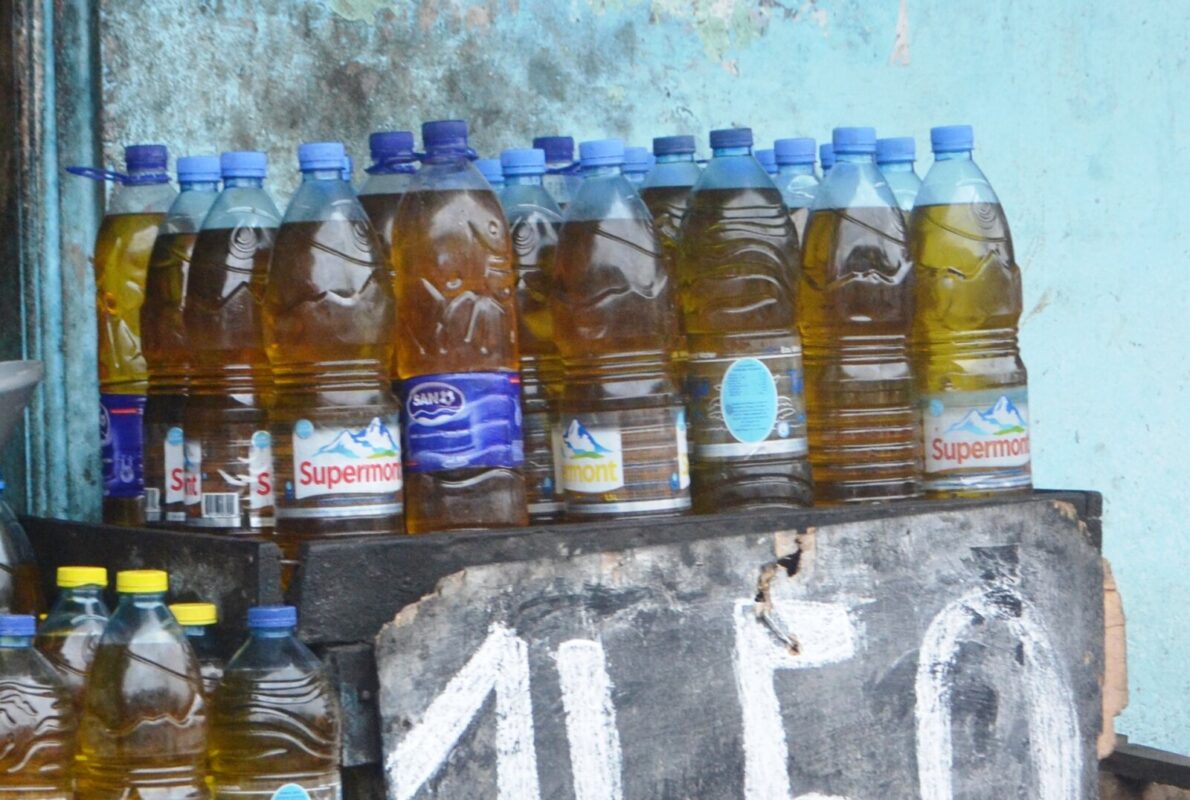
- Recycled oil. Used frying oil, filtered and bleached, then sold as fresh. In some countries this is called gutter oil.
- Non-food oils. Mineral oil, or industrial oils, mixed in to add volume.
- Toxic seed oils. The classic case is argemone oil in mustard oil, which has caused serious poisoning outbreaks.
- Added colour or flavour. Dyes or flavours to make a cheap oil look or smell like a premium one.
Some of these are fraud. Some are dangerous. Knowing how to detect adulterated cooking oil helps with both. All of them are illegal when the label says otherwise. The food adulteration entry gives the wider history.
Why People Adulterate Oil
Money, mostly, and that’s worth understanding before you learn how to detect adulterated cooking oil. Oil prices vary a lot between types. When sunflower oil is much dearer than palm olein, the temptation to blend is there. When prices jump after a bad harvest, it gets worse. Used frying oil costs almost nothing, so recycling it is very profitable for the people doing it.
That’s why understanding how to detect adulterated cooking oil matters most when prices are high and supply is short. That’s exactly when buyers get desperate and checks get skipped.
How to Detect Adulterated Cooking Oil at Home
These are simple checks that show how to detect adulterated cooking oil without a lab. Let’s be honest up front: none of them proves an oil is pure. They can raise a red flag, and that’s useful. If something looks wrong, stop using the oil and get it tested properly.
1. Look at it
The first step in how to detect adulterated cooking oil is to pour some into a clean, clear glass and hold it to the light.
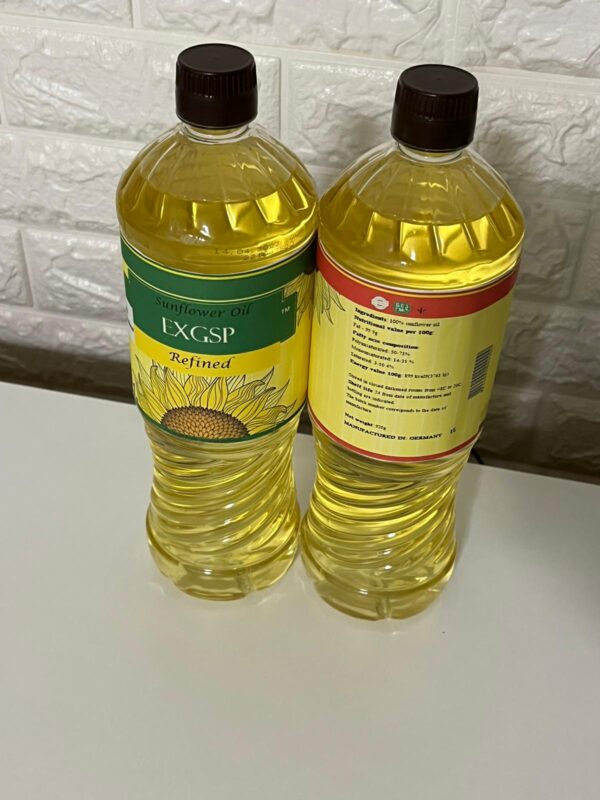
- Refined sunflower, soybean and canola oils should be clear and pale yellow.
- Refined palm olein is clear and golden when warm, but can go cloudy in the cold. That’s normal.
- Coconut oil is clear when liquid and white when solid.
- Look for haze, particles, sediment, or layers. Pure refined oil shouldn’t separate into layers.
- A dark, brownish colour in an oil that should be pale can mean old or recycled oil.
2. Smell it
Smell is underrated when people talk about how to detect adulterated cooking oil. Fresh refined oil smells of almost nothing. A sharp, paint-like, fishy or stale smell means oxidation. A burnt or fried-food smell in new oil is a strong hint that it has been used before.
3. Taste a drop
Refined oil should taste clean and neutral. Bitterness, a soapy taste or a scratch at the back of the throat are warning signs.
4. The fridge test
The fridge test is the best-known trick for how to detect adulterated cooking oil. Put a small clear bottle of the oil in the fridge for a few hours.
- Pure sunflower, soybean and canola oils usually stay clear or only go slightly hazy.
- If sunflower oil turns thick, cloudy or partly solid, it may contain palm olein or another more saturated fat.
- Palm olein itself will cloud. Coconut oil will go solid. That’s normal for them.
The fridge test is popular for olive oil, but it’s not reliable there. Many pure olive oils behave differently depending on their natural wax content. Use it as a hint for liquid seed oils only. Our post on winterized sunflower oil explains why good sunflower oil stays clear in the cold.
5. The water drop and paper checks
You’ll see claims online about how to detect adulterated cooking oil with a drop on paper or in water. In our experience these tell you very little. Oil floats on water whether it’s pure or not. We mention them only so you don’t rely on them.
6. Check the pack
Often the easiest way to detect adulterated cooking oil is to look at the packaging rather than the oil.
- Is the seal intact? A broken or missing induction seal is a warning.
- Does the label have a batch number, production date and best before date?
- Is the packer’s name and address on the label?
- Does the registration number exist with your local food authority?
- Is the price far below the normal market price?
Refilling branded containers with cheap oil is a common trick, which is one reason we push for good seals on every pack. See our PET bottle vs jerrycan cooking oil packaging guide for more on tamper-evident packs.
Simple Chemical Screening Tests
Some food authorities publish simple screening tests that use small amounts of reagents. They’re part of how to detect adulterated cooking oil in official checks. They are meant for labs, inspectors and trained staff, not home kitchens, because they use acids and alkalis. We describe them here so you know what to ask a lab for.
Mineral oil
The oil is boiled with an alcoholic potassium hydroxide solution, which turns vegetable oil into soap. Then water is added. Vegetable oil soap dissolves to a clear solution. Mineral oil can’t turn into soap, so it shows up as cloudiness. It’s a screening test, and a positive result should be confirmed in a lab.
Argemone oil
Argemone seeds look a lot like mustard seeds, and the oil has been found mixed into mustard oil. It causes a serious illness called epidemic dropsy. A screening test using nitric acid gives a reddish-brown colour when argemone oil is present. More on the plant on the Argemone mexicana page.
Cottonseed and sesame oil
The Halphen test picks up cottonseed oil through the cyclopropenoid fatty acids it contains. The Baudouin test picks up sesame oil through a compound called sesamol. These are old tests, still used for screening.
How Labs Detect Adulterated Cooking Oil
If you need a firm answer, for a commercial shipment, a court case or a product recall, it comes from a proper lab. Here’s how labs detect adulterated cooking oil, roughly in the order most of them use.
| Test | What it shows | Good for catching |
|---|---|---|
| Fatty acid profile by GC | Percentage of each fatty acid | Substitution and most blends |
| Iodine value | Overall unsaturation | Blends with more or less saturated oils |
| Refractive index | How the oil bends light | Quick identity screening |
| Saponification value | Average fatty acid chain length | Lauric oils mixed with others, mineral oil |
| Sterol profile | Plant sterol pattern | Blends that match on fatty acids |
| Unsaponifiable matter | Non-fat material | Mineral oil and waxes |
| Free fatty acid and peroxide value | Freshness and damage | Old or recycled oil |
| Total polar compounds | Frying damage | Recycled frying oil |
| UV absorbance | Oxidation and refining history | Refined oil in virgin oils |
| Triglyceride profile by HPLC | Pattern of whole fat molecules | Subtle blends, especially olive oil |
The fatty acid profile is the backbone
Every named oil has a fatty acid range in the Codex standard, published on the Codex Alimentarius list of standards. That is the core of how to detect adulterated cooking oil in a lab. If a sample falls outside the range, it’s either another oil or a blend. For example, soybean oil carries linolenic acid, so sunflower oil with linolenic acid in it has something else mixed in. Coconut oil with low lauric acid has been cut. Our post on the Codex standard for named vegetable oils lists the key ranges.
Iodine value helps with blends
The iodine value measures unsaturation. Sunflower oil cut with palm olein reads lower than pure sunflower oil. It’s a cheap, quick test, and a good first screen. Our guide to the iodine value of vegetable oils gives the normal range for each oil.
Sterols catch the clever cases
Some blends are mixed carefully to beat the usual answers to how to detect adulterated cooking oil, by matching the fatty acid profile of the target oil. Sterols are much harder to fake, because each plant has its own pattern. When a fatty acid result looks fine but something still feels wrong, a sterol profile usually settles it.
Recycled oil shows up in polar compounds
Used frying oil builds up polar compounds, the breakdown products of frying. Fresh refined oil has very few. Even after filtering and bleaching, recycled oil usually carries more than fresh oil, alongside higher free fatty acids and a darker colour.
A Simple Routine: How to Detect Adulterated Cooking Oil Step by Step
People often ask us for one routine they can follow. This is the one we give. It works for a shop owner checking a delivery and, with the lab steps added, for an importer checking a container.
- Check the paperwork. Invoice, batch number, COA and seal numbers should all match.
- Check the pack or tank. Seals intact, labels complete, no signs of refilling.
- Look, smell and taste. Clear, pale, neutral. No haze, no fried smell, no bitterness.
- Run the fridge test on liquid seed oils. Unexpected clouding is a red flag.
- Keep a sealed sample from every batch, labelled with date and batch number.
- Send a sample to a lab for fatty acid profile, FFA and peroxide value. For new suppliers, do this every time. For trusted ones, now and then.
- Compare the results with the COA and with the Codex ranges.
- Act on any mismatch straight away. Stop using or selling the oil until it’s resolved.
That’s really all there is to how to detect adulterated cooking oil in daily business. The routine isn’t clever. It works because it’s done every time, not only when something already looks wrong.
How Much Testing Costs, Roughly
Buyers often skip lab tests because they assume they’re expensive. In most countries, a basic panel of fatty acid profile, FFA, peroxide value and moisture costs far less than the value of even one pallet of bottled oil. A full panel with sterols costs more, but it’s still small next to a container of oil. When people work out how to detect adulterated cooking oil on a budget, the answer is usually to run the basic panel on every new supplier and every new batch, and save the full panel for anything suspicious.
If you’re buying a full container, compare the cost of testing with the cost of one rejected shipment, one recall or one lost supermarket listing. Testing is cheap insurance.
Teaching Your Staff How to Detect Adulterated Cooking Oil
The people who receive deliveries and run the fryers are your first line of defence. A short training session goes a long way. Show them what good oil looks and smells like, by keeping a reference sample. Show them what a broken seal looks like. Tell them clearly who to call if something seems off, and make sure nobody is blamed for raising a false alarm. Most adulteration we’ve seen caught early was caught by someone on the floor who noticed the oil looked or smelled different from last week. Once staff know how to detect adulterated cooking oil at the basic level, they spot problems long before a lab report would.
How to Detect Adulterated Cooking Oil by Oil Type
Each oil has its own common tricks, so how to detect adulterated cooking oil depends partly on the oil. Here’s what to watch for.
| Oil | Common adulteration | Best check |
|---|---|---|
| Sunflower oil | Palm olein, soybean oil, cheaper seed oils | Fatty acid profile, fridge test, iodine value |
| Olive oil | Seed oils, refined olive or pomace oil sold as extra virgin | Fatty acid profile, sterols, UV, triglycerides |
| Mustard oil | Argemone oil, cheaper oils, added flavour | Nitric acid screen, fatty acid profile |
| Coconut oil | Palm kernel oil, paraffin | Fatty acid profile, saponification value |
| Groundnut oil | Cheaper seed oils, cottonseed oil | Fatty acid profile, Halphen test |
| Sesame oil | Cheaper seed oils | Fatty acid profile, Baudouin test |
| Any frying oil | Recycled used oil | FFA, colour, polar compounds |
Olive oil fraud is a story of its own. Our post on pure olive oil vs extra virgin olive oil explains the grades so you know what you’re paying for.
How to Detect Adulterated Cooking Oil in Bulk Buying
For importers, distributors and food factories, the risk is bigger, and so are the tools. Here’s how we suggest buyers detect adulterated cooking oil before it becomes their problem.
Buy from a real refinery or a known exporter
When buyers ask us how to detect adulterated cooking oil in bulk, our first answer is about the seller, not the oil. The single best protection is a supplier with a real plant, real certificates and a track record. Many bulk oil scams involve sellers who own no oil at all. Our list of fake vegetable oil supplier warning signs is worth reading before any first order.
Write the spec into the contract
State the oil, the Codex standard, and tight limits on FFA, peroxide value, moisture, colour, iodine value and fatty acid ranges. A clear spec makes it easy to reject bad oil.
Get a lot COA, not a generic one
The certificate of analysis must match the actual lot, with lot number, date and lab. See our certificate of analysis for edible oil guide.
Use pre-shipment inspection
An independent surveyor takes samples at loading, seals them and tests them. This is standard practice for serious buyers. Our guide on pre-shipment inspection for edible oil explains the steps.
Test again on arrival
Arrival testing is the last step in how to detect adulterated cooking oil in a shipment. Sample from the flexitank, ISO tank or drums when the container arrives, and run at least the fatty acid profile, FFA and peroxide value. Keep a sealed retained sample.
Watch the price
If an offer is far below the market for the same oil, there’s a reason, and it’s rarely a good one.
How to Detect Adulterated Cooking Oil in Restaurants and Shops
If you run a restaurant, hotel or shop, you probably don’t import, but you still buy a lot of oil, so knowing how to detect adulterated cooking oil matters to you too.
- Buy sealed packs from known distributors, not loose oil from unknown sellers.
- Keep invoices with batch numbers.
- Check every delivery: seals, labels, dates, colour and smell.
- If a new batch fries differently, foams or smokes early, set it aside and ask questions.
- Keep a small sample of each batch for a few weeks.
If you resell oil under your own brand, you carry the legal risk. Our guide to the cooking oil repackaging business covers the checks repackers should run on every bulk lot.
Health Risks of Adulterated Oil
Most adulteration is economic fraud, which is why how to detect adulterated cooking oil is usually framed as a money question: you pay for one oil and get a cheaper one. That’s bad enough. But some cases are dangerous.
- Argemone oil can cause epidemic dropsy, with swelling, heart problems and eye damage.
- Mineral oil isn’t digested properly and isn’t meant to be eaten in quantity.
- Recycled frying oil carries breakdown products and can carry contaminants from poor handling.
- Undeclared oils can be a problem for people with allergies, for example groundnut oil mixed into another oil.
This is why learning how to detect adulterated cooking oil isn’t just about money. If you suspect a dangerous adulterant, stop using the oil and report it to your local food authority.
Common Mistakes When Checking Oil
- Relying on one home test. The fridge test alone proves nothing about how to detect adulterated cooking oil reliably.
- Trusting a generic COA. It has to match the lot.
- Skipping arrival tests because the COA looked fine. Oil can be swapped or damaged in transit.
- Ignoring the price signal. Too cheap usually means something’s wrong.
- Not keeping samples. Without a retained sample, you can’t prove a claim later.
What Pure Oil From Us Looks Like
We refine and pack our oils ourselves, and every lot is tested in our lab before loading. Here are our standard specifications. If you ever need to detect adulterated cooking oil in a market where you sell ours, these are the numbers to compare against.
| Oil | FFA | Peroxide value | Moisture | Iodine value | Identity check |
|---|---|---|---|---|---|
| Refined sunflower oil | 0.1% max | 2.0 meq/kg max | 0.05% max | 118 to 141 | Linoleic 48 to 74%, no linolenic to speak of |
| High oleic sunflower oil | 0.1% max | 2.0 meq/kg max | 0.05% max | 78 to 90 | Oleic 75% min |
| Refined soybean oil | 0.1% max | 2.0 meq/kg max | 0.05% max | 124 to 139 | Linolenic 4.5 to 11% |
| RBD canola oil | 0.1% max | 2.0 meq/kg max | 0.05% max | 105 to 126 | Erucic acid under 2% |
| Refined palm olein CP10 | 0.1% max | 2.0 meq/kg max | 0.1% max | 56 min | Cloud point 10 C max |
| Refined palm olein CP8 | 0.1% max | 2.0 meq/kg max | 0.1% max | 58 min | Cloud point 8 C max |
| RBD coconut oil | 0.1% max | 1.0 meq/kg max | 0.1% max | 7 to 11 | Lauric acid 45% min |
All our oils are produced under ISO 22000, HACCP and GMP with Halal certification. Every lot ships with its own COA, including the fatty acid profile, and we keep a sealed retained sample. Retail packs come with tamper-evident caps and induction seals. We ship worldwide in flexitanks, ISO tanks, IBCs, drums, PET bottles, jerrycans and tins, and we welcome independent inspection at loading.
FAQs on How to Detect Adulterated Cooking Oil
What is the easiest way to detect adulterated cooking oil at home?
Look, smell, taste and check the pack. That is how to detect adulterated cooking oil quickly at home. The fridge test can help with liquid seed oils. None of these prove purity, so use a lab if you’re worried.
Does the fridge test work?
It can hint that sunflower or soybean oil contains a more saturated oil. It doesn’t work reliably for olive oil.
Which lab test is the most useful?
The fatty acid profile by gas chromatography. It catches most substitution and blending.
How do I know if oil has been used before?
Dark colour, fried smell, high free fatty acids and high polar compounds are the main signs.
Can I get your oil tested independently?
Yes. We welcome third-party inspection at loading, and you can test on arrival too.
Do you sell blended oil?
Only when it’s ordered and labelled as a blend, with the proportions stated.
Buy Pure, Tested Oil From Us
If you’d rather spend less time on how to detect adulterated cooking oil and more time selling it, buy from a refinery that tests every lot and stands behind its COA. Tell us the oil, quantity and port, and we’ll send prices, the full specification and a recent COA. You’re welcome to request a sample first. Our guide on how to request edible oil samples explains how. Email info@dthcompanyltd.com, WhatsApp +66 91 765 9104, or use our contact page. You can also browse our product range or read more about us.