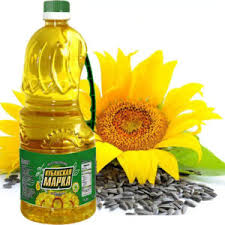

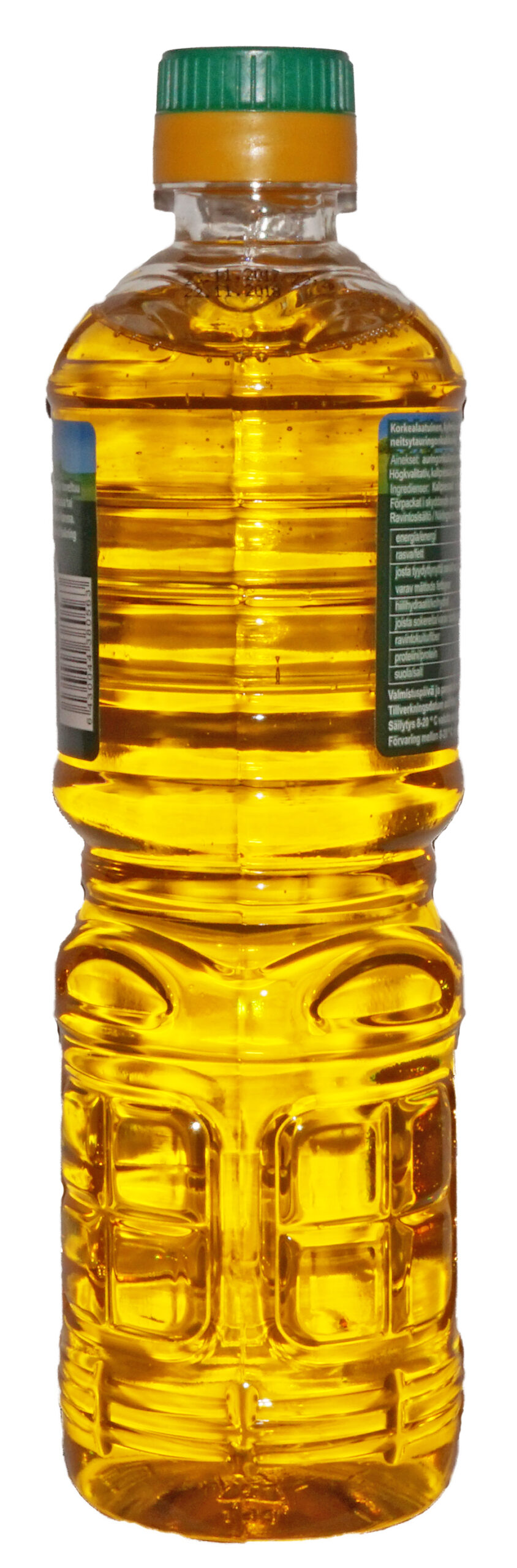
Winterized sunflower oil is sunflower oil that has been chilled and filtered to remove natural waxes, so it stays clear when the weather turns cold. It sounds like a small step, and in the refinery it is. But for anyone who sells bottled oil, it’s the difference between a bright, clear product on the shelf in January and a bottle full of white haze that customers send back.
We sell refined, deodorized, high oleic and organic sunflower oil to buyers worldwide, and our refined grades are winterized as standard. This guide explains what winterized sunflower oil is, how it’s made, how to check it, and how to make sure the oil you buy stays clear all year.
Table of Contents
The short answer
Sunflower seeds have a thin waxy coating on the hull and seed skin. When the seeds are pressed, some of that wax ends up dissolved in the oil. At room temperature you can’t see it. When the oil cools, the wax crystallises into tiny particles that make the oil look cloudy, or form fine white threads and a layer at the bottom of the bottle.
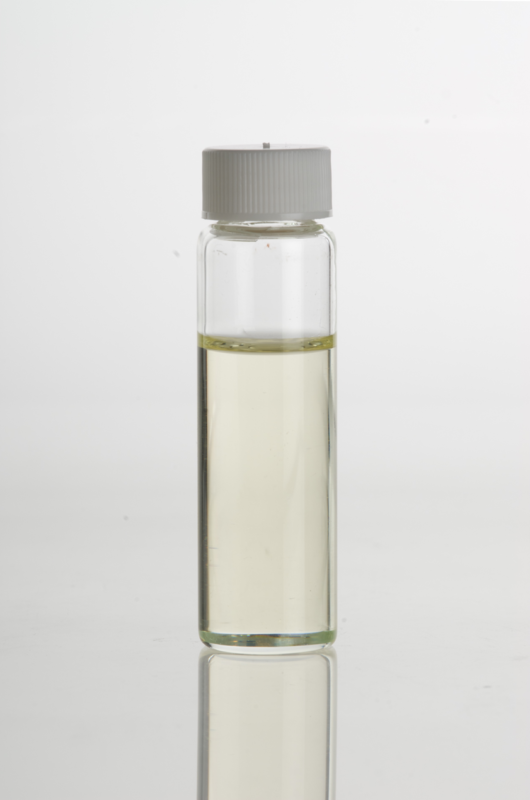
Winterizing, also called dewaxing, removes that wax. The oil is cooled slowly so the wax crystallises, then filtered. What comes out is winterized sunflower oil that stays clear even near freezing point.
Why sunflower oil needs winterizing
Not every oil needs this step, so why is winterized sunflower oil such a big deal? Because sunflower seeds carry more wax than most oilseeds. Crude sunflower oil can contain anything from a few hundred to a few thousand parts per million of wax, depending on how well the seeds were dehulled before pressing.
Even a small amount is enough to cause haze. Wax crystals scatter light, so a few hundred parts per million can make a whole bottle look milky. That’s why buyers of bottled oil, especially in cool markets, insist on winterized sunflower oil and check it with a cold test.
Corn oil and rice bran oil have similar wax problems and are often winterized too. Palm oil is different. It clouds because of its own high-melting fats, not wax, and that’s handled by fractionation instead. We explain that in why does palm oil solidify.
Why it’s called winterizing
The name goes back to the early days of the oil trade. Before refineries had chillers, oil was simply stored outside in tanks through the winter. The cold made the waxes and harder fats settle to the bottom, and in spring the clear oil was drawn off the top. That’s where “winterized” comes from.
Today the cold comes from heat exchangers and chilled crystallisers instead of the weather, and the whole job takes hours instead of months. But the idea is the same: let the cold do the work, then separate what settles out. Modern winterized sunflower oil is just a faster, more controlled version of that old trick.
How winterizing works
The process is simple in principle and slow in practice.
- Cooling. The oil is cooled gradually, often to somewhere around 5 to 10 °C. Cooling too fast makes tiny crystals that are hard to filter.
- Crystallising. The oil is held at that temperature with gentle stirring, often for many hours, so the wax crystals grow large enough to catch.
- Filtering. The cold oil is pumped through filters, usually with a filter aid such as diatomaceous earth or perlite, which traps the wax crystals.
- Finishing. The clear oil goes on to deodorizing or straight to storage, depending on where winterizing sits in the refinery’s line.
Some refineries combine dewaxing with other steps, such as cold neutralization, to save time and energy. The result is the same: winterized sunflower oil with most of its wax removed.
Winterized vs non-winterized sunflower oil
Here’s how winterized sunflower oil compares with oil that hasn’t been dewaxed.
| Feature | Winterized sunflower oil | Non-winterized sunflower oil |
|---|---|---|
| Appearance at 20 °C | Clear and bright | Usually clear |
| Appearance at 0 to 10 °C | Stays clear | Hazy, cloudy or white threads |
| Wax content | Very low | Can be hundreds to thousands of ppm |
| Cold test at 0 °C | Passes 5.5 hours or more | Often fails within an hour or two |
| Taste and smell | Neutral | Neutral if refined |
| Price | Slightly higher | Slightly lower |
| Best for | Retail bottles, cold markets, dressings | Frying, food plants with heated tanks |
The price gap is small, because winterizing is a cheap step for a modern refinery. The cost of not doing it, in returns and complaints, is much bigger.
The cold test: how to check winterized sunflower oil
You can’t tell winterized sunflower oil apart from non-winterized oil on a warm day. You need the cold test.
The standard method is AOCS Cc 11-53, published by the American Oil Chemists’ Society. In short:
- A sample is heated to dissolve any existing crystals, then dried and filtered.
- It’s sealed in a clear glass bottle and placed in an ice bath at 0 °C.
- After 5.5 hours it’s checked. If it’s still clear and brilliant, it passes.
Many buyers ask for more than 5.5 hours. A 24 hour cold test is common for premium bottled oil, and some ask for 48 hours. The longer it stays clear, the more thoroughly the wax has been removed.
Our winterized sunflower oil specification
Our refined sunflower oil is winterized as standard. Here’s the spec we load against.
| Parameter | Our limit |
|---|---|
| Appearance at 20 °C | Clear, bright, light golden |
| Cold test (AOCS Cc 11-53) | Clear after 5.5 hours at 0 °C min (24 hours on request) |
| Free fatty acid (as oleic) | 0.1% max |
| Peroxide value | 10 meq O₂/kg max (usually far lower at loading) |
| Moisture and volatiles | 0.1% max |
| Insoluble impurities | 0.05% max |
| Iodine value | 118 to 144 |
| Colour (5¼” Lovibond cell) | 1.5 red max |
| Smoke point | About 232 °C |
| Shelf life | 12 to 18 months, sealed, cool and dry |
For a full explanation of each line, read our guide to refined sunflower oil specification.
Winterizing, fractionation and deodorizing: what’s the difference?
These three words get mixed up, so here’s a plain breakdown.
| Step | What it removes | Main purpose | Oils it’s used on |
|---|---|---|---|
| Winterizing (dewaxing) | Natural waxes | Keeps oil clear in the cold | Sunflower, corn, rice bran |
| Fractionation | High-melting fats (stearin) | Splits oil into liquid and solid parts | Palm, palm kernel, some animal fats |
| Deodorizing | Odours, flavours and free fatty acids | Neutral taste and smell | Almost all refined oils |
Cottonseed oil is a slightly confusing case, because its “winterization” removes harder fats rather than waxes, which is closer to fractionation. For sunflower, winterizing is about wax.
All three steps can sit in the same refinery. A typical line for refined sunflower oil runs degumming, neutralizing, bleaching, winterizing and deodorizing, though the order can vary. If you want the wider picture of refining, our post on crude vs refined sunflower oil walks through it.
Labelling clear oil
Some brands print “winterized” on the label as a quality point, especially in cold markets where shoppers have seen cloudy bottles before. Others just print a storage line, such as “store in a cool, dry place away from sunlight”. Either is fine. What matters is that the oil inside matches the promise.
If you sell both winterized and non-winterized grades, label them clearly and keep them on separate lines, so they never get mixed in a filling tank.
Is the wax harmful?
No. Sunflower wax is harmless. It’s made of long-chain fatty acids joined to long-chain alcohols, similar to the waxes on many fruits and leaves. Your body doesn’t really digest it, and it passes through. It doesn’t change the taste or nutritional value of the oil in any meaningful way.
So winterizing is about appearance and customer trust, not safety. A cloudy bottle of non-winterized sunflower oil is as safe to eat as a clear one. But most shoppers don’t know that, and they won’t buy it.
Haze that isn’t wax
Sometimes even winterized sunflower oil turns hazy. Before you blame the wax, check for these.
- Water. Moisture makes oil look cloudy and can settle as droplets. Gentle warming often won’t clear it, and it shows up in the moisture test.
- Very cold storage. Every oil thickens and can cloud near or below freezing. Regular sunflower oil handles cold well, but at -10 °C or so, anything can go hazy.
- Contamination. A tank or flexitank with residue from palm oil or another fat can cause clouding.
- Mixing grades. Topping up winterized sunflower oil with a non-winterized batch brings the wax back.
A simple check: warm a hazy sample to about 50 °C, let it cool to room temperature, then chill it. If the haze comes back on chilling, it’s probably wax or another high-melting fat. If the sample stays cloudy even warm, look at moisture or impurities.
Which buyers need winterized sunflower oil?
Not everyone needs it, and it’s worth knowing where it matters.
- Bottlers and brands selling retail oil. Yes, always, especially in markets with cool winters.
- Supermarkets and wholesalers. Yes, because oil sits on shelves and in warehouses for months.
- Mayonnaise and dressing makers. Yes. These products are stored cold, and wax crystals can affect texture.
- Restaurants and fryers. Less important. Oil in a fryer is hot, and a little haze in a tin doesn’t matter much.
- Food factories with heated tanks. Often not needed, unless the product is chilled later.
If you’re not sure, choose winterized sunflower oil. The extra cost is small and it keeps your options open.
Winterized sunflower oil in hot vs cold markets
In tropical markets, non-winterized oil may never show haze, because it rarely gets cold enough. Even there, air-conditioned stores and cold nights in the dry season can surprise people. In markets with real winters, such as Europe, North America, Central Asia, northern China and parts of the Middle East, winterized sunflower oil is the norm, and buyers check the cold test on every lot.
Shipping routes matter too. A container crossing cold seas or sitting in a northern port in December can drop well below 10 °C. Winterized oil arrives looking the way it left.
Organic and cold-pressed sunflower oil
Cold-pressed and some organic sunflower oils aren’t winterized, or are only lightly filtered. They keep more of their natural flavour and some cloudiness is expected. If you sell unrefined oil, tell customers on the label that natural cloudiness is normal.
Our organic sunflower oil can be supplied refined and winterized or as a less processed grade, depending on what your market wants. Ask us which fits your label.
High oleic sunflower oil and winterizing
High oleic sunflower oil comes from the same seed and carries the same wax, so it’s winterized in the same way. It’s very stable against oxidation, but it still needs dewaxing to stay clear in the cold. We cover the differences between the two grades in high oleic vs regular sunflower oil, and our high oleic sunflower oil page has the full spec.
How to keep winterized oil clear after delivery
Winterizing does its job at the refinery. After that, it’s up to storage and handling.
- Keep storage tanks and containers clean and dry.
- Don’t mix winterized and non-winterized oil.
- Keep bottles out of direct sunlight, which also protects the oil from oxidation.
- Avoid storing near cold walls or open doors in winter.
- Use stock in the order it arrived.
Our post on shelf life of sunflower oil has more on storage.
How labs measure wax content
The cold test tells you whether oil stays clear. Some buyers, especially large brands and food factories, also want to know how much wax is left. Labs can measure wax content directly by gas chromatography, reported in milligrams per kilogram (ppm).
Crude oil may show several hundred to a few thousand ppm. Well-made winterized sunflower oil shows a small fraction of that. There’s no single legal limit, so buyers who care usually agree a number with their supplier, or simply rely on a long cold test, which is cheaper and tells you what you really want to know: will it stay clear?
Turbidity meters are another quick tool. They measure how much light a sample scatters, which gives a number for haze instead of a judgement by eye. Some bottling lines use them to check every tank before filling.
Winterized sunflower oil for mayonnaise and sauces
Mayonnaise makers are some of the strictest buyers of winterized sunflower oil, and for good reason. Mayonnaise is an emulsion of oil droplets in water, held together by egg yolk. If wax crystals form in the fridge, they can poke through the thin film around each droplet and break the emulsion. The sauce separates, looks oily and gets returned.
That’s why mayonnaise and dressing producers often ask for a 24 or 48 hour cold test, and sometimes a measured wax limit. If you make chilled sauces, treat the cold test as one of the most important lines on your spec sheet.
What skipping winterization can cost
Here’s a simple example. A bottler sells 1 litre bottles in a market where winter nights in the warehouse drop to 5 °C. They buy cheaper non-winterized oil to save a little per ton. In the first cold month, a share of the stock turns hazy on the shelf. Shops call, some send stock back, and the brand gets a reputation for “old” oil.
The saving on the oil was small. The cost of returns, transport, relabelling and lost trust was far bigger. That’s the usual story, and it’s why most bottlers we work with treat winterized sunflower oil as standard rather than an extra.
Questions to ask your supplier
- Is your refined sunflower oil winterized as standard?
- What cold test do you load to, and for how many hours?
- Can you show cold test results from recent shipments?
- Is the high oleic grade winterized too?
- Do you keep winterized and non-winterized oil in separate tanks?
- Can you load to a longer cold test if I need it?
A supplier who answers with numbers and documents is a supplier who actually tests. Our list of fake vegetable oil supplier warning signs covers what to watch for if the answers stay vague.
Shipping winterized sunflower oil in winter
Winterized sunflower oil handles cold routes well, but a few precautions help. Use clean, dry flexitanks or ISO tanks, and make sure the container hasn’t carried palm oil or another hard fat without proper cleaning. Our flexitank vs ISO tank guide compares the two.
At the destination, let bulk oil settle before you pump if it has been very cold, and don’t heat it more than you need. Gentle warming to room temperature is enough to bring back full clarity if a little cold haze has formed during an extreme cold snap.
What to write in your contract
If you need winterized sunflower oil, say so in writing. A clear contract should include:
- Product described as refined, winterized sunflower oil.
- Cold test method and minimum hours, for example AOCS Cc 11-53, clear after 24 hours at 0 °C.
- The rest of the spec: FFA, peroxide value, moisture, iodine value and colour.
- Testing at loading by an independent inspector, and the right to retest on arrival.
- A remedy if the cold test fails.
Our guide to pre-shipment inspection for edible oil explains how to arrange testing. For the paperwork that travels with each load, see documents required to import vegetable oil.
Common mistakes
Assuming all refined sunflower oil is winterized. It often is, but not always. Ask, and see the cold test result.
Testing on a warm day only. A sample that looks perfect at 25 °C tells you nothing about wax.
Accepting a cold test without a time. “Passes cold test” means little. Ask how many hours at 0 °C.
Blaming wax for every haze. Check moisture first. It’s a common cause and easier to fix.
Frequently asked questions
What does winterized sunflower oil mean? Sunflower oil that has been cooled and filtered to remove natural waxes, so it stays clear in cold weather.
Is winterized sunflower oil healthier? Not really. The wax is harmless. Winterizing improves appearance and keeps the oil looking fresh on the shelf.
How do I know if my oil is winterized? Ask for the cold test result. Good winterized sunflower oil stays clear for at least 5.5 hours at 0 °C, often 24 hours or more.
Why is my sunflower oil cloudy? Usually wax from incomplete winterizing, or moisture. Warm a sample gently and chill it again to see which.
Does winterizing change the taste? No. Refined sunflower oil stays neutral either way.
Is your refined sunflower oil winterized? Yes, as standard. We can load to a 24 hour cold test on request.
Buy winterized sunflower oil
We supply winterized refined sunflower oil, deodorized sunflower oil and the rest of our sunflower oil range to buyers worldwide, in flexitanks, ISO tanks, drums, tins, jerrycans and PET bottles, plain or private label. We work under ISO 22000, HACCP, GMP and Halal.
See all our products, read about us, or send your volume, packaging, cold test needs and destination through our contact page. We’ll reply with full specifications and a price.
Featured photo: Tiia Monto, CC BY-SA 4.0.