


A refined sunflower oil specification is the one page that tells you whether the oil you’re paying for is the oil you’ll get. It looks dull, just a column of lab numbers, but those numbers decide how long the oil lasts on a shelf, how it behaves in a fryer, and whether it stays clear in a cold warehouse. If you buy without one, you’re trusting a label and a photo.
We export refined sunflower oil from Thailand to buyers worldwide, along with high oleic, deodorized, organic and crude grades. This guide walks through the refined sunflower oil specification we load against, line by line. We’ll explain what each number means, which limits are normal in trade, and what to watch for when a supplier sends you their sheet.
Table of Contents
Our refined sunflower oil specification at a glance
Here’s the spec we quote for our refined sunflower oil for sale. Every shipment comes with a certificate of analysis (COA) tested against these limits.
| Parameter | Our limit | Common test method |
|---|---|---|
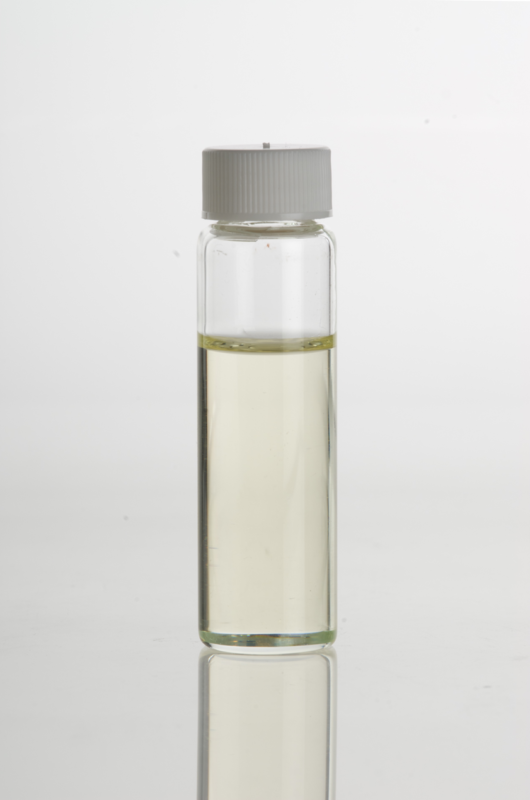
| Appearance | Clear, bright, light golden yellow | Visual at 20 °C |
| Odour and taste | Neutral, free from off flavours | Sensory |
| Free fatty acid (as oleic) | 0.1% max | AOCS Ca 5a-40 |
| Peroxide value | 10 meq O₂/kg max (usually far lower at loading) | AOCS Cd 8b-90 |
| Moisture and volatile matter | 0.1% max | AOCS Ca 2c-25 |
| Insoluble impurities | 0.05% max | AOCS Ca 3a-46 |
| Iodine value (Wijs) | 118 to 144 | AOCS Cd 1d-92 |
| Colour (Lovibond, 5¼” cell) | 1.5 red max | AOCS Cc 13e-92 |
| Cold test | Clear after 5.5 hours at 0 °C | AOCS Cc 11-53 |
| Unsaponifiable matter | 1.5% max | AOCS Ca 6a-40 |
| Smoke point | About 232 °C | AOCS Cc 9a-48 |
| Shelf life | 12 to 18 months, sealed, cool and dry |
That’s the full refined sunflower oil specification: ten numbers that matter and a couple that describe the product. Let’s go through them.
Why the refined sunflower oil specification matters
Two shipments of “refined sunflower oil” can look identical in a bottle and still perform very differently. One might have been refined last week and loaded at a peroxide value of 1. Another might have sat in a tank for months and loaded at 8. Both pass a loose contract. Only one will still taste clean when your customer opens it in six months.
A clear refined sunflower oil specification fixes that problem. It sets the floor, gives your inspector something to test against, and gives you a basis for a claim if the oil arrives wrong. Without it, “good quality” means whatever the seller wants it to mean.
Free fatty acid: 0.1% max
Free fatty acid (FFA) tells you how much of the oil has broken down into loose fatty acids. Refining strips most of them out, so every refined sunflower oil specification caps FFA at 0.1%, measured as oleic acid.
High FFA in refined oil usually means one of three things: the oil wasn’t refined properly, it picked up water, or it’s old. It shows up as a lower smoke point and a slightly sharp or soapy taste. In a fryer, high FFA oil smokes early and breaks down faster.
We explain FFA and its partner number in more detail in our guide to free fatty acid and peroxide value.
Peroxide value: the freshness number
Peroxide value (PV) measures the first stage of oxidation, before the oil smells or tastes off. It’s the most useful freshness check on any refined sunflower oil specification.
The common ceiling in trade and in the Codex Alimentarius standard for named vegetable oils is 10 meq O₂/kg. That’s a legal limit, not a target. Freshly refined sunflower oil should load well under it, usually below 2 to 3. If a seller’s COA shows 7 or 8 at loading, the oil has already used up most of its life.
Sunflower oil is rich in linoleic acid, which oxidises faster than oleic or saturated fat. That’s why PV deserves extra attention with sunflower compared with palm or coconut oil.
Moisture, volatiles and impurities
In our refined sunflower oil specification, moisture and volatile matter are 0.1% max and insoluble impurities 0.05% max. These are small numbers, but water in oil causes trouble over time. It feeds hydrolysis, which pushes FFA up, and it can make oil look hazy.
Impurities in refined oil should be close to zero. If they aren’t, the filtration step at the refinery didn’t do its job, or the oil was loaded into a dirty tank or flexitank.
Iodine value: the identity check
Iodine value (IV) measures how unsaturated the oil is. Regular sunflower oil falls between 118 and 144. It doesn’t change much with age, so IV is mainly an identity check.
If a COA for refined sunflower oil shows an IV of 100, something’s wrong. It might be blended with a cheaper oil, or it might be mid-oleic or high oleic sunflower oil sold under the wrong name. A proper refined sunflower oil specification always lists IV for exactly this reason. Our comparison of high oleic vs regular sunflower oil explains why those grades have much lower IVs.
Colour
Refined sunflower oil should be pale and bright, and the refined sunflower oil specification puts a number on that. Colour is measured on the Lovibond scale in red and yellow units. We work to 1.5 red max in a 5¼ inch cell, which is a light golden oil in a clear bottle.
Darker oil usually means incomplete bleaching, or oil that’s been overheated. Colour isn’t just about looks. Poorly bleached oil often carries trace metals and pigments that speed up oxidation, so a dark batch tends to go stale sooner.

Cold test: does it stay clear?
The cold test is the line of the refined sunflower oil specification most buyers forget, and it’s the one that causes the most complaints. Sunflower seeds carry natural waxes from the hull. If those waxes aren’t removed, the oil turns hazy or forms a cloud of fine white threads when it gets cool.
The standard check is AOCS Cc 11-53. A dry, filtered sample is held at 0 °C, usually in an ice bath, and it must stay clear for at least 5.5 hours. Oil that passes has been properly winterized. We explain the whole process in our guide to winterized sunflower oil.
If you sell bottled oil in a place with cool winters, put the cold test in your refined sunflower oil specification. If you don’t, you might receive oil that looks perfect on arrival and cloudy by December.
Fatty acid profile
Many buyers also add the fatty acid composition to their refined sunflower oil specification. It confirms the oil is pure sunflower and tells you the type. Typical ranges for regular sunflower oil, based on Codex, look like this:
| Fatty acid | Typical range in regular sunflower oil |
|---|---|
| Palmitic (C16:0) | 5.0 to 7.6% |
| Stearic (C18:0) | 2.7 to 6.5% |
| Oleic (C18:1) | 14 to 39% |
| Linoleic (C18:2) | 48 to 74% |
| Linolenic (C18:3) | 0.3% max |
Linoleic acid is the big one. It’s what makes sunflower oil light and liquid, and it’s also why it oxidises faster than high oleic oil. The very low linolenic acid is useful too, because linolenic acid is the main cause of the “fishy” off flavour that some oils develop when heated.
Smoke point and frying
Refined sunflower oil has a smoke point of roughly 232 °C. That’s high enough for normal frying at 170 to 190 °C, with room to spare. The smoke point drops as the oil is used, because FFA builds up in the fryer.
If frying is your main use, look hard at FFA and PV in the refined sunflower oil specification, and think about high oleic oil for heavy-duty fryers. Our cooking oil smoke point chart compares sunflower with other oils, and how often to change fryer oil covers the practical side.
Refined, deodorized, crude and high oleic compared
We sell several sunflower oil grades. Here’s how their specs line up, so you can see where refined oil sits.
| Parameter | Crude sunflower oil | Refined sunflower oil | Deodorized sunflower oil | High oleic sunflower oil |
|---|---|---|---|---|
| Free fatty acid | 1.0% max | 0.1% max | 0.1% max | 0.1% max |
| Peroxide value | 10 meq/kg max | 10 meq/kg max | 5 meq/kg max | 5 meq/kg max |
| Iodine value | 120 to 145 | 118 to 144 | 110 to 144 | 80 to 100 |
| Oleic acid | 14 to 39% | 14 to 39% | 14 to 39% | 80% min |
| Taste and smell | Nutty, seedy | Neutral | Neutral | Neutral |
| Typical use | Further refining | Cooking, bottling, food plants | Food plants, sensitive products | Heavy frying, long shelf life |
See each grade’s page for more: crude sunflower oil, deodorized sunflower oil, high oleic sunflower oil and organic sunflower oil. For the bigger picture on crude and refined, read crude vs refined sunflower oil.
A sample COA against our spec
It helps to see what real results look like next to the limits. Here’s an example of how a COA for one lot might read. The numbers are an illustration of a typical good lot, not a promise for every shipment.
| Parameter | Limit | Example result |
|---|---|---|
| Free fatty acid (as oleic) | 0.1% max | 0.06% |
| Peroxide value | 10 meq/kg max | 1.4 meq/kg |
| Moisture and volatiles | 0.1% max | 0.04% |
| Insoluble impurities | 0.05% max | 0.01% |
| Iodine value | 118 to 144 | 131 |
| Colour (5¼” cell) | 1.5 red max | 0.9 red |
| Cold test at 0 °C | 5.5 hours min | Clear after 24 hours |
Notice how the results sit well inside the limits. That gap is your safety margin for the voyage and the months on a shelf. When you compare suppliers, ask for real COAs like this, not just the refined sunflower oil specification they promise on paper.
Does the spec change by destination?
The core refined sunflower oil specification is close to the same everywhere, because most countries base their rules on Codex. What changes is the detail around it.
- Europe. Buyers often add limits for contaminants such as 3-MCPD and glycidyl esters, plus pesticide residues and mineral oil hydrocarbons. Labels must follow EU food information rules.
- Gulf countries. GCC standards apply, Halal certification is expected, and Arabic labelling is needed on retail packs. Shelf life printing rules are strict.
- Asia. Many importers ask for tight PV limits because of long, hot storage. Some markets require registration of the product or the exporter.
- Africa and Latin America. Vitamin A fortification is mandatory for cooking oil in some countries. Check whether your market needs it before you fix the refined sunflower oil specification.
- North America. FDA rules apply to labelling and facility registration, and many buyers ask for non-GMO statements.
If you tell us your destination, we’ll adjust the spec sheet and paperwork to match.
Retail bottles vs bulk for food plants
The same oil can need a slightly different refined sunflower oil specification depending on where it goes.
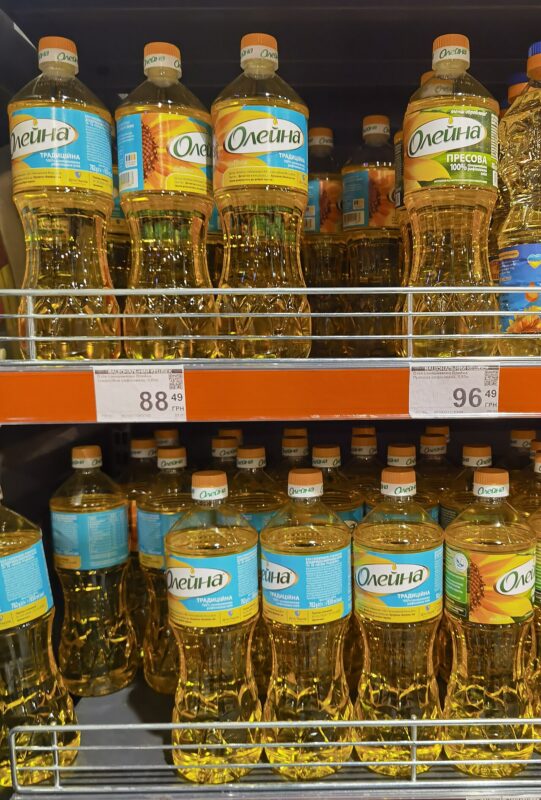
For retail bottles, appearance and shelf life lead. The cold test, colour and PV matter most, because the oil will sit in clear plastic under shop lights for months.
For food factories, consistency leads. A biscuit or snack line wants the same IV, the same flavour and the same behaviour every delivery. Factories often add their own tests, such as stability by Rancimat, and ask for tighter limits on FFA.
For restaurants and fryers, FFA and smoke point lead. These buyers often move up to high oleic sunflower oil once they see how much longer it lasts in the fryer.
Common mistakes buyers make
Asking for “refined oil” with no numbers. Every serious contract needs a written refined sunflower oil specification.
Ignoring the cold test. It’s the most common cause of returns in cool markets.
Comparing prices without comparing specs. A cheaper offer with a PV limit of 10 and no cold test is not the same product as one with fresh oil and a 24-hour cold test.
Not testing on arrival. A quick PV and FFA test when the oil lands tells you whether it travelled well and protects your claim if it didn’t.
How to read a supplier’s spec sheet
When a new supplier sends you a sheet, go through it like this.
- Product name. It should say refined sunflower oil, not just “vegetable oil” or “cooking oil”.
- FFA, with the reference acid stated (as oleic).
- Peroxide value, with a limit and ideally the actual result at loading.
- Iodine value inside 118 to 144.
- Cold test result, in hours at 0 °C.
- Colour, with the cell size.
- Moisture and impurities.
- Test date and lab name.
- Lot number that matches your shipping documents.
If the refined sunflower oil specification you’re sent has no cold test, no test date or no lab name, ask for them before you go further.
Red flags we see on spec sheets
- Every number is a round figure, like 0.10% FFA and 1.0 PV on every line of every COA. Real results vary.
- The sheet says “as per international standard” without listing numbers.
- The PV limit is missing.
- The same COA turns up for different shipments months apart.
- The iodine value is outside the sunflower range, or not listed at all.
None of these proves fraud on its own. But together they’re a reason to slow down. Our list of fake vegetable oil supplier warning signs covers the wider picture.
Writing the spec into your contract
A refined sunflower oil specification only protects you if it’s in the contract with a remedy. A short checklist:
- List each parameter with a max or min and a test method.
- Say whether quality is final at loading, discharge or both.
- Name an independent inspection company.
- Agree what happens if a parameter fails: rejection, replacement or a price adjustment.
- Keep sealed samples from loading for at least three months.
Our guide to pre-shipment inspection for edible oil explains how to set up testing, and letter of credit vs TT payment shows how to tie payment to the COA.
How often should you test?
For a one-off order, test once at loading and once on arrival. For regular supply, many buyers test every lot at loading and spot-check one in every few deliveries on arrival. If you store oil for months, test PV every couple of months while it sits.
Keep a simple log of results for each supplier. After a few shipments you’ll see whether they load comfortably inside the refined sunflower oil specification or keep scraping the limits. That pattern tells you more than any sales pitch. A supplier who always loads at PV 1 to 2 is worth more than one who quotes the same refined sunflower oil specification and arrives at 6.
If a result ever looks odd, retest the retained sample at an accredited lab before you raise a claim. Sampling and handling mistakes are more common than bad oil, and a second test settles most arguments quickly.
How storage changes the numbers
A good refined sunflower oil specification at loading is only the start. After that, heat, light, air and water all push the numbers in the wrong direction. PV climbs first, then FFA, then the taste goes.
Keep oil sealed, cool and away from light. Use stock in the order it arrived. In bulk tanks, keep the headspace small or blanketed with nitrogen if you can. Our post on shelf life of sunflower oil goes into storage in more depth.
Packaging and shipping
We ship refined sunflower oil in:
- Flexitanks, about 20 to 22 metric tons per 20 ft container
- ISO tanks
- Steel drums
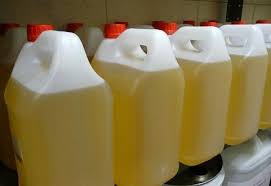
- Jerrycans and tins, 18 to 20 litres
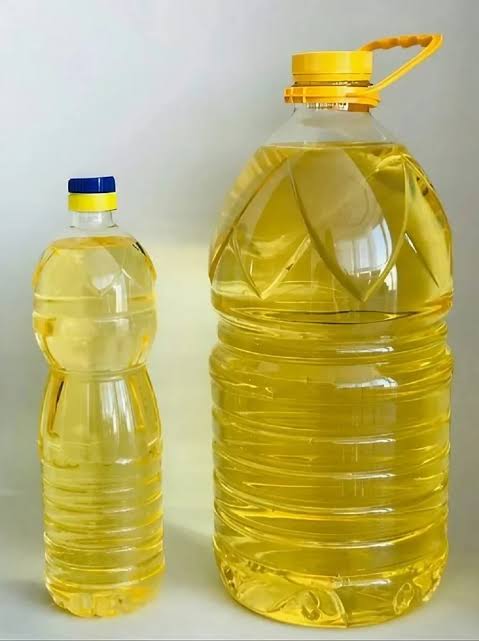
- PET bottles from 1 to 5 litres, plain or private label
For long routes, the container you choose affects oxidation. Our flexitank vs ISO tank guide compares the two, and documents required to import vegetable oil lists the paperwork that comes with each load.
Certifications behind the spec
A refined sunflower oil specification tells you about one lot. Certifications tell you about the system that made it. We work under ISO 22000, HACCP, GMP and Halal, and can supply non-GMO declarations on request. Organic sunflower oil comes with its own certificate.
Frequently asked questions
What is the standard refined sunflower oil specification for FFA? 0.1% max, measured as oleic acid. Good oil usually loads lower.
What peroxide value should refined sunflower oil have? The common limit is 10 meq O₂/kg, but fresh oil should load well below that, usually under 2 or 3.
What iodine value does sunflower oil have? Regular sunflower oil is 118 to 144. High oleic is much lower, around 80 to 100.
Why does my sunflower oil turn cloudy in winter? Usually because it wasn’t fully winterized and still contains natural waxes. Ask for a cold test result of at least 5.5 hours at 0 °C.
Is refined sunflower oil the same as deodorized sunflower oil? They’re very close. Deodorization is the last step of refining. Our deodorized grade is held to a tighter peroxide limit.
Can you send a full spec sheet and sample COA? Yes. Ask through our contact page and we’ll send both with a price.
Buy refined sunflower oil with a clear spec
We supply refined sunflower oil and the rest of our sunflower oil range to buyers worldwide. Every lot ships with a COA tested against the refined sunflower oil specification in your contract, and you’re welcome to put your own inspector on the loading.
See the full product list, read about us, or send your grade, volume, packaging and destination through our contact page. We’ll come back with full specifications and a price.
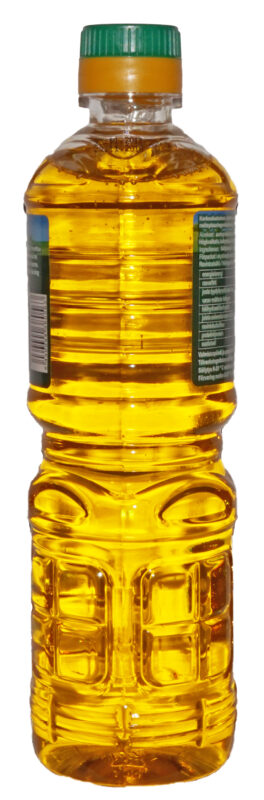
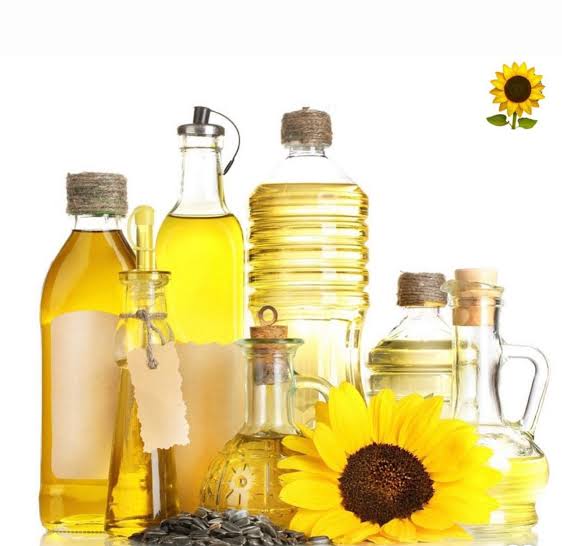
Featured photo: torange.biz, CC BY 4.0.


2 thoughts on “Refined Sunflower Oil Specification: 10 Essential Numbers Buyers Should Check”