
Sunflower oil vs palm oil is one of the most common choices a food business has to make, and it’s rarely as simple as “which one is healthier” or “which one is cheaper”. The two oils come from very different plants, grow in different parts of the world, behave differently in heat and cold, and suit different products. Most big food companies use both, for different jobs.
We sell sunflower oil and palm oil, in crude, refined and specialty grades, to buyers worldwide. So we don’t have a horse in this race. This guide compares sunflower oil vs palm oil honestly, with our specifications side by side, so you can pick the right oil for each use, or the right blend.
Table of Contents
The quick answer
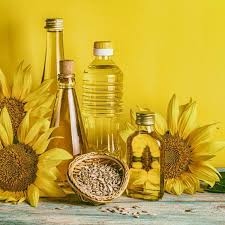
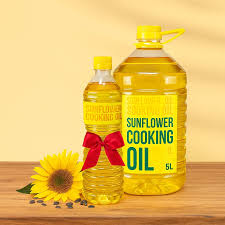
Sunflower oil is a light, liquid oil, low in saturated fat and high in polyunsaturated fat. It stays clear in the bottle and suits cooking, dressings and retail oil.
Palm oil is about half saturated fat. It’s semi-solid at room temperature in cooler climates, very stable in the fryer, and usually cheaper. Its liquid fraction, palm olein, is sold as CP10 or CP8 cooking oil.
So in the sunflower oil vs palm oil choice, sunflower tends to win on nutrition profile and appearance, and palm tends to win on price, frying stability and solid-fat uses like baking and margarine.
Specifications side by side
Here are the specs we load against for the main grades in the sunflower oil vs palm oil comparison.
| Parameter | Refined sunflower oil | High oleic sunflower oil | Palm olein CP10 | RBD palm oil |
|---|---|---|---|---|
| Saturated fat (approx.) | 9 to 13% | 7 to 10% | 40 to 45% | About 50% |
| Main fatty acid | Linoleic (48 to 74%) | Oleic (80% min) | Oleic and palmitic | Palmitic (about 44%) |
| Iodine value | 118 to 144 | 80 to 100 | 56 min | 50 to 55 |
| Free fatty acid | 0.1% max (as oleic) | 0.1% max (as oleic) | 0.1% max (as palmitic) | 0.1% max (as palmitic) |
| Peroxide value at loading | 10 meq/kg max | 5 meq/kg max | 2.0 meq/kg max | 2.0 meq/kg max |
| State at 20 °C | Clear liquid | Clear liquid | Clear liquid | Soft solid |
| Cloud point | Passes 5.5 h cold test at 0 °C | Low | 10 °C max | Not applicable |
| Smoke point | About 232 °C | About 245 °C | About 230 °C | About 230 °C |
| Shelf life (sealed) | 12 to 18 months | 18 to 24 months | 12 to 18 months | 12 to 18 months |
More detail is on our pages for refined sunflower oil, high oleic sunflower oil, refined palm oil CP10 and refined palm oil CP8.
Difference 1: where they come from
The first sunflower oil vs palm oil difference starts in the field. Sunflower oil is pressed from the seeds of an annual crop, grown mostly in Ukraine, Russia, Argentina, the European Union and Turkey. The plant is sown and harvested within one season.
Palm oil comes from the fruit of the oil palm, a tree that produces for 20 to 25 years. Almost all of it grows near the equator, mainly in Indonesia and Malaysia, with Thailand, Latin America and West Africa as smaller producers. Palm oil is the most produced vegetable oil in the world, several times the volume of sunflower oil. The USDA Foreign Agricultural Service publishes regular figures on both.
Origin matters for buyers because it shapes supply risk. Sunflower oil supply can swing with Black Sea weather and shipping. Palm oil supply moves with Southeast Asian weather and export policy. Buying both spreads that risk.
Difference 2: fat profile
This is the heart of sunflower oil vs palm oil. Regular sunflower oil is mostly polyunsaturated linoleic acid, with only about a tenth saturated fat. Palm oil is roughly half saturated fat, mostly palmitic acid, with oleic acid making up most of the rest.
That difference explains almost everything else: why palm sets in cool weather and sunflower doesn’t, why palm is more stable in the fryer, and why the two oils sit differently in nutrition advice. We explain the cold behaviour of palm in detail in why does palm oil solidify.
Difference 3: frying performance
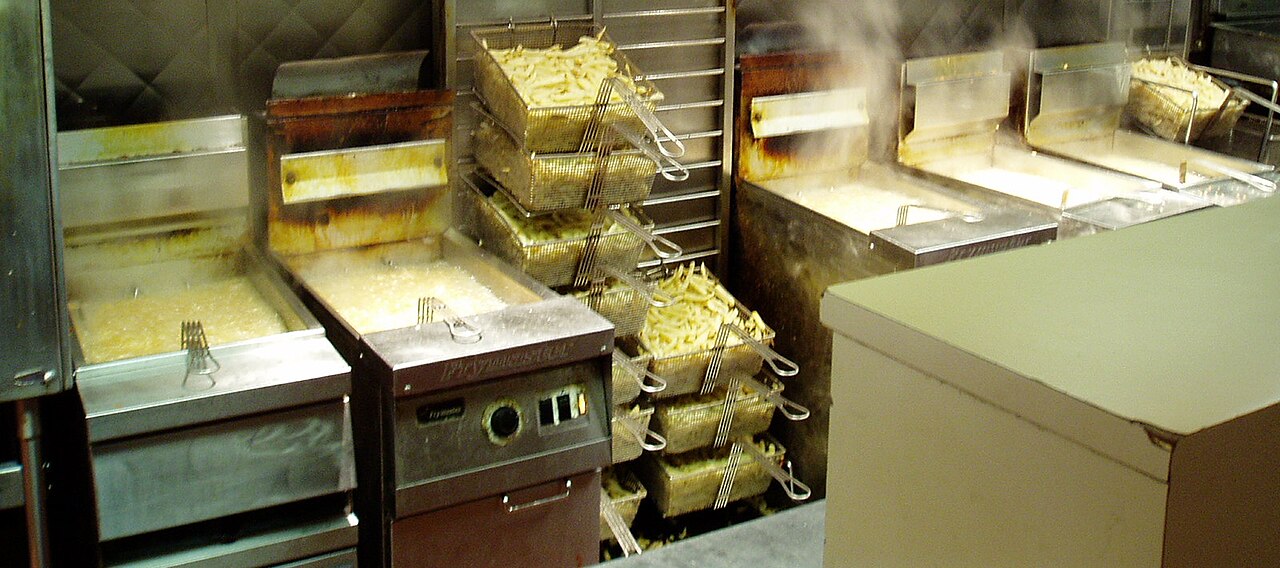
In the fryer, sunflower oil vs palm oil plays out differently. Palm olein is very hard to beat on stability for the price. Its saturated and monounsaturated fats resist breakdown, so it lasts well under heavy daily use. That’s why it’s the standard frying oil across much of Asia, Africa and the Middle East.
Regular sunflower oil fries well, but its linoleic acid breaks down faster at high heat. It needs changing more often in commercial fryers. High oleic sunflower oil closes most of that gap. It’s very stable, low in saturated fat, and stays liquid, but it costs more than palm olein.
So for frying, sunflower oil vs palm oil often turns into high oleic sunflower vs palm olein. Our guides to high oleic vs regular sunflower oil and CP8 vs CP10 palm oil go deeper on each.
Difference 4: appearance and cold behaviour
Appearance is where sunflower oil vs palm oil matters most for bottlers. Refined sunflower oil, properly winterized, stays clear even in a fridge. Palm olein CP10 starts to cloud at about 10 °C, and CP8 at about 8 °C. RBD palm oil is a soft solid at normal room temperature in cool climates.
For bottled retail oil in places with cold winters, sunflower oil has a clear advantage. Shoppers see a bright, clear oil and trust it. A cloudy bottle of palm olein in January looks wrong, even when it’s perfectly fine. In hot climates the difference disappears, because palm olein stays clear all year. Read more in our guide to winterized sunflower oil.
Difference 5: price
On price, sunflower oil vs palm oil usually favours palm. Palm oil is usually the cheaper of the two, often by a clear margin, because of its huge production and high yield per hectare. That’s the main reason it dominates in price-sensitive markets.
The gap moves, though. In mid-September 2026, European quotes for sunflower oil and palm oil were unusually close, both around US$1,400 per tonne, as palm weakened and Black Sea logistics kept sunflower firm. Gaps like that don’t last forever, but they show why it pays to compare sunflower oil vs palm oil prices each time you buy rather than assuming. For more on palm pricing, see crude palm oil price per ton, and for sunflower, sunflower oil wholesale price per ton.
Difference 6: nutrition
On nutrition, the sunflower oil vs palm oil debate gets heated. On paper, sunflower oil looks better to most nutrition guidelines because it’s low in saturated fat. Palm oil is high in saturated fat, which most health bodies suggest eating in moderation. On the other hand, palm oil has no trans fat and offers a solid fat for baking without hydrogenation, which used to create trans fats.
Both oils are natural sources of vitamin E. Sunflower oil is rich in alpha-tocopherol. Palm oil carries tocotrienols, a related form, covered in palm oil vitamin E and tocotrienol content. We’re an oil supplier, not doctors, so for diet advice speak to a qualified professional.
Difference 7: process contaminants
A less talked-about sunflower oil vs palm oil difference is contaminants. Refined palm oil tends to carry more 3-MCPD and glycidyl esters than refined sunflower oil, because of how palm is refined. The EU reflects that with a 3-MCPD limit of 2,500 µg/kg for palm oil and 1,250 µg/kg for sunflower oil, both under Regulation (EU) 2023/915.
If you sell into Europe or make baby food, that matters. Our guide to 3-MCPD in palm oil explains how good refiners keep levels down.
Difference 8: sustainability
Sustainability is the most emotional part of sunflower oil vs palm oil. Palm oil gets the most attention for deforestation and land use, and the concerns are real in some regions. Certified sustainable palm oil under the RSPO scheme addresses that. Palm also yields far more oil per hectare than sunflower, roughly four to five times as much, so it uses less land for the same amount of oil.
Sunflower is an annual crop, often grown in rotation with cereals, so it doesn’t raise deforestation questions in the same way. But it needs more land per ton of oil. Neither oil is “good” or “bad” on its own. What matters is how and where it’s grown. Our guide to RSPO certified sustainable palm oil explains the supply chain options.
Which oil for which use?
Here’s how the sunflower oil vs palm oil choice usually plays out in practice, use by use.
| Use | Usually better | Why |
|---|---|---|
| Bottled cooking oil in cool climates | Sunflower oil | Stays clear on the shelf |
| Bottled cooking oil in hot climates | Either | Palm olein is cheaper, sunflower is lighter |
| Heavy commercial frying | Palm olein or high oleic sunflower | Both stable, palm cheaper |
| Biscuits, pastry and bakery fats | Palm oil | Gives solid fat without hydrogenation |
| Margarine and spreads | Palm oil plus a liquid oil | Palm for structure, liquid oil for softness |
| Mayonnaise and dressings | Sunflower oil | Liquid when chilled, neutral flavour |
| Instant noodles | Palm oil | Sets on the noodle, long shelf life |
| Snacks with long shelf life | High oleic sunflower or palm olein | Both resist rancidity |
| Soap and cosmetics | Palm oil | Hard fat gives firm bars |
Blending sunflower and palm
You don’t always have to settle sunflower oil vs palm oil one way. Blends of palm olein and sunflower oil are common. Adding sunflower oil to palm olein lowers the cloud point and the saturated fat, while palm adds stability and keeps the cost down. Some bottlers sell a palm and sunflower blend as an all-purpose cooking oil.
If you blend, keep the ratio consistent and test the cold behaviour for your market. Note that a blend of different oils is usually classified differently from pure oils for customs. Our guide to the sunflower oil HS code explains why.
Taste and cooking
In the kitchen, sunflower oil vs palm oil is closer than people think. Both refined oils are neutral in taste and smell, so they won’t change the flavour of food. Unrefined versions are very different. Cold-pressed sunflower oil has a nutty, seedy taste. Red palm oil has a strong, earthy flavour and a deep orange colour, popular in West African cooking.
For home cooks, the practical difference is texture. Food fried in palm olein can feel slightly less greasy once cool, because the fat sets on the surface. Food fried in sunflower oil stays softer and lighter.
Shelf life and storage
Sealed and stored cool, refined sunflower oil and palm olein both keep about 12 to 18 months. High oleic sunflower oil keeps 18 to 24 months. Regular sunflower oil is more sensitive to light and air because of its polyunsaturated fat, so keep bottles out of sunlight and use stock in order.
Palm oil needs warmth to stay pumpable in bulk, and its storage tanks usually have heating. Sunflower oil doesn’t. That’s a small but real cost difference for buyers in cold countries. Our posts on shelf life of sunflower oil and refined palm oil storage and handling cover both.
Shipping both oils
Shipping is another practical sunflower oil vs palm oil difference. We ship both oils in flexitanks, ISO tanks, drums, jerrycans, tins and PET bottles. Palm oil cargoes on cold routes need a heating pad or heating coils for discharge. Sunflower oil doesn’t, but it benefits from a clean, dry, low-oxygen container because it oxidises faster.
You can combine the two in one shipment if you need both. See flexitank vs ISO tank for container options and documents required to import vegetable oil for the paperwork.
Sunflower oil vs palm oil by region
Market habits shape the sunflower oil vs palm oil decision as much as chemistry does.
- Middle East and the Gulf. Sunflower oil is the familiar bottled oil for home cooking, often seen as the premium choice. Palm olein dominates restaurants and food factories.
- South and Southeast Asia. Palm olein is the everyday cooking oil in many homes and almost all street food. Sunflower oil sells as a lighter, higher-priced option.
- Africa. Palm olein is widely used for frying and bottled oil. Sunflower oil is popular in southern and eastern Africa, and many buyers stock both.
- Europe. Sunflower oil is a household staple, especially in the south and east. Palm is used mainly by food manufacturers, often RSPO certified.
- The Americas. Soybean and canola lead, but sunflower oil is growing in snacks, and palm is used in bakery and processed foods.
If you’re entering a new market, look at what’s on the local supermarket shelf. It tells you what shoppers expect before you’ve spent anything.
For restaurants and caterers
For a busy kitchen, sunflower oil vs palm oil is mostly a question of cost per week of frying. Palm olein is cheap and stable. Regular sunflower oil is lighter but needs changing sooner. High oleic sunflower oil lasts as long as palm olein or longer, stays liquid and has far less saturated fat, but it costs more.
Many restaurants settle on palm olein for deep fryers and sunflower oil for pans, dressings and cold dishes. It’s a sensible split. If health-conscious customers matter to your brand, high oleic sunflower in the fryer is an easy story to tell.
For private label brands
If you’re building a cooking oil brand, the sunflower oil vs palm oil choice shapes your price point and image. Sunflower oil usually sits higher on the shelf and is easier to market as light and healthy. Palm olein wins on price and suits value lines.
A lot of brands run both: a sunflower oil line and a palm olein line, sometimes with a blend in between. We can pack all of them under your label, in the same container, with matching bottles.
Supply risks to keep in mind
Both oils have their own supply risks, and that’s another reason to think about sunflower oil vs palm oil as a portfolio rather than a single bet.
Sunflower oil depends heavily on the Black Sea region. Weather, conflict and port disruptions there move prices quickly, as buyers saw in 2022. Palm oil depends on Southeast Asian weather, labour and government policy, including export levies and biodiesel mandates. Having approved specs and suppliers for both oils means you can switch when one market gets tight.
How to decide for your business
When buyers ask us to settle sunflower oil vs palm oil for them, we ask four questions before we quote.
- What’s the main use? Frying, bottling, baking, or an ingredient in another product?
- How cold does it get? In the warehouse, on the truck, on the shop shelf?
- What do your customers expect? Some markets prefer palm, others see sunflower as the premium oil.
- What’s your budget per month, not per ton? Frying life and waste change the real cost.
The answers usually point clearly one way. And when they don’t, a blend or a split between the two often makes sense.
Common mistakes
Choosing on price per ton alone. Palm is usually cheaper, but cloudy bottles in a cold market cost more in returns than you saved.
Using regular sunflower oil for heavy frying. It works, but you’ll change oil more often. Look at high oleic or palm olein instead.
Selling palm olein in clear bottles in cold regions without warning. Add a label line explaining that the oil may cloud below 10 °C and clears when warm.
Assuming one oil fits every product. Sunflower oil vs palm oil isn’t a one-time decision. Most food companies use both. Match the oil to the job.
Our honest view
We sell both, so here’s our plain answer on sunflower oil vs palm oil. If you need clear bottles in a cool market, light dressings, or an oil with a healthy image, choose sunflower. If you need low cost, heavy frying, solid fat for baking, or long shelf life on a budget, choose palm. If you need stability and a healthy image together, look at high oleic sunflower oil and accept the higher price.
And if you’re still unsure about sunflower oil vs palm oil, order a mixed container and test both with your own customers. Real sales data beats any comparison table.
Frequently asked questions
Which is healthier, sunflower oil or palm oil? Sunflower oil is lower in saturated fat, which most guidelines favour. Palm oil has no trans fat and offers natural tocotrienols. Moderation and variety matter most.
Which is cheaper? Palm oil, most of the time, though the gap changes. In September 2026 the two were unusually close in European trade.
Which is better for deep frying? Palm olein or high oleic sunflower oil. Both are stable. Palm is usually cheaper, high oleic sunflower stays liquid and is lower in saturated fat.
Why does palm oil go solid and sunflower oil doesn’t? Palm oil is about half saturated fat, which crystallises at cool temperatures. Sunflower oil is mostly unsaturated fat.
Can I mix sunflower oil and palm oil? Yes. Blends are common and can balance cost, stability and cold behaviour.
Do you sell both? Yes, in bulk and bottled, and we can ship both in one order.
Buy sunflower oil and palm oil from one supplier
We supply our full sunflower oil range and palm oil range from Thailand to buyers worldwide, with ISO 22000, HACCP, GMP and Halal certification. Whatever you decide on sunflower oil vs palm oil, we can quote both, or a blend, against the same specs.
See all our products, read about us, or tell us your use, volume, packaging and destination through our contact page. We’ll reply with full specifications and prices for both oils.
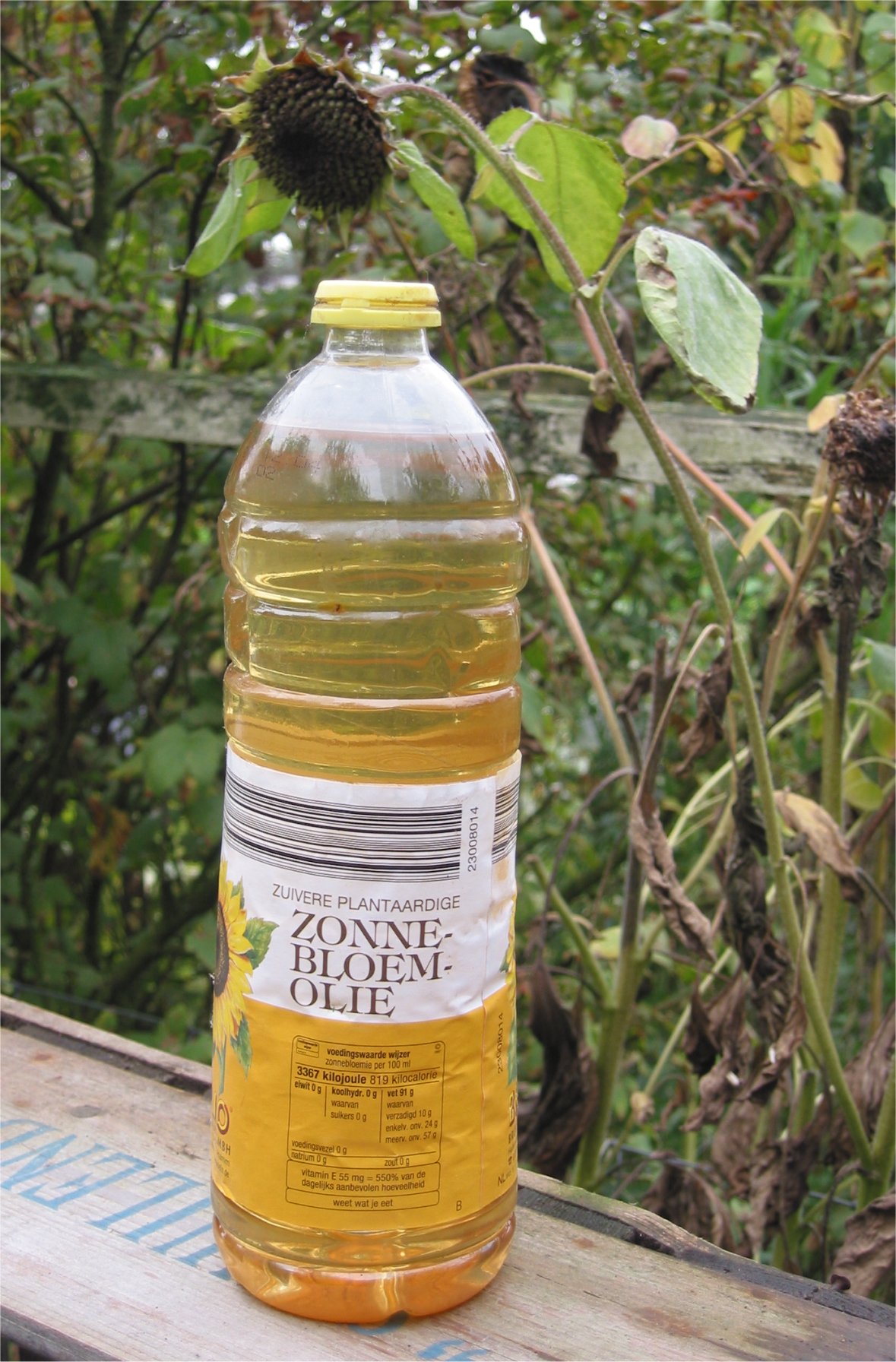
Featured photo: Rasbak, CC BY-SA 3.0.