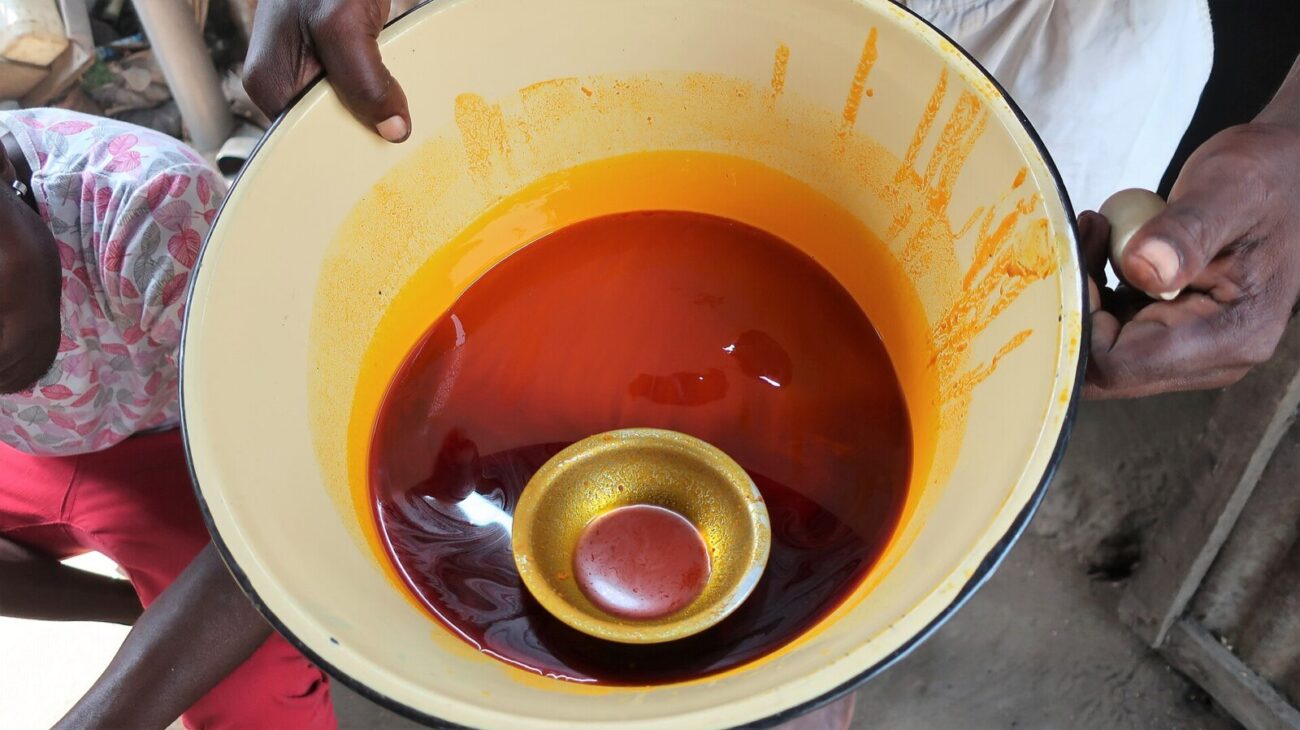
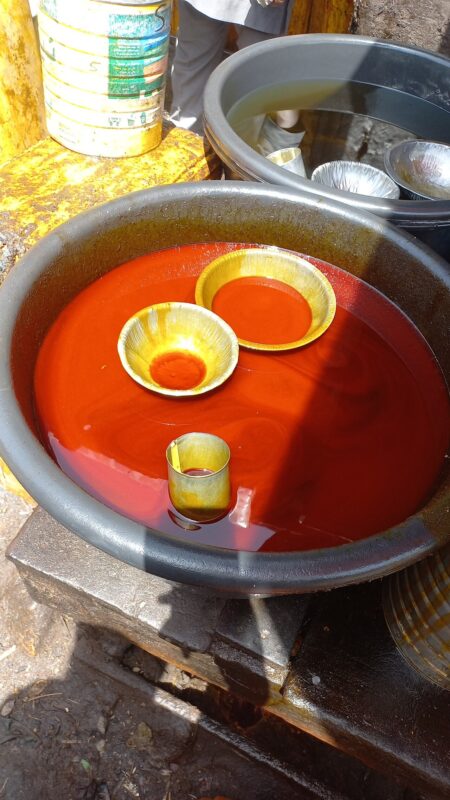
If you’re looking for a CP10 palm olein supplier, you probably already know the product. It’s the golden, clear frying oil that fills market stalls, restaurant fryers and food factory tanks across most of the warm world. What you need is someone who loads the right oil, gets the paperwork right and actually ships on the date they promised. That’s us. We’re a Thailand-based exporter and we sell RBD palm olein CP10 by the container to importers, distributors, packers, restaurant chains and food plants worldwide.
This page is our offer. It lists the specification we guarantee, the packing we can do, how pricing works, what documents come with the cargo, and a handful of things I’ve learned over the years that save buyers money and stress. Read the bits you need and skip the rest.
Table of Contents
What You Get From Us as a CP10 Palm Olein Supplier
Short version: refined, bleached and deodorised palm olein with a cloud point of 10 °C maximum, tested before loading, packed how you want it, and shipped from Thai ports to wherever you are.
In a bit more detail, this is what comes with every order:
- RBD palm olein CP10 to the specification in the table below, with a certificate of analysis from the refinery lab.
- Independent inspection by SGS, Intertek, Bureau Veritas or similar if you ask for it.
- Packing in flexitank, ISO tank, steel drums, 18 litre tins, 20 or 25 litre jerrycans, PET bottles or pouches.
- Your own label if you want private label.
- Halal certificate, certificate of origin, phytosanitary or health certificate where your country needs one.
- A load plan and a realistic shipping date before you pay anything.
We don’t pretend to be the cheapest CP10 palm olein supplier on the internet. Somebody will always quote lower. We aim to be the one whose oil matches the paper and whose container actually turns up.
Our CP10 Palm Olein Specification
This is the spec we sign. If the oil doesn’t meet it at loading, it doesn’t go in the container.
| Parameter | Our limit | Test method |
|---|---|---|
| Cloud point | 10 °C max | AOCS Cc 6-25 |
| Iodine value (Wijs) | 56 min | AOCS Cd 1d-92 |
| Free fatty acid (as palmitic) | 0.1% max | AOCS Ca 5a-40 |
| Moisture and impurities | 0.1% max | AOCS Ca 2c-25 |
| Peroxide value at loading | 2.0 meq/kg max | AOCS Cd 8-53 |
| Colour (Lovibond 5¼ inch cell) | 3.0 red max | AOCS Cc 13e-92 |
| Slip melting point | 24 °C max | AOCS Cc 3-25 |
| Smoke point | About 230 °C | Typical |
| Odour and taste | Bland, neutral | Panel |
| Shelf life | 12 to 18 months sealed, cool and dry | Typical |
The test methods are the standard ones published by the American Oil Chemists’ Society, so your own lab can repeat every number. For food law, the oil sits inside the Codex standard for named vegetable oils, which you can read on the Codex Alimentarius site. If your market adds its own limits (3-MCPD and glycidyl esters in Europe, for example) tell us early. We cover that in more depth in our note on 3-MCPD in palm oil.
You can also see the product sheet on our refined palm oil CP10 for sale page.
What CP10 Actually Means
RBD means refined, bleached and deodorised. Palm olein is the liquid part of palm oil, separated from the harder stearin by cooling the oil slowly and filtering it. If you want the long version of that process, we wrote it up in palm stearin vs palm olein.
CP10 is the cloud point. It’s the temperature where the oil starts to turn hazy as the first crystals form. With CP10, that happens at 10 °C or below. Above it, the oil is clear and pours freely. Below it, you’ll see cloudiness and then a soft white layer. Nothing is wrong with the oil when that happens. Warm it up and it goes clear again. We explain the science in why palm oil solidifies.
So the honest question is simple. Does the oil spend time below 10 °C anywhere between our tank and your customer’s pan? If not, CP10 is the grade to buy. If it does, look at CP8 or double fractionated olein instead. We compare them properly in CP8 vs CP10 palm oil difference.
Who Buys From a CP10 Palm Olein Supplier Like Us
Most of our CP10 goes to five kinds of buyer:
- Importers and wholesalers who take a flexitank or two a month and sell on to smaller traders.
- Packers and repackers who fill their own bottles, pouches and jerrycans locally.
- Distributors who want finished, labelled packs ready for shops.
- Restaurant groups, hotels and caterers buying tins and jerrycans for frying.
- Food factories making instant noodles, snacks, biscuits, fried nuts and frozen fries.
Each one needs something slightly different from a CP10 palm olein supplier. The noodle plant cares about free fatty acid and peroxide because it affects shelf life of the finished pack. The repacker cares about colour because the oil is going into a clear bottle. The restaurant group cares about how long the oil lasts in the fryer. We set up each order around that, which is why the first thing we ask is what you’re going to do with it.
Packing Options From Your CP10 Palm Olein Supplier
Packing moves the price more than most buyers expect, and any CP10 palm olein supplier who doesn’t explain that up front is leaving you to find out later. The oil is the same. The container, labour and materials around it are not.
| Packing | Approx. net per 20 ft container | Cost per ton | Best for |
|---|---|---|---|
| Flexitank | 20 to 22 MT | Lowest | Importers, packers, factories with tanks |
| ISO tank | 20 to 23 MT | Low, plus tank hire | Regular buyers, fast discharge |
| Steel drums, 180 to 190 kg | About 16 MT | Medium | Smaller factories, no bulk tank |
| 18 litre tins | Varies by stacking | Medium to high | Restaurants, bakeries |
| 20 and 25 litre jerrycans | Varies | Medium to high | Food service, wholesale markets |
| PET bottles, 1 to 5 litres | Varies | Highest | Retail shelves |
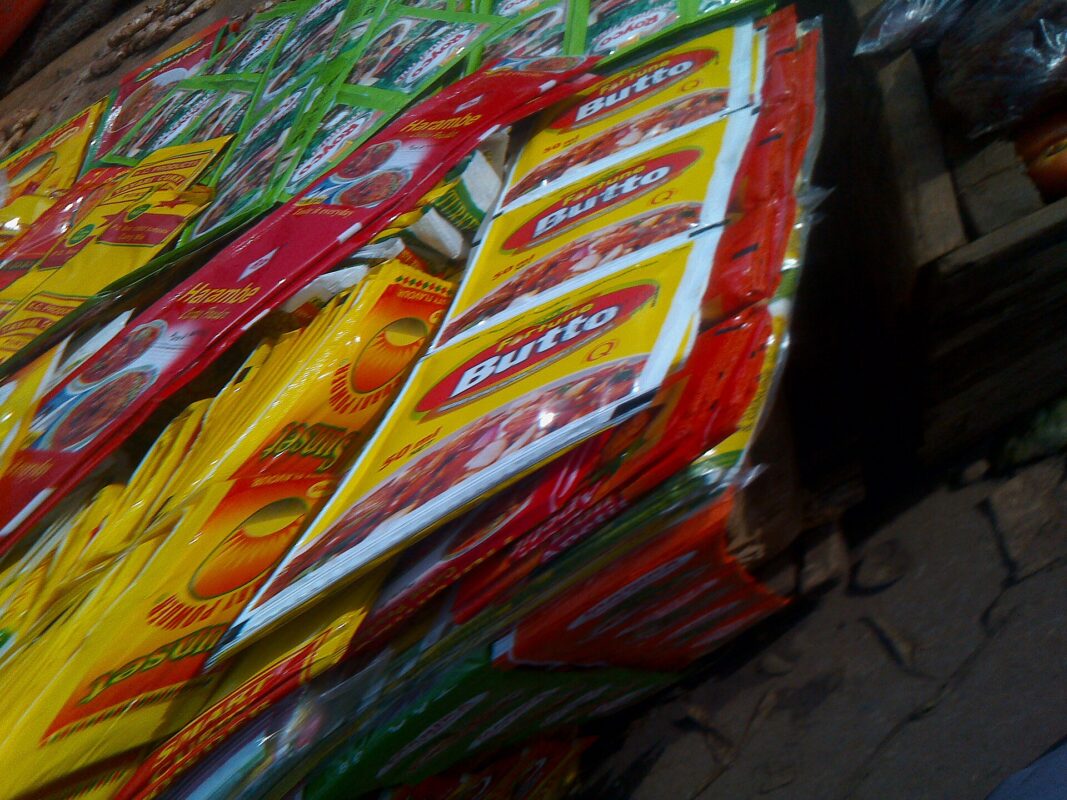
| Pouches and sachets | Varies | High | Low-income retail markets |
If you have a tank at the destination, flexitank wins on price every time. If you’re new to unloading one, read our guide on how to unload palm oil from a flexitank before the first box lands. It’s easy once you’ve done it once and painful if nobody’s told you about the heating pad.
For packed goods we have more detail on the 18 litre tin, the 20 litre jerrycan and the 1 litre pouch. And there’s a general piece on refined palm oil packaging options if you’re still deciding.
How a CP10 Palm Olein Supplier Prices the Oil
Every quote from us is built from the same parts. Knowing them makes it much easier to compare one CP10 palm olein supplier with another.
- The oil itself. This follows the Malaysian and Indonesian palm market, which moves daily. You can follow official numbers on the Malaysian Palm Oil Board site.
- Refining and fractionation. Fairly stable month to month.
- Packing. See the table above.
- Inland freight and port charges in Thailand.
- Ocean freight, if you buy CFR or CIF.
- Insurance, if you buy CIF.
- Inspection and documents.
If a quote looks too good, check which of those is missing. Common tricks are a low FOB price with an “estimated” freight that later doubles, or a price that quietly excludes inspection and Halal. We put every line in writing.
For a deeper look at the numbers, see our breakdown of the RBD palm olein CP10 bulk price.
Where We Ship as a CP10 Palm Olein Supplier
As a CP10 palm olein supplier based in Thailand, we load at Bangkok, Laem Chabang and Songkhla and ship to any port with a regular container line. Rough transit times look like this:
| Destination | Approx. transit |
|---|---|
| Southeast and East Asia | 1 to 3 weeks |
| South Asia | 2 to 3 weeks |
| Middle East and Gulf | 3 to 5 weeks |
| East and Southern Africa | 3 to 5 weeks |
| West Africa and Europe | 4 to 6 weeks |
| North, Central and South America | 5 to 8 weeks |
| Caribbean and Pacific islands | 6 to 9 weeks |
We sell FOB, CFR and CIF, and we’re happy to work with your own forwarder if you have one. If any of those terms are fuzzy, the ICC Incoterms rules page is the official source.
The Documents That Come With Your Oil
A CP10 palm olein supplier that gets the documents wrong can cost you more than one who gets the oil wrong. Customs don’t care how good the oil is if the invoice doesn’t match the packing list.
With each shipment you’ll normally get:
- Commercial invoice and packing list
- Bill of lading
- Certificate of analysis
- Certificate of origin (Form D or general, depending on your country)
- Halal certificate
- Health or fitness for human consumption certificate
- Inspection certificate of quality and quantity if ordered
- Fumigation or flexitank certificate where needed
- Insurance certificate on CIF orders
We send drafts by email before the vessel sails so your broker can check them. If you need the correct tariff code, our palm oil HS code guide covers the usual ones. For Halal specifically, see Halal certified palm oil supplier.
How an Order With Us Works
No surprises here. It goes like this:
- You send quantity, grade, packing, destination port and Incoterm.
- We send a written offer, usually within one working day.
- You confirm and we issue a proforma invoice and sales contract.
- Deposit or letter of credit.
- We book the container, refine or allocate the oil, and pack.
- Lab test and, if ordered, third-party inspection at loading.
- Container loads. We send photos, seal numbers and draft documents.
- Balance payment against copy documents, or LC presentation.
- Originals go out by courier or telex release.
First orders usually take two to four weeks from deposit to loading, depending on packing. Bulk flexitank is fastest. Printed bottles are slowest because the labels have to be made first.
7 Proven Buying Tips From a CP10 Palm Olein Supplier
These come from watching a lot of orders go right and a few go badly wrong.
1. Match the grade to your coldest month
Don’t buy CP10 just because it’s cheaper. Check the night temperatures in your warehouse and your customers’ shops in the coldest month. If they drop below 10 °C, the bottles will cloud and customers will think the oil is bad. Buy CP10 for the warm months and switch to CP8 for winter if you need to.
2. Ask for peroxide value at loading, not at production
Peroxide rises slowly as oil sits. A number from the day it was refined tells you less than a number from the day it was loaded. We test at loading for that reason.
3. Buy flexitank if you can store it
The saving per ton against packed goods is large. If you’re paying for bottles in Thailand and then trucking them for weeks, you might be better off with a small local filling line and bulk oil.
4. Get a pre-shipment sample
We’ll send a sealed sample from the actual lot before loading if there’s time. Test it locally. It’s the cheapest insurance you’ll ever buy.
5. Pay for inspection on the first order
After two or three good shipments you may decide you don’t need it. On the first one, it protects both of us.
6. Plan around the palm price cycle
Palm production dips in the first months of the year and peaks later. Prices tend to follow. If you have the storage, buying more when supply is heavy can help. We write about this in palm oil wholesale price factors.
7. Store it properly once it lands
Cool, dark, sealed, away from copper and brass. Don’t keep topping up old oil with new. Our refined palm oil storage and handling guide has the full list.
How to Check Any CP10 Palm Olein Supplier Before You Pay
There are a lot of fake offers in edible oil. Some sellers never had any oil. Here’s what I’d check with anyone, including us:
- Company registration. Ask for the certificate and check it with the registry in that country.
- A real address and phone. Call it. Video call if you can.
- Bank account name. It should match the company name exactly. If someone asks you to pay a personal account or “an agent”, walk away.
- Product documents. A real seller can send a recent certificate of analysis and a sample.
- Price. If it’s far under the market, there’s a reason, and it’s rarely a good one.
- Payment terms. Be very careful with 100% upfront to a new supplier. A deposit plus balance against documents, or a letter of credit, is normal.
We’re happy to go through all of that. You can read more about us and see the rest of our products.
Private Label From a CP10 Palm Olein Supplier
A lot of our customers sell under their own brand, and that’s one of the main reasons they want a CP10 palm olein supplier who can pack, not just trade. We can fill CP10 into PET bottles from 1 to 5 litres, jerrycans, tins and pouches with your label, cap colour and carton print. Minimum is usually one 20 ft container, though you can mix sizes inside it. Expect four to six weeks for the first order while labels are printed and approved. After that it’s quicker. We go into more detail on our private label palm oil supplier page.
CP10 for Food Factories
Food plants usually choose a CP10 palm olein supplier who can deliver in flexitank or ISO tank, then keep the oil warm in their own tanks, so the cloud point hardly matters to them. What matters is free fatty acid, peroxide, colour and flavour stability. CP10 is common in:
- Instant noodle frying
- Snack and chip frying
- Biscuit and cracker spray oil
- Frozen par-fried potatoes
- Fried peanuts and coated nuts
- Margarine and shortening blends
If you run a noodle line, we’ve written a separate guide on palm oil for instant noodle manufacturing.
CP10 for Restaurants and Food Service
For fryers, palm olein is hard to beat on cost per fry. It resists breaking down at frying temperature better than most soft seed oils, so it lasts longer between changes. Some simple habits make it last longer still:
- Keep fryers at 170 to 180 °C, not hotter.
- Turn them down during quiet periods.
- Filter at the end of every day.
- Skim crumbs as you go.
- Keep salt and seasoning away from the oil.
- Cover fryers overnight.
A tin or jerrycan of CP10 from a good CP10 palm olein supplier can easily outlast a cheaper oil in the same fryer.
CP10 Compared With Other Frying Oils
Buyers often ask whether they should take CP10 or something else. Here’s my honest take:
| Oil | Cost | Frying life | Clear in cold weather |
|---|---|---|---|
| Palm olein CP10 | Low | Long | No, clouds below 10 °C |
| Palm olein CP8 | Low to medium | Long | Better, clouds below 8 °C |
| Soybean oil | Medium | Shorter | Yes |
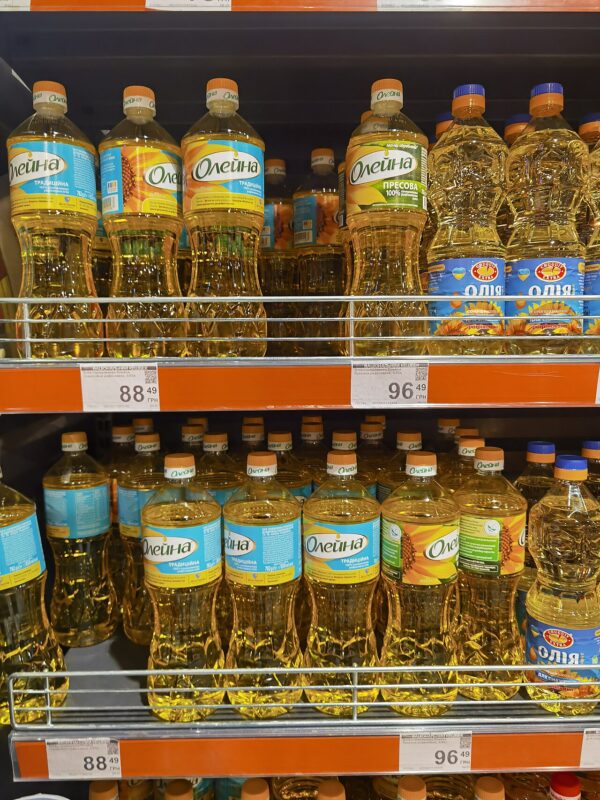
| Sunflower oil | Medium to high | Medium | Yes |
| Canola oil | Medium | Medium | Yes |
In hot climates, CP10 is the value pick for almost every frying job. In cold climates, or if your brand sells in clear bottles all year, look at a blend or a softer oil. We stock most of these. See our palm oil range for the palm grades.
Quality Control at a Serious CP10 Palm Olein Supplier
Every lot is tested at the refinery lab before loading. That’s the baseline we hold ourselves to as a CP10 palm olein supplier. We check cloud point, FFA, moisture, peroxide, colour and iodine value as a minimum. Retain samples from every container are kept for at least a year, so if a question ever comes up later, we can go back and test the same oil. Tanks and flexitanks are checked for cleanliness and previous cargo. Packed goods are checked for leaks, fill weight and label accuracy.
None of that is unusual. It’s just what any serious CP10 palm olein supplier should be doing. If someone can’t tell you how they test, ask why.
A Typical Way to Cut Landed Cost
Say you’re a distributor in a warm coastal market taking two 20 ft containers of packed oil a month and trucking it inland. A setup we often suggest is one flexitank of CP10 plus one container of 20 litre jerrycans each month, with a small local filling room for 1 litre bottles fed from the flexitank. The oil in the bottle is the same. What changes is that you stop paying to ship plastic and air across an ocean. Once volumes are steady, that kind of switch usually brings the landed cost per litre down.
Sustainability and Certification
If your customers ask for certified sustainable oil, we can quote RSPO certified palm olein under the Mass Balance or Segregated models. More on what that means in RSPO certified palm oil Thailand, and on the RSPO website itself. If you’re shipping into the EU, ask us about deforestation-free traceability early; it takes time to set up. Our EUDR palm oil compliance page explains the basics.
Other Palm Grades We Sell
CP10 is the bulk of our palm business, but we also supply:
- Refined palm oil CP8, for cooler markets. Full numbers in CP8 palm olein specifications.
- Crude palm oil CP0, for refiners. See crude palm oil CP0 export.
- Double fractionated palm olein, for clear bottles in cold weather.
FAQs About Buying From a CP10 Palm Olein Supplier
What is the minimum order?
One 20 ft container. You can mix CP10 and CP8, or bulk and packed, in some cases.
Do you ship to my country?
Almost certainly. We ship worldwide to any port with a regular container service.
Can I get a sample?
Yes. A small sample is free; you cover the courier.
Is your CP10 Halal?
Yes. Halal certificates come with each shipment on request.
Why does my CP10 go cloudy?
It’s below its cloud point. Warm it gently and it clears. If that happens often, switch to CP8 for the cold months.
How long does CP10 palm olein keep?
12 to 18 months sealed, stored cool and out of light.
Which payment terms do you accept?
Deposit and balance against documents, or an irrevocable letter of credit at sight.
Ask Us for a CP10 Palm Olein Quote
Send us your quantity, packing, destination port and Incoterm. We’ll come back with a written offer from a CP10 palm olein supplier who knows this trade, with full specs and a load plan, usually inside one working day.
Email info@dthcompanyltd.com, call or WhatsApp +66 91 765 9104, or use our contact page. If you’re new to importing, our guide on how to import refined palm oil CP10 is a good place to start.